Tag: cervical cancer

  • Surprising Factors That Can Affect Your Cervical Mucus and Cervical Cancer Risk

    Blog Post:

    Cervical mucus is a natural fluid produced by the cervix that plays an important role in female reproductive health. It helps in the transportation and nourishment of sperm, as well as providing protection from bacteria and other harmful substances. However, many women are unaware that their cervical mucus can also be an indicator of their overall health, including their risk for cervical cancer. In this blog post, we will explore some surprising factors that can affect your cervical mucus and increase your risk for cervical cancer.

    1. Hormonal Imbalances

    Hormonal imbalances can have a significant impact on the quality and quantity of cervical mucus. The levels of estrogen and progesterone in the body influence the production and consistency of cervical mucus. When there is an imbalance in these hormones, it can lead to changes in the cervical mucus, such as a decrease in quantity or a thickening of the mucus. This can make it difficult for sperm to reach the egg, leading to difficulties in conceiving. Furthermore, hormonal imbalances can also increase the risk of cervical cancer, as estrogen dominance has been linked to the development of abnormal cervical cells.

    2. Medications

    Certain medications, such as birth control pills, can also affect cervical mucus. Birth control pills work by suppressing ovulation, which in turn, affects the production and consistency of cervical mucus. The synthetic hormones in these pills can cause the mucus to become thicker and less hospitable to sperm, making it difficult for them to reach the egg. Additionally, some medications used to treat conditions like allergies, colds, and depression can also have a drying effect on cervical mucus, making it less effective in protecting the cervix from bacteria and infections.

    3. Stress

    It’s no secret that stress can have a negative impact on our physical and mental well-being. But did you know that it can also affect your cervical mucus? Stress can disrupt the balance of hormones in the body, leading to changes in cervical mucus production. It can also cause the mucus to become thicker and stickier, making it difficult for sperm to swim through. Additionally, chronic stress can weaken the immune system, making it easier for the human papillomavirus (HPV) to infect the cervical cells and increase the risk of cervical cancer.

    4. Diet

    comparison of Mosie syringe opening versus standard syringe opening with text highlighting benefits

    Surprising Factors That Can Affect Your Cervical Mucus and Cervical Cancer Risk

    Your diet can also play a role in the quality and quantity of your cervical mucus. A diet rich in processed foods, sugar, and unhealthy fats can lead to inflammation in the body, including the cervix. This can cause changes in the cervical mucus, making it less hospitable to sperm and increasing the risk of infections. On the other hand, a diet rich in whole foods, fruits, and vegetables can help maintain a healthy balance of hormones and promote the production of healthy cervical mucus.

    5. Smoking

    Smoking is a known risk factor for various types of cancer, including cervical cancer. But did you know that it can also affect your cervical mucus? The toxic chemicals in cigarettes can damage the cervical cells and cause changes in the mucus, making it less effective in protecting the cervix from infections and other harmful substances. Additionally, smoking can also weaken the immune system, increasing the risk of HPV infection and the development of abnormal cervical cells.

    6. Sexually Transmitted Infections

    Sexually transmitted infections (STIs) can also have a significant impact on cervical mucus and increase the risk of cervical cancer. STIs such as chlamydia and gonorrhea can cause inflammation and damage to the cervix, leading to changes in the cervical mucus. This can make it easier for HPV to infect the cervical cells and increase the risk of cervical cancer. It’s important to practice safe sex and get tested regularly for STIs to protect your cervical health.

    7. Age

    As women age, their cervical mucus production decreases, and the consistency of the mucus can also change. This is due to a decrease in estrogen levels and a decrease in the number of cervical glands. As a result, the cervical mucus becomes less hospitable to sperm, making it difficult for them to reach the egg. Additionally, the risk of cervical cancer also increases with age, as the body’s ability to fight off infections and abnormal cell growth decreases.

    Summary:

    Cervical mucus is a natural fluid produced by the cervix that plays an important role in female reproductive health. However, many factors can affect the quality and quantity of cervical mucus, including hormonal imbalances, medications, stress, diet, smoking, sexually transmitted infections, and age. These factors can also increase the risk of cervical cancer by causing changes in the cervical cells and making it easier for HPV to infect the cervix. It’s important to be aware of these surprising factors and take steps to maintain a healthy balance of hormones and protect your cervical health.


  • The Role of Cervical Mucus in Cervical Cancer: What Every Woman Should Know

    Cervical cancer is a type of cancer that affects the cervix, the narrow passage that connects the vagina to the uterus. It is the fourth most common cancer in women worldwide, with an estimated 570,000 new cases and 311,000 deaths in 2018 alone. While it can be a serious and life-threatening disease, cervical cancer is highly preventable and treatable if detected early. In this blog post, we will be discussing the role of cervical mucus in cervical cancer and what every woman should know about it.

    First, let’s understand what cervical mucus is and its function. Cervical mucus is a fluid produced by the cells lining the cervix. Its primary role is to help sperm travel through the cervix to fertilize an egg. It also acts as a protective barrier against bacteria and other foreign substances, keeping the cervix and uterus healthy. The amount and consistency of cervical mucus changes throughout a woman’s menstrual cycle, and these changes can indicate fertility or ovulation.

    Now, you might be wondering, what does cervical mucus have to do with cervical cancer? Well, it turns out that cervical mucus plays a crucial role in the development and detection of cervical cancer. The cervix is covered with a layer of cells called the cervical epithelium, which produces mucus. When a woman is infected with the human papillomavirus (HPV), the virus can cause changes in the cervical epithelium that can lead to abnormal cell growth and eventually, cervical cancer.

    HPV is a common sexually transmitted infection that can affect both men and women. According to the World Health Organization, HPV is responsible for almost all cases of cervical cancer. There are many types of HPV, and some can cause genital warts, while others can cause cancer. The HPV strains that can cause cervical cancer are called high-risk HPV. When a woman is infected with high-risk HPV, her cervical mucus may become thicker and more abundant, making it harder for sperm to travel through. This change in cervical mucus can affect fertility and increase the risk of developing cervical cancer.

    Furthermore, the consistency of cervical mucus can also be an indicator of cervical cancer. In healthy women, cervical mucus is usually clear or white, and its texture is described as “egg white-like.” However, in women with cervical cancer, the mucus may appear watery, bloody, or have a foul odor. These changes in cervical mucus can be a sign of abnormal cell growth in the cervix, and it is essential to pay attention to these changes and consult a doctor if necessary.

    illustration of Mosie Baby home insemination kit highlighting seamless transfer and size features

    The Role of Cervical Mucus in Cervical Cancer: What Every Woman Should Know

    Apart from changes in cervical mucus, there are other warning signs of cervical cancer that every woman should be aware of. These include abnormal bleeding or spotting between periods, after sex, or after menopause, pelvic pain, pain during sex, and unusual vaginal discharge. It is crucial to note that these symptoms may also be caused by other conditions, but it is always better to get them checked by a doctor to rule out any serious underlying issues.

    So, what can you do to prevent cervical cancer? The most effective way is through regular cervical screenings, also known as Pap smears. A Pap smear is a simple procedure where a doctor collects a sample of cells from the cervix and sends it to a lab for testing. This test can detect any abnormal changes in the cervical cells, including those caused by HPV infection. It is recommended for women to start getting Pap smears at the age of 21 and continue getting them every three years until the age of 65. However, if you have a history of abnormal Pap smears or are at a higher risk for cervical cancer, your doctor may recommend getting screened more frequently.

    In addition to Pap smears, there is also a vaccine available that can protect against the most common types of HPV that cause cervical cancer. The HPV vaccine is recommended for both boys and girls between the ages of 11-12, but it can be given as early as nine years old. It is crucial to get the vaccine before becoming sexually active to ensure its maximum effectiveness.

    In summary, cervical mucus plays a significant role in both the development and detection of cervical cancer. Changes in cervical mucus, along with other warning signs, can be an indicator of abnormal cell growth in the cervix, which may lead to cervical cancer. It is essential for women to pay attention to their cervical mucus and any changes in their body and to get regular cervical screenings and the HPV vaccine to prevent cervical cancer.

    In conclusion, being aware of the role of cervical mucus in cervical cancer and taking preventive measures such as regular cervical screenings and getting the HPV vaccine can significantly reduce the risk of developing this type of cancer. It is also crucial to educate ourselves and spread awareness about cervical cancer to ensure early detection and treatment. Remember, taking care of our reproductive health is essential for our overall well-being.

  • Reasons Why Cervical Mucus Is Crucial for Detecting Cervical Cancer Early

    Summary:

    Cervical cancer is a devastating disease that affects thousands of women every year. However, with early detection, it can be effectively treated and even prevented. One crucial tool in detecting cervical cancer early is cervical mucus. Cervical mucus is the fluid produced by the cervix that plays a critical role in maintaining the health of the female reproductive system. In this blog post, we will discuss the reasons why cervical mucus is crucial for detecting cervical cancer early and how it can help save lives.

    Reasons Why Cervical Mucus Is Crucial for Detecting Cervical Cancer Early:

    1. It protects the cervix from infections

    The cervix is the lower part of the uterus that connects to the vagina. It serves as a barrier between the vagina and the uterus, protecting the reproductive organs from infections and other harmful substances. Cervical mucus plays a significant role in maintaining this barrier by creating a hostile environment for bacteria and other pathogens. A healthy and robust mucous membrane can prevent infections that could potentially lead to cervical cancer.

    2. It helps sperm reach the egg

    Cervical mucus is also responsible for helping sperm travel through the female reproductive tract to reach the egg. The mucus acts as a lubricant, making it easier for sperm to swim through the cervix and into the uterus. Without enough cervical mucus, sperm may not be able to survive long enough to fertilize the egg, making it difficult to conceive. Therefore, monitoring the quality and quantity of cervical mucus can be an essential tool for couples trying to conceive.

    3. It changes throughout the menstrual cycle

    The amount and consistency of cervical mucus change throughout the menstrual cycle due to hormonal fluctuations. During ovulation, the mucus becomes thinner and more slippery, allowing sperm to travel more efficiently. After ovulation, the mucus becomes thicker and stickier, forming a plug that prevents bacteria from entering the cervix. By tracking these changes, women can identify their most fertile days and increase their chances of conceiving. However, changes in cervical mucus can also indicate potential issues or abnormalities in the reproductive system, including cervical cancer.

    illustration comparing standard and Mosie syringe openings with text highlighting design benefits for home insemination

    Reasons Why Cervical Mucus Is Crucial for Detecting Cervical Cancer Early

    4. It can indicate hormonal imbalances

    Hormonal imbalances can affect the production and quality of cervical mucus. Estrogen, a female hormone, is responsible for producing cervical mucus. Any disruption in estrogen levels can result in changes in the mucus, making it an important indicator of hormonal imbalances. Chronic hormonal imbalances can increase the risk of developing cervical cancer, making it crucial to monitor changes in cervical mucus.

    5. It can help detect abnormalities in the cervix

    Abnormalities in cervical mucus, such as changes in color, consistency, or smell, can be a sign of potential issues in the cervix. If the mucus appears bloody or has a foul odor, it could be a sign of an infection or abnormal cells in the cervix. These changes may be an early warning sign of cervical cancer and should be investigated further by a healthcare provider.

    6. It can be used in conjunction with other screening methods

    While cervical mucus can indicate potential issues in the cervix, it should not be used as the sole screening tool for cervical cancer. Regular Pap tests and HPV tests are still the most effective methods of detecting cervical cancer. However, tracking changes in cervical mucus can provide additional information and help identify potential issues early on.

    7. It can lead to early detection and treatment of cervical cancer

    Early detection is crucial in effectively treating and preventing cervical cancer. By regularly monitoring cervical mucus and identifying any changes, women can detect abnormalities and seek medical attention before the cancer progresses. This can significantly increase the chances of successful treatment and reduce the risk of developing advanced stages of cervical cancer.

    In conclusion, cervical mucus is a vital aspect of female reproductive health and plays a crucial role in detecting cervical cancer early. By understanding the functions of cervical mucus and tracking changes in its quality and quantity, women can take a proactive approach to their health and potentially save their lives. Regular check-ups with a healthcare provider, along with self-monitoring of cervical mucus, can help detect any abnormalities and ensure early detection and treatment of cervical cancer.

  • Exploring the Link Between Cervical Mucus and Cervical Cancer Risk

    Blog Post: Exploring the Link Between Cervical Mucus and Cervical Cancer Risk

    Cervical cancer is the fourth most common type of cancer in women worldwide. According to the American Cancer Society, about 14,480 new cases of cervical cancer will be diagnosed and about 4,290 women will die from the disease in 2021 alone. The good news is that cervical cancer is highly preventable and treatable if detected early. One important factor in the development of cervical cancer is the quality and quantity of cervical mucus. In this blog post, we will explore the link between cervical mucus and cervical cancer risk.

    What is Cervical Mucus?

    Cervical mucus, also known as cervical fluid, is a natural substance produced by the cells of the cervix. It plays a vital role in the reproductive system by helping sperm travel through the cervix and into the uterus. The consistency and amount of cervical mucus can vary throughout a woman’s menstrual cycle due to hormonal changes. Generally, the mucus is thin and watery after menstruation, thick and sticky before ovulation, and thin and stretchy during ovulation.

    The Link Between Cervical Mucus and Cervical Cancer Risk

    Research has shown that the quality and quantity of cervical mucus can impact a woman’s risk of developing cervical cancer. The main reason for this is because cervical mucus acts as a barrier, protecting the cervix from infections and other harmful substances. When the cervix is exposed to the human papillomavirus (HPV), which is the main cause of cervical cancer, the mucus can help prevent the virus from entering the cells and causing damage. However, if the cervical mucus is not of good quality, it may not provide enough protection, making it easier for HPV to infect the cells and potentially lead to cervical cancer.

    Factors Affecting Cervical Mucus Quality

    Several factors can affect the quality and quantity of cervical mucus, including hormonal imbalances, vaginal infections, and certain medications. Hormonal imbalances, such as low levels of estrogen, can cause the mucus to become too thick, making it difficult for sperm to pass through and also reducing its protective qualities. Vaginal infections, such as bacterial vaginosis or yeast infections, can also affect the quality of cervical mucus by changing its pH level, making it more acidic and less hospitable for sperm. Additionally, certain medications, such as antihistamines and some birth control pills, can also alter the mucus consistency.

    Cervical Mucus and HPV Infection

    two teal and clear syringes positioned on a white background

    Exploring the Link Between Cervical Mucus and Cervical Cancer Risk

    As mentioned earlier, HPV is the main cause of cervical cancer. It is a common virus that can infect the cells of the cervix, potentially leading to abnormal cell growth and the development of cancer. However, not all women who are infected with HPV will develop cervical cancer. The presence of good quality cervical mucus can help prevent the virus from entering the cells and causing harm. A study published in the Journal of Infectious Diseases found that women with low quality cervical mucus were more likely to be infected with HPV and have persistent infections.

    Cervical Mucus and Cervical Cancer Screening

    Regular cervical cancer screening is essential for early detection and treatment of abnormal cell growth in the cervix. The most common screening method is the Pap smear, which involves collecting a sample of cervical cells and examining them for any abnormalities. However, recent studies have shown that the quality of cervical mucus can impact the accuracy of Pap smear results. Thick and sticky mucus can make it challenging to collect an adequate sample of cells, resulting in a false negative result. Therefore, it is crucial to have good quality cervical mucus during cervical cancer screening to ensure accurate results.

    Improving Cervical Mucus Quality

    Maintaining good overall reproductive health is essential for improving the quality of cervical mucus. Staying hydrated, eating a balanced diet, and avoiding certain medications that can affect mucus consistency can help. Additionally, using fertility-friendly lubricants during intercourse can also improve the quality of cervical mucus and increase fertility. Keeping the vaginal area clean and dry can also prevent the growth of harmful bacteria that can affect mucus quality.

    Conclusion

    The link between cervical mucus and cervical cancer risk is a crucial aspect of women’s health that should not be overlooked. Good quality cervical mucus plays a vital role in protecting the cervix from HPV infection and can impact the accuracy of cervical cancer screening. By maintaining good reproductive health and addressing any factors that may affect mucus quality, women can reduce their risk of developing cervical cancer.

    Summary:

    Cervical mucus is a natural substance produced by the cervix that plays a vital role in the reproductive system. Its quality and quantity can vary throughout a woman’s menstrual cycle and can impact her risk of developing cervical cancer. Good quality cervical mucus can act as a barrier against HPV infection and improve the accuracy of cervical cancer screening. Factors such as hormonal imbalances, vaginal infections, and certain medications can affect mucus quality, but maintaining good reproductive health can help improve it. By understanding the link between cervical mucus and cervical cancer risk, women can take steps to protect their health and reduce their risk of developing this disease.

  • The Importance of Cervical Mucus in Cervical Cancer Screening and Prevention

    SUMMARY:

    Cervical cancer is the fourth most common cancer in women worldwide, with over half a million new cases and over 300,000 deaths each year. However, cervical cancer is also one of the most preventable and treatable forms of cancer if detected early. One crucial component of cervical cancer screening and prevention is observing and monitoring changes in cervical mucus. Cervical mucus is the thick, sticky fluid produced by the cervix that plays a critical role in maintaining the health of the female reproductive system. In this blog post, we will discuss the importance of cervical mucus in cervical cancer screening and prevention and why it should not be overlooked.

    Firstly, cervical mucus serves as a protective barrier for the cervix. The cervix is the lower part of the uterus that connects to the vagina, and it is responsible for keeping bacteria and other harmful substances out of the uterus. The consistency and pH of cervical mucus change throughout a woman’s menstrual cycle, which helps to regulate the entry of sperm and prevent infections. However, changes in the amount, texture, and appearance of cervical mucus can also be indicative of abnormalities or infections in the cervix. Therefore, monitoring changes in cervical mucus can provide vital information about a woman’s reproductive health.

    Cervical mucus also plays a crucial role in the detection of cervical cancer. The human papillomavirus (HPV) is the primary cause of cervical cancer, and it is transmitted through sexual contact. When HPV infects the cells in the cervix, it can cause changes in cervical mucus, such as an increase in production or changes in color and texture. These changes can be picked up through regular cervical cancer screenings, such as Pap smears or HPV tests. By monitoring cervical mucus, healthcare providers can detect abnormalities in the cervix early on and take appropriate measures to prevent or treat cervical cancer.

    at-home insemination kit with syringes, collection cups, and instructions on a pink background

    The Importance of Cervical Mucus in Cervical Cancer Screening and Prevention

    Additionally, cervical mucus helps to identify the most fertile time of a woman’s menstrual cycle. The texture and consistency of cervical mucus change during ovulation to create a more hospitable environment for sperm to reach the egg. By tracking changes in cervical mucus, women can better understand their fertility patterns and plan for pregnancy or use it as a natural form of birth control. In some cases, changes in cervical mucus can also indicate hormonal imbalances or other underlying health issues that may affect a woman’s ability to conceive.

    Moreover, cervical mucus can also be used to monitor the effectiveness of fertility treatments. For women undergoing fertility treatments such as in vitro fertilization (IVF), changes in cervical mucus can provide valuable insights into the success of the treatment. Changes in cervical mucus can indicate if the uterine lining is receptive to embryo implantation, and it can also help doctors determine the best time for embryo transfer.

    In addition to its role in screening and prevention, cervical mucus can also serve as an indicator of overall reproductive health. Changes in cervical mucus can be a sign of various gynecological conditions, including infections, hormonal imbalances, and cervical polyps. By paying attention to changes in cervical mucus, women can identify potential health issues and seek medical attention promptly. Early detection and treatment of these conditions can help prevent further complications and improve overall reproductive health.

    In conclusion, cervical mucus plays a vital role in cervical cancer screening and prevention, fertility tracking, and overall reproductive health. It is crucial for women to be aware of changes in their cervical mucus and to regularly monitor it. Along with regular cervical cancer screenings, tracking changes in cervical mucus can help detect abnormalities and infections in the cervix, leading to early detection and treatment of cervical cancer. Additionally, it can provide valuable insights into a woman’s fertility and overall reproductive health. Therefore, cervical mucus should not be overlooked and should be considered an essential aspect of women’s health.

  • Essential Facts About Cervical Mucus and Its Impact on Cervical Cancer

    Blog Post:

    Cervical cancer is the fourth most common cancer in women worldwide, with an estimated 570,000 new cases and 311,000 deaths in 2018 alone. It is a type of cancer that starts in the cells of the cervix, the lower part of the uterus that connects to the vagina. While there are various risk factors for cervical cancer, one crucial aspect that is often overlooked is cervical mucus. In this blog post, we will discuss the essential facts about cervical mucus and its impact on cervical cancer.

    What is Cervical Mucus?

    Cervical mucus is a fluid secreted by the cells of the cervix. It plays a crucial role in the female reproductive system, particularly in fertility and the menstrual cycle. The cervix produces different types of mucus throughout the menstrual cycle, and its consistency, color, and amount can vary depending on hormonal changes.

    The Role of Cervical Mucus in Fertility

    One of the primary functions of cervical mucus is to help sperm survive and reach the egg for fertilization. During ovulation, the cervix produces a more abundant, thinner, and clearer mucus that allows sperm to swim more easily through the cervix and into the uterus.

    On the other hand, during non-fertile days, the cervical mucus is thicker and more acidic, making it difficult for sperm to survive and reach the egg. This natural mechanism helps to control the timing of ovulation and prevent unwanted pregnancies.

    Cervical Mucus and Cervical Cancer

    Cervical mucus also plays a crucial role in detecting and preventing cervical cancer. The cells of the cervix continually shed and are carried away by the cervical mucus. This mucus then exits the body through the vagina as vaginal discharge.

    In the early stages of cervical cancer, abnormal cells may be present in the cervical mucus, which can be detected during a regular pap smear test. If left undetected and untreated, these abnormal cells can develop into cancerous cells over time.

    Changes in Cervical Mucus as a Symptom of Cervical Cancer

    Aside from detecting abnormal cells, changes in cervical mucus can also be a symptom of cervical cancer. Women with cervical cancer may experience abnormal vaginal discharge, such as a foul-smelling, thick, or bloody discharge. They may also notice changes in the color, consistency, or amount of their usual discharge.

    hand holding a pregnancy test with instructions on a colorful background

    Essential Facts About Cervical Mucus and Its Impact on Cervical Cancer

    These changes in cervical mucus are due to the cancer cells invading the cervix and altering its normal functions. However, it is essential to note that these changes in cervical mucus can also be caused by other conditions, such as infections or hormonal imbalances. It is always best to consult a healthcare provider for proper assessment and diagnosis.

    The Impact of Cervical Mucus on Cervical Cancer Screening

    Cervical cancer screening, particularly through pap smear tests, has been proven to be an effective way to detect abnormal cells in the cervix and prevent cervical cancer. However, the accuracy of the test can be affected by the quality and amount of cervical mucus present during the test.

    If there is not enough cervical mucus present, it may be challenging to collect an adequate sample for testing. On the other hand, if there is an excessive amount of cervical mucus, it may obscure the abnormal cells, leading to a false-negative result. Therefore, it is crucial to schedule a pap smear test when there is a moderate amount of cervical mucus present, usually during the middle of the menstrual cycle.

    Ways to Monitor Cervical Mucus

    Monitoring cervical mucus is not only essential for fertility and early detection of cervical cancer, but it can also provide valuable information about overall reproductive and vaginal health. Here are some ways to monitor cervical mucus:

    1. Visual Observation: Pay attention to the color, consistency, and amount of vaginal discharge throughout the menstrual cycle.

    2. Cervical Mucus Charting: Some women keep track of their cervical mucus by recording their observations on a chart or using fertility tracking apps.

    3. Ovulation Predictor Kits: These kits can help predict ovulation by measuring the levels of luteinizing hormone (LH) in urine, which usually surges during ovulation. This can help in timing intercourse for couples trying to conceive.

    4. Fertility Awareness Method: This method combines tracking basal body temperature, cervical mucus changes, and other fertility signs to determine the most fertile days in a woman’s menstrual cycle.

    In conclusion, cervical mucus is not just a natural bodily fluid, but it also plays a crucial role in fertility, cervical cancer detection, and overall reproductive health. Monitoring and understanding the changes in cervical mucus can provide valuable insights and help prevent and detect cervical cancer early on.

    Summary:

    Cervical mucus is a fluid secreted by the cells of the cervix and plays a crucial role in fertility and the menstrual cycle. It also helps detect and prevent cervical cancer by carrying away abnormal cells and changing as a symptom of the disease. Changes in cervical mucus can also affect the accuracy of cervical cancer screening tests. It is essential to monitor cervical mucus and understand its changes to maintain overall reproductive health.

  • Debunking Myths: Does Cervical Mucus Really Play a Role in Cervical Cancer?

    Blog Post Summary:

    Cervical cancer is a serious and potentially life-threatening disease that affects thousands of women worldwide. As with any illness, there are many myths and misconceptions surrounding its causes and risk factors. One common myth is that cervical mucus plays a role in the development of cervical cancer. In this blog post, we will debunk this myth and explore the true relationship between cervical mucus and cervical cancer.

    First, let’s clarify what cervical mucus is. Cervical mucus is a fluid produced by the cervix, the lower part of the uterus that connects to the vagina. It plays an important role in the reproductive system by helping sperm reach the egg and protecting the uterus from bacteria. However, some people believe that cervical mucus can also increase the risk of cervical cancer. This is simply not true.

    One of the main reasons this myth exists is due to the fact that cervical mucus can sometimes contain the human papillomavirus (HPV). HPV is a common sexually transmitted infection that can lead to cervical cancer. However, it’s important to note that not all types of HPV cause cervical cancer. In fact, there are over 100 types of HPV, and only a few of them are considered high-risk for cervical cancer. Additionally, HPV is not only transmitted through cervical mucus, but also through skin-to-skin contact during sexual activity.

    guide and materials for using Mosie Baby fertility kit on a textured surface

    Debunking Myths: Does Cervical Mucus Really Play a Role in Cervical Cancer?

    Another reason this myth persists is because of the timing of cervical mucus production. Cervical mucus is typically produced during ovulation, making it more noticeable to women who are trying to conceive. This has led to the belief that cervical mucus is somehow connected to fertility and therefore, cervical cancer. However, there is no scientific evidence to support this claim. Cervical mucus production has no correlation to the development of cervical cancer.

    Furthermore, some people believe that the consistency or color of cervical mucus can indicate the presence of cervical cancer. This is simply not true. Cervical mucus can vary in consistency and color throughout a woman’s menstrual cycle, and these changes are perfectly normal. The only time a change in cervical mucus may be a cause for concern is if it is accompanied by other symptoms, such as abnormal bleeding or pain. In these cases, it’s important to see a healthcare provider to determine the underlying cause of the symptoms.

    So, if cervical mucus does not play a role in cervical cancer, what are the actual risk factors? The primary cause of cervical cancer is HPV infection, with the high-risk types being responsible for about 99% of cervical cancer cases. Other risk factors include smoking, a weakened immune system, and a family history of cervical cancer. Regular screening with a Pap test or HPV test is crucial in detecting cervical cancer early on when it is most treatable.

    In summary, there is no scientific evidence to support the myth that cervical mucus plays a role in the development of cervical cancer. HPV infection is the primary cause of cervical cancer, and it can be transmitted through various forms of sexual contact, not just through cervical mucus. It’s important for women to understand the true risk factors for cervical cancer and to prioritize regular screenings for early detection. Don’t let myths and misconceptions stand in the way of taking care of your health.

  • The Link Between Cervical Mucus and HPV: Understanding the Connection to Cervical Cancer

    Blog Post:

    Cervical cancer is the fourth most common cancer in women worldwide, with an estimated 570,000 new cases and 311,000 deaths in 2018 alone. It is primarily caused by the human papillomavirus (HPV), a common sexually transmitted infection. However, not all women who contract HPV will develop cervical cancer. So, what is the link between cervical mucus and HPV, and how does it play a role in the development of cervical cancer?

    Understanding the Connection between Cervical Mucus and HPV:

    Cervical mucus is a natural fluid produced by the cervix that helps to keep the vagina clean, moist, and free from infection. It also plays an essential role in fertility by providing an ideal environment for sperm to travel through and fertilize the egg. The consistency, color, and amount of cervical mucus change throughout a woman’s menstrual cycle due to hormonal fluctuations.

    On the other hand, HPV is a group of more than 200 viruses that can infect the skin and mucous membranes. There are more than 40 types of HPV that can be transmitted through sexual contact, and some of them can cause genital warts, while others can lead to various cancers, including cervical cancer. HPV is common, and most sexually active people will have at least one type of HPV at some point in their lives. However, not all types of HPV cause cancer, and most infections will naturally clear up on their own without causing any symptoms.

    The Link between Cervical Mucus and HPV:

    HPV is primarily transmitted through sexual contact, and it can enter the body through small cuts or abrasions on the skin. In the case of cervical cancer, HPV infects the cells lining the cervix, causing changes that can lead to cancer over time. However, not all women who contract HPV will develop cervical cancer because the immune system can often clear the virus on its own.

    This is where cervical mucus comes into play. Research has shown that the consistency and amount of cervical mucus can affect the risk of developing cervical cancer in women who have HPV. A study published in the Journal of Cancer Epidemiology, Biomarkers & Prevention found that women with higher levels of cervical mucus had a lower risk of developing cervical cancer, even if they had an HPV infection.

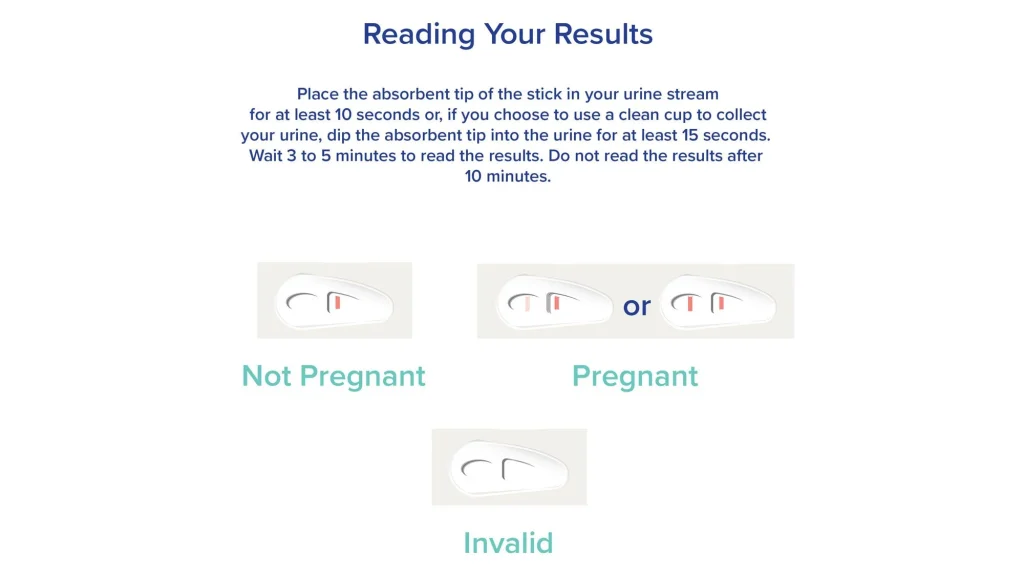
    Instructions for reading pregnancy test results with visual indicators for "Not Pregnant," "Pregnant," and "Invalid.

    The Link Between Cervical Mucus and HPV: Understanding the Connection to Cervical Cancer

    The reason behind this is that cervical mucus acts as a natural barrier against HPV. It contains antibodies and immune cells that can help fight off the virus and prevent it from infecting the cells lining the cervix. In addition, the consistency of cervical mucus can also play a role. Thicker mucus can make it more difficult for HPV to enter the cervix, while thinner mucus may make it easier for the virus to travel up the reproductive tract.

    Furthermore, cervical mucus can also act as a protective layer for the cells lining the cervix. HPV needs to attach to the cells to infect them, and the presence of cervical mucus can make it more challenging for the virus to do so. In women with lower levels of cervical mucus, there may be less protection for the cells, increasing the risk of HPV infection and, ultimately, cervical cancer.

    Understanding the Connection to Cervical Cancer:

    HPV infection alone is not enough to cause cervical cancer. In most cases, the immune system can clear the virus within two years, and the infected cells will return to normal. However, if the infection persists, the virus can cause changes in the cells’ DNA, leading to abnormal cell growth and, eventually, cancer.

    This is where the link between cervical mucus and HPV becomes crucial. Women with higher levels of cervical mucus may have a lower risk of developing cervical cancer because their immune system is better equipped to fight off the virus. On the other hand, women with lower levels of cervical mucus may have a higher risk of developing cervical cancer because their immune system may not be as effective in clearing the virus.

    It’s important to note that cervical mucus is not the only factor that affects the risk of developing cervical cancer. Other factors, such as smoking, a weakened immune system, and certain genetic factors, can also play a role. However, understanding the link between cervical mucus and HPV can help women take necessary steps to protect themselves against cervical cancer.

    Takeaway:

    In summary, cervical mucus plays a crucial role in the development of cervical cancer in women who have an HPV infection. It acts as a natural barrier against the virus and can also protect the cells lining the cervix. Women with higher levels of cervical mucus may have a lower risk of developing cervical cancer, while those with lower levels may have a higher risk. By understanding this connection, women can take necessary steps to protect themselves against HPV and reduce their risk of developing cervical cancer.

    SEO metadata:

  • Ways to Improve Your Cervical Mucus and Reduce Your Risk of Cervical Cancer

    Blog Post:

    Cervical cancer is the fourth most common type of cancer in women worldwide, with over 500,000 new cases and 250,000 deaths reported every year. The good news is that cervical cancer is highly preventable, and one of the key ways to reduce your risk is by improving your cervical mucus. Cervical mucus plays a crucial role in maintaining the health of your cervix, and by taking steps to improve its quality, you can lower your chances of developing cervical cancer. In this blog post, we will discuss ways to improve your cervical mucus and reduce your risk of cervical cancer.

    1. Stay Hydrated

    Drinking plenty of water is essential for overall health, and it also has a positive impact on your cervical mucus. Adequate hydration helps to thin out cervical mucus, making it easier for sperm to swim through and reach the egg. Moreover, staying hydrated also helps to flush out toxins from your body, which can otherwise affect the quality of your cervical mucus. Aim to drink at least 8 glasses of water a day to keep your cervical mucus healthy.

    2. Eat a Balanced Diet

    Eating a balanced and nutritious diet is crucial for maintaining overall health, including the health of your cervix. Include plenty of fruits and vegetables in your diet, as they are rich in antioxidants that help to fight off free radicals and improve the quality of your cervical mucus. Foods high in vitamin C, such as citrus fruits, also play a vital role in maintaining the elasticity of your cervical mucus. Additionally, foods rich in omega-3 fatty acids, such as salmon and avocados, can help to reduce inflammation and keep your cervical mucus healthy.

    3. Quit Smoking

    Smoking is a significant risk factor for cervical cancer, and it also affects the quality of your cervical mucus. The chemicals in cigarettes can irritate the cervix, leading to inflammation and changes in cervical mucus. This can make it difficult for sperm to reach the egg, increasing the risk of infertility. Quitting smoking is one of the best things you can do for your overall health, and it will also help to improve your cervical mucus.

    4. Use Lubricants Carefully

    Many couples use lubricants during intercourse to enhance pleasure and reduce discomfort. However, not all lubricants are created equal, and some can harm your cervical mucus. Water-based lubricants are generally safe to use, but avoid using oil-based or silicone-based lubricants, as they can interfere with the quality of your cervical mucus. These types of lubricants can also increase the risk of infections and irritate the cervix, making it more susceptible to cervical cancer.

    logo of mosie baby featuring a heart and leaf design in blue, pink, and green colors

    Ways to Improve Your Cervical Mucus and Reduce Your Risk of Cervical Cancer

    5. Consider Fertility-Friendly Supplements

    Certain supplements can help to improve the quality of your cervical mucus and increase your chances of conceiving. Fertility-friendly supplements, such as evening primrose oil, can help to thin out cervical mucus and make it easier for sperm to reach the egg. Other supplements, such as L-arginine and N-acetyl cysteine, can help to increase cervical mucus production and improve its quality. However, it is essential to consult with your doctor before taking any supplements, as they may interact with other medications or have side effects.

    6. Practice Safe Sex

    Practicing safe sex is not only crucial for preventing sexually transmitted infections (STIs) but also for maintaining the health of your cervix. STIs, such as human papillomavirus (HPV), are a significant risk factor for cervical cancer. Using condoms during sexual intercourse can help to reduce your risk of contracting STIs and, in turn, lower your risk of developing cervical cancer. It is also essential to get regular STI screenings and encourage your partner to do the same.

    7. Get Regular Pap Tests

    Pap tests, also known as Pap smears, are vital for detecting abnormal changes in the cells of your cervix, which can be an early sign of cervical cancer. It is recommended to start getting regular Pap tests at the age of 21, or within three years of becoming sexually active, and to continue getting them every three years. Regular Pap tests can help to detect and treat any abnormal changes in the cervix before they progress to cancer.

    8. Consider the HPV Vaccine

    The HPV vaccine is a safe and effective way to prevent HPV infection, which is the primary cause of cervical cancer. The vaccine is recommended for both males and females, and it is most effective when given before becoming sexually active. The HPV vaccine can protect against the most common strains of HPV that cause cervical cancer, reducing your risk of developing the disease.

    In conclusion, improving your cervical mucus is essential for reducing your risk of cervical cancer. By following these tips, you can help to keep your cervical mucus healthy and lower your chances of developing this type of cancer. Remember to stay hydrated, eat a balanced diet, quit smoking, use lubricants carefully, consider fertility-friendly supplements, practice safe sex, get regular Pap tests, and consider the HPV vaccine. These simple steps can make a significant difference in maintaining the health of your cervix and reducing your risk of cervical cancer.

    Summary:

    Cervical cancer is highly preventable, and one of the key ways to reduce your risk is by improving your cervical mucus. Adequate hydration, a balanced diet, quitting smoking, using lubricants carefully, considering fertility-friendly supplements, practicing safe sex, getting regular Pap tests, and considering the HPV vaccine can all help to improve the quality of your cervical mucus and lower your chances of developing cervical cancer.

  • The Hidden Clues in Your Cervical Mucus: Detecting Early Signs of Cervical Cancer

    Cervical cancer is a type of cancer that affects the cervix, the lower part of the uterus that connects to the vagina. It is the fourth most common cancer in women worldwide and the second most common in developing countries. In the United States, it is estimated that about 13,170 new cases of cervical cancer will be diagnosed in 2019, and about 4,250 women will die from the disease.

    The good news is that cervical cancer is highly preventable and treatable if detected early. This is why regular screenings, such as Pap smears and HPV tests, are recommended for women. However, there is another important factor that can help in the early detection of cervical cancer – cervical mucus.

    Cervical mucus, also known as cervical fluid, is a fluid produced by the cervix that helps in keeping the reproductive system healthy and functioning. It plays a vital role in the fertility process, as it helps sperm travel through the cervix to reach the egg for fertilization. But did you know that changes in cervical mucus can also indicate early signs of cervical cancer? In this blog post, we will explore the hidden clues in your cervical mucus and how it can help detect early signs of cervical cancer.

    Understanding Cervical Mucus

    Before we dive into the connection between cervical mucus and cervical cancer, let us first understand what cervical mucus is and how it changes throughout the menstrual cycle.

    The cervix produces mucus under the influence of the hormone estrogen. The amount, color, and consistency of cervical mucus change throughout the menstrual cycle, depending on the levels of estrogen in the body. After menstruation, the cervix is typically dry and closed, and the mucus is thick and sticky, making it difficult for sperm to pass through. As ovulation approaches, estrogen levels increase, causing the mucus to become more abundant, thin, and slippery, making it easier for sperm to swim through. After ovulation, the mucus returns to being thick and sticky, and the cervix closes again.

    Hidden Clues in Cervical Mucus

    Changes in the amount, color, and consistency of cervical mucus can indicate various things about your reproductive health. But when it comes to cervical cancer, there are three main changes in cervical mucus that you should pay attention to:

    1. Abnormal Discharge

    An abnormal discharge is one of the most common symptoms of cervical cancer. It can appear as a watery, bloody, or foul-smelling discharge, and it may be accompanied by other symptoms such as pain during intercourse, bleeding between periods, or pelvic pain.

    If you notice any changes in your cervical mucus, it is essential to consult your doctor, especially if it is persistent or accompanied by other symptoms. While an abnormal discharge does not always indicate cervical cancer, it is crucial to rule out this possibility.

    illustration comparing standard and Mosie syringe openings with text highlighting design benefits for home insemination

    The Hidden Clues in Your Cervical Mucus: Detecting Early Signs of Cervical Cancer

    2. Changes in Consistency

    As mentioned earlier, cervical mucus becomes thin and slippery during ovulation, making it easier for sperm to travel through. However, if you notice that your cervical mucus is consistently watery and slippery throughout your cycle, it could be a sign of cervical cancer. This is because cervical cancer cells can produce more mucus, leading to an increase in watery discharge.

    On the other hand, if your cervical mucus is consistently thick and sticky, it could be a sign of an infection or hormonal imbalance. In any case, it is essential to pay attention to changes in the consistency of your cervical mucus and consult your doctor if you notice anything unusual.

    3. Blood in Cervical Mucus

    Finding blood in your cervical mucus is not always a cause for concern, as it can be a normal occurrence during ovulation or menstruation. However, if you notice blood in your cervical mucus at any other time during your cycle, it could be a warning sign of cervical cancer. This is because cervical cancer cells can cause bleeding and irritation in the cervix, leading to blood in the mucus.

    It is essential to note that not all changes in cervical mucus are related to cervical cancer. However, it is crucial to pay attention to any changes and consult your doctor if you notice anything unusual or persistent.

    The Importance of Early Detection

    Early detection is crucial in the treatment of cervical cancer. According to the American Cancer Society, the five-year survival rate for cervical cancer that is caught early is about 92%. However, this number drops to 56% if the cancer has spread to other parts of the body.

    This is why it is essential to be aware of the hidden clues in your cervical mucus and to report any changes to your doctor. While regular screenings, such as Pap smears and HPV tests, are the most effective ways to detect cervical cancer, paying attention to changes in cervical mucus can provide an additional form of early detection.

    In conclusion, cervical mucus is not just a fluid that helps in fertility, but it can also provide important clues about your reproductive health. Changes in the amount, color, and consistency of cervical mucus can indicate early signs of cervical cancer. It is important to pay attention to these changes and consult your doctor if you notice anything unusual or persistent. Early detection can save lives, so don’t ignore the hidden clues in your cervical mucus.

    SEO metadata: