Tag: natural approach

  • Understanding the Risks and Benefits of Home Insemination

    Blog Post: Understanding the Risks and Benefits of Home Insemination

    Home insemination, also known as self-insemination, is the process of using at-home methods to get pregnant without medical intervention. This method has been gaining popularity in recent years as more and more couples opt for a more natural and intimate way of conceiving. However, like any other fertility method, home insemination has its risks and benefits that should be carefully considered before making a decision. In this blog post, we will delve deeper into the topic of home insemination, its risks, and potential benefits to help you make an informed decision.

    The Process of Home Insemination

    Before we get into the risks and benefits, let’s first understand how home insemination works. The process involves collecting semen from the male partner or a sperm donor and using a syringe or a cervical cap to insert it into the woman’s vagina. This can be done through various methods such as intracervical insemination (ICI), where the semen is injected into the cervix, or intravaginal insemination (IVI), where the semen is placed in the vagina.

    Risks of Home Insemination

    1. Lower Success Rates: One of the biggest risks of home insemination is the lower success rates compared to other fertility methods. According to a study published in the Journal of Assisted Reproduction and Genetics, the success rates of home insemination can range from 10-15%, while other assisted reproductive techniques, such as intrauterine insemination (IUI), have a success rate of 15-20%.

    2. Lack of Medical Supervision: Home insemination is a self-administered method, and hence, there is no medical supervision involved. This can be a significant risk as there is no one to monitor the process or provide guidance in case of any complications.

    3. Risk of Infection: Another risk of home insemination is the potential risk of infection. Since the process involves collecting semen from the male partner or donor, there is a chance of introducing bacteria or viruses into the woman’s reproductive system, which can lead to infections.

    4. Emotional and Psychological Risks: Home insemination can also take an emotional and psychological toll on the couple. The pressure of trying to conceive and the disappointment of unsuccessful attempts can cause stress, anxiety, and strain on the relationship.

    Benefits of Home Insemination

    Hands holding a syringe and a small container against a blue background.

    Understanding the Risks and Benefits of Home Insemination

    1. Privacy and Intimacy: One of the main benefits of home insemination is the privacy and intimacy it offers. Many couples prefer this method as it allows them to have control over the process and have a more intimate experience without any medical intervention.

    2. Cost-Effective: Home insemination is a more cost-effective option compared to other assisted reproductive techniques. The average cost of one cycle of IUI can range from $300 to $1000, while home insemination can be done at a fraction of the cost.

    3. Convenience: Home insemination can be done in the comfort of your own home, making it a more convenient option for couples who have busy schedules or live far from a fertility clinic.

    4. More Natural Approach: For some couples, home insemination can feel like a more natural approach to conceiving, as it does not involve any medications or medical procedures.

    5. Option for Same-Sex Couples: Home insemination is also a viable option for same-sex couples who wish to start a family. With the use of a sperm donor, both partners can be involved in the process and have a biological connection to their child.

    Factors to Consider Before Opting for Home Insemination

    1. The Cause of Infertility: Before deciding on home insemination, it is essential to understand the cause of infertility, as this method may not be suitable for all cases. If the infertility is due to male factor issues such as low sperm count or motility, home insemination may not be the best option.

    2. Age: Age can also play a significant role in the success of home insemination. As a woman’s fertility declines with age, couples who are older may have a lower chance of success with this method.

    3. Risk of Multiple Pregnancies: Home insemination can also increase the risk of multiple pregnancies, which can be a concern for some couples. If multiple pregnancies are not desired, other fertility methods may be a better option.

    4. Legal Implications: It is crucial to consider the legal implications of using a sperm donor in home insemination. In some countries, the sperm donor may have legal rights and responsibilities towards the child, which can complicate matters in the future.

    In summary, home insemination can be an attractive option for couples who prefer a more natural and intimate approach to conceiving. However, it is essential to understand the risks involved and carefully consider all factors before making a decision. It is always advisable to consult with a fertility specialist to determine the best course of action for your specific situation.


  • Home Insemination: A Natural Approach to Conception

    Blog Post:

    Conceiving a child is a deeply personal and intimate experience for many couples. While some may opt for medical interventions such as artificial insemination or in vitro fertilization, others may prefer a more natural approach to conception. One such method is home insemination, which involves using a syringe or a turkey baster to deposit sperm into the vagina in order to fertilize the egg. In this blog post, we will explore the process of home insemination and the factors to consider before embarking on this natural approach to conception.

    What is Home Insemination?

    Home insemination is a fertility technique that involves manually placing sperm into the cervix or vagina in order to achieve pregnancy. This method can be done at home without the supervision of a medical professional, making it a more private and affordable option for couples who are trying to conceive. It is often used by same-sex couples, single individuals, or heterosexual couples facing fertility challenges.

    How Does Home Insemination Work?

    The process of home insemination involves collecting semen from a donor, either through intercourse or by using a semen collection kit. The sperm is then placed into a syringe or a turkey baster and inserted into the vagina, close to the cervix. The goal is for the sperm to swim up through the cervix and into the fallopian tubes, where fertilization can occur.

    Factors to Consider Before Home Insemination

    Before embarking on home insemination, there are several factors to consider in order to ensure a safe and successful process.

    1. Know Your Fertility Window
    Timing is crucial when it comes to home insemination. It is important to track your ovulation cycle and know your fertility window, which is the few days leading up to and including ovulation. This increases the chances of the sperm reaching the egg and fertilizing it.

    2. Choose a Donor Carefully
    Choosing a sperm donor is a significant decision when it comes to home insemination. It is important to choose someone who is healthy, has undergone medical screening for genetic and infectious diseases, and is willing to sign a donor agreement. This agreement outlines the expectations and responsibilities of both parties involved.

    3. Prepare the Sperm
    If using a donor, it is important to follow the proper procedures for collecting and storing the sperm. For self-collection, it is recommended to abstain from ejaculation for 2-3 days prior to insemination for optimal sperm quality. The sperm can then be placed in a sterile container and kept at room temperature until it is time for insemination.

    4. Practice Good Hygiene
    In order to reduce the risk of infection, it is important to maintain good hygiene during home insemination. This includes washing your hands thoroughly before and after the process, using sterile equipment, and following proper cleaning and storage methods for the sperm.

    5. Consider Seeking Medical Advice
    While home insemination can be a safe and effective method for conception, it is always recommended to seek medical advice before attempting it. A doctor can provide guidance on the best practices and address any concerns or potential risks.

    illustration of Mosie Baby home insemination kit highlighting seamless transfer and size features

    Home Insemination: A Natural Approach to Conception

    Benefits of Home Insemination

    There are several benefits to choosing home insemination as a method of conception.

    1. Inexpensive
    Home insemination is a more affordable option compared to medical interventions such as in vitro fertilization. This makes it a more accessible option for couples who may not have the financial means to pursue other methods.

    2. Privacy and Convenience
    Home insemination can be done in the privacy and comfort of your own home, without the need for doctor appointments or medical procedures. This can be a more convenient and less stressful option for couples who may feel uncomfortable with the medical setting.

    3. Natural Approach
    For couples who prefer a natural approach to conception, home insemination can be a viable option. It allows the sperm to reach the egg in a more natural way, without the use of medical interventions.

    Possible Risks and Limitations

    While home insemination can be a safe and effective method for conception, there are some risks and limitations to consider.

    1. Lower Success Rate
    The success rate of home insemination is lower compared to medical procedures such as artificial insemination or in vitro fertilization. This is due to the fact that there is no medical supervision or assistance, and the sperm has to travel a longer distance to reach the egg.

    2. Risk of Infection
    As with any fertility method, there is a risk of infection with home insemination. It is important to follow proper hygiene practices and use sterile equipment to reduce this risk.

    3. Legal Considerations
    Depending on the laws in your country or state, there may be legal implications for using home insemination. It is important to research and understand the laws and regulations surrounding this method before proceeding.

    In conclusion, home insemination can be a natural and affordable option for couples looking to conceive. However, it is important to consider all the factors and risks involved before attempting it. Seeking medical advice and following proper procedures can greatly increase the chances of a successful pregnancy.

    Summary:

    Home insemination is a natural method of conception that involves manually placing sperm into the cervix or vagina. The process involves tracking ovulation, choosing a donor, preparing the sperm, practicing good hygiene, and considering medical advice. It is a more affordable and private option, but it also has a lower success rate and carries some risks and legal considerations.

  • The Non-Invasive Insemination Kit: A Step Towards a More Inclusive Fertility Industry

    Summary:

    The fertility industry has long been criticized for being exclusionary and expensive, with limited options for individuals and couples seeking to start a family. However, with advancements in technology and a push for inclusivity, there is now a new option available – the Non-Invasive Insemination (NII) kit. This kit offers a more affordable and accessible way for people to conceive, regardless of their sexual orientation, gender identity, or fertility status. In this blog post, we will explore the benefits of the NII kit and how it is making the fertility industry more inclusive.

    Firstly, let’s understand what the NII kit is and how it works. The kit includes everything needed for at-home insemination, such as sperm collection cups, ovulation predictor kits, and cervical caps. The process involves the person or their partner collecting semen in the cup, using the ovulation predictor kit to determine the best time for insemination, and then using the cervical cap to insert the sperm into the cervix. This method is non-invasive, meaning it does not involve any medical procedures or interventions, making it a more comfortable and convenient option for many individuals.

    One of the significant advantages of the NII kit is its affordability. Traditional methods of fertility treatments, such as intrauterine insemination (IUI) or in vitro fertilization (IVF), can cost thousands of dollars and may not be covered by insurance. This high cost often makes it inaccessible for many people, especially those from marginalized communities. However, the NII kit is significantly more affordable, with kits priced at a few hundred dollars, making it a more accessible option for those with limited financial resources.

    Moreover, the NII kit is also more inclusive of different sexual orientations and gender identities. Traditional fertility treatments often require a sperm donor, which can be a challenge for same-sex couples or individuals who do not have a male partner. With the NII kit, the person or their partner can use their own sperm, eliminating the need for a donor. This not only makes the process more convenient but also ensures that the resulting child is genetically related to the person or their partner.

    at-home insemination kit featuring a syringe and container for fresh or donor sperm conception

    The Non-Invasive Insemination Kit: A Step Towards a More Inclusive Fertility Industry

    In addition to inclusivity, the NII kit also offers more privacy and control over the insemination process. Unlike traditional methods that require multiple visits to a fertility clinic, the NII kit allows individuals to perform insemination in the comfort of their own home. This can be particularly appealing for those who prefer a more private and intimate experience. It also gives individuals more control over the timing and frequency of insemination, which can be crucial for those with irregular ovulation cycles.

    Furthermore, the NII kit provides a more natural and holistic approach to fertility treatments. As the process does not involve any medical interventions, it is gentler on the body and does not carry the potential risks and side effects associated with medications and procedures. This can be a significant benefit for those who may have underlying health conditions that make traditional fertility treatments more challenging.

    The NII kit also offers a solution for individuals who may have previously faced discrimination or barriers in accessing fertility treatments. People from marginalized communities, such as LGBTQ+ individuals, may have experienced discrimination or lack of understanding from medical professionals when seeking fertility treatments. The NII kit empowers individuals to take control of their own fertility journey, without the need for approval or validation from others.

    However, it is essential to note that the NII kit may not be suitable for everyone. It is always recommended to consult with a healthcare professional before starting any fertility treatment to ensure it is the right option for an individual’s specific needs and circumstances. Additionally, the success rates of the NII kit may vary, and it may not be as effective as traditional methods for those with certain fertility issues. It is crucial to have realistic expectations and to be prepared for potential challenges or setbacks in the journey to conception.

    In conclusion, the Non-Invasive Insemination kit is a significant step towards a more inclusive and accessible fertility industry. It offers an affordable, private, and natural option for individuals and couples who may have faced barriers in traditional fertility treatments. With its potential to empower and support people in their journey to parenthood, the NII kit is a game-changer in the world of fertility treatments.

  • The Non-Invasive Insemination Kit: A Gentle and Non-Invasive Approach to Fertility

    Blog Post: The Non-Invasive Insemination Kit: A Gentle and Non-Invasive Approach to Fertility

    For many couples struggling with fertility issues, the thought of invasive medical procedures can be daunting and overwhelming. However, there is a gentle and non-invasive approach to fertility that is gaining popularity – the Non-Invasive Insemination Kit. This revolutionary kit offers a safe and effective method for couples to achieve their dream of starting a family without the stress and discomfort of traditional fertility treatments. In this blog post, we will explore the benefits of the Non-Invasive Insemination Kit and how it is changing the landscape of fertility treatments.

    Introduction to the Non-Invasive Insemination Kit

    The Non-Invasive Insemination Kit, also known as the NIIM Kit, is a simple and easy-to-use tool that allows couples to perform insemination at home. It consists of a soft, flexible tube and a syringe that is used to collect and deposit sperm into the vagina for fertilization. This method is based on the principles of natural insemination and is a gentle and non-invasive way to assist with conception.

    Benefits of the Non-Invasive Insemination Kit

    1. Non-Invasive and Safe: One of the main advantages of the NIIM Kit is that it is a non-invasive method of fertility treatment. There are no needles, injections, or surgical procedures involved, making it a safe and comfortable option for couples.

    2. Cost-Effective: Traditional treatments such as in-vitro fertilization (IVF) can be expensive and may not be accessible to everyone. The Non-Invasive Insemination Kit is an affordable alternative that can be purchased without a prescription and can be used in the comfort of your own home.

    3. Convenience: With the NIIM Kit, couples can perform insemination at home, eliminating the need for frequent visits to a fertility clinic. This not only saves time but also reduces the stress and pressure associated with medical procedures.

    4. Natural Approach: The Non-Invasive Insemination Kit is based on the principles of natural insemination, which involves depositing sperm in the vagina as close to the cervix as possible. This method mimics the natural process of conception and has a high success rate.

    5. Private and Discreet: For many couples, going through fertility treatments can be a private and sensitive matter. The NIIM Kit allows couples to maintain their privacy and perform insemination in the comfort and privacy of their own home.

    How to Use the Non-Invasive Insemination Kit

    hands using a blue syringe to extract contents from a clear container for a home insemination kit

    The Non-Invasive Insemination Kit: A Gentle and Non-Invasive Approach to Fertility

    Using the NIIM Kit is a simple and straightforward process. The kit comes with detailed instructions, but here is a general overview of the steps involved:

    1. Collect Semen: The first step is to collect semen from the male partner into the syringe provided in the kit.

    2. Prepare the Kit: The tube in the kit needs to be filled with water and attached to the syringe.

    3. Insert the Tube: The tube is inserted into the vagina, and the syringe is used to deposit the sperm near the cervix.

    4. Remove the Tube: Once the sperm is deposited, the tube is gently removed from the vagina.

    5. Stay in Position: It is recommended to remain in a reclined position for at least 15-20 minutes to allow the sperm to move towards the cervix.

    6. Dispose of the Kit: The kit can be easily disposed of after use.

    Success Rates of the Non-Invasive Insemination Kit

    The success rates of the Non-Invasive Insemination Kit depend on various factors such as the age and fertility of the couple, and the timing of insemination. However, studies have shown that the success rate for the NIIM Kit is comparable to traditional methods of insemination, such as intrauterine insemination (IUI).

    Conclusion

    The Non-Invasive Insemination Kit offers a gentle and non-invasive approach to fertility treatment, making it a popular choice among couples. With its natural approach, affordability, and convenience, the NIIM Kit is changing the landscape of fertility treatments. If you and your partner are struggling with fertility, consider trying the Non-Invasive Insemination Kit as an alternative option.

  • The Non-Invasive Insemination Kit: A Natural Approach to Conception

    Blog Post:

    For couples struggling with fertility issues, the idea of invasive medical procedures and expensive treatments can be overwhelming and even discouraging. However, there is a natural and non-invasive approach to conception that is gaining popularity among couples – the Non-Invasive Insemination Kit.

    This kit, also known as the “Turkey Baster Method,” allows couples to perform at-home insemination in a comfortable and private setting. In this blog post, we will explore how this kit works, its benefits and drawbacks, and how to use it effectively for those hoping to start or expand their family.

    How Does the Non-Invasive Insemination Kit Work?

    The Non-Invasive Insemination Kit typically consists of a sterile syringe, a soft catheter, and a collection cup. The process involves collecting semen from the male partner, either through masturbation or sex, and then using the syringe to gather the semen into the collection cup. The soft catheter is then inserted into the female partner’s vagina, and the semen is gently released near the cervix.

    The key to the success of this method is timing. Couples should track the female partner’s ovulation cycle and perform the insemination within 12-24 hours after ovulation. This increases the chances of the sperm reaching the egg and fertilizing it.

    Benefits of the Non-Invasive Insemination Kit

    One of the main benefits of this method is its affordability. Compared to other fertility treatments, the Non-Invasive Insemination Kit is significantly cheaper, making it accessible to couples who may not be able to afford expensive medical procedures.

    Moreover, this kit allows couples to conceive in the comfort and privacy of their own home. This can be especially beneficial for couples who may feel uncomfortable or anxious in a medical setting. It also allows them to have more control over the process and be more involved in their conception journey.

    Mosie Baby ovulation test kit with packaging and instructions on a pink background.

    The Non-Invasive Insemination Kit: A Natural Approach to Conception

    Additionally, the Non-Invasive Insemination Kit offers a more natural approach to conception. It does not involve any hormones or medications, making it a safer and less invasive option for couples.

    Drawbacks of the Non-Invasive Insemination Kit

    While the Non-Invasive Insemination Kit has its benefits, it is not without its drawbacks. The success rate of this method is lower compared to other fertility treatments, such as intrauterine insemination (IUI) or in vitro fertilization (IVF). This is because the sperm has to navigate through the vagina and cervix to reach the egg, which can be a challenging journey.

    Another potential drawback is the risk of infection. It is crucial to follow the instructions provided with the kit and ensure that all equipment is clean and sterile. Failure to do so can lead to infections and other complications.

    Tips for Using the Non-Invasive Insemination Kit

    To increase the chances of success with the Non-Invasive Insemination Kit, here are some tips to keep in mind:

    – Track the female partner’s ovulation cycle accurately. You can use ovulation predictor kits or basal body temperature charting to determine the best time for insemination.
    – Make sure all equipment is sterile and clean before use.
    – Allow the semen to liquefy before using the kit. This can take around 15-30 minutes.
    – Use a lubricant that is sperm-friendly, such as Pre-Seed, to make the process more comfortable.
    – Place a pillow under the female partner’s hips to elevate her pelvis and help the sperm travel toward the cervix.
    – Remain lying down for at least 20-30 minutes after insemination to give the sperm enough time to reach the cervix.

    In conclusion, the Non-Invasive Insemination Kit offers a natural and affordable option for couples struggling with fertility. While it may not have the highest success rate, it can be a great alternative for those who prefer a more private and less invasive approach to conception. By following the tips and instructions provided with the kit, couples can increase their chances of achieving their dream of starting or expanding their family.

    Summary:

    The Non-Invasive Insemination Kit, also known as the “Turkey Baster Method,” is a cost-effective and natural approach to conception. It involves collecting semen from the male partner and using a syringe and catheter to inseminate the female partner at home. This method offers benefits such as affordability, privacy, and a more natural approach. However, it may have a lower success rate compared to other fertility treatments and carries a risk of infection if not done correctly. To increase the chances of success, it is essential to track ovulation accurately and follow the instructions provided with the kit.

  • Insemination Made Easy Kit: The Natural Approach to Conception

    [Blog Post Title: Insemination Made Easy Kit: The Natural Approach to Conception]

    [Summary: The Insemination Made Easy Kit offers a natural and effective approach to conception for couples struggling with fertility. This at-home insemination kit provides all the necessary tools and instructions for a stress-free and comfortable experience. With its affordable price and success rate, the kit is a popular choice for those looking for a more natural and holistic method of conception.]

    For couples who are struggling with fertility, the process of trying to conceive can be a rollercoaster of emotions. From tracking ovulation to undergoing medical procedures, it can be a daunting and expensive journey. That’s why many couples are turning to more natural and holistic methods of conception, and one such option is the Insemination Made Easy Kit.

    The Insemination Made Easy Kit is a complete at-home insemination kit that offers a natural and stress-free approach to conception. It includes all the necessary tools and instructions, making it easy for couples to perform the insemination process in the comfort of their own home. Let’s take a closer look at how this kit works and why it’s gaining popularity among couples.

    What is the Insemination Made Easy Kit?

    The Insemination Made Easy Kit is a complete kit that includes a cervical cap, a syringe, and a pregnancy test. It also comes with detailed instructions on how to use the kit, along with a tracking calendar to help couples determine the best time for insemination.

    The aim of the kit is to increase the chances of conception by depositing the sperm as close as possible to the cervix. This is achieved by using the cervical cap, which is placed over the cervix to hold the sperm in place, and the syringe, which is used to inject the sperm into the cap.

    The kit is designed to be used during the woman’s ovulation period, which is the most fertile time of the month. By following the instructions and using the kit correctly, couples can increase their chances of conception without having to undergo any invasive or expensive medical procedures.

    Why Choose the Insemination Made Easy Kit?

    1. Affordable and Convenient

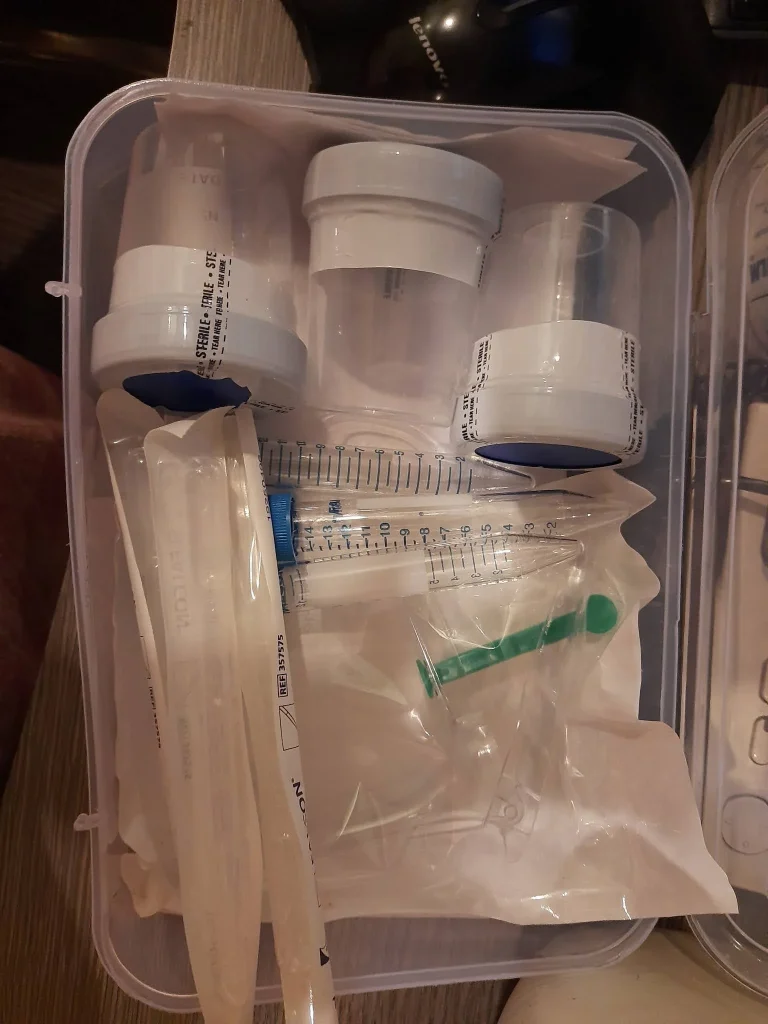
    various medical supplies and containers organized in a clear plastic box on a wooden surface

    Insemination Made Easy Kit: The Natural Approach to Conception

    One of the main reasons why the Insemination Made Easy Kit is gaining popularity is its affordability. Unlike other fertility treatments, this kit is a one-time purchase that can be used for multiple cycles. This makes it a more cost-effective option for couples who are on a tight budget.

    Moreover, the kit can be used in the comfort of one’s own home, eliminating the need for frequent visits to a doctor’s office. This convenience is especially beneficial for couples who live in remote areas or have busy schedules.

    2. Natural and Non-Invasive

    The Insemination Made Easy Kit offers a natural and non-invasive approach to conception. It does not involve any hormonal treatments or procedures that may have potential side effects. Instead, it works by mimicking the natural process of sperm reaching the cervix, increasing the chances of conception.

    This natural approach also appeals to couples who prefer a more holistic and gentle method of conception.

    3. High Success Rate

    The Insemination Made Easy Kit has a high success rate, with many couples reporting successful pregnancies after using the kit. This is due to the kit’s ability to deposit the sperm directly into the cervix, increasing the chances of fertilization.

    Moreover, the kit comes with a pregnancy test, allowing couples to find out if the insemination was successful within a few weeks. This eliminates the need for multiple visits to a doctor’s office for pregnancy testing.

    In summary, the Insemination Made Easy Kit offers a natural, affordable, and convenient way for couples to increase their chances of conception. Its non-invasive approach and high success rate make it a popular choice for couples looking for a more holistic method of conceiving.

    If you and your partner are struggling with fertility, consider giving the Insemination Made Easy Kit a try. With its all-in-one package and easy-to-follow instructions, it may just be the solution you’ve been looking for.

  • The Natural Way to Conceive: A Guide to Assembling Your Own Aid Kit

    Blog Post:

    Conceiving a child is a natural and beautiful process, but for some couples, it can be a challenging and emotional journey. While there are medical interventions available, many people are turning to alternative methods to support their fertility and increase their chances of conception. One popular approach is creating a natural aid kit to assist in the conception process. In this guide, we will discuss the key components of a natural aid kit and how to assemble your own to support your fertility journey.

    The Importance of a Natural Approach

    Before we dive into the specifics of creating a natural aid kit, let’s first understand why a natural approach is beneficial. In recent years, there has been an increase in the use of fertility drugs and assisted reproductive technologies, such as in vitro fertilization (IVF). While these methods can be successful, they also come with risks and side effects. Additionally, they can be expensive and emotionally taxing. A natural approach, on the other hand, focuses on supporting the body’s natural processes and can be less invasive and more cost-effective.

    Assembling Your Natural Aid Kit

    Creating a natural aid kit is a simple and affordable way to support your fertility journey. Here are the key components to include in your kit:

    1. Fertility-Friendly Foods

    The first step in assembling your natural aid kit is to focus on your diet. The foods you eat can have a significant impact on your fertility. Aim to include whole, nutrient-dense foods in your diet, such as fruits, vegetables, lean proteins, and healthy fats. Some fertility-boosting foods to consider adding to your kit include:

    – Avocado: Rich in healthy fats and vitamin E, which can support hormone balance.
    – Berries: Packed with antioxidants, which can protect the body from oxidative stress.
    – Spinach: High in iron, which can improve ovulation.
    – Salmon: A great source of omega-3 fatty acids, which can help regulate hormone levels.
    – Maca: A root vegetable known for its hormone-balancing properties.

    2. Herbal Supplements

    Herbal supplements can be a great addition to your natural aid kit. They can help regulate hormone levels, support reproductive health, and improve overall fertility. Some herbs that are commonly used for fertility include:

    – Vitex: Also known as chasteberry, this herb can help balance hormones and regulate menstrual cycles.
    – Red Raspberry Leaf: Rich in essential nutrients, this herb can support uterine health and improve fertility.
    – Dong Quai: Used in traditional Chinese medicine, this herb can help regulate hormones and improve fertility.
    – Tribulus: Known for its ability to improve male fertility, this herb can also benefit female fertility by regulating ovulation.

    3. Essential Oils

    comparison of Mosie syringe opening versus standard syringe opening with text highlighting benefits

    The Natural Way to Conceive: A Guide to Assembling Your Own Aid Kit

    Essential oils have been used for centuries to support various health concerns, including fertility. They can help regulate hormones, reduce stress, and improve overall well-being. Some essential oils that may support fertility include:

    – Clary Sage: Can help regulate estrogen levels and promote relaxation.
    – Geranium: Known for its hormone-balancing properties and ability to reduce stress.
    – Frankincense: Can support hormonal health and promote relaxation.
    – Lavender: Can help reduce stress and promote relaxation.

    4. Self-Care Items

    Caring for your physical and emotional well-being is crucial when trying to conceive. Adding self-care items to your natural aid kit can help reduce stress and promote relaxation. Consider including items such as:

    – Epsom salts: Can help relax muscles and reduce stress.
    – Heating pad: Can help relieve cramps and tension.
    – Aromatherapy candles: Can promote relaxation and reduce stress.
    – Journal: Can be used for self-reflection and stress management.

    5. Fertility Tracking Tools

    Understanding your menstrual cycle and ovulation is essential when trying to conceive. Including fertility tracking tools in your natural aid kit can help you pinpoint your fertile window and increase your chances of conception. Some tools to consider include:

    – Basal body thermometer: Can be used to track your basal body temperature, which can indicate ovulation.
    – Ovulation predictor kits: Can help determine when you are ovulating.
    – Fertility apps: Can track your menstrual cycle and fertile window.

    Putting It All Together

    Now that you know the key components of a natural aid kit, it’s time to put it all together. Consider using a small, portable container or bag to hold all your items. You can also personalize your kit by adding items that are specific to your needs or preferences. Remember to regularly replenish your kit as needed and to consult with your healthcare provider before adding any new supplements or herbs to your routine.

    In conclusion, creating a natural aid kit can be a valuable tool in supporting your fertility journey. By focusing on a natural approach, you can support your body’s natural processes and increase your chances of conception. Remember to also prioritize self-care and consult with your healthcare provider for personalized guidance.

    Summary:

    For couples struggling to conceive, a natural approach may be a beneficial option to consider. Creating a natural aid kit can support fertility and increase the chances of conception without invasive and expensive medical interventions. The key components of a natural aid kit include fertility-friendly foods, herbal supplements, essential oils, self-care items, and fertility tracking tools. By assembling your own natural aid kit, you can personalize it to your needs and support your fertility journey in a simple and affordable way.

  • Syringe Method for At-Home Insemination: A Solution for Couples Facing Infertility

    Blog Post:

    Infertility affects millions of couples worldwide, and the struggle to conceive a child can be emotionally and financially draining. While many couples turn to assisted reproductive technologies such as in-vitro fertilization (IVF) or intrauterine insemination (IUI), these options can be expensive and not always accessible to everyone. However, there is a lesser-known method that can be done at home and has shown promising results for many couples – the syringe method for at-home insemination.

    What is Syringe Method for At-Home Insemination?

    The syringe method for at-home insemination is a technique in which sperm is collected and placed directly into the cervix using a syringe. This method can be used by couples who are trying to conceive naturally or by individuals who are using donor sperm. It is a simple and cost-effective alternative to other assisted reproductive technologies, and it can be done in the comfort and privacy of one’s own home.

    How Does It Work?

    The first step in the syringe method is to obtain sperm. This can be done through intercourse, using a sperm donor, or by obtaining sperm from a sperm bank. Once the sperm is collected, it is placed into a sterile container and allowed to liquefy for about 20-30 minutes. This process helps to thin out the semen, making it easier to draw into the syringe.

    Next, the woman should lie down on her back with her hips elevated, using a pillow or folded towel under her hips. This position helps to tilt the cervix, making it easier for the sperm to enter. The sperm is then drawn into a sterile syringe with the plunger removed. The syringe is then gently inserted into the vagina and directed towards the cervix. Once the syringe is in place, the plunger is slowly pushed, releasing the sperm into the cervix.

    It is recommended to stay in this position for at least 10-15 minutes to allow the sperm to swim towards the cervix and increase the chances of fertilization. After this time, the woman can get up and resume normal activities.

    Why Choose Syringe Method for At-Home Insemination?

    There are several reasons why couples facing infertility may choose the syringe method for at-home insemination over other assisted reproductive technologies.

    1. Cost-Effective

    The syringe method is significantly less expensive than other assisted reproductive technologies, such as IVF or IUI. The cost of one cycle of IVF can range from $10,000 to $15,000, while the cost of one cycle of IUI can range from $300 to $1000. On the other hand, the syringe method only requires the cost of sperm and a sterile syringe, which can cost as little as $50.

    2. Privacy and Convenience

    For some couples, the thought of undergoing assisted reproductive technologies in a clinical setting can be intimidating and invasive. The syringe method allows couples to perform the procedure in the privacy and comfort of their own home. It also eliminates the need for multiple visits to a clinic, making it a more convenient option for many couples.

    Baby wearing a blue shirt with "made with Love" text, surrounded by colorful floral and butterfly designs.

    Syringe Method for At-Home Insemination: A Solution for Couples Facing Infertility

    3. More Natural Approach

    The syringe method is a more natural approach to conception, as it closely mimics the process of natural intercourse. This may be appealing to couples who are hesitant to undergo more invasive procedures.

    4. Increased Control

    With the syringe method, couples have more control over the timing of insemination. This can be particularly beneficial for couples who have busy schedules or for those who are using donor sperm and need to coordinate with the donor’s schedule.

    Tips for Success

    While the syringe method for at-home insemination has shown promising results for many couples, there are some tips that can increase the chances of success.

    1. Timing is Key

    The timing of insemination is crucial for success. It is recommended to perform the syringe method 12-24 hours before ovulation, as sperm can survive in the female reproductive tract for up to 5 days.

    2. Use Fresh Sperm

    Using fresh sperm is recommended for the syringe method, as it has a higher chance of fertilizing an egg compared to frozen sperm. If using frozen sperm, it is important to follow the instructions provided by the sperm bank for thawing and handling.

    3. Stay Relaxed

    Stress and tension can inhibit fertility, so it is important to stay relaxed during the syringe method. Lying down for 10-15 minutes after insemination can also help to reduce stress and increase the chances of success.

    Summary:

    Infertility is a common struggle for many couples, and the cost and accessibility of assisted reproductive technologies can be a barrier to treatment. However, the syringe method for at-home insemination offers a simple and cost-effective alternative for those trying to conceive. By using a sterile syringe and fresh sperm, couples can perform the procedure in the privacy and comfort of their own home. With proper timing and relaxation, the syringe method has shown promising results for many couples facing infertility.

  • The DIY Baby Making Kit: A Revolutionary Way to Start a Family

    Blog Post:

    Starting a family is a dream for many couples, but the journey can often be filled with challenges and uncertainties. From expensive fertility treatments to invasive procedures, the traditional methods of starting a family can be overwhelming and emotionally taxing. However, there is a new and revolutionary way to start a family – the DIY Baby Making Kit.

    The DIY Baby Making Kit is a groundbreaking solution that puts the power of starting a family in the hands of couples. This innovative kit allows couples to bypass expensive and invasive fertility treatments and instead, take matters into their own hands. In this blog post, we will explore the DIY Baby Making Kit and how it is changing the way couples start a family.

    What is the DIY Baby Making Kit?

    The DIY Baby Making Kit is a comprehensive at-home fertility kit that provides couples with all the tools and resources needed to successfully conceive a baby. It includes everything from ovulation predictor kits and fertility supplements to at-home insemination tools and educational resources. The kit is designed to make the process of starting a family more accessible, affordable, and less stressful.

    How does it work?

    The DIY Baby Making Kit works by providing couples with all the necessary tools to track ovulation and perform at-home insemination. Ovulation predictor kits are used to determine the most fertile days of a woman’s menstrual cycle, while fertility supplements can help to optimize reproductive health. The kit also includes at-home insemination tools such as syringes and soft cups, making the process of insemination easier and less intimidating.

    Why is the DIY Baby Making Kit revolutionary?

    The DIY Baby Making Kit is revolutionary because it puts the power of starting a family back into the hands of couples. With traditional methods, couples often have to rely on expensive fertility treatments and procedures, which can be out of reach for many due to financial constraints. The DIY Baby Making Kit is affordable and accessible, making it a game-changer for couples who are struggling to start a family.

    Moreover, the DIY Baby Making Kit allows couples to take control of their fertility journey. Instead of relying on doctors and clinics, couples can perform the entire process in the comfort and privacy of their own home. This eliminates the stress and pressure that often comes with undergoing fertility treatments and allows couples to take a more relaxed and natural approach to starting a family.

    hands using a blue syringe to extract contents from a clear container for a home insemination kit

    The DIY Baby Making Kit: A Revolutionary Way to Start a Family

    Benefits of using the DIY Baby Making Kit

    There are numerous benefits to using the DIY Baby Making Kit, including:

    1. Affordability: The cost of fertility treatments and procedures can be a barrier for many couples. The DIY Baby Making Kit is a much more affordable option, making it accessible to a wider range of people.

    2. Convenience: The kit can be purchased online and delivered straight to your doorstep, making it a convenient option for busy couples.

    3. Privacy: Many couples prefer to keep their fertility journey private. With the DIY Baby Making Kit, there is no need to visit doctors or clinics, allowing couples to maintain their privacy.

    4. Natural approach: The DIY Baby Making Kit allows couples to take a more natural approach to starting a family, without the use of hormones or invasive procedures.

    5. Educational resources: The kit also includes educational resources that can help couples understand their fertility and increase their chances of conceiving.

    Is the DIY Baby Making Kit right for you?

    The DIY Baby Making Kit is suitable for couples who are struggling to conceive naturally and are looking for a more affordable and accessible option. It is also a great option for couples who prefer a more natural approach to starting a family or those who value their privacy.

    However, it is important to note that the DIY Baby Making Kit may not be suitable for everyone. Couples with underlying fertility issues may still need to consult with a doctor or fertility specialist for more personalized treatment.

    In summary, the DIY Baby Making Kit is a revolutionary way to start a family. It puts the power back into the hands of couples, making the process of starting a family more accessible, affordable, and less stressful. With its numerous benefits and comprehensive approach, the DIY Baby Making Kit is changing the way couples start a family and giving hope to those struggling with traditional methods.

  • The Fertility Friend Insemination Kit: A Safe and Effective Option for Trying to Conceive

    The journey to starting a family can be a challenging and emotional one, especially for couples struggling with infertility. While there are various options available for trying to conceive, such as fertility treatments and adoption, many couples may prefer a more natural and affordable approach. This is where the Fertility Friend Insemination Kit comes in as a safe and effective option for those trying to conceive at home.

    The Fertility Friend Insemination Kit is a comprehensive kit that contains all the necessary tools and instructions for performing intrauterine insemination (IUI) at home. IUI is a fertility procedure where sperm is placed directly into the uterus, bypassing the cervix and increasing the chances of conception. This method has been used for decades in fertility clinics and has been shown to have a success rate of up to 20% per cycle.

    With the Fertility Friend Insemination Kit, couples can now perform IUI in the comfort and privacy of their own home, without the need for expensive medical procedures or frequent visits to a fertility clinic. It is a convenient and affordable option for those who may not have access to fertility services or may not be comfortable with the clinical environment.

    What’s Included in the Kit?

    The Fertility Friend Insemination Kit contains everything needed for a successful at-home insemination, including:

    1. A sterile collection cup and syringe for collecting and inserting the sperm.
    2. A speculum for holding the cervix open during the procedure.
    3. A soft catheter for delivering the sperm into the uterus.
    4. Instructions on how to perform the insemination correctly.
    5. An ovulation predictor kit to help determine the most fertile time for insemination.

    All the materials in the kit are of medical grade and are designed to be safe and effective for home use.

    How to Use the Kit

    Using the Fertility Friend Insemination Kit is a simple and straightforward process. Couples can start by tracking their ovulation using the included ovulation predictor kit or any other method they prefer. Once the most fertile time is determined, the male partner can collect and deposit his sperm into the sterile cup provided. The female partner can then use the syringe and catheter to insert the sperm into her uterus, following the instructions provided in the kit.

    It is important to note that while the kit provides all the necessary tools for performing an at-home insemination, it does not guarantee success. Factors such as sperm quality, timing, and fertility issues can still affect the chances of conception. It is recommended to consult with a healthcare professional before using the kit, especially for couples with known fertility issues.

    guide and materials for using Mosie Baby fertility kit on a textured surface

    The Fertility Friend Insemination Kit: A Safe and Effective Option for Trying to Conceive

    Why Choose the Fertility Friend Insemination Kit?

    1. Affordability: The cost of fertility treatments can be a significant barrier for many couples. The Fertility Friend Insemination Kit is a budget-friendly option that costs significantly less than clinical procedures.

    2. Convenience: With the kit, couples can perform the insemination at home, eliminating the need for frequent visits to a fertility clinic. This is especially beneficial for couples who live in remote areas or have limited access to fertility services.

    3. Privacy: Some couples may prefer to keep their fertility journey private and may not be comfortable with undergoing procedures in a clinical setting. The Fertility Friend Insemination Kit allows couples to maintain their privacy while trying to conceive.

    4. Natural approach: Many couples may prefer a more natural approach to trying to conceive, and the Fertility Friend Insemination Kit offers just that. It is a non-invasive method that does not involve hormones or other medications.

    5. Reusable: The kit is designed to be reusable, meaning couples can use it for multiple cycles without having to repurchase the entire kit.

    Is It Safe?

    The Fertility Friend Insemination Kit is designed to be safe for at-home use. All the materials included in the kit are of medical-grade and sterile, reducing the risk of infection. However, it is essential to follow the instructions carefully and practice proper hygiene during the procedure to minimize any potential risks.

    Summary:

    The Fertility Friend Insemination Kit is a comprehensive and affordable option for couples trying to conceive at home. It contains all the necessary tools and instructions for performing intrauterine insemination, a fertility procedure with a success rate of up to 20% per cycle. The kit offers convenience, privacy, and a natural approach to trying to conceive, making it an attractive option for many couples. However, it is important to note that while the kit provides all the necessary tools, it does not guarantee success, and couples should consult with a healthcare professional before using it.