Tag: stigma

  • DIY Baby-Making Assistance: Breaking the Stigma

    Summary:

    The process of conceiving a baby is often seen as a natural and straightforward process, but for many couples, it can be a long and challenging journey. In recent years, there has been a rise in do-it-yourself (DIY) baby-making assistance methods, such as at-home insemination and fertility tracking apps. However, there is still a stigma surrounding these methods, and many people feel uncomfortable discussing them openly. In this blog post, we will explore the reasons behind this stigma and discuss how we can break it down. We will also provide information on the different DIY baby-making assistance options available and how they can help couples struggling with fertility issues. By educating ourselves and others on these methods, we can help to normalize and support those who are seeking alternative ways to start a family.

    First and foremost, it is essential to understand why there is a stigma surrounding DIY baby-making assistance. One of the main reasons is the societal pressure to conceive naturally and the belief that anything else is unnatural or “not meant to be.” Couples who turn to these methods are often scrutinized and judged by others, which can lead to feelings of shame and inadequacy. Additionally, there is a lack of education and understanding surrounding alternative fertility options, leading to misinformation and misconceptions. This lack of knowledge can also contribute to the stigma surrounding DIY baby-making assistance.

    Another factor that adds to the stigma is the cultural and religious beliefs surrounding conception. In many cultures, having children is seen as a fundamental part of life, and not being able to conceive can be seen as a personal failure. This can lead to individuals and couples feeling isolated and judged for seeking alternative methods to start a family. Religious beliefs can also play a role, with some religions viewing assisted reproduction as against their teachings. This can cause individuals to feel conflicted and judged for considering these options.

    However, it is crucial to understand that there is nothing wrong with seeking help and support when it comes to fertility issues. Just like any other medical condition, infertility should be treated with compassion and understanding, not stigma and judgment. DIY baby-making assistance methods are a way for couples to take control of their fertility journey and increase their chances of conceiving. These methods have been proven to be successful, and many couples have been able to start a family thanks to them.

    mosie baby logo featuring a heart and leaves in blue, pink, and green colors.

    DIY Baby-Making Assistance: Breaking the Stigma

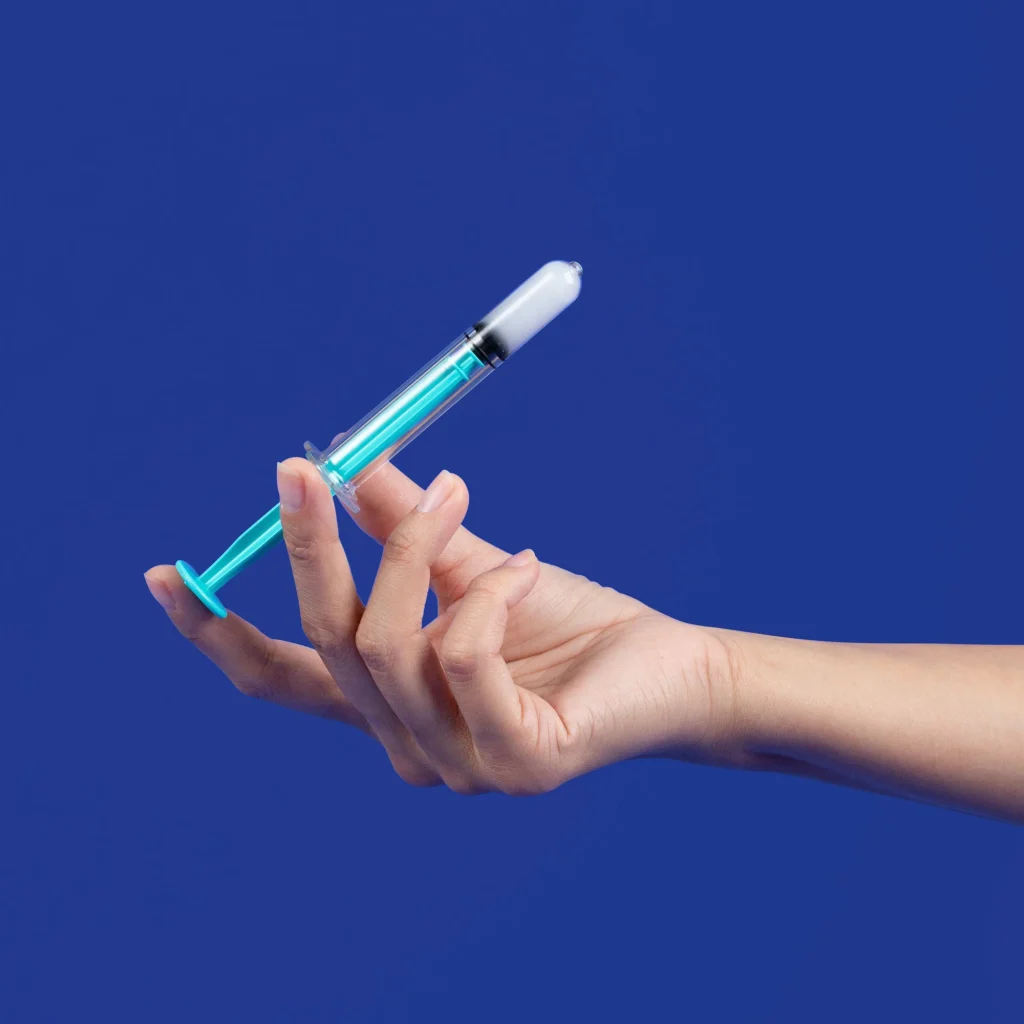
    So, what are some DIY baby-making assistance options available? The most common method is at-home insemination, which involves using a syringe or a cervical cap to insert sperm into the vagina. This method is often used by lesbian couples or single women who cannot conceive naturally. The sperm used can be from a sperm bank or from a known donor, and the process can be done at home in a comfortable and familiar environment. At-home insemination has a success rate of around 10-15% per cycle, and many couples have been able to conceive using this method.

    Another popular DIY option is fertility tracking apps. These apps use advanced algorithms to track a woman’s menstrual cycle and predict her most fertile days. By inputting data such as basal body temperature, cervical mucus, and ovulation test results, the app can detect the most optimal time for conception. This method is not only helpful for couples struggling with fertility issues, but it can also be used by those who are trying to prevent pregnancy or plan for it. Fertility tracking apps have a success rate of around 30% per cycle and have helped many couples conceive naturally.

    Apart from these two methods, there are also other DIY baby-making assistance options such as using fertility supplements, acupuncture, and lifestyle changes. These methods focus on improving overall health and fertility, which can increase the chances of conception. While these methods may not work for everyone, they can be a helpful addition to a fertility journey.

    To break the stigma surrounding DIY baby-making assistance, it is crucial to educate ourselves and others. By understanding the reasons behind the stigma and the effectiveness of these methods, we can help to normalize them and provide support to those who are considering them. It is also essential to have open and honest conversations about fertility and to remove the shame and judgment surrounding it. Seeking help and support should be seen as a strength, not a weakness.

    In conclusion, the stigma surrounding DIY baby-making assistance is harmful and unnecessary. It is time to break down this stigma and provide support and understanding to those who are seeking alternative ways to start a family. By educating ourselves and others, we can help to normalize these methods and provide a safe and judgment-free space for couples struggling with fertility issues. Let’s break the stigma and support each other on our journey to parenthood.

  • Breaking the Stigma: Home Insemination and LGBTQ+ Families

    Breaking the Stigma: Home Insemination and LGBTQ+ Families

    In recent years, there has been a significant increase in LGBTQ+ families. With the growing acceptance and visibility of the LGBTQ+ community, more and more same-sex couples and individuals are choosing to start families. However, for many LGBTQ+ individuals and couples, the traditional methods of conceiving a child may not be an option. This is where home insemination comes in, providing an alternative and accessible path to parenthood for LGBTQ+ families. Despite its growing popularity, home insemination is still surrounded by stigma and misconceptions. In this blog post, we will explore the topic of home insemination and break down the stigma associated with it in the LGBTQ+ community.

    What is Home Insemination?

    Home insemination, also known as self-insemination or at-home insemination, is the process of using a syringe or turkey baster to insert sperm into the vagina or cervix in hopes of fertilization. This method can be used by individuals or couples who are trying to conceive without the aid of a medical professional. Home insemination is a popular option for LGBTQ+ families as it allows them to conceive in the comfort of their own home and without the high costs associated with medical procedures.

    Breaking Down Stigma and Misconceptions

    Unfortunately, home insemination is still met with stigma, particularly in the LGBTQ+ community. Some of the common misconceptions surrounding home insemination include the belief that it is not a legitimate way to conceive a child, that it is only for same-sex couples, and that it is not as effective as medical procedures. These misconceptions are not only false but also harmful as they perpetuate the stigma surrounding home insemination and discourage LGBTQ+ individuals and couples from exploring this option.

    Firstly, home insemination is a legitimate and safe way to conceive a child. While it may not be the traditional method, it has been proven to be an effective method of conception for many families. According to a study published in the Journal of Obstetrics and Gynaecology Canada, home insemination has a success rate of around 20% per cycle. This success rate is comparable to other methods of conception such as intrauterine insemination (IUI) and in vitro fertilization (IVF).

    Secondly, home insemination is not just for same-sex couples. While it is a popular option for LGBTQ+ families, it can also be used by heterosexual couples who are struggling with fertility issues or for personal reasons. The misconception that home insemination is only for same-sex couples further isolates and stigmatizes LGBTQ+ families and creates a divide within the community.

    Lastly, home insemination should not be seen as a less effective option compared to medical procedures. It is a personal and accessible choice for individuals and couples who may not have access to or prefer not to undergo medical treatments. Additionally, home insemination can also be combined with medical procedures to increase the chances of conception, making it a versatile and valuable option for LGBTQ+ families.

    pregnancy test kit with instructions, test device, and packaging on a white background

    Breaking the Stigma: Home Insemination and LGBTQ+ Families

    The Importance of Representation

    One of the reasons why home insemination is still met with stigma is due to the lack of representation in mainstream media. The majority of depictions of LGBTQ+ families in media are through adoption, surrogacy, or medical procedures. This narrow representation not only erases the experiences of LGBTQ+ families who have used home insemination but also reinforces the idea that it is not a valid way to start a family. It is crucial for the media to portray the diverse experiences and paths to parenthood within the LGBTQ+ community, including home insemination, to break down the stigma and provide visibility to families who have used this method.

    Home Insemination and Legal Implications

    It is important to note that home insemination may have legal implications, depending on the laws and regulations of the country or state. In some places, the donor may have parental rights and responsibilities, even if they are not biologically related to the child. Therefore, it is essential for individuals and couples considering home insemination to research and understand their legal rights and responsibilities beforehand.

    Support and Resources for LGBTQ+ Families

    Fortunately, there are numerous resources and support systems available for LGBTQ+ families who are considering or have used home insemination. Online communities, such as Queer Conception and Lesbian Moms, provide a space for individuals and couples to connect and share their experiences. There are also non-profit organizations, such as The LGBTQ+ Family Building Project, that provide education, support, and resources for LGBTQ+ families looking to start a family through alternative methods.

    In conclusion, home insemination is a legitimate, safe, and accessible option for LGBTQ+ families looking to start a family. It is essential to break down the stigma and misconceptions surrounding this method and provide representation and support for those who have chosen this path to parenthood. With growing acceptance and visibility, it is crucial for the LGBTQ+ community to support and celebrate the diverse ways in which families are created, including home insemination.

    Summary:

    The topic of home insemination is explored in this blog post, specifically its role in LGBTQ+ families. Home insemination involves the use of a syringe or turkey baster to insert sperm into the vagina or cervix in hopes of fertilization, and it has become a popular option for LGBTQ+ individuals and couples looking to conceive. However, it is still met with stigma and misconceptions, such as it being an illegitimate method, only for same-sex couples, and less effective than medical procedures. These misconceptions are debunked, and the importance of representation and support for LGBTQ+ families using home insemination is highlighted. It is also important to consider the legal implications and access resources and support when considering home insemination.

  • Breaking the Stigma: How the Conception on Your Own Terms Kit is Changing the Conversation

    Summary:

    The concept of having a baby on one’s own terms has long been stigmatized in society, with assumptions and judgments attached to it. However, the Conception on Your Own Terms Kit has been changing the conversation around this topic. This innovative kit, created by fertility expert Dr. Emily Osborn, provides women with the tools and resources to take control of their own fertility journey and break free from societal pressures and expectations.

    The kit includes a comprehensive guidebook, fertility tracking tools, and access to a supportive community where women can share their experiences and find a sense of belonging. By empowering women to make informed decisions about their reproductive health, the Conception on Your Own Terms Kit is breaking the stigma and creating a safe and inclusive space for women to discuss and pursue their fertility goals.

    This blog post will explore the societal stigmas surrounding the concept of having a baby on one’s own terms, the impact of these stigmas on women’s mental health and well-being, and how the Conception on Your Own Terms Kit is challenging and changing these harmful narratives.

    Breaking the Stigma: How the Conception on Your Own Terms Kit is Changing the Conversation

    The societal pressure to follow a specific timeline for marriage and children has been deeply ingrained in our culture for centuries. However, with the rise of feminism and the changing dynamics of relationships and families, this traditional narrative is being challenged. Women are now choosing to have children on their own terms, whether it’s through adoption, surrogacy, or assisted reproductive technology (ART). This shift has led to a much-needed conversation about female autonomy and the right to decide when and how to start a family.

    Despite the progress made, there is still a stigma attached to the concept of having a baby on one’s own terms. Many people still view it as unconventional or selfish, and there is a prevailing belief that women must follow a certain path to fulfill their societal duty of becoming mothers. This stigma is reinforced by outdated gender roles and societal expectations, which can take a toll on women’s mental health and well-being.

    The Impact of Stigma on Women’s Mental Health

    The stigma surrounding having a baby on one’s own terms can have a detrimental effect on women’s mental health. It can lead to feelings of shame, guilt, and isolation, as women may feel like they are not living up to societal expectations. This can also cause anxiety and depression, as women may feel judged and misunderstood by those around them.

    Moreover, this stigma can also affect women’s self-esteem and confidence in their decision-making abilities. The pressure to conform to societal norms and expectations can make women doubt their choices and feel like they are not capable of making the best decisions for themselves.

    hands using a blue syringe to extract contents from a clear container for a home insemination kit

    Breaking the Stigma: How the Conception on Your Own Terms Kit is Changing the Conversation

    The Conception on Your Own Terms Kit: Empowering Women to Take Control

    Dr. Emily Osborn, a fertility expert and advocate for women’s reproductive rights, recognized the need for a platform that empowers women to take control of their fertility journey. She created the Conception on Your Own Terms Kit to provide women with the tools and resources they need to make informed decisions about their reproductive health.

    The kit includes a comprehensive guidebook that covers everything from fertility basics to assisted reproductive techniques. It also includes fertility tracking tools, such as ovulation kits and cycle tracking charts, to help women understand their menstrual cycles and increase their chances of conception. Additionally, the kit provides access to a supportive community, where women can connect with others going through similar experiences, share their stories, and find a sense of belonging.

    Changing the Conversation: Breaking the Stigma

    The Conception on Your Own Terms Kit is challenging and changing the conversation around having a baby on one’s own terms. By providing women with the necessary resources and support, the kit is empowering them to make their own choices and break free from societal expectations.

    Moreover, the kit is also breaking down the harmful narratives surrounding having a baby on one’s own terms. By educating women about their reproductive health and options, the kit is dispelling the myth that women who choose to have a baby on their own are selfish or unconventional. It is promoting the idea that every woman has the right to make decisions about her own body and future.

    Inclusivity and Support: Creating a Safe Space for Women

    One of the most significant impacts of the Conception on Your Own Terms Kit is the creation of a safe and inclusive space for women to discuss and pursue their fertility goals. The kit’s community platform allows women to connect with others who are going through similar experiences, providing a sense of support and understanding that may not be found in their immediate social circle.

    Moreover, the kit embraces diversity and inclusivity by recognizing that women from all backgrounds and circumstances may choose to have a baby on their own terms. It is a space where women can feel accepted, supported, and empowered to make their own choices without judgment or stigma.

    In conclusion, the Conception on Your Own Terms Kit is changing the conversation around having a baby on one’s own terms. By empowering women to take control of their fertility journey, breaking down harmful stigmas, and creating a safe and inclusive space, the kit is challenging societal expectations and promoting the idea of female autonomy. It is a step towards a more inclusive and understanding society, where women are free to make their own choices about their reproductive health and future.

  • No Limits, No Restrictions: The Advantages of Conceiving on Your Own Terms

    No Limits, No Restrictions: The Advantages of Conceiving on Your Own Terms

    In today’s society, there is a growing trend of individuals and couples choosing to conceive on their own terms. With advancements in technology and a shift in societal norms, more and more people are opting for non-traditional methods of conception. Whether it is through in vitro fertilization (IVF) or using a sperm or egg donor, there are many advantages to conceiving on your own terms. In this blog post, we will explore some of the benefits of taking control of your own fertility journey and the freedom that comes with it.

    Breaking Away from Traditional Norms

    One of the main advantages of conceiving on your own terms is the freedom from traditional norms and expectations. In the past, the idea of starting a family was often tied to marriage and the traditional nuclear family structure. However, with changing attitudes towards marriage and family, individuals and couples are now more open to alternative ways of starting a family. This has opened up opportunities for single individuals, same-sex couples, and individuals who may not have a partner but still want to become parents. By breaking away from traditional norms, individuals are able to make choices that align with their own personal values and desires.

    Taking Control of Your Fertility Journey

    When it comes to conceiving on your own terms, individuals have more control over their fertility journey. This can be especially beneficial for those who have struggled with fertility issues or for same-sex couples who may not have the option of conceiving naturally. By utilizing assisted reproductive technologies, individuals and couples can have more control over when and how they conceive. This can reduce the stress and pressure that often comes with trying to conceive and allow individuals to plan for the future.

    Choosing a Biological Connection

    hand holding a syringe with a blue plunger against a solid blue background

    No Limits, No Restrictions: The Advantages of Conceiving on Your Own Terms

    Another advantage of conceiving on your own terms is the ability to choose a biological connection. With IVF, individuals can use their own eggs or sperm, or they can choose to use a donor. This can be an important consideration for those who want to have a genetic connection to their child. Additionally, using a donor can also provide individuals with the opportunity to choose certain characteristics or traits that they would like their child to have, such as physical appearance or intelligence. This can be a significant advantage for individuals who may have genetic conditions they do not want to pass on to their child.

    More Time for Career and Personal Goals

    Conceiving on your own terms can also provide individuals with more time to pursue their career and personal goals. Traditional methods of conceiving often require couples to put their personal lives on hold while they try to conceive. This can be a difficult decision for many, as it may mean sacrificing career opportunities or delaying personal goals. However, by taking control of their fertility journey, individuals can plan for when they want to have children and continue to focus on their own personal growth and development.

    Reducing the Stigma Surrounding Infertility

    One of the most significant advantages of conceiving on your own terms is the potential to reduce the stigma surrounding infertility. In the past, infertility was often seen as a personal failure or something to be ashamed of. However, by choosing to use assisted reproductive technologies, individuals are taking control of their fertility and breaking the stigma surrounding infertility. This can be a powerful and empowering decision, as it allows individuals to create their own narrative and challenge societal expectations.

    Summary:

    Conceiving on your own terms offers many advantages, such as breaking away from traditional norms, taking control of your fertility journey, choosing a biological connection, having more time for career and personal goals, and reducing the stigma surrounding infertility. With the freedom to choose when and how to start a family, individuals and couples can make decisions that align with their personal values and desires. This trend is a testament to the changing attitudes towards family and the power of taking control of one’s own fertility journey.

  • Breaking the Stigma: How At-Home Insemination Solution Sets are Changing the Conversation on Fertility

    Breaking the Stigma: How At-Home Insemination Solution Sets are Changing the Conversation on Fertility

    Fertility is a topic that has long been surrounded by stigma and taboo. For many people, the idea of struggling with fertility can be a sensitive and private matter, leading to feelings of shame and isolation. However, thanks to advancements in technology and the rise of at-home insemination solution sets, the conversation on fertility is slowly changing. In this blog post, we will explore how these solution sets are breaking the stigma surrounding fertility and empowering individuals and couples to take control of their own fertility journeys.

    The History of Fertility Struggles and Stigma

    Fertility struggles have been a part of human history for centuries, with documentation of various methods and remedies being used to aid in conception. However, the stigma surrounding fertility issues has also been present for just as long. In many cultures, the ability to conceive and bear children is seen as a measure of a person’s worth and success. This can lead to immense pressure and shame for those who are unable to conceive naturally.

    In addition to societal pressures, there is also a lack of education and understanding surrounding fertility issues. Many people are unaware of the various factors that can impact fertility, such as age, health conditions, and lifestyle choices. This lack of knowledge can contribute to the stigma and isolation felt by individuals struggling with fertility.

    The Rise of At-Home Insemination Solution Sets

    In recent years, there has been a significant increase in the availability and use of at-home insemination solution sets. These sets typically include everything needed for an individual or couple to perform insemination at home, including sperm, syringes, and instructions. This option provides a more affordable and convenient alternative to traditional fertility treatments, such as in-vitro fertilization (IVF).

    at-home insemination kit with syringes, collection cups, and instructions on a pink background

    Breaking the Stigma: How At-Home Insemination Solution Sets are Changing the Conversation on Fertility

    One of the most significant benefits of at-home insemination solution sets is the privacy and control they offer. For many individuals and couples, the thought of going to a fertility clinic and discussing their struggles with a medical professional can be daunting and uncomfortable. With at-home insemination, individuals can perform the procedure in the comfort and privacy of their own home, without having to disclose their struggles to anyone else.

    Changing the Conversation on Fertility

    The availability of at-home insemination solution sets is helping to change the conversation on fertility. By providing a more accessible and affordable option, individuals and couples are no longer limited by the high costs and time-consuming processes of traditional fertility treatments. This has allowed more people to take control of their fertility journeys and explore alternative options.

    Additionally, the rise of at-home insemination has also led to more open and honest discussions about fertility. With the ease and convenience of these solution sets, individuals are more likely to share their experiences and struggles with others. This has helped to break down the stigma surrounding fertility and create a sense of community and support for those going through similar challenges.

    Empowering Individuals and Couples

    At-home insemination solution sets are not only changing the conversation on fertility, but they are also empowering individuals and couples to take control of their own journeys. By providing a more accessible option, individuals are no longer limited by their financial situations or geographic location. This has allowed more people to pursue their dreams of starting a family, regardless of their circumstances.

    In addition, at-home insemination also allows individuals and couples to take a more active role in their fertility treatments. With traditional methods, individuals are often reliant on medical professionals to perform the procedures and make decisions. At-home insemination puts the control back in the hands of the individuals, allowing them to tailor the process to their specific needs and preferences.

    In conclusion, at-home insemination solution sets are breaking the stigma surrounding fertility and changing the conversation on this sensitive topic. By providing a more accessible, affordable, and private option, individuals and couples are no longer limited by societal pressures, lack of education, or financial constraints. This is empowering more people to take control of their own fertility journeys and creating a more open and supportive community for those struggling with fertility issues.

  • Breaking the Stigma: The Revolutionary Approach of At-Home Insemination Solution Sets

    Breaking the Stigma: The Revolutionary Approach of At-Home Insemination Solution Sets

    In the past, starting a family was often seen as a traditional and straightforward process – a couple would get married, try to conceive naturally, and eventually have children. However, in recent years, there has been a shift in society’s understanding and acceptance of different family structures, including single-parent households, same-sex partnerships, and individuals who may not have a partner but still desire to have a child.

    With this shift, there has also been a growing demand for alternative methods of conceiving, such as at-home insemination. At-home insemination is a process in which sperm is placed inside the uterus to fertilize an egg, without the need for sexual intercourse. This method has become increasingly popular among individuals or couples who are unable to conceive naturally, or for those who want to have more control over their conception journey.

    While this method has gained popularity, it still carries a significant stigma that needs to be broken. In this blog post, we will explore the revolutionary approach of at-home insemination solution sets and how they can help break the stigma surrounding this method.

    The Stigma Surrounding At-Home Insemination

    Despite the growing acceptance of non-traditional family structures, there is still a significant stigma surrounding at-home insemination. This stigma is fueled by various misconceptions and societal norms about reproduction and fertility.

    One of the biggest misconceptions is that at-home insemination is only used by same-sex couples or individuals struggling with infertility. This belief reinforces the idea that this method is only for those who cannot conceive naturally, and therefore, it is seen as a last resort. This stigma can be harmful and isolating for those who choose at-home insemination as their preferred method of conception.

    Another stigma surrounding at-home insemination is that it is not a legitimate or safe method of conceiving. This misconception is based on the idea that this method is not performed by medical professionals in a clinical setting, making it less reliable and potentially dangerous. However, with the advancements in technology and the availability of at-home insemination solution sets, this method has become a safe and effective option for many individuals and couples.

    Smiling baby in a blue onesie with "made with Love" text, lying on a light blue crocheted blanket.

    Breaking the Stigma: The Revolutionary Approach of At-Home Insemination Solution Sets

    The Revolutionary Approach of At-Home Insemination Solution Sets

    At-home insemination solution sets have revolutionized the way individuals and couples can conceive at home. These sets provide all the necessary tools and instructions for a safe and successful at-home insemination process. They typically include a syringe, ovulation predictor kits, and pre-seed lubricant, among other items.

    One of the most significant benefits of at-home insemination solution sets is that they provide a more affordable option for individuals and couples. Traditional methods of insemination, such as intrauterine insemination (IUI), can cost thousands of dollars, making it inaccessible for many. With at-home insemination solution sets, individuals can save money by performing the process in the comfort of their own home.

    Additionally, at-home insemination solution sets allow for more privacy and control over the conception journey. This is especially important for individuals or couples who may not feel comfortable with the clinical setting of traditional methods or who want to have a more intimate experience. With these sets, individuals can choose the timing and location of the insemination, giving them a sense of empowerment and ownership over their journey.

    Breaking the Stigma and Promoting Inclusivity

    At-home insemination solution sets are not only a more affordable and convenient option, but they also promote inclusivity and break the stigma surrounding at-home insemination. By providing a safe and effective way for individuals and couples to conceive at home, these sets challenge the notion that at-home insemination is only for those who cannot conceive naturally. They also allow individuals from all backgrounds and family structures to start a family on their own terms.

    Moreover, the use of at-home insemination solution sets helps to dismantle the idea that this method is not a legitimate or safe option. These sets come with clear instructions and tools that make the process just as reliable and safe as traditional methods. By promoting education and awareness about at-home insemination solution sets, we can break the stigma and encourage inclusivity and acceptance in the reproductive health community.

    In conclusion, at-home insemination solution sets have revolutionized the way individuals and couples can conceive, providing a more affordable, private, and inclusive option. By breaking the stigma surrounding at-home insemination and promoting education and awareness about these solution sets, we can create a more accepting and inclusive environment for all individuals and families on their journey towards parenthood.

  • Changing the Narrative: Representations of Conception and Syringe Kits in Media and Pop Culture

    Summary:

    The representation of conception and syringe kits in media and pop culture has evolved over the years, reflecting changing societal attitudes and perceptions. In the past, these topics were often taboo and stigmatized, resulting in negative and inaccurate portrayals. However, with the rise of social media and increased access to information, there has been a shift in the narrative surrounding these topics. This blog post will explore the changing representations of conception and syringe kits in media and pop culture, and how it impacts individuals and society as a whole.

    The blog post will begin by discussing the historical context of these representations, highlighting the negative and harmful stereotypes perpetuated in media and pop culture. These portrayals often portrayed conception as a purely biological process, neglecting the emotional and psychological aspects of it. Similarly, syringe kits were often depicted as tools solely used for illegal drug use, further stigmatizing individuals who may need them for legitimate medical purposes.

    The post will then delve into the impact of these negative representations on individuals and society. Inaccurate and stigmatizing portrayals can lead to feelings of shame and isolation for those struggling with conception or who need syringe kits for medical reasons. It can also contribute to the misinformation and misunderstandings surrounding these topics, leading to harmful attitudes and discrimination.

    Mosie Baby kit with two jars, a syringe, and a supportive message card inside a colorful box.

    Changing the Narrative: Representations of Conception and Syringe Kits in Media and Pop Culture

    Next, the post will explore how the narrative around conception and syringe kits has shifted in recent years. With the rise of social media and advocacy groups, there has been a growing movement to break the stigma and promote accurate and inclusive representations. This has resulted in more diverse and nuanced depictions of conception, showcasing the emotional and psychological aspects, as well as highlighting the different paths to parenthood. Similarly, syringe kits are now being portrayed as medical tools and not just associated with drug use, helping to reduce the negative associations and promote understanding.

    The blog post will also discuss the role of celebrities and influencers in shaping the narrative around conception and syringe kits. With their large platforms and influence, many celebrities and influencers have openly shared their struggles with conception, helping to normalize the topic and break the taboo. Similarly, some have also advocated for the use of syringe kits for medical purposes, helping to reduce the stigma and promote accurate information.

    Finally, the post will examine the importance of accurate and inclusive representations of conception and syringe kits in media and pop culture. These representations have a significant impact on shaping societal attitudes and perceptions, and can either perpetuate harmful stereotypes or promote understanding and empathy. By promoting accurate and inclusive representations, we can break the stigma and create a more supportive and inclusive society for those struggling with conception or needing syringe kits for medical purposes.

    In conclusion, the representation of conception and syringe kits in media and pop culture has evolved over the years, reflecting changing societal attitudes and perceptions. While there is still progress to be made, the shift towards more accurate and inclusive representations is a positive step towards breaking the stigma and promoting understanding and empathy.

  • Breaking the Stigma: The Truth About Conception Aid Syringe Kits

    Breaking the Stigma: The Truth About Conception Aid Syringe Kits

    Conceiving a child is a natural and joyous experience for many couples, but for others, it can be a challenging and emotionally taxing journey. In recent years, the topic of infertility and conception aid has become less taboo, with more couples openly discussing their struggles and seeking help. However, there is still a stigma surrounding the use of conception aid devices, particularly syringe kits. In this blog post, we will break down the stigma and uncover the truth about conception aid syringe kits.

    What Are Conception Aid Syringe Kits?

    Conception aid syringe kits, also known as at-home insemination kits, are a popular choice for couples trying to conceive. These kits typically include a syringe, a collection cup, and sometimes a cervical cap. The purpose of these kits is to mimic the process of intrauterine insemination (IUI), where sperm is directly inserted into the uterus through a catheter. However, with a syringe kit, the process can be done at home without the need for medical intervention.

    Breaking the Stigma

    One of the main reasons for the stigma surrounding conception aid syringe kits is the misconception that they are only used by same-sex couples or single individuals. While these kits do provide an alternative for those who cannot conceive naturally, they are also a viable option for heterosexual couples who may be facing fertility issues. It is essential to understand that anyone can experience fertility struggles, regardless of sexual orientation or relationship status.

    Another factor contributing to the stigma is the belief that using a syringe kit is a sign of desperation or failure. Many couples feel ashamed or embarrassed to admit that they need help conceiving, leading them to keep it a secret. However, seeking assistance through conception aid devices is a brave and proactive step towards starting a family. It is essential to break down the stigma and encourage open and honest discussions about fertility struggles.

    Smiling baby in a blue onesie with "made with Love" text, lying on a light blue crocheted blanket.

    Breaking the Stigma: The Truth About Conception Aid Syringe Kits

    The Truth About Conception Aid Syringe Kits

    Now that we have addressed the stigma surrounding conception aid syringe kits let’s dive into the truth about these devices. Firstly, it is crucial to note that using a syringe kit is a safe and straightforward process. These kits come with detailed instructions, and there are also many online resources available for guidance. Additionally, they are designed to be used at home, making the process more comfortable and less invasive than medical procedures.

    Furthermore, conception aid syringe kits are a cost-effective option compared to medical interventions such as IUI. Many couples face financial barriers when seeking fertility treatments, and syringe kits provide a more affordable alternative. They also allow couples to have more control over the process and can be used in conjunction with other fertility methods, such as ovulation tracking.

    It is also essential to dispel the misconception that using a syringe kit means giving up on natural conception. Many couples use these kits as a temporary solution while they work on improving their fertility through lifestyle changes, such as diet and exercise. In some cases, these kits can even increase the chances of natural conception, as they provide a more direct route for sperm to reach the egg.

    In conclusion, conception aid syringe kits are a valuable and accessible option for couples struggling to conceive. They offer a safe and cost-effective solution while breaking down the stigma surrounding fertility struggles. It is time to normalize the use of these devices and encourage open and honest conversations about fertility. Let us support and empower individuals and couples on their journey towards parenthood.

    Summary:

    Conceiving a child can be a challenging and emotionally taxing journey for many couples. Conception aid syringe kits, also known as at-home insemination kits, offer a safe and cost-effective option for couples struggling to conceive. However, there is still a stigma surrounding the use of these devices, particularly the misconception that they are only used by same-sex couples or single individuals. In reality, anyone can experience fertility struggles, and using a syringe kit is a brave and proactive step towards starting a family. These kits provide a more comfortable and less invasive option compared to medical interventions and can even increase the chances of natural conception. It is time to break down the stigma and encourage open and honest discussions about fertility struggles.

  • Breaking Down the Stigma: Talking About DIY Fertility Solutions

    Blog Post Title: Breaking Down the Stigma: Talking About DIY Fertility Solutions

    Summary:

    In recent years, there has been a growing trend of individuals and couples turning to do-it-yourself (DIY) solutions for fertility issues. This includes using at-home methods such as tracking ovulation, taking supplements, and even attempting home insemination. However, there is still a significant stigma surrounding DIY fertility solutions, with many people feeling judged or ashamed for seeking alternative methods of conception.

    In this blog post, we will explore the reasons behind the stigma surrounding DIY fertility solutions and why it is important to break down these barriers. We will also discuss the benefits and risks of DIY fertility solutions and provide tips for safely and effectively using them.

    First, it is essential to understand the reasons behind the stigma surrounding DIY fertility solutions. One of the main factors is the societal pressure to follow traditional methods of conception, such as undergoing expensive medical treatments or adopting. Many people feel that seeking alternative methods is a sign of desperation or failure, leading to feelings of shame and guilt.

    Moreover, there is a lack of education and awareness surrounding DIY fertility solutions. Many individuals and couples do not know that these options exist or are unsure about their effectiveness and safety. This lack of understanding often leads to judgment and criticism from others, further perpetuating the stigma.

    However, it is crucial to break down the stigma surrounding DIY fertility solutions. One of the most significant benefits of these methods is that they offer a more affordable and accessible option for those struggling with fertility issues. Medical treatments can be costly and out of reach for many people, making DIY solutions a viable alternative.

    Informative card introducing the Mosie Baby Kit and its mission for at-home insemination.

    Breaking Down the Stigma: Talking About DIY Fertility Solutions

    Additionally, DIY fertility solutions allow individuals and couples to take control of their fertility journey and feel empowered in the process. It can be a daunting and emotional experience to rely solely on medical professionals and procedures, and DIY methods can help individuals feel more involved and in control of their bodies.

    Of course, there are risks associated with DIY fertility solutions, just like with any medical procedure. It is crucial to do thorough research and consult with a healthcare professional before attempting any DIY method. Some risks include incorrect use of tools or supplements, which can lead to injury or harm, and a lack of proper medical supervision, which may result in undetected underlying issues.

    To safely and effectively use DIY fertility solutions, it is essential to follow these tips:

    1. Do your research: Before attempting any DIY method, make sure to thoroughly research it and understand the risks and potential outcomes. Consult with a healthcare professional if possible.

    2. Use reliable sources: Be cautious of online sources and only trust information from reputable websites and organizations. Avoid relying on anecdotal evidence or personal experiences.

    3. Be mindful of your body: Pay attention to your body’s signals and stop any DIY method if you experience discomfort or pain.

    4. Seek support: Fertility struggles can be emotionally draining, so it is crucial to seek support from loved ones or join online communities of individuals going through similar experiences.

    In conclusion, it is time to break down the stigma surrounding DIY fertility solutions and open up conversations about alternative methods of conception. These options offer a more affordable and empowering choice for individuals and couples struggling with fertility issues. However, it is crucial to approach DIY methods with caution, do thorough research, and seek medical advice when needed.

  • At-Home Conception and Mental Health: Addressing the Stigma

    **Summary:**

    Conceiving a child is a significant milestone in many people’s lives, but the journey to parenthood is often not as straightforward as it seems. For some, the process of trying to conceive at home can be filled with anxiety, stress, and emotional turmoil. Unfortunately, there is a stigma surrounding at-home conception, which can make it challenging for individuals to openly discuss their struggles and seek support.

    In this blog post, we will explore the link between at-home conception and mental health, and how we can break the stigma surrounding this topic.

    Firstly, it is essential to understand that at-home conception is a valid and common choice for many couples and individuals. It involves using various methods such as tracking ovulation, using ovulation predictor kits, and having timed intercourse to try and conceive without medical intervention. While some people may choose this route due to financial reasons, others may prefer the privacy and intimacy of trying to conceive at home.

    However, the pressure to conceive can take a toll on one’s mental health, especially when faced with challenges such as infertility or recurrent miscarriages. The constant disappointment and feelings of failure can lead to anxiety, depression, and low self-esteem. Moreover, the pressure from society and family to conceive can add to the stress and make the journey even more challenging.

    Additionally, the lack of control over the process of at-home conception can also contribute to mental health issues. Unlike medical procedures, one cannot control the outcome of their efforts to conceive at home. This loss of control can lead to feelings of helplessness and frustration, further impacting one’s mental well-being.

    Home insemination kit by Mosie Baby with instructions and colorful packaging.

    At-Home Conception and Mental Health: Addressing the Stigma

    Moreover, the stigma surrounding at-home conception can also contribute to the negative impact on mental health. Many people still hold onto the belief that conception should only happen through traditional means, and any difficulties in conceiving are seen as a personal failure. This stigma can make individuals feel isolated, ashamed, and afraid to seek support, leading to further mental health issues.

    So how can we address the stigma surrounding at-home conception and support those struggling with its emotional toll? The first step is to educate ourselves and others on the reality of at-home conception. By understanding the process and its challenges, we can break the misconceptions and judgment surrounding it.

    Next, we need to create a safe and supportive environment for individuals and couples trying to conceive at home. This includes providing a non-judgmental space for them to share their struggles and feelings, offering emotional support, and being mindful of our words and actions.

    Furthermore, it is crucial to acknowledge that at-home conception is not a guaranteed method of conceiving, and it is okay to seek medical assistance. Seeking medical help does not mean giving up or being weak; it means taking necessary steps to achieve one’s goal of starting a family.

    It is also essential to prioritize one’s mental well-being during the process of at-home conception. This can include practicing self-care, seeking therapy or support groups, and setting realistic expectations. It is crucial to remember that the journey to parenthood is different for everyone, and there is no one right way to conceive.

    In conclusion, at-home conception and mental health are deeply intertwined, and the stigma surrounding this topic needs to be addressed. By educating ourselves, creating a supportive environment, and prioritizing mental well-being, we can break the stigma and provide much-needed support to those trying to conceive at home. Let us spread awareness and understanding to create a more inclusive and compassionate society for all individuals and couples on their journey to parenthood.