Tag: fertility treatments

  • Fertility Boosting Insemination Sets: What You Need to Know

    Blog Post:

    Fertility Boosting Insemination Sets: What You Need to Know

    For many couples struggling with infertility, the journey to parenthood can be a challenging and emotional one. In recent years, there has been a rise in the use of fertility boosting insemination sets as a method of conception. These sets, also known as at-home insemination kits, allow individuals and couples to perform insemination in the comfort of their own home. But what exactly are these sets, and how do they work? In this blog post, we will explore the basics of fertility boosting insemination sets, including their benefits, how to use them, and important considerations to keep in mind.

    Understanding Fertility Boosting Insemination Sets

    Fertility boosting insemination sets are kits that contain all the necessary tools and supplies to perform insemination at home. They typically include a syringe, a collection cup, a speculum, and sometimes a pregnancy test. The most important component of these sets is the syringe, which is used to transfer the sperm to the cervix. The syringe is often designed specifically for insemination, with a longer and thinner tip to make the process easier.

    Benefits of Using Fertility Boosting Insemination Sets

    One of the main benefits of using fertility boosting insemination sets is that they provide a more affordable and convenient alternative to traditional fertility treatments. Insemination procedures at a fertility clinic can cost thousands of dollars, making it out of reach for many couples. With at-home insemination kits, couples can significantly reduce the cost while still having a high chance of success.

    Moreover, these sets provide a sense of privacy and control over the conception process. For couples who may feel uncomfortable or embarrassed with the idea of undergoing fertility treatments in a clinical setting, using a fertility boosting insemination set at home can be a more comfortable and intimate experience.
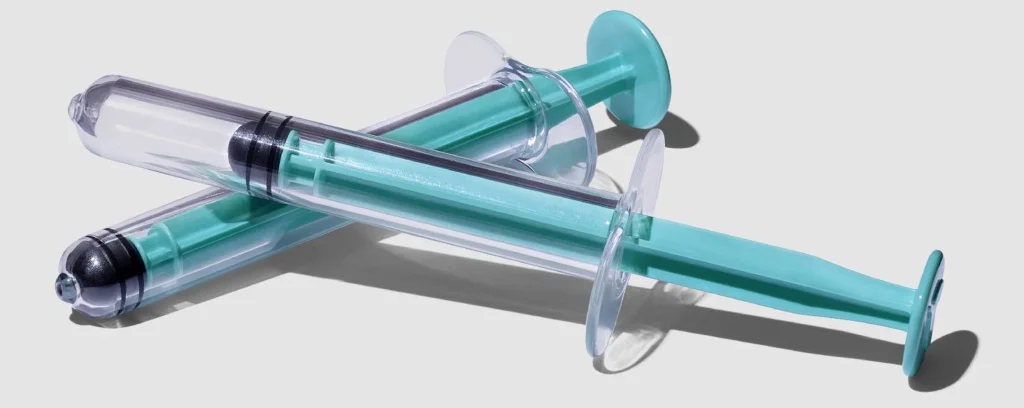
    Two transparent syringes with teal accents positioned diagonally on a light gray background.

    Fertility Boosting Insemination Sets: What You Need to Know

    How to Use Fertility Boosting Insemination Sets

    Using a fertility boosting insemination set may seem intimidating at first, but with proper preparation and following the instructions carefully, it can be a straightforward process. The first step is to collect the sperm sample, either from a sperm donor or from the male partner. The sperm is then placed in the collection cup provided in the kit.

    Next, the female partner should position herself comfortably, either lying down with her hips elevated or standing with one foot on a chair. Using the speculum included in the kit, the cervix is gently opened and the sperm is transferred using the syringe. After insemination, it is recommended to remain in the same position for about 20 minutes to allow the sperm to reach the cervix.

    Important Considerations

    While fertility boosting insemination sets offer a more affordable and convenient option for conception, it is essential to keep in mind that they may not be suitable for everyone. These sets work best for individuals or couples with no underlying fertility issues. If you have been diagnosed with a fertility condition, it is best to seek medical advice and guidance from a fertility specialist.

    It is also crucial to note that fertility boosting insemination sets do not guarantee success and may take multiple attempts before achieving a pregnancy. It is essential to have realistic expectations and not get discouraged if conception does not occur on the first try.

    In addition, it is crucial to follow the instructions provided in the kit carefully and to ensure that all the equipment is sterile to avoid any potential risks of infection. It is also recommended to track ovulation and use the kit during the most fertile days of the menstrual cycle for the best chances of success.

    In summary, fertility boosting insemination sets offer an affordable and convenient option for couples struggling with infertility. They provide a sense of privacy and control over the conception process, but it is essential to keep in mind that they may not be suitable for everyone and do not guarantee success. It is always best to consult with a fertility specialist for personalized advice and guidance.

    SEO metadata:

  • The Dos and Don’ts of Using a Fertility Boosting Insemination Set

    As more and more couples struggle with infertility, fertility treatments have become increasingly popular. One such method is using a fertility boosting insemination set, which can help increase the chances of successful conception. However, like any medical treatment, there are certain dos and don’ts that should be followed for safe and effective use. In this blog post, we will discuss the dos and don’ts of using a fertility boosting insemination set.

    Dos:

    1. Consult with a fertility specialist: Before using a fertility boosting insemination set, it is important to consult with a fertility specialist. They can help determine if this method is suitable for you and provide guidance on how to properly use the set.

    2. Understand the process: It is essential to understand the process of using a fertility boosting insemination set. This includes knowing when and how to use the set, as well as being aware of any potential side effects or risks.

    3. Follow the instructions carefully: Each fertility boosting insemination set may have slightly different instructions, so it is crucial to read and follow them carefully. This will ensure that the set is used correctly and increase the chances of success.

    4. Use fresh, high-quality sperm: The success of insemination largely depends on the quality of the sperm used. It is recommended to use fresh sperm from a healthy donor or partner.

    5. Maintain proper hygiene: It is essential to maintain proper hygiene during the process of insemination. This includes washing hands, sterilizing the equipment, and following sterile techniques.

    6. Monitor ovulation: Timing is crucial when using a fertility boosting insemination set. It is recommended to monitor ovulation using ovulation predictor kits or tracking changes in cervical mucus to determine the best time for insemination.

    7. Consider additional support: While using a fertility boosting insemination set, it is essential to take care of both physical and emotional well-being. Consider seeking support from a therapist, support group, or loved ones to help cope with any challenges that may arise.

    At-home insemination kit with syringes and collection cups on a teal background.

    The Dos and Don'ts of Using a Fertility Boosting Insemination Set

    Don’ts:

    1. Don’t use expired or damaged equipment: It is crucial to use a fertility boosting insemination set that is not expired or damaged. Expired equipment may not be as effective, and damaged equipment can cause harm or increase the risk of infection.

    2. Don’t use sperm from an unknown or untrusted source: Using sperm from an unknown or untrusted source can increase the risk of contracting sexually transmitted infections or diseases. It is important to use sperm from a reliable source.

    3. Don’t use lubricants: Lubricants can interfere with the quality and motility of sperm, making it difficult for them to reach the egg. It is best to avoid using lubricants during the process of insemination.

    4. Don’t use the same insemination set more than once: Fertility boosting insemination sets are designed for single-use only. Reusing the set can increase the risk of infection and decrease its effectiveness.

    5. Don’t stress: Stress can have a negative impact on fertility, so it is important to try and stay relaxed during the process of insemination. Consider incorporating stress-relieving activities such as yoga, meditation, or taking walks.

    6. Don’t give up after one try: It is common for insemination to take multiple attempts before successful conception. Don’t get discouraged if the first try is unsuccessful. Stay positive and keep trying.

    7. Don’t forget to follow up with a doctor: After using a fertility boosting insemination set, it is important to follow up with a fertility specialist. They can monitor the progress and offer guidance on future steps.

    In summary, using a fertility boosting insemination set can be a helpful tool for couples struggling with infertility. However, it is crucial to follow the dos and don’ts mentioned above for safe and effective use. Consulting with a fertility specialist, understanding the process, using fresh sperm, maintaining hygiene, and seeking support are some of the important dos. On the other hand, avoiding expired or damaged equipment, untrusted sperm sources, and lubricants, as well as not stressing, reusing the set, or giving up after one try are some of the things to avoid. With proper usage and guidance, a fertility boosting insemination set can increase the chances of successful conception and help couples start a family of their own.

  • Overcoming Fertility Struggles: The Role of Insemination Sets

    Blog Post Title: Overcoming Fertility Struggles: The Role of Insemination Sets

    Introduction:

    For many couples, trying to conceive a child can be a challenging and emotional journey. When faced with fertility struggles, couples often turn to various methods and treatments to increase their chances of conceiving. Insemination, or the process of introducing sperm into the female reproductive tract, is one such method that has helped many couples overcome their struggles with fertility. Insemination sets, also known as insemination kits or at-home insemination kits, have become a popular option for couples looking to conceive in the comfort of their own home. In this blog post, we will discuss the role of insemination sets in overcoming fertility struggles and how they can be used effectively.

    Understanding Insemination Sets:

    Insemination sets are kits that contain all the necessary tools and materials for performing at-home insemination. They typically include a syringe or vial for collecting semen, a catheter or applicator for depositing the sperm into the cervix, and sometimes a lubricant or fertility-friendly medium to aid in the process. These kits are designed to be used at home, making the process more convenient and less expensive than traditional medical insemination procedures.

    The Role of Insemination Sets in Overcoming Fertility Struggles:

    Insemination sets have become a popular choice for couples struggling with fertility for several reasons. Firstly, they are more affordable than traditional medical procedures, making them a viable option for couples who may not be able to afford expensive fertility treatments. Additionally, they offer a level of privacy and intimacy that is not always possible in a medical setting. For many couples, the ability to perform insemination in the comfort of their own home can help reduce stress and anxiety, which can have a positive impact on fertility.

    Moreover, insemination sets allow couples to take control of their fertility journey. Many couples feel helpless and out of control when faced with fertility struggles, but using an insemination set gives them a sense of empowerment. They can choose when and how to perform the insemination, which can be a powerful and reassuring feeling for couples struggling to conceive.

    Tips for Using Insemination Sets Effectively:

    While insemination sets can be a helpful tool in overcoming fertility struggles, it is important to use them correctly to increase the chances of success. Here are some tips for using insemination sets effectively:

    At-home insemination kit with syringes and collection cups on a teal background.

    Overcoming Fertility Struggles: The Role of Insemination Sets

    1. Follow the instructions carefully: It is crucial to read and follow the instructions provided with the insemination set carefully. This will ensure that the process is done correctly and increase the chances of success.

    2. Timing is important: Insemination should be done at the optimal time during the woman’s cycle. This is usually around the time of ovulation when the woman is most fertile.

    3. Prepare the sperm correctly: If using fresh sperm, it is important to let it liquefy before using it. This usually takes about 20 minutes. If using frozen sperm, follow the instructions provided by the sperm bank or fertility clinic.

    4. Use a fertility-friendly lubricant: If using a lubricant, make sure it is fertility-friendly and does not harm the sperm. Avoid using regular lubricants, as they can hinder sperm motility.

    5. Be patient: It may take several attempts before insemination is successful. It is important to be patient and not get discouraged.

    Insemination Sets vs. Traditional Medical Procedures:

    While insemination sets have become a popular choice for couples struggling with fertility, it is important to understand that they may not be suitable for everyone. Insemination sets are best suited for couples with unexplained infertility or mild fertility issues. They may not be as effective in cases of severe male factor infertility or tubal blockages. In these cases, traditional medical procedures such as intrauterine insemination (IUI) may be a better option.

    Conclusion:

    Fertility struggles can be a difficult and emotional journey for couples, but there are various methods and treatments available to help overcome these challenges. Insemination sets have become a popular option for couples looking to conceive in the comfort of their own home. They offer a level of privacy, convenience, and control that can be beneficial for couples struggling with fertility. By following the tips mentioned above and understanding the limitations of insemination sets, couples can increase their chances of success and hopefully achieve their dream of starting a family.

    Summary:

    Fertility struggles can be challenging and emotional for couples, but insemination sets offer a convenient and affordable option for at-home insemination. These kits contain all the necessary tools and materials for insemination and allow couples to take control of their fertility journey. By following the instructions carefully and being patient, couples can increase their chances of success. However, insemination sets may not be suitable for severe fertility issues, and traditional medical procedures may be a better option in these cases.

  • Breaking the Mold: Why More Women Are Choosing DIY Baby-Making with a Syringe Kit

    Blog Post:

    Traditionally, the process of starting a family involved a man and a woman conceiving a child through sexual intercourse. However, in recent years, there has been a shift in the way women are choosing to become mothers. More and more women are opting for DIY baby-making with a syringe kit, breaking the mold of traditional methods of conception. This method, also known as “at-home insemination” or “DIY insemination”, involves using a syringe to insert the sperm into the vagina in order to fertilize the egg. In this blog post, we will explore the reasons behind this growing trend and the benefits and challenges of DIY baby-making.

    One of the main reasons why more women are choosing DIY baby-making is the increasing acceptance and normalization of non-traditional families. With the rise of single-parent households, same-sex couples, and individuals choosing to have children without a partner, the idea of a “traditional” family structure has evolved. This has opened up the possibility for women to explore alternative methods of conception, including DIY baby-making. It allows women to take control of their own fertility and start a family on their own terms, without the need for a male partner.

    Another factor contributing to the rise of DIY baby-making is the high cost of fertility treatments. In vitro fertilization (IVF) and other assisted reproductive technologies can be very expensive, making it inaccessible for many women. DIY baby-making offers a more affordable option, as the cost of a syringe kit is significantly lower than the cost of fertility treatments. This makes it a more feasible option for women who may not have the financial means to pursue other methods of conception.

    Furthermore, DIY baby-making allows for greater privacy and autonomy. For some women, the process of seeking fertility treatments can be overwhelming and invasive. DIY baby-making allows them to avoid the scrutiny of doctors and medical professionals, and instead, take control of their own fertility in the comfort and privacy of their own home. This can be particularly appealing for women who may have cultural or religious beliefs that make seeking fertility treatments a taboo or stigmatized topic.

    hand holding a pregnancy test with instructions on a colorful background

    Breaking the Mold: Why More Women Are Choosing DIY Baby-Making with a Syringe Kit

    In addition to these reasons, there are also practical benefits to DIY baby-making. The process can be done in the comfort of one’s own home, eliminating the need for frequent visits to a doctor’s office. This can be particularly beneficial for women who live in rural or remote areas, where access to fertility clinics may be limited. DIY baby-making also allows for more flexibility in terms of timing, as the process can be done at any time during a woman’s ovulation cycle, rather than being restricted to certain days or times as is the case with fertility treatments.

    However, DIY baby-making does come with its own set of challenges and risks. Without the guidance and support of a medical professional, there is a higher chance of error or complications. There is also a risk of infection if proper hygiene and sterile techniques are not followed during the process. Additionally, there is no guarantee of success with DIY baby-making, as it relies heavily on timing and accuracy of the insemination process.

    Despite these challenges, many women are still choosing DIY baby-making as a viable option for starting a family. It offers them a sense of control and empowerment, and for some, it may be the only option available to them. With the proper education, resources, and support, DIY baby-making can be a safe and effective method of conception for many women.

    In conclusion, the traditional notion of how families are created is changing, and women are breaking the mold by choosing DIY baby-making with a syringe kit. This method offers a more affordable, private, and flexible option for women to start a family on their own terms. While it does come with its own set of challenges, the growing acceptance and accessibility of DIY baby-making highlight the need for more education and support for women who choose this path to motherhood.

    Summary:

    More and more women are choosing DIY baby-making with a syringe kit as a way to start a family. This method allows women to take control of their own fertility, offers a more affordable option, and provides privacy and autonomy. However, it also comes with challenges and risks. Despite this, DIY baby-making is becoming a popular choice for women who may not have access to or prefer not to pursue traditional methods of conception.

  • Syringe Kits and DIY Baby-Making: The Role of Medical Professionals

    Blog Post:

    In today’s world, there has been a growing trend towards do-it-yourself (DIY) culture, where people are taking control of their own health and wellness. This trend has extended to the realm of family planning and reproduction, with the rise of DIY baby-making through the use of syringe kits. These kits allow individuals or couples to bypass the traditional medical route of fertility treatments and instead try to conceive at home.

    The use of syringe kits for DIY baby-making has sparked controversy and raised questions about the role of medical professionals in the process. While some argue that these kits provide a more affordable and accessible option for those struggling with fertility, others argue that it poses potential risks and undermines the expertise of medical professionals. In this blog post, we will explore the role of medical professionals in DIY baby-making and the potential implications of this growing trend.

    The Rise of Syringe Kits for DIY Baby-Making

    Syringe kits for DIY baby-making have been around for several years, but they gained widespread attention and popularity with the release of the documentary “Sperm Donor X” in 2018. The film chronicled the journey of a lesbian couple who used a syringe kit to conceive their child at home. Since then, there has been a surge in interest and sales of these kits, with many companies now offering them online.

    These kits typically include a syringe, a specimen cup, and instructions for use. They are marketed as a simple and affordable option for those who are unable to conceive through traditional methods, such as in vitro fertilization (IVF) or intrauterine insemination (IUI). The process involves obtaining semen from a donor, either through a sperm bank or a known donor, and using the syringe to inject it into the vagina or cervix during ovulation.

    The Role of Medical Professionals

    One of the main concerns with DIY baby-making using syringe kits is the lack of involvement of medical professionals. Fertility treatments typically involve thorough medical evaluations and monitoring to ensure the safety and success of the process. However, with syringe kits, individuals or couples are taking on the responsibility of monitoring their own ovulation and performing the insemination without the guidance of a medical professional.

    At-home insemination kit with syringes and collection cups on a teal background.

    Syringe Kits and DIY Baby-Making: The Role of Medical Professionals

    This raises questions about the potential risks involved, such as the risk of infection or the possibility of using incorrect techniques. Additionally, without medical supervision, there is no way to ensure the quality or viability of the sperm being used, which could lead to unsuccessful attempts or potential health issues for the resulting child.

    Another concern is the potential lack of emotional and psychological support for those undergoing the DIY baby-making process. Fertility treatments can be emotionally taxing, and medical professionals play a vital role in providing support and counseling throughout the journey. With DIY baby-making, individuals or couples may not have access to this support, which could have a significant impact on their mental well-being.

    The Impact on Medical Professionals

    The rise of DIY baby-making using syringe kits also has implications for the medical profession. With more people turning to these kits, there may be a decrease in demand for fertility treatments and services offered by medical professionals. This could have financial implications for fertility clinics and doctors who specialize in this field.

    Furthermore, there is concern that the DIY approach may undermine the expertise and training of medical professionals. Fertility treatments involve complex procedures and require specialized knowledge and skills, which cannot be replicated through a DIY kit. By promoting the idea that anyone can perform these procedures at home without medical supervision, the value of the medical profession in this field may be diminished.

    Conclusion

    In conclusion, the rise of syringe kits for DIY baby-making has sparked a debate about the role of medical professionals in family planning and reproduction. While these kits offer a more accessible and affordable option for those struggling with fertility, they also raise concerns about potential risks and the impact on the medical profession. It is important for individuals and couples considering DIY baby-making to carefully weigh the risks and benefits and to seek proper medical guidance and support throughout the process.

    Summary:

    Syringe kits for DIY baby-making have gained popularity in recent years, sparking a debate about the role of medical professionals in family planning and reproduction. These kits provide a more accessible and affordable option for those struggling with fertility, but they also raise concerns about potential risks and the impact on the medical profession. The lack of medical supervision and support in DIY baby-making could have implications for the safety and success of the process, as well as the value of the expertise and training of medical professionals in this field.

  • The Syringe Kit Debate: Exploring the Controversy of DIY Baby-Making

    The Syringe Kit Debate: Exploring the Controversy of DIY Baby-Making

    The desire to have a child is a natural and universal human instinct. However, for some people, this dream may seem out of reach due to various reasons such as infertility, financial constraints, or even being single. In recent years, the rise of do-it-yourself (DIY) methods for baby-making has sparked a heated debate among medical professionals, lawmakers, and society as a whole. One particular method that has caused controversy is the use of syringe kits for at-home insemination. In this blog post, we will explore the arguments for and against DIY baby-making using syringe kits, and the ethical, legal, and societal implications of this practice.

    What are Syringe Kits and How Do They Work?

    Syringe kits, also known as artificial insemination kits, are designed for individuals or couples who want to conceive a child without medical assistance. These kits include a syringe, a vial of sperm, and instructions for use. The process involves collecting semen from a donor, usually a known or anonymous donor, and inserting it into the woman’s vagina using a syringe. This method mimics the natural process of insemination and is less invasive and expensive than traditional fertility treatments.

    The Arguments for DIY Baby-Making using Syringe Kits

    1. Accessibility and Affordability

    One of the main arguments for DIY baby-making is that it provides a more affordable and accessible option for people who cannot afford or do not have access to expensive fertility treatments. In the US, the average cost of one cycle of in vitro fertilization (IVF) is around $12,000, not including medications and other related expenses. This cost can be a significant barrier for people who are struggling with infertility. DIY methods, on the other hand, can cost as low as $50 for a syringe kit, making it a more feasible option for many.

    2. Autonomy and Independence

    Another argument for DIY baby-making is that it allows individuals or couples to take control of their reproductive rights and make their own decisions about starting a family. This method eliminates the need for medical professionals and allows people to avoid invasive procedures and unwanted interventions. It also provides a sense of independence and self-determination, especially for individuals who may face discrimination or barriers in accessing traditional fertility treatments.

    Baby wearing a blue shirt with "made with Love" text, surrounded by colorful floral and butterfly designs.

    The Syringe Kit Debate: Exploring the Controversy of DIY Baby-Making

    3. Support for LGBTQ+ Families

    DIY baby-making has been a game-changer for LGBTQ+ families, especially for lesbian couples who want to conceive. With syringe kits, these couples no longer need to rely on expensive and complicated fertility treatments or sperm donors. They can now use the sperm of a known donor or a sperm bank, making it easier for them to start a family.

    The Arguments Against DIY Baby-Making using Syringe Kits

    1. Potential Health Risks

    One of the main concerns raised by medical professionals is the potential health risks associated with DIY baby-making using syringe kits. In traditional fertility treatments, the sperm is screened and tested for various diseases and infections. However, with DIY methods, there is no guarantee of the donor’s health or the quality of the sperm. This can lead to the transmission of sexually transmitted infections, genetic disorders, or other health issues.

    2. Lack of Regulation and Oversight

    Unlike traditional fertility treatments, DIY baby-making using syringe kits is not regulated by any governing body. This lack of oversight means that there are no standards or guidelines in place to ensure the safety and effectiveness of these kits. It also makes it easier for unscrupulous companies to sell low-quality or expired kits, putting the health of individuals at risk.

    3. Legal and Ethical Concerns

    Another significant concern raised by opponents of DIY baby-making is the legal and ethical implications of this practice. In some countries, the sale and use of syringe kits for at-home insemination are not regulated, making it difficult to hold anyone accountable in case of any complications or legal issues. There are also ethical concerns about the lack of counseling and support for individuals or couples embarking on this journey, especially with regards to the child’s well-being and the donor’s rights.

    The SEO metadata for this blog post:

  • DIY Baby-Making on a Budget: Why a Syringe Kit is the Way to Go

    Blog Post:

    Having a baby is a wonderful and life-changing experience, but it can also come with a hefty price tag. From prenatal care to delivery and beyond, the costs can quickly add up, making it difficult for some couples to afford. However, with a little creativity and some DIY know-how, you can make your dream of starting a family a reality without breaking the bank. In this blog post, we will explore the benefits of using a syringe kit for DIY baby-making on a budget.

    Why DIY?

    Before we dive into the specifics of using a syringe kit, let’s first understand why DIY baby-making is becoming a popular choice for many couples. The main reason is the rising costs of infertility treatments. According to the American Society for Reproductive Medicine, the average cost of an IVF cycle is $12,000, with additional costs for medications, monitoring, and other procedures. For many couples, this is simply not an affordable option.

    Another reason for the DIY trend is the desire for privacy and control over the process. Going through a fertility clinic can feel invasive and impersonal, whereas DIY methods allow couples to have a more intimate and hands-on experience. It also gives them the freedom to choose their own timeline and pace, without the pressure of clinic appointments and procedures.

    Introducing the Syringe Kit

    A syringe kit is a simple and affordable alternative to expensive fertility treatments. It typically consists of a sterile syringe, a catheter, and instructions on how to use it. The concept is straightforward – the sperm is collected and inserted into the woman’s reproductive tract using the syringe and catheter, bypassing the need for intercourse. This method is commonly used by lesbian couples and single women who want to conceive at home.

    Benefits of Using a Syringe Kit

    1. Cost-Effective

    The most significant advantage of using a syringe kit is the cost savings. Depending on where you purchase it, a syringe kit can cost as little as $10-20, making it a fraction of the cost of fertility treatments. It also eliminates additional expenses such as clinic fees, medications, and monitoring.

    2. Easy to Use

    Using a syringe kit is a simple and straightforward process that can be done at home. The instructions provided with the kit are easy to follow, and the materials used are readily available. This makes it a convenient option for those who want to take charge of their fertility journey.

    3. Privacy and Control

    As mentioned earlier, DIY methods allow couples to have more privacy and control over the process. With a syringe kit, there is no need to visit a fertility clinic or involve a third party in the conception process. This can be especially appealing for couples who prefer a more intimate and personal experience.

    Mosie Baby Kit features a syringe and container, highlighting safety and usability tests on a blue background.

    DIY Baby-Making on a Budget: Why a Syringe Kit is the Way to Go

    4. Accessibility

    Syringe kits are widely available online and in stores, making them easily accessible to anyone who wants to use them. This is particularly beneficial for couples who live in remote areas or do not have access to fertility clinics.

    5. Safer Alternative

    When compared to other DIY methods, such as using a turkey baster, a syringe kit is a much safer option. The materials used are sterile, and the instructions provided ensure proper and hygienic use. This reduces the risk of infection and other complications.

    Steps to Using a Syringe Kit

    1. Preparation

    Before using a syringe kit, it is essential to prepare the materials and the environment. The sperm sample should be collected in a sterile container and kept at room temperature until use. The syringe and catheter should also be sterilized according to the instructions provided.

    2. Insertion

    Once the materials are prepared, the woman should lie down with her hips slightly elevated. The syringe should be inserted into the vagina and advanced towards the cervix. Once the cervix is reached, the catheter is slowly inserted, and the sperm is injected into the uterus.

    3. Aftercare

    After the insemination, the woman should continue to lie down for 15-20 minutes, allowing the sperm to reach the fallopian tubes. It is also recommended to stay in a horizontal position for a few hours after the procedure to increase the chances of conception.

    Conclusion

    Starting a family can be an expensive journey, but it doesn’t have to be. With a syringe kit, couples can take control of their fertility journey and achieve their dream of having a baby without breaking the bank. It is a cost-effective, easy to use, and safe alternative to expensive fertility treatments, making it the ideal choice for DIY baby-making on a budget.

    Summary:

    In this blog post, we discussed the rising costs of fertility treatments and the benefits of choosing a DIY approach for baby-making. We then introduced the syringe kit, a simple and affordable alternative that consists of a sterile syringe, a catheter, and instructions on how to use it. We explored the advantages of using a syringe kit, such as cost savings, ease of use, privacy, accessibility, and safety. We also outlined the steps to using a syringe kit for DIY baby-making at home. With a syringe kit, couples can take control of their fertility journey and achieve their dream of starting a family without breaking the bank.

  • Maximizing Your Chances: Tips for Using a Syringe Kit for DIY Baby-Making

    Maximizing Your Chances: Tips for Using a Syringe Kit for DIY Baby-Making

    DIY baby-making, or using a syringe kit for at-home artificial insemination, has become a popular option for couples and individuals looking to start a family. This method allows for more control and privacy, and can also be a more affordable alternative to traditional fertility treatments. However, using a syringe kit for DIY baby-making requires careful planning and execution in order to maximize your chances of success. In this blog post, we will discuss tips for using a syringe kit for DIY baby-making to help you achieve your dream of starting a family.

    1. Familiarize Yourself with the Process

    Before using a syringe kit for DIY baby-making, it is important to familiarize yourself with the process. This includes understanding the different types of syringe kits available, as well as the steps involved in the procedure. There are two main types of syringe kits: oral syringe and catheter syringe. The oral syringe is a simple and inexpensive option, while the catheter syringe allows for more precise placement of the sperm. It is also important to understand the timing of ovulation and how to properly prepare the sperm for insemination. Doing your research and understanding the process will help you feel more confident and prepared.

    2. Choose Quality Sperm

    One of the most crucial factors in DIY baby-making is using quality sperm. If you are using a sperm donor, make sure to thoroughly research and select a reputable sperm bank. Look for donors who have been screened and tested for genetic and infectious diseases. If you are using sperm from a known donor, make sure they have undergone similar testing and have a clean bill of health. It is also important to consider the sperm count and motility of the sperm. A higher sperm count and motility will increase your chances of success.

    3. Create a Comfortable Environment

    Instructions for reading pregnancy test results with visual indicators for "Not Pregnant," "Pregnant," and "Invalid.

    Maximizing Your Chances: Tips for Using a Syringe Kit for DIY Baby-Making

    Creating a comfortable environment is key when using a syringe kit for DIY baby-making. Find a quiet and private space where you and your partner can relax and focus on the procedure. Set the mood with soft lighting, calming music, and comfortable seating. This will help reduce stress and improve the chances of success. It is also important to have all the necessary supplies and equipment within reach to avoid any interruptions or distractions.

    4. Follow Proper Hygiene Practices

    Maintaining proper hygiene is crucial when using a syringe kit for DIY baby-making. Make sure to thoroughly wash your hands and the genital area before and after the procedure. Use sterile gloves and clean all equipment before use. This will help reduce the risk of infection and improve the chances of success. It is also important to properly clean and sanitize the work area before and after the procedure.

    5. Find the Right Position

    Finding the right position for insemination can greatly impact the success of DIY baby-making. The most common positions are lying down with legs elevated, or using a pillow under the hips to tilt the pelvis. This allows for the sperm to travel closer to the cervix and increases the chances of fertilization. Experiment with different positions to find what works best for you and your partner.

    6. Be Patient and Positive

    DIY baby-making can be a long and emotional journey, and it is important to stay patient and positive. It may take a few cycles before achieving a successful pregnancy, so do not get discouraged if it does not happen right away. Stay positive and focus on the end goal of starting a family. Surround yourself with a support system of loved ones who can offer encouragement and understanding.

    In summary, using a syringe kit for DIY baby-making can be a successful and rewarding experience with proper planning and execution. Familiarize yourself with the process, choose quality sperm, create a comfortable environment, maintain proper hygiene, find the right position, and stay patient and positive. These tips will help maximize your chances of success and bring you one step closer to starting your own family.

  • The DIY Baby-Making Trend: How Syringe Kits Are Changing the Game

    Summary:

    Over the past few years, the DIY baby-making trend has gained popularity among couples struggling with infertility or those who simply want to have a child without medical intervention. This trend involves using syringe kits, also known as at-home insemination kits, to artificially inseminate at home. These kits have revolutionized the way people approach conception, making it more accessible, affordable, and private. In this blog post, we will explore the growing popularity of DIY baby-making, the benefits and risks of using syringe kits, and how they are changing the game for couples looking to start a family.

    Firstly, we will delve into the reasons behind the rise of DIY baby-making. With the increasing costs of fertility treatments and the stigma surrounding assisted reproduction, many couples are turning to alternative methods. Syringe kits provide a discreet and affordable option for those who may not be comfortable with traditional methods or cannot afford pricey medical procedures. Additionally, these kits can be used by same-sex couples and single individuals who may not have access to sperm banks or fertility clinics.

    Next, we will discuss the process of using a syringe kit for at-home insemination. The kits typically include a syringe, a specimen cup, and fertility-friendly lubricant. The process involves collecting semen from a male partner or a donor, placing it into the syringe, and inserting it into the vagina during the woman’s ovulation window. Many couples have reported success with this method, and it has become a popular choice for those trying to conceive.

    hand holding a syringe with a blue plunger against a solid blue background

    The DIY Baby-Making Trend: How Syringe Kits Are Changing the Game

    One of the main benefits of using a syringe kit is the privacy it offers. Many people prefer to keep their fertility struggles private and avoid the invasive procedures and appointments that come with medical fertility treatments. With a syringe kit, the entire process can be done in the comfort of one’s home, without the need for doctor visits or medical personnel.

    Another advantage of using a syringe kit is the cost. Fertility treatments can be very expensive, and insurance often does not cover them. On the other hand, at-home insemination kits can cost as little as $50, making it a more affordable option for couples who cannot afford medical procedures. This also allows couples to try multiple times without breaking the bank, increasing their chances of success.

    However, there are also some risks associated with DIY baby-making using syringe kits. One of the main concerns is the lack of medical supervision. Without a doctor’s guidance, there is a risk of improper insemination, which can lead to infections or other complications. It is crucial to carefully follow the instructions provided with the kit and to ensure that all equipment is sterile to minimize any potential risks.

    Another risk is the accuracy of ovulation prediction. While many couples use ovulation predictor kits to determine the most fertile days, these kits are not always accurate. This can result in missed ovulation, leading to unsuccessful attempts at conception. It is essential to track ovulation using multiple methods and consult with a doctor if necessary to increase the chances of success.

    In conclusion, the DIY baby-making trend has gained popularity in recent years, with syringe kits being a game-changer for couples looking to conceive. These kits offer a discreet, affordable, and accessible option for those struggling with infertility or wanting to start a family without medical intervention. While there are potential risks involved, proper precautions and careful following of instructions can make this method a successful option for many. Ultimately, the use of syringe kits is a personal choice, and couples should carefully consider all factors before deciding if it is the right option for them.

  • Supporting Your Conception Goals: The Benefits of an At-Home Kit

    Supporting Your Conception Goals: The Benefits of an At-Home Kit

    Conceiving a child can be a challenging and emotional journey for many couples. Whether you are just starting to try for a baby or have been struggling with fertility issues, having the right tools and resources can greatly support your conception goals. In recent years, at-home kits have become increasingly popular for couples who are looking to boost their chances of conceiving. These kits offer a convenient and affordable way to track ovulation, monitor hormone levels, and improve overall fertility. In this blog post, we will discuss the benefits of using an at-home kit to support your conception goals.

    1. Easy and Convenient

    One of the major benefits of using an at-home kit is the convenience it provides. Most kits come with easy-to-use instructions and can be used in the comfort of your own home. This eliminates the need for frequent visits to the doctor’s office or fertility clinic, which can be time-consuming and expensive. With an at-home kit, you can track your fertility at any time and avoid disrupting your daily routine.

    2. Accurate Ovulation Tracking

    Knowing when you are ovulating is crucial when trying to conceive. In the past, women had to rely on tracking their menstrual cycle or using ovulation predictor kits that required urine samples. However, these methods are not always accurate and can be inconvenient. At-home kits use advanced technology to track your hormone levels and pinpoint your most fertile days. This can greatly increase your chances of conceiving by allowing you to time intercourse during your most fertile window.

    3. Cost-Effective

    Fertility treatments and frequent doctor visits can add up quickly and become a financial burden for many couples. At-home kits, on the other hand, are a cost-effective option for those looking to support their conception goals. These kits are affordable and can be used multiple times, making them a budget-friendly alternative to traditional fertility treatments.

    various medical supplies and containers organized in a clear plastic box on a wooden surface

    Supporting Your Conception Goals: The Benefits of an At-Home Kit

    4. Provides Valuable Information

    At-home kits not only track ovulation but also provide valuable information about your fertility. The kits can measure hormone levels, such as luteinizing hormone (LH) and follicle-stimulating hormone (FSH), which are crucial for conception. This information can help you and your doctor understand your fertility better and identify any potential issues that may be hindering your chances of conceiving.

    5. Can Improve Overall Fertility

    Many at-home kits are designed to improve overall fertility. They may contain supplements and vitamins that are known to support reproductive health, such as folic acid, vitamin D, and zinc. These supplements can help regulate hormone levels, improve egg quality, and increase sperm count, all of which can greatly contribute to successful conception.

    6. Reduces Stress and Anxiety

    The journey to conception can be stressful and anxiety-inducing for many couples. Constantly worrying about ovulation, hormone levels, and fertility issues can take a toll on your mental and emotional well-being. At-home kits can help alleviate some of this stress by providing accurate and timely information about your fertility. This can give you peace of mind and allow you to focus on other aspects of your life while still working towards your conception goals.

    7. Can Be Used Alongside Other Treatments

    At-home kits can be used alongside other fertility treatments, such as in vitro fertilization (IVF) or intrauterine insemination (IUI). In fact, many doctors recommend using an at-home kit to track ovulation and hormone levels while undergoing fertility treatments. This can increase the chances of a successful pregnancy and provide valuable information for your doctor to make any necessary adjustments to your treatment plan.

    In conclusion, at-home kits offer numerous benefits for couples looking to support their conception goals. They are easy to use, cost-effective, and can provide valuable information about your fertility. These kits can improve overall fertility, reduce stress and anxiety, and be used alongside other treatments. If you are trying to conceive, consider using an at-home kit to support your journey towards parenthood.





