Tag: assisted reproduction

  • Revolutionizing the Industry: How Mosie Brand Insemination System is Disrupting Infertility Treatment

    Revolutionizing the Industry: How Mosie Brand Insemination System is Disrupting Infertility Treatment

    Infertility affects millions of couples worldwide and can be a daunting and emotionally draining experience. For many, the traditional methods of assisted reproduction, such as intrauterine insemination (IUI) and in vitro fertilization (IVF), can be costly, invasive, and have a lower success rate. However, a revolutionary product called Mosie Brand Insemination System is changing the landscape of infertility treatment by offering a more affordable, less invasive, and more intimate approach to conception.

    In this blog post, we will explore the history of infertility treatment, the development of Mosie Brand Insemination System, and how this innovative product is disrupting the industry and providing hope to couples struggling with infertility.

    The History of Infertility Treatment

    The desire to have children is innate in humans, and throughout history, people have been searching for ways to overcome infertility. The first documented case of artificial insemination dates back to the late 1700s when Scottish physician John Hunter injected sperm into a woman’s cervix to help her conceive. However, it wasn’t until the early 20th century that artificial insemination became a more widely accepted treatment for infertility.

    In the 1940s, the first successful pregnancy using frozen sperm was reported, and the 1950s saw the development of cryopreservation techniques, allowing sperm to be stored for longer periods. In the 1970s, the first successful IVF procedure was performed, and by the 1980s, it had become a standard treatment for infertility. However, these methods were costly, invasive, and often had a low success rate, leaving many couples frustrated and discouraged.

    The Development of Mosie Brand Insemination System

    The idea for Mosie Brand Insemination System was born out of a personal struggle with infertility. The founders, Maureen and Marc Brown, had been trying to conceive for over a year with no success. They consulted with fertility specialists and tried various methods, but nothing seemed to work. Frustrated with the traditional methods of assisted reproduction, they began researching and experimenting with alternative options.

    mosie baby logo featuring a heart and leaves in blue, pink, and green colors.

    Revolutionizing the Industry: How Mosie Brand Insemination System is Disrupting Infertility Treatment

    After months of trial and error, the Browns developed a prototype for what would become Mosie Brand Insemination System. The product consists of a syringe and a flexible, patented insemination device that allows couples to perform insemination at home, without the need for a clinical setting or medical professionals. The syringe is designed to collect and deliver sperm directly to the cervix, increasing the chances of conception while also providing a more intimate and less stressful experience for the couple.

    How Mosie Brand Insemination System is Revolutionizing the Industry

    Mosie Brand Insemination System is revolutionizing the industry in several ways. Firstly, it is much more affordable than traditional assisted reproduction methods, which can cost tens of thousands of dollars. The Mosie kit costs only a fraction of that, making it accessible to a wider range of couples. This low cost also allows couples to try multiple cycles without breaking the bank, increasing their chances of success.

    Secondly, Mosie Brand Insemination System is a non-invasive and intimate approach to conception. Unlike IUI or IVF, which require medical procedures and monitoring, Mosie can be done in the comfort of one’s own home. This eliminates the stress and anxiety that can come with clinical visits and allows couples to maintain privacy during the process.

    Lastly, Mosie Brand Insemination System has a higher success rate than traditional methods. According to the company’s website, Mosie has helped thousands of couples conceive, with a success rate of 20-25% per cycle. This is comparable to IUI and IVF success rates, but without the high costs and invasive procedures.

    In addition to these benefits, Mosie Brand Insemination System also offers a supportive community for couples struggling with infertility. The company’s website features a blog with educational resources and personal stories from other Mosie users, creating a sense of community and solidarity for those on their journey to parenthood.

    In Summary

    Infertility can be a challenging and emotionally draining experience for couples. However, Mosie Brand Insemination System is revolutionizing the industry by offering a more affordable, less invasive, and more intimate approach to conception. This innovative product has a higher success rate than traditional methods and provides a supportive community for those struggling with infertility. With Mosie, couples can take control of their journey to parenthood and increase their chances of success.

  • The Role of Insemination Syringe Kits in Same-Sex Parenting

    In recent years, there has been a significant increase in the number of same-sex couples and LGBTQ+ individuals choosing to start families through assisted reproduction. With advances in technology and a growing acceptance of alternative families, more options have become available for those looking to become parents. One such option is the use of insemination syringe kits, which have become a popular method for same-sex couples and LGBTQ+ individuals to conceive and raise children. In this blog post, we will explore the role of insemination syringe kits in same-sex parenting and how they have helped make the dream of parenthood a reality for many.

    First, let’s understand what an insemination syringe kit is and how it works. An insemination syringe kit includes all the necessary tools and supplies for at-home insemination, including a syringe, sterile cups, and sperm-friendly lubricant. This method involves using a syringe to insert sperm into the vagina or cervix during ovulation, with the ultimate goal of fertilizing an egg and achieving pregnancy. Insemination syringe kits are designed to be an easy and affordable alternative to other assisted reproduction methods such as intrauterine insemination (IUI) or in vitro fertilization (IVF).

    One of the significant advantages of using insemination syringe kits for same-sex parenting is that it allows for a more intimate and personal experience for the couple or individual. Unlike other assisted reproduction methods that require medical procedures and multiple appointments, insemination syringe kits can be used at home, providing a comfortable and private setting. This option is particularly appealing for LGBTQ+ individuals and couples who may feel more comfortable and in control of the process in their own space.

    Moreover, using insemination syringe kits also allows for a more cost-effective approach to starting a family. As mentioned earlier, traditional assisted reproduction methods can be expensive, with the average cost of one round of IVF ranging from $12,000 to $15,000. Alternatively, insemination syringe kits typically cost between $60 to $100 per cycle, making it a more affordable option for those on a budget. This affordability has made it more accessible for same-sex couples and LGBTQ+ individuals who may face additional financial barriers when starting a family.

    Smiling baby in a blue onesie with "made with Love" text, lying on a light blue crocheted blanket.

    The Role of Insemination Syringe Kits in Same-Sex Parenting

    Another crucial aspect of using insemination syringe kits for same-sex parenting is the flexibility it provides in terms of choosing a sperm donor. With traditional assisted reproduction methods, individuals and couples are often limited to sperm banks and their donor options. However, with insemination syringe kits, individuals and couples have the freedom to choose a known donor, such as a friend or family member, or use a sperm bank. This flexibility allows for a more personal and meaningful experience, as well as the ability to involve a donor who may have a significant role in the child’s life.

    Insemination syringe kits also play a critical role in ensuring that same-sex couples and LGBTQ+ individuals can have a biological connection to their child. For many, the desire to have a biological link to their child is incredibly important, and insemination syringe kits make it possible. Using a known donor or sperm bank, individuals and couples can choose a donor that closely matches their physical characteristics, giving them the opportunity to have a child that is genetically related to them.

    It is also worth mentioning that insemination syringe kits have become increasingly popular among single parents in the LGBTQ+ community. With the rise of solo parenting, these kits offer a simple and affordable option for individuals who wish to have a child on their own. Insemination syringe kits have made it possible for individuals to take control of their fertility and start a family through assisted reproduction without the need for a partner.

    In conclusion, the role of insemination syringe kits in same-sex parenting is an integral part of the growing acceptance and inclusivity of alternative families. These kits have provided a simpler, more affordable, and more personal approach to assisted reproduction, making the dream of parenthood a reality for many in the LGBTQ+ community. By offering flexibility, intimacy, and a biological connection to their child, insemination syringe kits have revolutionized the way same-sex couples and LGBTQ+ individuals can start a family.

    In summary, insemination syringe kits have become a popular and accessible method for same-sex couples and LGBTQ+ individuals to conceive and raise children. These kits offer an intimate and affordable option for at-home insemination, providing flexibility in choosing a donor, and allowing for a biological connection to the child. With the rise of alternative families, insemination syringe kits have played a significant role in making parenthood a possibility for many in the LGBTQ+ community.

  • Insemination Syringe Kits 101: What You Need to Know Before Starting Your Journey to Parenthood

    Insemination Syringe Kits 101: What You Need to Know Before Starting Your Journey to Parenthood

    Are you and your partner ready to start a family? For some couples, conceiving a child may not come as easily as they had hoped. In these cases, assisted reproduction techniques, such as intrauterine insemination (IUI), can increase the chances of pregnancy. One of the most common tools used in IUI is the insemination syringe kit. In this blog post, we will dive into the basics of insemination syringe kits and what you need to know before starting your journey to parenthood.

    What is an Insemination Syringe Kit?

    An insemination syringe kit, also known as an insemination kit or IUI kit, is a medical device used to perform intrauterine insemination. It typically includes a syringe, a catheter, and a specimen cup. The syringe is used to collect the sperm sample, while the catheter is used to insert the sperm into the uterus. The specimen cup is used to hold the sperm sample until it is ready to be inserted.

    How Does It Work?

    The process of intrauterine insemination involves placing the sperm directly into the uterus during the woman’s ovulation period. This increases the chances of fertilization as the sperm is closer to the egg. The insemination syringe kit is used to deposit the sperm into the uterus, bypassing the cervix and increasing the chances of pregnancy.

    Who Can Use an Insemination Syringe Kit?

    Insemination syringe kits are commonly used by couples who are experiencing fertility issues. It is also used by single women or same-sex couples who are trying to conceive. Before using an insemination syringe kit, it is important to consult with a fertility specialist to determine if it is the right option for you.

    What Should You Look for in an Insemination Syringe Kit?

    When choosing an insemination syringe kit, there are a few factors to consider:

    1. Quality: It is essential to choose a kit that is made with high-quality materials and is approved by the FDA. This ensures the safety and effectiveness of the kit.

    2. Ease of Use: Look for a kit that is easy to use and comes with clear instructions. This will help to minimize any stress or confusion during the insemination process.

    3. Comfort: The catheter should be soft and flexible to make the insertion process more comfortable for the woman.

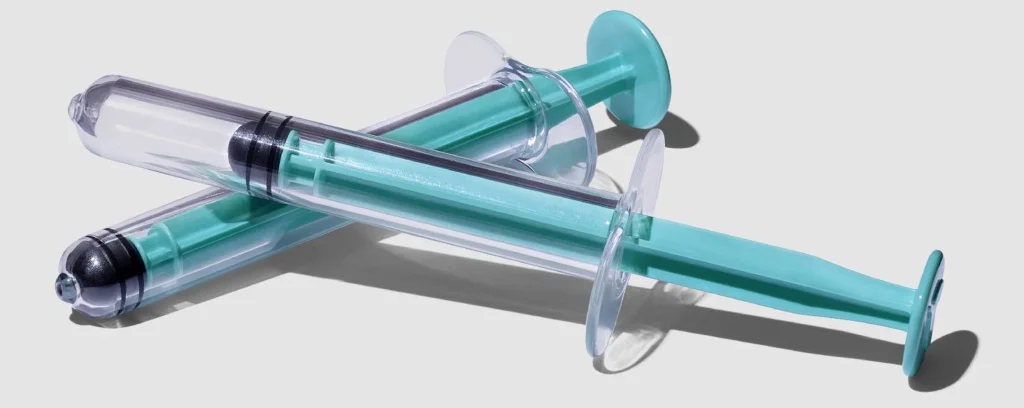
    Two transparent syringes with teal accents positioned diagonally on a light gray background.

    Insemination Syringe Kits 101: What You Need to Know Before Starting Your Journey to Parenthood

    4. Sterility: Make sure the kit is sterile and comes with all the necessary components. This will reduce the risk of infection.

    5. Discretion: Some kits come with discreet packaging, which can be beneficial for couples who prefer privacy.

    How to Use an Insemination Syringe Kit?

    It is important to carefully follow the instructions provided with your insemination syringe kit. Here are the general steps for using an insemination syringe kit:

    1. Collect the sperm sample: The male partner will need to ejaculate into the specimen cup provided in the kit.

    2. Load the syringe: Use the syringe to collect the sperm sample from the cup.

    3. Prepare the catheter: Attach the catheter to the syringe and make sure it is secure.

    4. Insert the catheter: The woman can insert the catheter herself or have her partner assist her.

    5. Deposit the sperm: Slowly depress the plunger on the syringe to deposit the sperm into the uterus.

    6. Remove the catheter: Once the sperm is deposited, carefully remove the catheter.

    7. Rest: The woman should rest for about 20-30 minutes after the procedure to increase the chances of pregnancy.

    8. Follow-up: It is essential to follow up with your fertility specialist to determine if the insemination was successful.

    Summary:

    Insemination syringe kits are a useful tool for couples who are trying to conceive. They are easy to use, safe, and effective in increasing the chances of pregnancy. When choosing an insemination syringe kit, it is important to consider factors such as quality, ease of use, and sterility. Proper usage and follow-up with a fertility specialist are crucial for a successful insemination. If you and your partner are ready to start your journey to parenthood, an insemination syringe kit may be the right option for you.

  • The Ultimate Guide to Insemination: How Syringe Kits Make It Possible

    The Ultimate Guide to Insemination: How Syringe Kits Make It Possible

    Insemination, also known as artificial insemination, is a method of assisted reproduction that has been gaining popularity in recent years. It involves the insertion of sperm into a woman’s reproductive tract in order to facilitate fertilization and pregnancy. While traditionally done in a clinical setting, advances in technology have made it possible for individuals and couples to perform insemination at home using syringe kits. In this ultimate guide, we will explore the process of insemination, the benefits and risks, and how syringe kits have made it more accessible and convenient for people to start or expand their families.

    Understanding Insemination

    Insemination is a form of assisted reproductive technology (ART) that has been used for decades to help individuals and couples with fertility issues conceive. It is typically recommended for those with low sperm count, poor sperm motility, or unexplained infertility. Insemination involves the placement of washed and concentrated sperm into the uterus or the cervix, which increases the chances of fertilization by bringing the sperm closer to the egg.

    Insemination can be done using either the partner’s sperm or donor sperm. In cases where the partner’s sperm is used, it is collected through masturbation and then washed and prepared in a laboratory before being inserted into the woman’s reproductive tract. Donor sperm, on the other hand, can be obtained from a sperm bank and is also washed and prepared before being used for insemination.

    The Insemination Process

    Insemination can be done at home or in a clinical setting, depending on personal preferences and medical recommendations. The process typically involves tracking a woman’s ovulation cycle to determine the best time for insemination. This can be done through fertility tracking methods such as tracking basal body temperature, cervical mucus changes, or using ovulation predictor kits.

    Once the optimal time for insemination is identified, the sperm is inserted into the woman’s reproductive tract using a catheter or a syringe. If done at home, a syringe kit is used to collect the prepared sperm and then inserted into the vagina or cervix. The woman is then advised to lie down for about 15-20 minutes to allow the sperm to reach the uterus.

    illustration comparing standard and Mosie syringe openings with text highlighting design benefits for home insemination

    The Ultimate Guide to Insemination: How Syringe Kits Make It Possible

    Benefits of Using Syringe Kits for Insemination

    In the past, insemination could only be done in a clinical setting, which could be inconvenient and expensive for some individuals and couples. However, with the introduction of syringe kits, insemination has become more accessible and affordable. These kits include all the necessary tools and instructions for performing insemination at home, making it a more private and comfortable experience.

    Another benefit of using syringe kits for insemination is that it allows for more control and involvement in the process. Many people find it empowering to be able to perform insemination at home and be more involved in the conception of their child. It also eliminates the need for frequent trips to a clinic, which can be stressful and time-consuming.

    Risks and Considerations

    As with any medical procedure, there are some risks and considerations to keep in mind when considering insemination. While the risks are minimal, they may include infection, cramping, and slight bleeding. It is important to follow the instructions provided in the syringe kit carefully and to ensure that the sperm used is from a reputable source to minimize any potential risks.

    It is also important to note that insemination does not guarantee pregnancy. Success rates vary depending on factors such as age, overall health, and the quality of the sperm used. It may take multiple attempts before a successful pregnancy is achieved.

    In conclusion, insemination is a safe and effective method of assisted reproduction that has helped many individuals and couples conceive. With the advent of syringe kits, it has become more accessible and convenient for people to perform insemination at home. However, it is important to carefully consider the risks and seek medical advice before embarking on this journey.

    Summary:

    Insemination, also known as artificial insemination, is a method of assisted reproduction that involves the insertion of sperm into a woman’s reproductive tract to facilitate fertilization and pregnancy. Traditionally done in a clinical setting, advancements in technology have made it possible for individuals and couples to perform insemination at home using syringe kits. This guide explains the process of insemination, its benefits and risks, and how syringe kits have made it more accessible and convenient for people to start or expand their families. It also highlights the importance of careful consideration and seeking medical advice before embarking on the insemination journey.

  • Insemination Syringe Kits and the Debate on Designer Babies

    Blog Post:

    In recent years, there has been a growing debate surrounding the use of insemination syringe kits for the purpose of creating “designer babies.” These kits, which allow individuals to inseminate themselves at home, have sparked controversy as they raise questions about the ethics and implications of genetically modifying human embryos. While some argue that these kits offer a convenient and affordable way for individuals to take control of their own fertility, others fear that they could lead to a slippery slope towards creating a society of “perfect” children.

    First, let’s clarify what exactly insemination syringe kits are. These kits typically include a syringe, a needle, and a vial or tube containing sperm. They are designed to be used by individuals or couples who are trying to conceive and can be purchased over the counter or online without a prescription. While they have been primarily marketed towards same-sex couples and single women, they can also be used by heterosexual couples who are struggling with fertility issues.

    The debate surrounding these kits centers around the idea of “designer babies.” This term refers to the practice of selecting specific desired traits in an embryo, such as eye color, height, or intelligence, through genetic manipulation. Proponents of insemination syringe kits argue that they offer a more affordable and accessible option for individuals who wish to have a child with a specific genetic makeup. However, critics argue that this type of selection goes against the natural process of reproduction and raises concerns about the potential consequences of creating a society where certain traits are valued over others.

    One of the main concerns surrounding the use of insemination syringe kits is the potential for eugenics. Eugenics is the practice of selectively breeding individuals to create a “superior” human race. While it may seem far-fetched, there are historical examples of eugenics being used in attempts to create a “perfect” society, such as in Nazi Germany. By allowing individuals to choose certain traits for their child, some fear that this could lead to a similar type of selective breeding and discrimination against those who do not fit the desired traits.

    In addition to the ethical concerns, there are also practical implications of using insemination syringe kits for the purpose of creating designer babies. One of the main issues is the potential for unintended consequences. While scientists have made significant advancements in the field of genetics, there are still many unknowns when it comes to how certain genes and traits interact. By manipulating the genetic makeup of an embryo, there is a risk of unintended consequences, such as the development of genetic disorders or health issues later in life.

    Baby with blue eyes wearing a light blue onesie that says "made with Love" on a soft white background.

    Insemination Syringe Kits and the Debate on Designer Babies

    There is also the issue of consent and informed decision-making. Insemination syringe kits are marketed as a simple and easy way for individuals to conceive, but the process of selecting specific genetic traits is not as simple as selecting a hair color on a website. It requires a deep understanding of genetics and the potential risks involved. It is important that individuals fully understand the implications and potential consequences of their choices before making decisions that could impact the life of their future child.

    On the other hand, proponents of insemination syringe kits argue that they offer a more affordable and accessible option for individuals who are struggling with fertility issues. Traditional methods of assisted reproduction, such as in vitro fertilization (IVF), can be costly and may not be covered by insurance. Insemination syringe kits, on the other hand, can be purchased for a fraction of the cost and used in the comfort and privacy of one’s own home.

    Furthermore, some believe that insemination syringe kits give individuals more control over their own fertility and the ability to start a family on their own terms. For same-sex couples and single women, these kits offer a way to conceive without the need for a sperm donor or a costly medical procedure. It also allows individuals to choose when and how they want to start a family, rather than relying on the timing and availability of a medical professional.

    In response to the concerns about designer babies and eugenics, some suggest implementing regulations and guidelines for the use of insemination syringe kits. This could include mandatory genetic counseling and education for those considering using these kits, as well as strict regulations on what traits can and cannot be selected. However, others argue that it would be nearly impossible to enforce these regulations and that the potential for abuse and unintended consequences still exists.

    In conclusion, the debate on insemination syringe kits and designer babies is complex and multifaceted. While these kits offer an affordable and accessible option for individuals struggling with fertility, they also raise serious ethical and practical concerns. It is important for society to carefully consider the potential implications of allowing individuals to select specific traits for their future children and to have open and honest discussions about the boundaries of genetic manipulation.

    Summary:

    Insemination syringe kits have sparked a heated debate about the ethics and implications of creating “designer babies.” These kits, which allow individuals to inseminate themselves at home, have raised concerns about eugenics and the unintended consequences of manipulating the genetic makeup of embryos. While some argue that these kits offer a more affordable and accessible option for individuals struggling with fertility, others fear that they could lead to a society where certain traits are valued over others. It is important for society to carefully consider the potential consequences of allowing individuals to select specific traits for their future children and to have open and honest discussions about the boundaries of genetic manipulation.

  • Insemination Syringe Kits and the Importance of Informed Consent

    Blog Post: The Importance of Insemination Syringe Kits and Informed Consent

    When it comes to family planning, there are various methods available to individuals and couples. One option that has gained popularity in recent years is home insemination using syringe kits. These kits provide a convenient and cost-effective way for individuals and couples to attempt conception in the comfort of their own home. However, with this convenience comes the importance of informed consent. In this blog post, we will discuss insemination syringe kits and why informed consent is crucial in this process.

    What are Insemination Syringe Kits?

    Insemination syringe kits, also known as at-home insemination kits, are a non-invasive method of assisted reproduction. They typically include a syringe, a collection cup, and instructions for use. The process involves collecting semen in the collection cup, then using the syringe to insert the sperm into the vagina or cervix. These kits are often used by individuals or couples who are trying to conceive without the assistance of a medical professional.

    The Benefits of Using Insemination Syringe Kits

    One of the major benefits of using insemination syringe kits is the convenience and privacy they offer. Many individuals prefer to avoid the time-consuming and sometimes embarrassing process of going to a clinic for insemination. These kits allow them to attempt conception at home, which can be less stressful and more comfortable.

    In addition, insemination syringe kits are generally more affordable than other assisted reproductive techniques such as intrauterine insemination (IUI) or in vitro fertilization (IVF). This makes them a more accessible option for those who may not be able to afford more expensive procedures.

    The Importance of Informed Consent

    While insemination syringe kits may seem like a simple and convenient option, it is important to remember that they are still a form of assisted reproduction. As with any medical procedure, informed consent is crucial. Informed consent refers to the process of providing individuals with all the necessary information about a medical procedure, including its potential risks and benefits, so that they can make an informed decision.

    Colorful promotional image for Mosie Baby, featuring home insemination kit and encouraging text.

    Insemination Syringe Kits and the Importance of Informed Consent

    In the case of insemination syringe kits, informed consent is vital for several reasons. Firstly, it ensures that individuals are aware of the potential risks associated with at-home insemination, such as infection or pregnancy complications. It also allows them to make an informed decision about whether this method is right for them, based on their own personal circumstances and medical history.

    Furthermore, informed consent also involves discussing the legal implications of using insemination syringe kits. Individuals need to understand the potential legal and financial responsibilities that come with using donor sperm and undergoing at-home insemination. This includes the importance of using a known donor or obtaining donor sperm from a reputable sperm bank to avoid legal complications in the future.

    How to Obtain Informed Consent

    For those considering using insemination syringe kits, it is important to follow the appropriate steps to obtain informed consent. This involves having an open and honest conversation with your partner, discussing your options, and addressing any concerns or questions you may have. Additionally, it is recommended to seek guidance from a medical professional or a fertility counselor to ensure that you have all the necessary information before making a decision.

    It is also essential to obtain the consent of the donor, whether it is a known donor or a sperm bank. This includes discussing the legal implications and ensuring that the donor is aware of their potential responsibilities and rights.

    Informed Consent and the Future

    As the popularity of insemination syringe kits continues to grow, it is crucial to prioritize informed consent in this process. By doing so, individuals and couples can make well-informed decisions about their reproductive choices and avoid any potential legal, financial, or medical complications in the future.

    In conclusion, insemination syringe kits offer a convenient and affordable option for those looking to conceive at home. However, it is essential to remember the importance of informed consent throughout this process. By having open and honest discussions and seeking guidance from medical professionals, individuals and couples can make informed decisions and have a positive experience with at-home insemination.

    Summary:

    Insemination syringe kits are a non-invasive method of assisted reproduction, offering convenience and affordability for individuals and couples looking to conceive at home. However, it is crucial to prioritize informed consent in this process. Informed consent involves providing individuals with all necessary information about the procedure and its potential risks and benefits, as well as discussing the legal implications. It is important to have open and honest discussions with partners and donors and seek guidance from medical professionals to make well-informed decisions. By obtaining informed consent, individuals can have a positive experience with at-home insemination and avoid any potential complications in the future.

  • The Emotional Impact of Using an Insemination Syringe Kit for Parenthood

    Becoming a parent is one of the most emotionally charged experiences in life. For many people, starting a family is a long-awaited dream, and for others, it may come as a surprise. No matter the circumstances, the journey to parenthood is filled with ups and downs, challenges and joys, and a rollercoaster of emotions. In recent years, the rise of assisted reproduction techniques has opened up new possibilities for people to become parents, including using an insemination syringe kit. In this blog post, we will explore the emotional impact of using an insemination syringe kit for parenthood.

    To begin with, let’s understand what an insemination syringe kit is and how it is used. An insemination syringe kit is a tool used in assisted reproduction techniques, such as intrauterine insemination (IUI) or at-home insemination, to help couples or individuals conceive. It typically includes a syringe, a catheter, and a vial containing sperm. The process involves inserting the catheter into the cervix, and then using the syringe to inject the sperm into the uterus. While this method may seem simple and straightforward, the emotional impact of using an insemination syringe kit for parenthood can be significant.

    For many people, starting a family is a deeply personal and intimate experience. It requires a lot of emotional investment and can bring up a range of feelings, from excitement and joy to fear and anxiety. The decision to use an insemination syringe kit for parenthood is often not an easy one. It may be a result of fertility issues, same-sex parenting, or a personal choice. No matter the reason, it is a decision that can have a profound impact on an individual or a couple’s emotional wellbeing.

    One of the most significant emotional impacts of using an insemination syringe kit for parenthood is the feeling of control. For people struggling with fertility issues, the feeling of not being in control of their own bodies and reproductive capabilities can be overwhelming. Using an insemination syringe kit gives them a sense of control over their journey to parenthood. It allows them to take an active role in the process and feel empowered. This can be a positive and empowering experience, especially for those who have felt helpless in their fertility journey.

    On the other hand, using an insemination syringe kit for parenthood can also bring up a lot of emotions related to the unknown. The process of trying to conceive can be unpredictable and uncertain, and this can lead to feelings of anxiety, fear, and stress. Couples or individuals using an insemination syringe kit may constantly worry about the success of the procedure, the quality of the sperm, and the chances of conceiving. This can be emotionally draining and can impact their mental health. It is essential for those going through this process to have a support system in place, whether it is a partner, family, or friends, to help them cope with these emotions.

    Mosie Baby Kit features a syringe and container, highlighting safety and usability tests on a blue background.

    The Emotional Impact of Using an Insemination Syringe Kit for Parenthood

    Another emotional impact of using an insemination syringe kit for parenthood is the feeling of isolation. While assisted reproduction techniques have become more common and accepted in society, there is still a stigma surrounding them. People who choose to use these methods to start a family may feel isolated and judged by others for their decision. This can lead to feelings of shame, guilt, and even self-doubt. It is crucial for these individuals or couples to find a safe and supportive community, whether online or in-person, where they can share their experiences and feel understood.

    On the other end of the spectrum, using an insemination syringe kit for parenthood can also bring about a sense of hope and excitement. For those who have been struggling to conceive, this method can offer a glimmer of hope. It can be a source of motivation to keep trying and believing that they will one day achieve their dream of becoming parents. The process of using an insemination syringe kit can also be a bonding experience for couples, bringing them closer together and strengthening their relationship.

    In addition to the emotional impact on individuals and couples, using an insemination syringe kit for parenthood also has an impact on the child. Children conceived through assisted reproduction techniques may have questions about their conception and their biological parents. It is crucial for parents to be open and honest with their children about their journey to parenthood and to create a safe and loving environment for them to grow and thrive.

    In conclusion, the emotional impact of using an insemination syringe kit for parenthood is significant and can vary from person to person. It is a journey filled with a mix of emotions, from feelings of control and hope to fear and isolation. It is essential for individuals and couples considering this method to be aware of the potential emotional impact and to have a support system in place to help them navigate through it. Ultimately, the goal of using an insemination syringe kit for parenthood is to create a loving and happy family, and the emotional journey towards that is worth every moment.

    SEO metadata:

  • From Insemination to Birth: The Journey of Using a Syringe Kit for Conception

    Blog Post:

    The journey of starting a family can be a challenging and emotional one, especially for couples who are struggling with fertility issues. Many couples turn to assisted reproductive technologies, such as in vitro fertilization (IVF), to help them conceive. However, there is also an option that is less invasive and more affordable – using a syringe kit for conception. In this blog post, we will take a closer look at the process of using a syringe kit for conception, from insemination to birth.

    What is a Syringe Kit for Conception?

    A syringe kit for conception, also known as an artificial insemination kit, is a simple and effective method of assisted conception. It involves using a syringe to inject sperm into the cervix or uterus of a woman in order to fertilize the egg. This method is often used by couples who are trying to conceive at home, but it can also be used in a clinical setting.

    The Process of Using a Syringe Kit for Conception

    Step 1: Preparing the Sperm
    The first step in using a syringe kit for conception is to obtain the sperm. This can be done through a sperm donor, or if the couple is using the husband or partner’s sperm, it will need to be collected and prepared. The sperm will need to be washed and concentrated in order to increase the chances of successful fertilization.

    Step 2: Preparing the Body
    Before insemination, the woman’s body needs to be prepared. This involves tracking ovulation and timing the insemination accordingly. The woman may also be prescribed fertility medications to increase the chances of successful fertilization.

    Step 3: Inserting the Sperm
    Once the sperm and the body are prepared, the next step is to insert the sperm into the woman’s reproductive system. This can be done either through the cervix or directly into the uterus. The syringe is filled with the prepared sperm and inserted into the appropriate location. The sperm will then be released into the reproductive system.

    Step 4: Rest and Relaxation
    After the insemination, it is important for the woman to rest and relax. This can help increase the chances of successful fertilization. It is recommended to lie down for at least 15-20 minutes after the insemination.

    Step 5: The Two-Week Wait
    After the insemination, the waiting game begins. The woman will have to wait for two weeks before taking a pregnancy test. This is to allow enough time for the fertilized egg to implant into the uterus. During this time, it is important to stay positive and avoid stress, as it can affect the chances of successful implantation.

    Mosie Baby ovulation test kit with packaging and instructions on a pink background.

    From Insemination to Birth: The Journey of Using a Syringe Kit for Conception

    Success Rates of Using a Syringe Kit for Conception

    The success rates of using a syringe kit for conception vary, depending on various factors such as the age of the woman, the quality of the sperm, and the timing of the insemination. On average, the success rate is around 10-15% per cycle. However, with multiple cycles, the chances of successful fertilization increase.

    Benefits of Using a Syringe Kit for Conception

    There are several benefits of using a syringe kit for conception, including:

    1. Cost-effective: Using a syringe kit for conception is much more affordable than other assisted reproductive technologies, such as IVF.

    2. Non-invasive: Unlike other methods that involve surgical procedures, using a syringe kit for conception is a non-invasive method that does not require any medical intervention.

    3. Privacy: Many couples prefer using a syringe kit for conception as it allows them to conceive in the comfort and privacy of their own home.

    4. Simple and convenient: The process of using a syringe kit for conception is simple and can be done at home, making it a convenient option for couples who do not want to go through the process of IVF.

    5. Less side effects: Compared to fertility medications or other assisted reproductive technologies, using a syringe kit for conception has minimal side effects.

    Summary:

    Using a syringe kit for conception is a simple and affordable method of assisted conception. It involves preparing the sperm, timing the insemination with ovulation, inserting the sperm into the reproductive system, and waiting for the fertilized egg to implant. While the success rates may vary, this method offers benefits such as cost-effectiveness, non-invasiveness, privacy, convenience, and minimal side effects.

  • The Role of Genetic Testing in Syringe Insemination: Ensuring a Healthy Pregnancy

    Blog Post:

    Syringe insemination, also known as artificial insemination, is a widely used method for couples struggling with fertility issues. This process involves injecting sperm into a woman’s uterus or cervix, bypassing the traditional route of natural conception. While this method has helped many couples achieve their dream of starting a family, there are certain risks and challenges that come with it. One of the most crucial aspects of syringe insemination is ensuring a healthy pregnancy, which can be achieved through genetic testing.

    Genetic testing is the process of analyzing a person’s DNA to determine their risk of inheriting certain genetic disorders or passing them on to their children. In the context of syringe insemination, genetic testing plays a vital role in identifying any potential genetic disorders that could affect the health of the baby. In this blog post, we will delve into the role of genetic testing in syringe insemination and how it can help ensure a healthy pregnancy.

    Identifying Genetic Disorders:

    The first and most important role of genetic testing in syringe insemination is identifying any genetic disorders in the parents or the potential baby. This is crucial because certain genetic disorders can have a significant impact on the health of the baby or even lead to miscarriage. Some common genetic disorders that can be identified through genetic testing include cystic fibrosis, sickle cell anemia, and Tay-Sachs disease.

    By identifying these disorders before the syringe insemination process, parents can make informed decisions about their options and take necessary precautions to prevent the transmission of these disorders to their children. They can also opt for pre-implantation genetic testing, which involves testing embryos created through in-vitro fertilization before they are implanted in the mother’s uterus. This can significantly reduce the risk of passing on genetic disorders to the baby.

    Ensuring a Healthy Pregnancy:

    In addition to identifying genetic disorders, genetic testing can also help ensure a healthy pregnancy for both the mother and the baby. Through a genetic test, doctors can identify any potential complications that may arise during pregnancy, such as chromosomal abnormalities and genetic mutations. This information can help doctors monitor the pregnancy more closely and take necessary precautions to ensure the health and safety of both the mother and the baby.

    two teal and clear syringes positioned on a white background

    The Role of Genetic Testing in Syringe Insemination: Ensuring a Healthy Pregnancy

    Genetic testing can also help identify any underlying health conditions in the mother that could affect the pregnancy. For example, if a mother is a carrier of a genetic disorder, she may not exhibit any symptoms, but there is a risk of passing on the disorder to the baby. In such cases, doctors can closely monitor the pregnancy and take necessary measures to ensure a healthy outcome for both the mother and the baby.

    Reducing the Risk of Birth Defects:

    Birth defects are a major concern for couples undergoing syringe insemination. These defects can range from mild to severe and can affect the baby’s physical and mental development. Genetic testing can help reduce the risk of birth defects by identifying any genetic disorders or mutations that could lead to these defects. With this information, doctors can create a treatment plan that will minimize the chances of these defects occurring, resulting in a healthier pregnancy and a healthier baby.

    Peace of Mind for Parents:

    One of the biggest advantages of genetic testing in syringe insemination is the peace of mind it offers to parents. The process of syringe insemination can be emotionally and financially draining, and the added stress of potential genetic disorders can take a toll on couples. With genetic testing, parents can have a better understanding of any potential risks and can make informed decisions about their options. This can also help alleviate any fears or anxieties about the health of the baby, allowing parents to focus on the joy of starting a family.

    Conclusion:

    In conclusion, genetic testing plays a critical role in syringe insemination by identifying potential genetic disorders, ensuring a healthy pregnancy, reducing the risk of birth defects, and providing peace of mind to parents. It is a crucial step in the process of assisted reproduction and can greatly increase the chances of a successful pregnancy. If you are considering syringe insemination, it is essential to speak with your doctor about the possibility of genetic testing and how it can benefit you and your baby.

    Summary:

    Syringe insemination is a common method for couples struggling with fertility issues, but it comes with certain risks. Genetic testing plays a crucial role in this process by identifying potential genetic disorders, ensuring a healthy pregnancy, reducing the risk of birth defects, and providing peace of mind to parents. It can help identify genetic disorders in parents and embryos, monitor the pregnancy more closely, and reduce the chances of birth defects. If you are considering syringe insemination, it is essential to speak with your doctor about the possibility of genetic testing and how it can benefit you and your baby.

  • Syringe Insemination and the Importance of Preparing Your Body for Conception

    Syringe Insemination and the Importance of Preparing Your Body for Conception: A Comprehensive Guide

    Conceiving a child is a dream for many couples, but for some, it can be a challenging and emotional journey. While there are various methods of assisted reproduction, one that has gained popularity in recent years is syringe insemination. This method involves using a syringe to inject semen directly into the cervix, bypassing the vagina and increasing the chances of fertilization. In this blog post, we will delve into the details of syringe insemination, its benefits, and the crucial role of preparing your body for conception.

    Understanding Syringe Insemination

    Syringe insemination, also known as intrauterine insemination (IUI), is a form of artificial insemination that is used to help couples conceive. This method involves collecting a semen sample from the male partner and preparing it in a laboratory to separate the healthiest sperm from the rest. The concentrated sperm is then placed into a syringe and inserted into the cervix, close to the opening of the uterus. This procedure is usually done during ovulation when the chances of fertilization are the highest.

    Benefits of Syringe Insemination

    There are various benefits of syringe insemination, making it a popular choice for couples struggling with infertility. One of the main advantages is that it increases the number of sperm reaching the cervix, increasing the chances of fertilization. This method also helps overcome any barriers that may prevent sperm from reaching the egg, such as low sperm count or cervical mucus issues. Additionally, syringe insemination is a less invasive and less expensive option compared to other assisted reproduction techniques, such as in vitro fertilization (IVF).

    Preparing Your Body for Conception

    While syringe insemination can increase the chances of pregnancy, it is vital to prepare your body for conception to optimize the success rate. Here are some essential steps to take before undergoing syringe insemination:

    1. Consult with a Fertility Specialist

    Before starting any fertility treatment, it is essential to consult with a fertility specialist. They will evaluate your medical history and perform necessary tests to determine the underlying cause of your infertility. This will help them tailor a treatment plan that suits your specific needs.

    2. Follow a Healthy Diet

    home insemination kit components: a syringe and a collection container against a blue background.

    Syringe Insemination and the Importance of Preparing Your Body for Conception

    A balanced and nutritious diet is crucial for preparing your body for conception. Eating a variety of fruits, vegetables, whole grains, lean protein, and healthy fats can improve your overall reproductive health. It is also essential to cut out processed foods, refined sugars, and excessive caffeine and alcohol intake.

    3. Maintain a Healthy Weight

    Being underweight or overweight can have a significant impact on fertility. It is crucial to maintain a healthy weight before undergoing syringe insemination. Consult with your doctor to determine your ideal weight and work towards achieving it through a healthy diet and regular exercise.

    4. Take Prenatal Vitamins

    Prenatal vitamins are essential for both men and women who are trying to conceive. These supplements contain folic acid, which plays a crucial role in fetal development and can prevent birth defects. They also contain other vital vitamins and minerals that promote reproductive health.

    5. Manage Stress Levels

    Stress can have a significant impact on fertility, making it essential to manage stress levels before attempting syringe insemination. Try incorporating stress-relieving activities into your daily routine, such as yoga, meditation, or deep breathing exercises.

    6. Quit Smoking and Limit Alcohol Intake

    Smoking and excessive alcohol consumption can negatively impact fertility in both men and women. Quitting smoking and limiting alcohol intake can help improve the chances of successful syringe insemination.

    7. Follow the Advice of Your Doctor

    It is crucial to follow the advice of your doctor and attend all scheduled appointments and tests. They will monitor your progress and make any necessary adjustments to your treatment plan to increase the chances of a successful pregnancy.

    In summary, syringe insemination is a popular assisted reproduction technique that can help couples struggling with infertility conceive. However, preparing your body for conception is essential to optimize the success rate of syringe insemination. By following a healthy lifestyle, consulting with a fertility specialist, and following their advice, you can increase your chances of a successful pregnancy through syringe insemination.






