Tag: fertile window

  • At-Home Conception and Your Ovulation Cycle: Understanding Your Body

    At-Home Conception and Your Ovulation Cycle: Understanding Your Body

    Conceiving a child is a big decision and for many, it can be a journey filled with excitement, anticipation, and uncertainty. While some couples are able to conceive quickly and easily, others may face challenges and need to explore various methods and options. One important factor to consider when trying to conceive is a woman’s ovulation cycle. Understanding your body and how it works can greatly increase your chances of successful at-home conception. In this blog post, we will delve into the topic of at-home conception and your ovulation cycle, and provide you with valuable insights to help you on your journey towards parenthood.

    What is Ovulation?

    Before we dive into the connection between ovulation and at-home conception, it is important to understand what exactly ovulation is. Ovulation is the process where a mature egg is released from the ovary and travels down the fallopian tube, ready to be fertilized by a sperm. This usually occurs once a month, around day 14 of a woman’s menstrual cycle. However, every woman’s body is different and ovulation can occur earlier or later in the cycle, depending on the length of her menstrual cycle.

    Tracking Your Ovulation

    Tracking your ovulation is crucial when trying to conceive. There are several methods that can help you determine when you are ovulating. One method is monitoring changes in your cervical mucus. As your body prepares for ovulation, your cervical mucus becomes thin, clear, and slippery, resembling the consistency of egg whites. This is a sign that you are in your fertile window and it is the perfect time to try to conceive.

    Another method is tracking your basal body temperature (BBT). Your BBT is your body’s lowest resting temperature and it rises by a few degrees after ovulation. By tracking your BBT every morning before getting out of bed, you can identify when you have ovulated and plan accordingly.

    Using ovulation predictor kits (OPKs) is also a popular method for tracking ovulation. These kits detect the levels of luteinizing hormone (LH) in your urine, which surges just before ovulation occurs. When the test shows a positive result, it means that ovulation is likely to happen within the next 24-48 hours.

    Colorful promotional image for Mosie Baby, featuring home insemination kit and encouraging text.

    At-Home Conception and Your Ovulation Cycle: Understanding Your Body

    At-Home Conception Methods

    Once you have identified your fertile window, there are various at-home conception methods that you can try. The most common method is timed intercourse, where you have sex during your fertile window in hopes of conceiving. It is important to note that sperm can survive inside the female reproductive tract for up to five days, so it is beneficial to have sex a few days prior to ovulation as well.

    Another popular method is intrauterine insemination (IUI) where sperm is directly inserted into the uterus during ovulation. This method can be done at home with the help of a special syringe or cup.

    There are also natural methods such as improving your diet, reducing stress, and taking certain supplements that can increase your chances of conception. However, it is important to consult with your doctor before trying any new supplements or making significant changes to your diet.

    Challenges and Considerations

    While at-home conception methods can be convenient and less expensive than seeking medical assistance, it is important to understand that it may not work for everyone. Factors such as age, underlying health conditions, and previous medical history can affect a woman’s fertility. If you have been trying to conceive for over a year (or six months if you are over 35), it is recommended to seek medical help to determine any underlying issues.

    It is also crucial to consider the emotional impact of trying to conceive. The journey can be stressful and overwhelming, especially for those who have been trying for a long time. It is important to communicate openly with your partner, seek support from loved ones, and practice self-care during this time.

    In Summary

    Understanding your body and your ovulation cycle is key when trying to conceive at home. Tracking your ovulation through methods such as monitoring your cervical mucus, tracking your BBT, and using OPKs can greatly increase your chances of successful conception. It is also important to explore different at-home conception methods and consider any challenges or underlying issues that may affect your fertility. Remember to take care of your emotional well-being during this journey and seek medical assistance if needed.
  • Maximizing Fertility: Tips for Enhancing the Syringe Method for At-Home Insemination

    Maximizing Fertility: Tips for Enhancing the Syringe Method for At-Home Insemination

    For many couples and individuals trying to conceive, at-home insemination using the syringe method is a popular and effective option. It involves using a syringe to insert sperm into the vagina in hopes of fertilizing an egg. While this method can be successful, there are ways to enhance its effectiveness and maximize fertility. In this blog post, we will discuss tips and techniques for enhancing the syringe method for at-home insemination.

    Tip #1: Know Your Fertile Window
    The first and most important tip for maximizing fertility with the syringe method is to know your fertile window. This refers to the time in your menstrual cycle when you are most likely to conceive. It typically occurs around ovulation, which is when an egg is released from the ovary. By tracking your menstrual cycle and using tools such as ovulation predictor kits or fertility tracking apps, you can determine your most fertile days and time the insemination accordingly.

    Tip #2: Use Fresh Sperm
    Using fresh sperm is crucial for enhancing the success of the syringe method. This means using sperm that has been recently collected, preferably within an hour of insemination. Fresh sperm has a higher motility and viability, making it more likely to fertilize an egg. If you are using donated sperm, make sure to follow the instructions provided by the sperm bank for optimal freshness.

    Tip #3: Optimize Sperm Quality
    In addition to using fresh sperm, there are other ways to optimize sperm quality for at-home insemination. This includes abstaining from ejaculation for at least 2-3 days before insemination to ensure a higher sperm count. It is also recommended to avoid alcohol, tobacco, and recreational drugs, as they can negatively impact sperm quality. Staying hydrated and maintaining a healthy diet can also improve sperm quality.

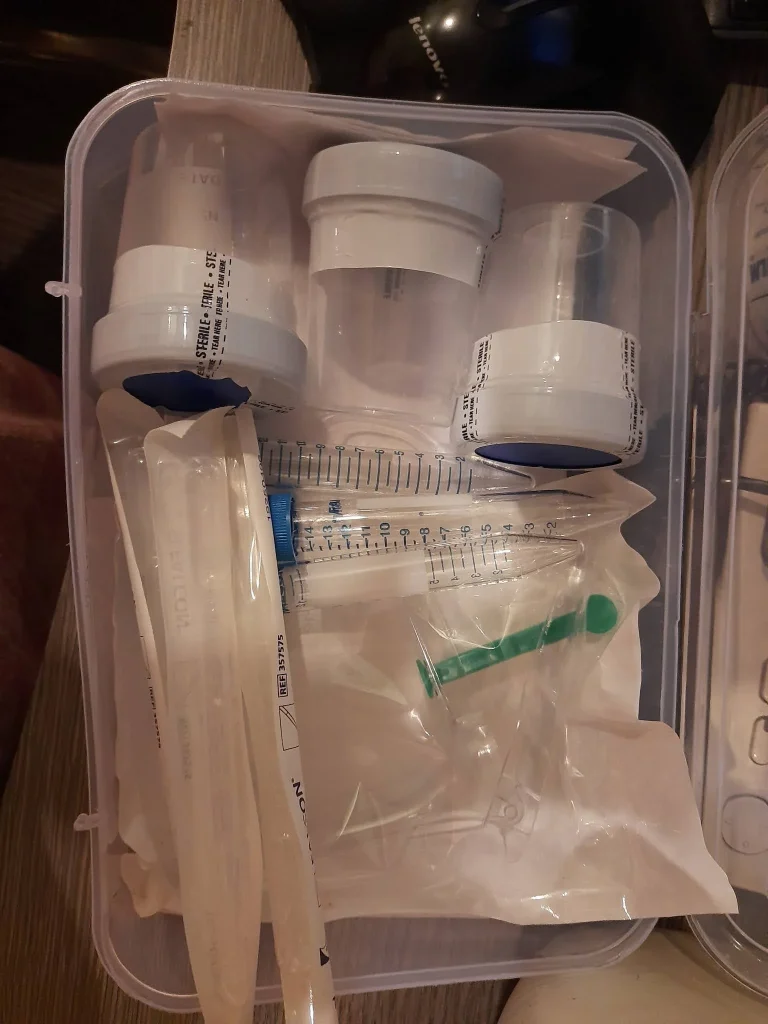
    various medical supplies and containers organized in a clear plastic box on a wooden surface

    Maximizing Fertility: Tips for Enhancing the Syringe Method for At-Home Insemination

    Tip #4: Use the Right Position
    The position in which you inseminate can also play a role in maximizing fertility. It is recommended to use the missionary position, with the person receiving the sperm lying on their back with their hips elevated using pillows. This position allows for a better angle for the sperm to travel towards the cervix and increases the chances of sperm reaching the egg.

    Tip #5: Consider Using Fertility-Friendly Lubricants
    Some lubricants can be harmful to sperm and may decrease their motility, making it harder for them to reach the egg. It is best to avoid lubricants when using the syringe method, but if needed, consider using fertility-friendly options such as Pre-Seed or Conceive Plus, which are formulated to support sperm health.

    Tip #6: Be Patient and Stay Positive
    It is important to remember that conception may not happen on the first try, and it may take a few cycles to achieve a successful pregnancy. It is essential to stay patient and positive throughout the process. Stress and anxiety can negatively impact fertility, so try to relax and enjoy the experience with your partner.

    Tip #7: Consider Seeking Professional Help
    If you have been trying to conceive for an extended period without success, it may be beneficial to seek professional help. A fertility specialist can provide you with additional tips and techniques for maximizing your chances of conceiving through the syringe method. They can also conduct tests to determine if there are any underlying fertility issues that need to be addressed.

    In conclusion, the syringe method for at-home insemination can be a successful way to conceive, but there are ways to enhance its effectiveness and maximize fertility. By knowing your fertile window, using fresh sperm, optimizing sperm quality, using the right position, considering fertility-friendly lubricants, staying patient and positive, and seeking professional help when needed, you can increase your chances of a successful pregnancy. Remember to consult with your doctor or a fertility specialist for personalized advice and guidance.

    Summary:
    At-home insemination using the syringe method is a popular and effective option for couples and individuals trying to conceive. To maximize fertility, it is essential to know your fertile window and use fresh sperm. Optimizing sperm quality, using the right position, considering fertility-friendly lubricants, staying patient and positive, and seeking professional help when needed are other ways to enhance the syringe method’s effectiveness.