Tag: health

  • The Impact of Lifestyle Choices on Syringe Insemination Success

    Blog Post:

    Syringe insemination, also known as artificial insemination, is a popular method used by couples and individuals who are trying to conceive. This process involves inserting semen into the cervix or uterus using a syringe, bypassing the need for sexual intercourse. While this method has been proven to be effective in achieving pregnancy, there are lifestyle choices that can impact its success. In this blog post, we will explore the various lifestyle factors that can affect syringe insemination success and how you can make positive changes to increase your chances of conceiving.

    1. Smoking and Alcohol Consumption

    Smoking and excessive alcohol consumption have been linked to decreased fertility in both men and women. Studies have shown that smoking can cause damage to sperm and affect its quality, while alcohol consumption can lead to hormonal imbalances and disrupt ovulation in women. Therefore, it is essential to quit smoking and limit alcohol intake when trying to conceive through syringe insemination.

    2. Diet and Exercise

    Maintaining a healthy diet and regular exercise can also play a significant role in syringe insemination success. A balanced diet rich in fruits, vegetables, and whole grains can improve overall health and increase fertility. On the other hand, being overweight or underweight can affect hormone levels and interfere with ovulation. It is crucial to maintain a healthy weight and engage in regular physical activity to increase your chances of conceiving through syringe insemination.

    3. Stress Levels

    Stress can have a significant impact on fertility, and it is crucial to manage it when trying to conceive. High levels of stress can disrupt hormone levels, delay ovulation, and even cause menstrual irregularities. Engaging in relaxation techniques such as yoga, meditation, or deep breathing exercises can help reduce stress levels and improve your chances of success with syringe insemination.

    at-home insemination kit with syringes, collection cups, and instructions on a pink background

    The Impact of Lifestyle Choices on Syringe Insemination Success

    4. Age

    Age is a significant factor that can affect syringe insemination success. As women age, the quality and quantity of their eggs decrease, making it more difficult to achieve pregnancy. Therefore, it is recommended to try syringe insemination at a younger age to increase the chances of success. However, that does not mean that older women cannot conceive through this method, but it may require multiple attempts.

    5. Cervical Mucus

    Cervical mucus plays a crucial role in syringe insemination success. It helps sperm reach the egg and provides a hospitable environment for fertilization. However, certain factors such as hormonal imbalances, medication, or spermicides can affect the quality and quantity of cervical mucus. It is essential to consult with your doctor if you are experiencing any issues with cervical mucus as it can significantly impact the success of syringe insemination.

    6. Timing

    Timing is crucial when it comes to syringe insemination. It is recommended to track your ovulation using methods such as ovulation predictor kits or basal body temperature charting. This will help you determine the most fertile days for insemination, increasing the chances of success.

    7. Health Conditions

    Certain health conditions such as polycystic ovary syndrome (PCOS), endometriosis, or sexually transmitted infections (STI) can affect fertility and, in turn, impact the success of syringe insemination. It is essential to discuss any underlying health conditions with your doctor and seek appropriate treatment to increase your chances of conceiving.

    In summary, lifestyle choices can significantly impact the success of syringe insemination. Quitting smoking, limiting alcohol intake, maintaining a healthy diet and weight, managing stress levels, timing insemination correctly, and addressing any underlying health conditions can all increase the chances of achieving pregnancy through this method. It is essential to consult with your doctor and make necessary lifestyle changes to improve your chances of success with syringe insemination.
  • Preparing Your Relationship for Non-Invasive Insemination

    Preparing Your Relationship for Non-Invasive Insemination: A Guide for Couples

    Non-invasive insemination, also known as artificial insemination, is a popular method for couples who are struggling with fertility issues or same-sex couples looking to start a family. Unlike traditional insemination methods, non-invasive insemination involves placing the sperm directly into the uterus, bypassing the cervix. This procedure can be done at a doctor’s office or at home, with the use of an insemination kit. However, before embarking on this journey, it is essential for couples to prepare their relationship for the process. In this blog post, we will discuss some important steps couples can take to ensure their relationship is ready for non-invasive insemination.

    Communicate openly and honestly
    Communication is crucial in any relationship, but it becomes even more important when embarking on a journey like non-invasive insemination. It is essential for couples to have open and honest discussions about their feelings, fears, and expectations regarding the process. This includes discussing the reasons for choosing non-invasive insemination, any concerns or doubts, and how each partner envisions their role in the process.

    It is also important to communicate about the potential outcomes of non-invasive insemination, such as the possibility of not conceiving or the possibility of multiple pregnancies. These discussions can be difficult but are necessary for both partners to feel heard and understood.

    Understand the legal implications
    Before starting non-invasive insemination, it is essential for couples to understand the legal implications of the process. In some countries, the non-biological parent may not have legal rights to the child, which can lead to complications in the future. It is vital to research and understand the laws and regulations surrounding non-invasive insemination in your country or state and consider consulting a lawyer for further clarification.

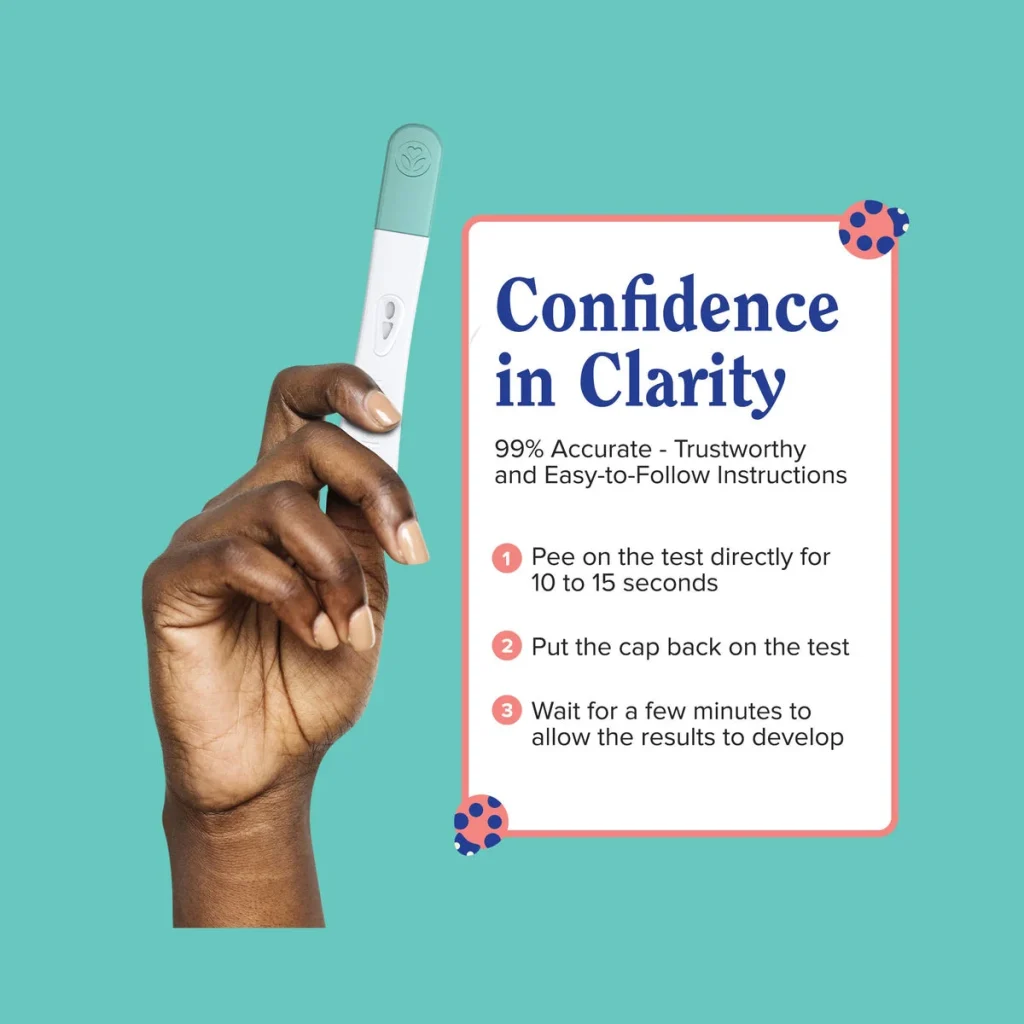
    hand holding a pregnancy test with instructions on a colorful background

    Preparing Your Relationship for Non-Invasive Insemination

    Create a support system
    Preparing for non-invasive insemination can be emotionally and physically taxing for both partners. It is crucial to have a support system in place to help you through the process. This can include close friends, family members, or support groups for fertility or LGBTQ+ couples. Having a support system can provide a safe space for you to express your feelings and receive emotional support during this challenging time.

    Discuss finances
    Non-invasive insemination can be expensive, and it is essential to have a plan in place for covering the costs. Couples should discuss their financial situation and come up with a budget for the procedure. It is also important to consider the potential costs of multiple insemination attempts or fertility treatments if the first attempt is unsuccessful.

    Seek counseling
    Non-invasive insemination can bring up a range of emotions for couples, including anxiety, stress, and fear. It can also put a strain on the relationship, as it involves a lot of planning, decision-making, and potential disappointments. Seeking counseling before and during the process can help couples navigate these emotions and strengthen their relationship. A therapist can also provide helpful tools for effective communication and coping strategies.

    Take care of your health
    Both partners should prioritize their physical and mental health before starting non-invasive insemination. This includes maintaining a healthy diet, exercising regularly, and managing stress. It is also crucial to discuss any existing health conditions with your doctor and ensure they are well-managed before attempting insemination.

    Be patient and understanding
    It is important to remember that non-invasive insemination is not a guarantee of pregnancy, and it may take multiple attempts before conception occurs. This can be frustrating and emotionally taxing for both partners, but it is essential to be patient and understanding with each other. This process may also bring up feelings of jealousy or resentment, and it is crucial to address these emotions and work through them together.

    In summary, non-invasive insemination can be a challenging and emotional journey for couples. It is essential to communicate openly and honestly, understand the legal implications, have a support system in place, discuss finances, seek counseling, prioritize health, and be patient and understanding with each other. By following these steps, couples can prepare their relationship for non-invasive insemination and increase their chances of a successful and fulfilling experience.

  • Non-Invasive Insemination Tips for a Successful Pregnancy

    Blog Post: Non-Invasive Insemination Tips for a Successful Pregnancy

    Non-invasive insemination, also known as artificial insemination, is a common fertility treatment used to help couples conceive. Unlike invasive procedures such as in vitro fertilization, non-invasive insemination involves placing sperm directly into the woman’s reproductive tract in a minimally invasive way. This method has a high success rate and is often recommended for couples who have been struggling to conceive for a prolonged period of time. However, there are certain tips and precautions that can increase the chances of a successful pregnancy through non-invasive insemination. In this blog post, we will discuss some important non-invasive insemination tips to help you achieve your dream of becoming a parent.

    1. Find a Qualified and Experienced Doctor

    The first and most important tip for a successful non-invasive insemination is to find a qualified and experienced doctor. It is crucial to choose a doctor who is well-versed in this procedure and has a good track record of successful pregnancies. A reputable doctor will be able to guide you through the entire process and provide you with the necessary support and care.

    2. Understand the Process

    Before undergoing non-invasive insemination, it is essential to have a clear understanding of the process. Educate yourself about the different types of non-invasive insemination, such as intrauterine insemination (IUI) and intracervical insemination (ICI). Also, familiarize yourself with the steps involved in the procedure, the success rates, and the potential risks and side effects. This will help you make an informed decision and prepare yourself mentally and physically for the procedure.

    3. Monitor Your Ovulation

    Timing is crucial when it comes to non-invasive insemination. It is essential to monitor your ovulation cycle and determine the most fertile days for insemination. This can be done through various methods, such as tracking your basal body temperature, using ovulation predictor kits, or monitoring changes in your cervical mucus. Having intercourse or undergoing insemination during your most fertile days can significantly increase the chances of a successful pregnancy.

    4. Consider Sperm Quality

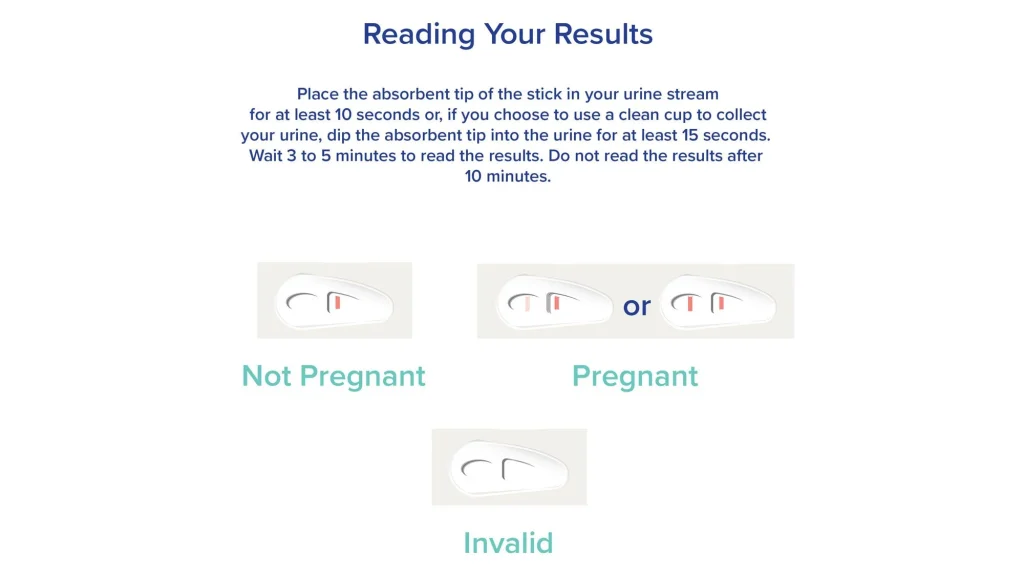
    Instructions for reading pregnancy test results with visual indicators for "Not Pregnant," "Pregnant," and "Invalid.

    Non-Invasive Insemination Tips for a Successful Pregnancy

    The quality of sperm used in non-invasive insemination plays a significant role in the success of the procedure. It is essential to have a thorough evaluation of the male partner’s sperm to determine its quality, count, and motility. If the sperm is of poor quality, your doctor may recommend using donor sperm, which has a higher chance of fertilizing the egg and resulting in a successful pregnancy.

    5. Follow Pre- and Post-Insemination Instructions

    Your doctor will provide you with specific instructions to follow before and after the insemination procedure. It is crucial to follow these instructions carefully to ensure the best possible outcome. These instructions may include abstaining from intercourse for a certain period, taking fertility medications, and avoiding certain activities that can interfere with the procedure’s success. Following these instructions can significantly increase the chances of a successful pregnancy.

    6. Take Care of Your Health

    Maintaining good overall health is essential for a successful non-invasive insemination. A healthy body can increase the chances of conception and a healthy pregnancy. Eat a well-balanced diet, exercise regularly, and avoid unhealthy habits such as smoking and excessive alcohol consumption. It is also crucial to manage stress levels and get enough rest to prepare your body for the insemination procedure.

    7. Be Patient and Positive

    The journey to parenthood can be emotionally and physically draining, and it is essential to stay patient and positive throughout the process. Non-invasive insemination may not result in a pregnancy in the first attempt. It may take multiple cycles for conception to occur. It is crucial to stay optimistic and not lose hope. Surround yourself with a strong support system, and seek counseling if needed to cope with the emotional ups and downs of the process.

    In conclusion, non-invasive insemination can be a highly effective method for couples struggling to conceive. By following these tips, you can increase the chances of a successful pregnancy through non-invasive insemination. Remember to choose a qualified doctor, understand the process, monitor your ovulation, consider sperm quality, follow instructions, take care of your health, and stay patient and positive. With the right approach and mindset, you can achieve your dream of becoming a parent through non-invasive insemination.

    Summary:

    Non-invasive insemination, also known as artificial insemination, is a common fertility treatment used to help couples conceive. To increase the chances of a successful pregnancy through this procedure, it is crucial to find a qualified doctor, understand the process, monitor ovulation, consider sperm quality, follow instructions, take care of your health, and stay patient and positive. By following these tips, couples can increase their chances of conceiving and achieving their dream of becoming parents.

  • Unleashing the Power of the Conception Companion Solution Kit for Successful Conception

    Summary:

    Conception can be a challenging journey for many couples. From understanding ovulation cycles to managing stress and keeping track of fertility treatments, the process can feel overwhelming and emotionally draining. However, with the Conception Companion Solution Kit, couples can unlock the power of a comprehensive and supportive resource to increase their chances of successful conception.

    This blog post will explore the benefits and features of the Conception Companion Solution Kit and how it can support couples on their journey to parenthood. From its easy-to-use tools and educational resources to its personalized support and community, this solution kit is designed to unleash the full potential of couples trying to conceive.

    Understanding the Conception Companion Solution Kit:

    The Conception Companion Solution Kit is a comprehensive resource that offers tools, support, and guidance for couples trying to conceive. It includes a fertility tracker, ovulation predictor, and pregnancy test, all conveniently packaged in a compact and discreet box. The kit also comes with a detailed guidebook that provides valuable information on fertility, ovulation, and conception, as well as tips for managing stress and optimizing health for successful conception.

    The Power of Tracking:

    One of the key components of the Conception Companion Solution Kit is the fertility tracker. This innovative tool allows couples to easily track their ovulation cycles, monitor their fertile window, and predict the best time for conception. With a simple and user-friendly interface, the fertility tracker takes the guesswork out of timing intercourse and increases the chances of successful conception.

    Managing Stress and Optimizing Health:

    at-home insemination kit by Mosie Baby, featuring syringes, collection cups, and instructions on a pink background.

    Unleashing the Power of the Conception Companion Solution Kit for Successful Conception

    Stress can have a significant impact on fertility, and it is a common factor that affects many couples trying to conceive. The Conception Companion Solution Kit addresses this by providing resources and tools to help couples manage stress and optimize their health. The guidebook offers tips on relaxation techniques, self-care, and nutrition, all of which can play a crucial role in boosting fertility and increasing the chances of successful conception.

    Personalized Support and Community:

    The journey of conception can feel isolating and overwhelming, but the Conception Companion Solution Kit offers personalized support and a community of like-minded individuals. The guidebook includes information on how to seek professional help and provides resources for finding support groups. Additionally, the kit comes with access to a private online community where couples can share their experiences, ask questions, and receive support from others on the same journey.

    Benefits of the Conception Companion Solution Kit:

    The Conception Companion Solution Kit offers numerous benefits for couples trying to conceive. It provides a comprehensive and convenient resource for tracking fertility, managing stress, and optimizing health. The personalized support and community aspect of the kit also offer a sense of comfort and understanding for couples going through the challenges of conception.

    Incorporating the Conception Companion Solution Kit into Your Conception Journey:

    Incorporating the Conception Companion Solution Kit into your conception journey is simple and easy. The guidebook offers step-by-step instructions on how to use the tools and resources effectively. The fertility tracker can be synced with a mobile app for convenient tracking, and the pregnancy test offers accurate results to confirm a successful conception.

    In conclusion, the Conception Companion Solution Kit is a powerful resource for couples trying to conceive. With its comprehensive tools, educational resources, and personalized support, it can increase the chances of successful conception and provide a sense of comfort and understanding during the journey. By unlocking the power of this solution kit, couples can take control of their conception journey and increase their chances of bringing their little bundle of joy into the world.

  • Choosing the Right Donor for Your Home Insemination Journey

    Choosing the Right Donor for Your Home Insemination Journey

    Making the decision to start a family is an exciting and life-changing one. For couples or individuals who are unable to conceive naturally, the option of home insemination can be a viable and empowering alternative. However, choosing the right donor for your home insemination journey is a crucial step that requires careful consideration. In this blog post, we will discuss the important factors to consider when choosing a donor, the different types of donors available, and the legal and ethical considerations that come with home insemination.

    Factors to Consider When Choosing a Donor:

    1. Health and Medical History:

    The health and medical history of a donor is one of the most important factors to consider when choosing a donor for home insemination. It is crucial to ensure that the donor is in good physical and mental health, and does not have any hereditary or genetic diseases that could be passed on to the child. It is also important to consider the donor’s lifestyle habits, such as smoking, drinking, and drug use, as these can also have an impact on the health of the child.

    2. Genetics:

    When choosing a donor, it is essential to consider their genetic background. This includes their family history, ethnicity, and any potential genetic disorders that may run in their family. It is important to ensure that the donor’s genetic makeup is compatible with your own to reduce the risk of any genetic disorders or complications for the child.

    3. Personal Preferences:

    Personal preferences can also play a significant role in choosing the right donor. Some individuals or couples may have specific characteristics they would like their child to have, such as physical appearance, talents, or personality traits. It is important to discuss these preferences with your partner (if applicable) and potential donors to ensure everyone is on the same page.

    Types of Donors:

    1. Known Donors:

    Baby wearing a blue shirt with "made with Love" text, surrounded by colorful floral and butterfly designs.

    Choosing the Right Donor for Your Home Insemination Journey

    Known donors are individuals who are known to the recipient(s) and have agreed to be a donor. This could be a friend, family member, or acquaintance. Choosing a known donor can provide a more personal and intimate experience for both the donor and recipient(s). However, it is important to carefully consider the dynamics of the relationship and discuss boundaries and expectations before moving forward with home insemination.

    2. Anonymous Donors:

    Anonymous donors are individuals who donate their sperm or eggs through a sperm or egg bank. These donors remain anonymous to the recipient(s) and any potential offspring. Choosing an anonymous donor can provide a sense of privacy and distance for both the donor and recipient(s). However, it is important to carefully consider the implications of not having any information about the donor’s identity or medical history.

    3. Open Donors:

    Open donors are individuals who donate their sperm or eggs through a sperm or egg bank but agree to have their identity disclosed to the recipient(s) and any potential offspring when they reach a certain age. This type of donor can provide more information and a potential relationship with the donor in the future. However, it is important to discuss boundaries and expectations with the donor and have a clear understanding of their level of involvement in the child’s life.

    Legal and Ethical Considerations:

    Home insemination is a relatively new concept, and as such, it is essential to consider the legal and ethical implications that come with it. It is crucial to understand the laws and regulations surrounding home insemination in your country or state, as they can vary. In some places, the donor may have legal rights and responsibilities towards the child, while in others, they may not. It is important to consult with a lawyer and have a legal agreement in place to avoid any potential issues in the future.

    Another ethical consideration to keep in mind is the well-being of the potential child. It is important to have open and honest communication with the donor and any potential offspring about their genetic origins and have a plan in place for how to address any questions or concerns they may have in the future.

    In conclusion, choosing the right donor for your home insemination journey is a significant decision that requires careful consideration. It is crucial to consider the donor’s health and medical history, genetics, and personal preferences when making this decision. There are various types of donors available, and it is essential to understand the legal and ethical implications that come with each option. Ultimately, the most important factor is to choose a donor who is a good fit for you and your family, and who is willing to be involved in a way that aligns with everyone’s expectations.

    Summary:

    Choosing the right donor for your home insemination journey is a crucial step that requires careful consideration. Factors such as health and medical history, genetics, and personal preferences should be taken into account. There are different types of donors available, including known, anonymous, and open donors, each with their own pros and cons. It is also important to consider the legal and ethical implications of home insemination and have a clear understanding of the laws and regulations in your area. Ultimately, the most important factor is choosing a donor who is a good fit and willing to be involved in a way that aligns with everyone’s expectations.

  • DIY Baby-Making Assistance: A Natural Alternative to IVF

    Blog Post Title: DIY Baby-Making Assistance: A Natural Alternative to IVF

    Summary:

    Many couples struggle with fertility issues and turn to expensive and invasive methods such as in-vitro fertilization (IVF) to conceive a child. However, there is a natural and more affordable alternative that many are not aware of – DIY baby-making assistance.

    DIY baby-making assistance involves using natural methods to increase fertility and increase the chances of conception. This method focuses on improving overall health and addressing any underlying issues that may be causing fertility problems.

    In this blog post, we will explore the benefits of DIY baby-making assistance, the various natural methods that can be used, and how it compares to IVF. We will also provide tips on how to get started and success stories from couples who have successfully conceived using this method.

    Key Points:

    1. The Benefits of DIY Baby-Making Assistance

    – It is a natural and non-invasive method, making it safer for both the mother and baby.
    – It is more affordable compared to IVF, which can cost thousands of dollars.
    – It focuses on improving overall health and addressing underlying issues that may be causing fertility problems.
    – It can be done in the comfort of your own home, eliminating the stress and discomfort of medical procedures.
    – It can be used by both men and women, making it a more inclusive method for couples struggling with fertility.

    Mosie Baby Kit with a syringe and container, highlighting safety and usability features on a blue background.

    DIY Baby-Making Assistance: A Natural Alternative to IVF

    2. Natural Methods for DIY Baby-Making Assistance

    – Eating a fertility-boosting diet: Consuming a diet rich in nutrients and antioxidants can improve the quality of sperm and eggs, increasing the chances of conception.
    – Herbal supplements: Certain herbs and supplements, such as maca root and chasteberry, have been known to improve fertility in both men and women.
    – Acupuncture: This traditional Chinese medicine technique can help balance hormones and improve blood flow to the reproductive organs.
    – Yoga and meditation: Stress can have a negative impact on fertility, and practicing yoga and meditation can help reduce stress and promote relaxation.
    – Fertility massage: This type of massage focuses on improving blood flow to the reproductive organs and can help address any blockages or scar tissue that may be hindering conception.

    3. DIY Baby-Making Assistance vs. IVF

    – Cost: As mentioned earlier, IVF can cost thousands of dollars, while DIY baby-making assistance is more affordable.
    – Invasiveness: IVF involves medical procedures such as egg retrieval and implantation, while DIY baby-making assistance is non-invasive.
    – Success rates: While IVF has a higher success rate, DIY baby-making assistance has been successful for many couples and can improve the chances of conception.
    – Side effects: IVF can have side effects such as mood swings and bloating, while DIY baby-making assistance has little to no side effects.

    4. Tips for Getting Started with DIY Baby-Making Assistance

    – Consult with a healthcare provider: Before starting any natural methods, it is important to consult with a healthcare provider to address any underlying health issues.
    – Do your research: Educate yourself on the various natural methods and choose the ones that best suit your needs and preferences.
    – Be patient: Unlike IVF, which can have immediate results, DIY baby-making assistance may take longer to show results. It is important to be patient and consistent with the chosen methods.

    5. Success Stories

    – There are numerous success stories of couples who have successfully conceived using DIY baby-making assistance. These couples have shared their stories and tips on various online platforms, providing inspiration and hope for others struggling with fertility issues.

    In conclusion, DIY baby-making assistance is a natural and affordable alternative to IVF. It focuses on improving overall health and addressing underlying issues that may be causing fertility problems. While IVF may still be necessary for some couples, DIY baby-making assistance is a great option to consider before turning to more invasive and expensive methods.

  • Tips for a Healthy Pregnancy Using DIY Baby-Making Assistance

    Blog Post:

    Pregnancy is an exciting and transformative time in a woman’s life. However, for some couples, conceiving may not come as easily as they had hoped. In these cases, DIY baby-making assistance can be a helpful and empowering option. By taking control of your fertility journey, you can increase your chances of getting pregnant and have a healthier pregnancy. In this blog post, we will discuss some tips for a healthy pregnancy using DIY baby-making assistance.

    1. Know your menstrual cycle: Understanding your menstrual cycle is crucial when trying to conceive. Tracking your menstrual cycle can help you determine when you are most fertile and when to have intercourse. You can use fertility tracking apps or a simple calendar to keep track of your cycle. Knowing your cycle will also help you identify any irregularities, which may indicate underlying health issues that could affect your ability to conceive.

    2. Optimize your diet and lifestyle: A healthy diet and lifestyle are essential for a healthy pregnancy. Cut out unhealthy habits such as smoking, excessive alcohol consumption, and stress, which can decrease your chances of getting pregnant. Instead, focus on eating a well-balanced diet that includes whole grains, fruits, vegetables, and lean proteins. You can also incorporate fertility-boosting foods such as leafy greens, avocados, and nuts into your diet. Regular exercise can also help improve your overall health and increase your chances of conceiving.

    3. Use ovulation predictor kits: Ovulation predictor kits are an easy and affordable way to track your ovulation. These kits detect the surge in luteinizing hormone (LH) that occurs 24-36 hours before ovulation, allowing you to time intercourse accordingly. Many kits also come with apps that can help you track your results and predict your ovulation window for the next month.

    4. Consider natural fertility supplements: There are many natural fertility supplements available that can help boost your fertility and prepare your body for pregnancy. Some common supplements include folic acid, CoQ10, and omega-3 fatty acids. However, it is essential to consult with your doctor before taking any supplements, as they may interact with other medications you are taking.

    At-home insemination kit with syringes and collection cups on a teal background.

    Tips for a Healthy Pregnancy Using DIY Baby-Making Assistance

    5. Try alternative methods: Some couples may also benefit from alternative methods of DIY baby-making assistance, such as acupuncture, herbal remedies, or traditional Chinese medicine. These methods can help balance hormones, improve blood flow to the reproductive organs, and reduce stress, all of which can contribute to a healthier pregnancy.

    6. Create a fertility-friendly environment: The environment in which you are trying to conceive can also play a role in your fertility. Certain chemicals and toxins in household products, cosmetics, and even food can affect your reproductive health. Make small changes such as switching to natural cleaning products, using organic and natural beauty products, and avoiding processed foods to create a more fertility-friendly environment.

    7. Seek professional guidance: DIY baby-making assistance does not mean going through the journey alone. Seeking professional guidance from a fertility specialist or a reproductive endocrinologist can provide you with valuable information and support. They can help identify any underlying fertility issues and provide guidance on the best course of action.

    8. Stay positive and be patient: Trying to conceive can be emotionally challenging, and it is essential to stay positive and be patient throughout the process. Remember that it may take some time to get pregnant, and that is entirely normal. Stay connected with your partner and communicate openly about your feelings and concerns. Surround yourself with a supportive network of friends and family who can offer encouragement and understanding.

    In summary, DIY baby-making assistance can be a beneficial option for couples struggling to conceive. By understanding your menstrual cycle, optimizing your diet and lifestyle, using ovulation predictor kits, considering natural supplements and alternative methods, creating a fertility-friendly environment, seeking professional guidance, and staying positive and patient, you can increase your chances of getting pregnant and have a healthier pregnancy.

    SEO metadata:

  • The Importance of a Preconception Checkup: What to Expect and Why it Matters

    Blog Post Title: The Importance of a Preconception Checkup: What to Expect and Why it Matters.

    Summary:

    Preparing for pregnancy is an exciting and life-changing journey, but it’s important to take the necessary steps to ensure a healthy and successful pregnancy. One crucial step in this process is a preconception checkup. This checkup is a thorough examination by a healthcare professional to evaluate your overall health and address any potential risks before trying to conceive. In this blog post, we will discuss the importance of a preconception checkup, what to expect during the checkup, and why it matters for both you and your future baby.

    Firstly, a preconception checkup allows your healthcare provider to assess your current health status and identify any underlying health conditions that may affect your pregnancy. This includes evaluating your medical history, conducting a physical exam, and ordering necessary tests, such as blood work and genetic screening. By identifying and addressing any pre-existing conditions, you can reduce the risk of complications during pregnancy, such as preterm labor, gestational diabetes, and preeclampsia.

    During the checkup, your healthcare provider will also discuss your lifestyle habits, including diet, exercise, and medication use. They can provide guidance on making healthy lifestyle choices that can improve your chances of conceiving and having a healthy pregnancy. For example, maintaining a healthy weight and avoiding harmful substances like alcohol and tobacco can increase your chances of conceiving and reduce the risk of birth defects.

    Mosie Baby At-Home Insemination Kit instructions and storage guidelines on a blue background.

    The Importance of a Preconception Checkup: What to Expect and Why it Matters

    Furthermore, a preconception checkup can also help you identify any potential risk factors in your family history. Certain genetic conditions or hereditary diseases can increase the chance of passing on these conditions to your baby. By discussing your family history with your healthcare provider, they can determine if any genetic testing is necessary and provide you with appropriate referrals and resources.

    Another essential aspect of a preconception checkup is discussing your current medications. Some medications may be harmful to a developing fetus, and your healthcare provider can work with you to find alternative options or adjust your medication regimen to ensure it is safe for pregnancy. It is crucial to have this conversation before trying to conceive to avoid any potential risks to your baby.

    For women who have previously experienced pregnancy loss or difficulty conceiving, a preconception checkup can be especially beneficial. Your healthcare provider can evaluate any potential underlying causes and provide you with appropriate treatment options. Additionally, for couples struggling with infertility, a preconception checkup can help identify any factors that may be affecting fertility and provide guidance on how to improve your chances of conception.

    Besides addressing any health concerns, a preconception checkup also allows you to establish a relationship with your healthcare provider. This is especially important if you are planning to have a midwife or doula involved in your pregnancy and birth. Building a rapport with your healthcare team early on can help you feel more comfortable and confident during your pregnancy and delivery.

    In conclusion, a preconception checkup is a crucial step in preparing for a healthy and successful pregnancy. It allows you to address any potential health concerns, make necessary lifestyle changes, and establish a relationship with your healthcare provider. By taking the time to have a preconception checkup, you are setting yourself and your future baby up for a healthy and positive pregnancy experience.

  • Creating a Conception Plan: Step-by-Step Guide

    Creating a Conception Plan: Step-by-Step Guide

    Conceiving a child is a life-changing decision that requires careful planning and preparation. A conception plan can help you and your partner to be physically, mentally, and emotionally ready for the journey of parenthood. In this blog post, we will provide a step-by-step guide to creating a comprehensive conception plan.

    Step 1: Talk to Your Partner

    The first step in creating a conception plan is to have an open and honest conversation with your partner. Discuss your thoughts and feelings about starting a family, your financial stability, and your readiness to take on the responsibilities of parenthood. This conversation will help you both to understand each other’s expectations and concerns, and make a joint decision about when and how to start trying for a baby.

    Step 2: Get a Check-Up

    Before trying to conceive, it is important to ensure that both you and your partner are in good health. Schedule a preconception check-up with your doctor to discuss any health concerns and to get the necessary tests and screenings done. This will help to identify and address any potential issues that could affect your ability to conceive or have a healthy pregnancy.

    Step 3: Eat a Healthy Diet

    A healthy diet is crucial for both partners when trying to conceive. Make sure to eat a well-balanced diet that includes plenty of fruits, vegetables, whole grains, and lean protein sources. Avoid consuming processed foods, excessive caffeine, and alcohol, as they can decrease fertility in both men and women. It is also recommended to start taking a prenatal vitamin to ensure that your body has all the necessary nutrients for a healthy pregnancy.

    Step 4: Track Your Ovulation

    Knowing your ovulation cycle is essential for increasing your chances of conceiving. There are various methods to track ovulation, such as using ovulation predictor kits, tracking your basal body temperature, or monitoring your cervical mucus. By tracking your ovulation, you can time intercourse when you are most fertile, which can increase your chances of getting pregnant.

    at-home insemination kit by Mosie Baby, featuring syringes and containers for comfort and convenience.

    Creating a Conception Plan: Step-by-Step Guide

    Step 5: Consider Your Finances

    Having a baby comes with significant financial responsibilities. It is crucial to consider your finances before trying to conceive. Discuss with your partner about your current financial situation and how you plan to support a child. If needed, start saving money and make a budget to prepare for the expenses of having a baby.

    Step 6: Create a Support System

    Having a support system in place can make a significant difference during the journey of parenthood. Talk to your friends and family about your plans to conceive and ask for their support. You can also join a support group for prospective parents or seek advice from other parents to prepare yourself for the challenges and joys of having a baby.

    Step 7: Consider Your Work-Life Balance

    Having a baby can greatly affect your work-life balance. It is essential to discuss with your partner about how you plan to balance your career and family life. Consider your options for childcare and talk to your employer about any maternity or paternity leave policies. It is important to have a plan in place to ensure that both partners can share the responsibilities of raising a child while also maintaining their careers.

    Step 8: Be Patient

    Conceiving a child can take time, and it is essential to be patient during this journey. Do not get discouraged if you do not get pregnant right away. Understand that it is a process and stay positive. Focus on maintaining a healthy lifestyle and continue to track your ovulation to increase your chances of conceiving.

    In conclusion, creating a conception plan is an important step before starting a family. By following these steps, you and your partner can prepare yourselves physically, mentally, and emotionally for parenthood. Remember to be patient and stay positive, and with time, you will be able to achieve your dream of starting a family.

    Summary:

    Creating a conception plan is crucial for couples who are planning to start a family. This step-by-step guide includes having an open conversation with your partner, getting a check-up, eating a healthy diet, tracking ovulation, considering finances and work-life balance, and being patient. By following these steps, couples can prepare themselves physically, mentally, and emotionally for the journey of parenthood.

  • Incorporating Traditional Chinese Medicine into Home Insemination

    Blog Post:

    In recent years, the use of home insemination has become increasingly popular as a way for individuals and couples to conceive a child in the comfort of their own home. However, many people are not aware that traditional Chinese medicine (TCM) can also be incorporated into the home insemination process to increase the chances of success. TCM has been used for centuries to enhance fertility and has been proven to be effective in helping couples conceive. In this blog post, we will explore the benefits of incorporating TCM into home insemination and how it can improve the overall success rate.

    Understanding Traditional Chinese Medicine

    Before we dive into the benefits of TCM in home insemination, it is important to understand the principles behind this ancient form of medicine. TCM is based on the concept of balance and harmony within the body. According to TCM, the body has a life force or energy called Qi (pronounced “chee”) that flows through channels or meridians. When there is an imbalance in the flow of Qi, it can lead to illness and various health issues. TCM treatments aim to restore the balance of Qi and promote overall health and well-being.

    TCM and Fertility

    In TCM, fertility is viewed as a manifestation of overall balance and harmony within the body. When there is an imbalance in the body, it can affect fertility and make it difficult to conceive. TCM treatments focus on addressing the root cause of the imbalance rather than just treating the symptoms. This holistic approach makes it an ideal complement to home insemination, as it can help improve overall health and increase the chances of a successful pregnancy.

    Benefits of TCM in Home Insemination

    1. Regulates the Menstrual Cycle

    One of the key benefits of TCM in home insemination is its ability to regulate the menstrual cycle. Irregular or absent periods can make it difficult to track ovulation and time home insemination accurately. TCM treatments, such as acupuncture and herbal remedies, can help regulate the menstrual cycle and promote regular ovulation.

    2. Improves Egg Quality

    TCM treatments have been shown to improve egg quality in women. This is especially beneficial for women who are older or have a history of fertility issues. Acupuncture and herbal remedies can help increase blood flow to the ovaries, which can improve the quality of eggs and increase the chances of conception.

    3. Increases Sperm Quality

    comparison of Mosie syringe opening versus standard syringe opening with text highlighting benefits

    Incorporating Traditional Chinese Medicine into Home Insemination

    TCM can also benefit men who are undergoing home insemination. Acupuncture and herbal remedies have been shown to improve sperm count, motility, and overall quality. This can significantly increase the chances of fertilization and a successful pregnancy.

    4. Reduces Stress and Anxiety

    Trying to conceive can be a stressful and emotional process, which can have a negative impact on fertility. TCM treatments, particularly acupuncture, have been proven to reduce stress and anxiety. By promoting relaxation and reducing stress, TCM can help improve the chances of a successful pregnancy.

    5. Addresses Underlying Health Issues

    TCM takes a holistic approach to health, which means it looks at the body as a whole rather than just the reproductive system. This approach can help identify and address any underlying health issues that may be affecting fertility. By treating the root cause of the problem, TCM can improve overall health and increase the chances of conception.

    Incorporating TCM into Home Insemination

    There are several ways to incorporate TCM into the home insemination process. Acupuncture is one of the most popular TCM treatments for fertility. It involves the insertion of thin needles into specific points on the body to promote the flow of Qi and restore balance. Acupuncture can also be used to stimulate ovulation and improve sperm quality.

    Herbal remedies are another important aspect of TCM. There are several herbs that have been used for centuries to enhance fertility. These herbs can be taken in the form of teas, supplements, or as part of an herbal formula prescribed by a TCM practitioner.

    It is important to note that TCM should not be used as a substitute for medical treatment. It is always recommended to consult with a TCM practitioner and a medical doctor before incorporating TCM into the home insemination process.

    In conclusion, incorporating TCM into home insemination can be a beneficial way to enhance fertility and increase the chances of a successful pregnancy. By addressing underlying health issues, regulating the menstrual cycle, and improving egg and sperm quality, TCM can improve the overall success rate of home insemination. So, if you are considering home insemination, don’t overlook the potential benefits of incorporating traditional Chinese medicine into your journey to parenthood.

    Summary:

    Incorporating traditional Chinese medicine (TCM) into home insemination can significantly increase the chances of a successful pregnancy. TCM, based on the concept of balance and harmony within the body, can regulate the menstrual cycle, improve egg and sperm quality, reduce stress and anxiety, and address underlying health issues. TCM treatments such as acupuncture and herbal remedies can be used to complement home insemination and improve overall health and fertility. It is important to consult with a TCM practitioner and a medical doctor before incorporating TCM into the home insemination process.






