Tag: non-invasive insemination

  • and Struggling with Fertility? Non-Invasive Insemination Could be the Answer

    Struggling with fertility can be an incredibly difficult and emotional journey for many couples. The desire to start a family and have children is a natural and fundamental aspect of human life, and when this dream is met with challenges, it can take a toll on both the physical and emotional well-being of individuals. Fortunately, modern medical advancements have made it possible for couples to overcome fertility issues and fulfill their dream of parenthood. Non-invasive insemination, also known as intrauterine insemination (IUI), is one such solution that has been proven to be successful for many couples struggling with fertility.

    Non-invasive insemination involves placing washed and concentrated sperm directly into the uterus, increasing the chances of fertilization. This method can be used for couples with a variety of fertility issues, including low sperm count, unexplained infertility, and ovulation disorders. In this blog post, we will discuss the process of non-invasive insemination and how it can be a viable option for couples struggling with fertility.

    The first step in the non-invasive insemination process is to undergo a series of fertility tests to determine the cause of infertility. These tests may include blood work, ultrasound, and semen analysis. Based on the results, a personalized treatment plan will be developed by a fertility specialist. This plan may include fertility medication to stimulate ovulation and improve the chances of pregnancy.

    Once the woman’s ovulation is closely monitored, the insemination process can begin. The male partner will provide a semen sample, which will then be washed and concentrated in a laboratory to remove any impurities and increase the sperm’s mobility. The concentrated sperm will then be placed into a thin catheter and inserted into the uterus through the cervix. This process is relatively painless and does not require anesthesia.

    After the insemination, the woman will be asked to lie down for about 20-30 minutes to allow the sperm to swim towards the egg. The entire procedure takes about 15 minutes and can be done in the comfort of a fertility clinic. The success rate of non-invasive insemination varies depending on the individual’s fertility issues and age, but on average, it has a success rate of 10-15% per cycle.

    hands using a blue syringe to extract contents from a clear container for a home insemination kit

    and Struggling with Fertility? Non-Invasive Insemination Could be the Answer

    One of the significant advantages of non-invasive insemination is that it is a minimally invasive and less expensive option compared to other fertility treatments such as in vitro fertilization (IVF). IVF involves retrieving eggs from the woman’s ovaries and fertilizing them with sperm in a laboratory before transferring the embryos into the uterus. IVF is a more complex and costly procedure, making non-invasive insemination a more accessible option for couples struggling with fertility.

    Non-invasive insemination also has a lower risk of multiple pregnancies compared to IVF, where multiple embryos are often transferred to increase the chances of pregnancy. This reduces the risk of complications for both the mother and the babies.

    In addition to being a less invasive and more affordable option, non-invasive insemination also allows couples to use donor sperm if needed. This can be beneficial for same-sex couples or couples where the male partner has a low sperm count or genetic conditions that may be passed on to the child. The use of donor sperm is a personal decision, and couples can choose to use an anonymous donor or someone they know.

    It is essential to note that non-invasive insemination is not a one-time solution. Couples may need to undergo multiple insemination cycles before achieving a successful pregnancy. However, the success rate increases with each cycle, and couples are encouraged to remain patient and hopeful throughout the process.

    In conclusion, struggling with fertility can be a challenging and overwhelming experience for couples. However, non-invasive insemination offers a viable solution for couples with various fertility issues. It is a minimally invasive, affordable, and accessible option that has helped many couples achieve their dream of parenthood. If you are struggling with fertility, do not lose hope – non-invasive insemination could be the answer you have been searching for.

  • The Pros and Cons of Non-Invasive Insemination for Couples in Their 30s

    Blog Post:

    As couples enter their 30s, many may begin to consider starting a family. For some, getting pregnant may come easily, but for others, it may not be as simple. This is where non-invasive insemination, also known as artificial insemination, can come into play. Non-invasive insemination can be a viable option for couples who are struggling to conceive naturally. However, like any medical procedure, there are pros and cons to consider before deciding if it is the right choice for you and your partner.

    Pros of Non-Invasive Insemination:

    1. Cost-effective: One of the biggest advantages of non-invasive insemination is its affordability compared to other fertility treatments. The average cost of one cycle of intrauterine insemination (IUI) can range from $500 to $4,000, whereas in vitro fertilization (IVF) can cost upwards of $12,000. Non-invasive insemination is a more budget-friendly option for couples in their 30s who may already be facing financial pressures from other life commitments.

    2. Non-invasive: Unlike other fertility treatments, non-invasive insemination does not require any surgical procedures. This means that there is no risk of complications or side effects from anesthesia or incisions. It also makes the process less invasive and less daunting for couples, especially for those who may have a fear of medical procedures.

    3. Increased chances of success: Non-invasive insemination can be a highly effective option for couples with fertility issues. The sperm is directly placed in the woman’s uterus, bypassing any potential barriers that may hinder the sperm’s journey to the egg. This increases the chances of fertilization and pregnancy.

    4. Control over donor selection: Non-invasive insemination allows couples to have control over the selection of the sperm donor. This can be a significant advantage for same-sex couples or for those with male partners who may have fertility issues. Couples can choose a donor based on characteristics such as physical appearance, education, and health history, giving them a sense of control over the process.

    5. Less time-consuming: Compared to other fertility treatments, non-invasive insemination requires less time and commitment. The procedure itself only takes a few minutes, and there is no need for multiple appointments or frequent monitoring. This can be beneficial for couples who are busy with careers or other responsibilities.

    at-home insemination kit featuring a syringe and container for fresh or donor sperm conception

    The Pros and Cons of Non-Invasive Insemination for Couples in Their 30s

    Cons of Non-Invasive Insemination:

    1. Lower success rates: While non-invasive insemination can increase the chances of pregnancy, it is not as effective as other fertility treatments such as IVF. The success rate of non-invasive insemination is around 10-20% per cycle, compared to IVF’s success rate of 40-45%. This means that couples may need to go through multiple cycles before achieving a successful pregnancy, which can be emotionally and financially draining.

    2. Risk of multiple pregnancies: Non-invasive insemination can increase the chances of conceiving multiples, such as twins or triplets. While some couples may see this as a positive outcome, multiple pregnancies can also come with increased risks and complications for both the mother and the babies.

    3. Potential for emotional stress: Going through any fertility treatment can be emotionally taxing for couples, and non-invasive insemination is no exception. The process of trying to conceive can be emotionally challenging, and the disappointment of unsuccessful cycles can take a toll on a couple’s mental and emotional well-being.

    4. Limited to certain fertility issues: Non-invasive insemination may not be suitable for all types of fertility issues. It is typically recommended for couples with mild to moderate infertility, such as low sperm count or cervical mucus issues. It may not be effective for more severe fertility issues, such as blocked fallopian tubes or advanced maternal age.

    5. Possibility of donor identification: In some cases, the identity of the sperm donor may be revealed to the child conceived through non-invasive insemination. This can raise complex ethical and emotional issues for both the child and the parents, and it is something that couples should consider before choosing this option.

    In summary, non-invasive insemination can be a beneficial option for couples in their 30s who are struggling with fertility issues. It is a cost-effective, non-invasive, and convenient option that can increase the chances of pregnancy. However, it also comes with its own set of limitations and challenges, and couples should carefully weigh the pros and cons before making a decision.

    SEO Metadata:

  • The Non-Invasive Insemination Solution: A Game-Changer for Fertility Treatments

    Summary:

    Fertility treatments have come a long way in recent years, with advancements in technology and medical procedures making it possible for more couples to achieve their dream of starting a family. One such advancement is the non-invasive insemination solution, a game-changing method that offers a more natural and less invasive option for those struggling with fertility issues.

    In this blog post, we will explore the benefits and process of non-invasive insemination, also known as intrauterine insemination (IUI), and how it has revolutionized fertility treatments. We will also address common concerns and misconceptions about the procedure and provide helpful tips for those considering this option.

    Firstly, it’s important to understand what non-invasive insemination is and how it differs from other fertility treatments. Unlike in vitro fertilization (IVF), which involves removing eggs from the woman’s ovaries and fertilizing them with sperm in a laboratory, IUI involves placing washed and concentrated sperm directly into the uterus, closer to the fallopian tubes where fertilization takes place. This method mimics natural conception, making it a more natural and less invasive option for couples.

    One of the main benefits of non-invasive insemination is its lower cost compared to other fertility treatments. IVF can be a costly and lengthy process, while IUI is a relatively simple and affordable procedure. It also has a higher success rate compared to other less invasive treatments such as timed intercourse or fertility medications. This makes it an attractive option for couples who have been struggling to conceive and want to avoid the expenses and potential risks of more invasive procedures.

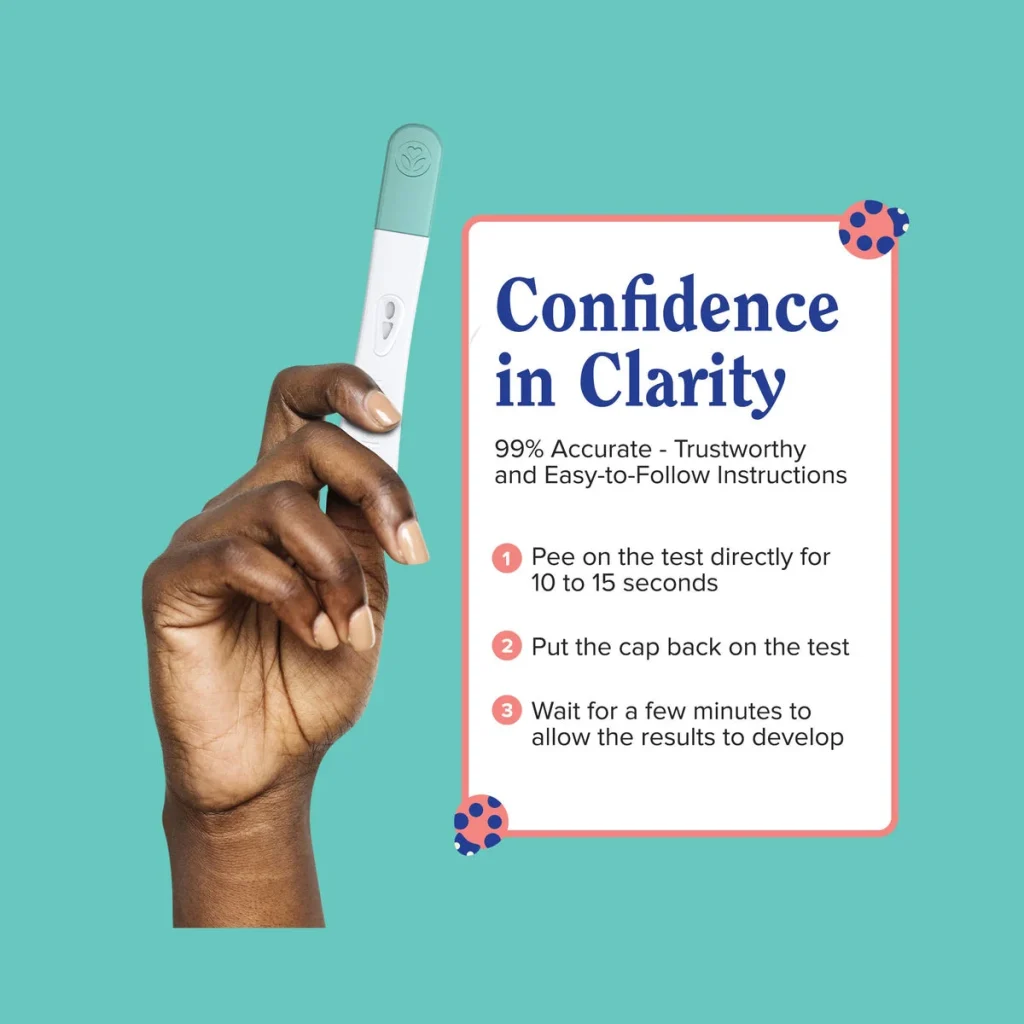
    hand holding a pregnancy test with instructions on a colorful background

    The Non-Invasive Insemination Solution: A Game-Changer for Fertility Treatments

    Another advantage of non-invasive insemination is that it can be used in a variety of fertility situations. It can be used in cases of unexplained infertility, mild male factor infertility, and even certain cases of endometriosis or polycystic ovary syndrome (PCOS). It also allows for the use of donor sperm, which can be helpful for same-sex couples or individuals who need to use a sperm donor for medical reasons.

    The process of non-invasive insemination is relatively simple and can be done in a doctor’s office without the need for anesthesia. It starts with the woman taking fertility medications to stimulate the ovaries and increase the chances of ovulation. The man provides a semen sample, which is then washed to remove any impurities and concentrate the healthy sperm. The sperm is then placed into a catheter and inserted into the uterus through the cervix. This process is painless and only takes a few minutes to complete.

    One common concern about non-invasive insemination is the risk of multiple pregnancies. While it is possible to conceive twins or even triplets with this method, the chances are significantly lower compared to IVF. This is because IUI typically only involves placing a small amount of high-quality sperm into the uterus, reducing the chances of multiple eggs being fertilized. Additionally, doctors closely monitor the woman’s response to fertility medications to prevent the release of too many eggs.

    Another misconception about non-invasive insemination is that it is only effective for younger women. While age can affect fertility, IUI can still be a successful option for women in their late 30s and even early 40s. It’s important to consult with a fertility specialist to determine if this method is suitable for individual circumstances.

    For those considering non-invasive insemination, there are a few helpful tips to increase the chances of success. Firstly, maintaining a healthy lifestyle, including a balanced diet and regular exercise, can improve fertility. It’s also essential to track ovulation and have intercourse around the time of insemination to increase the chances of the sperm reaching the egg. Additionally, reducing stress levels can also help with fertility, so it’s important to find ways to relax and manage stress during this process.

    In conclusion, non-invasive insemination has revolutionized fertility treatments, offering a more natural and less invasive option for couples struggling to conceive. Its lower cost, higher success rate, and versatility make it an attractive option for many. With proper guidance and support from a fertility specialist, it can be a game-changer for those trying to start a family.

  • and Wanting a Family? Non-Invasive Insemination Can Make It Happen

    Wanting a Family? Non-Invasive Insemination Can Make It Happen

    The desire to have a family is a natural and common feeling for many individuals and couples. However, for some, achieving this dream may not be as simple as it seems. Infertility, same-sex relationships, and other factors can make conceiving a child a challenging and emotional journey. Fortunately, advancements in medical technology have made it possible for non-invasive insemination to be a viable option for those wanting to start a family. In this blog post, we will explore the process of non-invasive insemination and how it can make the dream of having a family a reality.

    What is Non-Invasive Insemination?

    Non-invasive insemination, also known as artificial insemination, is a fertility treatment method that involves placing sperm directly into a woman’s reproductive tract. This process bypasses the need for natural intercourse, making it a viable option for individuals and couples who have difficulty conceiving through traditional methods.

    There are two types of non-invasive insemination: intrauterine insemination (IUI) and intracervical insemination (ICI). IUI involves placing the sperm directly into the uterus, while ICI involves placing the sperm near the cervix. Both procedures are relatively painless and can be done in a doctor’s office, making them non-invasive and less stressful compared to other fertility treatments.

    Who Can Benefit from Non-Invasive Insemination?

    Non-invasive insemination can be a viable option for various individuals and couples, including those who struggle with infertility, same-sex couples, and single individuals. For couples who have been trying to conceive for a long time without success, non-invasive insemination can provide a new and effective method for achieving pregnancy.

    Same-sex couples and single individuals can also benefit from non-invasive insemination as it allows them to have a biological child without the need for a partner or traditional intercourse. This gives individuals and couples the opportunity to start a family on their own terms, without societal or biological limitations.

    The Process of Non-Invasive Insemination

    The process of non-invasive insemination typically starts with a consultation with a fertility specialist. The specialist will conduct a thorough evaluation of the individual’s or couple’s medical history and perform necessary tests to determine the best course of action.

    Mosie Baby Kit with a syringe and container, highlighting safety and usability features on a blue background.

    and Wanting a Family? Non-Invasive Insemination Can Make It Happen

    Once the individual or couple has been deemed suitable candidates for non-invasive insemination, the next step is to prepare for the procedure. This may involve tracking ovulation and timing the insemination accordingly. In some cases, fertility medications may be prescribed to stimulate ovulation or increase the chances of pregnancy.

    On the day of the insemination, the sperm sample will be collected from a donor or partner, washed and prepared for the procedure. The insemination itself is a quick and painless process, usually taking only a few minutes. The sperm is inserted into the reproductive tract using a thin, flexible catheter, and the individual or couple can resume their normal activities immediately after the procedure.

    Success Rates of Non-Invasive Insemination

    The success rates of non-invasive insemination vary depending on various factors, such as the age and health of the individuals or couple, sperm quality, and the timing of the procedure. However, on average, the success rate for IUI is around 10-20% per cycle, while ICI has a success rate of around 5-10% per cycle. These success rates may increase with multiple cycles of insemination.

    It is essential to note that non-invasive insemination is not a guarantee for pregnancy, and it may take several cycles before a successful pregnancy occurs. However, for many individuals and couples, the emotional and physical toll of traditional fertility treatments can make non-invasive insemination a preferable option.

    Non-Invasive Insemination and Donor Sperm

    In non-invasive insemination, the sperm used for the procedure can come from either a known or anonymous donor. Known donors can be a friend or family member, while anonymous donors are typically found through sperm banks. Both options have their own set of advantages and considerations, and it is crucial to thoroughly research and discuss with a fertility specialist to determine the best route for the individual or couple.

    Preparing for Parenthood

    Non-invasive insemination not only provides the opportunity to achieve pregnancy but also allows individuals and couples to prepare for parenthood. The process of undergoing fertility treatments and the possibility of conceiving a child can be overwhelming and emotional, and it is vital to have a support system in place. Seeking counseling or joining support groups can help individuals and couples navigate the challenges and joys of parenthood.

    In conclusion, non-invasive insemination offers a non-invasive and effective solution for individuals and couples wanting to start a family. It provides hope for those struggling with infertility, same-sex relationships, and other factors, and allows individuals and couples to have a biological child on their terms. With advancements in medical technology, non-invasive insemination is a viable and accessible option for anyone wanting to fulfill their dream of having a family.

  • and Fertility: Non-Invasive Insemination as a Viable Option

    Summary:

    Fertility is a sensitive and personal topic that affects many individuals and couples. For those struggling with fertility issues, the journey to parenthood can be a difficult and emotional one. In-vitro fertilization (IVF) has long been considered the most effective option for fertility treatment, but it can be expensive and invasive. However, there is another option that is gaining popularity as a viable alternative – non-invasive insemination.

    Non-invasive insemination, also known as intrauterine insemination or IUI, is a fertility treatment that involves placing sperm directly into a woman’s uterus using a thin, flexible catheter. Unlike IVF, it does not require any surgical procedures or medication to stimulate ovulation. It is a relatively simple and painless process that can be done in a doctor’s office. In this blog post, we will explore the concept of non-invasive insemination and discuss its effectiveness, benefits, and potential drawbacks as a fertility treatment option.

    Effectiveness of Non-Invasive Insemination

    The effectiveness of non-invasive insemination depends on a variety of factors, such as the woman’s age, the quality of sperm used, and any underlying fertility issues. On average, the success rate of non-invasive insemination is around 15-20%, which is lower than that of IVF. However, for couples with unexplained infertility, non-invasive insemination may be just as effective as IVF. Additionally, non-invasive insemination is often used in combination with fertility medications to increase the chances of success.

    Benefits of Non-Invasive Insemination

    One of the main benefits of non-invasive insemination is its lower cost compared to IVF. IVF can cost tens of thousands of dollars, while non-invasive insemination typically costs a few thousand dollars per cycle. This makes it a more accessible option for couples who may not be able to afford IVF or are not covered by insurance. Additionally, non-invasive insemination does not involve any surgical procedures, which can be a more comfortable and less intimidating option for some individuals. It also has a shorter recovery time and does not require any time off work.

    at-home insemination kit featuring a syringe and container for fresh or donor sperm conception

    and Fertility: Non-Invasive Insemination as a Viable Option

    Another advantage of non-invasive insemination is that it can be used by couples with certain fertility issues, such as low sperm count or motility, as well as same-sex couples and single individuals. This makes it a more inclusive option for those looking to start a family. It also allows for a more natural conception process, which can be emotionally and psychologically beneficial for couples struggling with fertility.

    Drawbacks of Non-Invasive Insemination

    While non-invasive insemination has many benefits, it is not without its drawbacks. As mentioned, the success rate is lower than IVF, which may be a deterrent for some couples. Additionally, the success of non-invasive insemination depends on the quality of sperm used, so if there are any underlying male fertility issues, it may not be as effective. There is also a risk of multiple pregnancies with non-invasive insemination, as fertility medications are often used to stimulate ovulation. This can lead to complications and increased medical expenses.

    Another potential downside of non-invasive insemination is the emotional toll it can take on couples. Just like IVF, it can be a rollercoaster of hope and disappointment, especially if multiple cycles are needed. It is important for couples to have a strong support system and to manage their expectations throughout the process.

    Is Non-Invasive Insemination Right for You?

    Choosing the right fertility treatment is a highly personal decision and should be made in consultation with a fertility specialist. Non-invasive insemination may be a good option for couples with unexplained infertility, low sperm count or motility, or those looking for a less invasive and more affordable option. However, it may not be suitable for those with more complex fertility issues. It is important to discuss all options with a doctor and consider factors such as age, health, and financial considerations before making a decision.

    In conclusion, non-invasive insemination is a viable option for couples and individuals struggling with fertility. It offers a more affordable, less invasive, and inclusive alternative to IVF. While it may not be as effective as IVF and has its own set of drawbacks, it can be a successful and emotionally fulfilling option for many. If you are considering non-invasive insemination, be sure to do your research, consult with a fertility specialist, and have realistic expectations. With the advancements in fertility treatments, there is hope for those who dream of starting a family.

  • Exploring the World of Non-Invasive Insemination: What You Need to Know

    Exploring the World of Non-Invasive Insemination: What You Need to Know

    In today’s world, the idea of starting a family has evolved beyond the traditional methods of conception. With advances in technology and medical procedures, individuals and couples now have a variety of options to help them achieve their dream of having a child. One such option that has gained popularity in recent years is non-invasive insemination, also known as “natural” or “homemade” insemination. This method allows for a more intimate and personal approach to conception, and it has become a popular choice for those who are struggling with fertility issues, same-sex couples, and single individuals looking to start a family. In this blog post, we will explore the world of non-invasive insemination and provide you with all the essential information you need to know if you are considering this method for conceiving a child.

    What is Non-Invasive Insemination?

    Non-invasive insemination is a method of conception that involves the placement of sperm into the female reproductive system without the use of medical instruments or procedures. This method is considered less invasive and more natural compared to traditional insemination methods, such as intrauterine insemination (IUI) or in vitro fertilization (IVF). Non-invasive insemination can be done at home or in a clinical setting, and it is a popular choice for those who are looking for a more personal approach to conception.

    How Does Non-Invasive Insemination Work?

    Unlike traditional insemination methods, non-invasive insemination does not require the use of a catheter or any other medical instruments. The sperm is usually collected through ejaculation into a sterile cup or condom and then inserted into the female reproductive system using a needleless syringe or a softcath. This process can be done at home by the couple or in a clinical setting with the assistance of a fertility specialist.

    There are different techniques for non-invasive insemination, including intracervical insemination (ICI) and intrauterine insemination (IUI). In ICI, the sperm is placed near the cervix, while in IUI, the sperm is inserted directly into the uterus. The technique used will depend on the individual or couple’s fertility needs and the recommendation of their fertility specialist.

    Who Can Benefit from Non-Invasive Insemination?

    Non-invasive insemination can be a viable option for anyone looking to conceive a child. It is commonly used by same-sex couples and single individuals, as well as heterosexual couples who are facing fertility issues. It is also a popular choice for those who prefer a more intimate and natural approach to conception.

    Additionally, non-invasive insemination can be a more affordable option compared to other fertility treatments, making it accessible to individuals and couples who may not be able to afford costly procedures like IVF.

    Factors to Consider Before Choosing Non-Invasive Insemination

    Before deciding to pursue non-invasive insemination, there are a few factors that individuals and couples should consider. These include:

    guide and materials for using Mosie Baby fertility kit on a textured surface

    Exploring the World of Non-Invasive Insemination: What You Need to Know

    1. Fertility Issues: Non-invasive insemination may not be suitable for everyone. If you or your partner have underlying fertility issues, it is essential to consult with a fertility specialist to determine if this method is right for you.

    2. Timing: Non-invasive insemination needs to be timed correctly with a woman’s ovulation cycle to increase the chances of conception. This can be challenging to track at home, which is why seeking the help of a fertility specialist can be beneficial.

    3. Risk of Infection: While non-invasive insemination is considered a low-risk procedure, there is still a risk of infection if proper hygiene and sterilization practices are not followed. It is crucial to ensure that all equipment and hands are clean and sterile before proceeding with the insemination.

    4. Emotional Considerations: Conceiving a child can be an emotional process, and it is essential to consider the potential emotional impact of non-invasive insemination, especially for same-sex couples and single individuals.

    The Legalities of Non-Invasive Insemination

    The laws and regulations surrounding non-invasive insemination vary from country to country. In some places, it is legal for individuals and couples to perform this method at home, while in others, it is only allowed in a clinical setting. It is crucial to research and understand the laws in your location before proceeding with non-invasive insemination.

    Risks and Success Rates of Non-Invasive Insemination

    As with any medical procedure, there are risks associated with non-invasive insemination. These include infection, discomfort, and the potential for multiple pregnancies. It is essential to discuss these risks with a fertility specialist before proceeding with the procedure.

    The success rates of non-invasive insemination vary and depend on several factors, including the age and health of the individuals involved, the timing of the insemination, and any underlying fertility issues. On average, the success rate for non-invasive insemination is around 10-15% per cycle, which is lower than traditional fertility treatments like IVF.

    In Conclusion

    Non-invasive insemination is a personal and intimate approach to conception that is gaining popularity among individuals and couples looking to start a family. While it may not be suitable for everyone, it is a viable option for those facing fertility issues, same-sex couples, and single individuals. However, it is essential to consider the risks and success rates, as well as any legalities surrounding this method, before making a decision.

    If you are considering non-invasive insemination, it is crucial to consult with a fertility specialist to determine if it is the right option for you and to ensure proper procedures are followed to increase the chances of success.

    In summary, non-invasive insemination is a less invasive and more personal approach to conception, suitable for a wide range of individuals and couples. However, it is essential to consider various factors, including fertility issues, timing, and potential risks, before proceeding with this method.

  • Ways to Cope with the Emotional Rollercoaster of Non-Invasive Insemination

    Blog Post:

    Non-invasive insemination, also known as donor insemination, is a fertility treatment option for individuals or couples struggling with conception. It involves using donor sperm to fertilize the egg, without the need for surgical procedures. While this method is less invasive compared to other fertility treatments, it can still be an emotional rollercoaster for those going through it. The process can bring about feelings of hope, excitement, disappointment, and frustration. In this blog post, we will discuss some ways to cope with the emotional rollercoaster of non-invasive insemination.

    1. Educate yourself about the process

    One of the first steps in coping with the emotional rollercoaster of non-invasive insemination is to educate yourself about the process. This includes understanding how the procedure works, the success rates, and the potential risks and side effects. Knowing what to expect can help ease any anxiety or fears you may have. It can also help you prepare mentally and emotionally for the journey ahead.

    2. Seek support

    Going through non-invasive insemination can be overwhelming, and it’s important to have a support system in place. This can include your partner, family members, friends, or a support group. Having someone to talk to and lean on during the highs and lows of the process can make a significant difference in your emotional well-being. You can also consider joining online support groups where you can connect with others going through a similar experience.

    3. Practice self-care

    It’s important to take care of yourself during this emotional journey. Make time for activities that bring you joy and help you relax. This can include exercise, meditation, reading, or spending time with loved ones. It’s also essential to prioritize your physical health by eating well, getting enough sleep, and avoiding unhealthy coping mechanisms such as excessive alcohol or drug use.

    4. Be prepared for the emotional ups and downs

    at-home insemination kit by Mosie Baby, featuring syringes and containers for comfort and convenience.

    Ways to Cope with the Emotional Rollercoaster of Non-Invasive Insemination

    Non-invasive insemination can be a rollercoaster of emotions. You may feel excited and hopeful during the waiting period, only to feel disappointed and frustrated when the results are not what you had hoped for. It’s essential to recognize that these emotional ups and downs are normal and to be prepared for them. Allow yourself to feel the emotions and find healthy ways to cope with them, such as talking to a therapist or journaling.

    5. Communicate with your partner

    If you are going through non-invasive insemination with a partner, it’s crucial to communicate openly and honestly with each other. The process can put a strain on your relationship, and it’s essential to support each other through it. Share your thoughts and feelings, and work together to make decisions and cope with any challenges that may arise.

    6. Have realistic expectations

    It’s essential to have realistic expectations when going through non-invasive insemination. While it can be a successful fertility treatment option, it’s not a guarantee for pregnancy. Understand that it may take multiple attempts before achieving a successful pregnancy and that there may also be setbacks along the way. Having realistic expectations can help manage disappointment and keep you focused on your ultimate goal of starting or expanding your family.

    7. Seek professional help if needed

    If you find that you are struggling to cope with the emotional rollercoaster of non-invasive insemination, it’s important to seek professional help. A therapist or counselor can provide you with the necessary support and guidance to navigate through this challenging time. They can also help you develop coping strategies and provide a safe space for you to express your emotions.

    Summary:

    Non-invasive insemination can be an emotional rollercoaster for those going through it. It’s essential to educate yourself about the process, seek support, and practice self-care. Be prepared for the emotional ups and downs and communicate openly with your partner. It’s also crucial to have realistic expectations and seek professional help if needed.

  • Reasons Why Non-Invasive Insemination is a Game-Changer for Same-Sex Couples

    Summary:

    Non-invasive insemination, also known as intrauterine insemination (IUI), has been a game-changer for same-sex couples who are trying to conceive. This procedure allows couples to have a biological child without the need for sexual intercourse or invasive fertility treatments. In this blog post, we will discuss the top reasons why non-invasive insemination has been a revolutionary option for same-sex couples.

    1. Equality in Parenthood

    One of the main reasons why non-invasive insemination is a game-changer for same-sex couples is because it allows them to have equal opportunities in parenthood. Before this procedure, same-sex couples had limited options for starting a family. They either had to adopt or go through expensive and invasive fertility treatments. With non-invasive insemination, both partners can be involved in the conception process and have a biological connection to their child.

    2. Simple and Less Invasive Procedure

    Compared to other fertility treatments, non-invasive insemination is a simple and less invasive procedure. It involves placing sperm directly into the uterus, bypassing the cervix, increasing the chances of fertilization. This procedure can be done in a doctor’s office and typically takes less than 30 minutes. It does not require any anesthesia and has minimal discomfort. This makes it a convenient option for same-sex couples who want to start a family.

    3. Option for Known or Anonymous Donor

    Non-invasive insemination also gives same-sex couples the option to choose between a known or anonymous sperm donor. A known donor can be a friend or family member, allowing the couple to have a closer connection to their child’s biological father. On the other hand, an anonymous donor can provide a sense of privacy and eliminate any potential complications that may arise from involving a known donor. This flexibility in choosing a donor allows couples to make the best decision for their family.

    Mosie Baby kit with two jars, a syringe, and a supportive message card inside a colorful box.

    Reasons Why Non-Invasive Insemination is a Game-Changer for Same-Sex Couples

    4. Increased Chances of Conception

    Non-invasive insemination has a higher success rate compared to other fertility treatments. According to the American Pregnancy Association, the success rate for IUI is about 20% per cycle. This is because the sperm is placed directly into the uterus, reducing the distance the sperm needs to travel to reach the egg. Additionally, fertility medications can be used to stimulate the ovaries and increase the number of eggs produced, further increasing the chances of conception.

    5. Affordable Option

    Fertility treatments can be costly, but non-invasive insemination is a more affordable option. The cost of IUI can range from $300 to $1000 per cycle, making it a more accessible option for couples who may not be able to afford more expensive treatments like in vitro fertilization (IVF). Insurance coverage for fertility treatments also varies, but IUI may be more likely to be covered compared to more complex procedures.

    6. Less Stressful and Time-Consuming

    The process of trying to conceive can be stressful and time-consuming for same-sex couples. With non-invasive insemination, the process is less stressful and time-consuming compared to other fertility treatments. The procedure itself is quick, and there is no need for frequent doctor’s appointments or extensive monitoring. This allows couples to continue with their daily lives without the added stress and burden of fertility treatments.

    7. Empowerment and Control

    Non-invasive insemination also gives same-sex couples a sense of empowerment and control over their family planning journey. They can choose when they want to start trying to conceive and have control over the entire process. This can be a significant factor for couples who may have felt that their options for starting a family were limited.

    In conclusion, non-invasive insemination has been a game-changer for same-sex couples who want to have biological children. It provides them with equal opportunities in parenthood, a simple and less invasive procedure, flexibility in choosing a donor, increased chances of conception, affordability, less stress, and a sense of empowerment and control. This procedure has opened up a whole new world of possibilities for same-sex couples, making their dream of starting a family a reality.

  • The Importance of Emotional Support During Non-Invasive Insemination

    Blog Post Title: The Power of Emotional Support During Non-Invasive Insemination

    Summary:

    Non-invasive insemination, or NI, is a fertility treatment option that involves placing sperm into the uterus using a thin catheter, without the need for surgery. It is a popular choice for couples and individuals struggling with infertility, as it is less invasive and more affordable than other fertility treatments. While the physical aspects of NI are important, the emotional journey of undergoing this procedure should not be overlooked.

    In this blog post, we will discuss the importance of emotional support during non-invasive insemination. From the initial decision to undergo NI to the post-procedure period, emotional support plays a crucial role in the success and well-being of individuals and couples going through this process.

    The Decision to Undergo NI

    The decision to undergo NI can be a difficult and emotional one for many individuals and couples. A diagnosis of infertility can bring about feelings of grief, loss, and shame. The thought of having to undergo fertility treatments can be overwhelming and cause a great deal of anxiety.

    This is where emotional support is crucial. Whether it is from a partner, family, friends, or a support group, having a strong support system can help individuals and couples navigate through the decision-making process. It can provide a safe space to express fears, concerns, and doubts, and receive comfort and reassurance.

    Preparing for the Procedure

    Once the decision to undergo NI has been made, it is important to prepare both physically and emotionally for the procedure. This involves taking care of one’s physical health by following the recommended pre-procedure instructions, but it also involves taking care of one’s emotional well-being.

    During this time, individuals and couples may experience a range of emotions, including excitement, hope, and anxiety. It is important to acknowledge and address these emotions, as they can impact the success of the procedure. Seeking out therapy or support groups can be beneficial in managing these emotions and providing a sense of comfort and understanding.

    at-home insemination kit by Mosie Baby, featuring syringes and containers for comfort and convenience.

    The Importance of Emotional Support During Non-Invasive Insemination

    The Procedure Itself

    The day of the procedure can be a nerve-wracking experience, filled with a mix of emotions. While it is a relatively quick and painless procedure, it is still a medical procedure that can bring about feelings of vulnerability and anxiety.

    Having a supportive partner or loved one in the room during the procedure can make a world of difference. Their presence can provide a sense of comfort and reassurance, and they can be a source of emotional support during the process. Additionally, having a healthcare professional who is empathetic and understanding can also make the experience more manageable.

    The Post-Procedure Period

    After the procedure, individuals and couples may experience a rollercoaster of emotions. There may be feelings of hope, excitement, and anticipation, but also feelings of disappointment and sadness if the procedure was unsuccessful.

    During this time, it is important to have a support system to lean on. Whether it is a partner, family, friends, or a therapist, having someone to talk to and share one’s feelings with can help in processing and coping with the outcome of the procedure. It is also important to take care of one’s physical and emotional well-being during this time, as the body may be going through hormonal changes and the emotional toll can be taxing.

    The Impact of Emotional Support on Success

    Emotional support is not only important for the well-being of individuals and couples undergoing NI, but it can also impact the success of the procedure. Studies have shown that individuals who receive emotional support during fertility treatments have better outcomes and higher pregnancy rates. This is likely due to the fact that emotional support can help reduce stress and anxiety, which can have a negative impact on fertility.

    In addition, emotional support can also improve the overall experience of undergoing NI. It can provide a sense of comfort, understanding, and validation, which can make the process more manageable and less isolating.

    In conclusion, non-invasive insemination is not only a physical process but also an emotional journey. It is important for individuals and couples to have a strong support system in place throughout the entire process, from the decision to undergo NI to the post-procedure period. Emotional support can help individuals and couples cope with the emotional rollercoaster and increase the chances of a successful outcome. So if you or someone you know is considering NI, make sure to prioritize emotional support as well.

  • The Role of Nutrition in Non-Invasive Insemination Success

    Blog Post Title: The Role of Nutrition in Non-Invasive Insemination Success

    Non-invasive insemination, also known as artificial insemination, is a popular fertility treatment option for couples struggling to conceive. This procedure involves placing the male partner’s or donor’s sperm into the female partner’s uterus, bypassing any potential barriers to fertilization. While the success rates for non-invasive insemination can vary, there are several factors that can impact its success, one of which is nutrition.

    Nutrition plays a crucial role in our overall health and wellbeing, and it can also affect our reproductive health. In this blog post, we will discuss the importance of nutrition in non-invasive insemination success and how you can improve your chances of a successful procedure through healthy eating habits.

    The Link Between Nutrition and Reproductive Health
    Our bodies require a balanced and nutritious diet to function properly. When it comes to reproductive health, a healthy diet is essential for both men and women. For women, proper nutrition is crucial for hormone balance, ovulation, and overall fertility. For men, a nutritious diet can improve sperm quality and quantity, which is a crucial factor in non-invasive insemination success.

    According to a study published in the Journal of Andrology, men who consumed a diet rich in fruits, vegetables, whole grains, and lean proteins had higher sperm counts and better sperm motility compared to those who had a diet high in processed foods and saturated fats. This highlights the importance of a healthy diet in male reproductive health and its impact on non-invasive insemination success.

    The Role of Antioxidants
    Antioxidants are essential nutrients that protect our cells from damage caused by free radicals. These unstable atoms can damage our cells and DNA, leading to various health issues, including infertility. Antioxidants can neutralize free radicals, reducing their harmful effects. Several studies have shown that antioxidants can improve sperm quality and increase fertility in both men and women.

    In terms of non-invasive insemination success, antioxidants can play a crucial role in protecting sperm from oxidative stress during the procedure. Oxidative stress can occur during the handling and processing of sperm, which can damage their DNA and reduce their fertilization potential. By consuming a diet rich in antioxidants, men can improve the quality of their sperm and increase their chances of a successful procedure.

    Key Nutrients for Non-Invasive Insemination Success
    While a balanced diet is crucial for overall health and fertility, there are specific nutrients that can have a significant impact on non-invasive insemination success. These include:

    Colorful promotional image for Mosie Baby, featuring home insemination kit and encouraging text.

    The Role of Nutrition in Non-Invasive Insemination Success

    1. Folic Acid: This B vitamin is essential for women’s reproductive health as it helps prevent birth defects and supports the development of a healthy embryo. It is recommended that women who are trying to conceive take folic acid supplements, along with consuming folic acid-rich foods like leafy greens, lentils, and citrus fruits.

    2. Omega-3 Fatty Acids: These healthy fats are crucial for both male and female reproductive health. Omega-3 fatty acids are responsible for regulating hormone production and can improve sperm quality and uterine lining thickness. Foods rich in omega-3s include fatty fish, flaxseeds, and walnuts.

    3. Vitamin D: This essential nutrient is known as the “sunshine vitamin” as our bodies can produce it when exposed to sunlight. Vitamin D plays a role in hormone regulation and can improve sperm quality and motility in men. Women with vitamin D deficiency may also have a higher risk of infertility. Foods rich in vitamin D include fatty fish, eggs, and fortified dairy products.

    4. Zinc: This mineral is essential for male reproductive health as it plays a crucial role in sperm production and motility. Zinc deficiency has been linked to male infertility, and studies have shown that supplementing with zinc can improve sperm quality and increase fertility. Foods rich in zinc include oysters, beef, and pumpkin seeds.

    5. Coenzyme Q10 (CoQ10): This antioxidant is essential for energy production in our cells and can improve sperm motility and overall sperm quality. As we age, our CoQ10 levels decline, which can affect fertility. Supplementing with CoQ10 can help improve sperm quality and increase the chances of a successful non-invasive insemination. Foods rich in CoQ10 include organ meats, fish, and whole grains.

    In addition to these key nutrients, it is essential to consume a diet rich in fruits, vegetables, whole grains, and lean proteins to support overall health and fertility.

    The Importance of a Healthy Weight
    Maintaining a healthy weight is crucial for both male and female reproductive health. Being overweight or underweight can affect hormone levels and ovulation in women and sperm quality in men. Studies have shown that women with a body mass index (BMI) over 25 have a higher risk of infertility, and obese men have lower sperm quality compared to men with a healthy BMI. Therefore, it is essential to maintain a healthy weight through a balanced diet and regular exercise to improve the chances of a successful non-invasive insemination.

    The Bottom Line
    Nutrition plays a vital role in non-invasive insemination success. A balanced and nutritious diet can improve overall reproductive health, increase fertility, and protect sperm from damage during the procedure. It is essential to consume a variety of fruits, vegetables, whole grains, and lean proteins while also including key nutrients like folic acid, omega-3 fatty acids, vitamin D, zinc, and CoQ10. Maintaining a healthy weight is also crucial for non-invasive insemination success. By making healthy food choices and maintaining a healthy weight, you can increase your chances of a successful non-invasive insemination and bring your dream of starting a family to life.

    In summary, nutrition is a crucial factor in non-invasive insemination success. A balanced and healthy diet, rich in key nutrients and antioxidants, can improve overall reproductive health and increase fertility. Maintaining a healthy weight is also essential for the success of the procedure. By making healthy food choices and taking care of your body, you can improve your chances of a successful non-invasive insemination and achieve your dream of starting a family.




