Tag: Single Women

  • and Ready for Anything: Embracing Insemination on Your Own Terms with Confidence

    Blog Post:

    Insemination is a medical procedure that involves injecting sperm into a woman’s reproductive tract to facilitate fertilization. While this procedure has been commonly associated with couples struggling with infertility, it has also become a popular option for single women who want to have a child on their own terms. However, the decision to undergo insemination can be a daunting and overwhelming one, especially for women who are going through it alone. In this blog post, we will discuss how to approach insemination with confidence, embrace the process on your own terms, and be ready for whatever comes your way.

    Embracing insemination on your own terms means taking control of your journey and making decisions that align with your beliefs, values, and goals. It also means being emotionally and mentally prepared for the process, as it can be physically and emotionally taxing. So, before you embark on this journey, it is important to take some time to reflect on your reasons for choosing insemination, your expectations, and your fears. This will help you approach the process with a clear and focused mindset.

    One of the first steps to take when considering insemination is to do your research. It is essential to understand the procedure, its success rates, and any potential risks or side effects. You can consult with a fertility specialist or do your own research online. It is also beneficial to join online support groups or forums where you can connect with other single women who have gone through or are going through insemination. These platforms can provide valuable insights and support as you navigate your journey.

    Once you have a good understanding of the procedure, it is crucial to consider your options. There are various methods of insemination, including intrauterine insemination (IUI) and in vitro fertilization (IVF). Each method has its own advantages and disadvantages, so it is essential to choose one that is best suited for your situation. You should also consider the cost of the procedure and whether you want to use donor sperm or a known donor. It is crucial to make informed decisions that align with your values and goals.

    Another important aspect of embracing insemination on your own terms is taking care of yourself. The process can be physically and emotionally demanding, so it is essential to prioritize self-care. This includes eating healthy, getting enough rest, and managing stress. You can also consider incorporating relaxation techniques such as meditation or yoga into your routine. Taking care of your physical and emotional well-being will not only help you stay healthy during the process but also prepare you for the challenges that may come your way.

    hand holding a pregnancy test with instructions on a colorful background

    and Ready for Anything: Embracing Insemination on Your Own Terms with Confidence

    Insemination can also bring up a range of emotions, including excitement, fear, and anxiety. It is essential to acknowledge and process these emotions as they arise. You can talk to a therapist or join a support group to help you navigate through your feelings. It is also crucial to have a support system of friends and family who can provide emotional support and be there for you throughout the process.

    One of the biggest challenges of undergoing insemination alone is facing societal stigma and judgment. Unfortunately, there is still a stigma attached to single motherhood, and you may face criticism or questions from friends, family, or strangers. It is essential to remember that you are making a decision that is best for you, and their opinions do not define your worth or your ability to be a loving and capable parent. Surround yourself with people who support and uplift you, and don’t be afraid to set boundaries with those who do not.

    When it comes to insemination, there is no one-size-fits-all approach. Every woman’s journey is unique, and it is essential to embrace your journey with confidence and trust in your decisions. Remember that you are in control of your life and your future, and insemination is just one step towards achieving your dreams of motherhood. Be open to the possibilities and challenges that may come your way, and trust that you are ready for anything.

    In conclusion, insemination on your own terms requires courage, determination, and self-love. It is a journey that can be challenging, but also empowering and fulfilling. By taking the time to research, make informed decisions, prioritize self-care, and surround yourself with a supportive community, you can approach insemination with confidence and be ready for whatever comes your way. Embrace your journey, trust in yourself, and know that you are capable of achieving your dreams of motherhood.

    Summary:

    Insemination is a medical procedure that involves injecting sperm into a woman’s reproductive tract to facilitate fertilization. For single women, the decision to undergo insemination can be daunting and overwhelming. However, with proper research, understanding of the process, self-care, emotional support, and embracing the journey with confidence, women can approach insemination on their own terms and be ready for anything that comes their way. It is essential to prioritize self-love and trust in one’s decisions to achieve the dream of motherhood.
  • Single and Strong: The Rise of Insemination on Your Own Terms for Single Mothers

    Title: Single and Strong: The Rise of Insemination on Your Own Terms for Single Mothers

    In today’s society, there is a growing trend of single women choosing to become mothers on their own. This decision is often met with judgment and stigma, but these women are breaking barriers and showing that being a single mother is not only possible, but also empowering. With advancements in technology and changing societal norms, more and more women are opting for insemination on their own terms, giving rise to a new generation of single and strong mothers.

    The traditional path of marriage and starting a family is no longer the only option for women. Many women are now choosing to focus on their careers, personal growth, or simply not finding the right partner to start a family with. However, the desire to become a mother still exists for many of these women. This is where the option of insemination on their own terms comes in.

    Insemination, also known as artificial insemination, is the process of placing sperm into a woman’s reproductive tract to facilitate fertilization. In the past, this procedure was primarily used for couples struggling with fertility issues. However, with the rise of single mothers, more women are turning to insemination as a way to fulfill their dream of motherhood.

    One of the main reasons for the increasing popularity of insemination among single women is the advancements in technology. In the past, insemination required a sperm donor and a medical procedure. But now, with the help of at-home insemination kits and sperm banks, women can easily and discreetly inseminate themselves in the comfort of their own home. This not only reduces the cost and inconvenience of medical procedures but also gives women more control over the entire process.

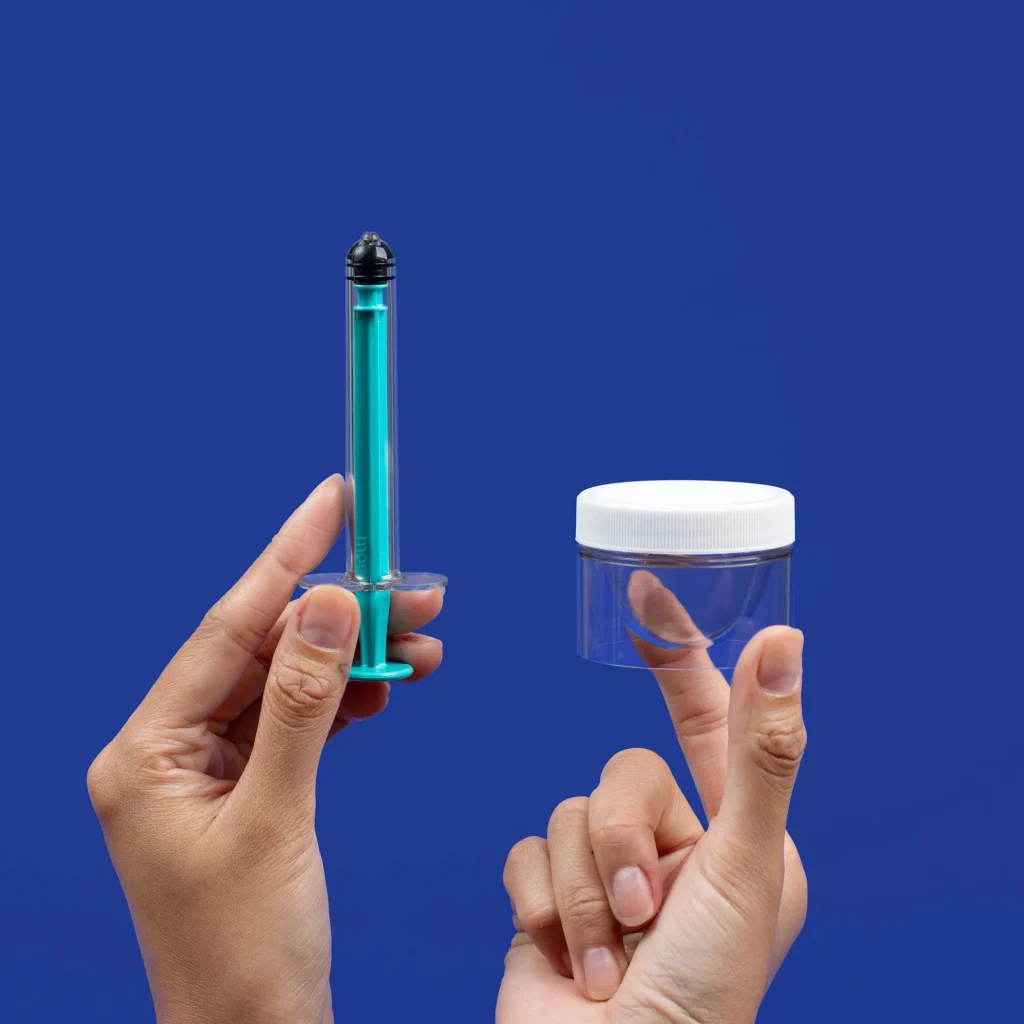
    home insemination kit components: a syringe and a collection container against a blue background.

    Single and Strong: The Rise of Insemination on Your Own Terms for Single Mothers

    Another reason for the rise of insemination among single women is the changing societal norms and attitudes towards single motherhood. While there is still a stigma attached to being a single mother, it is slowly becoming more accepted and even celebrated. Women are no longer limited by societal expectations and are choosing to create their own paths to motherhood.

    Insemination on their own terms also allows single women to have more control over the genetic makeup of their child. With the option of choosing a sperm donor, women can select specific traits and characteristics they want their child to have. This can range from physical attributes to educational background and even medical history. This level of control is not possible with traditional methods of conception, making insemination an attractive option for single women.

    Aside from the practical reasons, choosing insemination on their own terms is also a way for single women to reclaim their power and independence. By making the decision to become a mother on their own, these women are defying societal expectations and taking control of their own lives. They are showing that being a single mother is not a sign of weakness, but rather a display of strength and determination.

    However, insemination on their own terms is not without its challenges. Fertility treatments can be expensive, and the success rate of insemination is not guaranteed. Moreover, single mothers may face additional challenges in raising a child without a partner, such as financial and emotional support. But despite these challenges, many single women are willing to take on the journey of motherhood on their own, embracing the joys and struggles that come with it.

    In conclusion, the rise of insemination on their own terms for single mothers is a reflection of the changing dynamics of our society. It is a testament to the strength and resilience of women who are determined to fulfill their dreams of motherhood, regardless of societal expectations. With technology and changing attitudes, single women now have more options and control over their journey to motherhood. They are showing that being a single mother is not a limitation, but rather a source of empowerment and pride.

  • The Power of One: Insemination on Your Own Terms for Single Women

    Title: The Power of One: Insemination on Your Own Terms for Single Women

    As society continues to evolve and break traditional norms, more and more women are choosing to become mothers on their own terms. With advancements in technology and a shift in societal attitudes, single women now have the option to undergo insemination and start a family without a partner. This empowerment and freedom to make their own decisions has been coined as “insemination on your own terms”.

    The idea of single women choosing to become mothers is not a new concept, but the means to do so have drastically changed. In the past, adoption was the only option for single women looking to start a family. However, the process was often long and difficult, with strict requirements and limited options. Insemination, on the other hand, allows women to carry and give birth to their own biological child, giving them a sense of connection and control over their journey to motherhood.

    One of the main reasons for the rise in single women choosing insemination is the advancements in reproductive technology. In vitro fertilization (IVF), a process where a woman’s eggs are fertilized with sperm in a laboratory and then implanted into her uterus, has made it possible for women to become pregnant without a male partner. This technology has not only increased the success rate of pregnancy, but also given women the ability to choose a donor that aligns with their personal preferences and values.

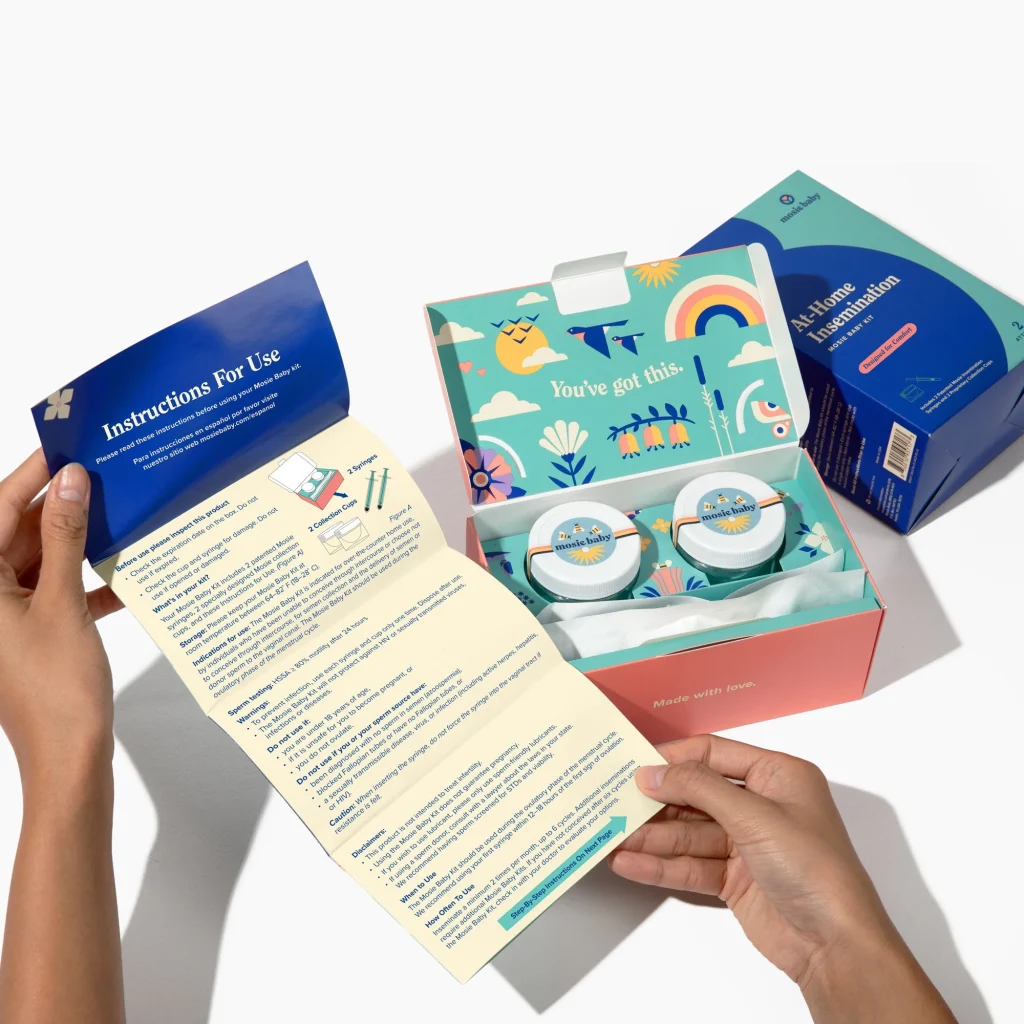
    Home insemination kit by Mosie Baby with instructions and colorful packaging.

    The Power of One: Insemination on Your Own Terms for Single Women

    Another factor contributing to the rise of insemination on your own terms is the changing attitudes towards single parenthood. In the past, single motherhood was often stigmatized and seen as a disadvantage for both the mother and child. However, with more and more successful single mothers in the public eye and a growing acceptance of diverse family structures, the negative stigma is slowly fading away. This has given single women the confidence to pursue their dreams of motherhood without fear of judgment or discrimination.

    Insemination on your own terms also allows women to have more control over their reproductive timelines. Unlike traditional methods of conception, which often require a partner and can be limited by fertility or health concerns, insemination allows women to plan and prepare for motherhood at their own pace. This is especially beneficial for career-focused women who want to establish themselves before starting a family, or for those who may not have found the right partner yet but still want to become a mother.

    Furthermore, insemination gives single women the opportunity to create a support system of their own choosing. While traditional family structures may provide built-in support from a partner, single mothers who undergo insemination often create their own support network of family, friends, and other single mothers. This chosen family can provide emotional and practical support throughout the journey of single motherhood, creating a strong sense of community and connection.

    However, insemination on your own terms is not without its challenges. The process can be physically and emotionally demanding, and the financial cost can be a barrier for some women. Additionally, single mothers may face societal challenges and discrimination, especially in the workplace. It is important for society to continue to break down these barriers and provide support and resources for single mothers.

    In conclusion, the power of insemination on your own terms for single women is a revolutionary concept that empowers women to take control of their reproductive choices and become mothers on their own terms. With advancements in technology and changing societal attitudes, single women now have the option to start a family without a partner, providing them with a sense of empowerment, freedom, and fulfillment. It is important for society to continue to support and celebrate the diversity of family structures, and for single women to have the choice and opportunity to become mothers if they so desire.

  • Overcoming Fertility Challenges: How Insemination Sets Can Help

    Blog Post Title: Overcoming Fertility Challenges: How Insemination Sets Can Help

    Introduction:
    Infertility is a common struggle that affects millions of couples worldwide. It is defined as the inability to conceive a child after one year of unprotected intercourse. While there are many causes of infertility, one of the most common is the inability to produce or release healthy eggs or sperm. This can be a heartbreaking and frustrating experience for those hoping to start a family. However, there are various treatments and solutions available to help couples overcome fertility challenges, one of which is the use of insemination sets.

    What is Insemination and How Does it Work?
    Insemination, also known as artificial insemination, is the process of placing sperm directly into the uterus or cervix to increase the chances of conception. It is a relatively simple and non-invasive procedure that can be done at home or in a medical setting. Insemination sets, also known as at-home insemination kits, include all the necessary tools and instructions for couples to perform the procedure themselves. These include a syringe, a vial of washed sperm, and instructions for proper use.

    How Can Insemination Sets Help Overcome Fertility Challenges?
    Insemination sets can be a helpful tool for couples struggling with fertility challenges in several ways.

    1. Provides an Alternative to Traditional Insemination Methods:
    Insemination sets offer a less invasive and more affordable option for those who cannot or choose not to undergo traditional insemination methods such as intrauterine insemination (IUI) or in vitro fertilization (IVF). These methods can be physically and emotionally taxing, as well as expensive. Insemination sets provide a more accessible option for couples who may not have access to or cannot afford medical treatments.

    2. Increases Chances of Conception:
    Insemination sets can significantly increase the chances of conception for couples struggling with fertility. The sperm is placed directly into the cervix or uterus, bypassing any potential obstacles that may be hindering natural conception. Additionally, insemination sets often include washed sperm, which has a higher concentration of healthy sperm, further increasing the chances of successful fertilization.

    3. Can be Used in the Comfort of One’s Own Home:
    Many couples find the process of trying to conceive to be stressful and invasive. Insemination sets allow couples to perform the procedure in the comfort and privacy of their own home, reducing the stress and pressure often associated with fertility treatments. This also allows for more control over the timing of the insemination, which can be crucial for successful conception.

    4. Can be Used by Same-Sex Couples and Single Women:
    Insemination sets can be a game-changer for same-sex couples and single women who want to start a family. These sets allow for self-insemination, making it possible for these couples and women to conceive without the need for a male partner. This can be an empowering and inclusive option for those who want to become parents but may face societal barriers.

    two teal and clear syringes positioned on a white background

    Overcoming Fertility Challenges: How Insemination Sets Can Help

    5. Easy to Use and Accessible:
    Insemination sets are designed to be easy to use and accessible for couples. They often come with detailed instructions, making the process simple and straightforward. Additionally, they can be purchased online or in pharmacies, making them easily accessible for those who may not live near a fertility clinic.

    How to Choose the Right Insemination Set:
    With the growing popularity of insemination sets, there are now many options available on the market. Here are some factors to consider when choosing the right one for you:

    1. Reputation of the Company:
    When purchasing an insemination set, it is essential to research the reputation of the company. Look for reviews and testimonials from other couples who have used their products to ensure the quality and effectiveness of the set.

    2. Success Rates:
    While every individual’s fertility journey is unique, it can be helpful to look for sets with high success rates. This can give you more confidence in the product and increase the chances of successful conception.

    3. Cost:
    Insemination sets can vary in cost, so it’s essential to consider your budget when choosing one. However, it’s also important to keep in mind that the most expensive set may not always be the best, so do your research and compare prices.

    4. Additional Features:
    Some insemination sets may include additional features such as ovulation tests or pregnancy tests, which can be helpful for tracking fertility and the success of the insemination.

    Conclusion:
    Fertility challenges can be a difficult and emotional journey for couples. However, the use of insemination sets can provide a more accessible, affordable, and less invasive option for those struggling to conceive. With their easy-to-use nature and potential for increased success rates, insemination sets can be a valuable tool in helping couples overcome fertility challenges and achieve their dream of starting a family.

    Summary:
    Infertility is a common struggle for couples worldwide, but insemination sets can be a helpful tool in overcoming fertility challenges. Insemination is a non-invasive procedure that involves placing sperm directly into the cervix or uterus to increase the chances of conception. Insemination sets provide an alternative to traditional methods, increase the chances of conception, and can be used in the comfort of one’s own home. They are also beneficial for same-sex couples and single women who want to start a family. When choosing an insemination set, it’s essential to consider factors such as the company’s reputation, success rates, cost, and additional features. Overall, insemination sets can be a valuable tool in helping couples achieve their dream of starting a family.

  • Maximizing Fertility: The Benefits of Insemination Sets

    Blog Post Title: Maximizing Fertility: The Benefits of Insemination Sets

    Summary:

    Insemination is a popular method used by couples who are struggling with fertility issues. It involves placing sperm directly into a woman’s uterus or cervix to increase the chances of fertilization. Insemination sets, also known as artificial insemination kits, are a convenient and effective way to perform this procedure at home. In this blog post, we will discuss the benefits of using insemination sets for maximizing fertility.

    Firstly, insemination sets are a cost-effective option for couples who are trying to conceive. Insemination procedures done in a doctor’s office can be expensive, with each session costing several hundred dollars. However, with an insemination set, couples can perform the procedure in the comfort of their own home without breaking the bank. These sets typically include all the necessary equipment and instructions, making it a budget-friendly option for those on a tight budget.

    Secondly, insemination sets give couples more control over the process. When undergoing insemination at a doctor’s office, couples have to rely on the schedule and availability of their doctor. This can be stressful and inconvenient, especially for couples who have busy work schedules or live in remote areas. With an insemination set, couples can choose the best time to perform the procedure based on their ovulation cycle, making it more likely to be successful.

    at-home insemination kit with syringes, collection cups, and instructions on a pink background

    Maximizing Fertility: The Benefits of Insemination Sets

    Another benefit of using insemination sets is that they provide privacy and comfort to couples. Fertility issues can be emotionally and physically draining, and some couples may feel uncomfortable discussing their struggles with a doctor. With an insemination set, couples can perform the procedure in the privacy of their own home, which can alleviate some of the stress and anxiety associated with fertility treatments.

    Insemination sets also offer a more natural and less invasive option for couples. In vitro fertilization (IVF) is a common fertility treatment, but it involves extracting eggs from a woman’s ovaries and fertilizing them in a lab. Insemination, on the other hand, uses the body’s natural processes to increase the chances of fertilization. It is a less invasive option and can be a better choice for couples who prefer a more natural approach to conception.

    Moreover, insemination sets can be used by same-sex couples and single women who are trying to conceive. Insemination does not require sperm from a male partner, making it a viable option for same-sex couples and single women who want to start a family. Insemination sets provide these individuals with a safe and effective way to achieve their dream of parenthood.

    It is essential to note that insemination sets should be used under the guidance of a healthcare professional. While they are a convenient option, they may not be suitable for everyone. A doctor can help determine if insemination is the right choice for a couple and provide guidance on how to use the insemination set correctly.

    In conclusion, insemination sets offer many benefits for couples who are trying to conceive. They are a cost-effective, convenient, and private option that can increase the chances of fertilization. However, it is crucial to consult with a doctor before using an insemination set to ensure it is the right choice for your individual situation. With the help of an insemination set, couples can take control of their fertility journey and increase their chances of starting a family.

  • DIY Baby-Making: The Syringe Kit Method Explained

    Babies are a precious gift and for those who are struggling to conceive, the journey can be filled with frustration and heartache. While there are various methods available for assisted conception, many couples are turning to DIY baby-making methods, such as the syringe kit method, as a more affordable and intimate option. In this blog post, we will explore the syringe kit method for DIY baby-making and provide a step-by-step guide for those who are interested in trying it.

    What is the Syringe Kit Method?

    The syringe kit method is a DIY baby-making technique that involves using a syringe to inseminate the sperm into the vagina or cervix of the woman. It is a popular method for same-sex couples and single women who are trying to conceive at home without medical intervention. The process is relatively simple and can be done in the comfort of your own home.

    Step 1: Gather Supplies

    The first step in the syringe kit method is to gather all the necessary supplies. These include a syringe, a sterile container for the sperm, a sterile cup for the insemination, and a sterile speculum (optional). It is important to use sterile supplies to minimize the risk of infection.

    Step 2: Collect the Sperm

    If you are using donor sperm, you can purchase it from a sperm bank or obtain it from a known donor. It is important to have the sperm collected and placed in a sterile container. If you are using fresh sperm, make sure it is collected and used within an hour for optimal results.

    Step 3: Prepare the Sperm

    Before insemination, the sperm should be allowed to liquefy at room temperature for about 30 minutes. This will make it easier to draw into the syringe.

    Step 4: Positioning

    The woman should lie down with her hips elevated on a pillow to allow for better access to the cervix. This can also be done while standing with one leg elevated on a stool. If using a speculum, insert it into the vagina and open it to expose the cervix.

    Step 5: Load the Syringe

    logo featuring a pink heart above two teal leaves on a blue circular background

    DIY Baby-Making: The Syringe Kit Method Explained

    Draw the sperm into the syringe. Make sure to remove any air bubbles by gently tapping the syringe and pressing the plunger until a small drop of sperm appears at the tip.

    Step 6: Insert the Syringe

    If using a speculum, hold it in place while inserting the syringe into the vagina and up towards the cervix. If not using a speculum, insert the syringe into the vagina and aim towards the cervix.

    Step 7: Insemination

    Slowly push the plunger to release the sperm near the cervix. It is important to use a slow and gentle pressure to avoid discomfort. Once all the sperm has been released, slowly remove the syringe.

    Step 8: Rest

    After insemination, the woman should remain lying down for 15-20 minutes to allow the sperm to reach the cervix.

    Step 9: Repeat (Optional)

    Some couples choose to repeat the process for a couple of days to increase the chances of conception.

    Things to Consider

    It is important to note that the syringe kit method does not guarantee success and it may take multiple attempts to achieve pregnancy. It is also important to consider the legal implications, if any, of using donor sperm. It is recommended to consult with a lawyer before proceeding.

    Summary:

    DIY baby-making through the syringe kit method is a popular and affordable option for couples who are struggling to conceive. It involves using a syringe to inseminate the sperm into the vagina or cervix of the woman. The process includes gathering supplies, collecting and preparing the sperm, positioning, loading the syringe, insertion, and insemination. It is important to note that the success of this method is not guaranteed and legal implications should be considered.

  • Non-Invasive Insemination and the Single Woman: Making Motherhood Possible

    Blog Post: Non-Invasive Insemination and the Single Woman: Making Motherhood Possible

    Becoming a mother is a dream for many women, but for some, it may seem out of reach. In the past, single women who wanted to have a child had limited options, but with advancements in technology, there is now a way for them to become mothers without the need for a partner or sexual intercourse. This method is known as non-invasive insemination, and it has opened up a new world of possibilities for single women who want to fulfill their maternal desires.

    What is Non-Invasive Insemination?

    Non-invasive insemination, also known as artificial insemination or donor insemination, is the process of placing sperm into a woman’s reproductive tract without sexual intercourse. This procedure is a form of assisted reproductive technology (ART) and is often used by couples who are struggling with fertility issues. However, it has also become a popular option for single women who want to have a child on their own.

    How Does Non-Invasive Insemination Work?

    There are two types of non-invasive insemination: intrauterine insemination (IUI) and intracervical insemination (ICI). In both methods, the sperm is collected from a donor and then inserted into the woman’s reproductive tract.

    In IUI, the sperm is placed directly into the uterus using a thin catheter, which increases the chances of fertilization as the sperm is closer to the egg. This method is usually done in a doctor’s office and requires the woman to be closely monitored for ovulation.

    On the other hand, ICI involves inserting the sperm into the cervix using a syringe or soft cup. This can be done at home by the woman herself or with the help of a medical professional. ICI is a less invasive and more affordable option compared to IUI, but it also has a lower success rate.

    Both IUI and ICI can be done with fresh or frozen sperm from a donor. The donor can be someone the woman knows, such as a friend or family member, or an anonymous donor from a sperm bank. Many single women prefer to use a sperm bank as it offers a wider selection of donors and provides thorough medical and genetic screenings.

    The Advantages of Non-Invasive Insemination for Single Women

    sperm-ready insemination kit with a syringe and container, featuring a screw top lid and non-tip safety wall

    Non-Invasive Insemination and the Single Woman: Making Motherhood Possible

    One of the main advantages of non-invasive insemination for single women is that it allows them to have a child without the need for a partner or sexual intercourse. This gives them the freedom and independence to make their own choices about motherhood.

    Non-invasive insemination also offers a safe and controlled environment for conception, as it eliminates the risk of sexually transmitted infections (STIs) and unwanted pregnancies. It also allows women to plan their pregnancies and have a better understanding of their fertility through the monitoring process.

    In addition, using a sperm donor through a sperm bank gives single women the opportunity to choose the genetic traits they want in their child, such as physical appearance, education, and health history. This can be appealing for those who have specific preferences and want to have a biological connection to their child.

    Challenges and Considerations

    While non-invasive insemination offers an alternative path to motherhood for single women, it is not without challenges and considerations. One of the main challenges is the cost, as the process can be expensive and may require multiple attempts before successful conception. The cost can vary depending on factors such as the type of insemination, the clinic or sperm bank used, and any additional medical procedures needed.

    Another important consideration is the emotional and psychological impact of raising a child as a single parent. This decision should not be taken lightly, and it is essential for single women to seek counseling and support from friends and family before embarking on this journey.

    In addition, some countries and states have laws and regulations surrounding non-invasive insemination, such as restrictions on using a known donor or requiring the child to have access to the donor’s identity. It is crucial for single women to research and understand these laws before proceeding with the process.

    Conclusion

    Non-invasive insemination has opened up new possibilities for single women who want to become mothers. It allows them to have a child without the need for a partner or sexual intercourse, giving them control and independence over their reproductive choices. However, it is essential to carefully consider the emotional, financial, and legal aspects before embarking on this journey. With proper planning and support, non-invasive insemination can make motherhood possible for single women.

    Summary:

    Non-invasive insemination, also known as artificial insemination, is a form of assisted reproductive technology that allows single women to have a child without the need for a partner or sexual intercourse. There are two types of non-invasive insemination (IUI and ICI) that involve inserting sperm into the woman’s reproductive tract. This method offers many advantages, such as freedom and control over reproductive choices, safety, and the ability to choose a sperm donor with specific genetic traits. However, it also comes with challenges and considerations, such as cost, emotional impact, and legal regulations. By carefully considering these factors, single women can make motherhood possible through non-invasive insemination.

  • The Benefits of Non-Invasive Insemination for Women Over 30

    Title: The Benefits of Non-Invasive Insemination for Women Over 30

    Insemination, also known as artificial insemination, is a widely used fertility treatment method that involves placing sperm directly into a woman’s reproductive tract. While traditional insemination methods require invasive procedures such as laparoscopy or intrauterine insemination (IUI), advancements in medical technology have led to the development of non-invasive insemination techniques. These methods offer numerous benefits, particularly for women over the age of 30 who may face fertility challenges. In this blog post, we will explore the benefits of non-invasive insemination for women over 30.

    1. Less Invasive and Less Time-Consuming

    Traditional insemination methods involve invasive procedures that can be uncomfortable and time-consuming. For instance, laparoscopy requires a small incision in the abdomen to insert a tiny camera to locate the fallopian tubes and ovaries. On the other hand, IUI involves inserting a catheter through the cervix to deliver the sperm directly into the uterus. These procedures can be daunting for women, especially those over 30 who may have a lower tolerance for invasive treatments. Non-invasive insemination methods, such as intracervical insemination (ICI) or intravaginal insemination (IVI), do not require any special equipment or invasive procedures. These techniques are simple and can be done in the comfort of a doctor’s office or at home, making them less daunting and less time-consuming for women over 30.

    2. Lower Risk of Infection and Complications

    Invasive procedures carry a higher risk of infection and complications, particularly for women over 30, who may have a weaker immune system. In contrast, non-invasive insemination methods do not require any incisions or catheters, significantly reducing the risk of infection and complications. These procedures are also less likely to cause damage to the reproductive organs, making them a safer option for women over 30.

    3. More Affordable

    Invasive fertility treatments can be expensive, especially for women over 30 who may have already exhausted their savings on other fertility treatments. Non-invasive insemination methods are a more affordable option, as they do not require any special equipment or invasive procedures. These procedures can be done at a fraction of the cost, making them a more accessible option for women over 30 who want to start a family without breaking the bank.

    home insemination kit components: a syringe and a collection container against a blue background.

    The Benefits of Non-Invasive Insemination for Women Over 30

    4. Can Be Combined with Fertility Medications

    Non-invasive insemination methods can be combined with fertility medications, such as Clomid, to increase the chances of pregnancy. Clomid is a commonly prescribed fertility medication that stimulates ovulation, making it easier for women over 30 to conceive. Combining this medication with non-invasive insemination can significantly increase the chances of pregnancy, making it an attractive option for women over 30 who may have lower fertility levels.

    5. Can Be Done at Home

    In addition to being less invasive and more affordable, non-invasive insemination methods can also be done at home. This means that women over 30 can perform the procedure in the comfort and privacy of their own home, without having to visit a doctor’s office. This can be a more comfortable option for women, particularly those who may feel self-conscious or anxious about undergoing the procedure in a medical setting.

    6. Can Be Repeated Multiple Times

    Unlike other fertility treatments that can only be done once or twice, non-invasive insemination methods can be repeated multiple times. This is because these procedures are less invasive and do not affect the reproductive organs, making them safe to repeat. This is especially beneficial for women over 30, who may need to try multiple times before achieving a successful pregnancy.

    7. Can Be Used for Same-Sex Couples and Single Women

    Non-invasive insemination methods are not limited to heterosexual couples. Same-sex couples and single women can also benefit from these procedures, as they do not require sperm from a male partner. This makes non-invasive insemination a viable option for women over 30 who may not have a male partner but still want to start a family.

    In conclusion, non-invasive insemination methods offer numerous benefits for women over 30 who may face fertility challenges. These procedures are less invasive, less time-consuming, and more affordable compared to traditional insemination methods. They can also be combined with fertility medications, done at home, and repeated multiple times. Additionally, non-invasive insemination is a viable option for same-sex couples and single women. If you are a woman over 30 who is struggling with fertility, consider exploring non-invasive insemination as a possible solution.

  • Common Misconceptions About Non-Invasive Insemination

    Blog Post Title: Debunking Common Misconceptions About Non-Invasive Insemination

    Non-invasive insemination, also known as donor insemination, is a form of assisted reproductive technology that involves the placement of sperm into the reproductive tract of a woman without any surgical intervention. It has been a popular option for couples struggling with infertility or same-sex couples looking to start a family. However, despite its increasing popularity, there are still many misconceptions and myths surrounding this method of conception. In this blog post, we will debunk some of the most common misconceptions about non-invasive insemination.

    Misconception #1: Non-Invasive Insemination is Only for Infertile Couples

    One of the biggest misconceptions about non-invasive insemination is that it is only for couples struggling with infertility. While it is a great option for couples facing fertility issues, it is not limited to them. In fact, non-invasive insemination has been widely used by same-sex couples and single women who want to start a family. It provides them with a safe and effective way to conceive a child without the need for a male partner or invasive procedures.

    Misconception #2: Non-Invasive Insemination is Not as Effective as IVF

    Many people believe that non-invasive insemination is not as effective as in vitro fertilization (IVF). However, this is not true. Non-invasive insemination has a success rate of up to 20% per cycle, which is comparable to the success rate of IVF. It is also a less expensive option compared to IVF, making it a more accessible choice for many couples. Of course, the success rate may vary depending on factors such as the age and health of the woman, the quality of the sperm, and the timing of the insemination.

    Misconception #3: Non-Invasive Insemination is Only Done with Fresh Sperm

    Another common misconception about non-invasive insemination is that it can only be done with fresh sperm. In reality, sperm can be collected, frozen, and stored for future use. This means that couples can choose to use frozen donor sperm, making it easier to plan and time the insemination. By using frozen sperm, couples can have more control over the process and reduce the pressure to time the insemination perfectly.

    Misconception #4: Non-Invasive Insemination is Unsafe

    At-home insemination kit with syringes and collection cups on a teal background.

    Common Misconceptions About Non-Invasive Insemination

    Some people believe that non-invasive insemination is not safe, and it can lead to health complications. However, this is not the case. Non-invasive insemination is a simple and safe procedure that does not require any anesthesia or invasive techniques. The sperm is inserted into the uterus using a small catheter, which is a quick and painless process. As with any medical procedure, there are some risks involved, but they are minimal. It is important to consult with a medical professional before undergoing non-invasive insemination to ensure that it is a safe option for you.

    Misconception #5: Non-Invasive Insemination is Only for Younger Women

    There is a common belief that non-invasive insemination is only suitable for younger women. This is not entirely true. While age can affect the success rate of non-invasive insemination, it is not a barrier for older women. As long as the woman has a healthy uterus and can produce healthy eggs, non-invasive insemination can be a viable option. It is essential to consult with a fertility specialist to determine if non-invasive insemination is a suitable option for older women.

    Misconception #6: Non-Invasive Insemination is Only for Heterosexual Couples

    As mentioned earlier, non-invasive insemination is not limited to heterosexual couples. It is a viable option for same-sex couples and single women who want to start a family. In fact, many sperm banks offer a diverse selection of donors, including donors from different ethnicities, religions, and sexual orientations. This allows couples to choose a donor that aligns with their preferences and values.

    Misconception #7: Non-Invasive Insemination is Emotionally Easier than Other Fertility Treatments

    Some people believe that non-invasive insemination is emotionally easier than other fertility treatments. However, this is not necessarily true. While non-invasive insemination may not involve as many invasive procedures as other fertility treatments, it can still be emotionally challenging for couples. The process of choosing a donor, undergoing insemination, and waiting for the results can take a toll on a couple’s emotional well-being. It is important to seek support from a therapist or support group to cope with the emotional aspects of non-invasive insemination.

    In conclusion, non-invasive insemination is a safe and effective method of conception that is not limited to infertile couples. It is a viable option for same-sex couples and single women, and it is not inferior to other fertility treatments in terms of success rate. It is important to consult with a fertility specialist to determine if non-invasive insemination is the right option for you.

    Summary:

    Non-invasive insemination, also known as donor insemination, is a popular method of conception for couples struggling with infertility or same-sex couples wanting to start a family. However, there are many misconceptions surrounding this method. In this blog post, we debunked seven common misconceptions about non-invasive insemination, including the belief that it is only for infertile couples, not as effective as IVF, and only done with fresh sperm. We also clarified that non-invasive insemination is a safe option for older women, not limited to heterosexual couples, and can be emotionally challenging. It is essential to consult with a fertility specialist to determine if non-invasive insemination is the right option for you.

  • Exploring Non-Invasive Insemination Options for Single Women

    Exploring Non-Invasive Insemination Options for Single Women: A Comprehensive Guide

    In today’s society, more and more women are choosing to delay marriage and starting a family. With advancements in technology and changing societal norms, women are now able to take control of their fertility and start a family on their own terms. For single women who are ready to become mothers, but don’t have a partner, non-invasive insemination options can be a viable solution. In this blog post, we will explore the different non-invasive insemination options available for single women and provide a comprehensive guide for those who are considering this route to parenthood.

    What is Non-Invasive Insemination?

    Non-invasive insemination, also known as artificial insemination, is a method of achieving pregnancy without sexual intercourse. It involves the placement of sperm into the reproductive tract of a woman in order to fertilize an egg. This can be done through different techniques depending on the individual’s needs and preferences.

    Types of Non-Invasive Insemination

    1. Intrauterine Insemination (IUI)

    IUI is the most common form of non-invasive insemination and involves the placement of sperm into the uterus using a catheter. This procedure is typically performed in a doctor’s office and is relatively painless. The sperm used for IUI can come from a donor or a partner’s sperm.

    2. Intracervical Insemination (ICI)

    ICI is a similar procedure to IUI, but instead of placing the sperm into the uterus, it is placed near the cervix. This method is often used by women who prefer a more natural approach to insemination. It can also be done at home with the use of a special device called a cervical cap.

    3. Intravaginal Insemination (IVI)

    IVI is the least invasive form of insemination and involves the placement of sperm into the vagina using a syringe or a soft cup. This method is often used by women who prefer to do the insemination themselves at home.

    Choosing a Donor

    For single women, choosing a sperm donor is a crucial step in the insemination process. There are various options available when it comes to selecting a donor, including using a known donor, a sperm bank, or a fertility clinic.

    blue box with "mosie" logo, syringes, and informational pamphlet on a pink background

    Exploring Non-Invasive Insemination Options for Single Women

    A known donor is someone the woman knows personally, such as a friend or family member. This option may be more appealing to some women as it allows them to have a connection with the donor and potentially have more information about their medical history.

    Using a sperm bank or fertility clinic allows for a wider selection of donors, as well as the option to choose specific characteristics such as physical appearance, education level, and medical history. However, this option can be more expensive and may involve more paperwork and legal agreements.

    The Legal Aspect

    When choosing to use non-invasive insemination, it is important to consider the legal aspects involved. In some countries, laws and regulations surrounding insemination differ, and it is important to consult with a lawyer familiar with reproductive law to ensure all legal requirements are met.

    In addition, it is important to have a legal agreement in place with the sperm donor, whether it is a known donor or a donor from a sperm bank. This agreement should outline the rights and responsibilities of both parties, including any financial obligations.

    Risks and Success Rates

    As with any medical procedure, there are potential risks involved with non-invasive insemination. These may include infection, discomfort, and potential side effects from fertility medications. It is important to discuss these risks with a doctor before proceeding with insemination.

    The success rates of non-invasive insemination vary depending on factors such as age, health, and the method used. On average, the success rate for IUI is around 10-20% per cycle, while ICI and IVI have slightly lower success rates.

    Support and Resources

    Deciding to become a single mother through non-invasive insemination can be a challenging and emotional journey. Therefore, it is important to seek support and resources to help guide you through the process.

    There are numerous support groups and online communities for single women who are considering or have gone through non-invasive insemination. These groups provide a safe space for women to share their experiences, ask questions, and receive support from others who are going through a similar journey.

    Additionally, it is important to have a strong support system of family and friends who can provide emotional and practical support during this time.

    In conclusion, non-invasive insemination offers single women the opportunity to become mothers and start a family on their own terms. With different options available and resources to guide them through the process, single women can confidently explore this route to parenthood. However, it is important to carefully consider all aspects, including the legal and emotional aspects, before making a decision. With the right support and resources, non-invasive insemination can be a fulfilling and rewarding journey for single women.