Tag: Syringe Kits

  • DIY Baby-Making: Exploring the Different Types of Syringe Kits

    DIY Baby-Making: Exploring the Different Types of Syringe Kits

    The dream of starting a family is a universal one, and many couples are turning to alternative methods of conception to make it a reality. With the rise in popularity of DIY or at-home insemination, more and more people are looking into using syringe kits to assist with the process. In this blog post, we will explore the different types of syringe kits available for DIY baby-making and discuss their effectiveness, safety, and cost.

    1. Traditional Syringe Kits

    Traditional syringe kits, also known as “turkey basters,” have been used for DIY insemination for decades. These kits typically include a plastic syringe with a bulb or plunger at one end and a narrow tip at the other. The process involves collecting semen in a cup or container, then using the syringe to draw it up and insert it into the vagina.

    While traditional syringe kits are readily available and affordable, they may not be the most effective option. The narrow tip of the syringe can make it difficult to deposit the semen directly at the cervix, where it needs to be for fertilization to occur. It also does not have a backflow prevention mechanism, which can increase the risk of contamination.

    2. Soft Cup Kits

    Soft cup kits, also referred to as “fertility cups,” are another type of syringe kit used for DIY insemination. These kits include a flexible cup that is inserted into the vagina and positioned to sit behind the cervix, allowing the sperm to be deposited closer to the opening of the cervix. The cup is left in place for a few hours, giving the sperm time to travel to the egg for fertilization.

    Soft cup kits are slightly more expensive than traditional syringe kits, but they offer better protection against contamination and have a higher success rate. However, some people may find it challenging to insert and remove the cup or may experience discomfort while wearing it.

    3. Needleless Syringe Kits

    Needleless syringe kits, also known as “oral syringes,” are a popular option for DIY insemination. These kits include a plastic syringe with a blunt tip, making it easier to deposit the semen directly at the cervix. The syringe also has a backflow prevention mechanism, reducing the risk of contamination.

    Needleless syringe kits are more expensive than traditional syringe kits but are still relatively affordable. They are also widely available and easy to use. However, some people may prefer a softer and more flexible option, as the plastic syringe can be uncomfortable for some.

    guide and materials for using Mosie Baby fertility kit on a textured surface

    DIY Baby-Making: Exploring the Different Types of Syringe Kits

    4. Pre-filled Syringe Kits

    Pre-filled syringe kits, also called “conception kits,” are the most expensive option for DIY insemination. These kits come with pre-filled syringes containing washed and concentrated sperm, making the process more convenient and eliminating the need to collect and prepare semen. They also come with an insemination cap that helps to deposit the sperm at the cervix.

    Pre-filled syringe kits have a higher success rate compared to other options, but the cost may be a barrier for some. Additionally, some people may not feel comfortable using pre-filled syringes with sperm from a donor they do not know.

    Safety and Effectiveness

    It is essential to understand that DIY insemination using syringe kits does not guarantee pregnancy. The success rate varies depending on factors such as the quality of the sperm, timing, and the individual’s fertility health. It is crucial to consult with a healthcare professional and undergo fertility testing before attempting DIY insemination.

    When it comes to safety, it is crucial to follow proper hygiene and sterilization practices when using syringe kits. Wash your hands thoroughly before and after the process, and ensure that all equipment is cleaned and sterilized before use. If using donor sperm, make sure to obtain it from a reputable and trusted source.

    In terms of effectiveness, pre-filled syringe kits have the highest success rate, followed by soft cup kits and needleless syringe kits. Traditional syringe kits have the lowest success rate, but they can still be effective with proper timing and technique.

    Cost Comparison

    The cost of DIY insemination using syringe kits can vary significantly depending on the type of kit used and the number of attempts made. Traditional syringe kits are the most affordable, ranging from $5 to $10 per kit. Soft cup kits can cost between $15 to $30 per kit, while needleless syringe kits can range from $20 to $40 per kit. Pre-filled syringe kits are the most expensive option, costing between $100 to $200 per kit.

    It is essential to keep in mind that the cost of fertility treatments and assisted reproductive technologies can be significantly higher, making DIY insemination a more accessible and affordable option for many couples.

    In conclusion, DIY baby-making using syringe kits is a viable option for couples looking to start a family. However, it is crucial to understand the different types of syringe kits available and their effectiveness, safety, and cost. Consulting with a healthcare professional and following proper hygiene and sterilization practices are essential for a successful and safe DIY insemination experience.


  • Breaking the Stigma: Why More Couples Are Turning to Syringe Kits for DIY Baby-Making

    Breaking the Stigma: Why More Couples Are Turning to Syringe Kits for DIY Baby-Making

    In recent years, there has been a growing trend of couples turning to at-home methods for conceiving a child. While assisted reproductive technologies like IVF and IUI have been available for decades, they can be expensive and out of reach for many couples. As a result, more and more couples are opting for a DIY approach using syringe kits to help them conceive. This method, while still somewhat controversial, has gained popularity due to its affordability, accessibility, and success rates. In this blog post, we will dive into the reasons behind this growing trend and address the stigma surrounding DIY baby-making.

    Affordability:
    One of the main reasons why couples are turning to syringe kits for DIY baby-making is due to their affordability. Traditional assisted reproductive technologies can cost thousands of dollars per cycle, making it financially impossible for many couples. In contrast, syringe kits typically cost a few hundred dollars, which includes the necessary supplies and shipping costs. This significant cost difference has made DIY baby-making a viable option for couples who are unable to afford traditional methods.

    Accessibility:
    Another factor contributing to the rise of syringe kits for DIY baby-making is their accessibility. While traditional assisted reproductive technologies often require numerous appointments and procedures at specialized clinics, syringe kits can be purchased online and used in the comfort of one’s home. This makes it a more convenient option, especially for those living in remote areas or for those who have busy schedules. Additionally, the process can be done discreetly, providing privacy for couples who may not want to disclose their fertility journey to others.

    Mosie Baby ovulation test kit with packaging and instructions on a pink background.

    Breaking the Stigma: Why More Couples Are Turning to Syringe Kits for DIY Baby-Making

    Success Rates:
    Despite the initial skepticism surrounding DIY baby-making, the success rates of using syringe kits have been promising. According to a 2018 study published in the Journal of Obstetrics and Gynecology Canada, the success rates for syringe insemination were comparable to those of traditional IUI methods. This study also reported that 40% of participants successfully conceived within the first three cycles of using a syringe kit. These promising success rates have contributed to the growing popularity of this method among couples who are struggling to conceive.

    Breaking the Stigma:
    Despite the affordability, accessibility, and success rates of syringe kits, there is still a stigma surrounding DIY baby-making. Many people view the process as unconventional and unnatural, and some even argue that it goes against the natural order of conception. However, it is essential to understand that for many couples, DIY baby-making is not their first choice. It is their last resort after exhausting all other options. By breaking the stigma surrounding this method, we can create a more inclusive and understanding environment for couples who are trying to conceive.

    Moreover, the stigma surrounding DIY baby-making is often rooted in misconceptions about the process. Some may believe that it is unhygienic or unsafe. However, syringe kits come with detailed instructions on how to use them safely and effectively. Additionally, they are sterile and specifically designed for this purpose, making them a safe option for couples to use at home.

    In conclusion, the rising trend of couples turning to syringe kits for DIY baby-making is driven by factors such as affordability, accessibility, and success rates. While there is still a stigma surrounding this method, it is essential to understand the reasons behind its popularity and to break the misconceptions and stereotypes surrounding it. Every couple deserves the chance to start a family, and by embracing alternative methods like DIY baby-making, we can create a more inclusive and supportive community for those struggling with fertility issues.

  • Syringe Kits and DIY Baby-Making: Finding the Right One for You

    When it comes to starting a family, there are many different paths that couples can take. For some, conception may come naturally, but for others, it may require a little more assistance. This is where syringe kits and DIY baby-making come into play. These methods have become increasingly popular in recent years as a more affordable and accessible option for couples struggling with fertility issues. In this blog post, we will discuss everything you need to know about syringe kits and DIY baby-making, including how they work, the benefits and drawbacks, and how to choose the right one for you.

    What are Syringe Kits and DIY Baby-Making?

    Syringe kits and DIY baby-making refer to the process of using a syringe to artificially inseminate oneself at home. This method involves collecting sperm from a donor, either from a known donor or from a sperm bank, and then using a syringe to insert the sperm into the cervix at the time of ovulation. This technique is commonly used by single women, same-sex couples, and heterosexual couples who are struggling with fertility issues.

    How Do They Work?

    Syringe kits and DIY baby-making work by bypassing the traditional method of conception, which involves sperm being deposited into the vagina during intercourse. Instead, the sperm is directly inserted into the cervix, increasing the chances of conception. This method is similar to intrauterine insemination (IUI), which is a medical procedure performed by a doctor. However, DIY baby-making is a more cost-effective option, as it can be done at home without the need for medical assistance.

    Benefits of Syringe Kits and DIY Baby-Making

    One of the main benefits of using syringe kits and DIY baby-making is the affordability and accessibility of the method. In vitro fertilization (IVF) and IUI can be expensive and are not always covered by insurance, making it difficult for some couples to afford. DIY baby-making, on the other hand, can cost as little as $50, which includes the cost of the syringe kit and sperm from a sperm bank.

    Another advantage of syringe kits and DIY baby-making is the control it gives to the individual or couple. Unlike medical procedures, which may require a doctor’s visit and scheduling around ovulation, DIY baby-making can be done at home and on your own schedule. This can be especially beneficial for couples who have busy work schedules or for those who may not have access to a fertility clinic.

    Drawbacks of Syringe Kits and DIY Baby-Making

    Hands holding a syringe and a small container against a blue background.

    Syringe Kits and DIY Baby-Making: Finding the Right One for You

    While syringe kits and DIY baby-making have many benefits, there are also some drawbacks to consider. One of the main concerns is the risk of infection if proper sanitation procedures are not followed. It is important to thoroughly clean and sterilize all equipment used in the process to reduce the risk of introducing harmful bacteria into the vagina.

    Another drawback is the lower success rate compared to medical procedures. The success rate of DIY baby-making is estimated to be around 10-15%, while medical procedures such as IVF have a success rate of around 40%. This means that it may take multiple attempts before conception is achieved, which can be emotionally and financially taxing for some couples.

    Choosing the Right Syringe Kit for You

    When it comes to choosing the right syringe kit for DIY baby-making, there are a few things to consider. First, it is important to choose a kit that is specifically designed for artificial insemination. These kits often come with a sterile syringe, a catheter, and a cup for collecting the sperm.

    Next, you will need to decide on the type of syringe you want to use. There are two main options: a needleless syringe or a syringe with a needle. Needleless syringes are often preferred as they are less intimidating and easier to use, but they may not be suitable for thicker sperm samples. Syringes with needles may be necessary for thicker samples, but they require more precision and caution when inserting into the cervix.

    It is also important to consider the size of the syringe. A larger syringe may be necessary for thicker samples, but a smaller syringe may be easier to handle and maneuver. It may be helpful to consult with a healthcare professional or do some research to determine the best size for your specific needs.

    DIY Baby-Making: A Personal Choice

    Ultimately, the decision to use syringe kits and DIY baby-making is a personal one. It is important to carefully consider the benefits and drawbacks, as well as the risks and success rates, before making a decision. Consulting with a healthcare professional can also provide valuable insight and guidance on the process.

    In conclusion, syringe kits and DIY baby-making have become a popular option for couples struggling with fertility issues. This method offers affordability, accessibility, and control, but it also comes with some risks and a lower success rate compared to medical procedures. By carefully considering all factors and choosing the right syringe kit, couples can take a proactive step towards achieving their dream of starting a family.

    SEO metadata:

  • The Syringe Kit Debate: Exploring the Controversy of DIY Baby-Making

    The Syringe Kit Debate: Exploring the Controversy of DIY Baby-Making

    The desire to have a child is a natural and universal human instinct. However, for some people, this dream may seem out of reach due to various reasons such as infertility, financial constraints, or even being single. In recent years, the rise of do-it-yourself (DIY) methods for baby-making has sparked a heated debate among medical professionals, lawmakers, and society as a whole. One particular method that has caused controversy is the use of syringe kits for at-home insemination. In this blog post, we will explore the arguments for and against DIY baby-making using syringe kits, and the ethical, legal, and societal implications of this practice.

    What are Syringe Kits and How Do They Work?

    Syringe kits, also known as artificial insemination kits, are designed for individuals or couples who want to conceive a child without medical assistance. These kits include a syringe, a vial of sperm, and instructions for use. The process involves collecting semen from a donor, usually a known or anonymous donor, and inserting it into the woman’s vagina using a syringe. This method mimics the natural process of insemination and is less invasive and expensive than traditional fertility treatments.

    The Arguments for DIY Baby-Making using Syringe Kits

    1. Accessibility and Affordability

    One of the main arguments for DIY baby-making is that it provides a more affordable and accessible option for people who cannot afford or do not have access to expensive fertility treatments. In the US, the average cost of one cycle of in vitro fertilization (IVF) is around $12,000, not including medications and other related expenses. This cost can be a significant barrier for people who are struggling with infertility. DIY methods, on the other hand, can cost as low as $50 for a syringe kit, making it a more feasible option for many.

    2. Autonomy and Independence

    Another argument for DIY baby-making is that it allows individuals or couples to take control of their reproductive rights and make their own decisions about starting a family. This method eliminates the need for medical professionals and allows people to avoid invasive procedures and unwanted interventions. It also provides a sense of independence and self-determination, especially for individuals who may face discrimination or barriers in accessing traditional fertility treatments.

    Baby wearing a blue shirt with "made with Love" text, surrounded by colorful floral and butterfly designs.

    The Syringe Kit Debate: Exploring the Controversy of DIY Baby-Making

    3. Support for LGBTQ+ Families

    DIY baby-making has been a game-changer for LGBTQ+ families, especially for lesbian couples who want to conceive. With syringe kits, these couples no longer need to rely on expensive and complicated fertility treatments or sperm donors. They can now use the sperm of a known donor or a sperm bank, making it easier for them to start a family.

    The Arguments Against DIY Baby-Making using Syringe Kits

    1. Potential Health Risks

    One of the main concerns raised by medical professionals is the potential health risks associated with DIY baby-making using syringe kits. In traditional fertility treatments, the sperm is screened and tested for various diseases and infections. However, with DIY methods, there is no guarantee of the donor’s health or the quality of the sperm. This can lead to the transmission of sexually transmitted infections, genetic disorders, or other health issues.

    2. Lack of Regulation and Oversight

    Unlike traditional fertility treatments, DIY baby-making using syringe kits is not regulated by any governing body. This lack of oversight means that there are no standards or guidelines in place to ensure the safety and effectiveness of these kits. It also makes it easier for unscrupulous companies to sell low-quality or expired kits, putting the health of individuals at risk.

    3. Legal and Ethical Concerns

    Another significant concern raised by opponents of DIY baby-making is the legal and ethical implications of this practice. In some countries, the sale and use of syringe kits for at-home insemination are not regulated, making it difficult to hold anyone accountable in case of any complications or legal issues. There are also ethical concerns about the lack of counseling and support for individuals or couples embarking on this journey, especially with regards to the child’s well-being and the donor’s rights.

    The SEO metadata for this blog post:

  • Syringe Kits and DIY Baby-Making: A Step-by-Step Guide

    BLOG POST:

    Syringe Kits and DIY Baby-Making: A Step-by-Step Guide

    In recent years, there has been a rise in the popularity of alternative methods for starting a family. From adoption to surrogacy, there are many options available to those who are unable to conceive naturally. However, for some individuals and couples, these options may not be financially feasible or simply not the right fit. This is where DIY baby-making using syringe kits comes into play.

    Syringe kits, also known as insemination kits or artificial insemination kits, are used to deliver sperm to the cervix or uterus in hopes of achieving pregnancy. This method has been used by many couples and individuals to successfully conceive and start their families. In this blog post, we will dive into the world of syringe kits and DIY baby-making, providing a step-by-step guide for those who are interested in trying this method for themselves.

    Step 1: Understanding the Basics

    Before delving into the details of DIY baby-making, it is important to understand the basics of how the process works. Insemination using syringe kits involves placing sperm into the cervix or uterus, bypassing the need for sexual intercourse. This method is typically used by same-sex couples, single individuals, or heterosexual couples who are facing fertility challenges.

    Step 2: Choosing the Right Sperm

    The first step in the DIY baby-making process is to choose the right sperm donor. Depending on the laws in your country or state, you may have the option of using a known donor or purchasing sperm from a sperm bank. It is crucial to thoroughly research and screen potential donors to ensure the safety and health of both the donor and the potential child.

    Step 3: Preparing the Syringe Kit

    Once you have chosen a sperm donor, it is time to prepare the syringe kit. The kit typically includes a syringe, a catheter, and a sterile container for the sperm. Before using the kit, make sure to carefully read the instructions and sterilize all the components according to the manufacturer’s guidelines.

    Step 4: Timing is Everything

    Timing is crucial when it comes to DIY baby-making. It is important to track your ovulation to increase the chances of successful insemination. Ovulation predictor kits and fertility apps can help you determine the best time to use the syringe kit. It is recommended to inseminate within 24 hours of ovulation to increase the chances of pregnancy.

    guide and materials for using Mosie Baby fertility kit on a textured surface

    Syringe Kits and DIY Baby-Making: A Step-by-Step Guide

    Step 5: The Insemination Process

    Now, it is time to put all the pieces together and begin the insemination process. Start by collecting the sperm sample in the sterile container provided in the kit. Then, attach the catheter to the syringe and draw the sperm into the syringe. It is important to keep the syringe and catheter sterile throughout the process.

    Next, insert the syringe into the vagina and gently push the sperm into the cervix or uterus. The catheter should be placed as close to the cervix as possible to increase the chances of successful insemination. After the sperm has been delivered, remain lying down for at least 15-20 minutes to allow the sperm to reach the uterus.

    Step 6: The Two-Week Wait

    After the insemination process, the waiting game begins. It takes approximately two weeks to determine if the insemination was successful. During this time, it is important to stay positive and keep a healthy lifestyle to increase the chances of a successful pregnancy.

    Step 7: Pregnancy Test

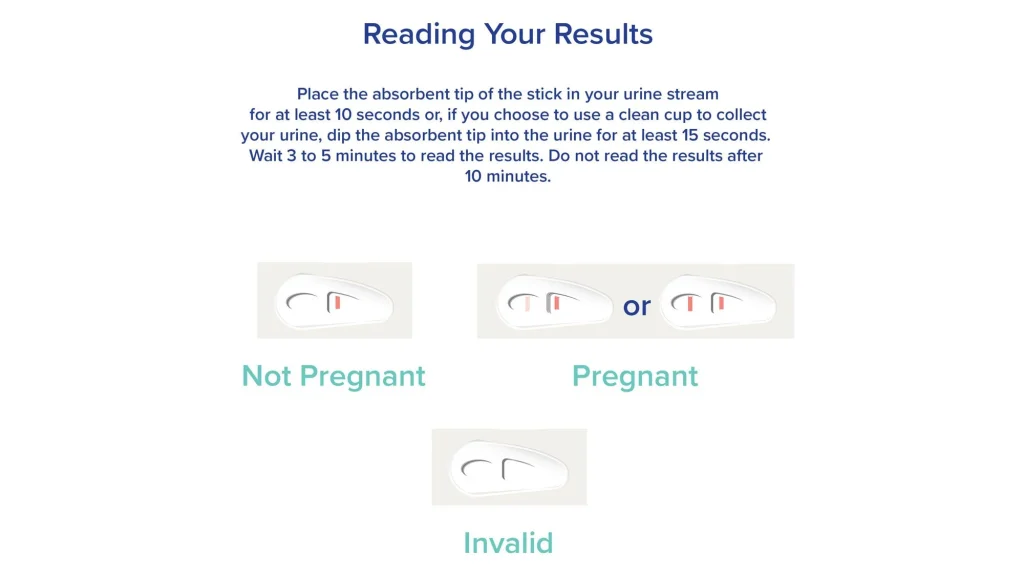
    If the two-week wait is over and you have not gotten your period, it is time to take a pregnancy test. It is recommended to use a home pregnancy test or visit a doctor for a blood test to confirm the pregnancy.

    Benefits of DIY Baby-Making with Syringe Kits

    There are many benefits to using syringe kits for DIY baby-making. First and foremost, it allows individuals and couples to take control of their fertility and start a family on their own terms. It also eliminates the need for expensive fertility treatments or adoption processes. Additionally, this method can be done in the comfort and privacy of your own home.

    Drawbacks of DIY Baby-Making with Syringe Kits

    While DIY baby-making with syringe kits can be a great option for some, it is not without its drawbacks. This method does not guarantee pregnancy and may take multiple attempts to achieve success. It also requires a lot of research, preparation, and attention to detail, which can be overwhelming for some individuals.

    In conclusion, DIY baby-making using syringe kits is a viable option for those looking to start a family without the need for sexual intercourse. By following the step-by-step guide outlined in this blog post, individuals and couples can increase their chances of successful insemination and pregnancy. It is important to remember that every person’s journey to parenthood is unique, and it is essential to do what feels right for you and your family.

    SEO Metadata:

  • The DIY Baby-Making Trend: How Syringe Kits Are Changing the Game

    Summary:

    Over the past few years, the DIY baby-making trend has gained popularity among couples struggling with infertility or those who simply want to have a child without medical intervention. This trend involves using syringe kits, also known as at-home insemination kits, to artificially inseminate at home. These kits have revolutionized the way people approach conception, making it more accessible, affordable, and private. In this blog post, we will explore the growing popularity of DIY baby-making, the benefits and risks of using syringe kits, and how they are changing the game for couples looking to start a family.

    Firstly, we will delve into the reasons behind the rise of DIY baby-making. With the increasing costs of fertility treatments and the stigma surrounding assisted reproduction, many couples are turning to alternative methods. Syringe kits provide a discreet and affordable option for those who may not be comfortable with traditional methods or cannot afford pricey medical procedures. Additionally, these kits can be used by same-sex couples and single individuals who may not have access to sperm banks or fertility clinics.

    Next, we will discuss the process of using a syringe kit for at-home insemination. The kits typically include a syringe, a specimen cup, and fertility-friendly lubricant. The process involves collecting semen from a male partner or a donor, placing it into the syringe, and inserting it into the vagina during the woman’s ovulation window. Many couples have reported success with this method, and it has become a popular choice for those trying to conceive.

    hand holding a syringe with a blue plunger against a solid blue background

    The DIY Baby-Making Trend: How Syringe Kits Are Changing the Game

    One of the main benefits of using a syringe kit is the privacy it offers. Many people prefer to keep their fertility struggles private and avoid the invasive procedures and appointments that come with medical fertility treatments. With a syringe kit, the entire process can be done in the comfort of one’s home, without the need for doctor visits or medical personnel.

    Another advantage of using a syringe kit is the cost. Fertility treatments can be very expensive, and insurance often does not cover them. On the other hand, at-home insemination kits can cost as little as $50, making it a more affordable option for couples who cannot afford medical procedures. This also allows couples to try multiple times without breaking the bank, increasing their chances of success.

    However, there are also some risks associated with DIY baby-making using syringe kits. One of the main concerns is the lack of medical supervision. Without a doctor’s guidance, there is a risk of improper insemination, which can lead to infections or other complications. It is crucial to carefully follow the instructions provided with the kit and to ensure that all equipment is sterile to minimize any potential risks.

    Another risk is the accuracy of ovulation prediction. While many couples use ovulation predictor kits to determine the most fertile days, these kits are not always accurate. This can result in missed ovulation, leading to unsuccessful attempts at conception. It is essential to track ovulation using multiple methods and consult with a doctor if necessary to increase the chances of success.

    In conclusion, the DIY baby-making trend has gained popularity in recent years, with syringe kits being a game-changer for couples looking to conceive. These kits offer a discreet, affordable, and accessible option for those struggling with infertility or wanting to start a family without medical intervention. While there are potential risks involved, proper precautions and careful following of instructions can make this method a successful option for many. Ultimately, the use of syringe kits is a personal choice, and couples should carefully consider all factors before deciding if it is the right option for them.

  • Syringe Kits: The Key to Successful DIY Baby-Making

    Syringe Kits: The Key to Successful DIY Baby-Making

    In recent years, there has been a growing trend of individuals and couples turning to DIY methods for starting a family. With the rising costs of fertility treatments and adoption, many people are seeking more affordable and accessible options for conceiving a child. One such option that has gained popularity is using syringe kits for at-home insemination. These kits offer a safe, convenient, and cost-effective way for individuals and couples to try their hand at DIY baby-making. In this blog post, we will explore the ins and outs of syringe kits and why they may be the key to successful DIY baby-making.

    What is a Syringe Kit?

    A syringe kit, also known as an insemination kit or artificial insemination kit, is a package that includes all the necessary tools and materials for at-home insemination. These kits typically include a syringe, sperm-friendly lubricant, and sometimes ovulation test strips. Some kits may also come with step-by-step instructions or educational materials on fertility and conception.

    How Do Syringe Kits Work?

    Syringe kits are designed to mimic the process of intrauterine insemination (IUI), a common fertility treatment where sperm is directly injected into the uterus. However, instead of being performed by a medical professional in a clinic, syringe kits allow individuals or couples to perform the insemination themselves in the comfort and privacy of their own home.

    The process of using a syringe kit is relatively simple. First, the sperm-friendly lubricant is applied to the tip of the syringe. Then, the sperm sample is drawn into the syringe from a donor or partner. Once the syringe is filled with the desired amount of sperm, it is inserted into the vagina and the sperm is deposited near the cervix. This process can be repeated for multiple insemination attempts during the ovulation window for higher chances of success.

    Why Choose Syringe Kits for DIY Baby-Making?

    There are several reasons why syringe kits have become a popular choice for DIY baby-making. Here are some of the main advantages of using syringe kits:

    1. Cost-Effective

    Compared to other fertility treatments, syringe kits are much more affordable. The average cost of one cycle of IUI can range from $500 to $4000, while a syringe kit can cost anywhere from $20 to $100. This significant cost difference makes syringe kits a more accessible option for those with limited financial resources.

    2. Convenience and Privacy

    Syringe kits allow individuals and couples to perform insemination in the comfort and privacy of their own home. This can be especially beneficial for LGBTQ+ couples or single individuals who may face discrimination or discomfort in a traditional medical setting.

    3. Control and Autonomy

    blue box with "mosie" logo, syringes, and informational pamphlet on a pink background

    Syringe Kits: The Key to Successful DIY Baby-Making

    Using syringe kits gives individuals and couples more control over their fertility journey. They can choose the sperm donor, timing of insemination, and frequency of attempts. This can be empowering for individuals who may feel disempowered by the traditional medical system.

    4. Lower Risk of Infection

    When performed correctly, at-home insemination with syringe kits carries a lower risk of infection compared to other DIY methods such as turkey baster or menstrual cup insemination. This is because the kits are specifically designed for this purpose and often come with sterile materials.

    Tips for Successful DIY Baby-Making with Syringe Kits

    While syringe kits offer a convenient and affordable option for DIY baby-making, it is important to keep in mind that they are not a guarantee of success. Here are some tips to increase your chances of success when using syringe kits:

    1. Track Ovulation

    Timing is crucial when it comes to insemination. It is essential to track your ovulation to determine the best time for insemination. This can be done through ovulation test strips or by tracking your menstrual cycle.

    2. Choose a Reliable Sperm Donor

    If using a sperm donor, it is essential to choose a reliable and healthy individual. This can be a friend, family member, or someone from a reputable sperm bank. It is also important to have a legal agreement in place to protect all parties involved.

    3. Follow Instructions Carefully

    Make sure to carefully read and follow the instructions provided with the syringe kit. This will ensure that the process is performed correctly and safely.

    4. Consider Medical Assistance

    If after several attempts with syringe kits, you are still not successful, it may be time to consider seeking medical assistance. A fertility specialist can provide more advanced treatments and guidance for your unique situation.

    In conclusion, syringe kits offer a convenient, affordable, and effective option for DIY baby-making. They allow individuals and couples to take control of their fertility journey and increase their chances of success. However, it is crucial to follow the instructions carefully and consider seeking medical assistance if needed. With syringe kits, starting a family has never been more accessible and achievable.

  • Syringe Kits and DIY Baby-Making: An Affordable Alternative to Fertility Treatments

    Syringe Kits and DIY Baby-Making: An Affordable Alternative to Fertility Treatments

    In today’s society, there is a growing trend towards alternative methods for starting a family. With the rising costs of fertility treatments and adoption, many couples are turning to DIY methods as a more affordable option. One such method is using syringe kits for at-home insemination, also known as DIY baby-making. This blog post will explore the benefits and considerations of using syringe kits as an alternative to traditional fertility treatments.

    What are Syringe Kits?

    Syringe kits are commonly used in medical settings for administering injections or drawing blood. However, they have also gained popularity as a tool for at-home insemination. These kits typically include a syringe, a vial for holding the sperm, and a catheter or tube for delivering the sperm to the cervix. They can be purchased online or at some drugstores without a prescription.

    Benefits of Using Syringe Kits

    1. Cost-effective: The most significant advantage of using syringe kits for at-home insemination is the cost. Fertility treatments can cost thousands of dollars, and adoption can cost even more. Syringe kits, on the other hand, are relatively inexpensive, with some options available for under $100.

    2. Privacy: Many couples prefer the privacy and intimacy of performing the insemination in the comfort of their own home. With fertility treatments, multiple appointments and procedures are often necessary, which can be emotionally and physically draining. DIY baby-making allows couples to have more control over the process and maintain their privacy.

    3. Flexibility: Fertility treatments often have strict timelines and schedules for when procedures need to be done. With syringe kits, couples have more flexibility in choosing when to attempt insemination, making it easier to fit into their busy lives.

    Instructions for reading pregnancy test results with visual indicators for "Not Pregnant," "Pregnant," and "Invalid.

    Syringe Kits and DIY Baby-Making: An Affordable Alternative to Fertility Treatments

    4. No need for a sperm donor: For same-sex couples or those with male factor infertility, finding a sperm donor can be a challenging and costly process. With syringe kits, couples can use donor sperm from a sperm bank, eliminating the need for a known donor.

    Considerations Before Using Syringe Kits

    While syringe kits offer a more affordable and private option for starting a family, there are some considerations that couples should keep in mind before using them.

    1. Success rates: The success rates of DIY baby-making vary and are significantly lower than traditional fertility treatments. According to a study published in the Journal of Obstetrics and Gynaecology Canada, the success rate of at-home insemination is around 10-15% per cycle, compared to 20-30% per cycle for intrauterine insemination (IUI) performed by a doctor.

    2. Risks of infection: Proper hygiene and sterilization are essential when performing at-home insemination. Without the guidance of a medical professional, there is a risk of introducing bacteria or other contaminants into the vagina, which could lead to infections.

    3. Legal considerations: In some states or countries, DIY baby-making using donor sperm may not be legally recognized, leaving the non-biological parent with no legal rights to the child. It is crucial to research and understand the legal implications before proceeding with at-home insemination.

    4. Emotional impact: While fertility treatments can also be emotionally taxing, DIY baby-making adds another layer of responsibility and pressure. Couples may feel a sense of disappointment or failure if the insemination is not successful, which could take a toll on their mental health.

    In conclusion, syringe kits offer couples a more affordable and private option for starting a family. However, it is essential to consider the success rates, potential risks, and legal implications before using them. Couples may also want to consult with a fertility specialist to ensure that they are healthy and have no underlying fertility issues that may affect the success of DIY baby-making.

    In the end, whether a couple chooses to use syringe kits or traditional fertility treatments, the most important thing is to have a supportive and loving environment to start their journey towards parenthood.

  • The Syringe Kit Revolution: DIY Baby-Making in the Modern Age

    Blog Post:

    In the modern age, the advancements in technology have revolutionized virtually every aspect of our lives. From communication to transportation, and even to healthcare, technology has made things faster, easier, and more accessible. One area that has seen a significant transformation is the field of fertility and baby-making. With the rise of DIY (do-it-yourself) culture, individuals and couples are now turning to syringe kits for at-home insemination, bypassing traditional methods of conception. This trend has been dubbed as the “Syringe Kit Revolution” and is changing the way people approach parenthood.

    The concept of at-home insemination is not entirely new, as it has been around since the 1970s. However, with the introduction of syringe kits, the process has become more accessible and less invasive. These kits typically include a syringe, a vial of donor sperm, and instructions on how to perform the insemination. They can be purchased online or in some cases, even at pharmacies. This method allows individuals and couples to take control of their fertility journey without the need for expensive medical procedures or the involvement of a medical professional.

    So why are more and more people turning to syringe kits for DIY baby-making? One of the main reasons is the cost. In-vitro fertilization (IVF) and other fertility treatments can cost thousands of dollars, making it out of reach for many individuals and couples. With syringe kits, the cost is significantly lower, making it a more feasible option for those on a budget. Additionally, the process can be done in the comfort and privacy of one’s own home, avoiding the potential embarrassment or discomfort of undergoing medical procedures in a clinic.

    Another reason for the popularity of syringe kits is the increasing number of single individuals and same-sex couples who want to start a family. In the past, these individuals and couples had limited options for starting a family, such as adoption or using a sperm donor from a clinic. However, with syringe kits, they can now take matters into their own hands and have a biological child without the need for a partner or going through a lengthy adoption process.

    The DIY approach also allows people to have more control over the process. Unlike traditional methods of conception, where a doctor or fertility specialist has control over the timing of ovulation and insemination, syringe kits allow individuals to track their ovulation and inseminate at the most optimal time. This can increase the chances of successful conception and give individuals a sense of empowerment and involvement in the process.

    guide and materials for using Mosie Baby fertility kit on a textured surface

    The Syringe Kit Revolution: DIY Baby-Making in the Modern Age

    However, the rise of the Syringe Kit Revolution has not been without controversy. Some argue that at-home insemination is not as safe or effective as traditional methods and can lead to potential health risks for both the mother and the baby. Without proper medical supervision, there is a risk of infection or complications during the insemination process. Additionally, using syringe kits means that there is no screening process for the donor sperm, which can potentially lead to genetic disorders being passed down to the child.

    The lack of regulation and oversight in the use of syringe kits has also raised concerns. In some countries, the sale and use of these kits are not regulated, making it difficult to ensure the quality and safety of the products. There have also been cases of fraudulent sperm donors, where individuals have falsely claimed to be healthy and fertile, leading to potential health risks for the mother and child.

    Despite these concerns, the Syringe Kit Revolution shows no signs of slowing down. The convenience, affordability, and accessibility of these kits have made it a popular option for those looking to start a family. However, it is essential to educate oneself and take precautions when using syringe kits for at-home insemination. Researching reputable and regulated sources for donor sperm and following proper hygiene and safety measures can help minimize potential risks.

    In conclusion, the Syringe Kit Revolution is changing the way people approach baby-making in the modern age. It offers a more affordable and accessible option for individuals and couples who want to start a family, giving them more control over the process. However, it is essential to be aware of the potential risks and take necessary precautions to ensure a safe and successful experience.

    Summary:

    The advancements in technology have led to the rise of the Syringe Kit Revolution, where individuals and couples are turning to at-home insemination with the help of syringe kits for DIY baby-making. This method offers a more affordable and accessible option for starting a family, giving people more control over the process. However, it has also raised concerns about potential health risks and the lack of regulation and oversight. Despite this, the trend continues to grow, and it is crucial to educate oneself and take necessary precautions when using syringe kits for at-home insemination.

  • Syringe Kits for DIY Baby-Making: What You Need to Know

    Have you and your partner been struggling to conceive? Are you looking for alternative options for starting a family? In recent years, more and more couples and individuals have turned to syringe kits for DIY baby-making as a viable option for starting or expanding their families. This method, also known as at-home insemination, is a safe and cost-effective way to increase your chances of getting pregnant. In this blog post, we will discuss everything you need to know about syringe kits for DIY baby-making.

    What are Syringe Kits for DIY Baby-Making?

    Syringe kits for DIY baby-making are a type of at-home insemination method where sperm is collected and transferred into the vagina using a syringe. This process is similar to artificial insemination, but instead of being done in a medical setting, it can be done in the comfort of your own home.

    These kits typically include a syringe, a collection cup, and instructions on how to perform the insemination process. Some kits may also include ovulation prediction tests or pregnancy tests to help you track your fertility and increase the chances of success.

    Who Can Use Syringe Kits for DIY Baby-Making?

    Syringe kits for DIY baby-making can be used by any couple or individual looking to conceive. This method is especially popular among same-sex couples, single individuals, and couples who are struggling with fertility issues.

    One of the main benefits of using syringe kits for DIY baby-making is that it gives individuals and couples more control over their fertility journey. It allows them to take matters into their own hands and eliminates the need for expensive medical procedures or invasive treatments.

    How Do Syringe Kits for DIY Baby-Making Work?

    The process of using syringe kits for DIY baby-making is simple and can be done in the comfort of your own home. The first step is to collect the sperm. This can be done using a collection cup, where the sperm can be manually collected from the male partner or a sperm donor.

    Once the sperm is collected, it is then transferred into a syringe. The syringe is inserted into the vagina and the sperm is gently injected near the cervix. This process is typically done during the woman’s ovulation period to increase the chances of conception.

    It is important to follow the instructions included in the kit carefully to ensure that the process is done correctly. Some kits may also include ovulation prediction tests to help you determine the best time to perform the insemination.

    Benefits of Using Syringe Kits for DIY Baby-Making

    1. Cost-Effective: One of the main benefits of using syringe kits for DIY baby-making is that it is a cost-effective option compared to other fertility treatments. It eliminates the need for expensive medical procedures, making it accessible to more individuals and couples.

    comparison of Mosie syringe opening versus standard syringe opening with text highlighting benefits

    Syringe Kits for DIY Baby-Making: What You Need to Know

    2. Convenience: Another advantage of using syringe kits for DIY baby-making is the convenience factor. The process can be done in the comfort of your own home, eliminating the need for frequent trips to a doctor’s office.

    3. Increased Control: Using syringe kits for DIY baby-making gives individuals and couples more control over their fertility journey. It allows them to take matters into their own hands and eliminates the need for medical professionals.

    4. Non-Invasive: Unlike other fertility treatments, syringe kits for DIY baby-making are non-invasive. This can be a more comfortable option for those who may be uncomfortable with medical procedures.

    5. Privacy: Some individuals and couples may prefer the privacy of using syringe kits for DIY baby-making rather than going to a doctor’s office for fertility treatments. It allows them to keep their journey more private and intimate.

    Risks and Considerations

    While syringe kits for DIY baby-making are generally safe, there are some risks and considerations to keep in mind before deciding to use them.

    1. Infection: There is a risk of infection if the equipment is not properly sterilized before use. It is important to follow the instructions included in the kit and use sterile equipment to reduce this risk.

    2. Low Success Rate: The success rate of syringe kits for DIY baby-making can vary and is typically lower than other fertility treatments. It may take multiple attempts before achieving a successful pregnancy.

    3. Legal Considerations: It is important to research and understand the legal considerations surrounding at-home insemination in your area. In some places, the sperm donor may have legal rights and responsibilities to the child, so it is important to have a clear understanding and agreement before proceeding with the process.

    In Conclusion

    Syringe kits for DIY baby-making are a safe, cost-effective, and convenient option for individuals and couples looking to start or expand their families. They provide more control over the fertility journey and can be a more private and intimate option. However, it is important to consider the risks and legal considerations before deciding to use this method.

    Remember to always consult with a medical professional before starting any fertility treatment, and to carefully follow the instructions included in the kit. With the right precautions and knowledge, syringe kits for DIY baby-making can be a successful and fulfilling option for starting your family.

    SEO metadata: