Tag: Insemination

  • Reasons to Consider Insemination Syringe Collection for Pregnancy Planning

    Blog Post:

    Pregnancy planning can be an exciting and emotional journey for many couples. While some may conceive naturally, others may require some assistance in the form of fertility treatments. Insemination, also known as artificial insemination, is a popular method of assisted reproduction that involves placing sperm directly into the uterus to increase the chances of fertilization. While this method is typically performed by medical professionals, there is an alternative option that many couples are considering – insemination syringe collection. In this blog post, we will explore the reasons why more and more couples are turning to this method for pregnancy planning.

    1. Cost-effective option

    One of the biggest advantages of insemination syringe collection is its affordability. Traditional insemination procedures can be quite expensive, especially if multiple attempts are needed. On the other hand, using an insemination syringe at home can significantly reduce the cost of the procedure. This is especially beneficial for couples who do not have insurance coverage for fertility treatments or those who are on a tight budget.

    2. Increased privacy and comfort

    For many couples, the idea of undergoing an insemination procedure in a clinic can feel invasive and uncomfortable. Insemination syringe collection allows couples to perform the procedure in the privacy and comfort of their own home. This can help reduce stress and anxiety, which can have a positive impact on the success of the procedure.

    3. More control over the process

    Insemination syringe collection also gives couples more control over the entire process. They can choose the timing, frequency, and location of the procedure, which can be tailored to their specific needs and schedules. This level of control can be empowering for couples who may feel like they have little control over their fertility journey.

    4. Less invasive and medication-free

    Traditional insemination procedures often involve taking medication to stimulate ovulation and prepare the body for pregnancy. Insemination syringe collection, on the other hand, does not require any medication. This makes it a less invasive and more natural option for couples who prefer to avoid fertility drugs.

    5. Can be used with donor sperm

    sperm-ready insemination kit with a syringe and container, featuring a screw top lid and non-tip safety wall

    Reasons to Consider Insemination Syringe Collection for Pregnancy Planning

    For couples who require donor sperm to conceive, insemination syringe collection is a convenient option. It allows them to easily obtain and use donor sperm at home without the need for a medical professional. This can save time and money, as well as provide more privacy for the couple.

    6. Can be used for same-sex couples and single women

    Insemination syringe collection is not just limited to heterosexual couples. Same-sex couples and single women who want to start a family can also benefit from this method. It provides them with a convenient and affordable option for pregnancy planning without the need for a male partner.

    7. Can be used alongside other fertility treatments

    Insemination syringe collection can also be used in combination with other fertility treatments. For example, couples undergoing intrauterine insemination (IUI) can use an insemination syringe to increase the chances of pregnancy. It can also be used alongside fertility medications such as Clomid to enhance the effectiveness of the treatment.

    8. Easy to use

    Using an insemination syringe for pregnancy planning is a relatively simple process that can be done at home. The syringe is designed to be easy to handle and use, and couples can easily follow the instructions provided. This makes it a convenient option for those who may not have easy access to a fertility clinic.

    9. Can be used for multiple cycles

    Insemination syringe collection can be used for multiple cycles, providing couples with the opportunity to try again if the first attempt is unsuccessful. This can save them from having to pay for multiple costly insemination procedures at a clinic.

    10. Offers a more intimate experience for couples

    Lastly, insemination syringe collection can provide a more intimate experience for couples. It allows them to be fully involved in the process of conceiving their child, which can strengthen their bond and make the journey more meaningful and special.

    In summary, insemination syringe collection is a cost-effective, private, and convenient option for couples who are planning for pregnancy. It gives them more control over the process, is less invasive, and can be used with other fertility treatments. With its ease of use and ability to be used for multiple cycles, it is no surprise that more and more couples are considering this method for their fertility journey.

  • The Emotional Journey of Insemination Syringe Collection: Navigating the Ups and Downs

    Blog Post:

    Insemination, or artificial insemination, is a common method used by couples and individuals who are struggling with fertility issues. It involves the placement of sperm into the reproductive tract of a female in order to achieve pregnancy. While the procedure itself may seem straightforward, there is an emotional journey that comes with collecting and using the necessary tools for insemination, particularly the insemination syringe. This blog post will explore the ups and downs of this emotional journey and provide tips on how to navigate through it.

    The Emotional Highs:

    For many couples and individuals, the prospect of starting or expanding their family through insemination can be an exciting and hopeful experience. The idea of using the insemination syringe to conceive a child can bring about feelings of joy, anticipation, and hope. This may be especially true for those who have been struggling with infertility or have faced challenges in conceiving through traditional methods.

    The first step in the emotional journey of insemination syringe collection is often filled with excitement and optimism. The thought of finally being able to take control of their fertility and potentially achieve pregnancy can bring about a sense of relief and empowerment. This can also be a bonding experience for couples, as they work together to prepare for the insemination process.

    The Emotional Lows:

    While the initial stages of insemination syringe collection may be filled with positive emotions, there can also be moments of frustration and disappointment. For starters, the process can be physically and emotionally taxing. It requires a lot of planning, timing, and attention to detail, which can be overwhelming for some individuals.

    Additionally, the use of the insemination syringe can bring about feelings of vulnerability and anxiety. For those who are using donor sperm, there may also be concerns about the genetic makeup of the donor and the potential impact on their future child. These emotions may be further heightened by the fact that insemination is a more invasive and medicalized process compared to natural conception.

    Baby with blue eyes wearing a light blue onesie that says "made with Love" on a soft white background.

    The Emotional Journey of Insemination Syringe Collection: Navigating the Ups and Downs

    Navigating the Ups and Downs:

    The emotional journey of insemination syringe collection can be challenging, but there are ways to navigate through it. Here are some tips to help you manage the highs and lows:

    1. Seek emotional support: It’s important to have a strong support system in place when going through the insemination process. Reach out to friends, family members, or a therapist who can provide emotional support and guidance.

    2. Educate yourself: Knowledge is power, so take the time to educate yourself on the insemination process and the use of the insemination syringe. This can help alleviate some of the anxiety and uncertainty surrounding the procedure.

    3. Practice self-care: Insemination can be physically and emotionally draining, so it’s important to take care of yourself during this process. Make time for activities that bring you joy and relaxation, and don’t be afraid to prioritize your mental and physical well-being.

    4. Communicate with your partner: Open and honest communication with your partner is crucial during this journey. Be sure to express your feelings and concerns, and listen to theirs as well. Together, you can support each other through the highs and lows.

    5. Have realistic expectations: It’s important to manage your expectations when it comes to insemination. Understand that it may not be successful on the first try, and be prepared for potential setbacks. This can help you cope better with any disappointments that may arise.

    Summary:

    The emotional journey of insemination syringe collection is a rollercoaster ride, with moments of excitement and hope, as well as frustration and disappointment. While it can be a challenging process, there are ways to navigate through it. Seeking emotional support, educating yourself, practicing self-care, communicating with your partner, and having realistic expectations can all help in managing the ups and downs of this journey.

  • Questions to Ask Your Doctor Before Starting Insemination Syringe Collection for Pregnancy Planning

    Blog Post:

    Pregnancy is a beautiful journey that many couples hope to embark on. For some, conceiving a child may not come as easily as they had hoped. In these cases, medical assistance may be necessary in order to achieve their dream of starting a family. One form of medical assistance is insemination, which involves the insertion of sperm into a woman’s reproductive tract to facilitate fertilization. One method of insemination is through the use of a syringe, also known as intrauterine insemination (IUI). If you are considering this option for pregnancy planning, it is important to have a thorough understanding of the process and to ask your doctor the right questions before starting insemination syringe collection.

    1. What is the success rate of insemination using a syringe?

    The success rate of insemination using a syringe can vary depending on various factors such as the age of the woman, the quality of the sperm, and any underlying fertility issues. According to the American Pregnancy Association, the average success rate for IUI is 10-20% per cycle. It is important to have realistic expectations and to discuss your chances of success with your doctor.

    2. How many cycles of insemination do you recommend?

    Insemination using a syringe may require multiple cycles in order to increase the chances of success. Your doctor will be able to assess your individual situation and recommend the number of cycles that would be most beneficial for you. It is important to discuss the potential costs and time commitment involved with multiple cycles.

    3. What is the procedure for insemination syringe collection?

    Before starting the process, it is important to understand how the insemination syringe collection will be performed. Your doctor will explain the steps involved, which may include monitoring your ovulation, timing the insemination, and collecting the sperm from your partner or a donor. This will also give you the opportunity to ask any questions or express any concerns you may have.

    4. Are there any risks or side effects associated with insemination using a syringe?

    Like any medical procedure, there may be some risks or side effects involved with insemination using a syringe. Your doctor will be able to discuss these with you and address any concerns you may have. It is important to be aware of any potential risks and to follow any post-procedure instructions provided by your doctor.

    5. How do you determine the timing for insemination?

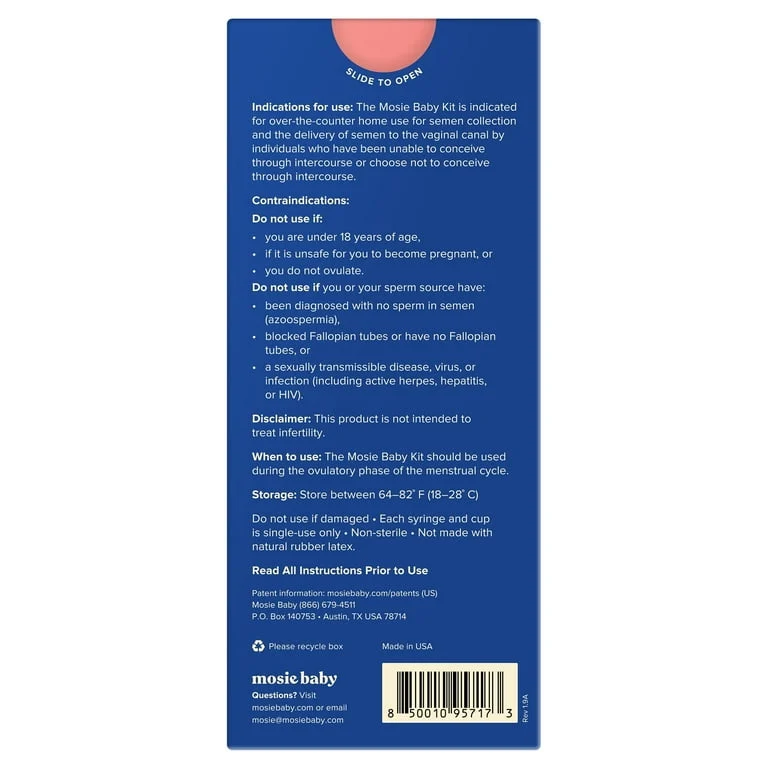
    Mosie Baby At-Home Insemination Kit instructions and storage guidelines on a blue background.

    Questions to Ask Your Doctor Before Starting Insemination Syringe Collection for Pregnancy Planning

    Timing is crucial for successful insemination using a syringe. Your doctor will monitor your ovulation and determine the best time for the procedure to be performed. It is important to follow your doctor’s instructions and schedule the insemination at the recommended time for optimal results.

    6. What are the costs involved with insemination using a syringe?

    The costs associated with insemination using a syringe can vary depending on your location and individual circumstances. It is important to discuss the costs with your doctor and to explore any potential insurance coverage or financial assistance options that may be available.

    7. Are there any lifestyle changes I should make before starting insemination?

    In some cases, making certain lifestyle changes can increase the chances of success with insemination. Your doctor may recommend changes such as quitting smoking, reducing alcohol consumption, and maintaining a healthy diet and exercise routine. It is important to follow your doctor’s recommendations and make any necessary changes to increase your chances of success.

    8. How will you monitor the progress of the insemination process?

    Your doctor will monitor your progress throughout the insemination process to ensure everything is going as planned. This may include regular ultrasounds and blood tests to track ovulation and the development of the follicles. It is important to attend all scheduled appointments and communicate any changes or concerns with your doctor.

    9. What are my options if insemination using a syringe is not successful?

    Unfortunately, insemination may not be successful for everyone. If this is the case, your doctor may recommend other fertility treatments such as in vitro fertilization (IVF) or suggest further testing to determine the underlying cause of infertility. It is important to have a plan in place for next steps if insemination is not successful.

    10. What support services are available during the insemination process?

    Going through the process of insemination can be emotionally and mentally challenging. It is important to have a support system in place, whether it be through your doctor’s office, a support group, or talking to friends and family. Your doctor may also be able to provide resources for counseling services if needed.

    In summary, before starting insemination syringe collection for pregnancy planning, it is important to ask your doctor the right questions. This will help you have a better understanding of the process, set realistic expectations, and make informed decisions. Remember to always communicate openly and honestly with your doctor and to seek support when needed.

  • Insemination Syringe Collection for LGBTQ+ Couples: A Path to Parenthood

    Blog Post Title: Insemination Syringe Collection for LGBTQ+ Couples: A Path to Parenthood

    Summary:

    The journey to parenthood can be an exciting and fulfilling experience, but it can also come with its own set of challenges. For LGBTQ+ couples, the path to parenthood can be even more complicated due to societal and legal barriers. However, with the advancement of reproductive technology, there are now more options available for same-sex couples to start a family.

    One of these options is insemination using a syringe, also known as at-home insemination. This method involves collecting sperm from a donor and inserting it into the partner’s uterus using a syringe. While it may seem like a daunting process, it can be a cost-effective and intimate way for LGBTQ+ couples to conceive. In this blog post, we will explore the ins and outs of insemination syringe collection for LGBTQ+ couples and how it can be a path to parenthood.

    Understanding Insemination Syringe Collection:

    Insemination syringe collection is a form of artificial insemination that can be done at home without the need for medical assistance. It involves using a sterile syringe to collect sperm from a donor and then inserting it into the partner’s cervix or uterus. This method is often used by lesbian couples or single women who want to conceive.

    The Process of Insemination Syringe Collection:

    The first step in the process is to find a sperm donor. This can be a known donor, such as a friend or family member, or a sperm bank donor. It is important to thoroughly screen the donor for any potential health issues or genetic disorders.

    Once a donor is chosen, the next step is to collect the sperm. This can be done either through masturbation or by using a special collection condom during sexual intercourse. The collected sperm is then transferred into a sterile container and kept at room temperature until insemination.

    The insemination process itself is similar to using a tampon. The partner lies down with her legs raised, and the sperm is inserted into the cervix or uterus using a sterile syringe. The syringe is slowly emptied, and the sperm is allowed to stay inside for a few minutes before being removed.

    Informative card introducing the Mosie Baby Kit and its mission for at-home insemination.

    Insemination Syringe Collection for LGBTQ+ Couples: A Path to Parenthood

    Benefits of Insemination Syringe Collection for LGBTQ+ Couples:

    One of the main benefits of using the insemination syringe collection method is that it can be done at home, providing a more intimate and private experience for the couple. It also eliminates the need for medical intervention, which can be costly and invasive.

    Moreover, this method allows for a more natural and personal connection between the donor and the family. Unlike other forms of assisted reproduction, the donor is involved in the process from start to finish, creating a sense of co-parenting and involvement in the child’s life.

    Challenges and Considerations:

    While insemination syringe collection can be a viable option for LGBTQ+ couples, there are some challenges and considerations to keep in mind. For instance, the success rate of this method is lower compared to other assisted reproduction techniques, with only a 10-15% chance of pregnancy per cycle.

    There is also the issue of legal parenthood, as the donor may have legal rights and responsibilities towards the child. It is essential to consult a lawyer and draw up a sperm donor agreement to establish parental rights and responsibilities before starting the process.

    In addition, proper hygiene and sterilization are crucial during the collection and insemination process to avoid any risk of infection. It is recommended to use a sterile syringe and a fresh sample of sperm for each insemination attempt.

    Conclusion:

    Insemination syringe collection can be a viable and intimate path to parenthood for LGBTQ+ couples. It allows for a more natural and personal connection between the donor and the family while being a cost-effective option. However, it is essential to consider the challenges and legal considerations before embarking on this journey.

    With advancements in reproductive technology, same-sex couples now have more options to start a family. Insemination syringe collection is just one of the many paths to parenthood and can be a beautiful and fulfilling experience for LGBTQ+ couples.

    SEO Metadata:

  • Essential Supplies for Insemination Syringe Collection in Pregnancy Planning

    Blog Post Title: Essential Supplies for Insemination Syringe Collection in Pregnancy Planning

    Introduction:
    Pregnancy planning can be an exciting and overwhelming journey for couples. One of the key steps in this process is insemination, and using a syringe for this procedure can greatly increase the chances of success. However, having the right supplies for insemination syringe collection is crucial for a smooth and successful experience. In this blog post, we will discuss the essential supplies needed for insemination syringe collection in pregnancy planning.

    1. Syringe:
    The most important supply for insemination syringe collection is, of course, the syringe itself. It is recommended to use a sterile, single-use syringe to avoid potential infections or complications. The size of the syringe will depend on the amount of sperm being used, but a 5-10ml syringe is a good option for most cases.

    2. Sterile Container:
    Before the insemination process, it is important to collect the sperm sample in a sterile container. This can be a plastic or glass container specifically designed for sperm collection, or a clean and sterile cup or jar. It is important to label the container with the date and time of collection, as well as the name of the donor.

    3. Sperm Preparation Supplies:
    Once the sperm sample is collected, it may need to be prepared before being inserted into the syringe. This can include a sperm wash kit, which helps remove any debris or non-motile sperm from the sample. Other supplies may include a test tube and centrifuge for processing the sample, and a microscope for checking the quality and motility of the sperm.

    4. Lubricant:
    During the insemination process, it is important to use a sperm-friendly lubricant to avoid any damage to the sperm. Water-based or fertility-friendly lubricants are recommended, as opposed to oil-based or silicone-based ones which can be harmful to sperm.

    Baby with blue eyes wearing a light blue onesie that says "made with Love" on a soft white background.

    Essential Supplies for Insemination Syringe Collection in Pregnancy Planning

    5. Sterile Gauze or Cotton Balls:
    Having sterile gauze or cotton balls on hand is important for cleaning the syringe and sperm preparation supplies before use. This helps ensure a sterile environment and reduces the risk of contamination.

    6. Alcohol Wipes:
    Another important supply for insemination syringe collection is alcohol wipes. These can be used to clean the skin before inserting the syringe, as well as for sterilizing any surfaces or equipment used during the process.

    7. Timer:
    Timing is crucial in the insemination process, and having a timer on hand can be helpful to ensure accuracy. This can be a separate timer or simply using the timer on your phone.

    8. Comfortable Positioning:
    Insemination can be a stressful and uncomfortable process, so it is important to have supplies on hand to help with positioning. This can include pillows, cushions, or a comfortable chair to help the donor and the person undergoing the insemination stay relaxed and comfortable.

    9. Emotional Support:
    Insemination can be an emotional process, and having a support system in place is crucial. This can include a partner, friend, or a support group. Having someone to talk to and lean on during this time can make all the difference.

    10. Storage Supplies:
    After the insemination process, it may be necessary to store any leftover sperm for future use. This can include a sterile container or vial, as well as a cool pack or container for proper storage. It is important to label the container with the donor’s information and the date of collection.

    Summary:
    Insemination syringe collection is a crucial step in pregnancy planning, and having the right supplies is essential for a successful experience. These supplies include a syringe, sterile container, sperm preparation supplies, lubricant, sterile gauze or cotton balls, alcohol wipes, timer, comfortable positioning, emotional support, and storage supplies. By having these essential supplies, you can ensure a smooth and safe insemination process.

  • Tips for Successful Insemination Syringe Collection in Your Pregnancy Journey

    Blog Post:

    Insemination syringe collection is an important aspect of the pregnancy journey for many couples. It involves using a syringe to transfer sperm into the cervix or uterus, increasing the chances of successful fertilization. While this process may seem daunting at first, following a few tips can make it a smooth and successful experience. In this blog post, we will discuss some essential tips for successful insemination syringe collection in your pregnancy journey.

    1. Consult with a Fertility Specialist:
    Before attempting insemination at home, it is crucial to consult with a fertility specialist. They can provide valuable insights and guidance on the process, ensuring that you are fully prepared and have the necessary knowledge and tools for successful insemination. They can also help identify any potential issues that may affect the success of the procedure.

    2. Choose the Right Syringe:
    Choosing the right syringe is vital for successful insemination. It is recommended to use a sterile, single-use syringe with a 5-10 ml capacity. These syringes are designed for insemination and have a curved tip, making it easier to navigate through the cervix or into the uterus. Avoid using regular household syringes as they may not be sterile and may not have the right size or shape for the procedure.

    3. Understand the Timing:
    Timing is crucial when it comes to insemination. It is essential to understand your ovulation cycle and pinpoint the most fertile days. You can use ovulation prediction kits or track your basal body temperature to determine the best time for insemination. It is generally recommended to perform insemination 24-36 hours after ovulation for the best chance of success.

    4. Prepare the Sperm:
    Preparing the sperm for insemination is another essential step. If using donor sperm, ensure that it is properly thawed and warmed to room temperature before the procedure. If using fresh sperm, it should be collected and used within one hour for the best results. Avoid exposing the sperm to extreme temperatures or shaking the container as it can damage the sperm.

    Baby wearing a blue shirt with "made with Love" text, surrounded by colorful floral and butterfly designs.

    Tips for Successful Insemination Syringe Collection in Your Pregnancy Journey

    5. Prepare Yourself:
    Before attempting insemination, it is essential to prepare yourself physically and mentally. It is recommended to empty your bladder, take a warm bath or shower, and relax your muscles to make the procedure more comfortable. You can also use a lubricant to make insertion easier. It is crucial to avoid using any lubricants that contain spermicides as they can harm the sperm.

    6. Find a Comfortable Position:
    Finding a comfortable position is key to successful insemination syringe collection. You can lie on your back with your legs elevated, or you can place a pillow under your hips to tilt them upward. This position helps the sperm travel towards the cervix and into the uterus more easily. You can also try using a mirror to guide the syringe into the cervix.

    7. Insert the Syringe:
    Once you are in a comfortable position, it is time to insert the syringe. Gently insert the syringe into the vagina and aim towards the cervix. Slowly push the plunger to release the sperm into the cervix or uterus. Be careful not to push the syringe too quickly or forcefully as it can cause discomfort.

    8. Rest and Relax:
    After insemination, it is recommended to rest and relax for at least 15-20 minutes. This allows the sperm to travel through the cervix and into the uterus, increasing the chances of fertilization. You can also place a small pillow or rolled-up towel under your hips to keep them elevated. It is essential to avoid any strenuous activity or exercise after insemination.

    9. Stay Positive:
    Insemination syringe collection can be an emotional and stressful process for many couples. It is essential to stay positive and have a support system in place. Talk to your partner or a close friend about your feelings and concerns. You can also join a support group or seek counseling to help you cope with the emotional aspects of the process.

    In summary, successful insemination syringe collection requires proper preparation, timing, and technique. It is crucial to consult with a fertility specialist, choose the right syringe, understand the timing, prepare the sperm, and prepare yourself physically and mentally. Finding a comfortable position, inserting the syringe gently, and resting after the procedure are also essential steps. Most importantly, stay positive and have a support system in place to help you through this journey.

  • Insemination Syringe Collection: An Affordable and Effective Option for Conception

    Blog Post Title: Insemination Syringe Collection: An Affordable and Effective Option for Conception

    Summary:

    Insemination syringe collection is a popular method for couples who are trying to conceive. It involves using a specially designed syringe to inject semen into the cervix or uterus, increasing the chances of fertilization. This method has been proven to be affordable, effective, and convenient for many couples. In this blog post, we will discuss the benefits, procedure, and tips for using an insemination syringe collection for conception.

    Benefits of Insemination Syringe Collection:

    1. Affordable: One of the main reasons why insemination syringe collection is popular among couples is its affordability. Compared to other fertility treatments, this method is relatively inexpensive and can be done at home, eliminating the need for expensive medical procedures.

    2. Effective: Studies have shown that using an insemination syringe collection can increase the chances of conception by up to 20%. This is because the syringe delivers the semen directly to the cervix or uterus, bypassing any potential barriers in the vagina.

    3. Convenient: Unlike other fertility treatments, such as in vitro fertilization (IVF), insemination syringe collection can be done at home without the need for medical supervision. This makes it a more convenient option for couples who want to try natural methods of conception.

    The Procedure:

    Using an insemination syringe collection is a simple and straightforward process. Here are the steps to follow:

    1. Prepare the syringe: Start by making sure that the syringe is clean and sterile. You can do this by boiling it in water for a few minutes or using a sterilizing solution.

    home insemination kit components: a syringe and a collection container against a blue background.

    Insemination Syringe Collection: An Affordable and Effective Option for Conception

    2. Collect the semen: The semen can be collected either through masturbation or by using a special collection condom during intercourse. It is important to collect the semen as close to the time of insemination as possible to ensure maximum sperm motility.

    3. Load the syringe: Once the semen is collected, carefully load it into the syringe using the plunger. Make sure to remove any air bubbles by gently tapping the syringe.

    4. Insert the syringe: The next step is to insert the syringe into the vagina, aiming towards the cervix. You can do this in a lying down position with your legs elevated or by using a speculum.

    5. Inject the semen: Slowly and gently inject the semen into the cervix or uterus. Once the syringe is empty, remove it and dispose of it properly.

    6. Stay in position: After insemination, it is recommended to stay in a lying down position for at least 15-20 minutes to allow the sperm to travel towards the egg.

    Tips for Using Insemination Syringe Collection:

    1. Timing is crucial: It is important to track your ovulation cycle and time the insemination accordingly. This will increase the chances of fertilization.

    2. Use a fertility-friendly lubricant: Some lubricants can be harmful to sperm, so it is important to use a fertility-friendly lubricant or none at all during insemination.

    3. Stay relaxed: Stress and tension can affect fertility, so it is important to stay relaxed during the insemination process.

    4. Consult a doctor: If you have been trying to conceive for a while without success, it is recommended to consult a fertility specialist who can guide you through the process and offer personalized advice.

    Insemination syringe collection is a safe and effective method for couples who are trying to conceive. With its affordability, convenience, and proven effectiveness, it is a popular choice among many couples. By following the proper procedure and tips, you can increase your chances of successful conception.

  • From Preparation to Procedure: Navigating Insemination Syringe Collection

    From Preparation to Procedure: Navigating Insemination Syringe Collection

    Insemination is a popular method used by couples and individuals to achieve pregnancy. While many opt for medical assistance, others prefer a more natural approach by using an insemination syringe at home. However, the collection and preparation of the syringe can be challenging and overwhelming for first-timers. In this blog post, we will guide you through the process of navigating insemination syringe collection, from preparation to the actual procedure.

    1. Understanding the Different Types of Insemination Syringes

    Before diving into the collection process, it is essential to understand the different types of insemination syringes available in the market. There are two main types: traditional and bulb syringes. Traditional syringes have a long and narrow design, while bulb syringes have a wider and shorter design. Both types are suitable for insemination, but bulb syringes are easier to use for self-insemination.

    2. Choosing the Right Syringe for You

    Once you have familiarized yourself with the different types of syringes, the next step is to choose the right one for your needs. Consider your comfort level, the amount of sperm you will be using, and any potential allergies to the materials used in the syringe. It is always best to consult with your healthcare provider or a fertility specialist to determine the most suitable syringe for you.

    3. Preparing for Collection

    Before starting the collection process, ensure that you have a clean, sterile workspace. Wash your hands thoroughly and gather all the necessary supplies, including the syringe, sperm, and any lubricant or sperm-friendly media recommended by your healthcare provider. It is crucial to use a sterile syringe to avoid any potential infections.

    4. Collecting the Sperm

    There are two main ways to collect sperm for insemination: using a donor or partner. If using a donor, make sure to follow all the necessary safety precautions, including screening for sexually transmitted infections and using a sterile container. If using a partner, you can collect the sperm through ejaculation or by using a sperm aspiration kit. Make sure to follow the instructions provided with the kit carefully.

    at-home insemination kit with syringes, collection cups, and instructions on a pink background

    From Preparation to Procedure: Navigating Insemination Syringe Collection

    5. Preparing the Syringe

    Once you have collected the sperm, it is time to prepare the syringe. Start by removing the syringe from its packaging and attaching the appropriate tip. If using a traditional syringe, you may need to remove the plunger and pour the sperm into the syringe. If using a bulb syringe, you can simply suction the sperm into the syringe. Make sure to follow the instructions provided with the syringe carefully.

    6. Positioning for Insemination

    Before the insemination procedure, it is essential to position yourself comfortably. You can either lie on your back with your hips elevated or stand with one foot elevated on a stool. This position helps to direct the sperm towards the cervix and increases the chances of conception. If using a traditional syringe, you may need assistance from your partner or a device to keep the syringe in place during the procedure.

    7. The Insemination Procedure

    Now that everything is in place, it is time to perform the insemination. Slowly insert the syringe into the vagina and direct it towards the cervix. If using a traditional syringe, push the plunger to release the sperm. If using a bulb syringe, squeeze the bulb to release the sperm. Once all the sperm is released, remove the syringe carefully and remain in the same position for 15-20 minutes to allow the sperm to travel towards the cervix.

    8. Post-Insemination Care

    After the insemination, it is essential to take care of yourself and give the sperm the best chance of fertilizing the egg. Avoid any strenuous activities, and refrain from using the bathroom for at least 30 minutes. It is also recommended to lie down for a few hours to allow the sperm to travel towards the cervix effectively.

    In conclusion, navigating insemination syringe collection may seem daunting at first, but with the right information and preparation, it can be a straightforward process. Remember to consult with your healthcare provider or a fertility specialist for personalized guidance and always follow the instructions provided with the syringe and sperm collection kit. With patience and perseverance, you can increase your chances of achieving a successful insemination and fulfilling your dream of starting a family.

    Summary:

    Insemination syringe collection can be challenging for first-timers. However, understanding the different types of syringes, choosing the right one, preparing for collection, collecting the sperm, and following the proper procedure can make the process smoother. It is also crucial to take care of yourself post-insemination. Consult with your healthcare provider for personalized guidance.

  • Maximizing Your Chances of Conception with Insemination Syringe Collection

    Blog Post: Maximizing Your Chances of Conception with Insemination Syringe Collection

    For couples who are struggling to conceive, the process can be stressful, expensive, and emotionally draining. Fortunately, there are alternative methods that can be used to increase the chances of conception, such as insemination syringe collection. This method involves collecting semen from the male partner and inserting it into the female partner’s vagina using a syringe. In this blog post, we will dive into the details of insemination syringe collection and how you can maximize your chances of conception using this method.

    Understanding Insemination Syringe Collection
    Insemination syringe collection is a simple and non-invasive procedure that can be done at home. It involves using a medical syringe to collect semen from the male partner and then inserting it into the female partner’s vagina. The process is similar to natural insemination but without the need for sexual intercourse. This method is often used by couples who are struggling with male infertility, same-sex couples, or single women who want to conceive.

    Maximizing Your Chances of Conception with Insemination Syringe Collection
    1. Know Your Fertile Window
    Timing is crucial when it comes to conception. The fertile window is the period when a woman is most likely to conceive, and it usually lasts for 5-6 days. To maximize your chances of conception, it is important to track your menstrual cycle and know when you are ovulating. This can be done through methods like tracking your basal body temperature, using ovulation predictor kits, or monitoring changes in cervical mucus. Once you have identified your fertile window, aim to inseminate during this time.

    2. Prepare the Insemination Syringe and Semen
    Before insemination, it is important to prepare the insemination syringe and semen. The syringe should be sterilized by boiling it in hot water for 10 minutes. The semen should be collected into a sterile cup or condom. It is recommended to use fresh semen, but if that is not possible, frozen semen can also be used. It is important to thaw frozen semen according to the instructions provided by the sperm bank.

    3. Choose the Right Position
    The position during insemination can also affect the chances of conception. The most recommended position for insemination is the missionary position, as it allows for deeper penetration and a closer contact between the semen and the cervix. You can also try elevating your hips by placing a pillow under your back to help the sperm reach the cervix more easily.

    illustration comparing standard and Mosie syringe openings with text highlighting design benefits for home insemination

    Maximizing Your Chances of Conception with Insemination Syringe Collection

    4. Take It Slow
    Unlike natural insemination, insemination syringe collection requires a slower and more controlled insertion of the semen. This is to ensure that the sperm is placed near the cervix and has a better chance of reaching the fallopian tubes, where fertilization occurs. It is recommended to insert the syringe slowly, at a 45-degree angle towards the cervix. Once the semen is inserted, leave the syringe in place for a few minutes to allow the sperm to swim towards the cervix.

    5. Rest Afterwards
    After insemination, it is important to rest for at least 15-20 minutes. This will give the sperm enough time to swim towards the cervix and increase the chances of conception. It is also recommended to elevate your hips during this time to help the sperm travel towards the cervix.

    6. Consider Using Fertility-Friendly Lubricants
    Some lubricants can be harmful to sperm and decrease their motility. If you need to use lubricants during insemination, make sure to choose a fertility-friendly one. These lubricants are specifically designed to mimic the natural cervical mucus and help the sperm reach the cervix more easily.

    7. Avoid Stress and Stay Healthy
    Stress can negatively impact fertility, so it is important to stay relaxed and avoid stress during the insemination process. Engage in stress-reducing activities such as meditation, yoga, or spending time in nature. It is also important to maintain a healthy lifestyle by eating a balanced diet, exercising regularly, and avoiding alcohol and smoking.

    In conclusion, insemination syringe collection can be an effective method for couples looking to conceive. By understanding your fertile window, preparing the syringe and semen properly, choosing the right position, taking it slow, resting afterwards, and staying healthy, you can increase your chances of successful conception. Remember to consult with a healthcare professional for any concerns or questions you may have.

    Summary:
    Insemination syringe collection is a non-invasive method that can be used to increase the chances of conception. It involves collecting semen from the male partner and inserting it into the female partner’s vagina using a syringe. To maximize your chances of successful conception, it is important to know your fertile window, prepare the syringe and semen properly, choose the right position, take it slow, rest afterwards, consider using fertility-friendly lubricants, and avoid stress and maintain a healthy lifestyle.

  • The Ins and Outs of Insemination: A Guide for Syringe Collection

    When it comes to fertility treatments, one of the most common and effective methods is artificial insemination. This process involves inserting sperm directly into a woman’s reproductive tract, increasing the chances of conception. And while there are various methods of artificial insemination, one of the most cost-effective and accessible options is syringe collection.

    In this blog post, we will dive into the ins and outs of syringe collection for insemination, including what it is, how it works, and the steps involved in the process. We will also discuss the benefits and risks associated with this method, as well as tips for success. So let’s get started!

    What is Syringe Collection?

    Syringe collection, also known as self-insemination, is a method of artificial insemination that involves using a syringe to collect and insert sperm into the cervix or vagina. This process can be done at home, making it a convenient and private option for those trying to conceive.

    How Does it Work?

    The first step in syringe collection is obtaining semen. This can be done by purchasing donor sperm from a sperm bank or by obtaining a sample from a known donor. If using a known donor, it is important to screen for any potential STIs and to have a legal agreement in place.

    Once the semen is obtained, it is placed into a sterile container and allowed to liquefy for about 20 minutes. This allows the sperm to swim freely and increases the chances of conception. In the meantime, the person trying to conceive will need to prepare for the insemination process.

    The next step is to fill the syringe with the semen. It is essential to use a sterile syringe and to avoid touching the tip of the syringe to prevent contamination. The person trying to conceive may choose to use a speculum for better access to the cervix, but it is not necessary.

    The person trying to conceive will then lie down with their hips elevated, using pillows under their hips for support. The syringe is then inserted into the vagina, and the sperm is deposited near the cervix. It is recommended to keep the syringe in place for a few minutes to allow the sperm to travel into the cervix.

    Benefits and Risks of Syringe Collection

    One of the main benefits of syringe collection is that it can be done in the comfort of one’s own home, making it a more private and less invasive option. It is also a more affordable method compared to other forms of artificial insemination, such as intrauterine insemination (IUI) or in vitro fertilization (IVF).

    blue box with "mosie" logo, syringes, and informational pamphlet on a pink background

    The Ins and Outs of Insemination: A Guide for Syringe Collection

    However, there are also risks associated with syringe collection. Since it is a self-administered process, there is a higher risk of contamination or infection if proper sterile techniques are not followed. There is also a lower success rate compared to other forms of artificial insemination, as the sperm may not reach the egg as effectively.

    Tips for Success with Syringe Collection

    Here are some tips for increasing the chances of success with syringe collection:

    1. Track Ovulation – It is important to know when ovulation occurs to ensure that the sperm is inserted at the optimal time for conception.

    2. Use Fresh Sperm – Fresh sperm has a higher chance of success compared to frozen sperm, so it is recommended to use it immediately after collection.

    3. Practice Proper Sterile Techniques – To avoid contamination and infection, it is crucial to use sterile techniques when handling the semen and syringe.

    4. Elevate Hips – Elevating the hips after insemination can help the sperm travel into the cervix more effectively.

    5. Consider Multiple Attempts – Success rates for syringe collection may be lower, so it is recommended to try multiple times during the ovulation window.

    In conclusion, syringe collection is a convenient and affordable option for those looking to conceive through artificial insemination. However, it is essential to understand the process, potential risks, and tips for success to increase the chances of a positive outcome. Always consult with a healthcare professional for personalized advice and guidance.

    Summary:

    Syringe collection is a method of artificial insemination that involves using a syringe to collect and insert sperm into the cervix or vagina. It can be done at home, making it a convenient and private option for those trying to conceive. The process involves obtaining semen, filling the syringe, and depositing the sperm near the cervix. While it has benefits such as affordability and privacy, there are also risks, including a lower success rate and the potential for contamination. To increase the chances of success, it is essential to track ovulation, use fresh sperm, practice sterile techniques, elevate hips, and consider multiple attempts.

    SEO metadata:





