Tag: Education

  • Navigating the Job Market: 14 In-Demand Industries to Consider

    Navigating the Job Market: 14 In-Demand Industries to Consider

    In today’s rapidly changing job market, it can be daunting to know which industries are in demand and where to focus your job search. With the rise of technology and automation, many traditional jobs are becoming obsolete, while new industries are emerging. It is crucial to stay informed about the current job market trends and be open to exploring new industries and roles. In this blog post, we will discuss 14 in-demand industries that you should consider when navigating the job market.

    1. Technology

    The technology industry continues to be a leader in job growth and innovation. With the increasing reliance on technology in all aspects of life, the demand for skilled professionals in this field is only expected to grow. Roles such as software developers, data analysts, and cybersecurity experts are highly sought after in this industry.

    2. Healthcare

    The healthcare industry is another sector that is experiencing significant growth. With an aging population and advancements in medical technology, there is a continuous demand for healthcare professionals. Roles such as nurses, physicians, and medical assistants are just a few examples of the many jobs available in this industry.

    3. Renewable Energy

    As the world becomes more environmentally conscious, the renewable energy industry is seeing a surge in demand. This industry includes jobs in solar, wind, geothermal, and hydro energy. With the push for sustainability, there is a growing need for professionals in this field, including engineers, project managers, and technicians.

    4. E-commerce

    The rise of online shopping has created a demand for professionals in the e-commerce industry. With the convenience of online shopping, more and more businesses are shifting to e-commerce, creating a need for roles such as digital marketers, web developers, and logistics specialists.

    5. Education

    The education industry is a stable and ever-growing sector. While traditional teaching jobs are still in demand, there is also a need for professionals in other areas, such as online education, curriculum development, and educational technology. With the rise of remote learning, these roles are expected to continue to grow.

    6. Finance

    The finance industry is another sector that has been consistently growing over the years. With the increasing complexity of financial markets, there is a demand for professionals in roles such as financial analysts, accountants, and financial advisors. This industry also offers high-paying and stable job opportunities.

    7. Cybersecurity

    At-home insemination kit with ovulation and pregnancy tests, promoting fertility and family planning.

    Navigating the Job Market: 14 In-Demand Industries to Consider

    As technology continues to advance, so does the threat of cyber attacks. This has created a high demand for cybersecurity professionals who can protect companies’ sensitive information. Roles such as cybersecurity analysts, engineers, and consultants are all in demand in this industry.

    8. Hospitality and Tourism

    The hospitality and tourism industry has taken a hit due to the pandemic, but as the world opens up again, there will be a surge in demand for professionals in this sector. Jobs in this industry include hotel and restaurant managers, event planners, and travel agents.

    9. Green Construction

    Similar to the renewable energy industry, the construction sector is also seeing a shift towards sustainability. Green construction involves using environmentally friendly materials and practices, and there is a growing demand for professionals in this field, such as architects, engineers, and green building specialists.

    10. Digital Marketing

    In today’s digital age, companies are placing more emphasis on their online presence. This has created a high demand for professionals in the digital marketing industry, including social media managers, SEO specialists, and content creators.

    11. Logistics and Supply Chain Management

    With the growth of e-commerce, there is also a need for professionals in logistics and supply chain management. This industry involves managing the flow of goods and services from suppliers to consumers. Roles such as supply chain analysts, warehouse managers, and logistics coordinators are in demand.

    12. Human Resources

    The human resources industry is responsible for managing a company’s employees and ensuring they are satisfied and productive. With the rise of remote work and the need for diversity and inclusion in the workplace, there is a growing demand for HR professionals.

    13. Telecommunications

    The telecommunications industry has seen massive growth in recent years, and it is expected to continue. With the demand for faster and more reliable communication, there is a need for professionals in roles such as network engineers, telecommunications technicians, and project managers.

    14. Mental Health Services

    The importance of mental health is becoming more recognized, leading to an increase in demand for mental health professionals. Jobs in this industry include therapists, counselors, and psychiatrists. With the stigma surrounding mental health decreasing, this sector is expected to continue to grow.

    In summary, navigating the job market can be a daunting task, but by staying informed about the current trends and being open to exploring new industries, you can increase your chances of finding a fulfilling and in-demand job. The 14 industries discussed in this blog post offer a range of job opportunities and are expected to continue growing in the coming years. Keep an eye on these industries and be ready to adapt to the ever-changing job market.


  • Top 14 Industries with the Most In-Demand Jobs

    Top 14 Industries with the Most In-Demand Jobs

    In today’s rapidly evolving job market, it can be challenging to determine which industries offer the most promising career opportunities. However, there are certain industries that consistently show a high demand for skilled workers. In this blog post, we will explore the top 14 industries with the most in-demand jobs, based on current trends and projections.

    1. Healthcare
    The healthcare industry has always been a reliable source of employment, and this trend is expected to continue. With an aging population and advancements in medical technology, there is a growing need for healthcare professionals, including doctors, nurses, and allied health workers. Additionally, the COVID-19 pandemic has highlighted the importance of healthcare workers, making this industry even more crucial.

    2. Technology
    The technology industry has been rapidly expanding in recent years, and this trend is expected to continue. With the increasing use of technology in our daily lives, there is a high demand for skilled workers in fields such as software development, data analytics, and cybersecurity.

    3. Education
    The education industry is another sector that consistently shows a high demand for jobs. As the population grows, the need for teachers, professors, and other education professionals also increases. Additionally, with the rise of online learning, there is a growing demand for individuals with skills in instructional design and e-learning.

    4. Finance
    The finance industry is also a reliable source of employment, as it plays a crucial role in the global economy. With the increasing complexity of financial systems, there is a high demand for skilled professionals in areas such as accounting, financial analysis, and investment banking.

    5. Construction
    The construction industry has been booming in recent years, and this trend is expected to continue. With the growing population and the need for infrastructure development, there is a high demand for construction workers, architects, and engineers.

    6. Hospitality
    The hospitality industry, which includes hotels, restaurants, and tourism, is another sector that consistently offers a high number of job opportunities. With the rise of travel and tourism, there is a growing demand for workers in this industry, including hotel managers, chefs, and tour guides.

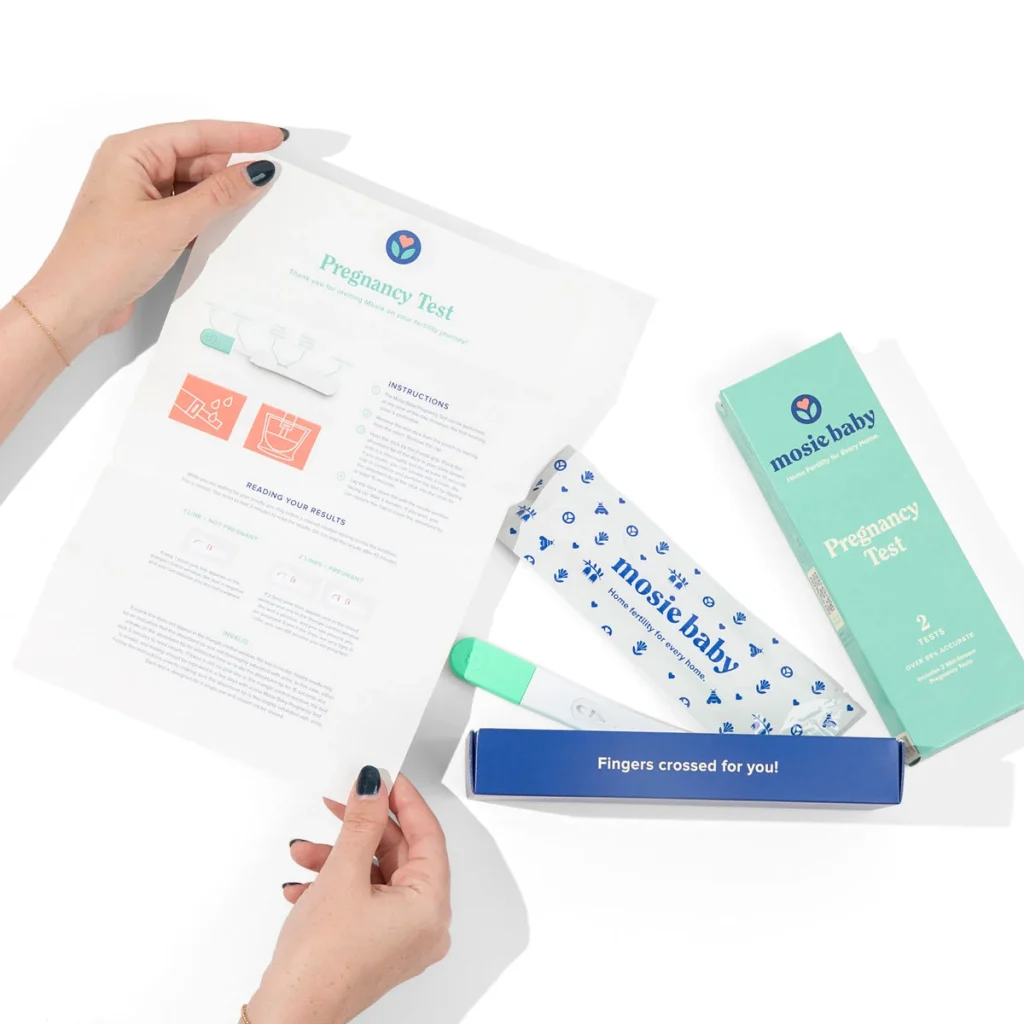
    Mosie Baby pregnancy test kit with two tests and packaging, featuring a mint green color scheme.

    Top 14 Industries with the Most In-Demand Jobs

    7. Energy
    The energy industry, which includes renewable energy and traditional sources such as oil and gas, is also a significant employer. With the increasing focus on sustainable energy sources, there is a growing demand for workers in fields such as solar and wind energy, as well as traditional energy sources.

    8. Retail
    The retail industry, which includes both brick-and-mortar stores and e-commerce, is a crucial part of the economy, and there is a high demand for workers in this sector. With the rise of online shopping, there is a growing need for workers in areas such as logistics, customer service, and marketing.

    9. Manufacturing
    The manufacturing industry, which covers a wide range of products and sectors, is also a significant employer. With the increasing complexity of manufacturing processes, there is a high demand for workers with technical skills in areas such as engineering, production, and quality control.

    10. Government
    The government sector is a stable source of employment, with a wide range of job opportunities in various fields, including administration, law enforcement, and public services. With the constant need for government services, there is a high demand for skilled workers in this industry.

    11. Transportation
    The transportation industry, which includes air, rail, and road transportation, is another essential sector that offers a high number of job opportunities. With the increasing movement of people and goods, there is a growing demand for workers in fields such as logistics, transportation management, and supply chain.

    12. Agriculture
    The agriculture industry, which includes farming, ranching, and food production, is crucial for feeding the growing population. With the increasing demand for food and sustainable farming practices, there is a high demand for workers in this sector, including farmers, agronomists, and food scientists.

    13. Real Estate
    The real estate industry, which includes buying, selling, and leasing properties, is also a significant employer. With the growing population and urbanization, there is a high demand for workers in fields such as real estate agents, property managers, and construction project managers.

    14. Arts and Entertainment
    The arts and entertainment industry, which includes film, television, music, and live performances, is another sector that consistently offers a high number of job opportunities. With the increasing demand for entertainment, there is a growing need for workers in areas such as production, marketing, and event management.

    In summary, these 14 industries offer the most in-demand jobs, with a range of opportunities for skilled workers. From healthcare and technology to agriculture and arts and entertainment, these industries play a crucial role in the global economy and provide a stable source of employment for individuals seeking promising career paths.

  • Tech Companies Leading the Charge in the Digital Revolution

    Blog Post: Tech Companies Leading the Charge in the Digital Revolution

    In today’s fast-paced and ever-evolving world, technology plays a crucial role in our daily lives. From smartphones to smart homes, we are surrounded by digital devices and innovations that have fundamentally changed the way we live, work, and communicate. This digital revolution has been driven by tech companies, who have been at the forefront of developing and harnessing new technologies to shape our future.

    Tech companies have been leading the charge in the digital revolution, driving innovation and transforming industries across the globe. From the early days of the internet to the current era of artificial intelligence and machine learning, these companies have been pioneers in creating and implementing cutting-edge technologies that have revolutionized the way we live and do business.

    One of the most significant ways tech companies have impacted our lives is through the internet. The internet has connected people from all over the world, making communication and information sharing easier and faster than ever before. Companies like Google, Amazon, and Facebook have played a crucial role in this transformation, providing us with search engines, e-commerce platforms, and social media networks that have become an integral part of our daily lives. These companies have not only made our lives more convenient but have also opened up new opportunities for businesses and individuals to connect and thrive in the digital age.

    Another area where tech companies have made a significant impact is in the field of e-commerce. Online shopping has become the go-to method of purchasing goods and services for many people, thanks to companies like Amazon, Alibaba, and eBay. These companies have created user-friendly platforms that allow customers to shop for a wide range of products from the comfort of their homes. They have also revolutionized the way businesses operate, providing them with new channels to reach customers and expand their market reach.

    Moreover, tech companies have also been at the forefront of developing and implementing technologies that have transformed various industries. For example, companies like Tesla, Uber, and Lyft have revolutionized the transportation industry with their innovative electric and autonomous vehicles. These companies have not only brought about significant changes in the transportation sector but have also sparked a global conversation about sustainable and eco-friendly solutions.

    Colorful promotional image for Mosie Baby, featuring home insemination kit and encouraging text.

    Tech Companies Leading the Charge in the Digital Revolution

    The healthcare industry is another sector that has been transformed by tech companies. With the rise of digital health solutions, people can now monitor their health and wellness through wearable devices and mobile apps. Companies like Apple, Fitbit, and Google have been pioneers in this field, providing people with tools to track their fitness, nutrition, sleep, and overall well-being. Additionally, advancements in telemedicine have allowed people to access healthcare services remotely, making it easier and more convenient for patients to receive medical care.

    Tech companies have also been instrumental in driving innovation in the education sector. With the rise of e-learning platforms, people can now access educational materials and courses from anywhere in the world. Companies like Coursera, Udemy, and Khan Academy have made quality education more accessible and affordable, breaking down barriers and empowering individuals to learn and upskill at their own pace.

    Furthermore, tech companies have been leading the charge in the development and implementation of artificial intelligence (AI) and machine learning. These technologies have the potential to transform various industries, from healthcare to finance to manufacturing. Companies like Google, IBM, and Microsoft have been investing heavily in AI, developing new applications and solutions that can automate tasks, streamline processes, and improve efficiency. With the continuous advancements in AI, we can expect even more significant changes in the coming years.

    In conclusion, tech companies have been the driving force behind the digital revolution, shaping our present and future in ways we could have never imagined. Their constant innovation and pursuit of new technologies have transformed industries, improved our lives, and opened up new possibilities. As we move further into the digital age, it is clear that tech companies will continue to lead the charge and push the boundaries of what is possible.

    Summary:

    Tech companies have been at the forefront of the digital revolution, driving innovation and transforming industries across the globe. From the early days of the internet to the current era of artificial intelligence, these companies have been pioneers in creating and implementing cutting-edge technologies that have revolutionized the way we live and do business. They have impacted our lives in various ways, from the internet and e-commerce to healthcare and education. With their constant innovation and pursuit of new technologies, it is clear that tech companies will continue to lead the charge and shape our future.

  • Tech Companies Disrupting the Status Quo

    Blog Post: Tech Companies Disrupting the Status Quo

    In today’s fast-paced and ever-evolving world, technology is constantly changing the way we live, work, and interact with one another. With the rise of tech companies and their innovative products and services, we have seen a major disruption in traditional industries and the status quo. These disruptors are challenging established norms and creating new opportunities for growth and progress. In this blog post, we will explore how tech companies are disrupting the status quo and reshaping the world as we know it.

    The Power of Disruptive Innovation

    Before diving into specific examples, it is important to understand the concept of disruptive innovation. Coined by Harvard Business School professor Clayton Christensen, disruptive innovation refers to the process of creating new products or services that disrupt and ultimately replace existing ones. This disruption often occurs within an established market or industry and can lead to significant changes in the way things are done.

    One of the key factors that make tech companies successful disruptors is their ability to identify unmet needs and gaps in the market. By leveraging technology and their expertise, these companies are able to come up with innovative solutions that challenge the status quo and create new opportunities for growth and development.

    Disrupting Traditional Industries

    One of the most notable examples of a tech company disrupting the status quo is Netflix. Founded in 1997 as a DVD-by-mail service, Netflix completely revolutionized the way we consume media. By offering a wide range of movies and TV shows on demand and at an affordable price, Netflix disrupted the traditional cable and DVD rental industries. As a result, many traditional companies in these industries were forced to adapt or face extinction.

    Another industry that has been significantly disrupted by tech companies is transportation. Companies like Uber and Lyft have transformed the way we think about getting from point A to point B. By leveraging technology and the sharing economy, these companies have created a more convenient and cost-effective alternative to traditional taxi services. This disruption has caused a major shift in the transportation industry, leading to a decrease in taxi usage and increasing demand for ride-sharing services.

    Disrupting the Way We Work

    Tech companies have also had a major impact on the way we work. With the rise of remote work and the gig economy, traditional 9-5 jobs are no longer the norm. Companies like Upwork and Fiverr have created platforms that connect freelancers with businesses in need of their services. This has opened up new opportunities for people to work from anywhere in the world and choose their own hours.

    In addition, companies like Slack and Zoom have revolutionized the way we communicate and collaborate in the workplace. These tools have made it easier for teams to work remotely and stay connected, breaking down geographical barriers and increasing efficiency.

    Mosie Baby Kit with a syringe and container, highlighting safety and usability features on a blue background.

    Tech Companies Disrupting the Status Quo

    Disrupting Education and Learning

    Education is another industry that has been disrupted by tech companies. With the rise of online learning platforms like Udemy and Coursera, people now have access to a wide range of courses and educational materials from the comfort of their own homes. This has challenged the traditional model of higher education and made learning more accessible and affordable for many.

    Tech companies have also introduced new ways of learning, such as gamification and virtual reality. These methods make learning more engaging and interactive, catering to the needs and preferences of today’s digital-savvy generations.

    The Role of Artificial Intelligence

    Artificial intelligence (AI) is another major disruptor in the tech industry. By leveraging machine learning and natural language processing, AI has the potential to automate and improve many processes, leading to increased efficiency and productivity. Companies like Google and Amazon are already using AI to personalize user experiences and make predictions based on user data.

    However, the rise of AI also raises concerns about job displacement and the potential for bias in algorithms. As tech companies continue to develop and integrate AI into their products and services, it is important to closely monitor its impact and ensure ethical practices are in place.

    The Future of Disruption

    It is clear that tech companies have been major disruptors in various industries and will continue to shape the future. With the rapid pace of technological advancements, we can only expect more disruption and innovation in the years to come. As consumers, we can embrace these changes and adapt to new ways of living and working. As businesses, we can learn from these disruptors and strive to innovate and stay ahead of the curve.

    In conclusion, tech companies are disrupting the status quo and reshaping the world as we know it. From traditional industries to the way we work and learn, these companies have challenged established norms and created new opportunities for growth and progress. As we continue to embrace technology and its advancements, it is important to remember the power and responsibility that come with disruption.

    Summary:

    Tech companies have been major disruptors in various industries, reshaping the world as we know it. With disruptive innovation as their key strategy, these companies have challenged established norms, identified unmet needs, and created new opportunities for growth. Examples of disruption can be seen in traditional industries such as media and transportation, as well as in the way we work and learn. The rise of artificial intelligence has also played a major role in disruption, but concerns about its impact and ethical practices remain. As technology continues to evolve, we can expect more disruption and innovation in the future.

  • The Power of Cervical Mucus in STI Prevention

    Blog Post:

    Sexually transmitted infections (STIs) are a major concern among sexually active individuals. According to the World Health Organization, there are over 1 million new STI cases every day, making it a global public health issue. While there are various methods of preventing STIs, one of the most overlooked and misunderstood methods is through monitoring and understanding cervical mucus.

    Cervical mucus, also known as cervical fluid, is a natural fluid produced by the cervix. Its main function is to keep the reproductive tract clean and healthy. However, it also plays a crucial role in fertility and STI prevention. In this blog post, we will explore the power of cervical mucus in STI prevention and how understanding it can help individuals protect themselves from infections.

    The Role of Cervical Mucus in STI Prevention

    Cervical mucus acts as a natural barrier against STIs. It creates a physical barrier that prevents bacteria, viruses, and other pathogens from entering the reproductive tract. Additionally, cervical mucus contains antibodies that can fight off infections and neutralize harmful pathogens. This makes it an essential part of the body’s immune system and a powerful defense against STIs.

    One of the most significant factors that affect the effectiveness of cervical mucus in STI prevention is its consistency and texture. Cervical mucus changes throughout the menstrual cycle, and these changes can affect its ability to prevent STIs. During the fertile phase of the menstrual cycle, cervical mucus becomes more elastic, thin, and stretchy, allowing sperm to pass through easily. However, during the non-fertile phase, the consistency of cervical mucus becomes thicker and less hospitable to sperm, making it more difficult for pathogens to pass through.

    The Role of Hormones in Cervical Mucus Production

    The production and consistency of cervical mucus are heavily influenced by hormones. Estrogen, which is responsible for ovulation, causes an increase in the production of cervical mucus. As ovulation approaches, estrogen levels rise, causing the cervix to produce more cervical mucus. This is known as fertile cervical mucus and is the most conducive to sperm and STIs.

    On the other hand, progesterone, which is responsible for maintaining a pregnancy, causes a decrease in the production of cervical mucus. This results in the thickening of cervical mucus, making it less hospitable to sperm and STIs. Understanding the role of hormones in cervical mucus production can help individuals track their fertility and determine the best time to engage in sexual activity to prevent both unwanted pregnancies and STIs.

    hand holding a pregnancy test with instructions on a colorful background

    The Power of Cervical Mucus in STI Prevention

    Using Cervical Mucus to Monitor Fertility and STI Risks

    Monitoring cervical mucus is an effective method of tracking fertility and determining the risk of STIs. By understanding the changes in cervical mucus throughout the menstrual cycle, individuals can identify their most fertile days and avoid engaging in sexual activity during this time to prevent unwanted pregnancies. Likewise, tracking the changes in cervical mucus can also help individuals identify the most vulnerable days to STIs and take necessary precautions to reduce the risk of infection.

    Additionally, monitoring cervical mucus can also help individuals identify any abnormalities in their reproductive health. Changes in the color, texture, or smell of cervical mucus can be indicative of an underlying infection or other health issues. This makes it an essential tool for early detection and prevention of STIs.

    The Importance of Communication and Education

    Despite the significant role of cervical mucus in STI prevention, it is often overlooked or misunderstood. Many individuals are not aware of its functions or how to use it to monitor their fertility and STI risks. This lack of knowledge and communication can have severe consequences, as it can lead to the spread of STIs and unwanted pregnancies.

    It is crucial for individuals to communicate openly and educate themselves and their partners about cervical mucus and its role in STI prevention. By promoting open and honest communication, individuals can develop a better understanding of their bodies and take necessary precautions to protect themselves and their partners.

    In conclusion, cervical mucus is a powerful tool in STI prevention. Its ability to create a physical barrier, produce antibodies, and change throughout the menstrual cycle makes it an essential part of the body’s defense against infections. By understanding the role of cervical mucus and using it to monitor fertility and STI risks, individuals can take control of their sexual health and protect themselves from STIs.

    Summary:

    Cervical mucus is a natural fluid produced by the cervix that plays a crucial role in fertility and STI prevention. It acts as a barrier against pathogens and contains antibodies to fight off infections. Changes in its consistency and texture throughout the menstrual cycle can affect its effectiveness in preventing STIs. Hormones also play a significant role in cervical mucus production, making it a useful tool for tracking fertility and STI risks. It is essential for individuals to communicate openly and educate themselves about cervical mucus and its functions in order to protect themselves and their partners from STIs.

  • Cervical Mucus and STIs: Breaking Down the Stigma

    Cervical mucus is a natural and normal bodily fluid produced by the cervix in females. It plays a crucial role in the female reproductive system, helping to keep the vagina clean and healthy and aiding in fertility. However, cervical mucus can also be a major indicator of sexually transmitted infections (STIs). Despite its importance, there is a significant stigma surrounding cervical mucus and STIs. In this blog post, we will discuss the function of cervical mucus, how it can indicate the presence of an STI, and how we can break down the stigma surrounding this topic.

    First, let’s understand the importance of cervical mucus. The cervix produces mucus throughout a woman’s menstrual cycle. It changes in consistency and texture depending on where a woman is in her cycle. During ovulation, when a woman is most fertile, cervical mucus becomes thin and stretchy, allowing sperm to swim through and reach the egg. This mucus also helps keep the reproductive tract clean and free from harmful bacteria.

    However, the presence of an STI can alter the appearance and consistency of cervical mucus. STIs like chlamydia, gonorrhea, and trichomoniasis can cause abnormal vaginal discharge, which may include changes in the color, smell, and texture of cervical mucus. This can be a warning sign of an STI and should not be ignored.

    Unfortunately, there is a lot of stigma surrounding STIs and cervical mucus. Many people view STIs as something shameful and embarrassing, leading to a lack of education and open discussion about these infections. This stigma can prevent people from seeking necessary medical care and cause them to feel isolated and ashamed.

    One way to break down the stigma surrounding STIs and cervical mucus is by educating ourselves and others. It’s essential to understand that STIs are common and can happen to anyone, regardless of their gender, sexual orientation, or social status. By educating ourselves, we can also learn how to prevent STIs and promote safe sexual practices.

    guide and materials for using Mosie Baby fertility kit on a textured surface

    Cervical Mucus and STIs: Breaking Down the Stigma

    Another way to break the stigma is to have open and honest conversations about STIs and cervical mucus. It’s crucial to create a safe and non-judgmental environment for people to discuss their sexual health. By talking openly about these topics, we can normalize them and reduce the shame and stigma associated with them.

    Furthermore, it’s essential to get tested regularly for STIs, especially if you are sexually active. Many STIs do not have obvious symptoms, and regular testing is the only way to know for sure if you have an infection. It’s also important to encourage our partners to get tested, as STIs can be easily passed between sexual partners.

    In addition to regular testing, it’s essential to practice safe sex by using condoms and other barrier methods. While condoms do not provide 100% protection against all STIs, they can significantly reduce the risk of transmission. It’s also crucial to have open and honest communication with sexual partners about STIs and to get tested before engaging in sexual activity with a new partner.

    Breaking down the stigma surrounding STIs and cervical mucus is crucial for the health and well-being of individuals and our society as a whole. By educating ourselves, having open conversations, and practicing safe sex, we can reduce the shame and stigma associated with these topics.

    In conclusion, cervical mucus is a vital bodily fluid that can indicate the presence of an STI. It’s essential to understand its function and changes in consistency, and to get tested regularly for STIs. By breaking down the stigma surrounding STIs and cervical mucus, we can promote open communication, education, and safe sexual practices, leading to a healthier and more informed society.

  • The Role of Education in Fertility: Mary and John’s Journey with Mosiebaby

    Blog Post:

    Mary and John had been married for five years and were ready to start a family. They were both excited about the prospect of having a baby, but after months of trying, they were faced with the harsh reality of infertility. As they navigated the emotional rollercoaster of failed attempts and medical interventions, they realized the critical role that education plays in fertility and family planning.

    Education has always been a crucial aspect of our lives. From a young age, we are taught the value of education and how it can shape our future. However, when it comes to fertility, education is often overlooked or undervalued. Mary and John were no strangers to this, as they had never received any formal education on fertility and family planning.

    Like many couples, Mary and John assumed that getting pregnant would be a simple and natural process. However, as they soon found out, it is not always the case. Infertility affects approximately 1 in 8 couples, and the causes can range from physical and hormonal issues to lifestyle and environmental factors. Without proper education on fertility, many couples, like Mary and John, are left in the dark about their options and how to navigate the journey of starting a family.

    Fortunately, Mary and John stumbled upon Mosiebaby, a fertility tool that they credit for helping them conceive their first child. Mosiebaby was created by a couple, Maureen and Marc, who also struggled with infertility and saw a need for a more accessible and affordable option for at-home insemination. But beyond providing a solution for couples trying to conceive, Mosiebaby also aims to educate and empower individuals to take control of their fertility journey.

    Mosiebaby offers a wealth of educational resources, from informative blog posts to webinars and expert interviews. Mary and John found these resources incredibly helpful as they learned more about their bodies and the various factors that can impact fertility. They also gained a better understanding of the different fertility treatments available, such as intrauterine insemination (IUI) and in vitro fertilization (IVF), and their success rates.

    various medical supplies and containers organized in a clear plastic box on a wooden surface

    The Role of Education in Fertility: Mary and John's Journey with Mosiebaby

    One of the most significant benefits of education in fertility is the ability to make informed decisions. Before discovering Mosiebaby, Mary and John had limited knowledge of their options and blindly followed their doctor’s recommendations. However, through education, they were able to take an active role in their fertility journey and make decisions that were best for them.

    Education also plays a crucial role in debunking common misconceptions and myths surrounding fertility. Mary and John had heard many conflicting pieces of advice from well-meaning friends and family, which only added to their confusion and frustration. However, through the educational resources provided by Mosiebaby, they were able to separate fact from fiction and make informed decisions based on reliable information.

    In addition to providing educational resources, Mosiebaby also offers a safe and supportive community for couples struggling with infertility. Mary and John found comfort in connecting with other couples who were going through similar experiences and sharing their journey with others. The community aspect of Mosiebaby also helped them feel less alone and provided a sense of hope and encouragement.

    Education also plays a vital role in preparing couples for pregnancy and parenthood. Mosiebaby’s resources on nutrition, exercise, and stress management helped Mary and John make positive lifestyle changes that not only improved their fertility but also prepared their bodies for pregnancy and parenthood. They also learned about the importance of tracking ovulation and timing intercourse, which significantly increased their chances of conception.

    After months of trying, Mary and John were thrilled to discover that they were pregnant with their first child. They credit Mosiebaby for not only helping them conceive but also empowering them with the knowledge and resources to take control of their fertility journey. As they prepare for the arrival of their bundle of joy, they continue to turn to Mosiebaby for ongoing support and education.

    In conclusion, Mary and John’s journey with Mosiebaby highlights the critical role of education in fertility and family planning. Without proper education, couples like them are left feeling lost and overwhelmed, with limited knowledge of their options. Mosiebaby not only provides a solution for couples struggling with infertility but also empowers them with education and support to make informed decisions and take control of their fertility journey. Education and fertility go hand in hand, and it is essential for individuals and couples to seek out reliable resources like Mosiebaby to educate themselves and increase their chances of starting a family.

    SEO metadata:

  • The Emotional and Mental Preparation for Mosiebaby: Tips from Jessica and Adam’s Experience

    Blog Post: The Emotional and Mental Preparation for Mosiebaby: Tips from Jessica and Adam’s Experience

    Bringing a new life into the world is a miraculous and life-changing experience. While it is filled with excitement and joy, it can also be overwhelming and stressful. For couples who are trying to conceive, the journey can be emotionally and mentally taxing. This is where Mosiebaby comes in – a revolutionary at-home insemination kit that aims to make the process of conceiving easier and less stressful. But in addition to using Mosiebaby, there are other important factors to consider when preparing emotionally and mentally for this journey. In this blog post, we will share some tips from Jessica and Adam’s experience to help you prepare for Mosiebaby and the journey of becoming parents.

    1. Open Communication and Support System

    Jessica and Adam, a couple who successfully conceived with the help of Mosiebaby, emphasize the importance of open communication and having a support system during this process. Trying to conceive can be a rollercoaster of emotions, and it is crucial for couples to communicate openly and honestly with each other. This includes discussing fears, doubts, and any concerns that may arise. Having a support system of friends and family who can offer emotional support and guidance can also make a significant difference.

    2. Let Go of Expectations

    It is natural for couples to have expectations when it comes to trying to conceive. However, Jessica and Adam advise letting go of these expectations and focusing on the journey itself. Every couple’s journey is unique, and there may be bumps along the way. Instead of fixating on the end result, try to enjoy the process and trust in your ability to overcome any challenges.

    Colorful promotional image for Mosie Baby, featuring home insemination kit and encouraging text.

    The Emotional and Mental Preparation for Mosiebaby: Tips from Jessica and Adam's Experience

    3. Prioritize Self-Care

    During this emotional and mental journey, it is essential to prioritize self-care. This includes taking care of your physical health by eating well and getting enough rest, as well as taking care of your mental health. Jessica and Adam found that practicing mindfulness and relaxation techniques helped them stay calm and focused during this process. Find what works best for you, whether it’s yoga, meditation, or journaling, and make time for it.

    4. Educate Yourself

    Knowledge is power, and it is crucial to educate yourself about the process of conceiving with Mosiebaby. Jessica and Adam recommend doing research and talking to your doctor to fully understand the steps involved and what to expect. This will not only help you feel more in control, but it will also prepare you for any potential challenges that may arise.

    5. Stay Positive

    Staying positive can be challenging, especially when faced with setbacks or difficulties. However, Jessica and Adam found that staying positive and believing in their journey made a significant difference. They advise surrounding yourself with positivity, whether it’s through positive affirmations, surrounding yourself with supportive people, or finding a community of others going through a similar experience.

    In summary, the journey of trying to conceive and preparing for Mosiebaby is a delicate and emotional process. It is essential to communicate openly and have a support system, let go of expectations, prioritize self-care, educate yourself, and stay positive. Remember that every journey is unique, and with patience, perseverance, and the help of Mosiebaby, you can overcome any challenges and bring a new life into the world.

  • The Power of Choice: Why Anna and Chris Chose At-Home Insemination

    The Power of Choice: Why Anna and Chris Chose At-Home Insemination

    In today’s society, we are constantly bombarded with the idea that we must follow a certain path to achieve happiness and fulfillment. From education and career choices to relationships and family planning, we are often made to feel that there is a “right” way to do things. However, for many individuals and couples, the traditional methods may not be the best fit for their unique circumstances. This was the case for Anna and Chris, a couple who chose to pursue at-home insemination on their journey to starting a family. In this blog post, we will explore the power of choice and why Anna and Chris made the decision to take this unconventional route.

    Breaking Away from Societal Expectations

    Anna and Chris had been together for five years before they decided to start a family. As a same-sex couple, they were already breaking away from societal norms and expectations. They had always known that they wanted children, but they also knew that the traditional route of adoption or using a sperm donor through a clinic was not the right fit for them. They felt that these options were too rigid and didn’t allow them to have full control over the process.

    The Power of Choice in Family Planning

    The power of choice is an important concept when it comes to family planning. Every person has the right to choose how they want to build their family, regardless of societal expectations or norms. For Anna and Chris, this meant choosing at-home insemination as their preferred method. This method allowed them to have more control over the process, and it also gave them the freedom to choose a donor that they felt comfortable with and who shared similar values and characteristics.

    The Benefits of At-Home Insemination

    There are many benefits to choosing at-home insemination. First and foremost, it allows couples to have more control over the entire process. Unlike traditional methods, where there are often strict guidelines and procedures, at-home insemination gives couples the freedom to choose when and how they want to conceive. This can reduce the stress and pressure that often comes with trying to conceive through other methods.

    Additionally, at-home insemination is a more affordable option for many couples. The cost of fertility treatments, adoption, or using a sperm donor through a clinic can be very expensive, making it inaccessible for many people. At-home insemination, on the other hand, can be done at a fraction of the cost, making it a more accessible option for those on a budget.

    pregnancy test kit with instructions, test device, and packaging on a white background

    The Power of Choice: Why Anna and Chris Chose At-Home Insemination

    Another benefit of at-home insemination is the comfort and privacy it provides. For Anna and Chris, this was a major factor in their decision. They didn’t feel comfortable going to a clinic or having a stranger involved in such an intimate process. At-home insemination allowed them to create a safe and comfortable environment for themselves, making the experience more personal and meaningful.

    The Challenges of At-Home Insemination

    While at-home insemination has many benefits, it also comes with its own set of challenges. One of the main challenges is the lack of medical supervision. Unlike other methods, at-home insemination does not involve the guidance and support of a medical professional. This means that couples must do their own research and educate themselves on the process to ensure they are doing it correctly and safely.

    Another challenge is the emotional toll it can take on a couple. Trying to conceive can be a stressful and emotional journey, and doing it at home can add to the pressure. It’s important for couples to have open and honest communication with each other and seek support from friends or professionals to navigate this process together.

    The Importance of Support and Education

    As with any big decision, having a support system and access to reliable information is crucial. For Anna and Chris, this meant reaching out to other couples who had chosen at-home insemination, joining support groups, and doing thorough research. They also consulted with a fertility specialist to ensure they were doing everything correctly and safely.

    The power of choice also means being informed and educated about different options. Anna and Chris took the time to learn about other methods and treatments before making their decision, and they encourage others to do the same. It’s important to understand the risks and potential complications of any method before moving forward.

    The Joy of Choice

    After several months of trying, Anna and Chris were overjoyed to find out that they were expecting a baby. For them, the power of choice had led them to the perfect path for their family planning journey. They were able to have more control, privacy, and affordability, and it ultimately brought them closer as a couple.

    In conclusion, the power of choice is a powerful tool that allows individuals and couples to break away from societal expectations and find their own path to happiness and fulfillment. Anna and Chris’ story is a testament to the importance of listening to your heart and choosing what feels right for you, regardless of what others may think. At-home insemination may not be the right choice for everyone, but it’s important to recognize that there are alternative methods available and that everyone has the right to choose what is best for them and their family.

  • Sarah and Jake’s Mosiebaby Tips for Navigating the Emotional Challenges of Infertility

    Blog Post: Sarah and Jake’s Mosiebaby Tips for Navigating the Emotional Challenges of Infertility

    Infertility is a deeply personal and often emotional journey that affects millions of couples worldwide. It can be a rollercoaster of hope, disappointment, and frustration as couples navigate the physical, emotional, and financial challenges of trying to conceive. Sarah and Jake, the founders of Mosiebaby, understand this journey all too well. After struggling with their own infertility, they created a revolutionary at-home insemination kit to help other couples on their path to parenthood. Along the way, they’ve learned valuable tips for managing the emotional challenges that come with infertility. In this blog post, we will explore Sarah and Jake’s Mosiebaby tips for navigating the emotional challenges of infertility.

    1. Accept Your Emotions
    The first and most important tip from Sarah and Jake is to accept your emotions. Infertility can bring up a range of feelings, from sadness and anger to guilt and jealousy. It’s essential to acknowledge and accept these emotions rather than trying to suppress them. Sarah and Jake suggest finding a safe space to express your emotions, whether it’s through journaling, talking to a therapist, or confiding in a supportive friend or partner. By accepting and processing your emotions, you can begin to heal and move forward.

    2. Communicate Openly
    Another crucial tip is to communicate openly with your partner. Infertility can strain even the strongest relationships, so it’s essential to be honest and open about your feelings and needs. Sarah and Jake recommend setting aside time for regular check-ins to discuss how you’re both feeling and what you need from each other. They also suggest being patient and understanding with each other as you navigate this challenging journey together.

    3. Seek Support
    Infertility can be a lonely and isolating experience, but you don’t have to go through it alone. Sarah and Jake emphasize the importance of seeking support from others who understand what you’re going through. This could be through joining a support group, connecting with others on online forums, or attending therapy. It’s vital to have a safe and understanding space to share your thoughts and feelings with others who can relate.

    two teal and clear syringes positioned on a white background

    Sarah and Jake's Mosiebaby Tips for Navigating the Emotional Challenges of Infertility

    4. Take Care of Yourself
    Coping with infertility can be physically and emotionally draining, so it’s crucial to prioritize self-care. Sarah and Jake suggest finding ways to relax and de-stress, whether it’s through meditation, yoga, or engaging in a hobby you enjoy. They also recommend taking care of your physical health by eating well, exercising, and getting enough rest. Taking care of yourself can help you feel more in control and better equipped to handle the emotional challenges of infertility.

    5. Set Boundaries
    Infertility can be all-encompassing, and it’s essential to set boundaries to protect your emotional well-being. Sarah and Jake advise setting limits on conversations about fertility and pregnancy with friends and family, as well as on social media. It’s also crucial to set boundaries for yourself and your partner, such as taking breaks from fertility treatments if needed. By setting boundaries, you can create a sense of balance and control in your life.

    6. Educate Yourself
    Understanding the science and process of fertility can help you feel more in control and less overwhelmed. Sarah and Jake recommend educating yourself about the various fertility treatments and options available to you. This can help you make informed decisions and feel more empowered throughout your journey. They also suggest seeking out reputable sources for information, such as fertility clinics or organizations like Resolve: The National Infertility Association.

    7. Focus on the Present
    It’s natural to feel anxious and worried about the future when dealing with infertility. However, Sarah and Jake stress the importance of focusing on the present moment. By staying present, you can enjoy the little things in life and find joy in the journey, rather than just the end goal. They also suggest practicing gratitude and finding things to be thankful for each day.

    8. Be Kind to Yourself
    Finally, Sarah and Jake’s most important tip is to be kind to yourself. Infertility can bring up feelings of shame and self-blame, but it’s essential to remember that it’s not your fault. Be gentle with yourself and practice self-compassion. You’re doing the best you can in a challenging situation, and that’s enough.

    In conclusion, Sarah and Jake’s Mosiebaby tips for navigating the emotional challenges of infertility revolve around accepting your emotions, communicating openly, seeking support, taking care of yourself, setting boundaries, educating yourself, focusing on the present, and being kind to yourself. Infertility is a difficult journey, but with the right support and coping mechanisms, you can navigate the emotional challenges and come out stronger on the other side.