Tag: health

  • DIY Tools for Enhancing Fertility and Preparing for a Healthy Pregnancy

    DIY Tools for Enhancing Fertility and Preparing for a Healthy Pregnancy: A Comprehensive Guide

    Becoming pregnant and starting a family is a dream for many people. However, for some, conceiving a child may not come as easily as they had hoped. Infertility affects approximately 12% of couples worldwide, and the numbers are only increasing. While there are various medical treatments available for infertility, many people are turning to DIY tools to enhance their fertility and prepare their bodies for a healthy pregnancy.

    From lifestyle changes to natural remedies, there are several DIY tools that can help boost fertility and increase the chances of a successful pregnancy. In this blog post, we will delve into the top DIY tools for enhancing fertility and preparing for a healthy pregnancy.

    1. Diet and Nutrition

    The food we eat plays a crucial role in our overall health, including fertility. A healthy and balanced diet is essential for both men and women who are trying to conceive. For women, maintaining a healthy weight is crucial as being underweight or overweight can affect ovulation and hormone levels. Including fertility-boosting foods such as leafy greens, whole grains, and healthy fats like avocado and olive oil can also help improve fertility.

    In addition to a healthy diet, certain supplements can also help boost fertility. Folic acid, iron, and vitamin D are especially important for women trying to conceive. For men, zinc and selenium have been linked to improved sperm quality. However, it is important to consult with a healthcare professional before taking any supplements, as some may interfere with prescription medications.

    2. Exercise

    Regular physical activity can also play a significant role in enhancing fertility. Exercise can help regulate hormones, improve blood flow to the reproductive organs, and reduce stress levels, all of which can contribute to a healthy pregnancy. However, it is essential to find a balance as excessive exercise can hinder ovulation in women and lower sperm count in men. It is recommended to aim for 30 minutes of moderate exercise, such as brisk walking or swimming, four to five times a week.

    3. Stress Management

    Stress is a significant factor that can affect fertility. High levels of stress can disrupt hormone levels and interfere with ovulation and sperm production. Therefore, it is crucial to find effective ways to manage stress, especially when trying to conceive. Some useful DIY tools for stress management include meditation, yoga, deep breathing exercises, and mindfulness techniques. Talking to a therapist or joining a support group can also help alleviate stress and provide emotional support during the fertility journey.

    Mosie Baby kit with two jars, a syringe, and a supportive message card inside a colorful box.

    DIY Tools for Enhancing Fertility and Preparing for a Healthy Pregnancy

    4. Acupuncture

    Acupuncture is an ancient Chinese medicine practice that involves inserting thin needles into specific points on the body. It has been used to treat various health conditions, including infertility. Studies have shown that acupuncture can help regulate hormones, improve blood flow to the reproductive organs, and reduce stress and anxiety levels, all of which can increase the chances of conceiving. Many fertility clinics now offer acupuncture as an adjunct therapy to traditional treatments.

    5. Herbal Remedies

    Herbal remedies have been used for centuries to enhance fertility and treat various reproductive issues. Some popular herbs for fertility include chasteberry, maca root, and red raspberry leaf. These herbs can help regulate hormones, improve egg quality, and increase sperm count and motility. However, it is essential to consult with a healthcare professional before using any herbal remedies, as they may interact with other medications or have side effects.

    6. Tracking Ovulation

    Knowing when ovulation occurs is crucial when trying to conceive. There are various DIY tools available to track ovulation, such as ovulation predictor kits, basal body temperature charting, and cervical mucus monitoring. These methods can help pinpoint the most fertile days in a woman’s cycle, increasing the chances of conception.

    7. Environmental Changes

    Our environment can also have a significant impact on fertility. Exposure to toxins and chemicals, such as BPA and phthalates, can affect hormone levels and reproductive health. Making simple changes like switching to natural cleaning products, avoiding plastic containers, and using natural or organic personal care products can help reduce exposure to these harmful chemicals.

    Summary:

    For couples struggling with infertility, there are various DIY tools available to enhance fertility and increase the chances of a healthy pregnancy. These tools include diet and nutrition, exercise, stress management techniques, acupuncture, herbal remedies, tracking ovulation, and making environmental changes. It is essential to consult with a healthcare professional before using any of these tools and to find a balance that works for each individual’s unique needs.

  • DIY Fertility Boosting: 23 Essential Tools for a Healthier and More Fertile You

    Summary:

    Infertility affects millions of couples around the world. While there are various medical treatments available, many couples are turning to natural and DIY methods to boost their fertility. In this blog post, we will discuss 23 essential tools that can help you on your journey to a healthier and more fertile you. These tools include lifestyle changes, dietary modifications, supplements, and alternative therapies.

    1. Exercise: Regular physical activity can help improve overall health and fertility. It can also reduce stress levels and maintain a healthy weight, which are crucial factors in boosting fertility.

    2. Yoga: Practicing yoga can improve blood flow to the reproductive organs, reduce stress, and balance hormones, all of which can enhance fertility.

    3. Meditation: Stress is a major factor in infertility. Meditation can help calm the mind and reduce stress levels, which in turn can improve fertility.

    4. Acupuncture: This ancient Chinese therapy involves inserting thin needles into specific points in the body to improve blood flow and balance the body’s energy. It has been shown to increase fertility and assist with conception.

    5. Chiropractic Care: Misalignment in the spine can affect the nervous system and disrupt the body’s natural functions. Chiropractic adjustments can help align the spine and promote overall health, including fertility.

    6. Massage: Regular massages can help improve blood flow, reduce stress, and promote relaxation, which can all contribute to a healthier reproductive system.

    7. Fertility Diet: A nutrient-dense diet rich in fruits, vegetables, whole grains, and healthy fats can help improve fertility. It can also help maintain a healthy weight and balance hormones.

    8. Supplements: Certain supplements such as folic acid, Coenzyme Q10, and Omega-3 fatty acids can help improve fertility and increase chances of conception.

    9. Herbal Remedies: Herbs like maca, vitex, and red raspberry leaf have been used for centuries to boost fertility and regulate hormones.

    10. Essential Oils: Certain essential oils like lavender, rose, and geranium have been found to have hormone-balancing properties and can be beneficial for fertility.

    11. Detox: Eliminating toxins from the body through a detox can help improve overall health and fertility. It can also help balance hormones and regulate menstrual cycles.

    Mosie Baby pregnancy test kit with two tests and packaging, featuring a mint green color scheme.

    DIY Fertility Boosting: 23 Essential Tools for a Healthier and More Fertile You

    12. Stress Management: Chronic stress can disrupt hormone levels and affect fertility. Managing stress through relaxation techniques, therapy, or support groups can help improve fertility.

    13. Sleep: Getting enough quality sleep is crucial for maintaining overall health and fertility. Aim for 7-9 hours of sleep each night to help regulate hormones and improve fertility.

    14. Avoid Harmful Chemicals: Exposure to certain chemicals like BPA, phthalates, and pesticides can disrupt hormone levels and decrease fertility. Choose natural and organic products whenever possible.

    15. Limit Alcohol and Caffeine Intake: Excessive alcohol and caffeine consumption can negatively impact fertility. Limiting or avoiding these substances can improve overall health and fertility.

    16. Quit Smoking: Smoking can significantly decrease fertility in both men and women. Quitting smoking can improve overall health and increase fertility.

    17. Maintain a Healthy Weight: Being underweight or overweight can affect hormone levels and fertility. Maintaining a healthy weight can improve chances of conception.

    18. Track Your Menstrual Cycle: Knowing when you ovulate can help you time intercourse for your most fertile days. Tracking your menstrual cycle can also help identify any irregularities that may affect fertility.

    19. Use Ovulation Predictor Kits: These kits can help predict when ovulation will occur, making it easier to time intercourse for conception. They can also help identify any hormonal imbalances that may be affecting fertility.

    20. Fertility Apps: There are various fertility tracking apps available that can help track your menstrual cycle, ovulation, and fertility window. They can also provide valuable insights and tips for improving fertility.

    21. Conceive Naturally: This method involves tracking basal body temperature, cervical mucus, and other fertility signs to determine the most fertile days for conception.

    22. Alternative Therapies: Alternative therapies like reflexology, ayurveda, and homeopathy have been used to improve fertility and regulate hormones.

    23. Seek Professional Help: If you have been trying to conceive for a year with no success, it’s important to seek professional help. A fertility specialist can help identify any underlying issues and provide you with personalized treatment options.

    In summary, there are various DIY tools and methods available to help boost fertility and increase chances of conception. From lifestyle changes to alternative therapies and tracking methods, these essential tools can help you on your journey to a healthier and more fertile you.

  • DIY Fertility Boosting: 23 Tools for a Stronger and More Fertile Body

    Summary:

    Fertility is a topic that affects many individuals and couples, and for those struggling to conceive, it can be a frustrating and emotional journey. While there are medical treatments available, there are also many DIY fertility boosting tools that can help improve your chances of conceiving naturally. In this blog post, we will discuss 23 tools that can help strengthen and support your body for optimal fertility.

    1. Balanced Diet: A healthy and balanced diet is essential for overall health and fertility. Aim to include a variety of fruits, vegetables, whole grains, lean proteins, and healthy fats in your diet.

    2. Fertility-Supporting Foods: Certain foods are known for their fertility-boosting properties. These include avocados, leafy greens, berries, nuts, and seeds.

    3. Herbal Teas: Herbal teas can be beneficial for fertility, as they contain antioxidants and other nutrients that support reproductive health. Some good options include red raspberry leaf, nettle, and ginger tea.

    4. Vitamin D: Vitamin D is essential for hormone balance and reproductive health. Spending time in the sun or taking a vitamin D supplement can help boost your levels.

    5. Exercise: Regular physical activity can help improve fertility by reducing stress and maintaining a healthy weight. Aim for at least 30 minutes of moderate exercise each day.

    6. Yoga: Yoga is a great way to reduce stress and improve flexibility, both of which can benefit fertility. Certain poses, such as the butterfly pose and the seated forward fold, are particularly helpful for reproductive health.

    7. Acupuncture: This traditional Chinese medicine practice has been shown to improve fertility by reducing stress, balancing hormones, and increasing blood flow to the reproductive organs.

    8. Massage: Fertility massage techniques can help improve blood flow to the reproductive organs and reduce muscle tension, promoting a healthy uterus and ovaries.

    9. Chiropractic Care: Chiropractic adjustments can help optimize the function of the nervous system and improve blood flow to the reproductive organs, supporting fertility.

    10. Meditation: Stress can have a negative impact on fertility, and meditation is a great way to reduce stress and promote relaxation.

    11. Essential Oils: Some essential oils, such as lavender and clary sage, have been shown to support reproductive health and balance hormones. Use them in a diffuser, or dilute with a carrier oil and apply topically.

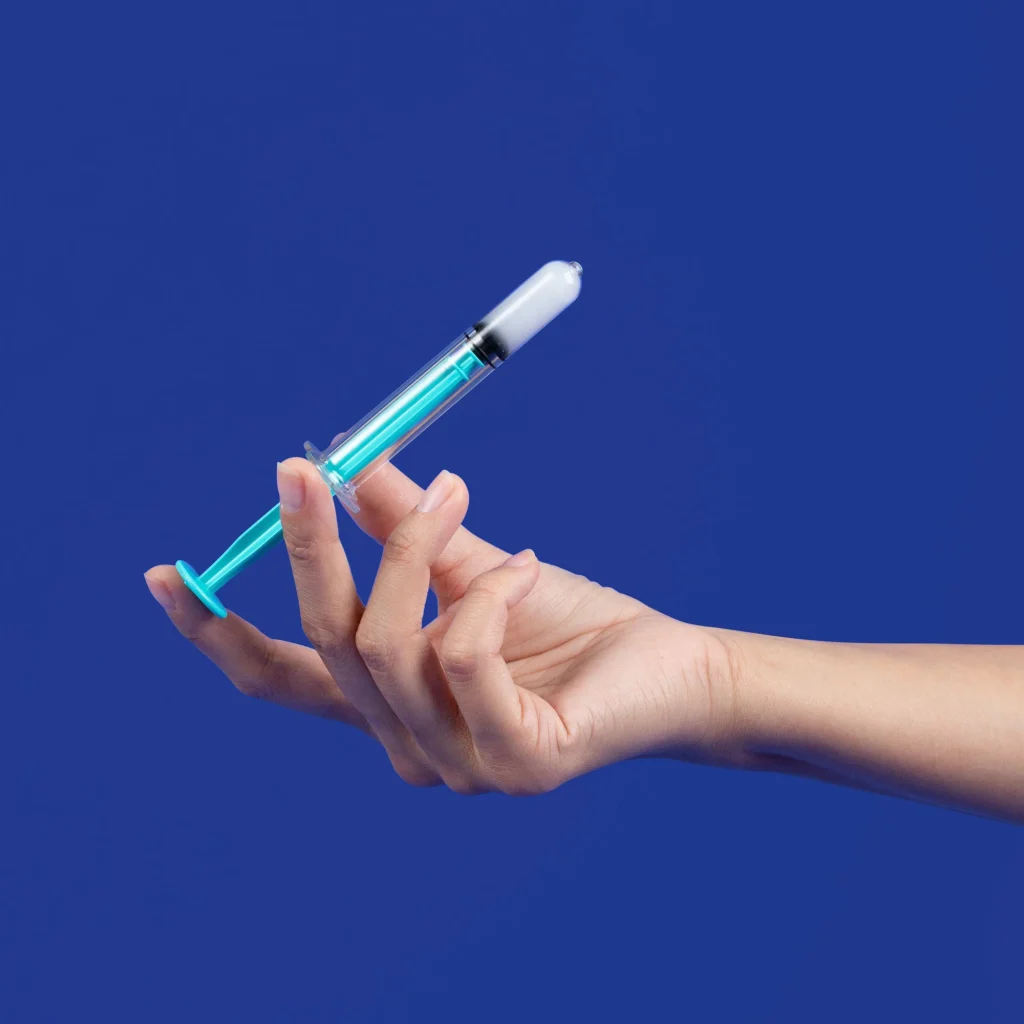
    hand holding a syringe with a blue plunger against a solid blue background

    DIY Fertility Boosting: 23 Tools for a Stronger and More Fertile Body

    12. Castor Oil Packs: Castor oil packs can help improve circulation to the reproductive organs and support detoxification, promoting a healthy uterus and ovaries.

    13. Fertility Supplements: There are many supplements that can support fertility, including CoQ10, omega-3 fatty acids, and vitamin E. Consult with your doctor before adding any supplements to your routine.

    14. Stress Management: Stress can have a significant impact on fertility, so finding ways to manage it is crucial. Some options include yoga, meditation, journaling, and therapy.

    15. Sleep: Getting enough quality sleep is essential for overall health and fertility. Aim for 7-9 hours of sleep each night, and establish a bedtime routine to help you relax and wind down.

    16. Avoid Toxins: Exposure to toxins and chemicals can have a negative impact on fertility. Try to avoid products with harmful ingredients, and opt for natural cleaning and personal care products.

    17. Limit Caffeine: While moderate caffeine consumption is generally fine, too much can interfere with fertility. Aim to limit your caffeine intake to no more than 200 mg per day.

    18. Quit Smoking: Smoking can have a detrimental effect on fertility, so if you are a smoker, it is essential to quit. Seek support from a healthcare professional if needed.

    19. Limit Alcohol: Excessive alcohol consumption has been linked to decreased fertility in both men and women. If you choose to drink, do so in moderation.

    20. Check for Food Sensitivities: Undiagnosed food sensitivities can lead to inflammation in the body, which can affect fertility. Consider getting tested for food sensitivities or try an elimination diet to see if any foods are causing issues.

    21. Maintain a Healthy Weight: Being underweight or overweight can both have a negative impact on fertility. Aim for a healthy weight through a balanced diet and regular exercise.

    22. Track Your Menstrual Cycle: Tracking your menstrual cycle can help you understand your body better and identify the most fertile days for conception.

    23. Seek Support: Fertility struggles can be emotionally draining, so it is essential to seek support from loved ones, a therapist, or a support group.

    In conclusion, while fertility can be a complex issue, there are many DIY tools and techniques that can help boost your chances of conceiving naturally. It is essential to take a holistic approach to fertility, focusing on both physical and emotional well-being. By incorporating these tools into your routine, you can support your body for optimal fertility and increase your chances of conceiving.

  • The Fertility Support Starter Pack: A Step-by-Step Guide to Conception

    Summary:

    Conceiving a child is a deeply personal and emotional journey that can be filled with uncertainty and challenges. For those struggling with fertility issues, the process can be even more daunting. That’s why we’ve created the Fertility Support Starter Pack – a step-by-step guide to help you on your path to conception. This comprehensive guide covers everything from understanding your body’s cycle to optimizing your health and addressing potential fertility issues. With the Fertility Support Starter Pack, you’ll have the tools and resources you need to increase your chances of conceiving and start your journey to parenthood.

    Introduction:

    Deciding to start a family is a major milestone in life. For many, it is a natural and effortless process, but for others, it can be a long and difficult journey. The truth is, conception is not always easy, and many couples face challenges when trying to conceive. This can be a stressful and emotional time, but with the right support and resources, it can also be a rewarding and fulfilling experience.

    That’s where the Fertility Support Starter Pack comes in. This guide is designed to provide you with a comprehensive and practical approach to increasing your chances of conceiving. Whether you are just starting to think about starting a family or have been trying for some time, this guide is for you.

    Understanding Your Body’s Cycle:

    The first step to increasing your chances of conception is to understand your body’s cycle. This involves tracking your menstrual cycle and identifying your most fertile days. The Fertility Support Starter Pack includes a detailed guide on how to track your cycle and determine your most fertile days. It also provides helpful tips on how to optimize your chances of conceiving during this time.

    Optimizing Your Health:

    A healthy body is essential for conception. The Fertility Support Starter Pack provides a comprehensive guide on how to optimize your health for conception. This includes tips on nutrition, exercise, and lifestyle changes that can increase your fertility. A healthy body not only improves your chances of conception but also sets the foundation for a healthy pregnancy and baby.

    Mosie Baby Kit features a syringe and container, highlighting safety and usability tests on a blue background.

    The Fertility Support Starter Pack: A Step-by-Step Guide to Conception

    Addressing Potential Fertility Issues:

    For some couples, fertility issues may be a barrier to conception. The Fertility Support Starter Pack addresses some of the most common fertility issues and provides guidance on how to address them. From hormonal imbalances to underlying health conditions, this guide offers practical solutions and resources to help overcome these challenges.

    Mental and Emotional Support:

    The journey to conception can be emotionally and mentally taxing. It is important to prioritize self-care and seek support during this time. The Fertility Support Starter Pack includes tips on how to manage stress and anxiety, as well as resources for finding support from friends, family, or a professional therapist.

    Alternative Approaches:

    In addition to conventional methods, the Fertility Support Starter Pack also covers alternative approaches to conception. This includes natural remedies, supplements, and acupuncture, which have been found to improve fertility in some cases. It is important to consult with your doctor before trying any alternative methods.

    Conclusion:

    The journey to conception can be a challenging one, but with the right tools and resources, it is possible to increase your chances of conceiving. The Fertility Support Starter Pack is a comprehensive guide that covers all aspects of fertility and provides practical solutions and resources to help you on your path to parenthood. With this guide, you’ll feel empowered and supported as you embark on this journey.

    In conclusion, the Fertility Support Starter Pack is a valuable resource for anyone trying to conceive. It covers everything from understanding your body’s cycle to addressing potential fertility issues and provides practical tips and resources for optimizing your chances of conception. With the support and guidance of this comprehensive guide, you can increase your chances of conceiving and start your journey to parenthood.

  • Nurturing Your Body for DIY Fertility Solutions

    Nurturing Your Body for DIY Fertility Solutions: A Comprehensive Guide to Improving Your Chances of Conceiving

    Struggling with infertility can be a difficult and emotional experience for individuals and couples who are trying to start a family. While there are various medical treatments available for those seeking fertility assistance, some may choose to explore natural or DIY methods first. In this blog post, we will discuss the importance of nurturing your body for DIY fertility solutions and provide practical tips for improving your chances of conceiving.

    Understanding Your Body and Fertility

    Before diving into DIY fertility solutions, it’s essential to have a basic understanding of how your body and fertility work. Fertility is the ability to conceive and carry a baby to full term. It is influenced by various factors, including age, overall health, and lifestyle choices. Women are born with a finite number of eggs, and as they age, the quantity and quality of their eggs decrease. Men also experience a decline in fertility as they age, but it is not as drastic as women’s.

    Factors Affecting Fertility

    Several factors can impact fertility, including:

    – Age: As mentioned earlier, age plays a significant role in fertility. Women are most fertile between the ages of 20-35, and their fertility begins to decline after the age of 35.
    – Weight: Being underweight or overweight can affect hormone levels and ovulation, making it harder to conceive.
    – Diet and exercise: A balanced diet and regular exercise can help maintain a healthy weight and improve overall health, which can positively impact fertility.
    – Smoking, alcohol, and drugs: These substances can decrease fertility in both men and women and increase the risk of miscarriage.
    – Stress: Chronic stress can impact hormone levels and interfere with ovulation.
    – Medical conditions: Certain medical conditions such as polycystic ovary syndrome (PCOS) and endometriosis can affect fertility.
    – Environmental factors: Exposure to toxins, radiation, and chemicals can interfere with fertility.

    Tips for Nurturing Your Body for DIY Fertility Solutions

    1. Focus on a Healthy Diet

    Maintaining a healthy and balanced diet is crucial for overall health and fertility. Eating a variety of nutrient-dense foods can help regulate hormones, improve egg quality, and increase sperm count. Some fertility-boosting foods include leafy greens, whole grains, healthy fats, and lean proteins. On the other hand, it would be best to limit or avoid processed foods, sugary foods, and trans fats, as they can negatively affect fertility.

    2. Stay Active

    Regular exercise is not only beneficial for maintaining a healthy weight but can also improve fertility. Moderate exercise, such as brisk walking, swimming, or yoga, can help regulate hormones and reduce stress levels. However, over-exercising can have the opposite effect, so it’s essential to find a balance and avoid intense workouts.

    logo featuring a pink heart above two teal leaves on a blue circular background

    Nurturing Your Body for DIY Fertility Solutions

    3. Manage Stress

    Chronic stress can have a significant impact on fertility, so it’s crucial to find healthy ways to manage stress. Some effective stress-management techniques include meditation, yoga, journaling, and talking to a therapist. It’s also essential to prioritize self-care and make time for activities that bring joy and relaxation.

    4. Quit Smoking, Alcohol, and Drugs

    Smoking, alcohol, and drug use can harm fertility in both men and women. Quitting these habits can improve overall health and increase the chances of conceiving. If you need help quitting, don’t be afraid to reach out to a support group or seek professional help.

    5. Consider Supplements

    Certain supplements, such as folic acid, vitamin D, and CoQ10, can support fertility and improve the chances of conception. It’s best to consult with a healthcare provider before starting any supplements to ensure they are safe and appropriate for you.

    6. Track Your Menstrual Cycle

    Understanding your menstrual cycle can help you identify your fertile window and increase the chances of conception. There are various methods for tracking your cycle, including using an ovulation predictor kit, tracking basal body temperature, and monitoring cervical mucus changes.

    7. Explore Alternative Therapies

    Some alternative therapies, such as acupuncture, may help with fertility by reducing stress, regulating hormones, and improving blood flow to the reproductive organs. However, it’s essential to consult with a licensed practitioner and ensure that these therapies are safe for you.

    Conclusion

    Nurturing your body is crucial for improving your chances of conceiving, whether you are trying DIY fertility solutions or seeking medical assistance. By making healthy lifestyle choices, managing stress, and understanding your body and menstrual cycle, you can increase your chances of conception. However, if you are struggling with infertility, it’s essential to seek professional help and not hesitate to explore medical treatments.

    In summary, nurturing your body for DIY fertility solutions involves making healthy lifestyle choices, managing stress, and understanding your body and menstrual cycle. By focusing on a healthy diet, staying active, managing stress, and quitting harmful habits, you can increase your chances of conceiving. Additionally, exploring alternative therapies and tracking your menstrual cycle can also support fertility. Remember to consult with a healthcare provider before making any significant changes to your lifestyle or starting any supplements or alternative therapies.

  • Things to Consider Before Using the On Your Own Terms Kit for Insemination

    Blog Post: Things to Consider Before Using the On Your Own Terms Kit for Insemination

    In recent years, there has been a rise in the number of people choosing to use at-home insemination kits, such as the On Your Own Terms Kit, to start or expand their families. These kits offer a more convenient and cost-effective option for those who are looking to conceive. However, before making the decision to use an at-home insemination kit, there are several important factors to consider. In this blog post, we will discuss the things you should think about before using the On Your Own Terms Kit for insemination.

    1. Understand the Process

    The first thing to consider before using the On Your Own Terms Kit is to educate yourself on the insemination process. This includes understanding the basics of how insemination works, the timing and frequency of insemination, and the potential risks and side effects. It is crucial to fully understand the process to ensure that you are comfortable and confident in proceeding with the kit.

    2. Know the Success Rates

    While the On Your Own Terms Kit claims to have a high success rate, it is important to keep in mind that there are many factors that can affect the success of insemination. These include age, overall health, and fertility issues. It is essential to have realistic expectations and to know that there is no guarantee of success, even with a highly effective kit.

    3. Consider Your Health and Fertility

    Before using the On Your Own Terms Kit, it is crucial to assess your overall health and fertility. If you have any underlying health conditions or fertility issues, it is best to consult with a medical professional before proceeding with at-home insemination. Additionally, it is recommended to undergo fertility testing to determine your chances of success with the kit.

    Hands holding a syringe and a small container against a blue background.

    Things to Consider Before Using the On Your Own Terms Kit for Insemination

    4. Take Precautions for Health and Safety

    Using an at-home insemination kit may seem like a simple and safe process, but it is still important to take precautions for your health and safety. This includes thoroughly cleaning and sanitizing all materials, following proper hygiene practices, and using sterile equipment. It is also essential to have a backup plan in case of any complications or emergencies.

    5. Discuss with Your Partner

    If you are using the On Your Own Terms Kit with a partner, it is crucial to have open and honest communication about your decision. Discuss the process, success rates, and potential risks together. It is also important to consider the emotional and psychological impact of using an at-home insemination kit, and to ensure that both partners are on the same page before proceeding.

    6. Be Prepared for the Emotional Rollercoaster

    Trying to conceive can be an emotional journey, and using an at-home insemination kit may bring up a range of emotions. It is essential to be prepared for the potential disappointment and frustration that may come with unsuccessful attempts. It is also important to have a support system in place and to seek professional help if needed.

    7. Consider Financial Costs

    While using an at-home insemination kit may seem like a more affordable option compared to medical procedures, it is still essential to consider the financial costs. The On Your Own Terms Kit may require multiple attempts, and each kit comes at a cost. It is important to create a budget and to plan accordingly to avoid any financial strain.

    In summary, using the On Your Own Terms Kit for insemination can be a convenient and cost-effective option for those looking to start or expand their families. However, it is crucial to educate yourself on the process, understand the success rates, assess your health and fertility, take precautions for safety, discuss with your partner, prepare for the emotional rollercoaster, and consider the financial costs before making the decision to use the kit. By considering these factors, you can make an informed decision and increase your chances of a successful outcome.

  • At-Home Conception 101: Understanding the Process

    At-Home Conception 101: Understanding the Process

    Conceiving a child is a natural and exciting part of life for many couples. However, for some, the process may not come as easily as expected. In such cases, couples may turn to assisted reproductive technologies or fertility treatments. But before jumping into these options, it is essential to understand the basics of at-home conception.

    In this blog post, we will dive into the process of at-home conception, including the steps involved, factors that can affect fertility, and tips for increasing the chances of conception.

    Step 1: Understanding the Menstrual Cycle

    The menstrual cycle is a crucial factor in at-home conception. It is the monthly process that prepares a woman’s body for pregnancy. The cycle begins on the first day of a woman’s period and lasts until the first day of her next period. On average, a woman’s menstrual cycle is 28 days, but it can vary between 21 to 35 days.

    During the menstrual cycle, the body goes through several changes, including the release of an egg from the ovaries, thickening of the uterine lining, and a rise in hormones. These changes are essential for successful conception.

    Step 2: Tracking Ovulation

    Ovulation is the process of an egg being released from the ovaries, making it available for fertilization. It usually occurs in the middle of the menstrual cycle, around day 14 for women with a 28-day cycle. However, it can vary from woman to woman.

    Tracking ovulation is crucial for at-home conception, as it helps determine the most fertile days for a woman. Some methods for tracking ovulation include using ovulation predictor kits, tracking basal body temperature, or monitoring changes in cervical mucus.

    Step 3: Timing Intercourse

    pregnancy test kit features labeled for comfort and confidence on a teal background

    At-Home Conception 101: Understanding the Process

    The key to at-home conception is timing intercourse around the ovulation period. The most fertile days for a woman are the two days leading up to ovulation and the day of ovulation itself. Sperm can survive in a woman’s body for up to five days, so having intercourse before ovulation increases the chances of conception.

    Step 4: Understanding Fertility Factors

    Several factors can affect fertility and make it challenging to conceive at home. These include age, health conditions, lifestyle habits, and environmental factors.

    Age plays a significant role in fertility, as a woman’s egg quantity and quality decline with age. Health conditions such as polycystic ovary syndrome (PCOS), endometriosis, and thyroid disorders can also affect fertility. Lifestyle habits like smoking, excessive alcohol consumption, and being overweight can also reduce the chances of conception.

    Environmental factors such as exposure to toxins and radiation can also harm fertility. It is crucial to discuss any concerns about these factors with a healthcare provider to take the necessary precautions.

    Step 5: Tips for Increasing the Chances of Conception

    While there is no foolproof method for at-home conception, some steps can help increase the chances of conceiving. These include maintaining a healthy weight, quitting smoking, reducing alcohol consumption, and managing stress levels.

    Eating a balanced diet, including foods rich in folic acid, iron, and antioxidants, can also improve fertility. Additionally, taking prenatal vitamins can help prepare the body for pregnancy.

    Summary:

    At-home conception is a natural and exciting process for many couples looking to start a family. Understanding the menstrual cycle, tracking ovulation, timing intercourse, and considering fertility factors are crucial steps in the process. It is also essential to maintain a healthy lifestyle and discuss any concerns with a healthcare provider. By following these steps, couples can increase their chances of successful at-home conception.

  • The Power of DIY Baby-Making: Essential Tips for a Successful Pregnancy

    Blog Post: The Power of DIY Baby-Making: Essential Tips for a Successful Pregnancy

    Bringing a new life into the world is a profound and life-changing experience. For many couples, the journey of pregnancy can be both exciting and daunting. While there are various options for conceiving a child, more and more people are turning to DIY or do-it-yourself methods for baby-making. Whether due to financial constraints, personal preferences, or medical reasons, DIY baby-making has become a popular choice for many couples. In this blog post, we will explore the power of DIY baby-making and provide essential tips for a successful pregnancy.

    1. Understand Your Fertility Window
    The first step in any DIY baby-making journey is to understand your fertility window. This refers to the days in your menstrual cycle when you are most likely to conceive. Typically, this window is around 5 days before ovulation and the day of ovulation itself. By tracking your menstrual cycle and using methods such as ovulation predictor kits, you can accurately determine your fertility window and increase your chances of getting pregnant.

    2. Maintain a Healthy Lifestyle
    A healthy lifestyle is crucial for both partners when trying to conceive. This includes eating a balanced and nutritious diet, exercising regularly, and avoiding unhealthy habits such as smoking and excessive alcohol consumption. Maintaining a healthy weight is also essential, as being overweight or underweight can affect fertility. Additionally, incorporating stress-reducing activities such as yoga or meditation can also improve your chances of conceiving.

    3. Monitor Your Cervical Mucus
    Cervical mucus, also known as discharge, plays a vital role in conception. It helps to nourish and protect sperm, making it easier for them to reach the egg. By monitoring your cervical mucus, you can identify when you are most fertile. During ovulation, your cervical mucus will be clear, stretchy, and have a consistency similar to egg whites. Keeping track of your cervical mucus can help you time intercourse during your fertility window more accurately.

    at-home insemination kit by Mosie Baby, featuring syringes and containers for comfort and convenience.

    The Power of DIY Baby-Making: Essential Tips for a Successful Pregnancy

    4. Try Different Positions
    While there is no scientific evidence to support the idea that certain sexual positions increase the chances of conception, some couples swear by certain positions to improve their chances of getting pregnant. These include positions that allow for deeper penetration, such as missionary or doggy style, as they can help sperm travel closer to the cervix. However, the most important factor is to ensure that you are comfortable and relaxed during intercourse.

    5. Consider Natural Supplements
    There are various natural supplements available that claim to boost fertility and improve chances of conception. These include herbs such as maca root and chasteberry, which are believed to regulate hormones and improve overall reproductive health. However, it is essential to consult with a healthcare professional before taking any supplements, as they may interact with other medications or have side effects.

    6. Don’t Stress
    Trying to conceive can be a stressful and emotional journey, but it is crucial to try and remain relaxed. Stress can have a significant impact on fertility and can even delay ovulation. It is essential to communicate openly with your partner and seek support from friends and family. Consider incorporating stress-reducing activities into your routine, such as exercise, meditation, or a hobby that you enjoy.

    7. Seek Medical Advice When Necessary
    If you have been trying to conceive for over a year without success, it may be time to seek medical advice. Infertility affects approximately 12% of couples, and there may be underlying medical issues preventing conception. A doctor can perform tests to identify any potential issues and provide guidance on the best course of action for your specific situation.

    In conclusion, DIY baby-making can be a powerful and rewarding experience for couples. By understanding your fertility window, maintaining a healthy lifestyle, monitoring your cervical mucus, and seeking medical advice when necessary, you can increase your chances of a successful pregnancy. Remember to stay patient and positive, as every couple’s journey is unique. With the right approach and mindset, you can create the family of your dreams.

    Summary: This blog post explores the power of DIY baby-making and provides essential tips for a successful pregnancy. It discusses the importance of understanding your fertility window, maintaining a healthy lifestyle, monitoring your cervical mucus, trying different positions, considering natural supplements, managing stress, and seeking medical advice when necessary. By following these tips, couples can increase their chances of conceiving and embark on a fulfilling journey of parenthood.

  • DIY Baby-Making Essentials Every Parent Should Know

    Blog Post: DIY Baby-Making Essentials Every Parent Should Know

    Bringing a new life into the world is a beautiful and exciting experience. As parents, we want to do everything in our power to ensure the health and well-being of our little ones. However, with so much information out there, it can be overwhelming to know exactly what essentials are needed for DIY baby-making. That’s why we’ve put together a comprehensive guide of essential items that every parent should know about when it comes to DIY baby-making.

    1. Fertility Tracking Tools

    The first step to DIY baby-making is understanding your fertility. There are many tools available that can help you track your ovulation and determine the best time for conception. Some popular options include ovulation predictor kits, fertility tracking apps, and basal body temperature thermometers. These tools can help you identify your most fertile days and increase your chances of conception.

    2. Prenatal Vitamins

    Prenatal vitamins are an essential part of preparing your body for pregnancy. These supplements contain vital nutrients such as folic acid, iron, and calcium, which are crucial for the development of a healthy baby. It’s recommended to start taking prenatal vitamins at least three months before trying to conceive to ensure that your body has enough of these essential nutrients.

    3. Healthy Diet and Exercise

    Maintaining a healthy diet and exercise routine is crucial for both the mother and the baby. Eating a balanced diet that includes plenty of fruits, vegetables, whole grains, and lean proteins can help prepare your body for pregnancy. Regular exercise can also help improve fertility, reduce stress, and promote overall well-being.

    4. Lubricants and Conception Aids

    Many couples may need a little extra help when trying to conceive. That’s where fertility-friendly lubricants and conception aids come in. These products are designed to mimic the natural lubrication of cervical mucus, which is essential for sperm to reach the egg. They can also help create a more conducive environment for conception.

    Smiling baby in a blue onesie with "made with Love" text, lying on a light blue crocheted blanket.

    DIY Baby-Making Essentials Every Parent Should Know

    5. Pregnancy Tests

    Once you’ve been trying to conceive, the next step is to take a pregnancy test. These tests can be purchased over-the-counter at any drugstore or online. They work by detecting the hormone human chorionic gonadotropin (hCG) in your urine, which is only present if you’re pregnant. It’s recommended to wait until after you’ve missed your period to take a pregnancy test for more accurate results.

    6. Baby Making Positions

    While there is no scientific evidence to support the idea that certain positions increase the chances of conception, some couples swear by them. Some popular positions include the missionary position, where the woman is lying on her back, and the man is on top, and the woman lying on her back with her legs up against the wall. Experimenting with different positions can be a fun and exciting way to try to conceive.

    7. Patience and Stress Management

    Trying to conceive can be a stressful and emotional process for many couples. It’s essential to remember that it can take time, and it’s perfectly normal for it not to happen immediately. Stress can also have a negative impact on fertility, so it’s crucial to find ways to manage stress during this time. Whether it’s through meditation, yoga, or talking to a therapist, finding healthy ways to cope with stress can help increase your chances of conceiving.

    8. Alternative Therapies

    In addition to traditional methods, some couples turn to alternative therapies to help increase their fertility. Acupuncture, for example, has been shown to improve fertility by promoting blood flow to the reproductive organs and reducing stress. Other alternative therapies such as herbal supplements and massage therapy may also be beneficial for couples trying to conceive. However, it’s important to consult with your doctor before trying any alternative therapies.

    9. Support and Communication

    Going through the process of trying to conceive can be challenging, both physically and emotionally. It’s vital to have a support system in place, whether it’s your partner, family, or friends. It’s also essential to communicate openly with your partner about your feelings, expectations, and concerns. This can help strengthen your relationship and make the journey of trying to conceive a more positive experience.

    In summary, DIY baby-making requires understanding your fertility, maintaining a healthy lifestyle, using helpful tools and aids, and having patience and a support system. It’s essential to remember that every couple’s journey is unique, and it may take time to conceive. With these essentials in mind, you can feel confident and prepared as you embark on the beautiful journey of bringing a new life into the world.

  • The Influence of Diet and Exercise on Home Insemination: A Starter Pack for Health

    Blog Post:

    Home insemination, also known as self-insemination, is becoming a popular option for couples who are struggling with fertility issues or for those who want to start a family in a non-traditional way. It involves using a kit or method to deposit sperm into the vagina at home, instead of going through a medical procedure at a fertility clinic. While there are many factors that can affect the success of home insemination, one key aspect that should not be overlooked is the influence of diet and exercise. In this blog post, we will delve into how diet and exercise can impact home insemination and provide a starter pack for those looking to optimize their health for the best chances of success.

    The Influence of Diet:

    When it comes to increasing fertility, a healthy and balanced diet is crucial. This is because our bodies require essential nutrients to function properly, including reproductive hormones. Eating a variety of fruits, vegetables, whole grains, lean proteins, and healthy fats can help improve overall health and fertility. Some specific foods that have been known to boost fertility include:

    1. Dark leafy greens: These are rich in folate, a B-vitamin that is important for reproductive health and can help prevent birth defects.

    2. Avocados: Rich in monounsaturated fats, avocados have been linked to improved fertility in both men and women.

    3. Berries: Packed with antioxidants, berries can help protect sperm and eggs from damage.

    4. Nuts and seeds: These are a great source of healthy fats, protein, and antioxidants, which are essential for reproductive health.

    5. Fatty fish: Fish like salmon, sardines, and mackerel are high in omega-3 fatty acids, which have been linked to improved fertility in both men and women.

    Apart from incorporating these fertility-boosting foods into your diet, it is also important to limit your intake of processed and high-sugar foods, as they have been linked to hormonal imbalances and reduced fertility.

    The Influence of Exercise:

    pregnancy test kit features labeled for comfort and confidence on a teal background

    The Influence of Diet and Exercise on Home Insemination: A Starter Pack for Health

    Regular physical activity is not only important for overall health, but it can also have a positive impact on fertility. Exercise helps maintain a healthy weight, which is crucial for fertility, as being under or overweight can affect hormone levels and ovulation. Additionally, exercise can help reduce stress, which is known to have a negative impact on fertility.

    However, it is important to strike a balance as excessive exercise can also have a negative effect on fertility. Overtraining can lead to irregular periods and hormonal imbalances, which can make it difficult to conceive. Therefore, it is recommended to engage in moderate and regular exercise, such as walking, jogging, or swimming, for about 30 minutes a day.

    Starter Pack for Health:

    Now that we have established the importance of diet and exercise for home insemination, here is a starter pack to help you get on the right track:

    1. Consult with a healthcare professional: Before embarking on any diet or exercise plan, it is important to consult with your doctor or a fertility specialist. They can provide personalized recommendations based on your individual health and fertility needs.

    2. Incorporate fertility-boosting foods: As mentioned earlier, adding dark leafy greens, avocados, berries, nuts and seeds, and fatty fish to your diet can help improve fertility.

    3. Limit processed and high-sugar foods: It is important to limit your intake of processed and high-sugar foods, as they can negatively impact fertility.

    4. Engage in moderate exercise: Regular exercise is important for overall health and fertility, but make sure to not overdo it. Aim for 30 minutes of moderate exercise, such as walking or jogging, each day.

    5. Manage stress: Stress can have a negative impact on fertility, so it is important to find ways to manage it. This can include practicing relaxation techniques, such as yoga or meditation, or engaging in activities that you enjoy.

    Summary:

    Home insemination is a popular option for couples struggling with fertility or for those who want to start a family in a non-traditional way. While there are many factors that can influence the success of home insemination, diet and exercise play a crucial role. A healthy and balanced diet, including fertility-boosting foods, can improve reproductive hormones and overall health. Regular exercise can also help maintain a healthy weight and reduce stress, but it is important to not overdo it. Consulting with a healthcare professional and incorporating these elements into your lifestyle can help increase your chances of success with home insemination.





