Tag: Insemination

  • Maximizing Your Chances: Tips for Using a Syringe Kit for Natural Conception

    Maximizing Your Chances: Tips for Using a Syringe Kit for Natural Conception

    For couples trying to conceive, the journey can often be filled with uncertainty and hope. Many couples choose to take a natural approach to conception, which may involve using a syringe kit to assist with insemination. While this method may seem simple and straightforward, there are some key tips and techniques that can help maximize your chances of success. In this blog post, we will discuss the basics of using a syringe kit for natural conception and provide helpful tips to increase your chances of conceiving a baby.

    What is a Syringe Kit?

    A syringe kit, also known as an insemination kit or a fertility kit, is a tool used to assist with natural conception. It typically includes a syringe, a sterile cup or vial, and sometimes a cervical cap or a soft cup. The syringe is used to collect semen from the male partner and then insert it into the female partner’s vagina or cervix. This method is often chosen by couples who are trying to conceive at home without medical intervention or who are using donor sperm.

    Tip #1: Choose the Right Kit

    When it comes to choosing a syringe kit, it is important to select a high-quality and sterile product. Look for kits that are specifically designed for fertility purposes and have clear instructions on how to use them. It is also crucial to ensure that the syringe and other components are sterile to avoid any potential risks of infection. Do your research and read reviews from other couples who have used the kit before making a purchase.

    Tip #2: Timing is Everything

    One of the most important factors in natural conception is timing. It is crucial to track your ovulation cycle and have intercourse during your most fertile days. For couples using a syringe kit, timing is equally important. The best time to use the kit is within 24 hours of ovulation. You can track your ovulation using an ovulation predictor kit or by monitoring your basal body temperature. If you are using donor sperm, make sure to plan ahead and have the kit ready on your most fertile days.

    Tip #3: Prepare the Sperm

    Instructions for reading pregnancy test results with visual indicators for "Not Pregnant," "Pregnant," and "Invalid.

    Maximizing Your Chances: Tips for Using a Syringe Kit for Natural Conception

    Before using the syringe kit, it is essential to prepare the sperm for insemination. If using donor sperm, make sure to thaw it according to the instructions provided. For males providing the semen, it is recommended to abstain from ejaculation for 2-3 days before collecting the sample. This will ensure that the sperm count and quality is at its peak, increasing the chances of conception.

    Tip #4: Positioning Matters

    The position in which you use the syringe kit can also impact its effectiveness. The ideal position is to have the female partner lying on her back with her hips slightly elevated. This allows the sperm to travel towards the cervix and increases the chances of fertilization. You can also try using a cervical cap or soft cup to keep the sperm closer to the cervix for a longer period.

    Tip #5: Relax and Stay Positive

    Trying to conceive can be a stressful and emotional journey. However, it is essential to stay relaxed and positive during the process. Stress and anxiety can interfere with ovulation and reduce the chances of conception. Find ways to relax, such as practicing yoga or meditation, and have open communication with your partner to support each other through the process.

    Tip #6: Be Patient

    Conceiving a baby can take time, even for couples using a syringe kit. It is important to be patient and not get discouraged if you do not get pregnant right away. Keep in mind that the average couple takes 4-6 months to conceive, and it may take longer for some. Stay committed to trying and keep a positive attitude, and eventually, your efforts will pay off.

    In Summary

    Using a syringe kit for natural conception can be an effective method for couples trying to conceive. By choosing the right kit, timing intercourse correctly, preparing the sperm, and using the correct positioning, you can increase your chances of success. It is also crucial to stay relaxed and positive and be patient throughout the process. Remember, every couple’s journey is different, and with the right approach and mindset, you can achieve your goal of starting a family.

  • Syringe Kits and Insemination: A Safe and Effective Method for Natural Conception

    Syringe Kits and Insemination: A Safe and Effective Method for Natural Conception

    For many couples struggling with infertility, the thought of undergoing invasive medical procedures can be daunting. In recent years, there has been a growing interest in natural and less invasive methods of conception, including the use of syringe kits for insemination. This method, also known as intracervical or intravaginal insemination, has gained popularity for its simplicity, affordability, and effectiveness. In this blog post, we will explore the ins and outs of syringe kits and insemination, and how they can be a safe and effective option for couples looking to conceive naturally.

    What is a Syringe Kit?

    A syringe kit is a simple device that is used to deposit semen into the cervix or vagina. It consists of a syringe, a vial or cup for collecting the semen, and a catheter or soft tip for insertion. The syringe is used to draw up the semen from the collection vial and then the catheter or soft tip is inserted into the vagina or cervix to deposit the semen. Some kits also come with a special cervical cap or cervical cap applicator to help guide the semen to the cervix.

    How Does It Work?

    The process of using a syringe kit for insemination is fairly straightforward. First, the male partner collects a semen sample into the vial or cup provided in the kit. Then, using the syringe, the semen is drawn up and inserted into the vagina or cervix using the catheter or soft tip. The cervical cap or applicator can also be used to help guide the semen to the cervix. The couple can then opt to either lie down for a few minutes or go about their daily activities.

    Why Use a Syringe Kit for Insemination?

    There are several reasons why couples may choose to use a syringe kit for insemination. One of the main advantages is that it is a simple and affordable method of insemination. Unlike other fertility treatments, which can be expensive and often require multiple visits to a doctor or fertility clinic, syringe kits can be purchased online or in pharmacies for a fraction of the cost.

    Additionally, syringe kits can be used in the comfort and privacy of one’s own home, eliminating the need for invasive medical procedures. This can be especially appealing for couples who may feel uncomfortable with the idea of undergoing medical procedures for conception.

    at-home insemination kit featuring a syringe and container for fresh or donor sperm conception

    Syringe Kits and Insemination: A Safe and Effective Method for Natural Conception

    Another benefit of using a syringe kit is that it allows for more control and involvement from both partners. The male partner is able to collect the semen sample and be actively involved in the process, while the female partner can handle the insemination itself. This can create a more intimate and empowering experience for both partners.

    Is It Safe?

    Many people may have concerns about the safety of using a syringe kit for insemination. However, when done correctly, it is a safe and low-risk method of conception. It is important to follow the instructions provided in the kit and to ensure that both partners have washed their hands thoroughly before handling the equipment.

    It is also recommended to use sterile and medical-grade syringe kits, as opposed to homemade or makeshift devices. This will ensure that the equipment is clean and safe to use, reducing the risk of infection.

    Effectiveness of Syringe Kits and Insemination

    Studies have shown that syringe kits and insemination can be a highly effective method of conception for couples struggling with infertility. In fact, a study published in the Journal of Reproductive Medicine found that intracervical insemination using a syringe kit had a success rate of around 22%, which is comparable to other forms of artificial insemination.

    It is important to note that the success of syringe kits and insemination may vary depending on individual factors such as age, fertility issues, and timing of ovulation. It is recommended to consult with a healthcare professional or fertility specialist before using this method to ensure the best chances of success.

    Summary

    Syringe kits and insemination offer a simple, affordable, and safe method of natural conception for couples struggling with infertility. This method allows for more control and involvement from both partners and can be performed in the comfort and privacy of one’s own home. While it may not be suitable for everyone, studies have shown that it can be an effective option for couples looking to conceive naturally.

    In conclusion, syringe kits and insemination can be a valuable tool for couples on their journey to parenthood. With proper use and guidance, it can offer a safe and effective alternative to more invasive fertility treatments. If you are considering trying this method, be sure to consult with a healthcare professional and choose a high-quality and sterile syringe kit for the best chances of success.

  • Syringe Kits and Sperm Donation: A Guide for Natural Conception

    Blog Post Title: Syringe Kits and Sperm Donation: A Guide for Natural Conception

    Summary:

    Sperm donation has become a popular method for couples or individuals struggling with infertility to conceive. While some may opt for medical procedures such as intrauterine insemination (IUI) or in vitro fertilization (IVF), others may prefer a more natural approach. This is where syringe kits come into play.

    Syringe kits, also known as at-home insemination kits, provide a convenient and cost-effective way for individuals or couples to perform insemination at home. In this blog post, we will explore the use of syringe kits for sperm donation and how it can be an effective method for natural conception.

    We will start by discussing the process of sperm donation and how it works. Sperm donation involves a donor providing his sperm for someone else to use in order to conceive. This can be done through a sperm bank or through a known donor. In either case, the donor undergoes a thorough screening process to ensure the safety and quality of the sperm.

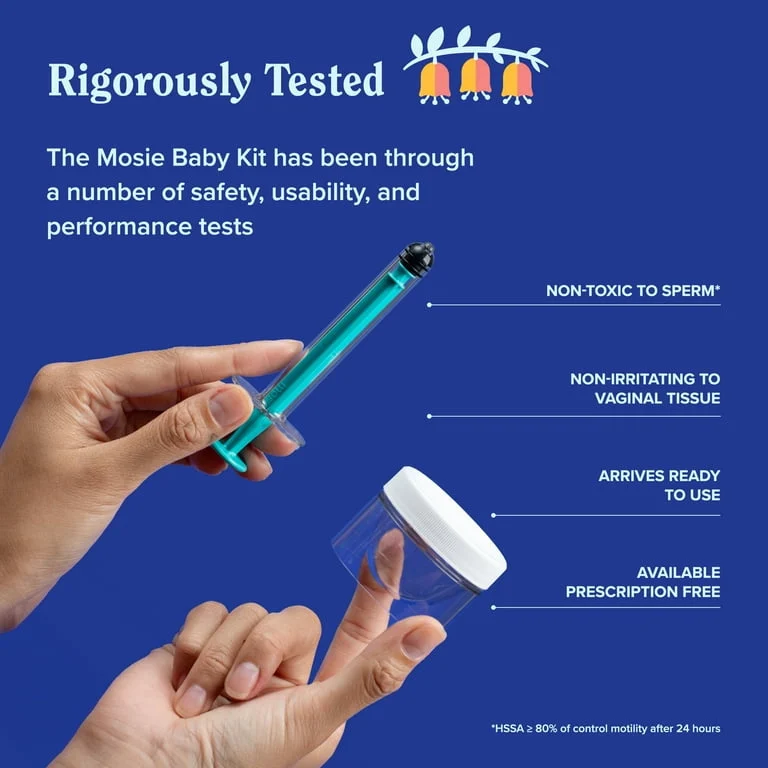
    Mosie Baby Kit with a syringe and container, highlighting safety and usability features on a blue background.

    Syringe Kits and Sperm Donation: A Guide for Natural Conception

    Next, we will delve into the benefits of using a syringe kit for sperm donation. One of the main advantages is the privacy and comfort of performing the insemination at home. This can be especially beneficial for couples who may feel uncomfortable with the idea of having a medical professional involved in the process. Additionally, syringe kits are much more affordable compared to medical procedures, making it a more accessible option for those on a budget.

    We will also cover the steps involved in using a syringe kit for sperm donation. This includes choosing the right kit, preparing the sperm, and performing the insemination. We will provide helpful tips and precautions to ensure the process goes smoothly and increases the chances of conception.

    It is important to note that while syringe kits can be an effective method for natural conception, they may not be suitable for everyone. We will discuss the factors to consider before using a syringe kit, such as fertility issues and medical history. It is always recommended to consult with a healthcare professional before making any decisions regarding fertility treatments.

    In addition to discussing the use of syringe kits for sperm donation, we will also touch upon the emotional aspect of this method. For some couples, sperm donation may bring up feelings of insecurity or jealousy. We will provide tips on how to navigate these emotions and maintain a healthy relationship throughout the process.

    Lastly, we will address the legal considerations of using a syringe kit for sperm donation. It is important to understand the legal rights and responsibilities of both the donor and the recipient. We will discuss the importance of having a legal agreement in place to protect all parties involved.

    In conclusion, syringe kits can be a viable option for natural conception through sperm donation. They offer privacy, affordability, and convenience, making it an attractive option for many couples or individuals. However, it is essential to do thorough research and consult with a healthcare professional before embarking on this journey.

  • Tips for a Relaxing and Effective Non-Invasive Insemination Experience

    Blog Post: Tips for a Relaxing and Effective Non-Invasive Insemination Experience

    Insemination, also known as artificial insemination, is a process that involves the placement of sperm into the reproductive tract of a female to achieve pregnancy. While it is commonly associated with fertility treatments, insemination can also be used for same-sex couples or single women who want to start a family. However, the thought of undergoing a medical procedure can be daunting and stressful for many people. In this blog post, we will discuss some tips for a relaxing and effective non-invasive insemination experience.

    1. Educate yourself about the procedure

    The first step towards a relaxing insemination experience is to educate yourself about the procedure. Understanding what will happen during the process can help alleviate any fears or anxieties you may have. You can talk to your doctor or fertility specialist and ask them to explain the steps involved in the insemination process. You can also do your own research and read articles or watch videos about insemination. This will give you a better understanding of the procedure and help you feel more prepared and in control.

    2. Choose a reputable and experienced fertility clinic

    Choosing the right fertility clinic is crucial for a successful and stress-free insemination experience. Make sure to do your research and choose a reputable and experienced fertility clinic. You can read reviews, ask for recommendations, and schedule consultations with different clinics to find the one that best suits your needs. A good fertility clinic will have knowledgeable and caring staff who will guide you through the entire process and make you feel comfortable and at ease.

    3. Practice relaxation techniques

    Anxiety and stress can have a negative impact on the success of insemination. Therefore, it is important to practice relaxation techniques before and during the procedure. Deep breathing, meditation, and progressive muscle relaxation are some effective techniques that can help calm your mind and body. You can also listen to calming music or use visualization techniques to reduce stress and promote a sense of relaxation.

    4. Choose the right time for insemination

    Timing is crucial when it comes to insemination. Your fertility specialist will monitor your ovulation cycle and determine the best time for insemination. It is important to follow their instructions and schedule the procedure at the recommended time. This will increase the chances of success and reduce any unnecessary stress or anxiety.

    5. Have a support system

    blue box with "mosie" logo, syringes, and informational pamphlet on a pink background

    Tips for a Relaxing and Effective Non-Invasive Insemination Experience

    Having a support system during the insemination process can make a huge difference in how you feel. Whether it is your partner, a friend, or a family member, having someone by your side can provide comfort and emotional support. You can also join support groups for people going through similar experiences. These groups can offer a safe space to share your feelings and get support from others who understand what you are going through.

    6. Maintain a healthy lifestyle

    Leading a healthy lifestyle can not only improve your overall well-being but also increase the chances of success during insemination. It is important to eat a balanced diet, exercise regularly, and avoid unhealthy habits such as smoking and excessive alcohol consumption. These lifestyle choices can have a significant impact on your fertility and the success of insemination.

    7. Communicate with your doctor

    Effective communication with your doctor is essential for a successful insemination experience. Make sure to ask any questions or express any concerns you may have. Your doctor will be able to provide you with the necessary information and address any worries you may have. They can also offer you support and guidance throughout the process.

    8. Consider alternative relaxation methods

    If you are still feeling anxious or stressed, you can consider alternative relaxation methods such as acupuncture, massage therapy, or aromatherapy. These natural remedies can help reduce stress and anxiety and create a more calming and soothing environment.

    9. Stay positive and hopeful

    Finally, it is important to stay positive and hopeful throughout the insemination process. While there is no guarantee of success, maintaining a positive mindset can help reduce stress and improve your overall well-being. Surround yourself with positive thoughts and affirmations and trust in the process.

    In conclusion, insemination can be a stressful and emotional experience, but by following these tips, you can make it a more relaxing and effective one. Educate yourself, choose the right clinic, practice relaxation techniques, maintain a healthy lifestyle, have a support system, communicate with your doctor, and stay positive. Remember to be patient and trust in the process, and with the right mindset and support, you can achieve your goal of starting a family through non-invasive insemination.

    Summary: Insemination can be a stressful and emotional experience, but with the right tips, you can make it a more relaxing and effective one. From educating yourself and choosing the right clinic to practicing relaxation techniques and maintaining a healthy lifestyle, these tips can help you achieve your goal of starting a family through non-invasive insemination.

  • The Ultimate Guide to Non-Invasive Insemination for Beginners

    Summary:

    Non-invasive insemination, also known as artificial insemination, is a popular method for achieving pregnancy without traditional sexual intercourse. It involves placing sperm into the reproductive tract of a female in order to fertilize an egg and achieve conception. This method is commonly used by couples who are struggling with fertility issues, same-sex couples, and single individuals who want to become parents. Non-invasive insemination offers a less invasive and more affordable alternative to other fertility treatments, such as in-vitro fertilization (IVF). In this guide, we will discuss everything you need to know about non-invasive insemination for beginners.

    What is Non-Invasive Insemination?

    Non-invasive insemination is a procedure that involves the placement of sperm directly into the reproductive tract of a female. This can be done in a doctor’s office, fertility clinic, or even at home with a kit. The sperm can be obtained from a male partner or a donor. The goal of this procedure is to increase the chances of fertilization and pregnancy by bypassing any potential barriers in the reproductive tract.

    Types of Non-Invasive Insemination:

    There are two main types of non-invasive insemination: intracervical insemination (ICI) and intrauterine insemination (IUI). In ICI, the sperm is placed in the cervix, while in IUI, it is placed directly into the uterus. The choice of which method to use will depend on various factors, such as the cause of infertility, the age of the female, and the sperm quality.

    Preparing for Non-Invasive Insemination:

    Before undergoing non-invasive insemination, it is essential to consult with a fertility specialist. They will evaluate your medical history, perform necessary tests, and discuss the best course of action for your specific situation. You may also be advised to track your ovulation cycle and use ovulation predictor kits to determine the best time for insemination.

    At-Home Insemination Kits:

    For those who prefer to do the procedure at home, there are now many at-home insemination kits available on the market. These kits contain all the necessary tools and instructions for performing the insemination. However, it is crucial to follow the instructions carefully and ensure that the sperm used is from a reputable sperm bank or a known donor.

    The Procedure:

    home insemination kit components: a syringe and a collection container against a blue background.

    The Ultimate Guide to Non-Invasive Insemination for Beginners

    Non-invasive insemination is a relatively simple and painless procedure. It is usually performed in a doctor’s office or a fertility clinic. The sperm is collected, washed, and prepared for insemination. Then, using a catheter, the sperm is inserted into the cervix or the uterus. The process takes only a few minutes, and there is little to no discomfort.

    Success Rates:

    The success rates of non-invasive insemination vary depending on various factors, such as the cause of infertility, the age of the female, and the quality of the sperm used. On average, the success rate for ICI is around 10-15%, while IUI has a success rate of 15-20%. However, multiple inseminations may be needed to achieve pregnancy.

    Risks and Side Effects:

    Non-invasive insemination is a safe procedure with minimal risks. However, there is a small chance of infection, bleeding, and discomfort during the process. It is crucial to follow the instructions of a healthcare professional and report any unusual symptoms.

    Cost of Non-Invasive Insemination:

    Compared to other fertility treatments, non-invasive insemination is relatively affordable. The cost can range from a few hundred to a few thousand dollars, depending on the location, type of procedure, and whether donor sperm is needed. Some insurance plans may cover the cost of non-invasive insemination, so it is essential to check with your provider.

    Emotional Considerations:

    Going through any fertility treatment can be emotionally taxing for individuals and couples. It is essential to have open communication and seek support from loved ones or a therapist if needed. It is also crucial to have realistic expectations and understand that pregnancy may not happen immediately.

    Conclusion:

    Non-invasive insemination is a viable option for those struggling with fertility issues or wanting to start a family without traditional sexual intercourse. It is a safe, affordable, and less invasive method with a good success rate. However, it is crucial to consult with a healthcare professional and follow the instructions carefully to increase the chances of pregnancy. Remember to take care of your emotional well-being and have realistic expectations. With the help of non-invasive insemination, you can achieve your dream of becoming a parent.

  • Find Your Fertility with 42: The Benefits of Syringe Starter Kits

    Blog Post: Find Your Fertility with 42: The Benefits of Syringe Starter Kits

    When it comes to trying to conceive, there are a lot of different methods and tools that couples can use to increase their chances of success. One such tool that has gained popularity in recent years is the syringe starter kit. These kits contain everything a couple needs to get started with at-home insemination, and they have quickly become a go-to option for many couples looking to start or expand their families. In this blog post, we will explore the benefits of syringe starter kits and how they can help you on your journey to parenthood.

    1. Convenience and Privacy

    One of the biggest benefits of using a syringe starter kit is the convenience and privacy it offers. Unlike other fertility treatments that may require multiple appointments at a clinic, syringe starter kits allow you to perform insemination in the comfort of your own home. This can be especially beneficial for couples who live in rural areas or have busy schedules that make it difficult to visit a fertility clinic regularly. Additionally, using a syringe starter kit allows for complete privacy, which can be a major factor for those who wish to keep their fertility journey private.

    2. Cost-Effective

    Fertility treatments can be expensive, and for many couples, cost is a major barrier to seeking help. However, syringe starter kits are a cost-effective option for couples looking to conceive. These kits typically cost a fraction of what a single visit to a fertility clinic would cost, making them more accessible to a wider range of people. Additionally, using a syringe starter kit eliminates the need for expensive fertility drugs, making it a more affordable option for many couples.

    3. Easy to Use

    Syringe starter kits are designed to be user-friendly, making them easy for anyone to use. The kit typically includes a syringe, catheter, and instructions on how to use them. The instructions are easy to follow, and most kits also come with online tutorials and support, making the process even more straightforward. This eliminates the need for medical training or expertise, making it a viable option for those who may not have access to a fertility specialist.

    4. Greater Control

    Using a syringe starter kit also gives couples greater control over the insemination process. They can choose the timing and frequency of insemination, which can be crucial for those with irregular ovulation cycles or other fertility issues. This control can also help to reduce the stress and anxiety that often comes with trying to conceive, as couples know exactly when and how the insemination is taking place.

    5. Safe and Sterile

    Syringe starter kits are designed to be safe and sterile, ensuring that the insemination process is as risk-free as possible. The syringe and catheter are made of medical-grade materials and are sterile, eliminating the risk of contamination or infection. Additionally, the kits are single-use, meaning that they are disposed of after each use, further reducing the risk of any complications.

    guide and materials for using Mosie Baby fertility kit on a textured surface

    Find Your Fertility with 42: The Benefits of Syringe Starter Kits

    6. Wide Availability

    Another major benefit of syringe starter kits is their wide availability. They can be purchased online or in many pharmacies, making them easily accessible to anyone who needs them. This is especially beneficial for those who may live in remote areas or have limited access to fertility clinics or specialists.

    7. Alternative to Traditional Insemination Methods

    For some couples, traditional insemination methods may not be an option. This could be due to medical reasons, financial constraints, or personal preference. Using a syringe starter kit offers an alternative to traditional methods, giving couples more options when it comes to starting or expanding their families.

    8. Greater Emotional Connection

    One of the most significant benefits of using a syringe starter kit is the potential for a greater emotional connection between partners. Unlike traditional insemination methods, using a syringe starter kit allows for couples to perform the insemination together. This can be a bonding experience for partners and can help to strengthen their relationship during the often-stressful process of trying to conceive.

    9. Can Be Used for Single Parents or Same-Sex Couples

    Syringe starter kits are not just limited to heterosexual couples. They can also be used by single parents or same-sex couples looking to start a family. This inclusivity makes syringe starter kits a valuable tool for all types of families.

    10. Can Be Used with Donor Sperm

    For those who need to use donor sperm, syringe starter kits offer a simple and straightforward way of inseminating at home. This eliminates the need for expensive and often complicated procedures at a fertility clinic, making the process more accessible for those who may not have the means to visit a specialist.

    In conclusion, syringe starter kits offer numerous benefits for couples looking to start or expand their families. From convenience and cost-effectiveness to greater control and inclusivity, these kits provide a viable alternative to traditional insemination methods. So, if you are looking to find your fertility with 42, consider giving a syringe starter kit a try.

    Summary:

    Syringe starter kits are a popular and convenient tool for couples trying to conceive. They offer privacy, affordability, and ease of use, making them a go-to option for many. These kits also provide greater control, safety, and inclusivity, making them an excellent alternative to traditional insemination methods. Whether you are a heterosexual couple, single parent, or same-sex couple, syringe starter kits offer numerous benefits in your journey to parenthood.

  • The Science Behind Fertility Support Syringe Starter Kits

    Blog Post:

    Fertility is a complex and personal journey for many individuals and couples. While some may conceive effortlessly, others may face challenges and require additional support to achieve pregnancy. In recent years, fertility support syringe starter kits have become a popular option for those seeking to increase their chances of conception. But what exactly are these kits and what is the science behind their effectiveness?

    To understand the science behind fertility support syringe starter kits, we first need to understand the role of ovulation in the conception process. Ovulation is the release of an egg from the ovary, which occurs once a month in most women. The egg then travels through the fallopian tube where it may be fertilized by sperm, leading to pregnancy. However, for some women, ovulation may be irregular or not occur at all, making it difficult to conceive.

    This is where fertility support syringe starter kits come into play. These kits typically include a syringe, ovulation predictor kits, and instructions for use. The syringe is used to collect and transfer sperm to the cervix, increasing the chances of fertilization during ovulation. The ovulation predictor kit helps track the hormonal changes in the body to identify the most fertile days for conception.

    One of the main reasons behind the effectiveness of fertility support syringe starter kits is their ability to bypass potential obstacles in the reproductive system. For example, some women may have a condition called hostile cervical mucus, where the mucus in the cervix is too thick and prevents sperm from reaching the egg. By using a syringe, the sperm can be placed directly in the cervix, increasing the chances of fertilization.

    Additionally, fertility support syringe starter kits can also help individuals and couples who may have difficulties with timing intercourse. Ovulation predictor kits can accurately predict the most fertile days, allowing couples to plan intercourse accordingly. This can be especially helpful for those with irregular cycles or busy schedules.

    But how do these kits actually improve the chances of conception? The answer lies in the science of insemination. Insemination is the process of placing sperm into the reproductive tract to increase the chances of fertilization. By using a syringe, the sperm can be placed closer to the egg, increasing the likelihood of fertilization. This is especially beneficial for those with low sperm count or motility, as it maximizes the chances of a sperm reaching and fertilizing the egg.

    at-home insemination kit with syringes, collection cups, and instructions on a pink background

    The Science Behind Fertility Support Syringe Starter Kits

    Moreover, fertility support syringe starter kits can also help individuals and couples who may be struggling with fertility treatments such as intrauterine insemination (IUI) or in vitro fertilization (IVF). These treatments can be expensive and emotionally taxing, and using a syringe at home can offer a more affordable and less invasive alternative. In some cases, using a syringe at home may even complement fertility treatments as a way to increase the chances of success.

    It’s also worth noting that fertility support syringe starter kits are not just for women. Same-sex male couples or single men who are looking to conceive through a surrogate can also benefit from these kits. The syringe can be used to collect and transfer sperm to the surrogate, making the conception process more accessible and affordable.

    In addition to the science behind fertility support syringe starter kits, there are also other factors that can contribute to their effectiveness. These kits often include detailed instructions on how to use them, when to use them, and what to expect. By following these instructions and using the kit correctly, individuals and couples can increase their chances of success.

    Another important aspect is the emotional support that these kits can provide. Trying to conceive can be a stressful and emotional journey, and having a fertility support syringe starter kit can offer a sense of control and empowerment. It allows individuals and couples to take an active role in their fertility journey and feel more in control of the process.

    In conclusion, the science behind fertility support syringe starter kits is rooted in the process of insemination and their ability to bypass potential obstacles in the reproductive system. By placing sperm closer to the egg and accurately predicting the most fertile days, these kits can greatly increase the chances of conception. They also offer a more affordable and less invasive option for those who may be struggling with fertility treatments. Ultimately, these kits provide not only physical but also emotional support for individuals and couples on their journey towards parenthood.

    Summary:

    Fertility support syringe starter kits are becoming increasingly popular among individuals and couples looking to improve their chances of conception. These kits include a syringe, ovulation predictor kits, and instructions for use. The science behind their effectiveness lies in their ability to bypass obstacles in the reproductive system and increase the chances of insemination. They can also complement fertility treatments and provide emotional support for those on their fertility journey. These kits are not just for women, as same-sex male couples or single men can also benefit from them. By using these kits correctly and following the instructions, individuals and couples can increase their chances of success in achieving pregnancy.

  • From Home to Hospital: The Evolution of Insemination Options

    Blog Post: From Home to Hospital: The Evolution of Insemination Options

    Insemination is the process of introducing sperm into a female’s reproductive tract for the purpose of fertilization. This method has been used for centuries to help couples struggling with infertility or same-sex couples who want to start a family. However, the options for insemination have evolved greatly over time, from DIY methods at home to advanced techniques performed in a hospital setting. In this blog post, we will explore the history and evolution of insemination options, and how they have changed the landscape of fertility treatments.

    Early History of Insemination

    The earliest recorded use of insemination dates back to ancient Greece, where a physician named Hippocrates suggested that women could become pregnant through artificial insemination. However, it wasn’t until the 18th century that the first successful artificial insemination was performed on a dog. In 1790, Italian physiologist Lazzaro Spallanzani used a glass tube to inject semen into a female dog, resulting in a successful pregnancy.

    Early 20th Century: Home Insemination

    In the early 1900s, the first human artificial insemination was performed by John Hunter, a Scottish surgeon. However, it wasn’t until the 1920s and 1930s that home insemination methods became popular. During this time, the most common method was known as “husband insemination,” where the husband would collect his semen in a cup and manually insert it into the wife’s vagina. This method was often used by couples struggling with male infertility.

    In the 1950s, the invention of the artificial insemination syringe, also known as the “Baster Method,” made home insemination easier and more hygienic. This method involved using a syringe to deposit the semen into the vagina, making it a more controlled and less messy process. The Baster Method was also used by same-sex couples who wanted to start a family.

    The Rise of Hospital Insemination

    In the 1970s, the first successful intrauterine insemination (IUI) was performed, marking a significant shift in the landscape of insemination options. IUI involves placing washed and concentrated sperm directly into the uterus, increasing the chances of fertilization. This technique is still used today and has become a widely accepted method for couples struggling with infertility.

    comparison of Mosie syringe opening versus standard syringe opening with text highlighting benefits

    From Home to Hospital: The Evolution of Insemination Options

    In the 1980s, the introduction of intracytoplasmic sperm injection (ICSI) revolutionized the field of infertility treatment. This technique involves injecting a single sperm directly into an egg, making it possible for couples with severe male infertility to conceive. ICSI is often used in conjunction with in vitro fertilization (IVF) for couples struggling with infertility.

    Recent Advances in Insemination Options

    In recent years, advancements in technology have led to even more options for insemination. This includes the development of sperm banks, where sperm can be frozen and stored for future use. Sperm banks have made it possible for individuals and couples to have a wider selection of donors, including those who may not be able to produce viable sperm on their own.

    Another recent advancement is the use of donor eggs and surrogacy for couples who are unable to conceive on their own. Donor eggs can be fertilized with sperm in a laboratory and then implanted into the uterus of a surrogate, allowing couples to have a biological child. This option has made it possible for same-sex male couples and individuals to have children.

    The Future of Insemination

    As technology continues to advance, the future of insemination options looks promising. Researchers are currently exploring the use of artificial gametes, which are cells that can develop into eggs or sperm. This could potentially eliminate the need for donor eggs or sperm and allow individuals to have a biological child using their own cells.

    Moreover, advancements in genetic testing have made it possible to screen embryos for genetic disorders before implantation. This has greatly reduced the risk of passing on genetic diseases to future children.

    Insemination has come a long way since its early days in ancient Greece. From DIY methods at home to advanced techniques performed in hospitals, the options for insemination have evolved greatly, making it possible for more individuals and couples to start a family. With continuous advancements in technology, the future of insemination looks bright, offering hope to those struggling with infertility.

    In summary, insemination options have evolved significantly over time, from the first successful artificial insemination on a dog in the 18th century to the use of artificial gametes and genetic testing in modern times. This evolution has opened up possibilities for individuals and couples who were once unable to conceive, and the future looks promising for even more advanced methods.

  • Insemination Made Simple: The Essential Starter Pack for 40-Year-Olds Trying to Conceive

    As women reach their 40s, the desire to have a baby may become more urgent. However, trying to conceive at this age can come with its own set of challenges. This is where insemination can offer a simpler and more accessible option for 40-year-olds trying to conceive. In this blog post, we will provide an essential starter pack for those considering insemination as a method to help them achieve their dream of having a baby.

    What is Insemination?

    Insemination is a fertility treatment where sperm is placed inside a woman’s uterus or cervix to increase the chances of fertilization. It is a popular option for women who are struggling to conceive naturally or have fertility issues. Insemination can be done with either the partner’s sperm (intrauterine insemination or IUI) or donor sperm (donor insemination or DI).

    Why is Insemination a Good Option for 40-Year-Olds?

    As women age, their fertility declines, making it more difficult to conceive naturally. This decline in fertility is due to a decrease in the quality and quantity of eggs. Insemination can help overcome this by placing sperm directly into the uterus or cervix, bypassing any potential issues with egg quality. Additionally, insemination can also increase the chances of fertilization by increasing the number of sperm available to reach the egg.

    Essential Starter Pack for Insemination

    1. Consultation with a Fertility Specialist

    The first step in the insemination process is to consult with a fertility specialist. This is essential to determine if insemination is the right option for you and to address any fertility issues that may need to be addressed beforehand. The specialist will also guide you through the entire process and answer any questions you may have.

    2. Fertility Testing

    Before proceeding with insemination, both partners will need to undergo fertility testing to determine the best course of action. This may include blood tests, ultrasounds, and a semen analysis. These tests will help identify any underlying fertility issues that may affect the success of insemination.

    3. Choosing a Sperm Donor (if necessary)

    illustration of Mosie Baby home insemination kit highlighting seamless transfer and size features

    Insemination Made Simple: The Essential Starter Pack for 40-Year-Olds Trying to Conceive

    If you and your partner have decided to use donor sperm, you will need to choose a sperm donor. It is essential to find a reputable sperm bank and work with a fertility specialist to select a donor that meets your specific criteria. This may include physical characteristics, medical history, and personal preferences.

    4. Tracking Ovulation

    Timing is crucial in insemination, as it needs to be done during the woman’s fertile window when ovulation occurs. This can be tracked using ovulation predictor kits or through ultrasounds with your fertility specialist. It is important to have sex or undergo insemination during this time to increase the chances of fertilization.

    5. The Insemination Procedure

    The insemination procedure itself is a simple and quick process that can be done in a fertility clinic or at home with a fertility kit. The sperm is placed directly into the uterus through a thin catheter, giving it a better chance of reaching the egg. The procedure is painless and does not require anesthesia.

    6. Post-Insemination Care

    After the insemination procedure, you will need to rest for a short while before going about your day. It is essential to avoid any strenuous activities or sexual intercourse for a few days after the procedure to allow the sperm to reach the egg. Your fertility specialist will provide you with specific instructions and may also prescribe medications to support the process.

    7. Pregnancy Testing

    Two weeks after the insemination procedure, you can take a pregnancy test to see if it was successful. If the test is positive, it is essential to schedule an appointment with a obstetrician to begin prenatal care. If the test is negative, don’t lose hope as multiple insemination cycles may be needed to achieve pregnancy.

    Overall, insemination is a simple and accessible option for 40-year-olds trying to conceive. It can increase the chances of fertilization and help overcome age-related fertility issues. However, it is important to consult with a fertility specialist and undergo proper testing to determine if it is the right option for you.

    In summary, insemination can be an excellent option for 40-year-olds trying to conceive. It is a simple and accessible fertility treatment that can increase the chances of fertilization and help overcome age-related fertility issues. The essential starter pack for insemination includes a consultation with a fertility specialist, fertility testing, choosing a sperm donor (if necessary), tracking ovulation, the insemination procedure, post-insemination care, and pregnancy testing. With the right support and guidance, 40-year-olds can achieve their dream of having a baby through insemination.

  • The Insemination Made Simple Starter Pack: Your Key to Successful Conception at 40

    Blog Post:

    As women age, the chances of conceiving naturally decrease. This is a harsh reality for many women who are trying to start a family in their 40s. However, thanks to advancements in medical technology, there are now various options available for women in this age bracket who are trying to conceive. One such option is insemination, also known as artificial insemination, which has become a popular choice for women over 40 who are struggling to get pregnant.

    Insemination Made Simple has created a Starter Pack specifically designed for women over 40, to help them increase their chances of successful conception. This Starter Pack includes all the necessary tools and resources to make the insemination process as simple and stress-free as possible. In this blog post, we will discuss the Insemination Made Simple Starter Pack and how it can be the key to successful conception at 40.

    Understanding Insemination:

    Before we dive into the details of the Starter Pack, let’s first understand what insemination is and how it works. Insemination is the process of placing sperm directly into a woman’s reproductive tract, bypassing the natural barriers such as the cervix, to increase the chances of fertilization. This can be done through various methods, including intrauterine insemination (IUI), intracervical insemination (ICI), and intrafallopian tube insemination (IFTI). These procedures can be done with either the sperm of a partner or a donor.

    Why Insemination is a Good Option for Women Over 40:

    One of the main reasons why insemination is a good option for women over 40 is because it bypasses the natural barriers that become more challenging to overcome as a woman ages. The quality and quantity of a woman’s eggs decrease as she gets older, making it more difficult to conceive naturally. Insemination increases the chances of fertilization as it places the sperm directly into the reproductive tract, eliminating the need for the sperm to travel through the cervix and into the fallopian tubes.

    The Insemination Made Simple Starter Pack:

    The Insemination Made Simple Starter Pack is a comprehensive kit that includes all the necessary tools and resources for women over 40 who are undergoing insemination. This Starter Pack has been designed by experts who understand the unique needs of women in this age bracket, and it aims to make the insemination process as simple and stress-free as possible.

    logo featuring a pink heart above two teal leaves on a blue circular background

    The Insemination Made Simple Starter Pack: Your Key to Successful Conception at 40

    The Starter Pack includes a detailed guide that walks you through the entire process of insemination, from preparing for the procedure to post-insemination care. It also includes a fertility tracker, which helps you keep track of your ovulation and fertile days, making it easier to time the insemination correctly. The kit also includes ovulation predictor kits, which are crucial in determining the best time for insemination.

    Additionally, the Starter Pack comes with a supply of pre-seed lubricant, which is sperm-friendly and can increase the chances of fertilization. It also includes sterile syringes for the insemination procedure, as well as pregnancy tests, so you can test for pregnancy at home.

    Why the Insemination Made Simple Starter Pack is Beneficial:

    The Insemination Made Simple Starter Pack is beneficial for several reasons. Firstly, it takes the guesswork out of the insemination process. Many women may feel overwhelmed and unsure about the process, but with the detailed guide and resources provided in the Starter Pack, it becomes much more manageable. The fertility tracker and ovulation predictor kits also help increase the chances of successful conception by ensuring that the insemination is done at the right time.

    Secondly, the Starter Pack is cost-effective. Insemination procedures can be expensive, and the cost can add up over multiple attempts. With the Insemination Made Simple Starter Pack, you have all the necessary tools and resources at a fraction of the cost, making it a more affordable option for women over 40.

    Lastly, the Starter Pack is discreet and convenient. The kit can be delivered right to your doorstep, and the packaging is discreet, ensuring your privacy. This can be especially beneficial for women who may not feel comfortable discussing their fertility journey with others.

    In Conclusion:

    The Insemination Made Simple Starter Pack is an excellent option for women over 40 who are trying to conceive. It provides all the necessary tools and resources to make the insemination process as simple and stress-free as possible. With the help of this Starter Pack, many women have successfully conceived and started their families, proving that age should not be a barrier to starting a family.

    Insemination may not be the right option for everyone, and it’s essential to consult with a fertility specialist to determine the best course of action for your specific situation. However, for women over 40 who are considering insemination, the Insemination Made Simple Starter Pack could be the key to successful conception.

    SEO Metadata:






