Tag: donor sperm

  • Fertility for Same-Sex Couples: The Role of the Syringe Method

    Fertility for Same-Sex Couples: The Role of the Syringe Method

    The desire to have children is a fundamental human instinct, regardless of one’s sexual orientation. However, for same-sex couples, the journey to parenthood can be more complex and challenging. While adoption and surrogacy are options, many same-sex couples also turn to fertility treatments to conceive a child. In recent years, the syringe method has emerged as a popular and effective option for same-sex couples looking to start a family. In this blog post, we will explore the role of the syringe method in fertility for same-sex couples, including its process, success rates, and potential challenges.

    What is the Syringe Method?

    The syringe method, also known as intracervical insemination (ICI), is a simple and cost-effective fertility treatment that involves the insertion of sperm into the cervix using a syringe. This method is typically used by lesbian couples or single women who wish to conceive using donor sperm. It can also be an option for gay couples who are using a surrogate but do not want to go through the more invasive procedure of in vitro fertilization (IVF). The process can be done at home or with the help of a fertility clinic.

    How Does the Syringe Method Work?

    The first step in the syringe method is to select a donor sperm. This can be done through a sperm bank or through a known donor. It is important to ensure that the donor sperm is screened and tested for any potential health issues. Once the sperm is selected, it is collected and inserted into a sterile syringe.

    Next, the recipient of the sperm will lie down on their back with their hips elevated, typically using a pillow. The sperm-filled syringe is then inserted into the cervix, and the sperm is released. The recipient will then remain lying down for 15-20 minutes to allow the sperm to travel towards the fallopian tubes. Afterward, the recipient can resume their daily activities.

    comparison of Mosie syringe opening versus standard syringe opening with text highlighting benefits

    Fertility for Same-Sex Couples: The Role of the Syringe Method

    Success Rates of the Syringe Method

    The success rates of the syringe method vary depending on factors such as age, overall health, and the quality of the sperm used. On average, the success rate for the syringe method is around 10-15% per cycle. However, this can increase with multiple attempts and if the recipient is younger and has no underlying fertility issues. It is essential to have realistic expectations and understand that it may take multiple cycles to achieve pregnancy.

    Benefits of the Syringe Method

    The syringe method offers several benefits for same-sex couples looking to conceive. Firstly, it is a low-cost option compared to other fertility treatments such as IVF. This is especially beneficial for couples who may not have the financial means to pursue more expensive treatments. Additionally, the syringe method is a less invasive process, which can be more comfortable and less stressful for the recipient. It also allows for a more intimate experience, as the procedure can be done at home rather than a clinic.

    Challenges of the Syringe Method

    While the syringe method has its advantages, there are also some potential challenges that same-sex couples should be aware of. One of the main challenges is the lack of control over the quality of the sperm being used. Unlike with IVF, where the sperm is selected and screened before fertilization, the syringe method relies on the donor’s self-reported health information. This can increase the risk of genetic conditions or health issues being passed on to the child. It is crucial for couples to thoroughly research and choose a reputable sperm bank or donor to minimize this risk.

    Another challenge is the potential for legal issues regarding parental rights. With the syringe method, the donor sperm is typically used by one of the partners in the couple, and the other partner may not have any biological connection to the child. This can lead to complications in terms of legal parental rights and the need for legal agreements to protect all parties involved. It is essential to seek legal advice and have clear communication with the donor to avoid any future disputes.

    In summary, the syringe method is a viable option for same-sex couples looking to start a family. Its simplicity, affordability, and non-invasiveness make it an attractive choice for many couples. However, it is essential to understand the potential challenges and seek professional guidance to ensure a safe and successful process. With the right preparation and expectations, the syringe method can help same-sex couples fulfill their dreams of parenthood.


  • Insemination on Your Own Terms: A Financially Viable Option for Starting a Family

    Blog Post Title: Insemination on Your Own Terms: A Financially Viable Option for Starting a Family

    Summary:

    In today’s society, starting a family has become a deeply personal and financially daunting decision. With the rising costs of fertility treatments and adoption, many individuals and couples are turning to alternative methods to fulfill their dream of parenthood. One such option is insemination on your own terms, a financially viable option for starting a family. In this blog post, we will explore the concept of insemination on your own terms, its benefits, and how it can offer a more affordable and personalized approach to starting a family.

    The traditional route of starting a family through fertility treatments or adoption can cost thousands, if not tens of thousands of dollars. This financial burden can be overwhelming for many, especially those who may not have the means to afford such expenses. Insemination on your own terms, however, offers a more affordable option for those looking to become parents.

    But what exactly is insemination on your own terms? Simply put, it involves using donor sperm to fertilize a woman’s eggs, without the need for a medical professional or fertility clinic. This can be done at home, making it a more convenient and private option for many. With the rise of online sperm banks and at-home insemination kits, it has become easier than ever to take control of your own fertility journey.

    logo featuring a pink heart above two teal leaves on a blue circular background

    Insemination on Your Own Terms: A Financially Viable Option for Starting a Family

    One of the main benefits of insemination on your own terms is the cost. On average, a single round of insemination at a fertility clinic can cost upwards of $3,000, not including the cost of medications and other procedures. In comparison, using donor sperm at home can cost as little as $300, making it a much more affordable option for many individuals and couples.

    Another advantage of insemination on your own terms is the ability to personalize your journey. With traditional fertility treatments, individuals are limited to the sperm donors provided by the clinic. This can often lead to a lack of diversity and limited options. However, with at-home insemination, individuals have access to a wide range of donors from various backgrounds, allowing them to choose a donor that aligns with their personal preferences and values.

    In addition to the financial and personal benefits, insemination on your own terms also offers a more relaxed and comfortable environment for the insemination process. Many individuals may feel uncomfortable or anxious in a clinical setting, which can hinder the success of the procedure. By being able to perform the insemination at home, individuals can create a more comfortable and intimate setting, increasing their chances of success.

    It is important to note that although insemination on your own terms may offer a more affordable and personalized approach to starting a family, it is not without its challenges. The success rates of at-home insemination are lower than those of fertility clinics, and there is always the risk of potential legal issues if the donor is not properly screened and documented. Therefore, it is crucial to thoroughly research and understand the process before embarking on this journey.

    In conclusion, insemination on your own terms is a financially viable option for starting a family. It offers a more affordable and personalized approach, as well as a more comfortable and intimate environment for the insemination process. However, it is important to carefully consider all aspects and potential challenges before making a decision. With proper research and planning, this option can be a fulfilling and empowering way to start a family on your own terms.

  • Fulfilling Your Dream: Starting a Family with Insemination on Your Own Terms

    Starting a family is a dream for many individuals, but for some, traditional methods of conception may not be an option. Insemination, also known as artificial insemination or donor insemination, is a method of conception that allows individuals to fulfill their dream of starting a family on their own terms. In this blog post, we will explore what insemination is, its benefits and challenges, and how to navigate the process to successfully start a family.

    Insemination is a method of conception where sperm is inserted into the reproductive tract of a female in order to fertilize an egg. This can be done using fresh sperm from a known or anonymous donor, or frozen sperm from a sperm bank. Insemination can be performed at home or in a clinic, and can be done using a variety of techniques, such as intrauterine insemination (IUI) or intracervical insemination (ICI). This method of conception offers a number of benefits, including giving individuals the ability to start a family on their own terms and providing an alternative for those who may struggle with traditional methods of conception.

    One of the main benefits of insemination is the ability to start a family on your own terms. Many individuals may not have a partner, or may not want to wait for the “right” time to start a family. Insemination allows individuals to take control of their own fertility and start a family when they are ready, without relying on a partner. This can be especially empowering for single individuals or LGBTQ+ couples who may not have the option of conceiving naturally.

    Insemination also provides an alternative for those who may struggle with traditional methods of conception. This can include individuals with fertility issues, same-sex couples, or those who may not be able to conceive due to medical reasons. Insemination offers a less invasive and more affordable option compared to other forms of assisted reproductive technology, such as in vitro fertilization (IVF). It also allows individuals to use donor sperm, which can be beneficial for those who may not have a male partner or may want to avoid passing on genetic diseases.

    Smiling baby in a blue onesie with "made with Love" text, lying on a light blue crocheted blanket.

    Fulfilling Your Dream: Starting a Family with Insemination on Your Own Terms

    However, insemination also comes with its own set of challenges. One of the main challenges is the emotional and psychological aspect of starting a family on your own. It can be a daunting and overwhelming process, and it is important for individuals to have a strong support system in place. Seeking counseling or joining support groups can be helpful in navigating the emotional challenges that come with insemination.

    Another challenge is the legal aspect of insemination. It is important for individuals to carefully consider and understand the legal implications of using donor sperm, especially if they are using a known donor. Legal documents, such as a donor agreement, should be in place to protect all parties involved and ensure the rights and responsibilities of each individual are outlined.

    Navigating the process of insemination can also be overwhelming, but it is important to educate oneself and seek guidance from medical professionals. The first step is to consult with a fertility specialist to determine if insemination is a viable option for you. They can also provide guidance on choosing a donor, either from a sperm bank or a known donor. It is important to thoroughly research and consider the qualities and characteristics you are looking for in a donor, as well as the legal implications of using a known donor.

    Once a donor is selected, the next step is to undergo the insemination process. This can be done at home or in a clinic, and it is important to follow all instructions and guidelines provided by the fertility specialist. After the insemination, it is crucial to track ovulation and take a pregnancy test to determine if the insemination was successful. It may take multiple attempts before a successful pregnancy occurs, so it is important to be patient and not get discouraged.

    In conclusion, insemination is a method of conception that offers individuals the ability to start a family on their own terms. It provides an alternative for those who may struggle with traditional methods of conception and gives individuals the opportunity to take control of their own fertility. However, it also comes with its own set of challenges, both emotional and legal. It is important to educate oneself, seek guidance from medical professionals, and have a strong support system in place when embarking on the journey of starting a family through insemination.

  • Ditching the Stigma: The Truth About Insemination on Your Own Terms

    Blog post title: Ditching the Stigma: The Truth About Insemination on Your Own Terms

    Summary:

    Insemination, the process of introducing sperm into a woman’s reproductive tract to achieve pregnancy, has long been associated with traditional heterosexual couples. However, with advancements in technology and changing societal norms, more and more individuals are choosing to undergo insemination on their own terms. Whether it is due to infertility, single parenthood, or same-sex relationships, the stigma surrounding insemination is slowly being dismantled.

    This blog post aims to shed light on the truth about insemination on your own terms and break down the barriers and misconceptions surrounding it. We will explore the different methods of insemination, the legal and ethical considerations, and the emotional and financial aspects of this journey.

    Firstly, it is important to understand the different methods of insemination. The most common method is Intrauterine Insemination (IUI), where sperm is placed directly into the uterus. This can be done using sperm from a donor or from a partner, and can be performed at a fertility clinic or at home using an insemination kit. Another method is In Vitro Fertilization (IVF), where eggs are harvested and fertilized with sperm in a lab, before being transferred into the uterus. This process can also involve the use of a donor sperm or partner’s sperm. Both IUI and IVF have high success rates and can be a viable option for those looking to conceive on their own terms.

    pregnancy test kit features labeled for comfort and confidence on a teal background

    Ditching the Stigma: The Truth About Insemination on Your Own Terms

    One of the biggest misconceptions surrounding insemination is the legality and ethical considerations. Some may question the legality of using donor sperm or the rights of the donor in the future. However, it is important to note that reputable sperm banks have strict screening processes for donors and provide legal contracts to protect all parties involved. In addition, many countries have laws and regulations in place to ensure the well-being and rights of the child and the donor. It is crucial to do thorough research and seek professional guidance before embarking on this journey.

    Another aspect that often goes unspoken is the emotional toll of insemination on your own terms. It takes a lot of courage, strength, and determination to make the decision to undergo insemination without a partner. Many individuals may face feelings of loneliness, fear, and uncertainty throughout the process. It is important to have a strong support system in place, whether it is through family, friends, or a support group. Seeking therapy or counseling can also be beneficial in managing the emotional aspects of insemination.

    Financial considerations are also a crucial aspect to consider when choosing to undergo insemination on your own terms. Fertility treatments and procedures can be costly, and it is important to plan and budget accordingly. In addition to the medical expenses, there may also be additional costs such as sperm donor fees, legal fees, and travel expenses if using a donor from another country. It is important to do thorough research and explore different options for financial assistance, such as insurance coverage, grants, or crowdfunding.

    In conclusion, the stigma surrounding insemination on your own terms is slowly being broken down. With more and more individuals choosing to start a family on their own terms, it is important to have open and honest conversations about the realities of this journey. Whether it is due to medical reasons or personal choice, insemination can be a viable option for those looking to conceive. It is important to educate oneself about the different methods, legal and ethical considerations, emotional toll, and financial aspects before making a decision.

    Insemination on your own terms may not be the traditional route to parenthood, but it is a brave and empowering choice for many individuals. By ditching the stigma and embracing the truth, we can create a more inclusive and understanding society for all families.

  • The Benefits of Using a Home Insemination Starter Kit for Artificial Insemination

    Blog Post Title: The Benefits of Using a Home Insemination Starter Kit for Artificial Insemination

    Summary:

    Artificial insemination is becoming a popular choice for couples and individuals looking to start a family. It is a simple and effective way to conceive without the need for traditional sexual intercourse. While it is a widely accepted method, it can still be intimidating and overwhelming for those who are new to the process. This is where a home insemination starter kit comes in. These kits are designed to provide all the necessary tools and instructions for a successful at-home insemination. In this blog post, we will discuss the benefits of using a home insemination starter kit for artificial insemination.

    1. Convenience and Privacy

    One of the main benefits of using a home insemination starter kit is the convenience and privacy it offers. Many people prefer to perform the insemination procedure in the comfort of their own home, rather than in a clinical setting. With a starter kit, you can easily perform the procedure whenever it is most convenient for you, without having to schedule appointments or deal with the stress of a clinical setting. Additionally, for those who value privacy, a home insemination kit allows you to keep the process discreet and confidential.

    2. Cost-Effective

    Another significant benefit of using a home insemination starter kit is the cost-effectiveness. Traditional artificial insemination procedures can be very expensive, costing thousands of dollars. However, with a home insemination kit, you can save a significant amount of money. These kits are typically much more affordable than clinical procedures, making it a more accessible option for those on a budget.

    3. Easy to Use

    Using a home insemination starter kit is much simpler and less intimidating than performing the procedure at a clinic. These kits come with detailed instructions on how to use them, making it easy for anyone, even those who are new to the process. The tools provided in the kit are also specifically designed for home use, making it more user-friendly than clinical equipment.

    two teal and clear syringes positioned on a white background

    The Benefits of Using a Home Insemination Starter Kit for Artificial Insemination

    4. Increased Chance of Success

    Home insemination starter kits are specifically designed to increase the chances of success. The kits come with all the necessary tools, including a high-quality syringe, to ensure that the sperm is placed in the optimal position for fertilization. Additionally, the kits provide a controlled and sterile environment, which can increase the chances of conception.

    5. Customizable Options

    Another advantage of using a home insemination starter kit is that it allows for more customization. You can choose the donor sperm that best fits your needs and preferences, rather than relying on a limited selection provided by a clinic. You can also adjust the timing and frequency of the insemination to fit your personal schedule and needs.

    6. Empowerment and Control

    For many couples and individuals, the process of trying to conceive can feel like a loss of control. Using a home insemination starter kit can provide a sense of empowerment and control over the process. You can perform the insemination in the comfort of your own home, on your own terms, and feel more involved in the process.

    7. Reusability

    Most home insemination starter kits are designed to be reusable, making them a sustainable and environmentally friendly option. This means that you can use the kit for multiple insemination attempts, saving money and reducing waste in the long run.

    In conclusion, there are many benefits to using a home insemination starter kit for artificial insemination. It offers convenience, privacy, cost-effectiveness, ease of use, increased chances of success, customization options, and a sense of empowerment and control. With the rise in popularity of artificial insemination, these kits are becoming a more accessible and viable option for couples and individuals looking to start a family.

  • The Convenience of Home Insemination: What You Need in Your Starter Kit

    The dream of having a family is something that many people share, but for some, it may not come as easily as it does for others. Fertility issues, financial constraints, or personal preferences may lead individuals or couples to explore alternative methods of conception, such as at-home insemination. With the advancements in technology and the increasing availability of donor sperm, home insemination has become a popular and convenient option for those who are looking to start or expand their family. In this blog post, we will discuss the convenience of home insemination and what you need to have in your starter kit to ensure a safe and successful process.

    Firstly, let’s understand what home insemination is. Home insemination, also known as artificial insemination, is the process of placing sperm into the female reproductive tract with the goal of achieving pregnancy. This can be done either by a medical professional or at home by the individuals themselves. The process involves collecting sperm from a donor, either through a sperm bank or a known donor, and then using a device or tool to introduce the sperm into the cervix or vagina. This method is considered a less invasive and more affordable option compared to other fertility treatments, making it an attractive choice for many.

    One of the biggest advantages of home insemination is the convenience it offers. Unlike other fertility treatments that require multiple visits to a clinic, home insemination can be done in the comfort and privacy of your own home. This eliminates the need for scheduling appointments and taking time off work, making it a more flexible option for those with busy schedules. Additionally, the process can be done at any time, making it easier to fit into your daily routine and increasing the chances of successful conception.

    To get started with home insemination, there are a few essential items that you will need in your starter kit. The first and most important item is a sperm collection kit. This can be purchased from a sperm bank or a medical supply store and typically includes a sterile cup, a syringe, and a sterile container for storing the sperm. It is crucial to make sure that all the items in the kit are sterile to avoid any risk of infection. Alternatively, you can also use a menstrual cup or a sterile needleless syringe for sperm collection.

    Another essential item in your starter kit is a speculum. This is a medical tool used to hold open the walls of the vagina, making it easier to access the cervix. It is not necessary for home insemination, but it can make the process more comfortable and efficient. The speculum can be purchased from a medical supply store or online, and it is recommended to use a disposable one for hygiene purposes.

    Mosie Baby Kit with a syringe and container, highlighting safety and usability features on a blue background.

    The Convenience of Home Insemination: What You Need in Your Starter Kit

    A tool that is commonly used for home insemination is a cervical cap or a soft cup. These are devices that are designed to fit over the cervix and hold the sperm close to the opening of the uterus, increasing the chances of fertilization. They are both available over-the-counter and can be purchased at most drugstores or online. It is essential to follow the instructions carefully when using these devices to ensure proper placement and optimal results.

    In addition to these items, you may also want to consider having some lubricant, a timer, and a pregnancy test in your starter kit. Lubricant can be helpful in making the process more comfortable, but it is essential to choose a sperm-friendly option as regular lubricants can interfere with the sperm’s mobility. A timer can be used to track the time from sperm collection to insemination, as it is crucial to introduce the sperm into the cervix or vagina within a certain time frame for optimal results. And a pregnancy test can be used after the insemination to track the success of the process.

    When it comes to choosing a sperm donor, there are a few options available. You can either use a known donor, such as a friend or family member, or you can purchase donor sperm from a sperm bank. If you choose to use a known donor, it is important to have a legal agreement in place to avoid any potential issues in the future. If you decide to purchase donor sperm, make sure to do your research and choose a reputable and trustworthy sperm bank.

    Finally, it is crucial to have a support system in place when embarking on the journey of home insemination. This can include a partner, family member, or friend who can provide emotional and physical support throughout the process. It is also helpful to connect with other individuals or couples who have gone through or are going through a similar experience. There are many online support groups and forums that can provide a sense of community and valuable information.

    In conclusion, home insemination offers a convenient and cost-effective option for those looking to start or expand their family. With the right tools and support, it can be a safe and successful method of conception. Remember to consult with a healthcare professional before starting the process and to follow all instructions carefully. And most importantly, stay positive and have patience, as the journey to parenthood may have its challenges, but the end result is worth it.

  • Maximizing Your Chances of Conceiving: The Benefits of Insemination Sets

    Blog Post:

    Maximizing Your Chances of Conceiving: The Benefits of Insemination Sets

    Conceiving a child is a deeply personal and emotional journey for many couples. It can also be a frustrating and challenging process, especially for those struggling with fertility issues. In recent years, there has been a rise in the use of insemination sets as a method of increasing the chances of conception. In this blog post, we will explore what insemination sets are, how they work, and the benefits they offer for couples looking to start a family.

    What are Insemination Sets?

    Insemination sets, also known as artificial insemination kits, are a collection of tools and materials used to facilitate pregnancy through artificial insemination. They typically include a syringe, a speculum, and a catheter, along with instructions for use. These sets are available for purchase online or in pharmacies and can be used at home or in a medical setting.

    How Does Artificial Insemination Work?

    Artificial insemination is a process in which sperm is placed directly into a woman’s uterus, cervix, or fallopian tubes to increase the chances of fertilization. This method bypasses the need for sperm to travel through the cervix and into the uterus, which can be a difficult journey for some sperm. By placing the sperm closer to the egg, artificial insemination increases the likelihood of fertilization.

    Benefits of Insemination Sets

    1. Cost-Effective

    One of the main benefits of insemination sets is that they are a cost-effective option for couples trying to conceive. Compared to other fertility treatments, such as in vitro fertilization (IVF), insemination sets are significantly more affordable. This makes them a popular choice for couples who may not have the financial means for more expensive treatments.

    2. Convenience

    Insemination sets offer couples the convenience of being able to perform the procedure in the comfort of their own home. This eliminates the need for frequent visits to a fertility clinic, which can be time-consuming and expensive. It also allows for a more intimate and less clinical experience for couples.

    3. Privacy

    For some couples, the idea of undergoing fertility treatments in a clinical setting may be uncomfortable and intrusive. Insemination sets provide a more private and discreet option for those who value their privacy. The procedure can be done at home, allowing for a more intimate and personal experience.

    4. Increased Chances of Conceiving

    The main benefit of using insemination sets is the increased chances of conception. By placing the sperm closer to the egg, the sperm has a better chance of fertilizing the egg. This method is especially beneficial for couples who may have fertility issues, such as low sperm count or poor sperm motility.

    5. Non-Invasive

    Smiling baby in a blue onesie with "made with Love" text, lying on a light blue crocheted blanket.

    Maximizing Your Chances of Conceiving: The Benefits of Insemination Sets

    Unlike other fertility treatments, such as IVF, insemination sets are non-invasive and do not require any surgery or medication. This makes them a safer and more comfortable option for couples. The procedure is relatively simple and can be done without the need for anesthesia.

    6. Can Be Used with Donor Sperm

    Insemination sets can also be used with donor sperm, making it an option for same-sex couples or for single women who want to start a family. This provides more options for couples who may not have a male partner or who are unable to conceive through traditional methods.

    How to Use Insemination Sets?

    Using insemination sets may seem daunting at first, but with the right instructions and preparation, it can be a simple process. Here are some general steps to follow when using an insemination set:

    1. Determine the Ovulation Date

    It is important to determine the ovulation date, as this is when the chances of conception are highest. This can be done through ovulation predictor kits or by tracking your basal body temperature.

    2. Prepare the Set

    Make sure to read the instructions carefully and gather all the necessary materials. Wash your hands and sterilize the tools according to the instructions provided.

    3. Prepare the Sperm

    If using donor sperm, it will need to be thawed according to the instructions provided. If using fresh sperm, it should be collected and prepared in a sterile container.

    4. Insert the Catheter

    Using the speculum, insert the catheter into the cervix and slowly inject the sperm into the uterus.

    5. Rest

    After the procedure, it is recommended to rest for at least 10-15 minutes to allow the sperm to travel towards the egg.

    Summary:

    Insemination sets offer a cost-effective, convenient, and non-invasive option for couples trying to conceive. They provide increased chances of conception, privacy, and the ability to use donor sperm. By following the proper instructions, using insemination sets can be a simple and effective method for couples on their journey to parenthood.

  • The Connection Between Fertility and Insemination Sets

    Blog Post:

    Fertility and insemination sets are two crucial components in the process of trying to conceive. While fertility refers to the ability to reproduce and conceive a child, insemination sets are the tools used to facilitate the fertilization process. In this blog post, we will explore the connection between fertility and insemination sets, the different types of sets available, and how they can help individuals and couples struggling with fertility.

    Fertility is a complex process that involves both the male and female reproductive systems. For a woman to become pregnant, she must produce a viable egg, and the male partner must provide healthy sperm that can fertilize the egg. However, various factors can affect fertility, including age, health conditions, and lifestyle choices. Insemination sets can help bridge the gap in cases where natural fertilization is not possible.

    There are several types of insemination sets available, including intrauterine insemination (IUI) sets, intracervical insemination (ICI) sets, and intravaginal insemination (IVI) sets. Each of these sets includes different tools and techniques for facilitating fertilization. IUI sets involve placing washed sperm directly into the uterus, while ICI sets involve depositing sperm in the cervical canal. IVI sets, on the other hand, involve placing sperm near the cervix, allowing them to swim towards the uterus naturally.

    The type of insemination set used depends on various factors, such as the underlying cause of infertility, the couple’s preferences, and the doctor’s recommendation. For instance, IUI sets are often recommended for couples with male factor infertility, while ICI sets may be more suitable for couples with unexplained infertility. IVI sets are often used in cases where the woman has cervical issues that may affect natural sperm motility.

    Insemination sets can also be used in conjunction with fertility treatments such as in vitro fertilization (IVF) or fertility medications. For instance, in IVF, insemination sets are used to deposit the fertilized embryo directly into the uterus, increasing the chances of successful implantation. Insemination sets can also be used with fertility medications to stimulate ovulation and increase the number of viable eggs available for fertilization.

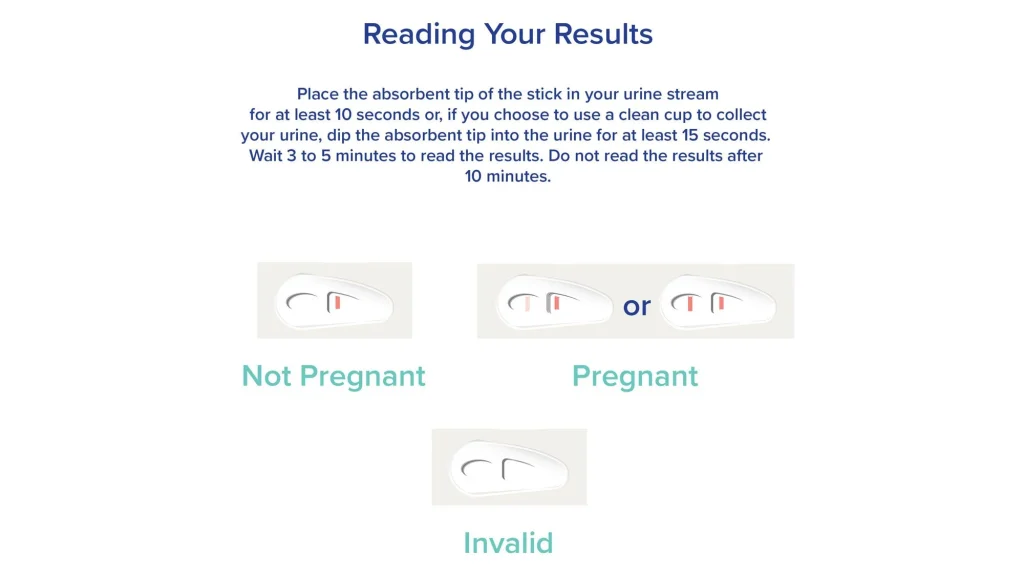
    Instructions for reading pregnancy test results with visual indicators for "Not Pregnant," "Pregnant," and "Invalid.

    The Connection Between Fertility and Insemination Sets

    One of the significant advantages of using insemination sets is that they allow for a more controlled and targeted approach to fertilization. By placing the sperm directly into the reproductive tract, the chances of fertilization are increased, especially in cases where there may be issues with sperm motility or cervical mucus.

    Moreover, insemination sets can also be used in cases where couples are using donor sperm. This method is commonly used by same-sex couples or individuals who may not have a male partner. By using insemination sets, the sperm can be deposited directly into the reproductive tract, bypassing any potential barriers that may prevent natural fertilization.

    Insemination sets can also be used in cases of male factor infertility, where the male partner may have a low sperm count, poor sperm motility, or other issues that may affect natural fertilization. By using IUI sets, for example, the sperm can be washed and concentrated, increasing the chances of successful fertilization.

    It is essential to note that the success rates of insemination sets vary depending on various factors, such as the cause of infertility, the type of set used, and the timing of the procedure. It is crucial to work closely with a fertility specialist to determine the best course of action and increase the chances of success.

    In conclusion, fertility and insemination sets are closely intertwined and play a crucial role in the process of trying to conceive. These sets provide a targeted and controlled approach to fertilization, increasing the chances of success in cases where natural conception may not be possible. With advancements in technology and medicine, more and more individuals and couples struggling with fertility are turning to insemination sets as a viable option for starting or expanding their families.

    Summary:

    Fertility and insemination sets are both essential components in the process of trying to conceive. Fertility refers to the ability to reproduce, while insemination sets are the tools used to facilitate the fertilization process. There are various types of insemination sets available, including IUI, ICI, and IVI sets, each with its own techniques and purposes. These sets can be used in conjunction with fertility treatments or medications, and they offer a more controlled and targeted approach to fertilization. They can also be helpful in cases of male factor infertility or when using donor sperm. However, the success rates of insemination sets vary and depend on factors such as the cause of infertility and the type of set used. Working closely with a fertility specialist is crucial in determining the best approach for each individual or couple.

  • The Pros and Cons of Using a Fertility Boosting Insemination Set

    Title: The Pros and Cons of Using a Fertility Boosting Insemination Set

    Introduction:
    Infertility is a common problem that affects many couples worldwide. In the past, the only option for couples struggling with infertility was to undergo expensive and invasive fertility treatments. However, with advancements in technology and medicine, there are now more options available to couples looking to conceive. One such option is using a fertility boosting insemination set. In this blog post, we will discuss the pros and cons of using a fertility boosting insemination set, so you can make an informed decision about whether it is the right choice for you and your partner.

    What is a Fertility Boosting Insemination Set?
    A fertility boosting insemination set is a kit that contains all the necessary tools and equipment for at-home insemination. It typically includes a syringe, a catheter, and a sample cup. The process involves collecting the semen sample from the male partner, placing it in the sample cup, and then using the syringe and catheter to insert the sample into the female partner’s cervix. The goal of using a fertility boosting insemination set is to increase the chances of fertilization by placing the sperm closer to the egg.

    Pros of Using a Fertility Boosting Insemination Set:

    1. Cost-effective
    One of the significant advantages of using a fertility boosting insemination set is its cost-effectiveness. Fertility treatments, such as intrauterine insemination (IUI) or in vitro fertilization (IVF), can cost thousands of dollars and may not be covered by insurance. On the other hand, a fertility boosting insemination set is relatively inexpensive and can be purchased over the counter or online.

    2. Convenience
    Another benefit of using a fertility boosting insemination set is the convenience it offers. Unlike fertility treatments that require multiple visits to a doctor’s office, insemination can be done in the comfort of your own home. This eliminates the stress and inconvenience of traveling to appointments and allows couples to have more control over the timing of the insemination.

    3. Non-invasive
    Compared to other fertility treatments, using a fertility boosting insemination set is non-invasive. There are no injections or surgical procedures involved, making it a less intimidating option for couples. This can also be beneficial for those who have a fear or aversion to medical procedures.

    4. Can be used for low sperm count
    Fertility issues can be caused by various factors, including a low sperm count in the male partner. In such cases, using a fertility boosting insemination set can be a helpful option. By placing the sperm directly into the cervix, it bypasses any potential issues in the male reproductive system and increases the chances of fertilization.

    mosie baby logo featuring a heart and leaves in blue, pink, and green colors.

    The Pros and Cons of Using a Fertility Boosting Insemination Set

    5. Can be used with donor sperm
    For same-sex couples or single women, using a fertility boosting insemination set allows them to use donor sperm to conceive. This can be a more affordable and less invasive option compared to other fertility treatments that involve using donor sperm.

    Cons of Using a Fertility Boosting Insemination Set:

    1. Lower success rates
    While using a fertility boosting insemination set can be a cost-effective and convenient option, it also comes with lower success rates compared to other fertility treatments. The success rate of insemination can vary depending on factors such as age, fertility issues, and the quality of the sperm. According to the American Pregnancy Association, the success rate of insemination is around 10-20% per cycle.

    2. Requires tracking ovulation
    To increase the chances of success, it is crucial to time insemination correctly. This means tracking ovulation and performing the insemination at the right time. This can be a challenging and time-consuming process for some couples, especially if they have irregular menstrual cycles.

    3. Potential for infection
    Using a fertility boosting insemination set at home comes with a risk of infection if proper hygiene and sterilization protocols are not followed. It is essential to thoroughly clean and sterilize all the equipment before and after use to reduce the risk of infection.

    4. Emotional stress
    The process of trying to conceive can be emotionally draining for many couples, and using a fertility boosting insemination set is no exception. The lower success rates and the need to track ovulation can add to the stress and anxiety of the process. It is essential to consider the emotional impact of using a fertility boosting insemination set and have a support system in place to cope with any challenges that may arise.

    5. Not suitable for all fertility issues
    While using a fertility boosting insemination set can be a helpful option for some couples, it may not be suitable for all fertility issues. For instance, if the female partner has blocked fallopian tubes or severe endometriosis, insemination may not be effective in achieving pregnancy. In such cases, other fertility treatments may be necessary.

    Conclusion:
    In conclusion, using a fertility boosting insemination set has its pros and cons. It can be a cost-effective and convenient option for couples struggling with infertility, especially for those with low sperm count or using donor sperm. However, it also comes with lower success rates and requires careful tracking of ovulation. Ultimately, the decision to use a fertility boosting insemination set should be made after consulting with a fertility specialist and considering all the factors involved.

    SEO metadata:

  • Preparing for Parenthood: How Insemination Sets Can Help You Conceive

    Becoming a parent is one of the most life-changing experiences a person can go through. It is a journey filled with excitement, love, and challenges. For many couples, the road to parenthood may not be as straightforward as they had hoped. Infertility affects approximately 12% of women in the United States, and it can be a difficult and emotional experience to navigate. However, with advancements in reproductive technology, there are now more options available to help couples conceive, including the use of insemination sets. In this blog post, we will discuss how insemination sets can play a crucial role in preparing for parenthood and how they can help you conceive.

    What are Insemination Sets?

    Insemination sets, also known as artificial insemination kits, are a type of fertility treatment that involves placing sperm directly into a woman’s reproductive tract. This can be done either at home or in a medical setting, depending on the couple’s preference and medical needs. Insemination sets typically consist of a syringe, a catheter, and a collection cup for the semen. The process involves collecting a semen sample from the male partner, preparing it for insemination, and then using the syringe and catheter to insert the sperm into the cervix or uterus of the female partner.

    How Can Insemination Sets Help You Conceive?

    Insemination sets can be a useful tool for couples who are struggling to conceive naturally. Here are some of the ways that they can help you on your journey to parenthood:

    1. Increased chances of conception: Insemination sets work by placing sperm directly into the reproductive tract, bypassing any potential barriers that may prevent fertilization. This can increase the chances of conception, especially for couples who have been trying to conceive for a prolonged period without success.

    2. Timing and control: Insemination sets allow couples to have more control over the timing of insemination, which can be crucial for conception. Ovulation prediction kits can be used to determine the most fertile days, and the insemination can be timed accordingly. This can be especially helpful for couples with irregular ovulation patterns or fertility issues.

    3. Cost-effective: Compared to other fertility treatments, such as in vitro fertilization (IVF), insemination sets are a more affordable option. They can be done at home, which eliminates the need for expensive medical procedures and consultations.

    4. Less invasive: Insemination sets are a less invasive option for couples who are trying to conceive. The procedure is relatively simple, and it does not require any surgical intervention. This can be a less stressful and more comfortable option for couples who are already dealing with the emotional toll of infertility.

    at-home insemination kit by Mosie Baby, featuring syringes and containers for comfort and convenience.

    Preparing for Parenthood: How Insemination Sets Can Help You Conceive

    5. Can be used with donor sperm: Insemination sets can also be used with donor sperm, making it an option for single women or same-sex couples who want to start a family. This provides more options and flexibility for those who may not have a male partner or may have fertility issues with their partner’s sperm.

    Preparing for Insemination Sets

    If you and your partner have decided to try insemination sets as a fertility treatment, there are a few things you can do to prepare for the process:

    1. Consult with a fertility specialist: It is essential to consult with a fertility specialist before starting any fertility treatment, including insemination sets. They can assess your medical history and perform tests to determine if this is the right option for you.

    2. Understand the process: Before starting insemination sets, it is crucial to understand the process and what it entails. This will help you feel more informed and prepared, and it can also alleviate any fears or concerns you may have.

    3. Track ovulation: As mentioned earlier, timing is crucial when it comes to insemination sets. Tracking ovulation using an ovulation prediction kit or tracking your basal body temperature can help determine the best time for insemination.

    4. Choose a donor (if using donor sperm): If you are using donor sperm, it is essential to choose a reputable sperm bank and a donor that meets your preferences and criteria. This can be a lengthy and emotional process, so it is best to start early.

    5. Create a supportive environment: Preparing for parenthood can be a stressful and emotional journey, and it is essential to create a supportive environment for yourself and your partner. Seek out support from friends and family, and consider joining a support group for couples dealing with infertility.

    In conclusion, preparing for parenthood can be a challenging and emotional experience, but with the help of insemination sets, it can also be a hopeful and exciting one. These sets can increase the chances of conception, provide more control and flexibility, and be a more affordable and less invasive option for couples struggling with infertility. By consulting with a fertility specialist, understanding the process, and tracking ovulation, you can prepare for the insemination process and increase your chances of conceiving. With the right support and preparation, insemination sets can be a valuable tool in helping you achieve your dream of starting a family.