Tag: self-insemination

  • Creating a Home Insemination Plan

    Blog Post: Creating a Home Insemination Plan

    In recent years, more and more couples and individuals have turned to home insemination as a way to start or expand their families. This alternative method of conception involves using a donor’s sperm to fertilize the egg at home, rather than through traditional medical procedures. While the process may seem daunting at first, with proper planning and preparation, it can be a successful and fulfilling experience. In this blog post, we will discuss the steps to creating a home insemination plan.

    Step 1: Understand the Process
    Before embarking on a home insemination journey, it is essential to understand the process and its success rates. Home insemination has been found to be most effective for couples with no known fertility issues. It also has a higher success rate when the donor sperm is fresh rather than frozen. It is crucial to consult with a medical professional and do thorough research before proceeding with home insemination.

    Step 2: Choose a Donor
    One of the critical steps in creating a home insemination plan is selecting a donor. There are various options available, including known donors such as friends or family members, anonymous donors from sperm banks, or online sperm donation platforms. When choosing a donor, it is essential to consider their physical and medical history, as well as their willingness to participate in the process.

    Step 3: Determine the Timing
    Timing is crucial when it comes to home insemination. The ideal time for insemination is during a woman’s ovulation period when the egg is released from the ovary. This typically occurs around day 14 of a regular 28-day menstrual cycle. However, it is essential to track and monitor your menstrual cycle to determine the most fertile days for insemination.

    Baby with blue eyes wearing a light blue onesie that says "made with Love" on a soft white background.

    Creating a Home Insemination Plan

    Step 4: Gather Supplies
    To perform a successful home insemination, you will need a few essential supplies, including a sterile container for the donor sperm, a sterile syringe or insemination kit, and a clean and comfortable environment. It is crucial to ensure that all supplies are sterile to reduce the risk of infection.

    Step 5: Prepare for Insemination
    On the day of insemination, both the recipient and the donor should avoid any sexual activity for at least 2-3 days leading up to the procedure. This will help to ensure that the sperm count is high and increase the chances of success. The recipient should also take a relaxing bath or shower to clean the vaginal area and reduce any stress or tension.

    Step 6: Perform the Insemination
    When it is time to perform the insemination, the donor will collect their sperm sample into the sterile container. The recipient should then insert the syringe or insemination kit into the vagina and release the sperm near the cervix. It is essential to remain lying down for at least 20-30 minutes after the procedure to allow the sperm to travel towards the egg.

    Step 7: Monitor and Follow Up
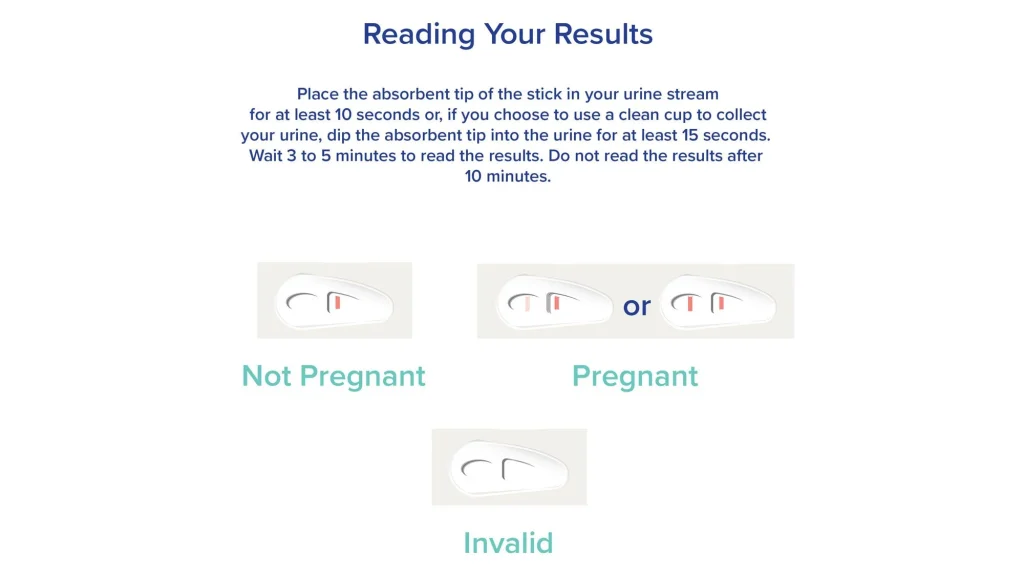
    After the insemination, it is essential to monitor your body’s changes and track any potential pregnancy symptoms. A home pregnancy test can usually be taken about 14 days after insemination to determine if it was successful. If the test is negative, it is recommended to repeat the process in the next ovulation cycle.

    In conclusion, creating a home insemination plan requires careful planning and preparation. It is crucial to understand the process, choose a suitable donor, determine the timing, gather necessary supplies, and perform the insemination correctly. With patience, diligence, and proper monitoring, home insemination can be a viable option for starting or expanding a family.

    Summary:
    Home insemination is becoming a popular alternative for couples and individuals looking to start or expand their families. This method involves using a donor’s sperm to fertilize the egg at home. To create a successful home insemination plan, it is essential to understand the process, choose a suitable donor, determine the timing, gather necessary supplies, and perform the insemination correctly. With patience and proper monitoring, home insemination can be a viable option for conception.


  • Understanding the Risks of Home Insemination

    Understanding the Risks of Home Insemination: A Comprehensive Guide

    Home insemination, also known as self-insemination or DIY insemination, is the process of using at-home methods to achieve pregnancy without medical assistance. It has become a popular option for couples who are struggling with fertility issues, same-sex couples, and single individuals who want to start a family. While home insemination may seem like a convenient and cost-effective solution, it is important to understand the risks involved before embarking on this journey.

    In this blog post, we will explore the various risks associated with home insemination and provide important information to help you make an informed decision.

    1. Inaccurate Timing and Techniques
    One of the biggest risks of home insemination is inaccurate timing and techniques. In order for insemination to be successful, it is crucial to time it correctly with ovulation. This requires tracking ovulation through methods such as ovulation predictor kits or basal body temperature charting. If the timing is off, the chances of conception decrease significantly.

    In addition, the technique used for insemination is also important. It requires precise placement of sperm near the cervix for optimal chances of fertilization. Without proper knowledge and training, it can be challenging to achieve the right placement, which can lead to unsuccessful insemination attempts.

    2. Risk of Infection
    Another risk of home insemination is the potential for infection. The process involves introducing foreign objects, such as syringes or catheters, into the reproductive system. If these tools are not properly sterilized or if the environment is not kept clean, there is a risk of introducing bacteria or other pathogens into the body, which can lead to infections.

    home insemination kit components: a syringe and a collection container against a blue background.

    Understanding the Risks of Home Insemination

    3. Lack of Legal Protection
    In many countries, home insemination is not regulated or legally recognized. This lack of legal protection can leave both the donor and the recipient vulnerable. For instance, in the case of a sperm donor, there may be no legal agreement in place to protect them from any future legal or financial responsibilities towards the child. On the other hand, the recipient may not have any legal rights to the child if the donor decides to revoke consent or if the relationship between the donor and the recipient deteriorates.

    4. Emotional and Psychological Impact
    Home insemination can also have a significant emotional and psychological impact on both the donor and the recipient. For the donor, there may be feelings of attachment or responsibility towards the child, which can be challenging to navigate without proper legal protection. For the recipient, there may be feelings of anxiety, stress, or disappointment if insemination attempts are unsuccessful, which can take a toll on their mental health.

    5. Risk of Multiple Pregnancies
    When using a fertility clinic for insemination, the process is closely monitored to ensure that only one embryo is implanted to reduce the risk of multiple pregnancies. However, with home insemination, there is a higher chance of multiple pregnancies since there is no way to control the number of sperm introduced into the body. This can lead to complications during pregnancy and childbirth, as well as increase the risk of preterm labor and other pregnancy-related complications.

    6. Lack of Medical Support
    In a clinical setting, medical professionals are available to provide support and guidance throughout the insemination process. However, with home insemination, there is no medical support available, and any complications or concerns may go unnoticed or untreated. This can be particularly risky for individuals with underlying medical conditions or those who may require additional medical intervention during the insemination process.

    7. Limited Success Rates
    While home insemination may seem like a more convenient and affordable option, the success rates are significantly lower compared to clinical insemination. This is due to the various factors mentioned above, such as inaccurate timing and techniques, lack of medical support, and risk of infection. It is essential to understand that the success rates of home insemination are not guaranteed and may require multiple attempts before achieving pregnancy.

    In summary, home insemination may seem like an attractive option for individuals or couples looking to start a family, but it is crucial to understand the potential risks involved. Inaccurate timing and techniques, risk of infection, lack of legal protection, emotional and psychological impact, risk of multiple pregnancies, lack of medical support, and limited success rates are all important factors to consider before deciding to pursue home insemination.

    Before embarking on this journey, it is highly recommended to consult with a fertility specialist to understand the potential risks and to ensure that all necessary precautions are taken to increase the chances of a successful pregnancy.

  • Breaking Down the Basics of Home Insemination

    Blog Title: Breaking Down the Basics of Home Insemination

    Home insemination is becoming an increasingly popular option for couples and individuals who are trying to conceive. Whether it’s due to fertility issues, financial constraints, or simply a desire for privacy and control, many people are turning to this method as an alternative to traditional medical procedures. However, the concept of home insemination may seem daunting and overwhelming to those who are unfamiliar with it. In this blog post, we will break down the basics of home insemination and provide you with all the information you need to know.

    What is Home Insemination?

    Home insemination, also known as self-insemination, is the process of placing sperm into the vagina or cervix in order to achieve pregnancy. This can be done without the assistance of a medical professional, making it a more affordable and private option for couples and individuals who are trying to conceive. It can be used by same-sex couples, single individuals, and heterosexual couples who are experiencing fertility issues.

    Preparation for Home Insemination

    Before starting the home insemination process, it is important to prepare yourself and your partner, if applicable. This includes tracking ovulation and determining the best time for insemination, as well as discussing any potential risks or concerns with your doctor. It is also recommended to get tested for sexually transmitted infections (STIs) and have a full fertility evaluation to ensure that there are no underlying issues that could affect the success of home insemination.

    Sperm Collection and Preparation

    The first step in the home insemination process is obtaining sperm. This can be done through a sperm bank, a known donor, or a friend who is willing to donate. If using a sperm bank, the sperm will already be tested and prepared for insemination. However, if using a known donor or friend, it is important to have them tested for STIs and to have their sperm washed and prepared by a professional to increase the chances of success.

    Mosie Baby At-Home Insemination Kit instructions and storage guidelines on a blue background.

    Breaking Down the Basics of Home Insemination

    The Insemination Process

    Once the sperm is collected and prepared, it is time to begin the insemination process. This can be done in a variety of ways, including using a syringe, a menstrual cup, or a special kit designed for home insemination. The most important thing is to ensure that the sperm is placed as close to the cervix as possible, as this increases the chances of conception.

    Tips for Success

    While home insemination can be an effective method for achieving pregnancy, there are some tips that can increase the chances of success. These include:

    – Timing is crucial: It is important to track ovulation and inseminate around the time of ovulation for the best chances of success.
    – Relax and stay positive: Stress and anxiety can affect hormone levels and decrease the chances of conception. It is important to relax and stay positive during the insemination process.
    – Consider using fertility-friendly lubricants: Regular lubricants can hinder sperm mobility, so it is recommended to use a fertility-friendly lubricant during insemination.
    – Follow up with a pregnancy test: It is important to follow up with a pregnancy test after insemination to confirm pregnancy and seek medical care if needed.

    Possible Risks and Considerations

    While home insemination is generally considered safe, there are some potential risks and considerations to keep in mind. These include:

    – The risk of STIs: If using a known donor or friend, it is important to have them tested for STIs to reduce the risk of transmission.
    – The risk of incorrect placement: It is important to ensure that the sperm is placed as close to the cervix as possible for the best chances of success.
    – The risk of emotional attachment: If using a known donor or friend, it is important to consider the potential emotional attachment that may occur and have open and honest communication about expectations.

    In conclusion, home insemination is a viable option for couples and individuals who are trying to conceive. It is important to prepare yourself, follow the proper steps, and consider potential risks and tips for success. With the right information and preparation, home insemination can be a safe and effective way to achieve pregnancy.

  • Maximizing Your Fertility Potential with an Insemination Made Easy Starter Pack

    Maximizing Your Fertility Potential with an Insemination Made Easy Starter Pack

    For couples who are struggling to conceive, the journey towards starting a family can be emotionally and physically exhausting. While there are many different fertility treatments available, some couples may prefer a more natural and less invasive approach. This is where an insemination made easy starter pack can be a game-changer. In this blog post, we will explore what an insemination made easy starter pack is, how it works, and how it can help couples maximize their fertility potential.

    What is an Insemination Made Easy Starter Pack?
    An insemination made easy starter pack is a complete kit that contains all the necessary tools and supplies for self-insemination at home. It typically includes a cervical cap, a syringe, a donor sperm sample, and instructions on how to perform the insemination. Some starter packs may also include ovulation predictor kits and pre-seed lubricant, which can further increase the chances of successful conception.

    How Does it Work?
    The concept of self-insemination may seem daunting at first, but with the right tools and guidance, it can be a simple and effective way to boost fertility potential. The first step is to track ovulation using an ovulation predictor kit or by monitoring basal body temperature and cervical mucus. Once ovulation is detected, the cervical cap is placed over the cervix to create a barrier and hold the sperm in place. The syringe is then used to insert the donor sperm through the cervical cap and into the cervix. The couple can then continue with their normal activities while the sperm travels up to the fallopian tubes to fertilize the egg.

    Benefits of Using an Insemination Made Easy Starter Pack
    1. Cost-Effective: Traditional fertility treatments such as in vitro fertilization (IVF) can be quite expensive, making it inaccessible for many couples. An insemination made easy starter pack is a much more affordable option and can save couples thousands of dollars in fertility treatments.

    2. Privacy: For some couples, the thought of undergoing fertility treatments at a clinic can be uncomfortable and invasive. With an insemination made easy starter pack, the entire process can be done in the comfort and privacy of their own home.

    3. More Natural Approach: Insemination made easy starter packs use the couple’s own sperm and do not involve any hormonal treatments or invasive procedures. This makes it a more natural and less intrusive way to boost fertility potential.

    home insemination kit components: a syringe and a collection container against a blue background.

    Maximizing Your Fertility Potential with an Insemination Made Easy Starter Pack

    4. Convenience: With a starter pack, couples have all the necessary tools and instructions at their disposal, eliminating the need to make frequent trips to a clinic. This can be especially beneficial for couples who have busy schedules or live in remote areas.

    5. Increased Chances of Success: By tracking ovulation and using a cervical cap, the insemination made easy starter pack can significantly increase the chances of successful conception. Additionally, some starter packs also include pre-seed lubricant, which mimics natural cervical mucus and can help sperm swim more easily.

    Tips for Maximizing Fertility Potential with an Insemination Made Easy Starter Pack
    1. Follow the Instructions: It is crucial to carefully follow the instructions provided with the starter pack to ensure the best chances of success. This includes tracking ovulation accurately and performing the insemination correctly.

    2. Stay Positive: Trying to conceive can be a rollercoaster of emotions, but it is important to stay positive and have faith in the process. Stress and negativity can impact fertility, so it is essential to maintain a positive mindset.

    3. Consider Consulting a Professional: While an insemination made easy starter pack is designed for home use, some couples may feel more comfortable seeking guidance from a fertility specialist. They can provide additional tips and support to maximize fertility potential.

    4. Be Patient: Conception may not happen right away, and it is essential to be patient and keep trying. It may take a few cycles before achieving a successful pregnancy, so it is important not to lose hope.

    In conclusion, an insemination made easy starter pack can be a valuable tool for couples looking to maximize their fertility potential. It offers a more natural, cost-effective, and private approach to fertility treatments, and with proper use, it can significantly increase the chances of conception. By following the tips mentioned above and staying positive, couples can embark on their journey towards parenthood with confidence and hope.

  • Syringe Method Success Stories: Real Women Share Their Journeys to Motherhood

    Blog Post: Syringe Method Success Stories: Real Women Share Their Journeys to Motherhood

    For many women, the journey to motherhood is not always easy. Infertility, medical complications, or financial constraints can make it challenging to conceive a child naturally. But thanks to modern technology and innovative methods, more and more women are achieving their dream of becoming mothers. One such method that has gained popularity in recent years is the syringe method. This technique involves using a syringe to self-inseminate at home, making it a more affordable and convenient option for many women. In this blog post, we will share the inspiring stories of real women who have successfully used the syringe method to start their families.

    1. Sara’s Story: Overcoming Infertility with the Syringe Method
    Sara had been trying to conceive for over two years with no success. After undergoing several fertility treatments and spending a significant amount of money, she was still not pregnant. Feeling discouraged and exhausted, she stumbled upon the syringe method while doing her research. With the help of a sperm donor, Sara successfully used the syringe method and became pregnant on her first try. She gave birth to a healthy baby boy and credits the syringe method for making her dream of motherhood a reality.

    2. Lisa’s Journey: A Single Mother’s Choice
    Lisa had always known that she wanted to become a mother, but as a single woman, she didn’t see how it was possible. Adoption was an option, but she longed to carry and give birth to her child. That’s when she discovered the syringe method. Lisa used a sperm donor and self-inseminated at home, and nine months later, she gave birth to a beautiful baby girl. She believes that the syringe method gave her the chance to become a mother on her terms, and she couldn’t be happier.

    Instructions for reading pregnancy test results with visual indicators for "Not Pregnant," "Pregnant," and "Invalid.

    Syringe Method Success Stories: Real Women Share Their Journeys to Motherhood

    3. Maria’s Success: Overcoming Financial Constraints
    Maria and her husband had been trying to conceive for years, but due to financial constraints, they couldn’t afford expensive fertility treatments. They had almost given up hope when Maria’s friend told her about the syringe method. After discussing it with her husband, they decided to give it a try. Maria used a donor sperm and self-inseminated at home, and to their surprise, she became pregnant on the first attempt. They now have a healthy baby girl, and Maria is grateful for the syringe method, which made it possible for them to start their family.

    4. Emily’s Miracle: A Solution for Same-Sex Couples
    Emily and her wife had been trying to conceive for years with no success. As a same-sex couple, they had limited options, and fertility treatments were costly. They were about to give up when they came across the syringe method. Emily’s wife provided the donor sperm, and Emily self-inseminated at home. After a few attempts, they finally became pregnant with twins. Emily and her wife are now proud parents to a beautiful boy and girl, and they couldn’t be happier.

    5. Anna’s Blessing: A Second Chance at Motherhood
    Anna had been through a difficult divorce and was raising her teenage daughter as a single mother. She never thought she would have another child, but when she met her new partner, they both knew they wanted to start a family together. However, at 40 years old, Anna was worried about her fertility. They couldn’t afford expensive fertility treatments, but then they discovered the syringe method. Anna used a sperm donor and self-inseminated at home, and incredibly, she became pregnant with twins. She now has a happy and complete family, thanks to the syringe method.

    The Syringe Method: A Convenient and Affordable Option for Women
    These are just a few of the many success stories of women who have used the syringe method to start their families. This method offers a more affordable and convenient option for women who are struggling with infertility, financial constraints, or other obstacles. It also provides a solution for same-sex couples and single women who want to become mothers. With proper research, preparation, and guidance from a healthcare professional, the syringe method can be a safe and effective way to achieve pregnancy.

    In conclusion, the journey to motherhood can be challenging, but these inspiring stories show that with determination and the right resources, anything is possible. The syringe method has given many women the opportunity to become mothers, and it continues to be a viable option for those who are looking to start or expand their families.

  • The All-in-One Solution: A Closer Look at At-Home Insemination Solution Sets

    Blog Post:

    In recent years, at-home insemination has become a popular alternative for individuals and couples looking to start a family. With the rise of same-sex couples and single individuals choosing to have children, the demand for a more convenient and affordable method of insemination has increased. This has led to the development of at-home insemination solution sets – all-in-one kits that provide everything needed for a successful insemination at home. In this blog post, we will take a closer look at these solution sets and how they work.

    What is At-Home Insemination?

    At-home insemination, also known as self-insemination, is a method of fertilization that can be done at home without the assistance of a medical professional. It involves placing sperm into the vagina or cervix using a syringe or other device. This method is commonly used by same-sex couples, single individuals, and heterosexual couples facing fertility issues.

    All-in-One Solution Sets

    At-home insemination solution sets are designed to make the process of self-insemination easier and more convenient. These sets typically include all the necessary items for a successful insemination, such as:

    1. Sperm Collection Device: A device used to collect sperm from the donor. This can be a collection cup, a specimen cup, or a collection condom.

    2. Syringe: A sterile syringe is used to collect the sperm and insert it into the vagina or cervix.

    3. Ovulation Test Strips: These strips help determine the most fertile days in a woman’s cycle, making it easier to time the insemination.

    4. Pregnancy Tests: These tests are included for individuals or couples who wish to confirm a successful insemination and pregnancy.

    5. Lubricant: A fertility-friendly lubricant is included to help the sperm reach the cervix and increase the chances of pregnancy.

    6. Instructions: Most solution sets come with detailed instructions on how to use the items included and the best practices for a successful insemination.

    How to Use At-Home Insemination Solution Sets

    1. Sperm Collection: The first step is to collect the sperm from the donor using the collection device provided in the kit. It is essential to follow the instructions carefully to ensure the sperm remains viable.

    2. Determine Fertile Days: The next step is to use the ovulation test strips included in the kit to determine the most fertile days in the woman’s cycle. This helps increase the chances of successful insemination.

    At-home insemination kit with ovulation and pregnancy tests, promoting fertility and family planning.

    The All-in-One Solution: A Closer Look at At-Home Insemination Solution Sets

    3. Prepare for Insemination: Once the most fertile days have been determined, it is time to prepare for insemination. This involves following the instructions provided in the kit for preparing the syringe, lubricating the cervix, and inserting the sperm.

    4. Perform Insemination: Using the syringe, the sperm is inserted into the vagina or cervix. It is essential to follow the instructions carefully to ensure the sperm is placed in the correct location.

    5. Confirm Pregnancy: After the insemination, it is important to wait for two weeks before taking a pregnancy test. If the test is positive, it is recommended to follow up with a medical professional for confirmation and proper prenatal care.

    Benefits of At-Home Insemination Solution Sets

    1. Convenience: At-home insemination solution sets provide a convenient and private option for individuals and couples looking to start a family. It eliminates the need for multiple visits to a medical facility and allows the process to be done in the comfort of one’s home.

    2. Affordability: Compared to other methods of insemination, at-home insemination solution sets are a more affordable option. It eliminates the need for expensive medical procedures and allows individuals and couples to save money while still achieving their goal of starting a family.

    3. Increased Control: With at-home insemination solution sets, individuals and couples have more control over the process. They can choose the donor, the timing of the insemination, and have a sense of empowerment throughout the process.

    4. Accessibility: At-home insemination solution sets are widely available and can be purchased online or in stores. This makes it easier for individuals and couples to access the necessary items for self-insemination.

    Considerations for At-Home Insemination

    While at-home insemination solution sets offer many benefits, there are some important considerations to keep in mind before opting for this method.

    1. Success Rates: The success rates for at-home insemination can vary and are typically lower than traditional medical procedures. It is essential to manage expectations and be prepared for multiple attempts before achieving pregnancy.

    2. Health Risks: While at-home insemination is generally considered safe, there is still a risk of infection if proper hygiene and safety precautions are not followed. It is important to carefully read and understand the instructions provided in the kit.

    3. Legal Considerations: It is crucial to understand the legal implications of at-home insemination, especially for same-sex couples and single individuals. It is recommended to consult a lawyer to ensure proper documentation and protection for all parties involved.

    Summary:

    At-home insemination solution sets provide a convenient, affordable, and accessible option for individuals and couples looking to start a family. These all-in-one kits come with all the necessary items for a successful self-insemination, including a sperm collection device, syringe, ovulation test strips, pregnancy tests, lubricant, and instructions. While this method offers many benefits, it is important to consider success rates, health risks, and legal implications before opting for at-home insemination.

  • A Comprehensive Guide to At-Home Insemination Solution Sets

    Summary:

    At-home insemination is becoming a popular option for individuals and couples looking to start a family. With advancements in technology and the availability of comprehensive solution sets, it is now easier than ever to perform the insemination process in the comfort of your own home. In this comprehensive guide, we will explore the different types of at-home insemination solution sets available, the benefits and considerations of each, and step-by-step instructions on how to use them effectively.

    Introduction:

    At-home insemination, also known as self-insemination or self-administered insemination, is a method of achieving pregnancy without medical assistance. It involves placing sperm into the reproductive tract through the use of a syringe, cup, or other device. This method is often used by same-sex couples, single individuals, or couples with fertility issues. At-home insemination is a cost-effective and convenient option for those who may not have access to traditional fertility treatments or prefer to have more control over the process.

    Types of At-Home Insemination Solution Sets:

    1. Conception Kits:
    Conception kits are comprehensive solution sets that include all the necessary tools and instructions for at-home insemination. These kits typically include a cervical cap, ovulation predictor kit, pregnancy test, and other necessary items. The cervical cap is used to collect and hold the sperm, while the ovulation predictor kit helps determine the most fertile time for insemination. These kits are available over-the-counter and can be purchased online or at a local pharmacy.

    2. At-Home Insemination Devices:
    There are also various devices available for at-home insemination, such as the Mosie Baby syringe or the Stork OTC. These devices are designed specifically for at-home insemination and make the process easier and more hygienic. They also come with detailed instructions and are generally more affordable than conception kits.

    3. DIY Insemination Solution Sets:
    For those looking for a more budget-friendly option, DIY insemination solution sets can be put together using household items. These sets typically include a syringe or turkey baster, a menstrual cup, and other necessary items. While these sets may be cheaper, they may not have the same level of sterility and precision as other solution sets.

    Benefits and Considerations of At-Home Insemination Solution Sets:

    1. Cost-effective:
    At-home insemination solution sets are generally more affordable than traditional fertility treatments, making them accessible to a wider range of individuals and couples.

    2. Convenience:
    Performing at-home insemination allows for more privacy and comfort compared to medical procedures. It also eliminates the need for frequent visits to a fertility clinic, making it a more convenient option for those with busy schedules or limited access to medical facilities.

    3. Control over the process:
    At-home insemination gives individuals and couples more control over the process and allows them to be more involved in their journey to parenthood.

    However, there are also some important considerations to keep in mind when using at-home insemination solution sets. These include:

    Mosie Baby kit with two jars, a syringe, and a supportive message card inside a colorful box.

    A Comprehensive Guide to At-Home Insemination Solution Sets

    1. Risk of infection:
    It is crucial to maintain a high level of sterility when performing at-home insemination to reduce the risk of infection. Make sure to follow the instructions provided and use sterile equipment to avoid any complications.

    2. Success rates:
    The success rates of at-home insemination may not be as high as traditional fertility treatments. It is important to have realistic expectations and be prepared to try multiple times before achieving pregnancy.

    3. Legal concerns:
    In some countries, at-home insemination may not be legally recognized, and the non-biological parent may face legal challenges in establishing parental rights. It is important to research and understand the laws and regulations in your country or state before proceeding with at-home insemination.

    Step-by-Step Guide to At-Home Insemination:

    1. Determine the most fertile time:
    Using an ovulation predictor kit or tracking your menstrual cycle, determine the most fertile time for insemination. This is usually around the time of ovulation, which occurs approximately 14 days after the first day of your last period.

    2. Prepare the sperm:
    If using donor sperm, make sure to follow the instructions provided by the sperm bank. If using a known donor, make sure to discuss any necessary testing and screening beforehand.

    3. Prepare the insemination solution set:
    Follow the instructions provided with the solution set to ensure proper sterilization of all equipment.

    4. Collect the sperm:
    Collect the sperm using the provided tools or a clean cup.

    5. Insert the sperm:
    Using the provided syringe or device, insert the sperm into the reproductive tract. The most common method is to place the sperm near the cervix, but other methods may vary depending on the type of device used.

    6. Remain in a reclined position:
    After insemination, it is recommended to remain in a reclined position for 15-20 minutes to increase the chances of successful fertilization.

    7. Take a pregnancy test:
    Wait at least two weeks and take a pregnancy test to determine if the insemination was successful. If the test is positive, make an appointment with a healthcare provider for confirmation and further guidance.

    Conclusion:

    At-home insemination solution sets offer a convenient and cost-effective option for individuals and couples looking to start a family. With various types of solution sets available, it is important to research and choose the one that best fits your needs and budget. By following the step-by-step guide and considering the benefits and considerations, you can increase your chances of a successful and safe at-home insemination.

  • Conceiving Confidence: How At-Home Insemination Solution Sets Can Help You

    Conceiving Confidence: How At-Home Insemination Solution Sets Can Help You

    Conceiving a child is a dream shared by many. Whether you are in a same-sex relationship, struggling with fertility issues, or simply prefer the privacy and comfort of your own home, there are many reasons why at-home insemination may be the right choice for you. However, the process can be daunting and overwhelming, especially for first-timers. That’s where at-home insemination solution sets come in. These kits provide everything you need to successfully and confidently conceive at home. In this blog post, we will explore the benefits of using at-home insemination solution sets and how they can help you achieve your dream of starting a family.

    The Basics of At-Home Insemination

    At-home insemination, also known as self-insemination, is a method of achieving pregnancy without the need for medical intervention. It involves inserting sperm into the vagina or cervix through a syringe, cervical cap, or softcup. This method has been used for decades by couples and individuals trying to conceive, and it has become increasingly popular in recent years due to the rise of same-sex couples and the desire for more privacy and control over the process.

    The Benefits of At-Home Insemination Solution Sets

    While at-home insemination may seem simple enough, there are many factors that can affect its success. That’s where at-home insemination solution sets come in. These kits include all the necessary tools and instructions to make the process as easy and stress-free as possible. Here are some of the key benefits of using at-home insemination solution sets:

    1. Convenience: At-home insemination solution sets eliminate the need to purchase individual items and figure out the correct measurements and techniques. Everything you need is conveniently packaged in one kit, saving you time and effort.

    2. Cost-effective: Insemination procedures done at a fertility clinic can be expensive, making it an unaffordable option for many. At-home insemination solution sets are a more affordable alternative, making it accessible to a wider range of people.

    3. Privacy and comfort: Many people prefer to conceive in the comfort and privacy of their own home rather than in a clinical setting. With at-home insemination solution sets, you can avoid the stress and pressure of a doctor’s office and create a more intimate and personal experience.

    4. Greater control and flexibility: At-home insemination solution sets allow you to have full control over the process. You can choose when and where to perform the insemination and can adjust the timing to align with your ovulation cycle. This level of flexibility is not possible with clinical insemination procedures.

    5. Customized to your needs: Different at-home insemination solution sets offer different options, such as different types of insemination devices and sperm collection methods. This allows you to choose the kit that best suits your needs and preferences.

    pregnancy test kit with instructions, test device, and packaging on a white background

    Conceiving Confidence: How At-Home Insemination Solution Sets Can Help You

    How At-Home Insemination Solution Sets Work

    At-home insemination solution sets typically include a syringe or softcup, a cervical cap, and sperm-friendly lubricant. Some kits may also include ovulation predictor kits and pregnancy tests. The process starts with collecting sperm, either from a donor or from a sperm bank. The sperm is then placed into the syringe or softcup, along with the lubricant, and inserted into the vagina or cervix. The cervical cap can also be used to keep the sperm near the cervix for a longer period of time. It is important to follow the instructions provided with the kit carefully to ensure the best chance of success.

    Tips for Success with At-Home Insemination Solution Sets

    While at-home insemination solution sets can greatly increase your chances of success, there are still some tips to keep in mind for the best results:

    1. Timing is key: It is important to track your ovulation cycle and perform the insemination during your most fertile days. Many kits come with ovulation predictor kits to make this process easier.

    2. Stay relaxed: Stress and tension can affect your body’s natural processes, including fertility. Try to stay relaxed and calm during the insemination process.

    3. Use sperm-friendly lubricant: Regular lubricants can harm sperm, so it is essential to use a sperm-friendly lubricant provided in the kit.

    4. Have a support system: Insemination can be an emotional process, so it is important to have a supportive partner or friend to help you through it.

    In Conclusion

    At-home insemination solution sets are a convenient, cost-effective, and customizable option for those looking to conceive at home. They provide all the necessary tools and instructions for a successful insemination, while also offering privacy, control, and flexibility. By following the tips for success and carefully using the kit, you can increase your chances of conceiving and bring your dream of starting a family to life.

    SEO Metadata:

  • The Success Stories of Home Insemination: Real-Life Experiences

    Blog Post:

    Home insemination, also known as DIY or self-insemination, is the process of using self-administered insemination techniques to conceive at home. This method has become increasingly popular in recent years, as more and more people are seeking alternative ways to start a family. While it may seem unconventional, home insemination has proven to be a successful option for many couples and individuals. In this blog post, we will explore the success stories of home insemination and hear from real-life experiences of those who have successfully conceived using this method.

    1. The Power of Community

    One of the biggest advantages of home insemination is the sense of community that comes with it. Online forums and support groups have become a valuable resource for those considering or already using home insemination. These communities provide a safe space for individuals to share their experiences, ask questions, and offer support to one another.

    One success story that highlights the power of community is that of Rachel and her partner, who were struggling with infertility. After exhausting all other options, they turned to home insemination and found a supportive online community that helped them through the process. Rachel shares, “The support and advice we received from the online community were invaluable. It gave us the confidence and knowledge we needed to successfully conceive using home insemination.”

    2. Flexibility and Convenience

    Another success story of home insemination is that of Samantha and her wife, who wanted to start a family but were not ready to go through the process of adoption or IVF. Home insemination allowed them to have a more flexible and convenient option. They were able to choose the timing and location of insemination, making the process less stressful and more enjoyable for them.

    Samantha says, “Home insemination gave us the freedom to do it on our own terms. We didn’t have to schedule appointments or travel to a clinic. We were able to do it in the comfort of our own home, which made it a more intimate and special experience.”

    3. Financial Benefits

    For many, the cost of fertility treatments can be a major barrier to starting a family. Home insemination offers a more affordable option compared to other methods such as IVF. This was the case for Sarah and her partner, who were struggling with the high costs of fertility treatments. After researching home insemination, they decided to give it a try and were pleasantly surprised by the results.

    mosie baby logo featuring a heart and leaves in blue, pink, and green colors.

    The Success Stories of Home Insemination: Real-Life Experiences

    Sarah shares, “We were hesitant at first, but the financial benefits of home insemination were hard to ignore. We were able to save a significant amount of money, and we were lucky enough to conceive on our first try.”

    4. Personalized Approach

    One of the main reasons people choose home insemination is for its personalized approach. Unlike other fertility methods that involve medical professionals, home insemination allows individuals to have more control over the process. This was the case for Lisa, who wanted to have a child on her own. She found home insemination to be the perfect option for her as she could tailor the process to fit her needs.

    Lisa explains, “I wanted to be in control of my own journey, and home insemination allowed me to do just that. I was able to choose the donor, the timing, and the method of insemination. It was a personal and empowering experience.”

    5. A Successful Alternative for Same-Sex Couples

    Home insemination has also proven to be a successful option for same-sex couples, who may face more challenges when it comes to starting a family. One of these couples is John and Mark, who were struggling to find a sperm donor that met their requirements. After considering many options, they decided to try home insemination and were thrilled when they found out they were expecting.

    John says, “Home insemination gave us the opportunity to start a family on our own terms. We were able to choose a donor that we felt comfortable with, and we were overjoyed when it worked on our first try.”

    In conclusion, the success stories of home insemination show that it is a viable and successful option for those looking to conceive. The power of community, flexibility and convenience, financial benefits, personalized approach, and its effectiveness for same-sex couples are just some of the reasons why home insemination has become a popular choice for many. While it may not be the right option for everyone, it has proven to be a life-changing experience for those who have tried it.

    Summary:

    Home insemination, also known as DIY or self-insemination, is a popular and successful method for conceiving at home. Real-life experiences of couples and individuals have shown the benefits of this approach, including the power of community, flexibility and convenience, financial benefits, and a personalized approach. It has also proven to be a successful alternative for same-sex couples. While it may not be suitable for everyone, the success stories of home insemination highlight its effectiveness and the sense of empowerment it brings to those who choose this method.

  • Navigating the Journey: Support and Resources for Home Insemination

    Navigating the Journey: Support and Resources for Home Insemination

    For many people, the journey to starting a family can be a challenging and emotional one. This is especially true for individuals or couples who choose to pursue home insemination as a means of conception. While there are many reasons why someone may choose this path, such as fertility issues or LGBTQ+ family building, the process can often feel overwhelming and isolating. However, with the right support and resources, navigating the journey of home insemination can be a more manageable and positive experience. In this blog post, we will explore the various aspects of home insemination and provide helpful tips and resources for those embarking on this journey.

    Understanding Home Insemination

    Home insemination, also known as self-insemination or at-home insemination, is the process of using donor sperm to achieve pregnancy without medical intervention. This method involves collecting sperm from a donor, either from a sperm bank or a known donor, and then using an insemination kit to place the sperm into the vagina or cervix. While it may sound simple, there are many factors to consider and steps to take in order to increase the chances of success.

    Preparing for Home Insemination

    Before starting the process of home insemination, it is crucial to do thorough research and preparation. This includes understanding the legalities and regulations surrounding donor sperm usage in your country or state. It is also essential to have a clear understanding of the various methods of insemination, such as intracervical insemination (ICI) or intrauterine insemination (IUI), and their success rates. Consulting with a healthcare provider or fertility specialist can also provide valuable insights and guidance.

    Choosing a Donor

    Selecting a donor is a significant decision in the home insemination process. It is essential to consider factors such as genetic history, physical traits, and medical history when choosing a donor. Some people may opt for a known donor, such as a friend or family member, while others may prefer using a donor from a sperm bank. Whichever route is chosen, it is crucial to ensure that proper legal agreements and health screenings are in place.

    Gathering Supplies and Equipment

    The next step in home insemination is gathering all the necessary supplies and equipment. This includes an insemination kit, which typically includes a syringe or applicator, a collection cup, and a sterile container for the sperm. It is essential to ensure that the equipment is sterile, and the sperm is handled with care to avoid contamination. Additionally, having a comfortable and private space for the insemination process is crucial to reduce stress and increase comfort.

    Colorful promotional image for Mosie Baby, featuring home insemination kit and encouraging text.

    Navigating the Journey: Support and Resources for Home Insemination

    Tracking Ovulation

    Timing is crucial in home insemination, as it increases the chances of conception. Tracking ovulation through methods like basal body temperature (BBT) charting or ovulation predictor kits can help pinpoint the most fertile days in a person’s menstrual cycle. It is recommended to inseminate within 12-24 hours of ovulation to increase the chances of success.

    The Role of Support and Resources

    While home insemination can be a solo journey, having a support system in place can make all the difference. This includes emotional support from friends and family, as well as connecting with others who have gone through or are currently going through the same process. Online support groups and forums, such as those on social media or fertility-focused websites, can provide a sense of community and valuable insights. Professional support, such as working with a therapist or fertility coach, can also be beneficial in managing any emotional challenges that may arise.

    Tools and Resources for Home Insemination

    Fortunately, there are many resources available to support individuals or couples on their home insemination journey. From instructional videos and articles to online forums and support groups, these tools can provide guidance, reassurance, and a sense of community. Some helpful resources include:

    – Insemination kits and supplies from reputable online retailers such as The Sperm Bank of California and Mosie Baby.
    – Fertility tracking apps, such as Glow and Fertility Friend, to help track ovulation and fertility signs.
    – Fertility-focused websites like Creating a Family and The American Society for Reproductive Medicine (ASRM), which offer educational materials and support.
    – Online support groups and forums, such as the Home Insemination Support Group on Facebook and the Donor Conception Support Group on Reddit.

    In addition to these resources, it is essential to work closely with a healthcare provider or fertility specialist to ensure the process is safe and effective.

    In conclusion, navigating the journey of home insemination can be a daunting task, but with the right support and resources, it can also be an empowering and fulfilling experience. It is crucial to do thorough research, prepare mentally and emotionally, and have a supportive community in place. By following these steps and utilizing the various tools and resources available, individuals and couples can increase their chances of success and achieve their dream of starting a family.

    SEO metadata: