Tag: Reproductive Health

  • The Impact of Chronic Stress on Cervical Mucus Health and Fertility

    Summary:

    Chronic stress is a common issue in today’s fast-paced world, and it can have a significant impact on our overall health. One area that is often overlooked when it comes to stress is cervical mucus health and fertility. Cervical mucus is a vital component of the female reproductive system, and it plays a crucial role in helping sperm reach and fertilize the egg. However, chronic stress can disrupt the delicate balance of cervical mucus, leading to fertility issues and other health problems. In this blog post, we will explore the impact of chronic stress on cervical mucus health and fertility and discuss ways to manage stress and improve overall reproductive health.

    First and foremost, it is essential to understand what cervical mucus is and why it is crucial for fertility. Cervical mucus is a fluid produced by the cervix that lines the vaginal canal. Its main purpose is to create a friendly environment for sperm to survive and reach the egg for fertilization. Cervical mucus also acts as a barrier, preventing harmful bacteria and other substances from entering the uterus. It changes in consistency and amount throughout the menstrual cycle, with the most fertile mucus being thin, clear, and stretchy, resembling egg whites.

    Chronic stress can have a severe impact on cervical mucus health. When we experience stress, our bodies release the hormone cortisol, also known as the “stress hormone.” Cortisol is necessary for our bodies to respond to stress, but chronic stress can lead to an overproduction of cortisol, which can disrupt the delicate hormonal balance in the body. This hormonal imbalance can interfere with the production and quality of cervical mucus, making it thicker and more acidic, making it difficult for sperm to survive and reach the egg. This can significantly decrease the chances of conception and increase the risk of infertility.

    Apart from affecting cervical mucus directly, chronic stress can also indirectly impact fertility. Stress can lead to unhealthy coping mechanisms such as smoking, excessive drinking, and poor diet, which can all have detrimental effects on fertility. Stress can also disrupt the menstrual cycle, causing irregular periods and even anovulation (lack of ovulation), further decreasing the chances of conceiving.

    pregnancy test kit with instructions, test device, and packaging on a white background

    The Impact of Chronic Stress on Cervical Mucus Health and Fertility

    Furthermore, chronic stress can also cause inflammation in the body, which can have adverse effects on cervical mucus health and fertility. Inflammation can thicken the mucus and make it more difficult for sperm to travel through the cervix. It can also lead to damage to the reproductive organs, making it challenging for the embryo to implant in the uterus. Chronic inflammation has also been linked to conditions like endometriosis and pelvic inflammatory disease, which can cause fertility issues.

    So, what can be done to manage chronic stress and improve cervical mucus health and fertility? The first step is to identify the sources of stress and find ways to manage them. This may include making lifestyle changes such as practicing relaxation techniques like yoga or meditation, getting regular exercise, and maintaining a healthy diet. Seeking support from a therapist or counselor can also be beneficial in managing stress and improving overall mental health.

    In addition to managing stress, there are also specific steps women can take to improve cervical mucus health. One is to track their menstrual cycle and monitor changes in cervical mucus. This can help identify any irregularities and provide valuable information for fertility tracking. Another essential step is to maintain a healthy vaginal pH balance. The vagina is naturally slightly acidic, but stress can make it more acidic, which can lead to imbalances in the vaginal microbiome and affect cervical mucus health. Using a pH-balanced vaginal wash or probiotic supplements can help maintain a healthy vaginal pH and promote good bacteria growth.

    In some cases, medical intervention may be necessary to manage chronic stress and improve cervical mucus health and fertility. Hormonal imbalances caused by stress can be treated with medication or supplements prescribed by a doctor. In cases where inflammation is a concern, anti-inflammatory medication or natural remedies like turmeric or omega-3 fatty acids can help reduce inflammation and promote a healthy reproductive system.

    In conclusion, chronic stress can have a significant impact on cervical mucus health and fertility. It can directly affect the production and quality of cervical mucus and indirectly impact fertility by causing unhealthy coping mechanisms and disrupting the menstrual cycle. It is essential to manage stress and find ways to improve cervical mucus health to increase the chances of conception. This includes making lifestyle changes, seeking support, and, if necessary, seeking medical intervention. By addressing chronic stress and taking steps to improve cervical mucus health, women can increase their chances of conceiving and have a healthier reproductive system.


  • Managing Stress for Improved Cervical Mucus Quality and Fertility

    Summary:

    Stress is a common and often unavoidable part of daily life. However, when it comes to reproductive health and fertility, stress can have a significant impact. In particular, stress can affect the quality of cervical mucus, which plays a crucial role in fertility and conception. This blog post will explore the connection between stress and cervical mucus, and provide strategies for managing stress to improve cervical mucus quality and increase the chances of pregnancy.

    The Importance of Cervical Mucus in Fertility

    Before diving into the effects of stress on cervical mucus, it’s essential to understand the role it plays in fertility. Cervical mucus is a fluid produced by the cervix that changes in consistency and texture throughout a woman’s menstrual cycle. During ovulation, the mucus becomes thin, slippery, and stretchy, creating an optimal environment for sperm to travel and fertilize an egg. Without this fertile cervical mucus, it can be challenging for sperm to reach the egg, making conception more difficult.

    How Stress Affects Cervical Mucus Quality

    When we are stressed, our bodies produce the hormone cortisol, also known as the “stress hormone.” This hormone can have a significant impact on our reproductive system, including the production and quality of cervical mucus. High levels of cortisol can disrupt the balance of hormones responsible for cervical mucus production, leading to changes in its quality and quantity.

    Additionally, stress can also cause physical tension in the body, which can affect blood flow to the reproductive organs. This reduced blood flow can result in a decrease in cervical mucus production and may also affect its consistency and texture, making it less conducive to sperm transport.

    Strategies for Managing Stress for Improved Cervical Mucus Quality and Fertility

    Fortunately, there are several effective strategies for managing stress that can help improve cervical mucus quality and boost fertility. These include:

    logo featuring a pink heart above two teal leaves on a blue circular background

    Managing Stress for Improved Cervical Mucus Quality and Fertility

    1. Mindfulness and Relaxation Techniques: Mindfulness and relaxation techniques, such as deep breathing, meditation, and yoga, can help reduce stress levels and promote relaxation. These practices can be particularly helpful for managing stress-related tension in the body.

    2. Exercise: Regular physical activity can help reduce stress and improve overall well-being. It can also help improve blood flow to the reproductive organs, promoting healthy cervical mucus production.

    3. Adequate Sleep: Getting enough quality sleep is essential for managing stress and maintaining overall health. Aim for 7-9 hours of sleep each night to help reduce cortisol levels and promote optimal hormone balance.

    4. Supportive Relationships: Surrounding yourself with supportive and understanding people can help reduce stress and improve emotional well-being. Talk to your partner, family, or friends about your feelings and concerns, and seek professional support if needed.

    5. Nutrition: Eating a balanced and nutritious diet can help support your body during times of stress. Certain foods, such as leafy greens, whole grains, and omega-3 rich foods, can help reduce inflammation and promote hormone balance.

    6. Herbal Remedies: Some herbs, such as ashwagandha and holy basil, have adaptogenic properties and can help the body cope with stress. Consult with a qualified healthcare provider before adding any herbal supplements to your routine.

    7. Acupuncture: Acupuncture is a traditional Chinese medicine practice that involves inserting thin needles into specific points on the body. It has been shown to be effective in reducing stress and improving fertility.

    In conclusion, stress can have a significant impact on cervical mucus quality and fertility. By implementing stress management strategies, such as mindfulness practices, exercise, and proper nutrition, it is possible to improve cervical mucus quality and increase the chances of conception. It is essential to prioritize self-care and seek support when needed to reduce stress and promote overall reproductive health.

    SEO metadata:

  • The Surprising Ways Stress Can Affect Cervical Mucus Changes

    Stress is an unavoidable part of life. Whether it’s due to work, relationships, or other personal issues, stress can have a profound impact on our physical and emotional well-being. But did you know that stress can also affect something as seemingly insignificant as cervical mucus changes? That’s right, the state of your mind can actually play a role in the quality and quantity of cervical mucus, which can ultimately impact fertility and overall reproductive health. In this blog post, we will explore the surprising ways that stress can affect cervical mucus changes and what you can do to manage it.

    First, let’s start by understanding what cervical mucus is and why it’s important. Cervical mucus is a fluid produced by the cervix that plays a crucial role in the reproductive process. It serves as a protective barrier against bacteria and other harmful substances, and also helps sperm travel through the reproductive tract to reach the egg. The quality and quantity of cervical mucus can indicate where a woman is in her cycle and whether she is ovulating, making it an important factor in fertility.

    Now, let’s delve into the ways that stress can impact cervical mucus changes.

    1. Hormonal Changes: When we experience stress, our bodies release cortisol, also known as the “stress hormone.” This can disrupt the delicate balance of hormones in our bodies, including those that regulate our reproductive system. When there is an increase in cortisol, there can be a decrease in other hormones, such as progesterone, which is responsible for thickening cervical mucus. This can result in a decrease in the quantity and quality of cervical mucus, making it more difficult for sperm to reach the egg.

    2. Delayed Ovulation: Stress can also delay ovulation, which can affect the timing of cervical mucus changes. When ovulation is delayed, the fertile window, or the time when a woman is most likely to conceive, may also be pushed back. This can make it harder to accurately track cervical mucus changes and time intercourse for optimal fertility.

    3. Changes in Cervical Mucus Texture: Stress can also affect the texture of cervical mucus. Normally, cervical mucus becomes thinner and more slippery around the time of ovulation, making it easier for sperm to travel to the egg. However, when a woman is stressed, her body may produce cervical mucus that is stickier and less conducive to sperm survival and transport. This can make it more difficult for sperm to reach the egg and decrease the chances of conception.

    4. Disrupting the pH Balance: Our bodies have a delicate pH balance that can be easily affected by stress. When we are stressed, our body’s pH balance can become more acidic, which can have a negative impact on cervical mucus. A more acidic environment can make it harder for sperm to survive and reach the egg, further reducing the chances of conception.

    5. Impact on Libido: Stress can also have a direct impact on libido, or sex drive. When we are stressed, our bodies may produce less estrogen, which can decrease sexual desire and arousal. This can result in a decrease in sexual activity and potentially affect the timing of intercourse during the fertile window.

    two teal and clear syringes positioned on a white background

    The Surprising Ways Stress Can Affect Cervical Mucus Changes

    So, now that we understand how stress can affect cervical mucus changes, what can we do to manage it?

    1. Identify and Manage Sources of Stress: The first step in managing stress is identifying the sources of stress in our lives. This could be work, relationships, or even internal stressors such as anxiety or perfectionism. Once we have identified the sources, we can work on finding ways to manage and reduce stress, whether it’s through therapy, exercise, or other stress-reducing activities.

    2. Practice Relaxation Techniques: Relaxation techniques such as deep breathing, meditation, or yoga can help reduce stress levels. These activities can help calm the mind and body, leading to a decrease in cortisol levels and an overall sense of relaxation.

    3. Get Enough Sleep: Adequate sleep is crucial for managing stress. When we are sleep-deprived, our bodies produce more cortisol, leading to an increase in stress levels. Aim for 7-9 hours of sleep each night to help manage stress and improve overall well-being.

    4. Stay Hydrated: Drinking enough water can help maintain a healthy pH balance in the body. Aim for 8-10 glasses of water a day to keep your body hydrated and balanced.

    5. Use Fertility-Friendly Lubricants: If you are trying to conceive and are experiencing decreased cervical mucus, using a fertility-friendly lubricant can help. These lubricants are specifically designed to mimic the texture and pH of cervical mucus, making it easier for sperm to reach the egg.

    In conclusion, stress can have surprising effects on cervical mucus changes, which can ultimately impact fertility and reproductive health. By identifying and managing sources of stress, practicing relaxation techniques, and making healthy lifestyle choices, we can help maintain a healthy balance of hormones and improve the quality and quantity of cervical mucus. So, don’t let stress get in the way of your fertility goals and take care of your mind and body to improve your chances of conceiving.

    Summary:

    Stress can have a surprising impact on cervical mucus changes, which can affect fertility and reproductive health. Hormonal changes, delayed ovulation, changes in cervical mucus texture, disrupting the pH balance, and impacting libido are all ways that stress can affect cervical mucus. To manage stress, it’s important to identify and manage sources of stress, practice relaxation techniques, get enough sleep, stay hydrated, and use fertility-friendly lubricants. By taking care of our mind and body, we can maintain a healthy balance of hormones and improve the quality and quantity of cervical mucus.

  • Stress and Cervical Mucus: Exploring Alternative Therapies

    Stress and Cervical Mucus: Exploring Alternative Therapies

    Stress is a common and often unavoidable aspect of modern life. Whether it’s due to work, relationships, or other personal issues, everyone experiences stress at some point. However, what many people don’t realize is that stress can have a significant impact on our physical health, including our reproductive health. In particular, stress can affect cervical mucus, which plays a crucial role in fertility and overall reproductive health.

    Understanding Cervical Mucus

    Cervical mucus is a fluid produced by the cervix that helps to keep the reproductive system healthy and functioning properly. It serves as a protective barrier against bacteria and other harmful substances, and also helps to regulate the pH balance in the vagina. Additionally, cervical mucus plays a vital role in fertility by providing a hospitable environment for sperm to travel through and reach the egg for fertilization.

    Stress and Cervical Mucus

    When we experience stress, our bodies release a hormone called cortisol. This hormone is responsible for our fight or flight response, which can be helpful in short bursts, but over time, can have negative effects on our health. One of these effects is the disruption of cervical mucus production. Cortisol can cause the body to produce less cervical mucus, making it difficult for sperm to reach the egg. This can lead to difficulties in conceiving and can also affect overall reproductive health.

    Alternative Therapies for Managing Stress and Improving Cervical Mucus

    While there are many traditional methods for managing stress, such as exercise, meditation, and therapy, there are also alternative therapies that can specifically target stress and improve cervical mucus production. These therapies can be used alongside traditional methods or as stand-alone treatments.

    1. Acupuncture

    Acupuncture is an ancient Chinese therapy that involves the insertion of thin needles into specific points on the body to stimulate healing and relaxation. Studies have shown that acupuncture can reduce stress and anxiety levels, which can help to improve cervical mucus production. It has also been found to regulate hormone levels, which can have a positive effect on reproductive health.

    two teal and clear syringes positioned on a white background

    Stress and Cervical Mucus: Exploring Alternative Therapies

    2. Yoga

    Yoga is a mind-body practice that combines physical postures, breathing techniques, and meditation to promote relaxation and reduce stress. It has been found to decrease cortisol levels and increase levels of the hormone progesterone, which is important for maintaining a healthy reproductive system. Additionally, certain yoga poses, such as the butterfly pose, can help to improve blood flow to the pelvic area and stimulate cervical mucus production.

    3. Herbal Supplements

    There are various herbal supplements that have been found to be effective in managing stress and improving cervical mucus production. These include ashwagandha, holy basil, and maca root. These herbs have adaptogenic properties, meaning they can help the body adapt to stress and maintain a healthy balance. They can also regulate hormone levels and improve overall reproductive health.

    4. Aromatherapy

    Aromatherapy involves the use of essential oils to promote relaxation and alleviate stress. Some essential oils, such as lavender and chamomile, have been found to have a calming effect on the mind and body. These oils can be diffused, applied topically, or added to a warm bath to help reduce stress levels and improve overall well-being.

    5. Mindfulness-Based Stress Reduction (MBSR)

    MBSR is a structured program that combines mindfulness meditation, yoga, and mind-body exercises to help individuals cope with stress and improve their overall health. This program has been found to be effective in reducing stress and improving fertility outcomes, including cervical mucus production.

    Summary:

    Stress can have a significant impact on our reproductive health, particularly on cervical mucus production. Alternative therapies, such as acupuncture, yoga, herbal supplements, aromatherapy, and mindfulness-based stress reduction, can help to manage stress and improve cervical mucus production. These therapies can be used alongside traditional methods or as stand-alone treatments to promote overall reproductive health.

  • Stress and Cervical Mucus: The Role of Lifestyle Changes

    Stress and Cervical Mucus: The Role of Lifestyle Changes

    Cervical mucus, also known as cervical fluid, plays a crucial role in a woman’s fertility and overall reproductive health. It serves as a natural lubricant and protection for the reproductive organs, as well as a medium for sperm to travel through during ovulation. However, many factors can affect the quality and quantity of cervical mucus, including stress. In this blog post, we will explore the relationship between stress and cervical mucus and how lifestyle changes can help improve this important aspect of reproductive health.

    Understanding Cervical Mucus

    Before we dive into the effects of stress on cervical mucus, it’s essential to understand what cervical mucus is and its role in the reproductive system. Cervical mucus is produced by the cervix, the opening of the uterus, and it changes in consistency and texture throughout a woman’s menstrual cycle. At the beginning of the cycle, the mucus is thick and sticky, acting as a barrier to prevent bacteria from entering the uterus. As ovulation approaches, the mucus becomes more watery and stretchy, creating a hospitable environment for sperm to travel through and fertilize an egg. After ovulation, the mucus becomes thick again, preventing any more sperm from entering the uterus.

    The Role of Stress on Cervical Mucus

    Stress is a natural response to challenging situations, but chronic stress can have adverse effects on the body, including reproductive health. When we are stressed, our bodies produce a hormone called cortisol, which can impact the delicate balance of hormones that regulate the menstrual cycle. This, in turn, can affect the quality and quantity of cervical mucus.

    Stress can also cause inflammation in the body, which can disrupt the production of cervical mucus. Inflammation can also lead to changes in the cervix, making it difficult for sperm to travel through and reach the egg.

    Furthermore, stress can affect the immune system, making the body more susceptible to infections and illnesses that can also impact cervical mucus. Infections in the reproductive system can cause changes in mucus production and quality, leading to fertility issues.

    Lifestyle Changes to Improve Cervical Mucus

    While we cannot eliminate stress entirely from our lives, there are ways to manage it and reduce its impact on cervical mucus. Here are some lifestyle changes that can help improve the quality and quantity of cervical mucus:

    1. Reduce Stress Levels

    The first step in improving cervical mucus is to reduce stress levels. This can be achieved through relaxation techniques such as yoga, meditation, or deep breathing exercises. Finding activities that bring joy and relaxation, such as spending time in nature or listening to music, can also help reduce stress.

    illustration comparing standard and Mosie syringe openings with text highlighting design benefits for home insemination

    Stress and Cervical Mucus: The Role of Lifestyle Changes

    2. Eat a Healthy Diet

    A healthy, balanced diet is crucial for reproductive health. Make sure to include plenty of fruits, vegetables, whole grains, and lean proteins in your meals. Avoid processed foods and excessive sugar, as they can contribute to inflammation in the body.

    3. Stay Hydrated

    Drinking plenty of water is essential for cervical mucus production. Dehydration can cause mucus to become thick and sticky, making it difficult for sperm to travel through. Aim to drink at least eight glasses of water a day.

    4. Get Enough Sleep

    Lack of sleep can increase stress levels and disrupt hormonal balance, affecting cervical mucus production. Aim for 7-9 hours of quality sleep each night to give your body time to rest and recover.

    5. Exercise Regularly

    Regular exercise can help reduce stress levels and promote overall health. It also helps improve blood flow and oxygenation, which can improve cervical mucus production.

    6. Practice Good Hygiene

    Maintaining good hygiene is crucial for preventing infections that can affect cervical mucus. Make sure to wash your hands regularly and clean your genital area with mild soap and water.

    7. Quit Smoking and Limit Alcohol Consumption

    Smoking and excessive alcohol consumption can have a negative impact on cervical mucus production. Quitting smoking and limiting alcohol intake can help improve overall health and reproductive function.

    In conclusion, stress can have a significant impact on cervical mucus, affecting fertility and reproductive health. By making lifestyle changes to reduce stress levels and promote overall health, women can improve the quality and quantity of cervical mucus. Remember to consult with a healthcare provider if you have concerns about your cervical mucus and fertility.

  • The Surprising Ways Stress Can Affect Cervical Mucus Quality

    Stress is a common and often unavoidable part of daily life. Whether it’s work, relationships, or personal struggles, stress can take a toll on our mental and physical well-being. But did you know that it can also affect the quality of cervical mucus? Cervical mucus is a fluid produced by the cervix that plays a crucial role in fertility and overall reproductive health. In this blog post, we will explore the surprising ways stress can impact cervical mucus quality and what you can do to improve it.

    First, let’s understand what cervical mucus is and why it’s important. Cervical mucus is a thick, clear, and stretchy fluid that is produced by the cervix. It changes in consistency and texture throughout a woman’s menstrual cycle and is influenced by hormones. It serves as a protective barrier for sperm, nourishes and helps sperm travel to the egg, and provides a hospitable environment for fertilization to occur. In other words, cervical mucus is essential for conception to take place.

    Now, let’s dive into the ways stress can affect cervical mucus quality.

    1. Decreased Production

    One of the first ways stress can impact cervical mucus quality is by decreasing its production. When we are stressed, our bodies produce a hormone called cortisol. Cortisol is known as the “stress hormone” and is designed to help us cope with stressful situations. However, prolonged or chronic stress can lead to high levels of cortisol, which can suppress the production of estrogen and progesterone, the hormones responsible for producing cervical mucus. As a result, the amount and quality of cervical mucus can decrease, making it more difficult for sperm to reach the egg.

    2. Changes in Consistency

    Stress can also cause changes in the consistency of cervical mucus. Normally, cervical mucus becomes thin, watery, and stretchy around ovulation, making it easier for sperm to swim and survive. However, under stress, the mucus may become thicker and stickier, making it more difficult for sperm to penetrate and reach the egg. This change in consistency can also make it challenging for sperm to survive and can decrease the chances of fertilization.

    3. Altered pH Balance

    The pH balance of cervical mucus is crucial for sperm survival and motility. The normal pH range for cervical mucus is between 6.8-8.5, which is slightly alkaline. However, stress can alter the pH balance of cervical mucus, making it more acidic. This change in pH can create an inhospitable environment for sperm, making it difficult for them to survive and reach the egg.

    4. Delayed Ovulation

    Stress can also delay ovulation, which can directly impact the quality of cervical mucus. Ovulation is the process of releasing an egg from the ovary, and it typically occurs around day 14 of a 28-day menstrual cycle. However, stress can disrupt the delicate balance of hormones needed for ovulation, causing it to occur later than expected. This delay can lead to a shorter window of time for sperm to reach the egg, decreasing the chances of fertilization.

    5. Hormonal Imbalances

    As mentioned earlier, stress can disrupt the production of estrogen and progesterone, the hormones responsible for producing cervical mucus. These hormones also play a crucial role in regulating the menstrual cycle. Any imbalances in these hormones can lead to irregular cycles, making it difficult to predict ovulation and plan for conception. Additionally, hormonal imbalances can also affect the quality and quantity of cervical mucus, further reducing the chances of conception.

    blue box with "mosie" logo, syringes, and informational pamphlet on a pink background

    The Surprising Ways Stress Can Affect Cervical Mucus Quality

    So, now that we know how stress can affect cervical mucus quality let’s explore ways to improve it.

    1. Reduce Stress Levels

    The first and most crucial step in improving cervical mucus quality is to reduce stress levels. While it may be easier said than done, finding healthy ways to manage and cope with stress can have a significant impact on reproductive health. Some effective stress-relieving techniques include exercise, meditation, yoga, deep breathing, and talking to a therapist or trusted friend or family member.

    2. Eat a Healthy Diet

    Eating a healthy and balanced diet is essential for overall health and can also improve cervical mucus quality. Include foods rich in antioxidants, such as fruits and vegetables, as well as healthy fats like avocados and salmon, which can help regulate hormones and improve cervical mucus production.

    3. Stay Hydrated

    Drinking plenty of water is crucial for maintaining cervical mucus quality. It helps keep the mucus thin and slippery, making it easier for sperm to swim through. Aim for at least eight glasses of water per day and avoid dehydrating drinks like alcohol and caffeine.

    4. Consider Supplements

    There are also some supplements that can help improve cervical mucus quality, such as evening primrose oil, which can help thin the mucus and make it more hospitable for sperm. However, it’s essential to consult with a healthcare provider before starting any new supplements.

    5. Track Your Cervical Mucus

    Finally, tracking your cervical mucus can help you understand your cycle better and identify any changes that may be due to stress. There are various methods for tracking mucus, such as using a fertility tracking app or observing changes in your underwear. This information can also be helpful when speaking to a healthcare provider about any concerns.

    In conclusion, stress can have a significant impact on cervical mucus quality, making it more challenging to conceive. However, by managing stress levels and implementing healthy lifestyle habits, it is possible to improve cervical mucus quality and increase the chances of conception. If you are struggling with stress and fertility, don’t hesitate to reach out to a healthcare provider for support and guidance.

    Summary:

    Stress can significantly impact the quality of cervical mucus, making it more difficult to conceive. This can happen through decreased production, changes in consistency, altered pH balance, delayed ovulation, and hormonal imbalances. To improve cervical mucus quality, it is essential to reduce stress levels, eat a healthy diet, stay hydrated, consider supplements, and track cervical mucus changes. These steps can help increase the chances of conception and promote overall reproductive health.

  • Exploring the Mind-Body Connection of Stress and Cervical Mucus

    Exploring the Mind-Body Connection of Stress and Cervical Mucus

    Stress is a common experience for many people in today’s fast-paced and demanding world. It can manifest in various forms, such as feeling overwhelmed, anxious, or fatigued. We often hear about the negative effects of stress on our physical health, but what about its impact on our reproductive health? The mind-body connection has long been studied and proven to play a significant role in various bodily functions, including our menstrual cycle and fertility. In this blog post, we will delve into the connection between stress and cervical mucus and how it can affect a woman’s reproductive health.

    Understanding Cervical Mucus

    Before we dive into the mind-body connection, it is essential to understand what cervical mucus is and its role in a woman’s reproductive system. Cervical mucus is a fluid produced by the cervix that changes in consistency throughout a woman’s menstrual cycle. It serves as a protective barrier for the uterus and helps sperm travel towards the egg during ovulation. The quality and quantity of cervical mucus can indicate a woman’s fertility and ovulation status.

    Stress and Cervical Mucus

    When we experience stress, our body releases hormones such as cortisol and adrenaline, which trigger the “fight or flight” response. This response is essential in life-threatening situations, but when we are faced with chronic stress, it can have negative effects on our health. One of these effects is the disruption of the endocrine system, which plays a crucial role in regulating our menstrual cycle.

    When our body is in a state of stress, it can affect the production of hormones such as estrogen and progesterone, which are responsible for regulating our menstrual cycle and cervical mucus. As a result, the quality and quantity of cervical mucus may change, making it difficult for sperm to reach the egg during ovulation. This disruption can lead to difficulties in conception and affect a woman’s overall reproductive health.

    The Mind-Body Connection

    The mind-body connection refers to the link between our thoughts, emotions, and physical health. When we are stressed, our thoughts and emotions can have a significant impact on our physical well-being. For example, if we constantly worry about our fertility or feel anxious about getting pregnant, it can create a cycle of stress that affects our reproductive health.

    The connection between stress and cervical mucus is a perfect example of how our mental state can influence our physical health. Studies have shown that women who experience higher levels of stress have a higher chance of experiencing changes in their cervical mucus, such as decreased quantity and quality. These changes can lead to difficulties in conception and negatively impact a woman’s fertility.

    hands using a blue syringe to extract contents from a clear container for a home insemination kit

    Exploring the Mind-Body Connection of Stress and Cervical Mucus

    Managing Stress for Better Reproductive Health

    It is essential to manage stress for our overall well-being, but it is especially crucial for maintaining good reproductive health. Here are some tips to help reduce stress and promote a healthy mind-body connection:

    1. Practice relaxation techniques: Incorporating relaxation techniques such as deep breathing, meditation, or yoga into your daily routine can help reduce stress and promote a sense of calm.

    2. Exercise regularly: Regular physical activity is not only good for our physical health but also our mental well-being. Exercise releases endorphins, which can help reduce stress and improve our mood.

    3. Get enough sleep: Lack of sleep can contribute to increased stress levels. Make sure to prioritize getting enough quality sleep each night to help manage stress.

    4. Talk to a therapist: If stress is significantly impacting your daily life, consider talking to a therapist who can help you manage stress through various techniques and coping strategies.

    5. Connect with others: Maintaining social connections can help reduce stress and promote a sense of belonging and support.

    Conclusion

    In conclusion, the mind-body connection plays a significant role in our reproductive health, specifically in the relationship between stress and cervical mucus. Chronic stress can disrupt our hormonal balance and affect the quality and quantity of cervical mucus, making it difficult for sperm to reach the egg during ovulation. By managing stress and promoting a healthy mind-body connection, we can support our reproductive health and increase our chances of conception.

    Summary:

    Stress can have a significant impact on our reproductive health, specifically in the relationship between stress and cervical mucus. Chronic stress can disrupt our hormonal balance and affect the quality and quantity of cervical mucus, making it difficult for sperm to reach the egg during ovulation. This blog post explores the mind-body connection of stress and cervical mucus and how managing stress can improve our reproductive health. Relaxation techniques, regular exercise, getting enough sleep, talking to a therapist, and maintaining social connections are all essential in promoting a healthy mind-body connection and supporting our reproductive health.

  • Stress and Cervical Mucus: Understanding the Hormonal Link

    Stress and Cervical Mucus: Understanding the Hormonal Link

    Stress is a common part of our daily lives, but did you know that it can also affect our reproductive health? One of the ways stress can impact our bodies is through changes in cervical mucus. Cervical mucus is a fluid produced by the cervix that plays a crucial role in fertility and the reproductive process. In this blog post, we will explore the hormonal link between stress and cervical mucus and how it can impact our overall health.

    The Role of Cervical Mucus in Fertility

    Before we dive into the connection between stress and cervical mucus, let’s first understand the role of cervical mucus in fertility. Cervical mucus helps to create a hospitable environment for sperm, allowing it to survive and swim towards the egg for fertilization. It also acts as a barrier against bacteria and other harmful substances, protecting the reproductive organs.

    Throughout a woman’s menstrual cycle, the amount and consistency of cervical mucus change due to hormonal fluctuations. During the first half of the cycle, the mucus is typically thick and sticky, making it difficult for sperm to swim through. As ovulation approaches, the mucus becomes thinner, clearer, and more stretchy, creating a better environment for sperm to travel. After ovulation, the mucus becomes thicker again, acting as a barrier against sperm and preventing pregnancy.

    The Connection Between Stress and Hormones

    Now that we understand the role of cervical mucus in fertility, let’s delve into the connection between stress and hormones. When we experience stress, our bodies release a hormone called cortisol. Cortisol is known as the “stress hormone” and plays a vital role in our body’s fight or flight response. However, chronic stress can lead to consistently high levels of cortisol in the body, which can disrupt the delicate balance of hormones in the reproductive system.

    High levels of cortisol can suppress the production of luteinizing hormone (LH) and follicle-stimulating hormone (FSH), both of which are essential for ovulation and the production of cervical mucus. When these hormones are not produced in the right amounts, it can lead to changes in the quality and quantity of cervical mucus, making it difficult for sperm to reach the egg.

    Impact of Stress on Cervical Mucus

    Stress can have a significant impact on the quality and quantity of cervical mucus, which can affect fertility in various ways. Here are some of the ways stress can affect cervical mucus:

    1. Changes in Mucus Consistency

    Stress can cause changes in the consistency of cervical mucus, making it thicker and stickier than usual. This can make it difficult for sperm to swim through and reach the egg, hindering the chances of conception.

    2. Decreased Mucus Production

    High levels of cortisol can also suppress the production of cervical mucus, leading to a decrease in the amount of mucus present. Less mucus means there is a lower chance of sperm survival and fertilization.

    3. Delayed Ovulation

    two teal and clear syringes positioned on a white background

    Stress and Cervical Mucus: Understanding the Hormonal Link

    Stress can also delay ovulation, causing changes in the timing of mucus production. This can make it difficult to predict the fertile window, making it challenging to time intercourse for conception.

    Managing Stress for Better Cervical Mucus

    Now that we understand the impact of stress on cervical mucus, it’s essential to find ways to manage and reduce stress for better reproductive health. Here are some tips to help manage stress:

    1. Practice Relaxation Techniques

    Incorporating relaxation techniques such as deep breathing, meditation, and yoga into your daily routine can help reduce stress levels and promote hormonal balance.

    2. Exercise Regularly

    Regular exercise can help reduce cortisol levels and promote the production of endorphins, which can improve mood and reduce stress.

    3. Get Enough Sleep

    Getting enough sleep is crucial for our overall health, including hormonal balance. Aim for 7-9 hours of quality sleep each night to help reduce stress levels.

    4. Seek Support

    Don’t be afraid to seek support from friends, family, or a professional therapist to help manage stress and improve your mental well-being.

    Conclusion

    Stress can have a significant impact on our reproductive health, particularly on cervical mucus. By understanding the hormonal link between stress and cervical mucus, we can take steps to manage stress and promote better reproductive health. Remember to prioritize self-care and seek support when needed to reduce stress levels and improve your overall well-being.

    Summary:

    Stress can affect our reproductive health by disrupting the delicate balance of hormones in the body, particularly those responsible for ovulation and cervical mucus production. High levels of cortisol, the “stress hormone,” can lead to changes in the quality and quantity of cervical mucus, making it difficult for sperm to reach the egg and hindering fertility. To manage stress and promote better cervical mucus, it’s essential to incorporate relaxation techniques, exercise regularly, get enough sleep, and seek support when needed.

  • Fighting Stress for a Healthier Cervical Mucus Environment

    Blog Post Title: Fighting Stress for a Healthier Cervical Mucus Environment

    Summary:

    Stress is a common factor in our daily lives, and it can have a significant impact on our overall health and wellness. Not only does it affect our mental and emotional well-being, but it can also have physical consequences, such as affecting the quality of our cervical mucus.

    Cervical mucus plays a crucial role in our reproductive health, as it helps sperm reach and fertilize the egg. However, when we are stressed, our bodies produce cortisol, a hormone that can disrupt the hormone balance and decrease the production of cervical mucus. This can make it more challenging to conceive and can also affect our overall reproductive health.

    In this blog post, we will discuss the effects of stress on our cervical mucus and provide tips on how to fight stress for a healthier cervical mucus environment.

    The Impact of Stress on Cervical Mucus:

    When we are under stress, our bodies release cortisol, also known as the “stress hormone.” This hormone can have various effects on our body, including disrupting the delicate balance of hormones that regulate our reproductive cycle. Cortisol can also suppress the production of estrogen and progesterone, which are essential for the quality and quantity of cervical mucus.

    Estrogen is responsible for the production of cervical mucus, which changes throughout our menstrual cycle. During ovulation, the cervical mucus becomes thinner and more stretchy, creating a fertile environment for sperm to swim and reach the egg. However, when we are stressed, the production of estrogen is affected, leading to a decrease in cervical mucus production. This can make it more challenging for sperm to reach the egg, making it more difficult to conceive.

    Moreover, stress can also affect the quality of cervical mucus. When we are stressed, our bodies produce more thick and sticky mucus, which can hinder sperm movement and decrease their chances of reaching the egg. This can ultimately affect our fertility and reproductive health.

    Tips for Fighting Stress for a Healthier Cervical Mucus Environment:

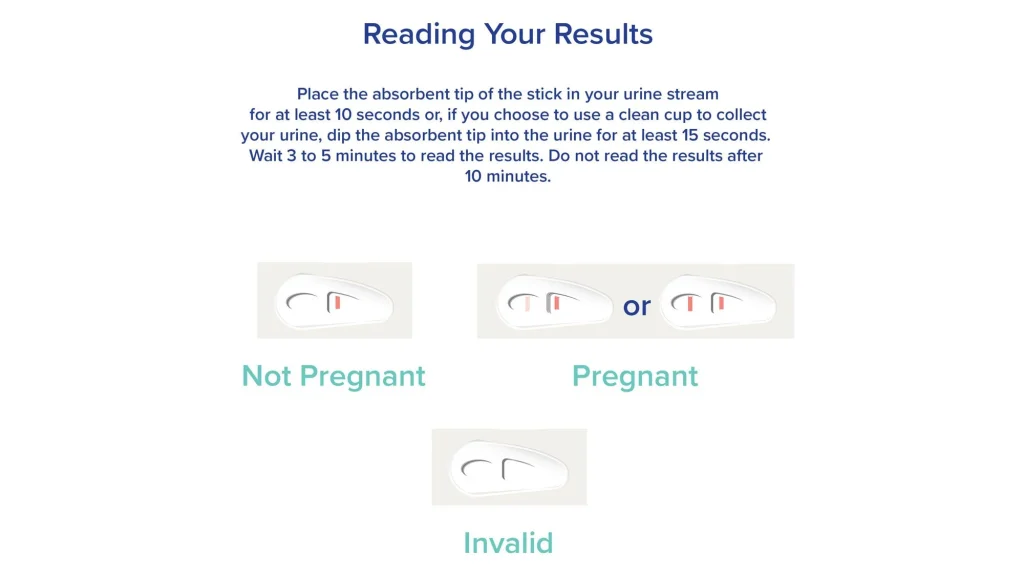
    Instructions for reading pregnancy test results with visual indicators for "Not Pregnant," "Pregnant," and "Invalid.

    Fighting Stress for a Healthier Cervical Mucus Environment

    1. Practice Relaxation Techniques:

    One of the most effective ways to combat stress is through relaxation techniques such as deep breathing, meditation, and yoga. These practices can help calm the mind and body, reduce cortisol levels, and improve hormone balance. They can also promote better sleep, which is essential for reducing stress.

    2. Exercise Regularly:

    Regular physical activity is not only beneficial for our overall health, but it can also help reduce stress. Exercise releases endorphins, also known as “feel-good” hormones, which can improve our mood and help reduce stress levels. It can also promote better sleep, which is essential for stress management.

    3. Get Enough Sleep:

    Lack of sleep can significantly contribute to stress levels. It is crucial to get at least 7-8 hours of quality sleep each night to allow our bodies to rest and recharge. Adequate sleep can also help regulate hormone production and reduce cortisol levels.

    4. Eat a Balanced Diet:

    What we eat can also affect our stress levels. Consuming a balanced and nutritious diet can support our bodies’ ability to cope with stress. Foods rich in antioxidants, such as fruits and vegetables, can also help reduce inflammation and promote better overall health.

    5. Talk to a Professional:

    If stress is significantly impacting your life and overall well-being, it is essential to seek help from a mental health professional. They can provide you with tools and strategies to manage stress effectively and improve your mental and emotional health.

    In conclusion, stress can have a significant impact on our cervical mucus and overall reproductive health. By incorporating relaxation techniques, regular exercise, adequate sleep, a balanced diet, and seeking professional help when needed, we can fight stress and create a healthier environment for our cervical mucus.

  • Why Managing Stress is Crucial for Optimal Cervical Mucus Production

    Summary:

    Cervical mucus, also known as cervical fluid, plays a crucial role in a woman’s fertility and reproductive health. It is the natural fluid produced by the cervix that helps sperm travel through the reproductive system to fertilize an egg. However, many women struggle with low-quality or insufficient cervical mucus, which can make it difficult to conceive. While there are various factors that can affect cervical mucus production, one often overlooked aspect is stress management.

    In this blog post, we will explore the link between stress and cervical mucus production and why managing stress is crucial for optimal cervical mucus production. We will also discuss some effective stress management techniques that can help improve cervical mucus quality and increase the chances of conception.

    The Connection Between Stress and Cervical Mucus:

    Stress is a natural response to demanding or challenging situations, and it affects us both mentally and physically. When we experience stress, our bodies release a hormone called cortisol, which can have a significant impact on our reproductive system. High levels of cortisol can interfere with the production of estrogen, a hormone responsible for regulating cervical mucus production.

    Stress can also cause changes in the immune system, leading to inflammation and the release of prostaglandins, which can affect the quality and quantity of cervical mucus. Additionally, stress can disrupt the balance of hormones that play a crucial role in the menstrual cycle, such as luteinizing hormone (LH) and follicle-stimulating hormone (FSH), which can further impact cervical mucus production.

    How Stress Affects Cervical Mucus Production:

    Stress can affect cervical mucus in various ways, including:

    1. Decreased Cervical Mucus Production:
    Stress can cause the body to produce less cervical mucus or produce cervical mucus that is not of good quality. This can make it difficult for sperm to survive and swim through the reproductive tract, decreasing the chances of conception.

    guide and materials for using Mosie Baby fertility kit on a textured surface

    Why Managing Stress is Crucial for Optimal Cervical Mucus Production

    2. Changes in Cervical Mucus Consistency:
    Under stress, the cervical mucus may become thicker, stickier, or clumpier, making it harder for sperm to penetrate and reach the egg.

    3. Shortened Fertile Window:
    Stress can also affect the timing of ovulation, causing the fertile window (the time when a woman is most likely to get pregnant) to be shorter. This means there is a smaller window of opportunity for sperm to meet the egg, further reducing the chances of conception.

    Effective Stress Management Techniques for Optimal Cervical Mucus Production:

    1. Practice Relaxation Techniques:
    Relaxation techniques such as deep breathing, meditation, and yoga can help reduce stress and promote relaxation. These techniques can also help improve blood flow to the reproductive organs, including the cervix, and support the production of cervical mucus.

    2. Engage in Regular Physical Activity:
    Regular exercise can help reduce stress and improve overall health. It can also help regulate hormone levels and improve blood flow to the reproductive organs, which can have a positive impact on cervical mucus production.

    3. Get Adequate Sleep:
    Lack of sleep can increase stress levels and disrupt the body’s hormonal balance, affecting cervical mucus production. Getting at least 7-9 hours of sleep per night can help reduce stress and support optimal cervical mucus production.

    4. Eat a Balanced Diet:
    Eating a balanced diet rich in nutrients, including vitamins A, C, and E, can help support cervical mucus production. These vitamins are essential for maintaining a healthy reproductive system and can help improve the quality and quantity of cervical mucus.

    5. Practice Self-Care:
    Taking care of oneself is crucial for managing stress levels. Engage in activities that you enjoy, spend time with loved ones, and prioritize self-care to reduce stress and promote overall well-being.

    In conclusion, managing stress is crucial for optimal cervical mucus production. Stress can have a significant impact on the quality and quantity of cervical mucus, making it difficult to conceive. By incorporating stress management techniques into our daily lives, we can support our bodies’ natural processes and improve our chances of conception.

    SEO metadata: