Tag: 30s

  • The Cost of Non-Invasive Insemination: Is It Worth It for Couples in Their 30s?

    In today’s modern world, there are many options available for couples who are trying to conceive. While traditional methods of conception may not always be successful, non-invasive insemination has become a popular choice for many couples. This method involves the insertion of sperm into the female reproductive tract without the need for invasive procedures such as surgery. While it may sound like a convenient and less costly option for couples in their 30s, the reality is that non-invasive insemination also comes with a significant financial cost. In this blog post, we will delve into the details of the cost of non-invasive insemination and discuss whether it is worth it for couples in their 30s.

    The Cost of Non-Invasive Insemination

    Non-invasive insemination, also known as artificial insemination, is a fertility treatment that involves placing sperm directly into the cervix, uterus, or fallopian tubes of a woman to facilitate fertilization. This method is often used by couples who are struggling to conceive due to male or female fertility issues. The procedure is relatively simple and can be done in a doctor’s office or at home with a kit.

    The average cost of non-invasive insemination can range from $200 to $1000 per cycle. This cost includes the sperm washing and processing, which is necessary to remove any potentially harmful substances and increase the chances of pregnancy. In some cases, additional fees such as consultation fees, ultrasound fees, and medication costs may also be incurred, further increasing the overall cost.

    Factors Affecting the Cost

    The cost of non-invasive insemination can vary depending on several factors. These include the clinic or doctor performing the procedure, the type of insemination (intrauterine insemination or intracervical insemination), and the location. Generally, clinics in urban areas tend to have higher costs compared to those in rural areas. Additionally, the type of sperm used can also affect the cost. Donor sperm, which is often used in non-invasive insemination, can cost anywhere from $300 to $1000 per vial, with most women requiring multiple vials per cycle.

    Is It Worth It for Couples in Their 30s?

    hand holding a pregnancy test with instructions on a colorful background

    The Cost of Non-Invasive Insemination: Is It Worth It for Couples in Their 30s?

    One of the main reasons why non-invasive insemination is a popular choice for couples in their 30s is that it is less invasive and less expensive than other fertility treatments such as in vitro fertilization (IVF). However, the success rate of non-invasive insemination is significantly lower than IVF, with a success rate of only 10-15% per cycle. This means that couples may need to undergo multiple cycles, resulting in a significant financial burden.

    Furthermore, the success of non-invasive insemination is highly dependent on various factors such as the age of the woman, the quality of the sperm, and any underlying fertility issues. As women age, their fertility declines, and the chances of success with non-invasive insemination decrease. This means that for couples in their 30s, who may already be facing a decline in fertility, the success rate of non-invasive insemination may be even lower.

    When considering the cost of non-invasive insemination, couples should also take into account the emotional toll of multiple failed cycles. The disappointment and stress of unsuccessful attempts can take a toll on a couple’s relationship and overall well-being. This can further add to the already high cost of non-invasive insemination.

    Other Options for Couples in Their 30s

    While non-invasive insemination may seem like an attractive option for couples in their 30s, it is essential to consider other alternatives that may be more cost-effective and have a higher success rate. One such option is IVF, which involves the fertilization of eggs and sperm in a laboratory before being transferred into the woman’s uterus. While IVF may be more expensive upfront, it has a higher success rate and may save couples money in the long run by reducing the need for multiple cycles of non-invasive insemination.

    Couples in their 30s may also consider other natural methods such as tracking ovulation and having intercourse during the woman’s most fertile days. This method may not require any medical intervention and can be more cost-effective in the long run.

    In conclusion, the cost of non-invasive insemination can be a significant financial burden for couples in their 30s. While it may seem like a less invasive and less expensive option compared to other fertility treatments, the success rate is low, and the emotional toll can be high. It is essential for couples to consider all factors and potential alternatives before deciding if non-invasive insemination is worth it for them.

    In summary, non-invasive insemination is a popular fertility treatment for couples in their 30s, but it comes with a significant financial cost. The average cost can range from $200 to $1000 per cycle, not including additional fees. Factors such as the clinic, type of insemination, and type of sperm used can affect the cost. However, the success rate of non-invasive insemination is low, and the emotional toll can be high, making it a less attractive option for couples. It is essential to consider other alternatives such as IVF and natural methods before deciding if non-invasive insemination is worth it for couples in their 30s.

  • The Success Rates of Non-Invasive Insemination: What to Expect in Your 30s

    As women enter their 30s, many start to think about their fertility and the possibility of starting a family. However, for some, conceiving a child may not come as easily as they had hoped. This is where non-invasive insemination (NII) comes into play. NII is a form of assisted reproductive technology (ART) that can help individuals or couples achieve pregnancy without the need for invasive procedures. But what are the success rates of NII in your 30s? In this blog post, we will explore the various factors that can affect the success rates of NII and what you can expect in your 30s.

    First, let’s understand what non-invasive insemination is. NII, also known as artificial insemination, is a form of ART where sperm is placed directly into the cervix or uterus to increase the chances of fertilization. This is often recommended for individuals or couples who may have difficulty conceiving due to factors such as low sperm count, ovulation issues, or unexplained fertility. NII is a less invasive and more affordable option compared to other ART procedures such as in vitro fertilization (IVF).

    Now, let’s dive into the success rates of NII in your 30s. According to the American Society for Reproductive Medicine (ASRM), the success rates of NII vary depending on several factors such as age, overall health, and the cause of infertility. Generally, the younger you are, the higher the success rates of NII. In your 30s, the success rates can range from 10-20% per cycle, with the chances decreasing as you get closer to your late 30s. This is due to the natural decline in fertility that occurs as women age.

    However, it’s essential to note that these success rates are not guaranteed and can vary from person to person. Other factors that can affect the success rates of NII include the quality and quantity of the sperm used, the timing of insemination, and any underlying health conditions. It’s crucial to consult with a fertility specialist to determine the best course of action for your individual situation.

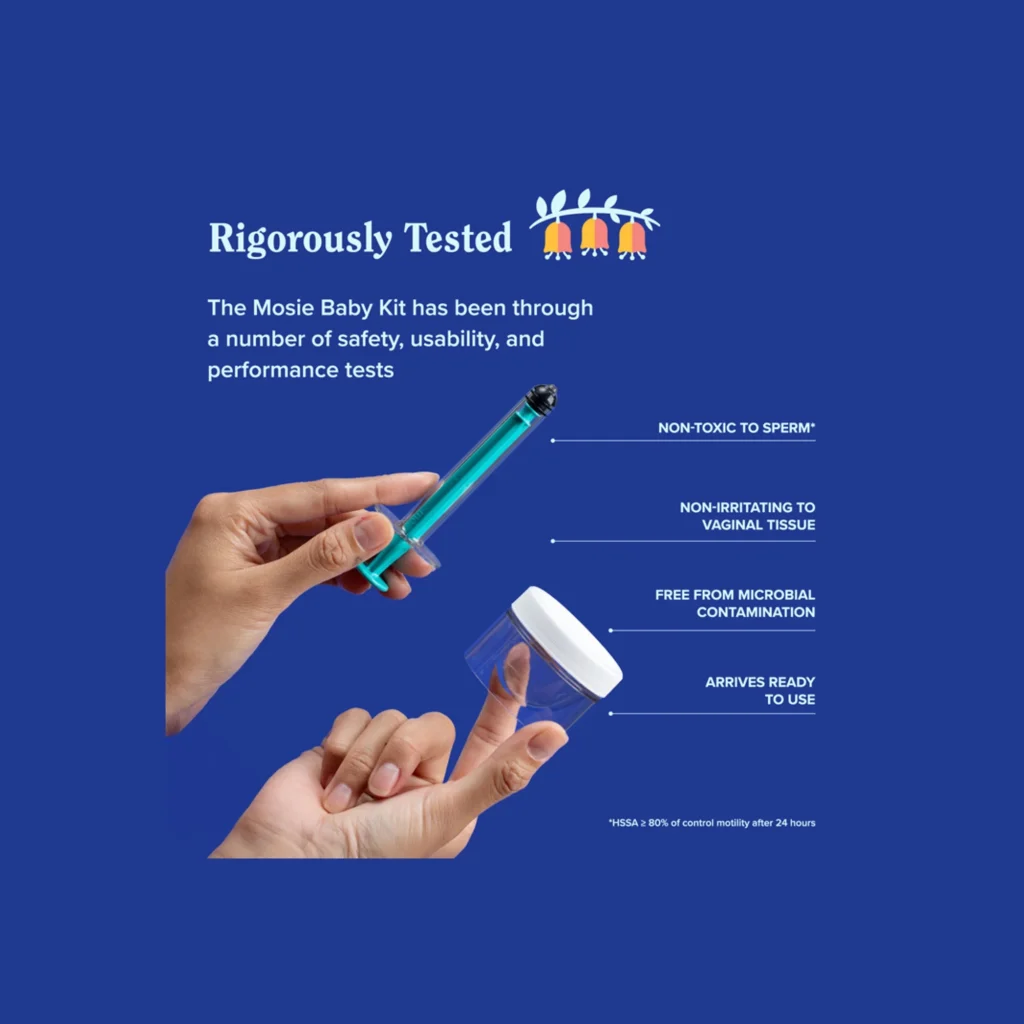
    Mosie Baby Kit features a syringe and container, highlighting safety and usability tests on a blue background.

    The Success Rates of Non-Invasive Insemination: What to Expect in Your 30s

    One of the significant advantages of NII is that it can be repeated in subsequent cycles if the first attempt is unsuccessful. This can increase the chances of success over time and give individuals or couples a better chance of achieving pregnancy. Additionally, NII can also be combined with other ART procedures such as ovulation induction to further improve the chances of conception.

    Apart from age, there are other factors that can affect the success rates of NII in your 30s. For instance, women who are overweight or have polycystic ovary syndrome (PCOS) may have lower success rates compared to those who are of a healthy weight and have no underlying health conditions. Lifestyle factors such as smoking, excessive alcohol consumption, and a poor diet can also negatively impact the success rates of NII.

    It’s also essential to consider the emotional and psychological impacts of NII. Going through fertility treatments can be emotionally draining and can take a toll on individuals or couples. It’s essential to have a support system and seek counseling if needed to cope with the stress and uncertainty that comes with NII.

    In conclusion, the success rates of non-invasive insemination in your 30s can vary depending on several factors such as age, overall health, and underlying fertility issues. While the success rates may be lower compared to younger individuals, NII can still be a viable option for achieving pregnancy. It’s crucial to consult with a fertility specialist and address any lifestyle factors that may affect the success rates. With proper support and guidance, non-invasive insemination can be a successful and less invasive way to start a family in your 30s.

    In summary, non-invasive insemination is a form of assisted reproductive technology that can help individuals or couples achieve pregnancy without invasive procedures. In your 30s, the success rates of NII can range from 10-20% per cycle, with the chances decreasing as you get older. Other factors that can affect the success rates include overall health, underlying fertility issues, and lifestyle factors. It’s essential to consult with a fertility specialist and have a support system in place to cope with the emotional and psychological impacts of NII. With proper guidance and support, NII can be a successful option for starting a family in your 30s.

  • The Emotional Impact of Non-Invasive Insemination on Couples in Their 30s

    Blog post:

    Couples in their 30s often face the decision of starting a family and for many, this can be an emotional journey. With advances in technology, non-invasive insemination (NII) has become a popular option for couples struggling with fertility issues. While it may seem like a straightforward process, the emotional impact of NII on couples in their 30s cannot be overlooked. In this blog post, we will explore the different emotions and challenges that couples may face when considering NII and how they can navigate through this process together.

    Before delving into the emotional impact, it is important to understand what NII is and how it differs from traditional insemination methods. NII involves the placement of sperm directly into the woman’s reproductive tract without the need for surgery or anesthesia. This can be done through methods such as intrauterine insemination (IUI) or intracervical insemination (ICI). Unlike other fertility treatments, NII is a less invasive and more affordable option, making it a popular choice for couples in their 30s.

    One of the first emotions that couples may experience when considering NII is hope. For couples who have been struggling with fertility issues, NII offers a glimmer of hope that they may finally be able to conceive and start a family. This hope can bring a sense of relief and excitement, but it can also be accompanied by anxiety and fear of the unknown. Couples may wonder if NII will be successful, and if not, what their next steps will be.

    Another emotion that couples may experience is disappointment. NII does not guarantee success and couples may have to undergo multiple cycles before achieving a successful pregnancy. This can be emotionally draining and can take a toll on the couple’s relationship. Disappointment can also arise if the couple has to face the reality that they may not be able to conceive through NII and will have to explore other options such as adoption or surrogacy.

    One of the biggest challenges that couples in their 30s face when considering NII is the pressure of time. As women age, their fertility declines and the window for conception becomes smaller. This can create a sense of urgency and added stress for couples, especially if they have been trying to conceive for a while. The fear of running out of time may cause couples to rush into decisions and can strain their relationship.

    illustration comparing standard and Mosie syringe openings with text highlighting design benefits for home insemination

    The Emotional Impact of Non-Invasive Insemination on Couples in Their 30s

    In addition to the emotional impact on the couple, NII can also have an impact on their support system. Friends and family may not fully understand the complexities of NII and may offer unsolicited advice or insensitive comments, adding to the emotional burden that the couple is already facing. This can lead to feelings of isolation and can further strain relationships with loved ones.

    Communication is key when it comes to navigating through the emotional impact of NII. It is important for couples to openly discuss their expectations, fears, and concerns with each other. This can help them to feel supported and united in their decision. Couples may also find it helpful to seek support from a therapist or join a support group specifically for couples going through NII. These resources can provide a safe space for couples to express their emotions and receive guidance on how to cope with the challenges they may face.

    It is also important for couples to take care of their mental and emotional well-being during this process. NII can be physically and emotionally demanding, and it is crucial for couples to prioritize self-care. This can include practicing relaxation techniques, finding healthy outlets for stress, and taking breaks from the fertility journey when needed.

    In conclusion, the emotional impact of NII on couples in their 30s is complex and cannot be overlooked. Hope, disappointment, time pressure, and the strain on relationships are just some of the emotions and challenges that couples may face. It is important for couples to openly communicate and seek support from each other and from professionals in order to navigate through this journey together. While NII may not be a guarantee for success, with the right support and mindset, couples can overcome the emotional impact and emerge stronger, no matter the outcome.

    Summary:

    Non-invasive insemination (NII) has become a popular option for couples in their 30s struggling with fertility issues. However, the emotional impact of NII cannot be overlooked. Couples may experience hope, disappointment, time pressure, and strain on their relationships. It is important for couples to openly communicate and prioritize self-care during this process. Seeking support from professionals and each other can help couples navigate through the emotional challenges of NII.