Tag: abnormal changes

  • Cervical Mucus Changes Throughout the Menstrual Cycle: What’s Normal and What’s Not

    Blog Post:

    Cervical mucus, also known as vaginal discharge, is a natural and normal occurrence in the female body. It is a fluid produced by the cervix and vagina that helps to keep the reproductive system clean and healthy. Throughout the menstrual cycle, cervical mucus goes through various changes in consistency, color, and amount. These changes can provide valuable insights into a woman’s fertility and overall reproductive health. In this blog post, we will discuss the different types of cervical mucus and what they indicate about a woman’s menstrual cycle.

    Types of Cervical Mucus:

    1. Dry or No Mucus:
    At the beginning and end of a woman’s menstrual cycle, it is normal to have little to no cervical mucus. This is because estrogen levels are low, and the cervix is producing minimal mucus. This type of mucus may feel sticky or dry and is not favorable for pregnancy as it can make it difficult for sperm to reach the egg.

    2. Sticky or Creamy Mucus:
    As a woman’s menstrual cycle progresses, estrogen levels begin to rise, causing the cervix to produce more mucus. This type of mucus is thicker and has a sticky or creamy consistency. It can provide some protection for sperm but is still not ideal for conception.

    3. Watery Mucus:
    As ovulation approaches, estrogen levels continue to rise, causing the cervical mucus to become more watery and stretchy. This type of mucus is more conducive to sperm survival and movement. It also helps in the transport of sperm to the egg for fertilization.

    4. Egg White Mucus:
    Known as the most fertile type of cervical mucus, egg white mucus is clear, slippery, and stretchy. It is usually seen around the time of ovulation and is a sign that a woman is at her peak fertility. This type of mucus provides the perfect environment for sperm to swim and survive, increasing the chances of conception.

    5. Creamy Mucus:
    After ovulation, estrogen levels decrease, causing the cervical mucus to become thicker and more creamy again. This type of mucus may be slightly white or yellowish in color and is not favorable for sperm survival. It acts as a barrier to protect the uterus from bacteria and infection.

    6. Sticky or No Mucus:
    Towards the end of a woman’s menstrual cycle, estrogen levels drop, and the cervix produces little to no mucus again. This type of mucus may feel sticky or dry and indicates that a woman is approaching her period.

    home insemination kit components: a syringe and a collection container against a blue background.

    Cervical Mucus Changes Throughout the Menstrual Cycle: What’s Normal and What’s Not

    Abnormal Cervical Mucus Changes:

    While the above-mentioned changes in cervical mucus are normal and expected, certain changes in color, consistency, or amount may indicate an underlying issue. Here are some abnormal cervical mucus changes to look out for:

    1. Brown or Bloody Mucus:
    Brown or bloody mucus can be a sign of implantation bleeding, which occurs when a fertilized egg implants itself into the uterus. It can also be a sign of infection or hormonal imbalance.

    2. Yellow, Green, or Gray Mucus:
    These colors of cervical mucus may indicate an infection, such as a yeast infection or bacterial vaginosis. It is important to consult a doctor if you experience any changes in mucus color.

    3. Thick or Clumpy Mucus:
    Thick or clumpy cervical mucus may be a sign of a yeast infection, which is caused by an overgrowth of yeast in the vagina. It may also indicate a hormonal imbalance or a reaction to certain medications.

    4. Watery Mucus Throughout the Cycle:
    If a woman experiences watery mucus throughout her menstrual cycle, it may be a sign of an underlying issue such as a hormonal imbalance, infection, or cervical inflammation.

    5. No Mucus at All:
    If a woman experiences no cervical mucus throughout her menstrual cycle, it may indicate a lack of ovulation. This can be due to hormonal imbalances, stress, or certain medical conditions.

    When to Consult a Doctor:

    If you experience any abnormal changes in cervical mucus, it is important to consult a doctor. They may perform a physical examination or recommend further tests to determine the underlying cause. It is also essential to track your cervical mucus changes throughout your menstrual cycle to better understand your fertility and overall reproductive health.

    In summary, cervical mucus changes throughout the menstrual cycle are normal and can provide valuable insights into a woman’s fertility and reproductive health. From dry and sticky mucus at the beginning and end of the cycle to egg white mucus around ovulation, these changes indicate the stage of a woman’s menstrual cycle and her peak fertility. However, any abnormal changes in color, consistency, or amount of cervical mucus should be discussed with a doctor to rule out any underlying issues.

  • How Abnormal Cervical Mucus Can Indicate Bigger Health Issues

    Blog Post: How Abnormal Cervical Mucus Can Indicate Bigger Health Issues

    Cervical mucus is a natural and important part of a woman’s reproductive system. It helps to keep the vagina clean and lubricated, provides nourishment for sperm, and plays a crucial role in fertility and pregnancy. However, changes in the cervical mucus can indicate underlying health issues that may need to be addressed. In this blog post, we will explore how abnormal cervical mucus can indicate bigger health issues and what steps you can take to ensure your reproductive health.

    What is Cervical Mucus?

    Cervical mucus, also known as cervical fluid, is a substance produced by the cells of the cervix. It is a clear or white fluid that can vary in consistency, texture, and color throughout the menstrual cycle. The amount and quality of cervical mucus can be influenced by hormones, such as estrogen and progesterone.

    During the menstrual cycle, cervical mucus changes in response to hormonal fluctuations. In the days leading up to ovulation, estrogen levels increase, causing the cervical mucus to become thin, slippery, and stretchy. This type of mucus is known as fertile cervical mucus and is crucial for sperm to survive and reach the egg for fertilization. After ovulation, progesterone levels rise, causing the cervical mucus to become thicker and less hospitable to sperm.

    Abnormal Cervical Mucus and Its Possible Causes

    Abnormal cervical mucus refers to changes in the amount, color, consistency, or smell of cervical mucus that deviate from the normal patterns. It can also refer to a total absence of cervical mucus. There are various reasons why cervical mucus may become abnormal, and some of the most common causes include:

    1. Hormonal Imbalances: As mentioned earlier, hormonal fluctuations play a significant role in the production and quality of cervical mucus. Any imbalances in hormones, such as estrogen and progesterone, can lead to changes in cervical mucus.

    2. Infections: Sexually transmitted infections (STIs) such as chlamydia, gonorrhea, and trichomoniasis can cause changes in cervical mucus. These infections can alter the pH balance of the vagina and cause an overgrowth of bacteria, leading to abnormal discharge.

    3. Allergies or Irritations: Some women may experience changes in cervical mucus due to allergies or irritations caused by soaps, perfumes, or other products used in the genital area. These irritants can disrupt the natural balance of the vagina and affect the production of cervical mucus.

    4. Medications: Certain medications, such as antihistamines and hormonal birth control, can affect the production and quality of cervical mucus.

    5. Polyps or Growths: Cervical polyps, which are non-cancerous growths on the cervix, can cause abnormal cervical mucus. In rare cases, cervical cancer can also affect the production of cervical mucus.

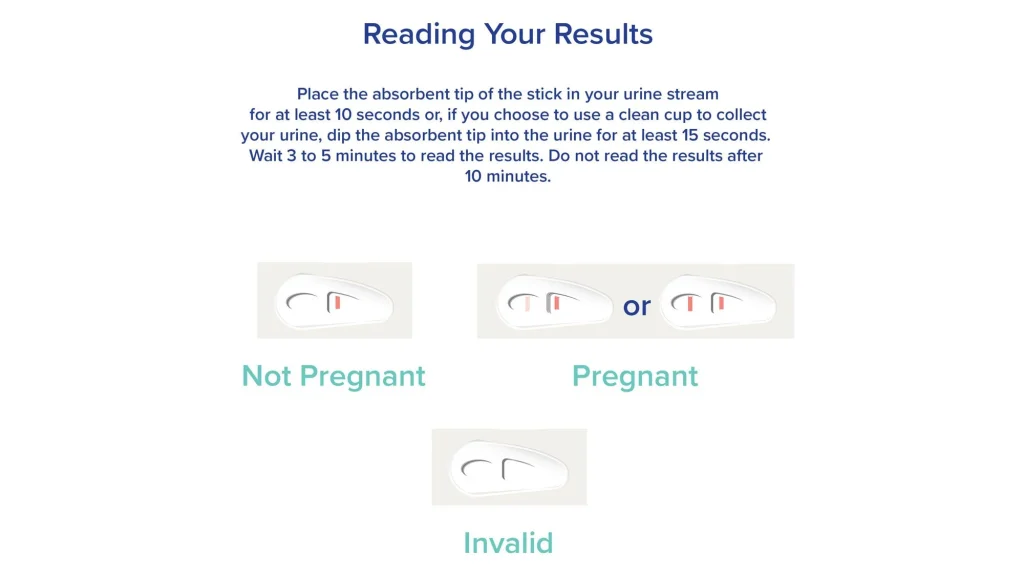
    Instructions for reading pregnancy test results with visual indicators for "Not Pregnant," "Pregnant," and "Invalid.

    How Abnormal Cervical Mucus Can Indicate Bigger Health Issues

    How Abnormal Cervical Mucus Can Indicate Bigger Health Issues

    While changes in cervical mucus can be caused by various factors, it is essential to pay attention to any abnormal changes as they can be a sign of bigger health issues. Here are some possible health issues that abnormal cervical mucus can indicate:

    1. Infertility: Fertile cervical mucus is crucial for sperm to reach and fertilize an egg. Any changes in cervical mucus that make it difficult for sperm to survive and swim to the egg can lead to infertility.

    2. STIs: As mentioned earlier, STIs can cause changes in cervical mucus. If left untreated, these infections can lead to more severe health issues, such as pelvic inflammatory disease (PID) and infertility.

    3. Hormonal Imbalances: Hormonal imbalances, such as polycystic ovary syndrome (PCOS), can affect the production and quality of cervical mucus. These imbalances can also lead to irregular periods, difficulty getting pregnant, and other health issues.

    4. Cervical Cancer: In rare cases, abnormal cervical mucus can be a sign of cervical cancer. It is crucial to get regular Pap tests to detect any abnormal changes in the cervix early on.

    5. Other Health Issues: Abnormal cervical mucus can also indicate other health issues, such as endometriosis, pelvic inflammatory disease (PID), and uterine fibroids.

    What to Do if You Notice Abnormal Cervical Mucus

    If you notice any changes in your cervical mucus, it is essential to talk to your healthcare provider. They can help determine the underlying cause and provide appropriate treatment. Depending on the cause, treatment options may include antibiotics for infections, hormone therapy for imbalances, or surgery for polyps or growths.

    It is also important to practice good vaginal hygiene, avoid irritants, and use protection during sexual activity to prevent STIs. Keeping track of your menstrual cycle and any changes in cervical mucus can also help your healthcare provider in making an accurate diagnosis.

    In conclusion, cervical mucus is a crucial indicator of a woman’s reproductive health. Changes in cervical mucus can be a sign of bigger health issues, and it is essential to pay attention to these changes and seek medical attention if needed. By understanding the causes and being proactive in addressing abnormal cervical mucus, women can maintain their reproductive health and overall well-being.

    Summary:

    Cervical mucus is a natural and important part of a woman’s reproductive system. Changes in cervical mucus can indicate underlying health issues such as hormonal imbalances, infections, allergies, and growths. These abnormalities can lead to infertility, STIs, and even cervical cancer. Seeking medical attention and practicing good vaginal hygiene can help prevent and address these issues.

  • Cervical Mucus and Pregnancy: What to Expect During Each Trimester

    Cervical mucus is a natural secretion from the cervix that plays an important role in fertility and pregnancy. During pregnancy, the amount and consistency of cervical mucus change as the body prepares for childbirth. In this blog post, we will explore how cervical mucus changes during each trimester of pregnancy and what to expect.

    First Trimester (Week 1-12):
    During the first trimester, the body goes through many changes to support the growing fetus. One of these changes is an increase in cervical mucus production. This is due to the increase in estrogen levels, which causes the cervix to produce more mucus. The mucus becomes thicker and stickier, creating a plug that seals the cervix and protects the uterus from infection. This thick mucus also acts as a barrier, preventing sperm from entering the uterus and potentially causing harm to the developing fetus.

    Second Trimester (Week 13-28):
    As the pregnancy progresses into the second trimester, the cervix continues to produce mucus, but the consistency changes. The mucus becomes thinner and more watery, allowing for easier movement of sperm. This is because the body is preparing for the cervix to open during labor. The amount of mucus also increases, which can cause some pregnant women to experience excess vaginal discharge. This is normal and helps to prevent infections.

    Third Trimester (Week 29-40):
    In the third trimester, the body is fully prepared for childbirth, and the changes in cervical mucus reflect this. The mucus becomes even thinner, and it may have a pink or brown tinge to it. This is known as “bloody show” and is a sign that the cervix is beginning to dilate and thin out in preparation for labor. Some women may also experience an increase in discharge, which can be a sign that labor is approaching.

    home insemination kit components: a syringe and a collection container against a blue background.

    Cervical Mucus and Pregnancy: What to Expect During Each Trimester

    Abnormal Changes in Cervical Mucus:
    While changes in cervical mucus are normal during pregnancy, there are some abnormal changes that may occur and could be a sign of an underlying issue. If the mucus has a foul odor, is green or yellow in color, or is accompanied by itching or burning, it could be a sign of infection. It is important to consult with a healthcare provider if you experience any of these symptoms.

    Monitoring Cervical Mucus for Fertility:
    Cervical mucus can also play a role in tracking fertility and ovulation. During ovulation, the mucus becomes thin, clear, and stretchy, similar to the consistency of egg whites. This is known as “fertile mucus” and helps sperm to travel through the cervix and into the uterus. By tracking changes in cervical mucus, women can determine the most fertile days of their cycle and increase their chances of getting pregnant.

    In conclusion, cervical mucus changes throughout each trimester of pregnancy and serves important functions in protecting the uterus and supporting fertility. It is normal to experience changes in consistency, amount, and color of cervical mucus during pregnancy, but any abnormal changes should be discussed with a healthcare provider.

    Summary:
    Cervical mucus plays an important role in pregnancy and changes in consistency and amount can be expected throughout each trimester. In the first trimester, the mucus becomes thicker to seal the cervix and prevent infections. In the second trimester, it becomes thinner to allow for easier movement of sperm. In the third trimester, it may have a pink or brown tinge as a sign of labor approaching. Abnormal changes should be discussed with a healthcare provider. Cervical mucus can also be monitored for fertility tracking.

  • Cervical Mucus Changes Throughout Pregnancy: What to Expect

    **Blog Post: Cervical Mucus Changes Throughout Pregnancy: What to Expect**

    Pregnancy is a beautiful journey that brings about many changes in a woman’s body. One of the most fascinating changes that occur during pregnancy is the changes in cervical mucus. Cervical mucus is the fluid produced by the cervix that helps in the journey of sperm to meet and fertilize an egg. Throughout pregnancy, the amount, color, and consistency of cervical mucus can change drastically, and it is important for expectant mothers to understand the changes and what they mean. In this blog post, we will explore the different changes in cervical mucus throughout pregnancy and what to expect.

    **First Trimester:**

    During the first trimester of pregnancy, cervical mucus may appear thick, sticky, and creamy. This is due to the increase in estrogen and progesterone levels, which help to thicken the mucus and create a plug in the cervix to protect the baby. Some women may also experience an increase in the amount of cervical mucus, which is normal during pregnancy. This mucus acts as a barrier to prevent bacteria from entering the uterus and harming the developing baby.

    **Second Trimester:**

    As the pregnancy progresses into the second trimester, many women may notice a decrease in the amount of cervical mucus. This is because the hormonal levels have stabilized, and the body no longer needs as much mucus to protect the baby. The consistency of the mucus may also change, becoming thinner and more watery. This is completely normal and is a sign that the body is preparing for labor and delivery.

    **Third Trimester:**

    In the third trimester, cervical mucus may change once again. Many women may notice an increase in the amount of mucus, and it may become thicker and more abundant. This is due to the increased blood flow to the cervix, which helps to soften and open the cervix in preparation for labor and delivery. This type of mucus is known as “show” and is a sign that the body is getting ready for labor.

    **Signs of Abnormal Cervical Mucus:**

    While changes in cervical mucus are normal during pregnancy, there are some signs that may indicate a problem. If you notice any of the following changes in your cervical mucus, it is important to speak to your healthcare provider:

    1. Foul odor: If your cervical mucus has a foul odor, it may be a sign of an infection, such as a yeast infection or bacterial vaginosis.

    illustration of Mosie Baby home insemination kit highlighting seamless transfer and size features

    Cervical Mucus Changes Throughout Pregnancy: What to Expect

    2. Abnormal color: Normal cervical mucus is clear or white in color. If you notice any abnormal colors, such as yellow, green, or brown, it may be a sign of an infection.

    3. Blood-tinged mucus: If you notice any blood in your cervical mucus, it may be a sign of cervical irritation or infection. It is important to speak to your healthcare provider to rule out any potential issues.

    4. Watery or thin mucus: While thinner mucus is normal in the third trimester, if you notice a sudden increase in watery or thin mucus, it may be a sign of your water breaking. Contact your healthcare provider immediately if this occurs.

    **Tips for Managing Cervical Mucus During Pregnancy:**

    1. Wear panty liners: With the increase in cervical mucus during pregnancy, it is important to wear panty liners to keep yourself dry and comfortable.

    2. Stay hydrated: Drinking plenty of water can help to thin out cervical mucus, making it easier for sperm to reach the egg.

    3. Avoid douching: Douching can disrupt the natural balance of bacteria in the vagina and increase the risk of infections.

    4. Practice good hygiene: Keeping the genital area clean and dry can help to prevent any potential infections.

    **Conclusion:**

    Cervical mucus changes throughout pregnancy are normal and to be expected. By understanding the changes in color, consistency, and amount of mucus, expectant mothers can better prepare for the journey ahead. It is important to speak to your healthcare provider if you notice any abnormal changes in your cervical mucus, as it may be a sign of an underlying issue. By taking care of your body and practicing good hygiene, you can ensure a healthy pregnancy for you and your baby.

    **Summary:**

    Pregnancy brings about many changes in a woman’s body, including changes in cervical mucus. During the first trimester, mucus may be thick and creamy, while in the second trimester it may become thinner and watery. In the third trimester, it may increase in amount and become thicker, signaling the body’s preparation for labor. Any abnormal changes in mucus should be discussed with a healthcare provider. Tips for managing cervical mucus include wearing panty liners, staying hydrated, avoiding douching, and practicing good hygiene. Understanding and monitoring these changes can help expectant mothers have a healthy pregnancy.

  • Cervical Mucus Changes Throughout the Menstrual Cycle: What’s Normal and What’s Not

    Blog Post:

    The menstrual cycle is a complex and important process that occurs in the female body. One of the key changes that takes place during this cycle is the production and changes in cervical mucus. Cervical mucus is a fluid secreted by the cervix that plays a crucial role in fertility and overall vaginal health. Understanding the changes in cervical mucus throughout the menstrual cycle can help women better track their fertility and detect any potential issues. In this blog post, we will dive into the topic of cervical mucus changes throughout the menstrual cycle, what is considered normal, and what could be a cause for concern.

    What is Cervical Mucus?

    Before we dive into the changes that occur in cervical mucus throughout the menstrual cycle, it is important to understand what cervical mucus is and its purpose. Cervical mucus is a fluid secreted by the cervix, the opening of the uterus, and it lines the cervical canal. It is produced by the glands in the cervix and its consistency and texture are influenced by hormonal changes in the body.

    The main function of cervical mucus is to protect the reproductive organs from bacteria and other foreign substances. It also helps to transport sperm from the vagina to the uterus and acts as a nourishing medium for sperm to survive. Additionally, cervical mucus helps to regulate the pH balance in the vagina, which is crucial for maintaining a healthy vaginal environment.

    Changes in Cervical Mucus Throughout the Menstrual Cycle:

    The menstrual cycle is divided into different phases, each with its own characteristic changes in cervical mucus. These changes are controlled by the hormones estrogen and progesterone, which are responsible for preparing the body for pregnancy. Let’s take a closer look at the changes in cervical mucus throughout the menstrual cycle:

    1. Menstruation Phase:

    The menstrual phase is the first phase of the menstrual cycle and is characterized by the shedding of the uterine lining. During this phase, cervical mucus is minimal, and it may appear dry or sticky. This is due to the low levels of estrogen and progesterone in the body.

    2. Follicular Phase:

    The follicular phase is the second phase of the menstrual cycle and is also known as the pre-ovulation phase. During this phase, estrogen levels start to rise, causing the cervical mucus to become more abundant, watery, and stretchy. This type of cervical mucus is ideal for sperm to travel through and can help in achieving pregnancy.

    3. Ovulation Phase:

    The ovulation phase is the most fertile phase of the menstrual cycle and occurs around day 14 in a 28-day cycle. During this phase, there is a surge in estrogen levels, causing the cervical mucus to become even more abundant, slippery, and stretchy. This type of cervical mucus is known as “egg white” mucus and is the most conducive for sperm to travel through and fertilize an egg.

    4. Luteal Phase:

    logo of mosie baby featuring a heart and leaf design in blue, pink, and green colors

    Cervical Mucus Changes Throughout the Menstrual Cycle: What's Normal and What's Not

    The luteal phase is the final phase of the menstrual cycle and occurs after ovulation. During this phase, progesterone levels rise, causing a thickening of the cervical mucus. It becomes less abundant, thicker, and stickier, creating a barrier for sperm to travel through. This is the body’s way of preparing for a possible pregnancy by creating a protective environment in the uterus.

    What’s Normal and What’s Not:

    Now that we have a better understanding of the changes in cervical mucus throughout the menstrual cycle, let’s discuss what is considered normal and what could be a cause for concern:

    1. Changes in Consistency:

    As mentioned earlier, the consistency of cervical mucus changes throughout the menstrual cycle. These changes are normal and indicate that the body is functioning properly. However, if there are sudden and drastic changes in the consistency of cervical mucus, it could be a sign of an underlying issue, such as an infection or hormonal imbalance.

    2. Changes in Color:

    Cervical mucus is typically clear or white in color. However, during ovulation, it may appear more transparent and have a stretchy, egg white-like consistency. If there is a change in color, such as yellow, green, or gray, it could be a sign of an infection and medical attention should be sought.

    3. Changes in Smell:

    Cervical mucus has a natural, mild odor. However, if there is a strong or foul smell, it could be a sign of an infection or other underlying medical condition.

    4. Absence of Cervical Mucus:

    Some women may not experience any cervical mucus at all during their menstrual cycle, and this is considered normal for them. However, if a woman has previously had a regular amount of cervical mucus and suddenly experiences a complete absence of it, it could be a sign of a hormonal imbalance or a blockage in the cervix.

    In conclusion, understanding the changes in cervical mucus throughout the menstrual cycle can help women better track their fertility and detect any potential issues. It is important to pay attention to any sudden or abnormal changes in consistency, color, or smell of cervical mucus and seek medical advice if necessary. By understanding what is normal and what is not, women can take control of their reproductive health and maintain a healthy menstrual cycle.

    Summary:

    Cervical mucus is a fluid secreted by the cervix that plays a crucial role in fertility and overall vaginal health. Its consistency and texture change throughout the menstrual cycle, and these changes are controlled by the hormones estrogen and progesterone. The four phases of the menstrual cycle, namely menstruation, follicular, ovulation, and luteal, have their own characteristic changes in cervical mucus. It is important to pay attention to any sudden or abnormal changes in consistency, color, or smell of cervical mucus, as it could be a sign of an underlying issue. By understanding what is normal and what is not, women can take control of their reproductive health and maintain a healthy menstrual cycle.