Tag: alcohol and fertility

  • The Impact of Alcohol on Cervical Mucus and Its Role in Fertility

    Title: The Impact of Alcohol on Cervical Mucus and Its Role in Fertility

    Introduction:

    Alcohol consumption has become a common part of social gatherings, celebrations, and even regular daily life for many people. While moderate alcohol consumption may not have a significant impact on overall health, it can have detrimental effects on fertility. In particular, alcohol consumption has been linked to changes in cervical mucus, which plays a crucial role in fertility. In this blog post, we will delve into the impact of alcohol on cervical mucus and its role in fertility.

    What is Cervical Mucus?

    Before we discuss the impact of alcohol on cervical mucus, it is essential to understand what cervical mucus is and its role in fertility. Cervical mucus is a fluid secreted by the cervix that helps sperm travel through the reproductive tract to reach and fertilize an egg. It also acts as a protective barrier, preventing bacteria and other harmful substances from entering the uterus.

    The Role of Cervical Mucus in Fertility:

    Cervical mucus plays a vital role in fertility. It provides a nourishing environment for sperm, keeping them alive and mobile for up to five days. It also serves as a medium for sperm to travel through the cervix and into the uterus. During ovulation, cervical mucus becomes thinner, clearer, and stretchier, creating a pathway for sperm to reach the egg in the fallopian tubes. Without adequate cervical mucus, sperm may not be able to survive or reach the egg, leading to infertility.

    The Impact of Alcohol on Cervical Mucus:

    Alcohol consumption has been found to have a significant impact on cervical mucus. Studies have shown that alcohol can alter the composition and quality of cervical mucus, making it less hospitable to sperm. Chronic alcohol consumption can lead to dehydration, which can cause a decrease in cervical mucus production. This lack of cervical mucus can make it challenging for sperm to survive and reach the egg.

    Smiling baby in a blue onesie with "made with Love" text, lying on a light blue crocheted blanket.

    The Impact of Alcohol on Cervical Mucus and Its Role in Fertility

    Furthermore, alcohol has been found to increase the acidity of cervical mucus, making it hostile to sperm. The ideal pH for cervical mucus is around 7, which is slightly alkaline. However, alcohol can lower the pH level, creating an acidic environment that is inhospitable to sperm. This change in pH can also affect the sperm’s ability to swim and reach the egg.

    In addition to altering the composition and pH level of cervical mucus, alcohol consumption can also affect its texture. Normally, cervical mucus becomes thin and stretchy during ovulation, allowing sperm to travel easily through the cervix. However, alcohol can make cervical mucus thicker and stickier, making it difficult for sperm to pass through. This can significantly decrease the chances of fertilization.

    The Link Between Alcohol Consumption and Infertility:

    The impact of alcohol on cervical mucus is closely linked to infertility. As mentioned earlier, cervical mucus plays a crucial role in fertility by providing a suitable environment for sperm to reach and fertilize an egg. Any changes in cervical mucus, such as those caused by alcohol consumption, can make it difficult for sperm to survive, swim, and reach the egg, leading to infertility.

    Furthermore, chronic alcohol consumption has been linked to hormone imbalances, which can also affect fertility. Alcohol can disrupt the delicate balance of hormones that regulate the menstrual cycle, ovulation, and fertility. This disruption can lead to irregular or absent ovulation, making it difficult for women to conceive.

    Conclusion:

    In conclusion, alcohol consumption can have a significant impact on cervical mucus and fertility. It can alter the composition, pH level, and texture of cervical mucus, making it difficult for sperm to survive and reach the egg. Chronic alcohol consumption can also disrupt the delicate balance of hormones that regulate fertility. Therefore, for couples trying to conceive, it is essential to limit or avoid alcohol consumption to improve their chances of getting pregnant.


    Summary:

    In this blog post, we discussed the impact of alcohol on cervical mucus and its role in fertility. Cervical mucus plays a crucial role in fertility by providing a nourishing environment for sperm to survive and swim to reach the egg. However, alcohol consumption can alter the composition, pH level, and texture of cervical mucus, making it difficult for sperm to survive and reach the egg. Chronic alcohol consumption can also lead to hormone imbalances, which can affect fertility. Therefore, for couples trying to conceive, it is essential to limit or avoid alcohol consumption to improve their chances of getting pregnant.
  • Understanding the Impact of Alcohol on Cervical Mucus for Women Trying to Conceive

    Blog Post:

    For many women, trying to conceive can be an emotional and challenging journey. They may try various methods and techniques to increase their chances of getting pregnant, such as monitoring their ovulation and keeping track of their menstrual cycle. However, one crucial factor that is often overlooked is the impact of alcohol consumption on cervical mucus. In this blog post, we will explore the effects of alcohol on cervical mucus and its implications for women who are trying to conceive.

    What is cervical mucus?

    Cervical mucus, also known as cervical fluid, is a fluid produced by the cervix that plays a critical role in the female reproductive system. Its main function is to help sperm travel through the cervix and into the uterus, where fertilization can occur. Cervical mucus is also a good indicator of a woman’s fertility as it changes throughout her menstrual cycle. During ovulation, the mucus becomes thinner, clearer, and more stretchy, making it easier for sperm to reach the egg.

    How does alcohol affect cervical mucus?

    Alcohol consumption can have a significant impact on the quality and quantity of cervical mucus. Studies have shown that alcohol can dehydrate the body, including the cervix, leading to a decrease in the production of cervical mucus. This can make it harder for sperm to travel through the cervix and reach the egg, reducing the chances of fertilization.

    Moreover, alcohol can also change the consistency and pH level of cervical mucus. Normally, cervical mucus is slightly acidic, creating an environment that is favorable for sperm survival. However, alcohol can make the mucus more alkaline, making it hostile to sperm and reducing their ability to survive and fertilize an egg.

    Effects of alcohol on ovulation

    In addition to affecting cervical mucus, alcohol consumption can also disrupt ovulation. Ovulation is the process where a mature egg is released from the ovary and is ready to be fertilized. Studies have shown that alcohol can disrupt the hormonal balance in the body, causing irregular ovulation or even stopping it altogether. This can make it difficult for a woman to conceive, as ovulation needs to occur for pregnancy to happen.

    Home insemination kit by Mosie Baby with instructions and colorful packaging.

    Understanding the Impact of Alcohol on Cervical Mucus for Women Trying to Conceive

    Impact of alcohol on fertility

    The impact of alcohol on cervical mucus and ovulation can significantly affect a woman’s fertility. According to a study published in the Journal of Fertility and Sterility, women who consumed more than five alcoholic drinks per week had a reduced chance of getting pregnant. The study also found that women who drank heavily were more likely to experience longer menstrual cycles and irregular ovulation.

    Not only can alcohol affect a woman’s fertility, but it can also affect male fertility. Studies have shown that alcohol consumption can decrease sperm count, motility, and morphology, making it harder for sperm to fertilize an egg.

    Reducing alcohol consumption for better fertility

    If you are trying to conceive, it is essential to be mindful of your alcohol consumption. While it is believed that moderate alcohol consumption (one drink per day) does not have a significant impact on fertility, it is best to avoid alcohol altogether when trying to get pregnant. This is especially true during the fertile window, when the cervical mucus is most crucial for sperm to travel through the cervix.

    Moreover, reducing alcohol consumption can also improve overall health and well-being, which can have a positive impact on fertility. It is also essential to note that alcohol consumption during pregnancy can lead to serious health problems for the baby, such as fetal alcohol syndrome. Therefore, it is best to abstain from alcohol when trying to conceive and during pregnancy.

    Conclusion

    In conclusion, alcohol consumption can have a significant impact on cervical mucus, ovulation, and fertility in women. It can decrease the production and quality of cervical mucus, disrupt ovulation, and affect male fertility. Therefore, it is essential to be mindful of alcohol consumption when trying to conceive and consider reducing or abstaining from it altogether. Remember, every woman’s body is different, and what works for one may not work for another. If you are struggling to conceive, it is best to consult with a healthcare professional for personalized advice and guidance.

    Summary:

    In this blog post, we have discussed the impact of alcohol on cervical mucus for women trying to conceive. Cervical mucus plays a crucial role in the female reproductive system, and alcohol consumption can affect its quantity and quality, making it harder for sperm to reach the egg. Alcohol can also disrupt ovulation, leading to irregular cycles and reduced chances of getting pregnant. Moreover, alcohol consumption can also affect male fertility. It is essential to be mindful of alcohol consumption when trying to conceive and consider reducing or abstaining from it altogether for better fertility and overall health.

  • How Alcohol Consumption Can Alter Your Cervical Mucus and Your Fertility

    Alcohol consumption is a common part of many people’s social lives, but what many may not realize is that it can have a significant impact on their fertility. Specifically, alcohol consumption can alter the cervical mucus in women, making it more difficult for them to conceive. In this blog post, we will explore the connection between alcohol consumption, cervical mucus, and fertility.

    Cervical mucus is a fluid produced by the cervix that plays an essential role in the reproductive process. It helps sperm travel through the reproductive tract and protects them from the acidic environment of the vagina. It also changes in consistency and texture throughout the menstrual cycle, with the most fertile mucus being thin, clear, and stretchy, resembling egg whites.

    One of the ways alcohol consumption affects cervical mucus is by dehydrating the body. Alcohol is a diuretic, which means it causes increased urination and can lead to dehydration. When the body is dehydrated, it produces less cervical mucus, making it thicker and less able to support sperm transport. This can make it harder for sperm to reach the egg, reducing the chances of conception.

    Moreover, alcohol can also affect the quality of cervical mucus. Studies have shown that alcohol consumption can change the pH level of cervical mucus, making it more acidic. This acidic environment is not conducive to sperm survival and can hinder their ability to reach the egg. Additionally, alcohol can also damage the cells that produce cervical mucus, further compromising its quality.

    Another way alcohol consumption can alter cervical mucus is by disrupting the hormonal balance in the body. Alcohol consumption can affect the levels of estrogen and progesterone, two hormones that play a crucial role in the production of cervical mucus. When these hormones are imbalanced, it can lead to changes in the consistency and texture of cervical mucus, making it less fertile.

    Colorful promotional image for Mosie Baby, featuring home insemination kit and encouraging text.

    How Alcohol Consumption Can Alter Your Cervical Mucus and Your Fertility

    Furthermore, alcohol consumption can also affect the timing of ovulation. Ovulation is when an egg is released from the ovary and is the only time in a woman’s cycle when she can get pregnant. However, alcohol can delay or even prevent ovulation, making it harder for women to conceive. This delay can also result in a shorter fertile window, reducing the chances of conception even further.

    Moreover, alcohol consumption can also have a direct impact on fertility in men. Studies have shown that excessive alcohol consumption can reduce sperm count, motility, and morphology, making it more challenging to fertilize an egg. It can also lead to DNA damage in sperm, which can increase the risk of miscarriage and birth defects.

    It is essential to note that the effects of alcohol consumption on fertility are not limited to heavy drinking or alcoholism. Even moderate alcohol consumption has been linked to fertility issues. The more alcohol a person consumes, the greater the impact it can have on their fertility.

    In addition to the impact on cervical mucus and fertility, alcohol consumption during pregnancy can also have severe consequences. It can increase the risk of miscarriage, stillbirth, and birth defects. Therefore, it is crucial for women to avoid alcohol consumption when trying to conceive and throughout their pregnancy.

    In conclusion, alcohol consumption can significantly alter cervical mucus and have a profound impact on fertility. It can lead to changes in the consistency and quality of cervical mucus, disrupt hormonal balance, delay ovulation, and reduce sperm quality in men. Therefore, it is essential for both men and women to limit or avoid alcohol consumption when trying to conceive. Making healthier lifestyle choices can not only improve fertility but also lead to a healthier pregnancy and baby.

    In summary, alcohol consumption can have a significant impact on fertility by altering the quality and consistency of cervical mucus, disrupting hormonal balance, delaying ovulation, and reducing sperm quality. It is crucial for both men and women to limit or avoid alcohol consumption when trying to conceive and during pregnancy to improve their chances of conception and have a healthy baby.

  • The Impact of Alcohol on Cervical Mucus Production

    Blog Post Title: The Impact of Alcohol on Cervical Mucus Production

    Alcohol is a commonly consumed beverage that can have various effects on the body. But did you know that it can also impact cervical mucus production? Cervical mucus is a vital aspect of a woman’s reproductive system, and any changes in its production can affect fertility. In this blog post, we will explore the impact of alcohol on cervical mucus production and how it can affect a woman’s ability to conceive.

    Cervical mucus plays a crucial role in the female reproductive system. It is a fluid produced by the cervix that helps sperm travel through the vagina and into the uterus. Cervical mucus also provides a nourishing environment for sperm, protecting them from the acidic environment of the vagina. The consistency and quality of cervical mucus vary throughout a woman’s menstrual cycle and can indicate her fertility status.

    Now, let’s dive into how alcohol consumption can affect the production of cervical mucus. When a woman consumes alcohol, it enters her bloodstream and affects the production of various hormones in the body. One hormone that is impacted by alcohol is estrogen, which plays a significant role in cervical mucus production.

    Estrogen levels are crucial in determining the quantity and quality of cervical mucus. During the first half of a woman’s menstrual cycle, estrogen levels rise, leading to the production of fertile cervical mucus. This type of mucus is thin, watery, and stretchy, making it easier for sperm to swim through and reach the egg. However, alcohol consumption can interfere with estrogen levels, leading to a decrease in fertile cervical mucus production.

    Studies have shown that alcohol consumption can disrupt the menstrual cycle and delay ovulation. This delay can lead to a shorter window of time for sperm to reach the egg, reducing the chances of conception. Additionally, alcohol can also cause changes in the cervical mucus’s acidity, making it more difficult for sperm to survive and reach the egg.

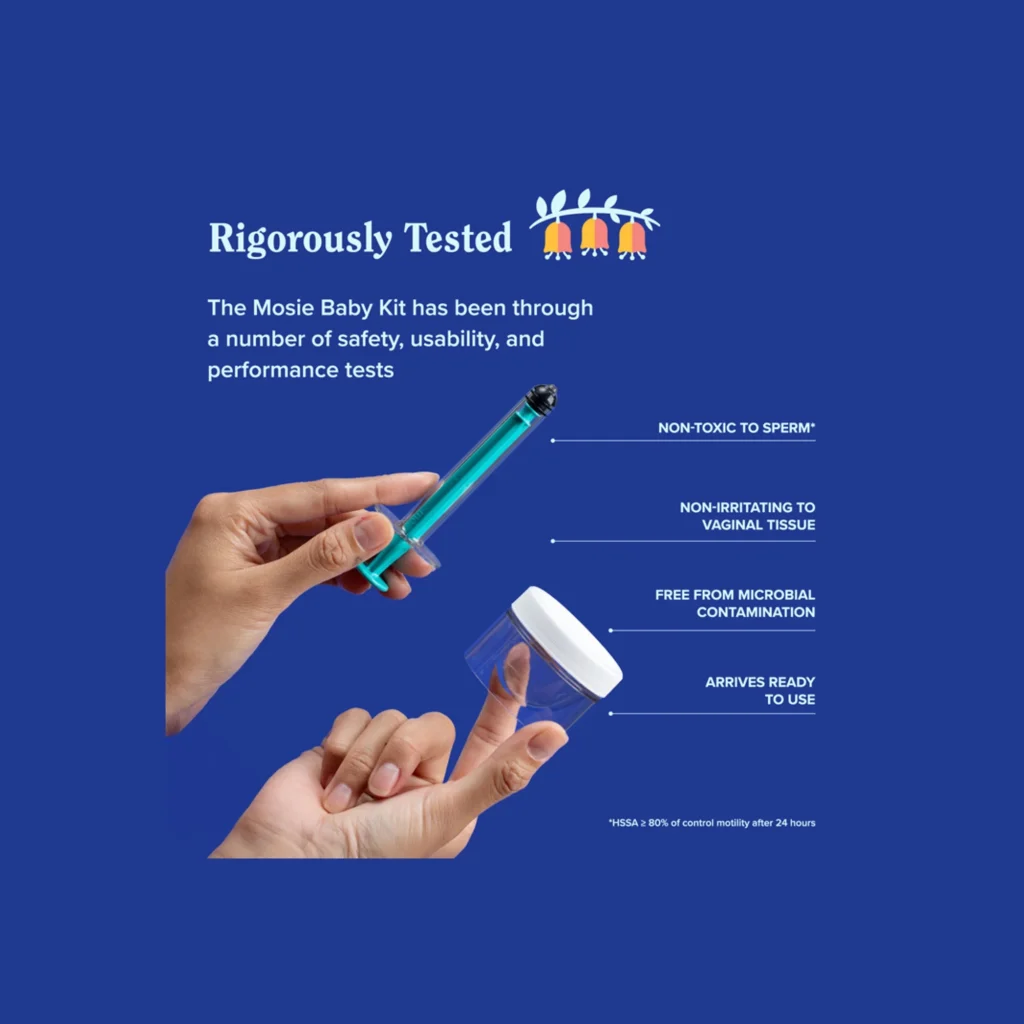
    Mosie Baby Kit features a syringe and container, highlighting safety and usability tests on a blue background.

    The Impact of Alcohol on Cervical Mucus Production

    Furthermore, excessive alcohol consumption can also lead to dehydration, which can affect cervical mucus production. Dehydration can cause the cervical mucus to become thick and sticky, making it difficult for sperm to travel through. This can also lead to fertility issues and make it harder for women to conceive.

    Aside from affecting cervical mucus production, alcohol can also impact the overall health of the reproductive system. Studies have shown that excessive alcohol consumption can lead to hormonal imbalances, irregular menstrual cycles, and even disrupt the functioning of the ovaries. These issues can make it challenging for women to conceive and increase the risk of fertility problems.

    It’s also worth mentioning that alcohol consumption can have a different impact on women depending on their age. As women age, their fertility declines, and alcohol can exacerbate this decline. Therefore, it’s crucial for women who are trying to conceive to limit or avoid alcohol consumption to maintain their reproductive health.

    So, what can women do to improve their cervical mucus production and increase their chances of conception? The most important step is to limit or avoid alcohol consumption. Cutting back on alcohol can help regulate hormone levels and improve cervical mucus production. Additionally, staying hydrated by drinking plenty of water can also help maintain a healthy balance of cervical mucus.

    In conclusion, alcohol consumption can have a significant impact on cervical mucus production and overall reproductive health. It can disrupt hormone levels, delay ovulation, and affect the quality and quantity of cervical mucus. Therefore, it’s essential for women who are trying to conceive to limit or avoid alcohol consumption to increase their chances of conception.

    Summary:

    Alcohol consumption can have a significant impact on cervical mucus production, which is crucial for a woman’s fertility. It can disrupt hormone levels, delay ovulation, and affect the quality and quantity of cervical mucus, making it difficult for sperm to reach the egg. Cutting back on alcohol consumption and staying hydrated can help maintain a healthy balance of cervical mucus and improve fertility.

  • The Role of Alcohol in Cervical Mucus Production

    Blog Post: The Role of Alcohol in Cervical Mucus Production

    When it comes to reproductive health and fertility, many factors can play a role including diet, exercise, and habits like smoking and drinking alcohol. While it’s well-known that excessive alcohol consumption can have negative effects on overall health, its impact on cervical mucus production is often overlooked. In this blog post, we’ll dive into the role of alcohol in cervical mucus production and how it can affect fertility.

    What is Cervical Mucus?

    Cervical mucus is a fluid produced by the cervix that plays a crucial role in the reproductive process. It acts as a protective barrier for sperm, nourishes and transports them towards the egg, and helps filter out abnormal or damaged sperm. Cervical mucus also changes in consistency and amount throughout a woman’s menstrual cycle, influenced by hormonal changes.

    How Does Alcohol Affect Cervical Mucus Production?

    Alcohol consumption can have a direct impact on cervical mucus production. Studies have shown that alcohol can decrease the amount and quality of cervical mucus, making it difficult for sperm to reach the egg. This is due to the fact that alcohol can dehydrate the body, leading to a decrease in overall bodily fluids, including cervical mucus.

    Moreover, alcohol can also disrupt the hormonal balance necessary for proper cervical mucus production. It can affect the levels of estrogen and progesterone, two key hormones involved in the menstrual cycle and cervical mucus production. This can lead to a limited or inadequate production of cervical mucus, making it difficult for sperm to survive and reach the egg.

    Alcohol and Fertility

    Mosie Baby pregnancy test kit with two tests and packaging, featuring a mint green color scheme.

    The Role of Alcohol in Cervical Mucus Production

    In addition to its direct impact on cervical mucus production, alcohol consumption has also been linked to fertility issues. Studies have shown that women who consume alcohol regularly may have a higher risk of ovulation disorders, irregular menstrual cycles, and difficulty conceiving. In men, alcohol consumption has been linked to a decrease in sperm count, motility, and morphology, which can affect fertility.

    Furthermore, alcohol consumption during pregnancy can also have detrimental effects on the developing fetus. It can increase the risk of miscarriage, preterm birth, and birth defects. Therefore, it is crucial for women to avoid alcohol during pregnancy and while trying to conceive.

    Limiting Alcohol Intake for Improved Cervical Mucus Production

    If you are trying to conceive, it is essential to limit your alcohol intake. The recommended limit for women is no more than one drink per day, while men should not exceed two drinks per day. However, it is best to avoid alcohol altogether when trying to conceive to ensure optimal cervical mucus production and overall reproductive health.

    Other Factors Affecting Cervical Mucus Production

    Aside from alcohol consumption, there are other factors that can affect cervical mucus production. These include hormonal imbalances, certain medications, vaginal infections, and age. It is essential to address any underlying health issues and maintain a healthy lifestyle to promote proper cervical mucus production and overall fertility.

    In conclusion, alcohol consumption can have a significant impact on cervical mucus production, which plays a crucial role in fertility. It can decrease the amount and quality of cervical mucus, disrupt hormonal balance, and lead to fertility issues. Therefore, it is essential to limit alcohol intake or avoid it altogether when trying to conceive. Additionally, addressing any underlying health issues and maintaining a healthy lifestyle can also contribute to improved cervical mucus production and overall reproductive health.

    Summary:

    Cervical mucus plays a crucial role in the reproductive process, and alcohol consumption can have a direct impact on its production. Studies have shown that alcohol can decrease the amount and quality of cervical mucus, disrupt hormonal balance, and lead to fertility issues. It is recommended to limit alcohol intake or avoid it altogether when trying to conceive. Other factors such as hormonal imbalances, medications, and age can also affect cervical mucus production. Maintaining a healthy lifestyle and addressing any underlying health issues can contribute to improved cervical mucus production and overall fertility.
