As couples start on their journey to conceive, they often turn to various methods and tools to enhance their chances of success. One such tool that has gained popularity in recent years is the at-home conception helper kit. These kits claim to improve fertility and increase the likelihood of a successful pregnancy. In this blog post, we will explore the role of an at-home conception helper kit in the journey from TTC (trying to conceive) to BFP (big fat positive).
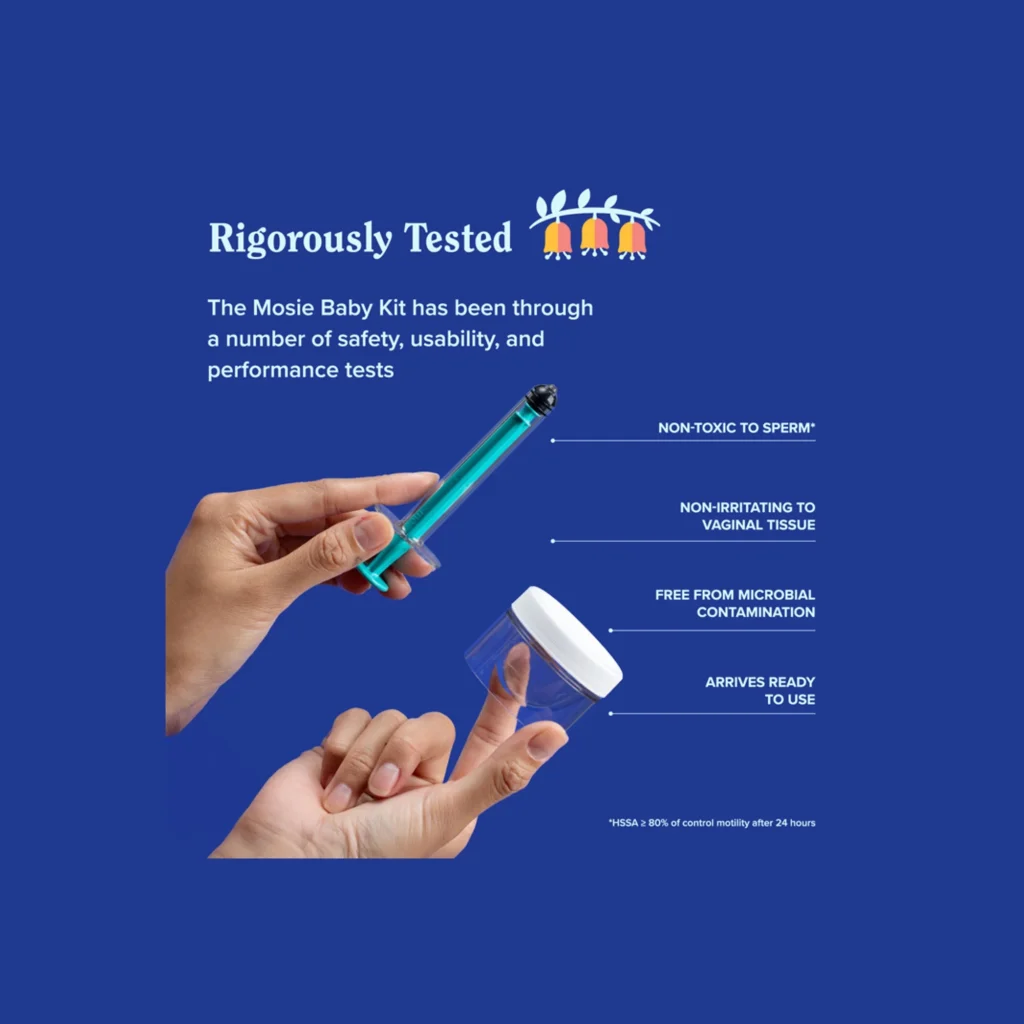
First, let’s understand what an at-home conception helper kit is. These kits typically include a combination of ovulation tests, pregnancy tests, basal body thermometers, and fertility supplements. The idea is to provide couples with all the necessary tools to track their fertility and optimize their chances of conceiving. These kits are easily available online and in drugstores, making them a convenient option for couples trying to conceive.
The first step in using an at-home conception helper kit is tracking ovulation. Ovulation tests, also known as ovulation predictor kits (OPKs), work by detecting the surge of luteinizing hormone (LH) in urine. This surge indicates that ovulation is about to occur, and couples can time intercourse accordingly. These tests are more accurate than tracking ovulation through methods like basal body temperature (BBT) charting, which requires daily monitoring of temperature changes.
Another essential component of an at-home conception helper kit is the basal body thermometer (BBT). BBT refers to the body’s lowest resting temperature, which can be measured by a special thermometer. By tracking BBT daily, couples can pinpoint their most fertile days and time intercourse accordingly. BBT charting has been used for decades as a natural way to track ovulation and improve fertility.

From TTC to BFP: The Role of an At-Home Conception Helper Kit
Fertility supplements are also a common inclusion in at-home conception helper kits. These supplements contain a combination of vitamins, minerals, and herbs that are believed to support reproductive health. Some of the most commonly used ingredients in these supplements include folic acid, vitamin D, and coenzyme Q10. While there is limited scientific evidence to support the effectiveness of these supplements, many couples swear by them and believe they have helped them conceive.
Aside from the physical tools included in the kit, it also provides couples with peace of mind and a sense of control over their fertility journey. The process of trying to conceive can be emotionally taxing, with the constant ups and downs of hope and disappointment. An at-home conception helper kit gives couples a structured approach and tangible tools to help them feel more in control of the process.
However, it’s essential to note that at-home conception helper kits are not a guarantee of success. They are simply tools that can aid in the journey towards conception. There are many factors that can impact fertility, such as age, underlying health conditions, and lifestyle choices. If couples have been actively trying to conceive for more than a year without success, it’s recommended to seek medical advice and consider fertility treatments.
In conclusion, at-home conception helper kits can be a valuable tool for couples trying to conceive. They provide a comprehensive package of ovulation tests, BBT thermometers, and fertility supplements that can help track fertility and increase the chances of a successful pregnancy. These kits also offer couples a sense of empowerment and control over their journey. However, it’s vital to remember that they are not a guarantee of success and should be used in conjunction with medical advice if needed.
In summary, at-home conception helper kits are a popular choice for couples trying to conceive. These kits include ovulation tests, BBT thermometers, and fertility supplements, which can aid in tracking fertility and increasing the chances of pregnancy. They also provide a sense of control and structure to the emotional journey of TTC. However, they are not a guarantee of success and should be used in conjunction with medical advice if needed.