Tag: Beauty Standards

  • The Evolution of Beauty: 42 Influencers Who Are Leading the Way

    The concept of beauty has evolved greatly throughout history. From the ancient Greeks’ idealization of youthful beauty to the contemporary focus on inclusivity and diversity, beauty standards have been constantly changing and being redefined. In recent years, with the rise of social media and the influencer culture, the definition of beauty has become even more fluid and diverse. In this blog post, we will explore the evolution of beauty and highlight 42 influencers who are leading the way in this ever-changing landscape.

    The Ancient Greeks believed that beauty was a reflection of inner goodness and perfection. They valued youth, symmetry, and physical perfection in both men and women. The ideal female beauty was embodied by the goddess Aphrodite, known for her youthful appearance, delicate features, and perfect proportions. However, this standard of beauty was limited to a certain group of people and was heavily influenced by societal norms and expectations.

    During the Renaissance period, the definition of beauty shifted to a more realistic and humanistic approach. Artists such as Leonardo da Vinci and Michelangelo depicted the human form in a more natural and lifelike manner, breaking away from the idealized perfection of the Greeks. This period also saw the rise of the concept of inner beauty, with the belief that a person’s character and personality were equally, if not more, important than their physical appearance.

    Moving into the 20th century, beauty standards became more diverse and inclusive, with the emergence of different beauty ideals in different parts of the world. The 1920s saw the rise of the flapper style, with women embracing a more androgynous look and shorter hairstyles. In the 1950s, Hollywood’s golden age popularized the hourglass figure and glamorous looks, while the 1960s brought about the Twiggy-inspired thin and androgynous beauty ideal. The 1970s and 1980s saw a shift towards a more athletic and toned body type, with the rise of fitness and health culture.

    However, it wasn’t until the 1990s and early 2000s that the concept of beauty truly began to evolve and diversify. With the rise of the internet and social media, beauty standards became more fluid and inclusive, with people from different backgrounds and body types being celebrated. The term “plus-size” entered the mainstream, and models like Kate Dillon and Crystal Renn challenged the traditional skinny ideal.

    Fast forward to the present day, and the definition of beauty has become even more diverse and inclusive. Social media platforms like Instagram and YouTube have given rise to a new generation of influencers who are challenging traditional beauty standards and promoting self-love and acceptance. These influencers come from all walks of life and represent different body types, skin tones, and gender identities, making beauty more accessible and relatable to a wider audience.

    One of the influencers leading the way in this new era of beauty is Harnaam Kaur. Born with polycystic ovary syndrome, Harnaam has a beard and embraces her body hair, challenging the societal norms of femininity and beauty. She is a body positivity advocate and uses her platform to spread messages of self-love and acceptance.

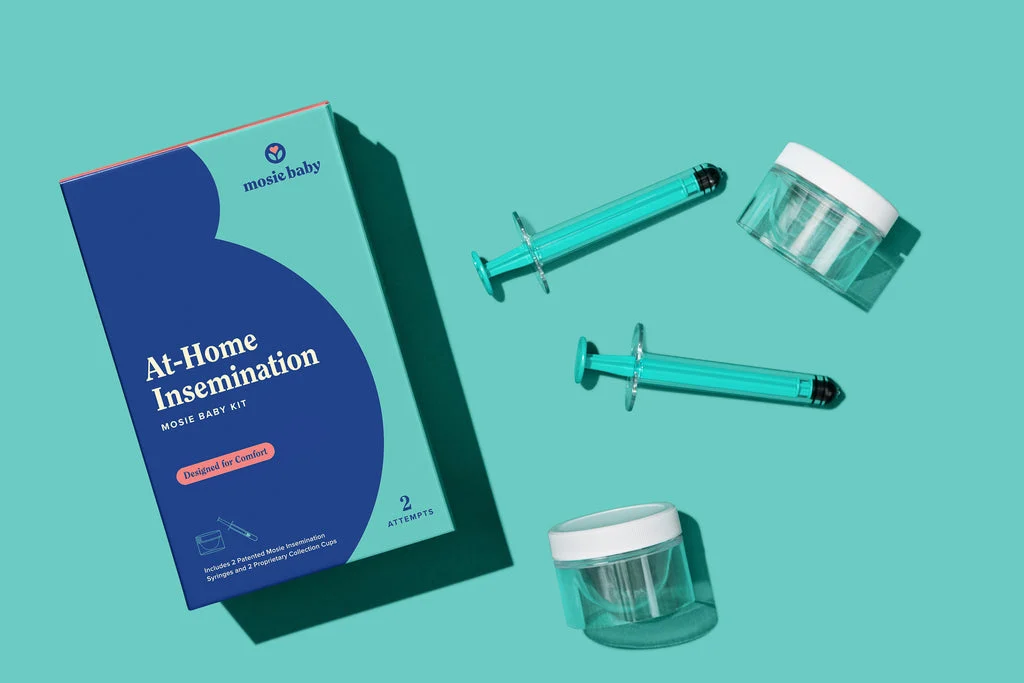
    Mosie Baby Kit with a syringe and container, highlighting safety and usability features on a blue background.

    The Evolution of Beauty: 42 Influencers Who Are Leading the Way

    Another influencer changing the game is Winnie Harlow, who has vitiligo, a skin condition that causes patches of skin to lose their pigment. Winnie has become a prominent figure in the fashion industry, breaking barriers and promoting diversity and representation. She has also used her platform to speak out against beauty standards and the pressure to conform.

    In the world of makeup and beauty, influencers like James Charles and Nikkie de Jager (also known as NikkieTutorials) have been instrumental in challenging traditional gender norms and promoting self-expression through makeup. James Charles, a male makeup artist, has become one of the biggest names in the beauty industry, breaking stereotypes and paving the way for other male makeup enthusiasts. Nikkie de Jager, a transgender woman, has also used her platform to promote inclusivity and diversity in the beauty world.

    Influencers like Ashley Graham and Iskra Lawrence have been at the forefront of promoting body positivity and challenging the traditional beauty standards of thinness. Both models have become advocates for self-love and acceptance, using their platforms to spread messages of body confidence and inclusivity.

    In the world of fashion, influencers like Aimee Song and Chiara Ferragni have been redefining the standards of beauty by embracing their cultural heritage. Aimee Song, a Korean-American fashion blogger, has been breaking stereotypes and promoting diversity in the fashion industry. Chiara Ferragni, an Italian influencer and entrepreneur, has used her platform to showcase her Italian heritage and challenge the traditional Western-centric beauty standards.

    In the world of fitness, influencers like Massy Arias and Simeon Panda have been promoting body positivity and breaking stereotypes by showcasing different body types and the importance of self-love and acceptance. Massy Arias, a fitness trainer, has been open about her struggles with body image and has used her platform to promote a healthy and balanced approach to fitness. Simeon Panda, a bodybuilder, has also challenged traditional beauty standards by promoting the idea that beauty comes in all shapes and sizes.

    Influencers like Jazz Jennings and Laverne Cox have been using their platforms to promote diversity and representation for the transgender community. Jazz Jennings, an activist and YouTuber, has been open about her journey as a transgender woman and has become a role model for many. Laverne Cox, an actress and activist, has been breaking barriers in Hollywood and using her platform to advocate for transgender rights and visibility.

    The beauty industry itself has also undergone major changes in recent years, with brands becoming more inclusive and diverse in their marketing and product offerings. Brands like Fenty Beauty, created by singer Rihanna, have been praised for their wide range of foundation shades and commitment to diversity. Other brands like Glossier and Milk Makeup have also been promoting a more natural and effortless approach to beauty, challenging the traditional heavy and caked-on makeup look.

    In conclusion, the evolution of beauty is an ongoing process, and these 42 influencers are just a few examples of the diverse and inclusive voices leading the way. With the rise of social media and the influencer culture, beauty standards have become more fluid and diverse, with people from all backgrounds and body types being celebrated. It is essential to continue to challenge traditional beauty standards and promote self-love and acceptance for all forms of beauty.


  • Fashion Designers Who Defined and Redefined Beauty Standards

    In the world of fashion, beauty standards have always been a topic of discussion and debate. These standards have been constantly changing and evolving, thanks to the work of talented fashion designers who have pushed boundaries and redefined what is considered beautiful. Throughout history, there have been several fashion designers who have challenged conventional beauty standards and made a significant impact in the industry. In this blog post, we will take a look at some of these designers who have defined and redefined beauty standards, and how their work has influenced the way we perceive beauty today.

    1. Yves Saint Laurent
    Yves Saint Laurent is known for revolutionizing the fashion industry with his iconic designs and daring approach to beauty. In the 1960s, when the standard of beauty was thin, tall, and blonde, Saint Laurent introduced his iconic “Le Smoking” tuxedo suit for women. This sparked a major shift in the industry as it challenged the traditional idea of femininity and beauty. Saint Laurent’s designs celebrated women of all shapes and sizes, and his work paved the way for more diversity and inclusivity in fashion.

    2. Alexander McQueen
    Alexander McQueen was known for his avant-garde and unconventional designs that pushed the boundaries of beauty. He often incorporated elements of shock value in his collections and challenged societal norms through his work. McQueen’s runway shows were theatrical and often featured models who did not fit the traditional beauty standards, such as plus-size and differently-abled individuals. By doing so, he challenged the narrow definition of beauty and celebrated diversity in all its forms.

    3. Vivienne Westwood
    British designer Vivienne Westwood has been a pioneer in redefining beauty standards in the fashion industry. She is known for her eccentric and bold designs that often convey a strong social and political message. Westwood’s work has always challenged traditional gender roles and beauty standards. She has featured models of all ages, sizes, and backgrounds in her runway shows, sending a powerful message that beauty knows no boundaries.

    mosie baby logo featuring a heart and leaves in blue, pink, and green colors.

    Fashion Designers Who Defined and Redefined Beauty Standards

    4. Christian Dior
    Christian Dior is credited with creating the iconic “New Look” in the 1940s, which redefined the standard of beauty at the time. After the austerity of World War II, Dior’s designs brought back femininity and glamour, with cinched-in waists and full skirts. He also launched his first perfume, Miss Dior, which became a symbol of femininity and elegance. Dior’s designs celebrated the female form and paved the way for a more sensual and romantic standard of beauty.

    5. Rei Kawakubo
    Japanese designer Rei Kawakubo is known for her unconventional and boundary-pushing designs under her label Comme des Garçons. Kawakubo’s collections often challenge traditional beauty standards and blur the lines between genders. She embraces asymmetry, oversized silhouettes, and unconventional fabrics, creating a unique and avant-garde aesthetic. By doing so, Kawakubo challenges the idea of what is considered beautiful and encourages people to embrace their individuality.

    6. Jean Paul Gaultier
    Jean Paul Gaultier is known for his iconic designs that celebrate diversity and challenge beauty standards. He has always been an advocate for body positivity and inclusivity in fashion. Gaultier’s runway shows often feature models of all ages, sizes, and races, breaking the mold of the traditional fashion industry. He also famously designed the iconic cone bra for Madonna, which became a symbol of female empowerment and sexuality.

    7. Coco Chanel
    Coco Chanel is a fashion icon who has left a lasting impact on the industry. She is known for her timeless designs that continue to influence fashion today. Chanel’s work was groundbreaking in challenging the traditional beauty standards of the early 20th century. She introduced comfortable and practical clothing for women, breaking away from the restrictive corseted styles of the time. Chanel also believed that beauty was not limited to a specific age, and her designs were embraced by women of all ages.

    In summary, these fashion designers have redefined beauty standards through their bold and boundary-pushing designs. They have challenged societal norms and encouraged people to embrace diversity and individuality. Thanks to their work, the fashion industry has become more inclusive and diverse, and beauty is now seen in all its forms. These designers have not only influenced the fashion world but have also made a significant impact on how beauty is perceived in society.

  • Fashion Influencers Who Are Changing the Perception of Aging in Fashion

    Blog Post:

    When we think of fashion influencers, we often picture young, stylish individuals who are setting trends and influencing the masses. However, there is a growing movement in the fashion industry that is challenging this perception and showcasing the beauty and style of older individuals. These fashion influencers are breaking down age barriers and proving that fashion is not just for the young. In this blog post, we will take a look at some of the top fashion influencers who are changing the perception of aging in fashion.

    1. Lyn Slater (@iconaccidental)
    Lyn Slater is a 68-year-old professor and social worker turned fashion influencer. She started her blog, Accidental Icon, as a way to document her personal style and has since gained a massive following. Her bold and edgy fashion choices have landed her features in major fashion magazines and collaborations with top brands. Lyn proves that age is just a number and that fashion knows no bounds.

    2. Sarah Jane Adams (@saramaijewels)
    Sarah Jane Adams is a 65-year-old jewelry designer and fashion influencer. She has become known for her unique style, which often combines vintage pieces with modern trends. Sarah Jane uses her platform to promote body positivity and inclusivity, showcasing her own aging body in stunning and empowering ways. She has also collaborated with major brands such as Gucci and Swarovski, further solidifying her influence in the fashion industry.

    3. Iris Apfel (@iris.apfel)
    At 100 years old, Iris Apfel is a true fashion icon. She has had a long and successful career in fashion, working as an interior designer and fashion consultant. In her later years, she has become a fashion influencer, known for her bold and colorful style. Iris has also been the subject of a documentary and has collaborated with brands such as MAC and HSN. She continues to inspire and influence the fashion world, proving that age is just a number when it comes to style.

    4. Grece Ghanem (@greceghanem)
    Grece Ghanem is a 56-year-old fashion influencer and model. She started her Instagram account as a way to document her personal style and has since gained a large following for her fashion-forward and elegant looks. Grece has been featured in major fashion campaigns and has been praised for her ability to break stereotypes and redefine beauty standards in the fashion industry.

    at-home insemination kit with syringes, collection cups, and instructions on a pink background

    Fashion Influencers Who Are Changing the Perception of Aging in Fashion

    5. Gina Pell (@gina.pell)
    Gina Pell is the co-founder of The What, a lifestyle website for women over 40. She has also become a fashion influencer in her own right, showcasing her chic and modern style on her Instagram account. Gina uses her platform to promote age-inclusive fashion and beauty, often featuring other women over 40 on her page. She also co-founded The What’s Ageless Style Conference, which brings together fashion influencers and industry experts to discuss and celebrate style at any age.

    6. Lyn Slater (@greceghanem)
    Linda Rodin is a 72-year-old fashion influencer and founder of Rodin Olio Lusso, a luxury skincare and beauty brand. She has been a fashion icon for decades, working in the fashion industry as a stylist and model. Linda’s style is timeless and sophisticated, and she has been featured in numerous fashion campaigns and magazines. She also uses her platform to promote self-love and confidence at any age.

    7. Sarah-Jane Duff (@sarahjaneduff)
    Sarah-Jane Duff is a 53-year-old fashion influencer and model. With her stunning silver hair and impeccable sense of style, she has become a sought-after model for fashion campaigns and editorials. Sarah-Jane uses her platform to promote age diversity in the fashion industry and advocates for more representation of older individuals in media and advertising.

    These fashion influencers are just a few of the many individuals who are changing the perception of aging in fashion. They are proving that style and beauty are not limited by age and that fashion should be inclusive and diverse. Their influence and impact on the fashion world are undeniable, and they continue to inspire and empower people of all ages to embrace their individual style.

    In conclusion, the fashion industry is slowly but surely recognizing and celebrating the beauty and style of aging individuals. These fashion influencers are leading the way and showing that fashion has no age limit. They are breaking down barriers and challenging societal norms, and their impact is creating a positive and inclusive change in the fashion world.

    SEO metadata:

  • The Evolution of 27: How Fashion Influencers Have Changed the Game

    Blog Post:

    Fashion influencers have become a crucial part of the fashion industry in recent years, with their influence and reach extending far beyond traditional media outlets. These individuals have changed the game and transformed the way fashion is perceived, consumed, and marketed. One of the most influential numbers in the fashion world is the number 27, which is often associated with the age at which influencers reach their peak. In this blog post, we will explore the evolution of 27 and how fashion influencers have played a significant role in shaping the industry.

    The Rise of Influencers:

    Before we dive into the evolution of 27, it is essential to understand the rise of fashion influencers and their impact on the industry. With the rise of social media platforms like Instagram, influencers emerged as a new force in fashion. These individuals, with their large followings and relatable content, quickly gained the attention of brands and consumers alike. They were seen as more authentic and relatable compared to traditional models and celebrities, which made them more appealing to the fashion world.

    In the early days of social media, influencers were not as prevalent as they are today. It was not until around 2012-2013 that they started to gain significant traction, and by 2015, they had become a dominant force in the industry. This was also the time when the number 27 started to gain significance, as many successful fashion influencers were in their late twenties at this point.

    The Age of 27:

    As mentioned earlier, the number 27 has become synonymous with fashion influencers, and for a good reason. Many of the top fashion influencers, such as Chiara Ferragni, Aimee Song, and Danielle Bernstein, achieved peak success at the age of 27. This age is often seen as the sweet spot for influencers as they have gained enough experience and following to make a significant impact in the industry, but they are still young enough to relate to the younger demographic.

    The age of 27 also marks a transition in the career of many influencers. It is the age when they start to shift their focus from just being content creators to becoming entrepreneurs and building their own fashion brands. This has been the case for many successful influencers, such as Song and Bernstein, who have launched their own clothing lines and collaborations with established brands.

    The Impact on Fashion Marketing:

    The rise of fashion influencers has had a significant impact on the way brands market their products. Traditional marketing methods, such as print and TV ads, have become less effective as consumers are turning to influencers for fashion inspiration and recommendations. Brands have recognized this shift and have started to collaborate with influencers to reach their target audience effectively.

    Mosie Baby pregnancy test kit with two tests and packaging, featuring a mint green color scheme.

    The Evolution of 27: How Fashion Influencers Have Changed the Game

    Influencers have also brought a new level of authenticity to fashion marketing. They are seen as real people with real opinions and experiences, making their recommendations and endorsements more genuine and trustworthy. This has led to a rise in influencer marketing, with brands allocating a significant portion of their marketing budget to collaborations with influencers.

    Changing Perceptions of Beauty:

    Another significant impact of fashion influencers is the changing perceptions of beauty in the fashion industry. Traditional models were often criticized for portraying an unrealistic and unattainable image of beauty. However, fashion influencers, with their diverse backgrounds, body types, and styles, have challenged this notion and have brought a more inclusive approach to fashion. They have shown that beauty comes in all shapes, sizes, and colors, and have encouraged brands to embrace diversity in their campaigns and collections.

    The Need for Authenticity:

    One of the key factors that have made fashion influencers so successful is their authenticity. In a world where everything seems curated and staged, influencers have managed to maintain a sense of realness and connection with their audience. They share their personal experiences, struggles, and successes, making them relatable and aspirational at the same time.

    This authenticity has also translated into the fashion industry as a whole. Brands are now expected to be more transparent and authentic in their marketing and operations, as consumers have become more conscious and demanding. This has led to a shift towards sustainable and ethical fashion, as influencers have used their platforms to raise awareness and advocate for more responsible practices in the industry.

    The Future of 27:

    As the fashion industry continues to evolve, so will the role of fashion influencers and the significance of the number 27. With the rise of new social media platforms and technology, influencers will have to adapt and evolve to stay relevant and maintain their influence. We may see a shift towards micro-influencers, who have smaller but highly engaged followings, or the emergence of new types of influencers who specialize in specific niches.

    Summary:

    Fashion influencers have revolutionized the fashion industry with their influence, authenticity, and relatability. The age of 27 has become synonymous with their success, as many of them have reached their peak at this age. They have changed the way fashion is marketed, challenged traditional notions of beauty, and brought a sense of authenticity to the industry. As the industry continues to evolve, so will the role of influencers, and the number 27 will continue to hold significance in the ever-changing fashion landscape.

  • Meet the 27 Fashion Influencers Who Are Redefining Beauty Standards

    Blog Post Title: Meet the 27 Fashion Influencers Who Are Redefining Beauty Standards

    Summary:

    In a world where beauty standards have been narrowly defined for decades, there has been a recent surge in the fashion industry of influencers who are breaking these molds and redefining what it means to be beautiful. These 27 fashion influencers have been using their platforms to showcase diversity, inclusivity, and body positivity, challenging traditional beauty standards and inspiring others to embrace their unique beauty.

    The blog post begins by discussing how the fashion industry has long been criticized for its lack of diversity and inclusivity. From promoting unrealistically thin models to only showcasing a narrow range of skin tones and body types, the industry has been perpetuating harmful and exclusionary beauty standards. However, with the rise of social media and influencer culture, there has been a shift towards a more inclusive and diverse representation of beauty.

    The first fashion influencer on the list is Winnie Harlow, a Canadian model who has been breaking barriers in the fashion industry with her unique beauty. Harlow has vitiligo, a skin condition that causes loss of pigmentation, and she has used her platform to raise awareness and celebrate her skin. She has been featured in numerous fashion campaigns and has walked the runway for major brands, proving that beauty comes in all forms.

    Next is Ashley Graham, a plus-size model and body positivity activist who has been a pioneer in promoting diversity and inclusivity in the fashion industry. She has graced the covers of major magazines and has her own lingerie line, challenging the narrow beauty standards that have long been perpetuated by the industry.

    hands using a blue syringe to extract contents from a clear container for a home insemination kit

    Meet the 27 Fashion Influencers Who Are Redefining Beauty Standards

    Another influencer making waves in the fashion industry is Halima Aden, a Somali-American model who made history as the first hijab-wearing model to walk in major fashion shows. Aden has been an advocate for Muslim representation in the fashion industry and has used her platform to break stereotypes and promote inclusivity.

    Other influencers on the list include Paloma Elsesser, a plus-size model and body positivity advocate, who has been featured in campaigns for major brands like Fenty Beauty and Nike; Hari Nef, a transgender model and actress who has been using her platform to promote LGBTQ+ representation in the fashion industry; and Jazzelle Zanaughtti, a model with albinism who has been challenging beauty standards with her unique and striking looks.

    The blog post also features influencers who have been redefining beauty standards in terms of age and disability. Yazemeenah Rossi, a 65-year-old model, has been breaking barriers and promoting age diversity in the fashion industry. Jillian Mercado, who has muscular dystrophy and uses a wheelchair, has been a trailblazer in promoting disability representation in the fashion world.

    The post also highlights influencers who have been using their platforms to promote body positivity and self-love. Iskra Lawrence, a British model and body positivity activist, has been a vocal advocate for loving and accepting one’s body, regardless of size or shape. Tess Holliday, a plus-size model and body positivity advocate, has been using her platform to promote self-love and body acceptance.

    The 27 fashion influencers on this list come from diverse backgrounds and have unique stories, but they all have one thing in common – they are redefining beauty standards in the fashion industry. Through their authenticity, inclusivity, and celebration of diversity, they have been inspiring others to embrace their own unique beauty and challenging the narrow definition of beauty that has long been promoted by the industry.

    In conclusion, these 27 fashion influencers are making a significant impact in the fashion industry by redefining beauty standards and promoting diversity, inclusivity, and body positivity. They are using their platforms to break stereotypes, challenge traditional beauty norms, and inspire others to embrace their unique beauty. As more and more influencers continue to use their voices and platforms to promote diversity and inclusivity in the fashion industry, we can hope for a more inclusive and representative definition of beauty in the future.

  • Fashion Influencers Who Are Championing Body Positivity in the Industry

    Fashion influencers have long been known for their impeccable style and trendsetting abilities. However, in recent years, there has been a shift in the industry towards promoting body positivity and diversity. Thanks to the courage and determination of a few influential figures, the fashion world is becoming more inclusive and reflective of the real world. In this blog post, we will take a closer look at some of the top fashion influencers who are championing body positivity in the industry.

    1. Ashley Graham
    Ashley Graham is a trailblazer in the fashion industry, known for her stunning curves and unapologetic confidence. She has graced the covers of major magazines and walked the runway for top designers, breaking boundaries and challenging the traditional beauty standards. Graham is also an advocate for body positivity and has used her platform to promote self-love and acceptance. She launched her own size-inclusive lingerie line and has been a vocal supporter of diversity in the fashion industry.

    2. Tess Holliday
    Tess Holliday is a plus-size model and body positive activist who has made a significant impact in the fashion world. She gained recognition as the first size 22 model to be signed to a major modeling agency and has since appeared in numerous high-profile campaigns and editorials. Holliday has been vocal about her struggles with body image and self-acceptance, and has used her platform to encourage others to embrace their bodies and love themselves.

    3. Paloma Elsesser
    Paloma Elsesser is a rising star in the fashion industry, known for her stunning beauty and body positivity. She has been featured in campaigns for major brands like Nike and Fenty Beauty, and has become a role model for many young women. Elsesser has been open about her journey to self-love and body acceptance, and has been a powerful voice in the industry for inclusivity and diversity.

    4. Denise Bidot
    Denise Bidot is a model and body positive activist who has made waves in the fashion industry. She has walked the runway for top designers and has been featured in major campaigns, breaking barriers and representing a more diverse and inclusive beauty ideal. Bidot has also launched her own swimwear line, focused on celebrating and empowering women of all shapes and sizes. She continues to use her platform to promote body positivity and self-love.

    At-home insemination kit with syringes and collection cups on a teal background.

    Fashion Influencers Who Are Championing Body Positivity in the Industry

    5. Winnie Harlow
    Winnie Harlow is a Canadian model who rose to fame after appearing on America’s Next Top Model. She has since become a sought-after model, walking the runway for top designers and gracing the covers of major magazines. Harlow has a skin condition called vitiligo, which causes patches of skin to lose their pigment. She has been a vocal advocate for diversity and self-acceptance in the fashion industry, challenging traditional beauty standards and inspiring others to embrace their uniqueness.

    6. Iskra Lawrence
    Iskra Lawrence is a British model and body positive activist who has become a role model for many young women. She has been featured in campaigns for major brands like Aerie and L’Oréal, and has used her platform to promote body positivity and mental health awareness. Lawrence has been open about her struggles with body image and has become a vocal advocate for inclusivity and diversity in the fashion industry.

    7. Hunter McGrady
    Hunter McGrady is a plus-size model who has made history by becoming the first size 16 model to be featured in Sports Illustrated’s Swimsuit Issue. She has worked with major brands like Lane Bryant and has been a vocal advocate for body positivity and self-love. McGrady has also launched her own swimwear line, focused on empowering women of all sizes to feel confident and beautiful in their own skin.

    These are just a few of the many fashion influencers who are championing body positivity in the industry. Their courage, determination, and willingness to challenge the status quo have made a significant impact and paved the way for a more inclusive and diverse fashion world.

    In conclusion, the fashion industry is slowly but surely becoming more inclusive and body positive, thanks to the efforts of influential figures who are using their platforms to promote self-love and diversity. These fashion influencers are breaking barriers and challenging traditional beauty standards, inspiring others to embrace their bodies and celebrate their uniqueness. It is heartening to see the industry moving towards a more inclusive and diverse representation of beauty, and we can only hope that this trend continues to grow and evolve in the future.