Tag: breaking the stigma

  • Cervical Mucus and STIs: Breaking Down the Stigma

    Cervical mucus is a natural and normal bodily fluid produced by the cervix in females. It plays a crucial role in the female reproductive system, helping to keep the vagina clean and healthy and aiding in fertility. However, cervical mucus can also be a major indicator of sexually transmitted infections (STIs). Despite its importance, there is a significant stigma surrounding cervical mucus and STIs. In this blog post, we will discuss the function of cervical mucus, how it can indicate the presence of an STI, and how we can break down the stigma surrounding this topic.

    First, let’s understand the importance of cervical mucus. The cervix produces mucus throughout a woman’s menstrual cycle. It changes in consistency and texture depending on where a woman is in her cycle. During ovulation, when a woman is most fertile, cervical mucus becomes thin and stretchy, allowing sperm to swim through and reach the egg. This mucus also helps keep the reproductive tract clean and free from harmful bacteria.

    However, the presence of an STI can alter the appearance and consistency of cervical mucus. STIs like chlamydia, gonorrhea, and trichomoniasis can cause abnormal vaginal discharge, which may include changes in the color, smell, and texture of cervical mucus. This can be a warning sign of an STI and should not be ignored.

    Unfortunately, there is a lot of stigma surrounding STIs and cervical mucus. Many people view STIs as something shameful and embarrassing, leading to a lack of education and open discussion about these infections. This stigma can prevent people from seeking necessary medical care and cause them to feel isolated and ashamed.

    One way to break down the stigma surrounding STIs and cervical mucus is by educating ourselves and others. It’s essential to understand that STIs are common and can happen to anyone, regardless of their gender, sexual orientation, or social status. By educating ourselves, we can also learn how to prevent STIs and promote safe sexual practices.

    guide and materials for using Mosie Baby fertility kit on a textured surface

    Cervical Mucus and STIs: Breaking Down the Stigma

    Another way to break the stigma is to have open and honest conversations about STIs and cervical mucus. It’s crucial to create a safe and non-judgmental environment for people to discuss their sexual health. By talking openly about these topics, we can normalize them and reduce the shame and stigma associated with them.

    Furthermore, it’s essential to get tested regularly for STIs, especially if you are sexually active. Many STIs do not have obvious symptoms, and regular testing is the only way to know for sure if you have an infection. It’s also important to encourage our partners to get tested, as STIs can be easily passed between sexual partners.

    In addition to regular testing, it’s essential to practice safe sex by using condoms and other barrier methods. While condoms do not provide 100% protection against all STIs, they can significantly reduce the risk of transmission. It’s also crucial to have open and honest communication with sexual partners about STIs and to get tested before engaging in sexual activity with a new partner.

    Breaking down the stigma surrounding STIs and cervical mucus is crucial for the health and well-being of individuals and our society as a whole. By educating ourselves, having open conversations, and practicing safe sex, we can reduce the shame and stigma associated with these topics.

    In conclusion, cervical mucus is a vital bodily fluid that can indicate the presence of an STI. It’s essential to understand its function and changes in consistency, and to get tested regularly for STIs. By breaking down the stigma surrounding STIs and cervical mucus, we can promote open communication, education, and safe sexual practices, leading to a healthier and more informed society.


  • Breaking the Stigma: Jenna and Tyler’s Mosiebaby Journey to Parenthood

    Blog post:

    Breaking the Stigma: Jenna and Tyler’s Mosiebaby Journey to Parenthood

    Parenthood is often portrayed as a magical and effortless journey, filled with joy and happiness. However, for many couples, the reality is far from this idealized image. Jenna and Tyler, a young couple from California, know this all too well. For years, they struggled with infertility and the emotional toll it took on their relationship. But through their journey with Mosiebaby, they were able to break the stigma surrounding infertility and create their own unique path to parenthood.

    Their story begins like many others – Jenna and Tyler were excited to start a family and had been trying to conceive for over a year with no success. They tried all the traditional methods, from tracking Jenna’s ovulation to using fertility apps and even consulting with doctors. But as the months went by, the disappointment and frustration only grew. They felt isolated and alone, as if they were the only ones going through this struggle.

    This is a common sentiment among couples facing infertility. Despite the fact that 1 in 8 couples struggle with infertility, there is still a stigma surrounding this topic. It is often seen as a taboo subject, and many couples feel ashamed to talk about it openly. Jenna and Tyler were determined to break this stigma and bring awareness to the struggles of infertility.

    Their journey took a turn when they discovered Mosiebaby, a company that creates at-home insemination kits designed specifically for couples trying to conceive. After doing extensive research, they decided to give it a try, and this decision changed their lives forever.

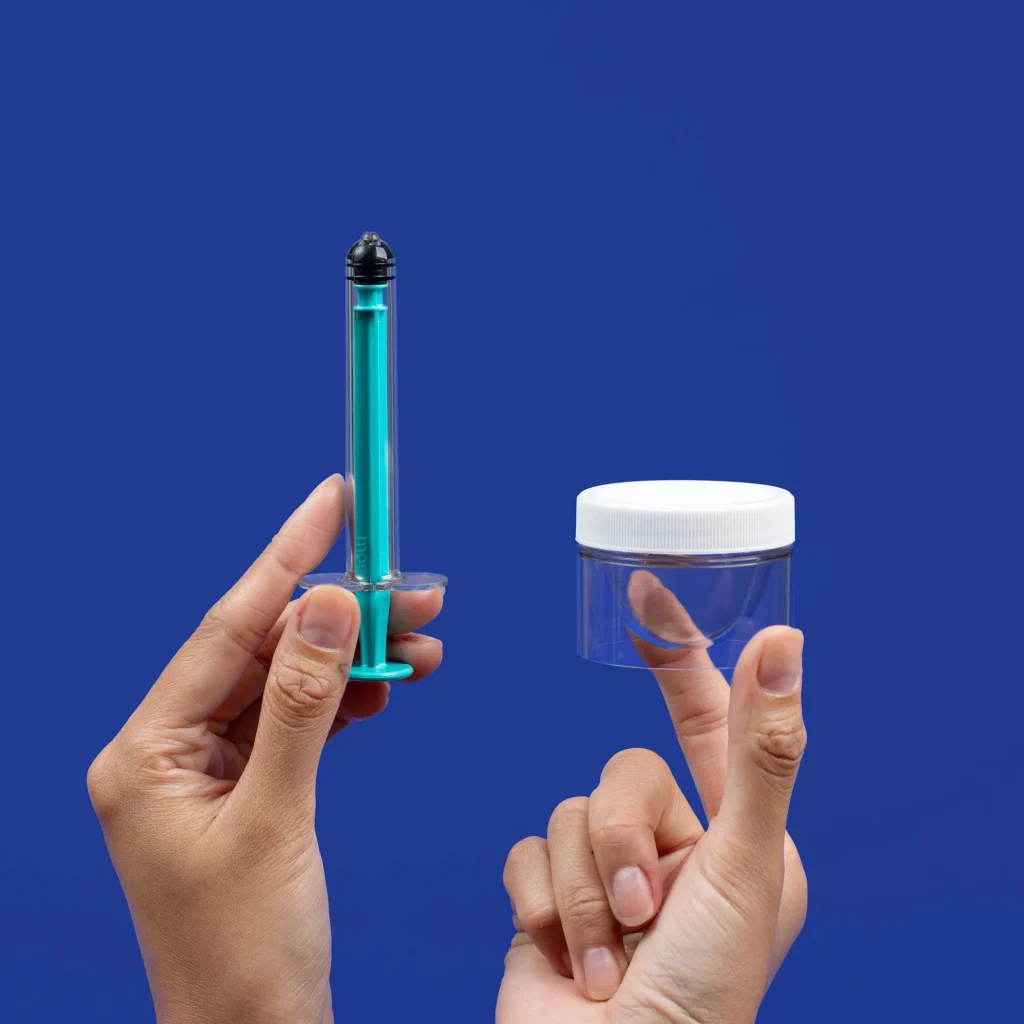
    Mosiebaby was created by a couple, Maureen and Marc, who also struggled with infertility. They wanted to create a more comfortable and less invasive option for couples trying to conceive at home. The kit includes everything needed for insemination, including a syringe and a sperm collection cup. The process is simple and can be done in the comfort of one’s own home.

    Jenna and Tyler were initially hesitant, but they were drawn to the idea of a more natural and less clinical approach. They also appreciated the fact that Mosiebaby was created by a couple who had gone through a similar journey. They decided to give it a try, and to their surprise, it worked on their first attempt.

    Hands holding a syringe and a small container against a blue background.

    Breaking the Stigma: Jenna and Tyler's Mosiebaby Journey to Parenthood

    The joy and relief they felt were indescribable. After years of struggling and feeling like they were on an emotional rollercoaster, they finally had a positive pregnancy test. But their journey was not over yet. They still had to navigate the challenges of pregnancy, including the constant worry and fear of a miscarriage.

    However, through it all, Jenna and Tyler remained determined to break the stigma surrounding infertility. They documented their journey on social media, sharing their struggles and triumphs with the world. They received an overwhelming response from other couples who were also going through similar experiences. Many expressed their gratitude for Jenna and Tyler’s bravery in speaking out and bringing awareness to the issue.

    Jenna and Tyler’s journey with Mosiebaby not only resulted in the birth of their daughter, but it also brought them closer together as a couple. They learned to communicate and support each other through the ups and downs, and their bond became even stronger.

    Today, Jenna and Tyler are proud parents and advocates for breaking the stigma surrounding infertility. They continue to share their story and raise awareness about the options available for couples struggling to conceive. They also use their platform to support and uplift others going through similar experiences.

    Their journey is a reminder that there is no one-size-fits-all approach to parenthood. Couples should feel empowered to explore all options and find what works best for them. Infertility is a common struggle, and it is time to break the silence and the stigma surrounding it.

    In the end, Jenna and Tyler’s story is one of hope, resilience, and the power of breaking the stigma. Through their openness and determination, they have helped to create a more supportive and understanding community for couples facing infertility. Their journey with Mosiebaby serves as an inspiration for others to speak up, seek help, and find their own unique path to parenthood.

    Summary:

    Jenna and Tyler’s journey to parenthood was filled with struggles, disappointment, and the stigma surrounding infertility. After years of trying to conceive, they discovered Mosiebaby, an at-home insemination kit that helped them break the silence and stigma surrounding infertility. Their first attempt with Mosiebaby was successful, and they welcomed their daughter into the world. Through their openness and determination, they have become advocates for breaking the stigma surrounding infertility and have created a more supportive and understanding community for couples facing similar struggles.

  • Breaking the Stigma: Sarah and Tim’s Mosiebaby Journey to Conception

    Breaking the Stigma: Sarah and Tim’s Mosiebaby Journey to Conception

    Infertility is a topic that is often shrouded in stigma and silence. Many couples who struggle with fertility issues feel alone and isolated, as if they are the only ones facing this challenge. But the truth is, fertility struggles are more common than we think. According to the Centers for Disease Control and Prevention, about 12% of women aged 15 to 44 struggle with infertility in the United States. Yet despite its prevalence, infertility is still a topic that is not openly discussed, leading to feelings of shame and secrecy for those going through it.

    Sarah and Tim (names changed for privacy) are one couple who knows this struggle all too well. The couple had been trying to conceive for over two years with no success. They had tried all the traditional methods, from tracking ovulation to fertility treatments, but nothing seemed to work. As the months went by, Sarah and Tim began to feel more and more isolated and frustrated, wondering why they were unable to conceive when it seemed like everyone around them was having babies effortlessly.

    But then they discovered Mosiebaby, a revolutionary new at-home insemination kit that promised a more natural and comfortable way to conceive. Intrigued by the concept, Sarah and Tim decided to give it a try, and their journey to conception began.

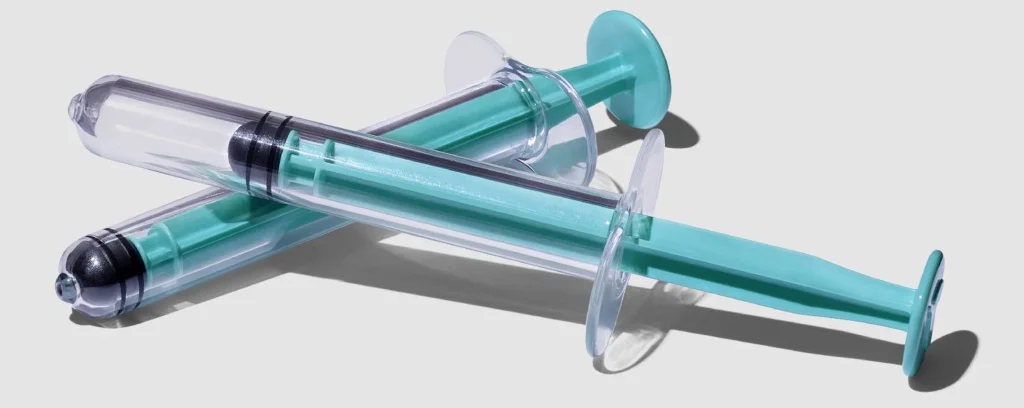
    The first thing that struck Sarah and Tim about Mosiebaby was its simplicity. Unlike other fertility treatments, Mosiebaby didn’t involve any invasive procedures or medications. Instead, it was a gentle and non-invasive way to try to conceive at home. The kit came with everything they needed, including syringes and a step-by-step instruction guide.

    The couple also appreciated the fact that Mosiebaby was designed specifically for couples trying to conceive at home. Unlike traditional insemination kits, which are often used in clinical settings, Mosiebaby was created with the comfort and privacy of the couple in mind. This was a huge relief for Sarah and Tim, who had always felt uncomfortable with the clinical and impersonal nature of traditional fertility treatments.

    At-home insemination kit with syringes and collection cups on a teal background.

    Breaking the Stigma: Sarah and Tim's Mosiebaby Journey to Conception

    But perhaps the most significant factor that drew Sarah and Tim to Mosiebaby was its success rate. After doing some research, they found that Mosiebaby had an impressive 20% success rate in just the first month of use. This was a huge contrast to the slim chances they had been given with other methods. Feeling hopeful and excited, Sarah and Tim began using Mosiebaby as directed.

    The process was simple and easy to follow. The couple inserted the syringe into the vagina and released the semen, mimicking the natural process of conception. They repeated this process for three consecutive days, as recommended by Mosiebaby. And then, they waited.

    The two-week wait between insemination and finding out if it was successful was filled with a mix of emotions for Sarah and Tim. They felt anxious, excited, and hopeful all at once. But when the pregnancy test finally showed two pink lines, they were overjoyed. They couldn’t believe that after years of struggling, Mosiebaby had helped them conceive in just one month.

    Sarah and Tim’s story is just one of many success stories from couples who have used Mosiebaby. The kit has helped numerous couples break the stigma and silence surrounding infertility and start their own families. But beyond its impressive success rate, Mosiebaby is also helping to change the conversation around fertility and break the stigma that often surrounds it.

    One of the most significant challenges for couples facing infertility is the stigma and shame that comes with it. Many people still view fertility issues as a personal failure or a taboo topic, leading to feelings of isolation and inadequacy for those going through it. But by openly discussing their journey with Mosiebaby, Sarah and Tim are breaking the silence and helping to normalize the conversation around infertility.

    Through their social media platforms and blog, Sarah and Tim share their journey with Mosiebaby and offer support and encouragement to other couples who may be going through similar struggles. They have also become advocates for breaking the stigma surrounding infertility, using their own experience to educate others and raise awareness about the issue.

    In summary, Sarah and Tim’s Mosiebaby journey to conception is a powerful example of the impact that breaking the stigma surrounding infertility can have. By openly discussing their struggles and sharing their success story, they are helping to create a more supportive and understanding environment for couples facing fertility challenges. And with the help of Mosiebaby, they have not only achieved their dream of starting a family but also become advocates for a more open and honest conversation about infertility.

  • Breaking the Stigma: Sarah and Mark’s Experience with Mosiebaby for At-Home Insemination

    Breaking the Stigma: Sarah and Mark’s Experience with Mosiebaby for At-Home Insemination

    In today’s society, many couples face challenges when trying to start a family. For Sarah and Mark, the traditional route of conceiving a child through intercourse was not an option due to medical reasons. After doing extensive research and talking to their doctor, they decided to try at-home insemination using Mosiebaby. This decision not only allowed them to fulfill their dream of becoming parents, but it also broke the stigma surrounding alternative methods of conception.

    Sarah and Mark had always dreamed of starting a family together, but were faced with obstacles when they discovered that they were unable to conceive through traditional means. Sarah had been diagnosed with a condition that made it difficult for her to conceive, and Mark had a low sperm count. After consulting with their doctor, they were told that their best option for conceiving was through medical interventions such as in vitro fertilization (IVF) or intrauterine insemination (IUI). However, these procedures were expensive and not covered by their insurance. Feeling discouraged and overwhelmed, the couple began to research alternative options for starting a family.

    During their research, Sarah and Mark came across Mosiebaby, a company that offers an at-home insemination kit specifically designed for couples trying to conceive without traditional intercourse. Intrigued by the idea, they reached out to the founders, Maureen and Marc, to learn more about the product and its success rates. After speaking with them and reading reviews from other couples who had successfully used Mosiebaby, Sarah and Mark decided to give it a try.

    Mosiebaby was created by Maureen and Marc because they experienced similar challenges when trying to start a family. After going through multiple rounds of IVF without success, they began to research alternative methods and came across at-home insemination. They found that there was a lack of affordable and effective options on the market, so they decided to create their own product. The kit includes everything needed for the insemination process, including a syringe and instructions for use.

    pregnancy test kit features labeled for comfort and confidence on a teal background

    Breaking the Stigma: Sarah and Mark's Experience with Mosiebaby for At-Home Insemination

    Sarah and Mark’s experience with Mosiebaby was a positive one from start to finish. The kit was discreetly packaged and arrived at their doorstep within a few days of ordering. The instructions were easy to follow, and the process was simple and painless. Most importantly, they felt empowered by taking control of their own fertility journey and not having to rely on expensive medical interventions.

    After their first attempt with Mosiebaby, Sarah and Mark were overjoyed to find out that they were pregnant. They couldn’t believe that such a simple and affordable solution had helped them achieve their dream of becoming parents. As they shared their story with family and friends, they were met with surprise and curiosity about at-home insemination. Many of their loved ones had never heard of this method before, and some even expressed skepticism.

    This reaction is not uncommon, as there is still a stigma surrounding alternative methods of conception. Many people believe that the only way to get pregnant is through traditional intercourse, and anything else is seen as unnatural or taboo. However, Sarah and Mark’s experience with Mosiebaby shows that there is no one “right” way to start a family, and couples should not be judged for choosing a non-traditional method.

    Furthermore, at-home insemination offers many benefits that traditional methods do not. It is a less invasive and more intimate process, as couples can perform the insemination in the comfort of their own home without the pressure of a doctor’s office. It is also significantly more affordable, making it a viable option for couples who cannot afford expensive fertility treatments. Additionally, at-home insemination allows couples to have more control over their fertility journey and can be a more empowering experience.

    Sarah and Mark’s positive experience with Mosiebaby has inspired them to share their story and break the stigma surrounding at-home insemination. They hope to educate others and show that this method is a legitimate and effective option for couples struggling to conceive. They also want to spread awareness about Mosiebaby and the potential it has to help other couples achieve their dream of starting a family.

    In conclusion, Sarah and Mark’s experience with Mosiebaby for at-home insemination has not only fulfilled their dream of becoming parents, but it has also broken the stigma surrounding alternative methods of conception. It is important for society to recognize that there is no one “right” way to start a family and that couples should not be judged for choosing a non-traditional method. At-home insemination offers a more affordable, intimate, and empowering option for couples struggling to conceive. Sarah and Mark’s story serves as a reminder that there is always hope and options available for those who want to start a family, regardless of the challenges they may face.

  • Breaking the Stigma: Mary and John’s Experience with At-Home Insemination

    Summary:

    In today’s society, there is still a stigma surrounding alternative methods of conception, such as at-home insemination. Many individuals and couples who are struggling with fertility issues face judgement and criticism for their choices. However, Mary and John’s experience with at-home insemination proves that breaking this stigma is crucial for those who choose this path towards parenthood.

    Mary and John had been trying to conceive for several years without any success. After numerous doctor’s appointments and fertility treatments, they decided to try at-home insemination. They did their research, consulted with a healthcare professional, and carefully followed the instructions. To their joy and surprise, Mary became pregnant after just a few months of trying.

    Through their journey, Mary and John faced many challenges and encountered people who did not understand or support their decision. They were met with skepticism, judgment, and even ridicule from friends and family. However, they remained steadfast in their belief that at-home insemination was the right choice for them.

    Their experience highlights the importance of breaking the stigma surrounding at-home insemination and other alternative methods of conception. By sharing their story, Mary and John hope to educate others and encourage more open-mindedness and acceptance towards those who choose this path to parenthood.

    In this blog post, we will delve deeper into Mary and John’s experience with at-home insemination and explore the reasons why breaking the stigma surrounding this method is crucial for those who choose it.

    Introduction to At-Home Insemination

    At-home insemination, also known as self-insemination, is a method of conception where individuals or couples use a syringe or other device to manually insert the sperm into the vagina or cervix. This can be done with the help of a partner or alone. At-home insemination is often used by same-sex couples, single individuals, and heterosexual couples who are facing fertility issues.

    The Stigma Surrounding At-Home Insemination

    Despite its effectiveness, at-home insemination is still surrounded by stigma and misconceptions. Many people view it as a less legitimate way of conceiving compared to traditional methods, such as in-vitro fertilization (IVF) or artificial insemination. This stigma can be attributed to societal norms and beliefs, lack of education and understanding, and the portrayal of at-home insemination in media.

    Mary and John’s Experience with At-Home Insemination

    Mary and John had been trying to conceive for three years before they decided to try at-home insemination. They were hesitant at first, but after researching and consulting with a healthcare professional, they decided to give it a try.

    The process was relatively simple. They purchased a donor sperm kit from a reputable company, and Mary tracked her ovulation using ovulation predictor kits. When the time was right, John used a syringe to insert the sperm into Mary’s vagina. They repeated this process for several months, and to their delight, Mary became pregnant.

    Breaking the Stigma: Why It Matters

    illustration of Mosie Baby home insemination kit highlighting seamless transfer and size features

    Breaking the Stigma: Mary and John's Experience with At-Home Insemination

    Mary and John’s experience highlights the importance of breaking the stigma surrounding at-home insemination and other alternative methods of conception. Here are some reasons why it matters.

    1. Choice and Autonomy

    Every individual or couple has the right to choose the method of conception that works best for them. By breaking the stigma surrounding at-home insemination, we are promoting autonomy and respecting the choices of those who choose this method.

    2. Accessibility

    At-home insemination is a more affordable option compared to other methods of conception, such as IVF. By breaking the stigma, we are making it more accessible to individuals and couples who may not have the financial means to pursue other options.

    3. Less Invasive

    At-home insemination is a less invasive method of conception compared to other fertility treatments. It does not involve any medical procedures or medications, making it a more natural and less stressful option for some individuals and couples.

    4. Increased Awareness and Education

    Breaking the stigma surrounding at-home insemination can lead to increased awareness and education about this method. This can help dispel misconceptions and provide more information for those considering this path to parenthood.

    5. Support for Those Who Choose At-Home Insemination

    The stigma surrounding at-home insemination can make it challenging for those who choose this method. By breaking the stigma, we can create a more supportive and understanding environment for individuals and couples going through this journey.

    Conclusion

    Mary and John’s experience with at-home insemination shed light on the stigma and challenges that individuals and couples may face when choosing this method of conception. Breaking the stigma surrounding at-home insemination is crucial for promoting choice and autonomy, increasing accessibility, providing education and support, and creating a more understanding and accepting society for those who choose this path to parenthood.

    In a society that often judges and criticizes those who do not conform to traditional methods of conceiving, it is essential to break the stigma and promote open-mindedness and acceptance towards alternative methods, such as at-home insemination.

  • Breaking the Stigma: At-Home Insemination with Mosiebaby for LGBTQ+ Parents

    Breaking the Stigma: At-Home Insemination with Mosiebaby for LGBTQ+ Parents

    In recent years, there has been a growing acceptance and support for LGBTQ+ families. However, there are still many challenges and stigmas that same-sex couples face when it comes to starting a family. One of these challenges is the limited options for at-home insemination. This can be a daunting and expensive process, leading many LGBTQ+ couples to feel discouraged and excluded from starting a family. But with the introduction of Mosiebaby, a revolutionary at-home insemination kit, there is now a more accessible and affordable option for LGBTQ+ parents.

    The Stigma Surrounding At-Home Insemination for LGBTQ+ Parents

    When it comes to starting a family, LGBTQ+ couples often face many barriers, including legal and financial challenges. However, one of the biggest hurdles that same-sex couples face is the stigma surrounding at-home insemination. Insemination is often seen as a medical procedure that should only be performed in a clinical setting. This mindset can be especially prevalent in the LGBTQ+ community, where there is already a lack of representation and support for alternative methods of conception.

    This stigma can make it challenging for LGBTQ+ couples to find resources and information about at-home insemination. There is often a lack of education and awareness about the process, leading many couples to feel lost and unsure about how to proceed. It can also contribute to feelings of shame and embarrassment, making it difficult for couples to talk openly about their journey to parenthood.

    The Benefits of At-Home Insemination with Mosiebaby

    Mosiebaby is a game-changer for LGBTQ+ couples looking to start a family. It is a simple, affordable, and effective at-home insemination kit specifically designed for conception. The founders of Mosiebaby, Maureen and Marc Brown, are a same-sex couple who faced their own challenges when trying to start a family. They saw a need for a more accessible and inclusive option for at-home insemination, leading them to create Mosiebaby.

    One of the main benefits of using Mosiebaby is the privacy and comfort it provides. Many LGBTQ+ couples may feel uncomfortable or unwelcome in a clinical setting, making the at-home option more appealing. It also allows for intimate and personal involvement in the conception process, giving couples a sense of control and ownership over their journey to parenthood.

    mosie baby logo featuring a heart and leaves in blue, pink, and green colors.

    Breaking the Stigma: At-Home Insemination with Mosiebaby for LGBTQ+ Parents

    Mosiebaby is also significantly more affordable than other at-home insemination methods, such as IUI or IVF. Traditional methods can cost thousands of dollars, making it inaccessible for many LGBTQ+ couples. Mosiebaby, on the other hand, is a one-time purchase that can be done in the comfort of your own home, eliminating the high costs associated with clinical procedures.

    The Process of At-Home Insemination with Mosiebaby

    Using Mosiebaby is a simple and straightforward process. The kit comes with everything you need, including two syringes, a specimen collection cup, and a detailed instruction manual. The first step is to collect the sperm sample, either from a known donor or a sperm bank. The sample is then transferred into the Mosie syringe, which is designed to bypass the cervix and deposit the sperm closer to the uterus.

    The next step is to insert the Mosie syringe into the vaginal opening and deposit the sperm near the cervix. The process is similar to using a tampon and can be done in the comfort of your own home. After the insemination, it is recommended to rest for 15-20 minutes to allow the sperm to travel towards the egg.

    Breaking the Stigma and Normalizing At-Home Insemination for LGBTQ+ Families

    Through their personal experience and the creation of Mosiebaby, Maureen and Marc Brown are working towards breaking the stigma surrounding at-home insemination for LGBTQ+ families. They want to normalize this method of conception and provide a safe and inclusive option for all couples looking to start a family.

    Mosiebaby has also created a community of support for LGBTQ+ families through their blog and social media platforms. They share stories and experiences of other LGBTQ+ couples, providing a sense of representation and belonging for those on a similar journey.

    In conclusion, Mosiebaby is breaking the stigma and barriers faced by LGBTQ+ couples when it comes to starting a family. With their affordable and accessible at-home insemination kit, they are providing a much-needed option for same-sex couples. Through their efforts, they are working towards creating a more inclusive and supportive environment for all families.

    SEO metadata:

  • Breaking the Stigma: Our Journey to Fatherhood with Mosiebaby

    Breaking the Stigma: Our Journey to Fatherhood with Mosiebaby

    Starting a family is a dream for many couples, but for some, the journey to parenthood can be filled with challenges and obstacles. Infertility is a topic that is often not openly discussed, leading to a stigma surrounding it. Many couples feel isolated and alone in their struggle to conceive, and the pressure to have a child can take a toll on their mental and emotional well-being. However, with the help of innovative fertility products like Mosiebaby, couples can break the stigma and embark on their journey to fatherhood with hope and positivity.

    In this blog post, we will explore the stigma surrounding infertility and how Mosiebaby is changing the game for couples trying to conceive. We will also hear from real couples who have successfully used Mosiebaby and their journey to fatherhood.

    Breaking the Stigma of Infertility

    Infertility is a common issue, yet it is often surrounded by a stigma that prevents people from discussing it openly. Many couples who are struggling with infertility feel ashamed and guilty, leading them to suffer in silence. This stigma can also lead to misunderstanding and misconceptions about infertility, causing further isolation for those going through it.

    The reality is that infertility affects both men and women, and it is not something to be ashamed of. It is a medical condition that requires support, understanding, and compassion. By breaking the stigma surrounding infertility, we can create a more inclusive and supportive environment for couples on their journey to parenthood.

    Introducing Mosiebaby

    Mosiebaby is a revolutionary at-home insemination kit designed to help couples conceive without the use of expensive fertility treatments. It was created by a husband and wife team, Maureen and Marc Brown, who struggled with infertility for years before successfully conceiving their daughter with the help of a similar method.

    The idea behind Mosiebaby came from their own experience and the realization that there was a lack of affordable and accessible options for couples trying to conceive. The kit includes everything needed for insemination, including a syringe and a specially designed cervical cap, making the process less intimidating and more effective.

    home insemination kit components: a syringe and a collection container against a blue background.

    Breaking the Stigma: Our Journey to Fatherhood with Mosiebaby

    Changing the Game for Couples Trying to Conceive

    Mosiebaby is not just a fertility product; it is a movement to break the stigma surrounding infertility and provide hope for couples. By offering an affordable and accessible option for at-home insemination, Mosiebaby is empowering couples to take control of their fertility journey.

    One of the unique features of Mosiebaby is its ability to cater to different needs and situations. It can be used by same-sex couples, single women, and traditional couples, making it a more inclusive option for all. It also allows couples to bypass the traditional route of fertility treatments, which can be costly and emotionally draining.

    Real Couples Share Their Journey to Fatherhood with Mosiebaby

    To truly understand the impact of Mosiebaby, we spoke to real couples who have successfully used the kit to conceive. Their stories are a testament to the power of breaking the stigma surrounding infertility and the hope that Mosiebaby brings to couples trying to conceive.

    The first couple we spoke to, John and Sarah, had been trying to conceive for five years before discovering Mosiebaby. They had tried various fertility treatments, but nothing seemed to work. After using Mosiebaby for just three cycles, they were thrilled to find out they were expecting their first child. “Mosiebaby gave us hope and a sense of control in our fertility journey,” says Sarah. “We are forever grateful.”

    Another couple, Michael and David, had always dreamed of starting a family, but as a same-sex couple, they faced unique challenges. After hearing about Mosiebaby, they decided to give it a try. “We were blown away by how easy and effective Mosiebaby was,” says Michael. “We are now proud fathers to a beautiful baby girl, all thanks to Mosiebaby.”

    Summary

    Infertility is a common issue that is often surrounded by stigma, preventing couples from openly discussing their struggles. Mosiebaby is a revolutionary at-home insemination kit that offers an affordable and accessible option for couples trying to conceive. By breaking the stigma surrounding infertility, Mosiebaby is empowering couples to take control of their journey to parenthood. Real couples who have successfully used Mosiebaby share their stories, highlighting the impact of this innovative fertility product.

  • Breaking the Stigma: Emily and David’s Brave Choice to Use Mosiebaby for At-Home Insemination

    Summary:

    When it comes to starting a family, there are many different paths that couples can choose to take. For Emily and David, their journey to parenthood was not a traditional one. After facing fertility struggles and seeking out numerous medical treatments and interventions, they decided to break the stigma surrounding at-home insemination and try Mosiebaby. This brave and unconventional choice ultimately led to the successful conception of their daughter, and now they are sharing their story to help other couples who may be facing similar challenges.

    The blog post delves into Emily and David’s personal struggles with fertility and the emotional toll it took on them. After trying to conceive for over two years, they decided to seek medical help and were diagnosed with unexplained infertility. They were then presented with various treatment options, including intrauterine insemination (IUI) and in vitro fertilization (IVF). However, these treatments were costly, invasive, and came with no guarantee of success. Emily and David began to feel overwhelmed and discouraged by the whole process.

    It was then that they discovered Mosiebaby, a revolutionary at-home insemination kit designed for couples trying to conceive. After researching and learning more about the product, Emily and David decided to give it a try. They were drawn to the convenience, affordability, and simplicity of the kit, which allowed them to perform the insemination in the comfort of their own home.

    Smiling baby in a blue onesie with "made with Love" text, lying on a light blue crocheted blanket.

    Breaking the Stigma: Emily and David's Brave Choice to Use Mosiebaby for At-Home Insemination

    The blog post goes into detail about the process of using Mosiebaby and how Emily and David prepared for their first attempt. They share their initial fears and doubts, but also the excitement and hope they felt. After following the instructions and using the kit, Emily and David waited for the results. And to their delight, they found out they were pregnant.

    The post also addresses the stigma surrounding at-home insemination and how Emily and David initially hesitated to share their story with friends and family. They feared judgment and criticism, but ultimately decided to break the silence and share their experience. They hope to educate others about the benefits and effectiveness of Mosiebaby and to encourage other couples struggling with fertility to consider this option.

    In the end, Emily and David’s brave choice to use Mosiebaby paid off, and they welcomed their daughter into the world. They share their joy and gratitude for the product and how it helped them achieve their dream of becoming parents. They also provide helpful tips and advice for other couples considering at-home insemination, as well as resources for those facing fertility challenges.

    Overall, Emily and David’s story is a testament to the power of perseverance, open-mindedness, and breaking the stigma surrounding unconventional methods of conception. Their journey to parenthood may not have been a traditional one, but it is a beautiful reminder that there is no one-size-fits-all approach to starting a family.

  • Breaking the Stigma: Jenna and Tyler’s Mosiebaby Conception Journey

    Summary:

    Jenna and Tyler were a young couple who had been struggling with infertility for years. They had tried various methods and treatments, but nothing seemed to work. Frustrated and discouraged, they started to feel like they would never be able to conceive a child of their own. However, their journey took a positive turn when they discovered Mosiebaby, a unique at-home insemination kit. The stigma surrounding infertility and alternative methods of conception often made Jenna and Tyler hesitant to share their story, but they decided to break the silence and share their Mosiebaby journey with the world. Through their honesty and vulnerability, they hope to break the stigma and help other couples who may be facing similar challenges.

    The Beginning of the Journey:

    Jenna and Tyler always knew they wanted to have children. However, after months of trying without success, they started to wonder if something was wrong. They decided to seek medical advice and were diagnosed with unexplained infertility. This news was devastating for them, and they felt lost and hopeless. They tried various fertility treatments, but each one came with its own set of challenges and disappointments. The constant cycle of hope and disappointment took a toll on their mental and emotional well-being.

    Discovering Mosiebaby:

    After years of trying, Jenna and Tyler came across Mosiebaby, an at-home insemination kit designed specifically for couples with unexplained infertility. They were initially hesitant to try it, as there was still a stigma surrounding alternative methods of conception. However, after doing extensive research and talking to other couples who had successfully used Mosiebaby, they decided to give it a try. The discreet and affordable nature of the kit also played a significant role in their decision.

    The Mosiebaby Journey:

    Two transparent syringes with teal accents positioned diagonally on a light gray background.

    Breaking the Stigma: Jenna and Tyler's Mosiebaby Conception Journey

    Jenna and Tyler documented their Mosiebaby journey on social media, sharing their highs and lows with their followers. They were amazed at how easy and stress-free the process was compared to their previous fertility treatments. The at-home insemination process was simple and private, and they were able to do it in the comfort of their own home. They also appreciated the fact that Mosiebaby was designed by a fertility specialist, giving them a sense of confidence and reassurance.

    The Positive Outcome:

    After just a few months of using Mosiebaby, Jenna and Tyler received the news they had been waiting for – they were pregnant! They couldn’t believe it, and they were overjoyed. The journey had been long and challenging, but it was all worth it. They now have a beautiful baby girl, and they credit Mosiebaby for helping them fulfill their dream of becoming parents.

    Breaking the Stigma:

    Despite the positive outcome, Jenna and Tyler were still hesitant to share their Mosiebaby journey publicly. They were afraid of the judgment and stigma that often surrounds alternative methods of conception. However, they realized that by staying silent, they were contributing to the problem. They wanted to break the stigma and show that there is no shame in using alternative methods to start a family. They also wanted to provide a source of hope and inspiration for other couples going through similar struggles.

    The Impact:

    Jenna and Tyler’s bravery in sharing their story has had a significant impact on many people. They have received countless messages from couples who were inspired by their journey and decided to try Mosiebaby themselves. They have also received messages from people who have felt comforted and less alone in their own fertility struggles after reading their story. Jenna and Tyler are grateful to have been able to make a positive impact and break the stigma surrounding infertility and alternative methods of conception.

    In conclusion, Jenna and Tyler’s Mosiebaby journey is a story of perseverance, hope, and breaking the stigma. Through their honesty and vulnerability, they have opened up a conversation about infertility and alternative methods of conception, which is often not talked about openly. Their story serves as a reminder that there is no shame in seeking help and using alternative methods to start a family.

  • Breaking the Stigma: At-Home Insemination and Its Benefits

    Breaking the Stigma: At-Home Insemination and Its Benefits

    In recent years, there has been a growing trend towards at-home insemination as an alternative method for conceiving a child. This practice involves using a donor’s sperm to artificially inseminate oneself or a partner at home, without the need for medical intervention. While the concept of at-home insemination may seem unconventional and unfamiliar to some, it has been gaining popularity due to its many benefits and the breaking of the stigma surrounding it. In this blog post, we will explore the reasons why at-home insemination is becoming a more viable and accepted option for individuals and couples who are looking to start a family.

    Breaking the Stigma

    At-home insemination has long been stigmatized as an unconventional and taboo method of conception. This stigma is largely rooted in the societal belief that the only “natural” way to conceive is through sexual intercourse. However, with the advancements in modern medicine and technology, this notion is being challenged and more individuals are choosing alternative methods for starting a family.

    One of the main reasons for the stigma surrounding at-home insemination is the misconception that it is only used by same-sex couples or single individuals. While it is true that at-home insemination is a popular option for those who are unable to conceive through traditional methods, it is also a viable option for heterosexual couples who are facing fertility issues or simply prefer the privacy and convenience of at-home insemination.

    Benefits of At-Home Insemination

    One of the most significant benefits of at-home insemination is the ability to control the process and make it a more intimate and personal experience. Unlike fertility clinics or medical procedures, at-home insemination allows individuals and couples to choose their own donor and have more control over the timing and frequency of insemination. This can be especially beneficial for couples who are struggling with fertility issues and want to increase their chances of conceiving.

    Another advantage of at-home insemination is the cost-effectiveness. Traditional methods of conception, such as in-vitro fertilization (IVF), can be extremely expensive and not always covered by insurance. On the other hand, at-home insemination can be done with minimal cost, using donor sperm that can be purchased from reputable sperm banks or acquired through known donors. This makes it a more accessible option for those who may not have the financial means to pursue other fertility treatments.

    At-home insemination also offers a greater level of privacy and comfort. Fertility treatments can be emotionally and physically draining, and the thought of undergoing these procedures in a clinical setting can be intimidating for some. With at-home insemination, individuals and couples can perform the procedure in the comfort of their own home without any outside pressure or judgment.

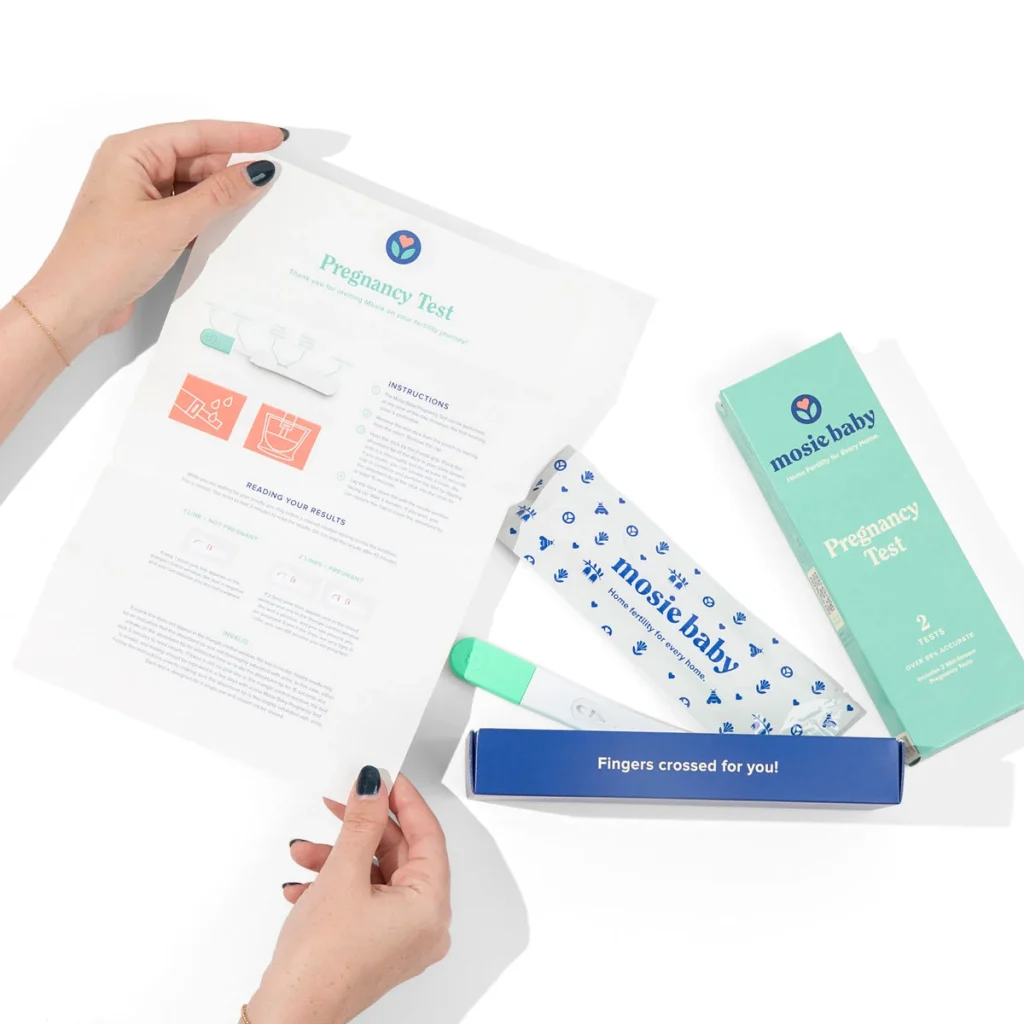
    pregnancy test kit with instructions, test device, and packaging on a white background

    Breaking the Stigma: At-Home Insemination and Its Benefits

    Legal Considerations

    One of the most important factors to consider when choosing at-home insemination is the legal implications. In some countries, at-home insemination is not regulated and may not be legally recognized, which can lead to potential issues with parental rights and responsibilities. It is crucial to research and understand the laws and regulations surrounding at-home insemination in your country or state before proceeding with the process.

    It is also essential to have a clear and comprehensive agreement with the donor, especially if they are known to you. This agreement should outline the rights and responsibilities of each party and address any potential legal issues that may arise in the future.

    Safety Precautions

    While at-home insemination is a relatively safe and straightforward process, it is essential to take precautions to ensure the safety and health of all parties involved. It is recommended to use donor sperm from a reputable sperm bank or known donor who has undergone proper screenings and testing. This reduces the risk of transmitting any sexually transmitted infections or genetic diseases.

    It is also crucial to follow the correct procedures for handling and storing the sperm to maintain its viability. Proper hygiene and sanitation practices should also be observed during the insemination process to minimize the risk of infection.

    In Conclusion

    At-home insemination is a viable and increasingly popular option for individuals and couples who are looking to start a family. It offers a more intimate and personal experience, cost-effectiveness, and a greater level of privacy and control. However, it is essential to research and understand the legal implications and take necessary safety precautions to ensure a successful and safe process.

    In today’s society, the traditional notion of how a family is created is being challenged and redefined. At-home insemination is breaking the stigma surrounding unconventional methods of conception and providing a more inclusive and accessible option for those who wish to become parents.