Tag: child’s rights

  • The Ethics of Using an Insemination Syringe Kit for Parenthood

    The Ethics of Using an Insemination Syringe Kit for Parenthood

    Parenthood is a lifelong commitment that is both rewarding and challenging. For some, the journey to becoming a parent is not a straightforward one and often requires the use of assisted reproductive technologies. One such method is using an insemination syringe kit, which allows individuals or couples to self-inseminate at home. While this may seem like a convenient and affordable option, there are ethical considerations to be made before embarking on this journey.

    Insemination syringe kits are designed to mimic the process of intrauterine insemination (IUI), a common fertility treatment in which sperm is placed directly into the uterus. The kit typically includes a syringe, a catheter, and a collection cup for semen. The process involves collecting semen, loading it into the syringe, and inserting it into the vagina near the cervix. This method is often used by same-sex couples, single individuals, or couples struggling with male infertility.

    One of the main ethical considerations surrounding the use of an insemination syringe kit is the potential for emotional and psychological implications. Parenthood is a significant responsibility and decision, and it is essential to consider the emotional readiness of the individuals involved. Unlike traditional methods of conception, using an insemination kit does not involve a medical professional, which may lead to a lack of support and guidance throughout the process. This can be overwhelming and emotionally taxing for some individuals, especially if they do not have a strong support system in place.

    Another ethical concern is related to the safety and effectiveness of using an insemination syringe kit. While it may seem like a simple and straightforward process, there are certain risks involved. The kit may not be sterile, leading to potential infections or other complications. Additionally, there is no guarantee that the insemination will be successful, and the individual or couple may have to go through multiple attempts before achieving pregnancy. This can be emotionally and financially draining, and it is important to carefully consider these risks before deciding to use the kit.

    The use of an insemination syringe kit also raises questions about the involvement of a third party. With traditional methods of conception, sperm is typically obtained from a known or anonymous donor through a medical facility. However, with an insemination kit, the sperm is collected and inserted by the individual or couple, blurring the lines of responsibility and legal implications. In some cases, this may lead to disputes over custody and parental rights, especially if the donor is known to the individuals involved.

    Mosie Baby Kit with a syringe and container, highlighting safety and usability features on a blue background.

    The Ethics of Using an Insemination Syringe Kit for Parenthood

    Another ethical consideration is the potential for genetic testing and screening. With traditional methods of conception, donors typically go through a rigorous screening process to ensure the health and quality of their sperm. However, with an insemination syringe kit, there is no guarantee that the sperm used is healthy or free from genetic disorders. This may lead to ethical dilemmas if the child is born with a genetic disorder that could have been prevented through proper screening procedures.

    The use of an insemination syringe kit also brings up questions about the rights and well-being of the child. While every child is a blessing, it is important to consider their right to know their biological origins and have access to important medical information. With an insemination kit, there is no official record of the donor, making it difficult for the child to obtain this information in the future. This may also lead to potential emotional and psychological issues for the child as they grow older.

    In addition to these ethical considerations, it is also important to consider the financial implications of using an insemination syringe kit. While it may seem like a more affordable option compared to traditional methods of conception, the cost of multiple attempts and potential medical complications can add up quickly. It is crucial to have a stable financial plan in place before embarking on this journey to ensure that all aspects of parenthood can be adequately supported.

    In conclusion, while the use of an insemination syringe kit may seem like a convenient and affordable option for parenthood, it is essential to carefully consider the ethical implications involved. From emotional readiness and safety concerns to the involvement of third parties and the well-being of the child, there are many factors to take into account. It is crucial to seek professional guidance and support throughout the process to ensure that the best interests of all individuals involved are considered.

    Summary:

    The use of an insemination syringe kit for parenthood raises ethical concerns such as emotional readiness, safety, involvement of third parties, genetic testing, and the rights of the child. It is crucial to carefully consider these implications before deciding to use the kit and to seek professional guidance and support throughout the process.
  • The Ethical Debate: Insemination on Your Own Terms and Donor Anonymity

    The Ethical Debate: Insemination on Your Own Terms and Donor Anonymity

    In recent years, with advancements in technology and greater acceptance of non-traditional families, more people are choosing to start families through alternative methods such as donor insemination. However, this decision poses ethical questions regarding the use of donor sperm and the anonymity of the donor. While some argue that donor anonymity is necessary for the protection of both donors and recipients, others believe that it goes against the rights of the child to know their genetic origins. This ethical debate has sparked discussions and legislation changes in many countries, and it continues to be a controversial topic.

    The practice of donor insemination dates back to the late 1800s, and it was initially used to treat infertile couples. However, in the 20th century, it became increasingly common for single and lesbian women to use donor sperm to conceive. This led to the rise of sperm banks, where donors can donate their sperm anonymously and recipients can select a donor based on physical and personal characteristics. But as more children conceived through donor insemination reach adulthood, the issue of donor anonymity has come to the forefront.

    One of the main arguments for donor anonymity is the protection of the donor’s privacy. Many donors choose to remain anonymous to avoid potential legal and financial responsibilities towards the child. They may also wish to protect their identity from any future contact with the child or their family. In some cases, donors may also have their own families and do not want to complicate their lives by being known to the child.

    On the other hand, proponents of ending donor anonymity argue that it goes against the child’s rights to know their genetic origins. They argue that every child has the right to know their biological parents and have access to information about their medical history. Without this information, the child may face difficulties in the future, such as not being able to access important medical records or not knowing their risk for certain genetically inherited diseases.

    Another ethical concern surrounding donor insemination is the commodification of human sperm. Critics argue that the practice of selecting a donor based on personal preferences, such as physical appearance or occupation, turns the donor into a product rather than a human being. This can also lead to a power dynamic where the recipient holds more control and the donor is reduced to a mere provider of genetic material.

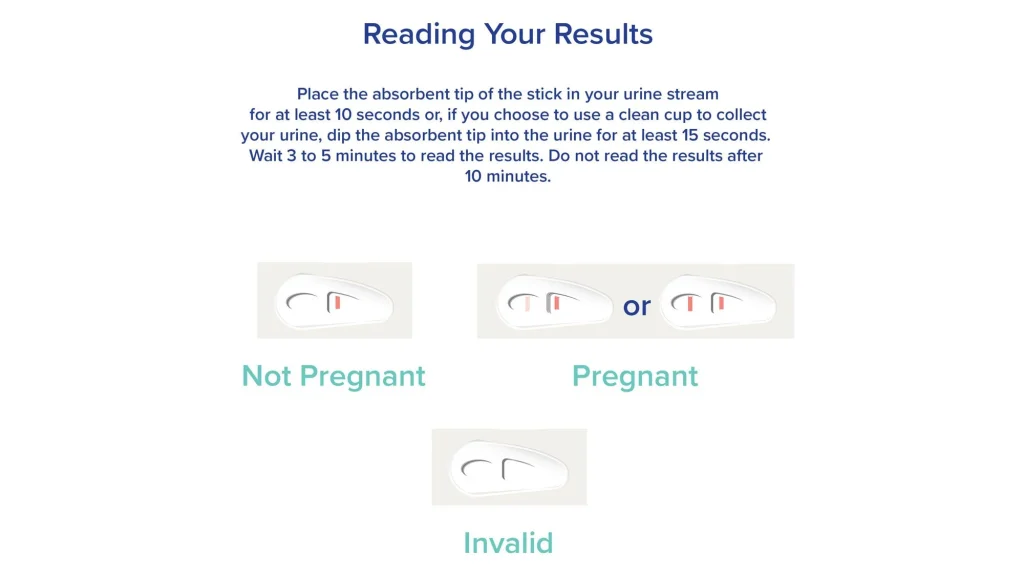
    Instructions for reading pregnancy test results with visual indicators for "Not Pregnant," "Pregnant," and "Invalid.

    The Ethical Debate: Insemination on Your Own Terms and Donor Anonymity

    In some countries, such as the UK, laws have been passed to end donor anonymity and give donor-conceived individuals the right to access identifying information about their donor once they reach the age of 18. This has led to a decrease in the number of donors, as many donors do not want to be identified. This has also raised concerns about the potential impact on the availability of donor sperm for those who wish to conceive.

    There are also ethical considerations for the child conceived through donor insemination. Children may struggle with issues of identity and belonging when they find out they were conceived through a donor. They may also feel a sense of loss or confusion if they are unable to access information about their donor or if they were conceived using donor sperm from a different racial or ethnic background.

    It is crucial to consider the long-term effects on all parties involved in the decision to use donor insemination. While it may fulfill the desire for a child for some individuals or couples, it is important to think about the potential emotional and psychological impact on the child and the donor. As technology continues to advance, it is also important to consider the ethical implications of using new methods of donor insemination, such as using donor eggs or creating embryos with multiple donors.

    In conclusion, the ethical debate surrounding donor insemination and donor anonymity is a complex and ongoing one. It raises questions about privacy, identity, and the commodification of human sperm. While it may be difficult to find a solution that satisfies all parties involved, it is crucial to consider the long-term effects and implications of these practices. Ultimately, the well-being and rights of the child should be at the forefront of any decision made.

    Summary:

    Donor insemination has become a popular method for starting families, but it has also sparked ethical debates regarding donor anonymity. While some argue that donor anonymity is necessary for the protection of donors, others believe it goes against the rights of the child to know their genetic origins. The practice has also raised concerns about the commodification of human sperm and the impact on the child’s identity and well-being. Laws have been passed in some countries to end donor anonymity, but this has also led to a decrease in the number of donors. It is important to consider the long-term effects and implications of using donor insemination, and the well-being and rights of the child should be a top priority.