Tag: Consent

  • The Legalities of Using a Syringe Insemination System for Parenthood

    Blog Post Title: The Legalities of Using a Syringe Insemination System for Parenthood

    Parenthood is a beautiful and life-changing journey that many individuals and couples dream of. However, for some, traditional methods of conceiving a child may not be an option. This is where alternative methods, such as syringe insemination, come into play. While it may seem like a simple and accessible option, there are legal considerations that individuals and couples need to be aware of before embarking on this path to parenthood.

    In this blog post, we will explore the legalities surrounding the use of a syringe insemination system for parenthood. We will discuss the laws and regulations surrounding this method, the importance of legal documentation and consent, and the potential risks and challenges that individuals and couples may face.

    The Legal Landscape of Syringe Insemination for Parenthood

    Syringe insemination, also known as intracervical insemination (ICI), is a method of assisted reproduction that involves injecting sperm into the cervix using a syringe. This method can be used by individuals or couples who are unable to conceive through traditional methods, such as sexual intercourse or intrauterine insemination (IUI).

    In most countries, the legal landscape surrounding syringe insemination is still developing and can vary greatly. In some countries, only licensed medical professionals are allowed to perform this procedure, while in others, it is legal for individuals to perform it at home. It is essential to research and understand the laws and regulations in your specific location before proceeding with syringe insemination.

    The Importance of Legal Documentation and Consent

    One of the most critical legal considerations when using a syringe insemination system for parenthood is ensuring proper legal documentation and consent. This includes documentation of the donor’s identity, medical history, and consent to the insemination. Without these documents, individuals and couples may face legal challenges in the future, such as custody disputes or legal recognition of parenthood.

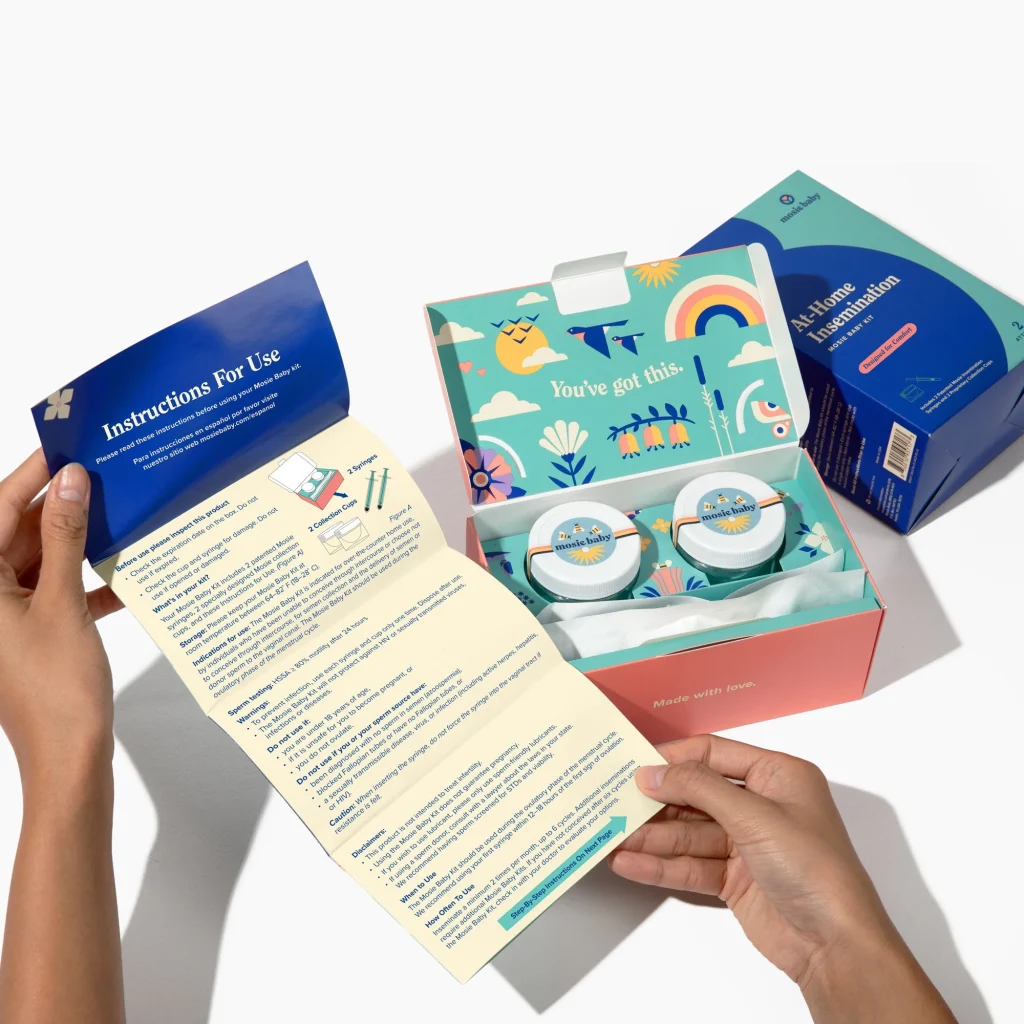
    Mosie Baby kit with two jars, a syringe, and a supportive message card inside a colorful box.

    The Legalities of Using a Syringe Insemination System for Parenthood

    When using a donor, whether known or anonymous, it is crucial to have a written agreement outlining the terms of the donation, including any financial arrangements and parental rights and responsibilities. This agreement should also include provisions for any potential future issues that may arise, such as the donor wanting to establish parental rights or the child wanting to know their biological parent.

    In some countries, it is also necessary to involve a lawyer or have the agreement notarized to ensure its legal validity. It is always best to seek legal advice and have all documentation in place before proceeding with syringe insemination to avoid any legal complications in the future.

    Risks and Challenges of Syringe Insemination for Parenthood

    While syringe insemination may seem like a straightforward and accessible option for parenthood, there are still risks and challenges that individuals and couples need to consider. One of the most significant risks is the potential for the donor to change their mind and seek parental rights in the future. This can be especially challenging for individuals or couples who have used an anonymous donor, as they may have limited legal recourse in these situations.

    Another challenge is the lack of legal recognition of parenthood for individuals or couples who have used syringe insemination. In some countries, only a child born through sexual intercourse or IUI is considered a legal child of the parents. This can lead to issues with parental rights, inheritance rights, and access to medical information in the future.

    It is essential to research and understand the potential risks and challenges of syringe insemination in your location and consult with legal experts to ensure your rights and the rights of your child are protected.

    In conclusion, while syringe insemination can be a viable option for individuals and couples seeking parenthood, it is crucial to understand the legal landscape and implications before proceeding. Proper legal documentation and consent are essential, as well as being aware of the potential risks and challenges that may arise. Seeking legal advice and being fully informed can help individuals and couples navigate the legalities of using a syringe insemination system for parenthood successfully.


    Summary:

    Syringe insemination is a method of assisted reproduction that involves injecting sperm into the cervix using a syringe, and it can be used by individuals or couples who are unable to conceive through traditional methods. However, the legal landscape surrounding syringe insemination is still developing and can vary greatly, making it essential to research and understand the laws and regulations in your location before proceeding. Proper legal documentation and consent are crucial, as well as understanding the potential risks and challenges that may arise. Seeking legal advice and being fully informed can help individuals and couples navigate the legalities of using a syringe insemination system for parenthood successfully.

  • Syringe Insemination and the Law: Navigating Legalities and Regulations

    Summary:

    Syringe insemination, also known as artificial insemination, is a common method used by couples and individuals to conceive a child. This process involves the use of a syringe to deposit sperm into the woman’s reproductive tract, bypassing natural intercourse. While this method may seem simple and straightforward, there are many legalities and regulations surrounding syringe insemination that individuals need to be aware of before proceeding with the process. In this blog post, we will explore the various legal aspects of syringe insemination, including laws and regulations, parental rights, and potential legal challenges that may arise. By understanding these legalities, individuals can navigate the process of syringe insemination more confidently and ensure that their rights are protected.

    First and foremost, it is essential to understand that syringe insemination is a highly regulated procedure. In most countries, the law requires that only licensed medical professionals can perform artificial insemination. This means that individuals cannot simply purchase a syringe and perform the procedure at home. Instead, they must seek the services of a fertility clinic or a licensed medical practitioner. This regulation is in place to ensure the safety of both the donor and the recipient, as well as the potential child that may result from the insemination.

    In addition to the regulations surrounding who can perform syringe insemination, there are also laws in place regarding who can receive this type of treatment. In many countries, there are restrictions on who can undergo syringe insemination, such as age limits and marital status. For example, some countries require that recipients be of a certain age, usually between 18-45 years old, and be in a committed relationship, whether married or in a domestic partnership. These restrictions are in place to protect the rights of the child and ensure that they have a stable and loving family environment to grow up in.

    Mosie Baby ovulation test kit with packaging and instructions on a pink background.

    Syringe Insemination and the Law: Navigating Legalities and Regulations

    Furthermore, there are laws and regulations regarding the use of donor sperm in syringe insemination. Donor sperm must be obtained from a licensed sperm bank, and the donor must go through thorough medical and genetic screening to ensure the safety of the potential child. The use of donor sperm also raises questions about parental rights. In many cases, the donor is not considered the legal parent of the child, and the parental rights belong to the recipient and their partner. However, these laws may vary depending on the country and state, and it is essential to consult with a legal professional to understand the specific laws in your area.

    Another crucial aspect to consider when it comes to syringe insemination and the law is the issue of consent. Both the donor and the recipient must provide their consent before the procedure can be performed. This consent should be given in writing and should include details such as the intended use of the donor sperm, the rights and responsibilities of all parties involved, and the potential legal implications. This written consent serves as a legal document and can protect all parties in case of any disputes that may arise in the future.

    It is also essential to note that the legalities surrounding syringe insemination can become more complicated when the procedure is performed outside of a medical facility. While some couples may choose to perform the insemination at home, it is crucial to understand the potential legal challenges that may arise. For example, if the donor is not known or a licensed medical professional, there may be questions about parental rights and financial responsibilities. Additionally, there may be legal implications surrounding the documentation and registration of the child’s birth, as well as issues regarding inheritance and custody. Therefore, it is always recommended to seek the services of a licensed medical professional when undergoing syringe insemination to ensure that all legalities are followed correctly.

    In conclusion, syringe insemination is a highly regulated procedure that involves many legalities and regulations. From who can perform the procedure to who can receive it and the use of donor sperm, there are many important factors to consider. Additionally, issues such as consent and performing the procedure at home can also have legal implications. It is crucial for individuals considering syringe insemination to research and understand the laws and regulations in their area to ensure a smooth and legally sound process. Consulting with a legal professional can also provide further clarity and guidance on navigating the legalities of syringe insemination.

    SEO metadata:

  • The Role of Communication and Consent in Insemination Syringe Collection for Pregnancy Planning

    Blog Post:

    The decision to start a family is a big one, and for many couples and individuals, it involves a lot of planning and preparation. One of the key components of this process is insemination, which is the introduction of sperm into the reproductive tract in order to fertilize an egg. But before this can happen, there are important steps that need to be taken, such as collecting sperm from a donor or partner. In this blog post, we will explore the role of communication and consent in the process of insemination syringe collection for pregnancy planning.

    Communication:

    Communication is a crucial aspect of any relationship, and it becomes even more important when it comes to making decisions about starting a family. Whether you are in a committed relationship or using a sperm donor, it is essential to have open and honest communication about your desires, expectations, and boundaries. This is especially important in the context of insemination, where the involvement of another person’s genetic material can bring up a range of emotions and concerns.

    If you are using a sperm donor, it is crucial to have a thorough conversation about their role in the process. This includes discussing their level of involvement in the child’s life, any medical or genetic history, and their contribution to the cost of the procedure. It is also essential to ensure that all parties involved are on the same page regarding the expectations and responsibilities of each person.

    For couples, communication becomes equally important when deciding to use a partner’s sperm for insemination. It is vital to have an open and honest conversation about the desire to start a family, any fertility concerns or medical history, and the expectations and responsibilities of each person in the process. This can help to prevent any miscommunications or misunderstandings down the road.

    Consent:

    In any medical procedure, consent is crucial, and insemination syringe collection is no exception. Consent means that all parties involved have given their full and informed approval for the procedure to take place. This includes the donor or partner providing their sperm, the person undergoing insemination, and any medical professionals involved.

    For sperm donors, it is important to have a written agreement that outlines the terms of their involvement, including the use of their genetic material and any legal or financial considerations. This agreement should be reviewed and signed by all parties involved, and any changes should be discussed and agreed upon before proceeding with the procedure.

    Smiling baby in a blue onesie with "made with Love" text, lying on a light blue crocheted blanket.

    The Role of Communication and Consent in Insemination Syringe Collection for Pregnancy Planning

    In the case of using a partner’s sperm, consent is also essential. It is crucial to ensure that both partners are fully aware of the process and give their consent before proceeding with insemination. This includes discussing any potential risks or complications, as well as the possibility of pregnancy and the responsibilities that come with it.

    Importance of Consent in Medical Procedures:

    Consent is an essential aspect of any medical procedure, and insemination syringe collection is no different. It is crucial for all parties involved to give their informed approval before proceeding with the procedure. This not only ensures that everyone is on the same page but also helps to avoid any potential legal issues or disputes in the future.

    In the case of insemination, consent also extends to any medical professionals involved in the process. It is essential to choose a reputable and trustworthy medical provider who will obtain your consent before proceeding with any procedures and ensure that you fully understand the process and any potential risks.

    Communication and consent go hand in hand when it comes to insemination syringe collection. Without proper communication, it is challenging to obtain informed consent, and without consent, the procedure cannot take place. Therefore, it is crucial to have open and honest communication and obtain consent from all parties involved before proceeding with any insemination procedures.

    Conclusion:

    In conclusion, communication and consent play a vital role in insemination syringe collection for pregnancy planning. Whether using a sperm donor or a partner’s sperm, it is essential to have open and honest communication about desires, expectations, and boundaries. Consent is also crucial, and all parties involved must give their informed approval before proceeding with the procedure. By prioritizing communication and consent, couples and individuals can ensure that they are on the same page and have a positive and successful experience with insemination.

    Summary:

    Communication and consent are crucial in the process of insemination syringe collection for pregnancy planning. Open and honest communication is necessary to ensure that all parties involved are on the same page regarding expectations and responsibilities. Consent is essential and must be obtained from all parties involved, including the donor or partner, the person undergoing insemination, and any medical professionals. By prioritizing communication and consent, couples and individuals can have a positive and successful experience with insemination.

  • The Do’s and Don’ts of Home Insemination: What You Need to Know

    Blog Post:

    Home insemination, also known as self-insemination, is the process of using a donor’s sperm to achieve pregnancy at home without the assistance of a medical professional. This method has gained popularity in recent years as a more affordable and discreet option for those looking to start a family. However, before embarking on this journey, there are important do’s and don’ts that you need to know in order to maximize your chances of success and keep yourself safe. In this blog post, we will discuss the do’s and don’ts of home insemination and what you need to know before starting the process.

    Do’s:

    1. Do your research: Before starting the home insemination process, it is crucial to do thorough research on the topic. This includes understanding the legalities, risks, and success rates associated with home insemination. It is also important to research different methods and techniques to determine which one will work best for you.

    2. Do consult with a medical professional: While home insemination can be done without the assistance of a doctor, it is still recommended to seek advice from a medical professional. They can provide guidance on the best methods to use and ensure that you are physically and mentally prepared for the process.

    3. Do choose a reliable and healthy donor: Selecting a donor for home insemination can be a daunting task. It is important to choose someone who is reliable, healthy, and has undergone proper medical screenings. You can also consider using a sperm bank to ensure the safety and quality of the sperm.

    4. Do have a plan: Before starting the insemination process, it is important to have a plan in place. This includes knowing when your ovulation occurs, having all necessary supplies on hand, and having a backup plan in case the first attempt is unsuccessful.

    comparison of Mosie syringe opening versus standard syringe opening with text highlighting benefits

    The Do's and Don'ts of Home Insemination: What You Need to Know

    5. Do follow proper hygiene and safety protocols: It is crucial to maintain proper hygiene and safety protocols during the insemination process. This includes washing your hands and the donor’s hands thoroughly, using sterile equipment, and properly disposing of waste materials.

    Don’ts:

    1. Don’t use expired or poor-quality supplies: When it comes to home insemination, using expired or poor-quality supplies can greatly decrease your chances of success. It is important to always use fresh and high-quality supplies to ensure the best results.

    2. Don’t attempt home insemination without proper consent: It is important to have proper consent from all parties involved before starting the home insemination process. This includes the donor, any partners, and any legal documentation that may be required.

    3. Don’t skip the legalities: While home insemination may seem like a private and personal process, it is important to understand and follow the legalities involved. This may include obtaining donor consent, establishing parental rights, and ensuring that all parties involved are protected.

    4. Don’t ignore potential risks: As with any medical procedure, there are risks associated with home insemination. It is important to be aware of these risks and take necessary precautions to minimize them. This includes having a backup plan in case of complications and seeking medical attention if needed.

    5. Don’t give up after one attempt: Home insemination may not be successful on the first try. It is important to not get discouraged and to keep trying. It may take multiple attempts before achieving a successful pregnancy.

    In summary, home insemination can be a safe and effective option for those looking to start a family. However, it is important to do thorough research, seek medical advice, and follow proper protocols in order to increase your chances of success and ensure the safety of all parties involved.

  • The Legal Implications of Non-Invasive Insemination

    Blog Post: The Legal Implications of Non-Invasive Insemination

    In recent years, the use of non-invasive insemination (NII) has become a popular method for individuals and couples to conceive children. This process involves using assisted reproductive technology (ART) to fertilize eggs outside of the body and then transfer them into the uterus. While NII offers a less invasive and more affordable option for those struggling with fertility, it also raises important legal implications that must be considered. In this blog post, we will explore the legal implications of NII and how they may impact individuals and families.

    The Legality of NII

    The legality of NII varies from country to country and even within different states or provinces. In some places, NII is completely legal and regulated, while in others it may be prohibited or only allowed under certain circumstances. It is important for individuals considering NII to research the laws and regulations in their specific location to ensure they are following all necessary protocols.

    In the United States, the legal landscape surrounding NII is complex. While federal law does not explicitly regulate NII, individual states may have their own laws and regulations. Some states prohibit NII altogether, while others allow it only for married couples or with the use of a licensed physician. It is important for individuals to consult with a legal professional to understand the laws and regulations in their state before pursuing NII.

    Legal Parenthood and Parental Rights

    One of the biggest concerns surrounding NII is the issue of legal parenthood and parental rights. In traditional conception, the biological mother and father are automatically considered the legal parents of a child. However, with NII, the lines can become blurred. In some cases, the donor may have legal rights and responsibilities, while in others, the intended parents may not have legal recognition as the child’s parents.

    In cases where donor sperm or eggs are used, the donor may have legal rights and responsibilities towards the child. This can include the right to seek custody or visitation, as well as the responsibility to provide financial support. In situations where the donor is known, it is important for all parties involved to have a clear understanding of their legal rights and responsibilities before moving forward with NII.

    Mosie Baby Kit with a syringe and container, highlighting safety and usability features on a blue background.

    The Legal Implications of Non-Invasive Insemination

    On the other hand, intended parents may face challenges in establishing their legal rights as the child’s parents. In some states, the lack of a genetic connection may make it difficult for intended parents to be recognized as the child’s legal parents. This can be especially problematic for same-sex couples or single parents who may not have a genetic connection to the child. It is important for intended parents to work with a legal professional to ensure they have all necessary documentation and legal recognition as the child’s parents.

    The Issue of Consent

    Consent is a crucial aspect of NII and can have significant legal implications. In order for NII to be performed, all parties involved must provide informed consent. This includes the donor, the intended parents, and any other individuals who may have a legal interest in the child. In many cases, this means that written consent must be obtained from all parties involved before the NII process can move forward.

    However, consent can become a complex issue in cases of known donors or when using donor sperm or eggs from a sperm bank. If a known donor changes their mind about their involvement in the child’s life, it can lead to legal battles over custody and parental rights. Similarly, if a donor from a sperm bank was not properly screened or provided false information, it could also result in legal challenges for the intended parents. This is why it is important for all parties involved in NII to fully understand the implications of their consent and to have proper legal documentation in place.

    The Importance of Legal Agreements

    Given the potential legal implications of NII, it is crucial for all parties involved to have a comprehensive legal agreement in place. This agreement should outline the roles and responsibilities of each party, including the intended parents, the donor, and any other individuals involved in the process. It should also address issues such as parental rights, financial responsibilities, and any potential legal disputes that may arise.

    Working with a legal professional experienced in ART and NII can help ensure that all parties involved have a thorough understanding of their legal rights and responsibilities. This can also help prevent legal challenges and disputes down the road, providing a clear and legally-binding agreement for all involved.

    In Summary

    Non-invasive insemination offers a less invasive and more affordable option for individuals and couples struggling with fertility. However, it also raises important legal implications that must be carefully considered. The legality of NII varies from country to country and state to state, and individuals must research the laws and regulations in their location before moving forward with the process. Legal parenthood and parental rights can also be complex issues with NII, and it is crucial for all parties involved to have a clear understanding of their roles and responsibilities. Consent and legal agreements are also important aspects of NII, and working with a legal professional can help ensure that all parties have a comprehensive understanding of their legal rights and obligations.

  • The Ethics of Non-Invasive Insemination: Debunking Controversies

    Blog Post Title: The Ethics of Non-Invasive Insemination: Debunking Controversies

    Summary:

    Non-invasive insemination, also known as natural insemination, is a method of conception that does not involve any medical procedures or interventions. Instead, it relies on the natural act of sexual intercourse to achieve pregnancy. Despite its simplicity, the concept of non-invasive insemination has been surrounded by controversies and ethical debates. In this blog post, we will explore the various controversies surrounding non-invasive insemination and debunk them with factual information and ethical considerations.

    One of the main controversies surrounding non-invasive insemination is the question of consent. Some argue that since non-invasive insemination involves sexual intercourse, it is necessary to obtain explicit consent from both parties involved. This is especially important in cases where the donor is a friend or acquaintance, as there may be a power dynamic at play. However, proponents of non-invasive insemination argue that consent is implied in any sexual encounter and that as long as both parties are aware of the potential outcome, explicit consent is not necessary.

    comparison of Mosie syringe opening versus standard syringe opening with text highlighting benefits

    The Ethics of Non-Invasive Insemination: Debunking Controversies

    Another concern surrounding non-invasive insemination is the potential for exploitation and coercion. Critics argue that the use of non-invasive insemination may be abused by individuals who want to take advantage of vulnerable individuals, such as those struggling with infertility. However, research has shown that the majority of individuals who choose non-invasive insemination do so for personal and ethical reasons, and not for ulterior motives.

    There is also a misconception that non-invasive insemination is a method used primarily by single women or lesbian couples. This has led to the belief that non-invasive insemination is a way for women to purposefully exclude men from the conception process. However, the reality is that non-invasive insemination is used by a diverse range of individuals and couples, including heterosexual couples who may have difficulty conceiving through traditional methods. It is not a method used to exclude men, but rather a way for individuals and couples to start a family on their own terms.

    One of the most controversial aspects of non-invasive insemination is the use of donors and the potential impact on the resulting child. Critics argue that children conceived through non-invasive insemination may feel a sense of loss or confusion about their genetic origins. However, studies have shown that children conceived through non-invasive insemination have a similar psychological well-being as children conceived through traditional methods. Additionally, many donors and families using non-invasive insemination have open and honest conversations about the child’s origins, which can help eliminate any potential negative feelings.

    The use of non-invasive insemination has also raised concerns about the regulation and oversight of the process. Unlike traditional medical procedures, non-invasive insemination does not have strict regulations or guidelines in place. This has led to fears about the safety and quality of the process, as well as concerns about the rights of donors and resulting children. However, there are organizations and resources available to provide guidance and support for individuals and couples considering non-invasive insemination, ensuring that the process is carried out ethically and responsibly.

    In conclusion, the controversies surrounding non-invasive insemination are often based on misconceptions and lack of understanding. By debunking these controversies and considering the ethical implications, it is clear that non-invasive insemination can be a viable and ethical option for individuals and couples looking to start a family. As with any important decision, it is essential to do thorough research and seek guidance from reputable sources to make an informed and ethical decision.

  • The Importance of Consent in Home Insemination Arrangements

    Blog Post Title: The Importance of Consent in Home Insemination Arrangements

    Summary:

    Home insemination is a method of assisted conception where a woman’s partner or donor’s sperm is manually inserted into her reproductive system. While this may seem like a simple and easy process, it is essential to remember that consent plays a crucial role in any insemination arrangement, especially when it takes place in the comfort of one’s home.

    Consent is defined as the voluntary and explicit agreement to engage in a specific activity. In the context of home insemination, consent is crucial for both parties involved – the recipient and the donor. Without consent, the arrangement can potentially lead to legal and emotional complications.

    Firstly, it is important to understand that home insemination is not a regulated process, unlike medical insemination. Therefore, it is crucial to establish clear and explicit consent before proceeding with the procedure. The recipient must give her consent to receive the donor’s sperm, and the donor must give his consent to provide it. This ensures that both parties are aware of the situation and are willing to proceed with the arrangement.

    Secondly, consent must be given freely and without any coercion. Insemination arrangements can be emotionally charged, and it is not uncommon for one party to pressure the other into agreeing to the procedure. This can create a power imbalance and lead to a lack of trust and resentment in the relationship. It is crucial for both parties to be on the same page and for the recipient to feel comfortable and in control of the situation.

    illustration of Mosie Baby home insemination kit highlighting seamless transfer and size features

    The Importance of Consent in Home Insemination Arrangements

    Thirdly, consent must be given with full knowledge and understanding of the process. Home insemination involves the use of medical equipment and procedures that may be unfamiliar to the recipient and donor. Therefore, it is essential for both parties to have a thorough understanding of the procedure, its risks, and its potential outcomes. This includes discussing any potential health concerns or underlying medical conditions that may impact the success of the insemination.

    Moreover, consent must also be given for any potential future outcomes of the insemination. This may include the possibility of pregnancy, the responsibilities and expectations of each party, and any financial implications. Without discussing and agreeing upon these potential outcomes, the insemination arrangement can lead to misunderstandings and conflicts in the future.

    In addition to the legal and emotional implications, consent also plays a crucial role in ensuring the safety and well-being of all parties involved. Insemination procedures, whether at home or in a medical setting, carry potential risks and complications. Therefore, it is essential for both the recipient and donor to have a clear understanding of the potential risks and to give their consent to proceed with the procedure.

    Consent also extends beyond the initial insemination process. It is an ongoing process that should be revisited at each stage of the arrangement. This includes any future insemination attempts, potential tests and treatments, and any changes in circumstances that may affect the agreement.

    In conclusion, the importance of consent in home insemination arrangements cannot be overstated. It is essential for both the recipient and donor to give their explicit and informed consent before proceeding with the procedure. This not only ensures a safe and successful insemination but also promotes mutual respect and trust between all parties involved.

    SEO Metadata:

  • Navigating Legal Considerations in Home Insemination

    Navigating Legal Considerations in Home Insemination: A Guide for Prospective Parents

    Home insemination, also known as at-home insemination or self-insemination, is a method of conceiving a child through artificial insemination at home. This can be a viable option for individuals or couples who are unable to conceive naturally or choose not to use traditional methods of conception. However, before embarking on the home insemination journey, it is important to consider the legal implications that may arise. In this blog post, we will discuss the legal considerations that prospective parents should keep in mind when considering home insemination.

    Understanding the Legal Definition of Parentage

    Before delving into the legal considerations of home insemination, it is important to understand the legal definition of parentage. Parentage, also known as legal parentage or legal paternity, refers to the legal relationship between a parent and their child. It determines who has the rights and responsibilities of a parent, such as making decisions about the child’s upbringing and providing financial support.

    In traditional methods of conception, parentage is usually established through a marriage or through a sperm donor agreement. However, in the case of home insemination, where a sperm donor may not be involved, establishing parentage can be more complex and may vary depending on the laws of each state or country.

    Consent and Legal Agreements

    One of the most important legal considerations in home insemination is obtaining consent from all parties involved. This includes the individual or couple wishing to conceive, the sperm donor (if any), and any other individuals who may be involved in the process, such as a surrogate or gestational carrier.

    It is crucial to have a written agreement in place that outlines the rights and responsibilities of each party involved in the home insemination process. This may include issues such as parental rights, financial responsibilities, and any potential custody arrangements. It is recommended to consult with a lawyer to draft a legally binding agreement that clearly outlines these details and protects the interests of all parties involved.

    Home insemination kit by Mosie Baby with instructions and colorful packaging.

    Navigating Legal Considerations in Home Insemination

    Legal Parentage and Birth Certificates

    Once a child is conceived through home insemination, it is important to establish legal parentage to ensure that all parties involved have the necessary rights and responsibilities. In some states, this may require obtaining a court order to establish legal parentage, while in others, it may be possible to do so through a voluntary acknowledgment of paternity.

    It is also important to consider the impact of legal parentage on the child’s birth certificate. In some states, the birth certificate may list the biological parent as the legal parent, while in others, the birth certificate may list the birth mother and her partner (if any) as the legal parents. It is important to research the laws in your state or country and consult with a lawyer to understand the legal implications of establishing parentage.

    Potential Legal Issues

    While home insemination can be a wonderful option for individuals or couples looking to start a family, there are some potential legal issues that may arise. These may include disputes over parental rights, child support, and custody arrangements. It is important to have a clear understanding of the laws in your state or country and consult with a lawyer to ensure that all parties involved are protected and their rights are upheld.

    Conclusion

    Home insemination can be a fulfilling and rewarding way to start a family, but it is important to navigate the legal considerations involved. Understanding the legal definition of parentage, obtaining consent and drafting legal agreements, establishing legal parentage and birth certificates, and being aware of potential legal issues are all crucial steps in the home insemination process. It is recommended to seek the guidance of a lawyer who specializes in family and reproductive law to ensure that all parties involved are protected and their rights are upheld.

    In summary, navigating legal considerations in home insemination involves understanding the legal definition of parentage, obtaining consent and drafting legal agreements, establishing legal parentage and birth certificates, and being aware of potential legal issues. It is important to seek the guidance of a lawyer to ensure that all parties involved are protected and their rights are upheld.

  • Navigating the Legalities of Insemination on Your Own Terms

    Navigating the Legalities of Insemination on Your Own Terms

    Insemination, also known as artificial insemination, is a method of assisted reproduction where sperm is placed into a woman’s reproductive tract in order for her to become pregnant. While this process can be a wonderful option for those who are struggling with fertility or are in same-sex relationships, navigating the legalities of insemination can be complex and overwhelming. In this blog post, we will discuss the key legal considerations to keep in mind when pursuing insemination on your own terms.

    Understanding the Laws and Regulations Surrounding Insemination

    The first step in navigating the legalities of insemination is to understand the laws and regulations surrounding this process. Laws and regulations can vary depending on the country or state you live in, so it is crucial to do thorough research and seek legal advice before proceeding with insemination. In some places, insemination may only be available to married heterosexual couples or may require certain medical or legal criteria to be met before it can be performed. It is important to familiarize yourself with the laws and regulations in your area to ensure you are proceeding with insemination in a legally sound manner.

    Consent and Parental Rights

    One of the most important legal considerations when it comes to insemination is consent. In a traditional heterosexual relationship, the husband is typically considered the legal father of the child. However, in cases of insemination, the donor’s consent and parental rights must be clearly established in order to avoid any legal disputes in the future. This is especially important for same-sex couples, as the non-biological parent may not automatically have parental rights without proper legal documentation.

    Additionally, if you are using a known donor (someone you know personally), it is crucial to have a written agreement in place outlining the terms of the donation, including any future involvement or financial responsibilities. This can help prevent any misunderstandings or legal disputes down the line.

    comparison of Mosie syringe opening versus standard syringe opening with text highlighting benefits

    Navigating the Legalities of Insemination on Your Own Terms

    Legal Parentage and Birth Certificates

    Another important aspect to consider when navigating the legalities of insemination is legal parentage and birth certificates. In cases where a sperm donor is used, the non-biological parent may need to go through a legal adoption process in order to establish legal parentage. This can be a lengthy and expensive process, but it is important to ensure that both parents have equal legal rights and responsibilities towards the child.

    In addition, it is important to understand the laws surrounding birth certificates. In some places, the donor’s name may automatically be listed on the birth certificate, while in others, the non-biological parent may need to go through a separate legal process to be listed as a parent on the birth certificate. Understanding these laws can help ensure that both parents are properly recognized and protected under the law.

    Protecting Your Family’s Rights

    Navigating the legalities of insemination can be a complex and emotional process, but it is crucial to protect your family’s rights and ensure that everyone involved is legally protected. This may involve seeking the advice of a family lawyer who is familiar with the laws and regulations surrounding insemination in your area. They can help guide you through the legal process and ensure that all necessary documentation is in place to protect your family’s rights.

    In addition, it is important to keep open communication with the donor, if they are known, and to have a clear understanding of their rights and responsibilities. If any issues arise in the future, having a legal agreement in place can help protect your family’s rights and prevent any legal disputes.

    Summary:

    Insemination can be a wonderful option for those struggling with fertility or in same-sex relationships, but navigating the legalities can be complex. It is crucial to understand the laws and regulations surrounding insemination in your area, as well as obtaining proper consent and establishing legal parentage. Seeking the advice of a family lawyer and having a clear agreement in place with the donor can help protect your family’s rights and prevent any legal disputes in the future.

  • The Importance of Communication in Home Insemination: A Starter Pack for Couples

    Blog Post:

    Communication is the cornerstone of any successful relationship, and this is especially true when it comes to home insemination for couples. Whether you are a same-sex couple or a heterosexual couple facing fertility challenges, home insemination can be a daunting process. However, with open and effective communication, it can also be a beautiful and empowering experience. In this blog post, we will explore the importance of communication in home insemination and provide a starter pack for couples embarking on this journey.

    Importance of Communication in Home Insemination:

    1. Building Trust and Understanding: Home insemination involves a great deal of trust and vulnerability between partners. It is essential to have open and honest communication to build a strong foundation of trust and understanding. This includes discussing each other’s fears, concerns, and expectations for the process.

    2. Sharing Responsibilities: Home insemination requires both partners to be actively involved in the process. Effective communication allows for the distribution of responsibilities, making the experience more manageable and less stressful. This can include tasks such as tracking ovulation, purchasing supplies, or handling paperwork.

    3. Discussing Boundaries and Consent: In any fertility journey, it is crucial to discuss and respect each other’s boundaries and consent. This is especially important in home insemination, where intimate procedures are involved. Having open communication about boundaries and consent can help prevent any misunderstandings or discomfort during the process.

    4. Addressing Financial Concerns: Home insemination can be a more affordable option for couples, but it still involves expenses such as purchasing sperm samples and fertility supplies. It is crucial to have open communication about financial concerns and come up with a budget that works for both partners.

    Mosie Baby Kit features a syringe and container, highlighting safety and usability tests on a blue background.

    The Importance of Communication in Home Insemination: A Starter Pack for Couples

    5. Managing Expectations: As with any fertility journey, it is essential to manage expectations. Home insemination may not always result in a pregnancy, and it is crucial to have open communication about this possibility. This can help alleviate any disappointment or strain on the relationship.

    Starter Pack for Couples:

    1. Research and Education: The first step for any couple considering home insemination is to do thorough research and educate themselves on the process. This can include reading articles, watching videos, and consulting with healthcare professionals. By having a good understanding of the process, couples can have more productive and informed conversations.

    2. Set Up an Action Plan: Once you have done your research, it is time to sit down with your partner and create an action plan. This should include a timeline, responsibilities, and a budget. Having a plan in place can help alleviate any stress and ensure that both partners are on the same page.

    3. Discuss Communication Strategies: Effective communication is not just about talking; it also involves listening and understanding. It can be helpful to discuss communication strategies with your partner, such as using “I” statements, active listening techniques, and taking breaks during difficult conversations.

    4. Establish a Support System: Going through home insemination can be emotionally and physically taxing, and it is crucial to have a support system in place. This can include friends, family, or online support groups. Having someone to talk to and lean on can help make the process more manageable.

    5. Seek Professional Help: Home insemination may not be the right option for every couple, and it is essential to seek professional help if needed. Fertility specialists can provide expert guidance and support throughout the process and address any concerns or issues that may arise.

    In summary, communication is vital in home insemination for couples. It allows for trust, understanding, and sharing of responsibilities, and helps manage expectations and financial concerns. By following the starter pack outlined above and fostering open and effective communication, couples can navigate home insemination with ease and strengthen their relationship in the process.