Syringe Method Troubleshooting: What to Do If Things Don’t Go as Planned
The syringe method is a popular and effective technique for administering medication and vaccinations. It involves using a syringe to inject a small amount of liquid into the body through a subcutaneous, intramuscular, or intravenous route. While this method is generally safe and easy to use, there may be times when things don’t go as planned. In this blog post, we will discuss some common issues that may arise with the syringe method and how to troubleshoot them.
1. Difficulty in Drawing Medication
One of the first steps in using the syringe method is to draw the medication into the syringe. However, there may be instances where the medication is difficult to draw. This could be due to the medication being too thick, or the needle being too small. If the medication is too thick, you can try warming it up by rubbing the syringe between your hands or placing it in warm water. If the needle is too small, you can switch to a larger one or use a needle with a wider gauge. If the problem persists, consult your healthcare provider.
2. Air Bubbles in the Syringe
Air bubbles in the syringe can be a cause for concern, as they can significantly affect the accuracy of the medication dosage. To remove air bubbles, hold the syringe with the needle pointing upwards and tap the side of the syringe to release the bubbles. You can also push the plunger up slightly to push the air out. It is important to remove air bubbles before administering the medication to ensure the correct dosage.
3. Leakage from the Injection Site
If you notice any leakage of the medication from the injection site, it could be due to the needle not being inserted all the way or being pulled out too quickly. Make sure to insert the needle all the way into the skin and push the plunger slowly and steadily to administer the medication. After administering the medication, hold a cotton ball or gauze over the injection site for a few seconds to minimize any leakage.
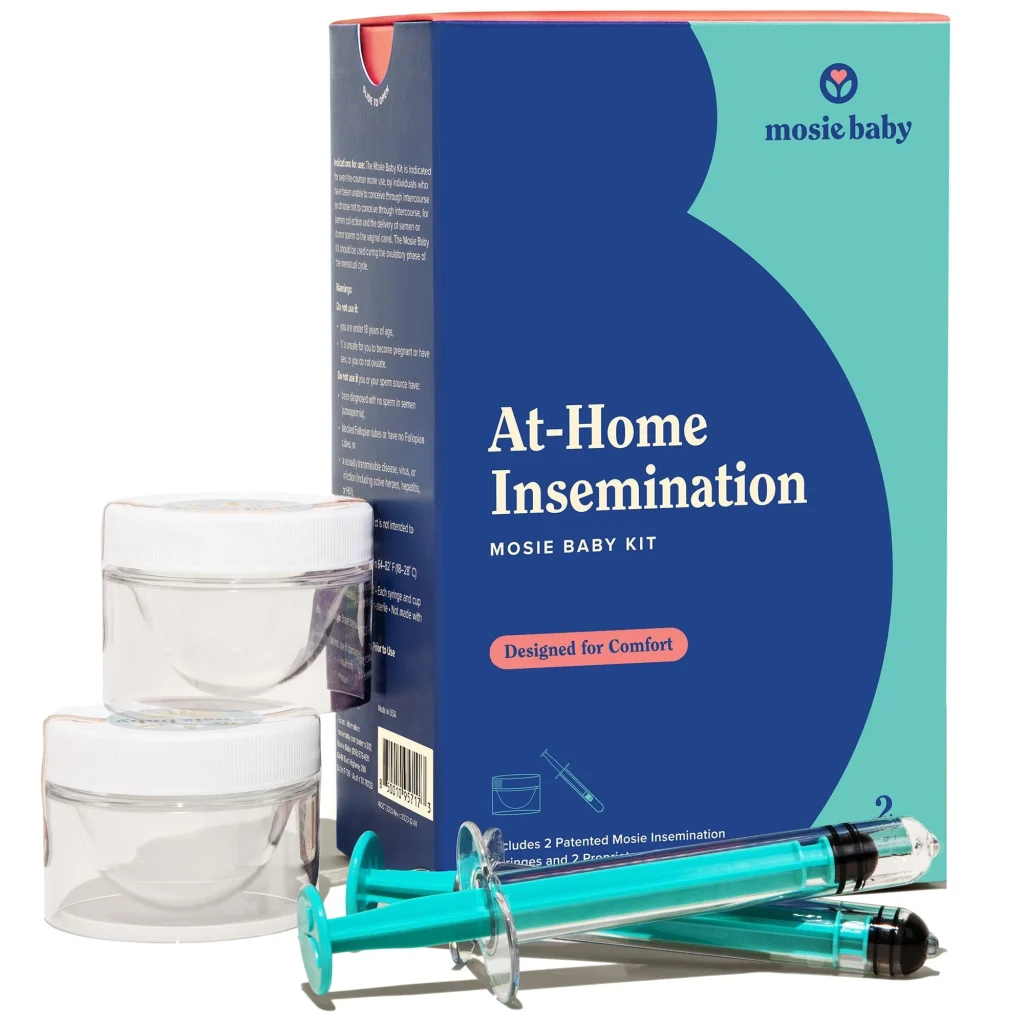
Syringe Method Troubleshooting: What to Do If Things Don't Go as Planned
4. Infection or Irritation at the Injection Site
It is not uncommon for the injection site to become red, swollen, or sore after administering medication. However, if you notice any signs of infection, such as pus or an unusual odor, or if the irritation persists for more than a few days, it is important to seek medical attention. To prevent infection, make sure to use a clean syringe and needle, and always clean the injection site with an alcohol swab before and after administering the medication.
5. Difficulty in Finding the Right Injection Site
The syringe method involves administering medication through various routes, such as subcutaneous, intramuscular, or intravenous. Depending on the type of medication, finding the right injection site may be challenging. If you are having difficulty, consult your healthcare provider or a trained professional. They can help you identify the appropriate injection site and provide guidance on the correct technique.
6. Fear and Anxiety
Some people may experience fear and anxiety when it comes to administering medication through the syringe method. This can especially be true for children or individuals who have a fear of needles. If this is the case, it is important to remain calm and talk to the person receiving the medication. You can also try using a numbing cream or distraction techniques, such as playing music or blowing bubbles, to help reduce anxiety.
7. Accidental Needle Stick
Accidental needle sticks can happen during the administration of medication, especially if the person receiving the medication is moving or fidgeting. If this happens, it is important to remain calm and follow proper protocol to prevent any potential infections. Wash the area with soap and water, apply an antiseptic, and monitor for any signs of infection. Seek medical attention if necessary.
8. Incorrect Dosage
Administering the incorrect dosage of medication can have serious consequences. To avoid this, always double-check the medication dosage with the prescription or healthcare provider’s instructions. It is also important to properly measure the medication and use the correct needle size for the amount of medication being administered.
In summary, the syringe method is a reliable and widely used technique for administering medication. However, there may be times when things don’t go as planned. By being aware of potential issues and knowing how to troubleshoot them, you can ensure the safe and effective use of the syringe method. If you have any concerns or questions, always consult your healthcare provider for guidance.