Tag: Decongestants

  • Exploring the Impact of Medications on Cervical Mucus Patterns

    Blog Post:

    When it comes to understanding our fertility and reproductive health, tracking changes in cervical mucus patterns is a crucial tool. Cervical mucus, also known as cervical fluid, is a natural bodily secretion that plays a vital role in the fertility process. It helps to nourish and protect sperm, allowing them to survive and travel through the cervix to fertilize an egg. However, the use of certain medications can have a significant impact on cervical mucus patterns, which can ultimately affect fertility and overall reproductive health.

    In this blog post, we will explore the various ways in which medications can impact cervical mucus patterns and what this means for women’s reproductive health.

    Understanding Cervical Mucus Patterns:

    Before delving into the impact of medications, it is essential to understand the different types of cervical mucus patterns and their significance. Cervical mucus can vary in consistency, color, and amount throughout a woman’s menstrual cycle. These changes are influenced by hormones, particularly estrogen and progesterone.

    At the beginning of the menstrual cycle, cervical mucus is typically thick, sticky, and opaque, making it difficult for sperm to pass through. As ovulation approaches, estrogen levels increase, causing cervical mucus to become thinner, clearer, and stretchy, resembling the consistency of egg whites. This type of cervical mucus, known as “fertile mucus,” is the most optimal for sperm survival and can indicate the best time for conception.

    After ovulation, as progesterone levels rise, cervical mucus becomes thicker and less conducive to sperm survival. This type of mucus, known as “hostile mucus,” serves as a barrier to prevent any further sperm from entering the cervix and potentially disrupting a fertilized egg.

    Impact of Medications on Cervical Mucus Patterns:

    1. Hormonal Birth Control:

    Hormonal birth control methods, such as the pill, patch, or ring, work by suppressing ovulation through the use of synthetic hormones. As a result, cervical mucus does not go through the necessary changes to become fertile and remains thick and hostile to sperm. This is why women who are on hormonal birth control may experience a decrease in the amount and quality of their cervical mucus.

    2. Antihistamines:

    Antihistamines, commonly used to treat allergies, can also have an impact on cervical mucus patterns. These medications work by drying up secretions in the body, including cervical mucus. As a result, women may experience a decrease in the amount of cervical mucus, making it more difficult for sperm to survive and fertilize an egg.

    various medical supplies and containers organized in a clear plastic box on a wooden surface

    Exploring the Impact of Medications on Cervical Mucus Patterns

    3. Fertility Medications:

    On the other hand, fertility medications are specifically designed to stimulate the production of estrogen and increase the quality and quantity of cervical mucus. These medications can be beneficial for women who have difficulty producing fertile mucus on their own. However, it is essential to use these medications under the guidance of a healthcare professional, as they can also have side effects and increase the risk of multiple pregnancies.

    4. Antibiotics:

    Certain types of antibiotics, such as tetracycline and erythromycin, can also affect cervical mucus patterns. These medications work by killing bacteria and can also disrupt the balance of good and bad bacteria in the body. This can lead to changes in vaginal pH, which can alter the consistency and quality of cervical mucus.

    5. Decongestants:

    Decongestants, commonly used to treat colds and flu, can also impact cervical mucus patterns. These medications work by constricting blood vessels, which can also affect the production of cervical mucus. As a result, women may experience a decrease in the amount and quality of cervical mucus, making it more challenging for sperm to survive.

    6. Chemotherapy:

    Chemotherapy drugs, used to treat cancer, can have a significant impact on cervical mucus patterns. These medications work by targeting rapidly dividing cells, including those that produce cervical mucus. As a result, women may experience a decrease in cervical mucus production, making it more difficult for sperm to survive and fertilize an egg.

    The Importance of Monitoring Cervical Mucus Patterns:

    As we can see, medications can have various effects on cervical mucus patterns, which can ultimately impact fertility and overall reproductive health. It is crucial for women to be aware of these effects and monitor their cervical mucus patterns when using any medication, especially those that may have an impact on fertility.

    Tracking changes in cervical mucus patterns can also help women identify any potential issues with fertility, such as hormonal imbalances or infections. This information can then be shared with a healthcare professional for proper diagnosis and treatment.

    Summary:

    Cervical mucus patterns play a crucial role in fertility and reproductive health. Hormones, particularly estrogen and progesterone, influence the changes in cervical mucus throughout a woman’s menstrual cycle. However, certain medications can disrupt this process and have a significant impact on cervical mucus patterns. Hormonal birth control, antihistamines, fertility medications, antibiotics, decongestants, and chemotherapy drugs can all affect the quality and quantity of cervical mucus. It is essential for women to be aware of these effects and track their cervical mucus patterns to help identify any potential issues with fertility and overall reproductive health.


  • Cervical Mucus and Medications: What to Expect

    Cervical mucus is a fluid produced by the cervix in the female reproductive system. It plays a crucial role in the process of ovulation and conception. Cervical mucus changes in consistency and volume throughout a woman’s menstrual cycle, and it can also be affected by certain medications. In this blog post, we will discuss the connection between cervical mucus and medications, and what to expect when taking certain medications.

    Medications can have various effects on cervical mucus, including changes in quantity, quality, and texture. Some medications may also affect the timing of ovulation, which can impact a woman’s fertility. Let’s explore the different types of medications that can affect cervical mucus and what to expect when taking them.

    1. Hormonal Birth Control

    Hormonal birth control methods, such as the pill, patch, shot, or vaginal ring, work by altering the levels of estrogen and progesterone in a woman’s body. These hormones prevent ovulation and thicken the cervical mucus, making it difficult for sperm to reach the egg. This change in cervical mucus can also make it harder for sperm to survive and swim through the cervix.

    When taking hormonal birth control, you may notice a decrease in cervical mucus production. This is because the hormones in these medications prevent the production of mucus from the cervix. Some women may also experience changes in the texture of their cervical mucus, making it thicker and stickier. This is a common side effect of hormonal birth control and is nothing to worry about.

    2. Fertility Medications

    Fertility medications, such as Clomid or Letrozole, are commonly prescribed to help regulate ovulation and increase the chances of conception. These medications work by stimulating the production of hormones that trigger ovulation. As a result, they can also affect cervical mucus production.

    Fertility medications can increase the quantity and quality of cervical mucus, making it easier for sperm to travel through the cervix and reach the egg. This can be especially beneficial for couples struggling with infertility. However, it’s essential to note that these medications can also cause changes in the timing of ovulation, which can make it challenging to predict the most fertile days of the cycle accurately.

    3. Antihistamines

    Antihistamines are commonly used to treat allergies and cold symptoms. These medications work by blocking histamines, which can cause inflammation and allergy symptoms. While antihistamines are generally safe to use, they can cause changes in cervical mucus.

    Informative card introducing the Mosie Baby Kit and its mission for at-home insemination.

    Cervical Mucus and Medications: What to Expect

    Antihistamines can cause a decrease in cervical mucus production, making it harder for sperm to reach the egg. They can also make the mucus thicker and more difficult for sperm to swim through. If you are trying to conceive, it’s best to avoid using antihistamines during your fertile window.

    4. Decongestants

    Decongestants are another type of medication commonly used to treat cold symptoms, such as a stuffy nose or sinus pressure. These medications work by shrinking the blood vessels in the nasal passages, reducing swelling and congestion. However, decongestants can also have an impact on cervical mucus.

    Decongestants can dry out the mucous membranes throughout the body, including the cervix. This can lead to a decrease in cervical mucus production and make it harder for sperm to reach the egg. If you are trying to conceive, it’s best to avoid using decongestants during your fertile window.

    5. Antibiotics

    Antibiotics are used to treat bacterial infections and work by killing or stopping the growth of bacteria. While antibiotics are not directly linked to changes in cervical mucus, they can indirectly affect fertility. Antibiotics can disrupt the delicate balance of bacteria in the vagina, leading to an overgrowth of yeast. This can cause symptoms such as increased discharge, which can be mistaken for changes in cervical mucus.

    If you are taking antibiotics and notice changes in your discharge, it’s essential to consult with your doctor. They may prescribe a probiotic or recommend using a vaginal pH-balanced product to help restore the balance of bacteria in the vagina.

    In conclusion, certain medications can have an impact on cervical mucus, which can affect a woman’s fertility. Hormonal birth control can decrease mucus production, while fertility medications can increase it. Antihistamines and decongestants can dry out cervical mucus, and antibiotics can indirectly affect fertility by disrupting the balance of bacteria in the vagina. If you are trying to conceive, it’s essential to be aware of these potential effects and consult with your doctor if you have any concerns.

    Summary:

    Cervical mucus is a fluid produced by the cervix that plays a crucial role in ovulation and conception. Certain medications can affect cervical mucus, including hormonal birth control, fertility medications, antihistamines, decongestants, and antibiotics. These medications can cause changes in the quantity, quality, and texture of cervical mucus, which can impact a woman’s fertility. It’s essential to be aware of these potential effects and consult with a doctor if you have any concerns.

  • Medications and Cervical Mucus: Understanding the Connection

    Summary:

    Cervical mucus is a vital component of a woman’s reproductive system. It plays a crucial role in fertility and conception by providing a hospitable environment for sperm to survive and travel to the egg. However, various factors can affect the quality and quantity of cervical mucus, including medications.

    In this blog post, we will discuss the connection between medications and cervical mucus. We will explore how certain drugs can impact the production and consistency of cervical mucus, and how this can affect a woman’s fertility. We will also look at ways to manage this side effect and maintain a healthy balance of cervical mucus.

    Understanding the Connection Between Medications and Cervical Mucus:

    1. Hormonal Medications:

    Hormonal medications, such as birth control pills, can significantly affect cervical mucus. These medications work by altering the levels of estrogen and progesterone in the body, which can lead to changes in the cervical mucus. Estrogen is responsible for increasing the production of cervical mucus, while progesterone thickens it, making it more difficult for sperm to travel through. This can make it challenging for sperm to reach and fertilize the egg, thus reducing a woman’s chances of conception.

    2. Antihistamines:

    Antihistamines are commonly used to treat allergies but can also have an impact on cervical mucus. These medications can dry up the mucus membranes, including those in the cervix, leading to a decrease in cervical mucus. This can make it difficult for sperm to survive and reach the egg, making it harder for a woman to conceive.

    3. Decongestants:

    Decongestants are another type of medication that can affect cervical mucus. These drugs work by constricting blood vessels, which can also impact the production of cervical mucus. A decrease in cervical mucus can lead to a hostile environment for sperm, making it challenging for conception to occur.

    4. Fertility Medications:

    Smiling baby in a blue onesie with "made with Love" text, lying on a light blue crocheted blanket.

    Medications and Cervical Mucus: Understanding the Connection

    While fertility medications are designed to help women conceive, they can also have an impact on cervical mucus. These drugs work by stimulating the ovaries to produce more eggs, which can result in an increase in estrogen levels. As a result, the quantity and consistency of cervical mucus can change, making it difficult for sperm to survive and reach the egg.

    Managing the Impact of Medications on Cervical Mucus:

    1. Speak to Your Doctor:

    If you are trying to conceive and are taking medications that may affect your cervical mucus, it is essential to speak to your doctor. They can provide you with information about the potential side effects and help you find alternative medication options that may be less likely to impact your fertility.

    2. Stay Hydrated:

    Drinking plenty of water can help to maintain a healthy balance of cervical mucus. When the body is dehydrated, it can produce less mucus, making it more difficult for sperm to travel to the egg. Staying hydrated can also help to counteract the drying effects of certain medications.

    3. Use Fertility-Friendly Lubricants:

    If you are taking medications that may decrease your cervical mucus, using a fertility-friendly lubricant during intercourse can help to create a more hospitable environment for sperm. These lubricants are specifically designed to mimic the consistency and pH of cervical mucus, making it easier for sperm to survive and reach the egg.

    4. Track Your Cervical Mucus:

    Monitoring your cervical mucus can help you understand how medications are affecting it. Keep track of the quantity, consistency, and color of your cervical mucus throughout your cycle. This can provide valuable information to your doctor and help you determine the best time for conception.

    Conclusion:

    Cervical mucus is a critical factor in a woman’s fertility and can be influenced by various medications. It is essential to be aware of these potential side effects and take steps to manage them if you are trying to conceive. Speaking to your doctor, staying hydrated, using fertility-friendly lubricants, and tracking your cervical mucus can all help you maintain a healthy balance and increase your chances of conception.

  • How Certain Medications Can Affect Your Cervical Mucus Production

    Cervical mucus, also known as cervical fluid, plays a crucial role in female fertility and reproductive health. It is a natural bodily fluid that is produced by the cervix and changes in consistency and texture throughout a woman’s menstrual cycle. The presence and quality of cervical mucus can greatly impact a woman’s ability to conceive, and certain medications can affect its production.

    In this blog post, we will discuss how certain medications can affect your cervical mucus production and what you can do to maintain a healthy balance.

    1. Birth Control Pills

    Birth control pills, also known as oral contraceptives, are a commonly used form of contraception. These pills contain synthetic hormones (estrogen and progesterone) that prevent pregnancy by stopping ovulation. However, these hormones can also affect the production of cervical mucus.

    Estrogen is responsible for making cervical mucus thin and watery, allowing sperm to travel more easily through the cervix. Progesterone, on the other hand, thickens cervical mucus, making it difficult for sperm to reach the egg. Therefore, birth control pills can cause changes in cervical mucus consistency, making it less conducive for sperm survival and fertilization.

    2. Antihistamines

    Antihistamines are commonly used to treat allergies and cold symptoms. However, these medications can also have a drying effect on the body, including the cervical mucus. Antihistamines work by blocking the production of histamine, a chemical that causes allergy symptoms. But this can also lead to a decrease in the production of cervical mucus, making it difficult for sperm to survive and reach the egg.

    3. Decongestants

    Like antihistamines, decongestants also have a drying effect on the body. They work by constricting blood vessels in the nasal passages, which helps to relieve congestion and nasal swelling. However, this can also lead to a decrease in cervical mucus production, making it difficult for sperm to reach the egg.

    hand holding a syringe with a blue plunger against a solid blue background

    How Certain Medications Can Affect Your Cervical Mucus Production

    4. Certain Antibiotics

    Some antibiotics, such as tetracycline and erythromycin, can also affect cervical mucus production. These antibiotics work by killing bacteria that cause infections. However, they can also disrupt the balance of bacteria in the body, including the ones responsible for producing cervical mucus. This can lead to a decrease in cervical mucus production and quality.

    5. Fertility Medications

    Ironically, medications used to enhance fertility can also have a negative effect on cervical mucus production. Fertility drugs, such as Clomid, work by stimulating the production of hormones that trigger ovulation. However, these hormones can also affect the quality and quantity of cervical mucus. Some women may experience a decrease in cervical mucus production, while others may have an increase in thick and sticky mucus, which can hinder sperm movement.

    6. Cancer Treatments

    Chemotherapy and radiation, commonly used to treat cancer, can also affect cervical mucus production. These treatments can cause damage to the reproductive organs and interfere with hormone production, leading to a decrease in cervical mucus production. This can also result in vaginal dryness, making it difficult for sperm to survive and reach the egg.

    What Can You Do?

    If you are taking any of the above-mentioned medications and are trying to conceive, it is important to speak with your doctor about the potential effects on cervical mucus production. They may be able to prescribe alternative medications or suggest ways to counteract the effects.

    Some natural remedies that can help improve cervical mucus production include staying hydrated, taking a daily multivitamin, and increasing intake of foods rich in vitamin C, such as citrus fruits and leafy greens. Additionally, using fertility-friendly lubricants can help maintain a healthy balance of cervical mucus during intercourse.

    In conclusion, certain medications can affect cervical mucus production, which can impact a woman’s fertility and ability to conceive. It is important to be aware of the potential effects of these medications and consult with a healthcare professional if trying to conceive. By maintaining a healthy lifestyle and using fertility-friendly products, women can help support their cervical mucus production and improve their chances of conception.

  • Managing Cervical Mucus Changes Caused by Medications: Tips and Tricks

    Blog Post Title: Managing Cervical Mucus Changes Caused by Medications: Tips and Tricks

    Cervical mucus is a natural fluid produced by the cervix that helps sperm reach and fertilize an egg. However, certain medications can alter the production and quality of cervical mucus, making it difficult for couples trying to conceive. In this blog post, we will discuss the common medications that can cause changes in cervical mucus and provide tips and tricks for managing these changes.

    Common Medications That Affect Cervical Mucus

    1. Birth Control Pills:
    Birth control pills contain synthetic hormones that prevent ovulation and thicken cervical mucus to prevent sperm from reaching the egg. This thickening of cervical mucus can also lead to changes in its consistency, making it difficult for sperm to penetrate.

    2. Antihistamines:
    Antihistamines are commonly used to treat allergies and cold symptoms. However, they can also cause changes in cervical mucus. These medications can dry out the mucus membranes, including those in the cervix, leading to a decrease in cervical mucus production.

    3. Decongestants:
    Decongestants are often used to relieve nasal congestion, but they can also dry out the mucus membranes, including those in the cervix. This can result in a decrease in cervical mucus production.

    4. Fertility Drugs:
    Fertility drugs are commonly used to stimulate ovulation in women who have difficulty conceiving. These drugs can cause changes in the thickness and quantity of cervical mucus, making it harder for sperm to reach the egg.

    Tips and Tricks for Managing Changes in Cervical Mucus

    hand holding a syringe with a blue plunger against a solid blue background

    Managing Cervical Mucus Changes Caused by Medications: Tips and Tricks

    1. Stay Hydrated:
    One of the best ways to maintain a healthy amount of cervical mucus is by staying hydrated. Drinking plenty of water and other fluids can help keep the mucus membranes in the cervix moist and prevent the mucus from becoming too thick or dry.

    2. Use a Humidifier:
    If you are taking medications that can dry out the mucus membranes, using a humidifier in your bedroom can help keep the air moist and prevent the mucus from becoming too thick or dry.

    3. Consider Alternative Medications:
    If you are taking birth control pills, antihistamines, or decongestants and are experiencing changes in your cervical mucus, talk to your doctor about alternative medications that may not have the same effect.

    4. Try Natural Remedies:
    Some natural remedies, such as drinking green tea, taking evening primrose oil, or using a saline nasal spray, can help increase cervical mucus production. However, always consult with your doctor before trying any natural remedies.

    5. Use a Fertility-Friendly Lubricant:
    If you are trying to conceive and are experiencing changes in your cervical mucus, using a fertility-friendly lubricant can help create a better environment for sperm to travel through. Look for lubricants that are specifically designed for use during ovulation and do not contain spermicides.

    6. Track Your Cervical Mucus:
    Tracking your cervical mucus can help you determine when you are most fertile. Pay attention to changes in the consistency and quantity of your cervical mucus throughout your cycle to help you determine your most fertile days.

    7. Talk to Your Doctor:
    If you are having trouble managing changes in your cervical mucus or are concerned about how your medications may be affecting your fertility, talk to your doctor. They can provide personalized advice and recommend alternative treatments or medications if necessary.

    Summary:

    Certain medications, such as birth control pills, antihistamines, decongestants, and fertility drugs, can cause changes in cervical mucus, making it difficult for couples trying to conceive. To manage these changes, it is essential to stay hydrated, use a humidifier, consider alternative medications, try natural remedies, use a fertility-friendly lubricant, track your cervical mucus, and talk to your doctor for personalized advice.

  • Fertility and Medications: How They Can Affect Cervical Mucus Quality

    Fertility and Medications: How They Can Affect Cervical Mucus Quality

    Fertility is a topic that affects many people, whether they are trying to conceive or trying to avoid pregnancy. One of the key factors in fertility is the quality of cervical mucus. Cervical mucus is a fluid produced by the cervix that plays a crucial role in fertility by helping sperm reach and fertilize the egg. However, there are many factors that can affect the quality of cervical mucus, including medications. In this blog post, we will explore how medications can affect cervical mucus quality and what you can do to improve it.

    First, let’s understand how cervical mucus works in the fertility process. Cervical mucus is produced by the cervix in response to hormonal changes throughout the menstrual cycle. It is thick and sticky during the non-fertile days of the cycle, making it difficult for sperm to survive and travel to the egg. However, as ovulation approaches, the cervical mucus becomes thinner and more stretchy, creating a hospitable environment for sperm to swim through and reach the egg.

    Now, let’s take a look at how medications can affect cervical mucus quality. Certain medications, both prescription and over-the-counter, can interfere with the natural production and consistency of cervical mucus. These medications can include:

    1. Antihistamines: These common allergy medications can cause the cervical mucus to become thick and dry, making it difficult for sperm to travel through.

    2. Decongestants: Similar to antihistamines, decongestants can also dry out cervical mucus and make it harder for sperm to reach the egg.

    pregnancy test kit with instructions, test device, and packaging on a white background

    Fertility and Medications: How They Can Affect Cervical Mucus Quality

    3. Non-Steroidal Anti-Inflammatory Drugs (NSAIDs): Medications like ibuprofen and aspirin can also impact cervical mucus quality by thinning it out and making it more difficult for sperm to survive.

    4. Hormonal birth control: Birth control pills, patches, and injections can affect cervical mucus in different ways. Some types of hormonal birth control can prevent ovulation, thus reducing the production of cervical mucus. Others can thicken cervical mucus, making it more challenging for sperm to reach the egg.

    5. Fertility medications: While these medications are intended to help improve fertility, they can also alter cervical mucus quality. For example, Clomid, a common fertility drug, can thin out cervical mucus, making it harder for sperm to travel to the egg.

    So, how can you improve cervical mucus quality while taking these medications? The first step is to talk to your doctor about any concerns you may have. They may be able to adjust your medication or prescribe a different one that has less impact on cervical mucus.

    In addition, there are some natural ways to improve cervical mucus quality. One of the most effective methods is staying hydrated. Drinking plenty of water can help thin out cervical mucus and make it easier for sperm to travel through. Additionally, taking supplements like evening primrose oil or omega-3 fatty acids can also help improve the quality of cervical mucus.

    Another essential factor to consider is your overall health. A healthy, balanced diet, regular exercise, and managing stress can all contribute to maintaining optimal cervical mucus production. On the other hand, unhealthy habits, such as smoking and excessive alcohol consumption, can negatively impact cervical mucus quality.

    In summary, medications can have a significant impact on cervical mucus quality, which can, in turn, affect fertility. It is crucial to be aware of the potential effects of medications and to talk to your doctor if you have any concerns. Making healthy lifestyle choices and staying hydrated can also help improve cervical mucus quality. By understanding how medications can affect cervical mucus, you can take steps to improve your chances of conception or prevent unwanted pregnancy.

  • Medications and Cervical Mucus: What Your Doctor May Not Tell You

    Blog Post Title: Medications and Cervical Mucus: What Your Doctor May Not Tell You

    Summary:

    Cervical mucus is a crucial component of a woman’s reproductive system. It plays a vital role in fertility and conception as it helps sperm reach and fertilize the egg. However, many women are unaware that their cervical mucus can be affected by certain medications they are taking. In this blog post, we will discuss the connection between medications and cervical mucus and what your doctor may not be telling you about it.

    Firstly, it is essential to understand how cervical mucus works and the different types. Cervical mucus changes throughout a woman’s menstrual cycle, and its consistency and color can indicate whether ovulation is about to occur. During the fertile window, the mucus becomes more watery and stretchy, making it easier for sperm to travel. On the other hand, after ovulation, the mucus becomes thicker, making it more difficult for sperm to penetrate.

    Now, let’s dive into the medications that can affect cervical mucus. The most common type of medication that can impact cervical mucus is hormonal birth control. Birth control pills work by preventing ovulation, which means that there is no fertile window, and the cervical mucus does not change as it would in a natural cycle. This can make it difficult for sperm to reach the egg, resulting in a lower chance of pregnancy. Additionally, some birth control pills can also thicken the cervical mucus, making it even harder for sperm to penetrate.

    At-home insemination kit with ovulation and pregnancy tests, promoting fertility and family planning.

    Medications and Cervical Mucus: What Your Doctor May Not Tell You

    Another medication that can affect cervical mucus is antihistamines. These are commonly used to treat allergies and cold symptoms, but they can also dry up cervical mucus. This can make it challenging for sperm to travel and survive in the reproductive tract, decreasing the chances of conception.

    Antidepressants are also known to affect cervical mucus. Selective serotonin reuptake inhibitors (SSRIs) are a type of antidepressant that can cause a decrease in cervical mucus production. This can make it more challenging for sperm to reach the egg, making conception more difficult.

    Furthermore, decongestants, which are commonly used to relieve cold and flu symptoms, can also dry up cervical mucus. These medications work by constricting blood vessels, which can affect the production of cervical mucus. This can create a hostile environment for sperm and decrease the chances of pregnancy.

    It is also essential to note that some medications may not directly affect cervical mucus, but they can indirectly impact fertility. For example, certain antibiotics can disrupt the balance of bacteria in the vagina, leading to an overgrowth of yeast or bacteria. This can affect the pH balance of the vagina, which can, in turn, affect the production of cervical mucus.

    So, what can you do if you are taking medications that may be affecting your cervical mucus? Firstly, it is crucial to discuss any concerns with your doctor. They may be able to prescribe an alternative medication that does not have the same impact on cervical mucus. Additionally, if you are trying to conceive, it may be helpful to track your cervical mucus and ovulation using methods such as fertility charting or ovulation predictor kits. This can help you determine the best time to have intercourse and increase your chances of pregnancy.

    In conclusion, many medications can affect cervical mucus, either directly or indirectly. It is essential to be aware of these potential effects and discuss any concerns with your doctor. By understanding the connection between medications and cervical mucus, women can make informed decisions about their reproductive health and increase their chances of conception.

  • Breaking Down the Science Behind Medications and Cervical Mucus

    Blog Post Title: Breaking Down the Science Behind Medications and Cervical Mucus

    Medications play a crucial role in our lives, helping us manage various health conditions and diseases. However, not many people are aware of the impact that medications can have on our cervical mucus. Cervical mucus is a vital component of a woman’s reproductive system, and changes in its quality and quantity can affect fertility and overall reproductive health. In this blog post, we will delve deeper into the science behind medications and cervical mucus, and how different types of medications can impact it.

    Understanding Cervical Mucus

    Before we dive into the relationship between medications and cervical mucus, it is essential to understand what cervical mucus is and its role in the reproductive system. Cervical mucus is a fluid produced by the cervix that helps sperm travel through the female reproductive tract to fertilize an egg. It also helps to protect and nourish sperm, making it easier for them to reach the egg. The quality and quantity of cervical mucus vary throughout a woman’s menstrual cycle, and these changes are controlled by hormones.

    The Role of Medications in Altering Cervical Mucus

    Many medications, both prescription and over-the-counter, can impact the quality and quantity of cervical mucus. These medications work by either altering hormone levels or by directly affecting the cervical mucus itself. Let’s take a closer look at how different types of medications can affect cervical mucus.

    1. Hormonal Birth Control

    Hormonal birth control methods, such as the pill, patch, and hormonal IUD, work by preventing ovulation and thickening the cervical mucus to prevent sperm from reaching the egg. The hormones in these medications suppress the production of estrogen, which is responsible for the production of fertile cervical mucus. This thickened mucus prevents sperm from entering the cervix and reaching the egg, thus preventing pregnancy. It is essential to note that this thickened cervical mucus can also make it difficult for sperm to reach the egg during ovulation, which can affect fertility.

    2. Antihistamines

    Antihistamines are commonly used to treat allergies, but they can also affect cervical mucus. These medications work by blocking the production of histamine, a chemical that triggers allergy symptoms. Histamine is also responsible for increasing mucus production in the body, including cervical mucus. Therefore, antihistamines can cause a decrease in cervical mucus, making it thick and difficult for sperm to travel through.

    3. Decongestants

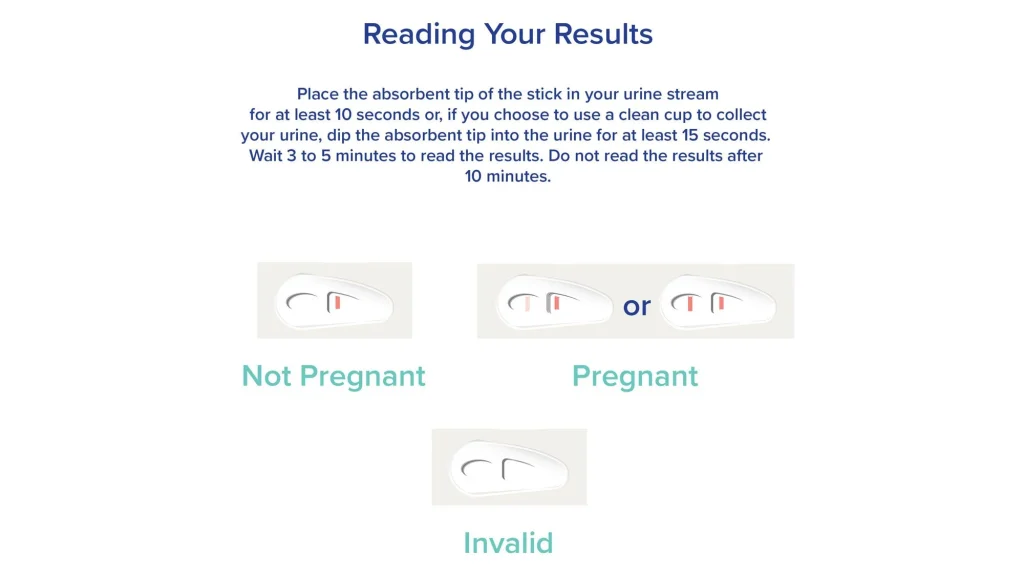
    Instructions for reading pregnancy test results with visual indicators for "Not Pregnant," "Pregnant," and "Invalid.

    Breaking Down the Science Behind Medications and Cervical Mucus

    Decongestants are often used to relieve nasal congestion, but they can also dry out the mucous membranes in the body, including the cervix. This can result in a decrease in cervical mucus and make it thicker, similar to the effects of antihistamines. It is essential to note that decongestants can also have a drying effect on other parts of the body, such as the mouth and eyes.

    4. Fertility Medications

    Fertility medications, such as Clomid, work by stimulating the production of hormones that are responsible for ovulation. These medications can also affect cervical mucus by increasing its quantity and improving its quality. Fertile cervical mucus is essential for sperm to reach the egg and increases the chances of conception. However, fertility medications can also cause an overproduction of cervical mucus, which can make it difficult for sperm to travel through.

    5. Antibiotics

    Antibiotics are used to fight bacterial infections, but they can also have an impact on cervical mucus. These medications can alter the balance of bacteria in the reproductive tract, which can affect the quality and quantity of cervical mucus. Antibiotics can also dry out the mucous membranes, leading to a decrease in cervical mucus.

    6. Non-Steroidal Anti-Inflammatory Drugs (NSAIDs)

    NSAIDs, such as ibuprofen and aspirin, are commonly used to relieve pain and inflammation. However, these medications can also affect cervical mucus by reducing its production. NSAIDs work by inhibiting the production of prostaglandins, which are responsible for thinning the cervical mucus. This can lead to a decrease in cervical mucus, making it difficult for sperm to travel through.

    Managing the Effects of Medications on Cervical Mucus

    If you are trying to conceive, it is essential to be aware of the potential effects of medications on cervical mucus. It is always recommended to consult with your doctor before starting any new medication, especially if you are trying to get pregnant. Your doctor can help you understand the potential effects of the medication on your cervical mucus and suggest alternative options if necessary.

    Additionally, you can also track your cervical mucus changes throughout your menstrual cycle. This can help you understand how different medications are affecting it and plan intercourse accordingly. If you notice any significant changes in your cervical mucus, it is vital to discuss this with your doctor.

    Summary:

    Medications can have a significant impact on cervical mucus, which plays a crucial role in fertility and reproductive health. Hormonal birth control, antihistamines, decongestants, fertility medications, antibiotics, and NSAIDs can all affect the quantity and quality of cervical mucus. It is important to consult with a doctor before starting any new medication, and to track changes in cervical mucus throughout the menstrual cycle. This can help in managing the effects of medications on cervical mucus and maintaining reproductive health.

  • Medication Interactions: How They Can Affect Cervical Mucus Production

    Blog Post:

    Medication Interactions: How They Can Affect Cervical Mucus Production

    When it comes to fertility and conception, many factors can affect a woman’s ability to conceive. One of these factors is cervical mucus production. Cervical mucus plays a vital role in the reproductive process, as it helps sperm survive and swim towards the egg for fertilization. But did you know that certain medications can affect the production and quality of cervical mucus? In this blog post, we will discuss medication interactions and how they can affect cervical mucus production.

    Understanding Cervical Mucus

    Before we dive into medication interactions, let’s first understand what cervical mucus is and its role in fertility. Cervical mucus is a fluid produced by the cervix, the opening of the uterus. Its consistency and amount vary throughout a woman’s menstrual cycle, depending on where she is in her cycle. During the beginning of the cycle, cervical mucus is thick and sticky, acting as a barrier to prevent bacteria from entering the uterus. As a woman approaches ovulation, the amount and consistency of cervical mucus change. It becomes thinner, clearer, and more stretchy, resembling the texture of egg whites. This type of cervical mucus is known as fertile cervical mucus and is essential for conception. It provides a hospitable environment for sperm to survive and swim towards the egg for fertilization.

    Medication Interactions and Cervical Mucus Production

    Now that we understand the importance of cervical mucus let’s explore how certain medications can interfere with its production and quality. The most common medications that can affect cervical mucus production are hormonal birth control, antihistamines, and decongestants.

    1. Hormonal Birth Control

    Hormonal birth control methods, such as the pill, patch, or ring, work by suppressing ovulation. This means that the body does not release an egg each month, and therefore, cervical mucus production is also affected. As a result, women using hormonal birth control may experience a decrease in cervical mucus production and a change in its consistency. The cervical mucus may become thicker and less stretchy, making it difficult for sperm to travel towards the egg.

    2. Antihistamines

    Mosie Baby At-Home Insemination Kit instructions and storage guidelines on a blue background.

    Medication Interactions: How They Can Affect Cervical Mucus Production

    Antihistamines are commonly used to treat allergies, but they can also have an impact on cervical mucus production. These medications work by drying out the nasal passages and other mucous membranes in the body, including the cervix. As a result, cervical mucus production may decrease, making it more difficult for sperm to travel to the egg.

    3. Decongestants

    Decongestants are often used to relieve nasal congestion and are also known to dry out mucous membranes, including those in the cervix. Like antihistamines, decongestants can decrease cervical mucus production, making it harder for sperm to reach the egg.

    4. Other Medications

    Aside from hormonal birth control, antihistamines, and decongestants, there are other medications that can affect cervical mucus production. These include antidepressants, blood pressure medications, and some antibiotics. While the effect may not be as significant as the previously mentioned medications, it is still essential to be aware of the potential impact on cervical mucus.

    What Can You Do?

    If you are trying to conceive, it is crucial to be aware of the medications you are taking and how they may affect your cervical mucus. If you are using hormonal birth control, you may need to stop taking it and allow your body to regulate its natural hormone levels. This can take a few months, but it will help restore the production of fertile cervical mucus. If you are taking antihistamines or decongestants, you may want to consider alternative options or speak to your doctor about ways to counteract the drying effects on your cervical mucus.

    In some cases, the inability to produce fertile cervical mucus may be a symptom of an underlying issue, such as hormonal imbalances or infections. If you are experiencing changes in your cervical mucus production, it is essential to consult with your doctor to determine the cause and address any potential issues.

    Summary:

    Cervical mucus is a crucial aspect of fertility and conception, as it helps sperm survive and travel towards the egg for fertilization. However, certain medications can interfere with cervical mucus production and quality, making it more challenging to conceive. Hormonal birth control, antihistamines, decongestants, and other medications can all have an impact on cervical mucus. If you are trying to conceive, it is essential to be aware of the medications you are taking and their potential effects on cervical mucus production. Consult with your doctor if you have any concerns or want to explore alternative options.

  • The Impact of Medications on Cervical Mucus and Your Menstrual Cycle

    Blog Post:

    The Impact of Medications on Cervical Mucus and Your Menstrual Cycle

    Cervical mucus is a vital component of the female reproductive system, playing a crucial role in fertility and the menstrual cycle. It serves as a protective barrier for sperm, helps to nourish and protect the eggs, and signals the most fertile time in a woman’s cycle. However, certain medications can affect the quality and quantity of cervical mucus, leading to changes in the menstrual cycle and potential fertility issues. In this blog post, we will explore the impact of medications on cervical mucus and how it can affect your menstrual cycle.

    Understanding Cervical Mucus

    Before diving into the effects of medications on cervical mucus, it is essential to understand what it is and its role in the menstrual cycle. Cervical mucus is a fluid secreted by the cervix, the lower part of the uterus. It changes in consistency and amount throughout a woman’s menstrual cycle, under the influence of hormones.

    During the first phase of the menstrual cycle, the follicular phase, estrogen levels increase, causing the cervical mucus to become thin, watery, and stretchy. This type of mucus is ideal for sperm to swim through and reach the egg for fertilization. As the ovulation phase approaches, the mucus becomes thicker, stickier, and less abundant, creating a barrier that prevents sperm from entering the uterus.

    After ovulation, the luteal phase, the levels of progesterone increase, causing the mucus to become thick, cloudy, and sticky, making it difficult for sperm to survive. If fertilization does not occur, the levels of estrogen and progesterone drop, and the cervical mucus returns to its thin and watery state.

    Medications That Can Affect Cervical Mucus

    Many medications can impact the quality and quantity of cervical mucus, potentially causing changes in the menstrual cycle and fertility issues. These medications include:

    1. Hormonal Birth Control: Hormonal birth control methods, such as the pill, patch, or ring, work by suppressing ovulation, reducing the levels of estrogen and progesterone, and preventing the thickening of cervical mucus. This change in mucus can make it difficult for sperm to reach and fertilize the egg.

    2. Antihistamines: Antihistamines are commonly used to treat allergies and cold symptoms. They work by blocking the production of histamine, a substance that causes mucous membranes to produce more mucus. This effect can also occur in the cervix, leading to thicker and drier mucus.

    hands using a blue syringe to extract contents from a clear container for a home insemination kit

    The Impact of Medications on Cervical Mucus and Your Menstrual Cycle

    3. Antibiotics: Antibiotics are used to treat bacterial infections and can interfere with the body’s natural balance of good and bad bacteria. This imbalance can affect the production of cervical mucus, making it thicker and less hospitable for sperm.

    4. Decongestants: Decongestants are often used to relieve nasal congestion and sinus pressure. However, they can have a drying effect on the body, including the cervix, leading to less cervical mucus and a potential decrease in fertility.

    5. Non-Steroidal Anti-Inflammatory Drugs (NSAIDs): NSAIDs, such as ibuprofen and aspirin, are commonly used to relieve pain and inflammation. They can interfere with the production of prostaglandins, hormones that play a role in the menstrual cycle and the production of cervical mucus.

    Impact on the Menstrual Cycle

    Changes in cervical mucus due to medication can impact the menstrual cycle in several ways. Firstly, it can affect the timing of ovulation, making it difficult to predict the fertile window accurately. This can be problematic for women trying to conceive as they may miss the optimal time for fertilization.

    Secondly, changes in cervical mucus can also affect sperm survival and movement. Thick, dry mucus can make it harder for sperm to reach the egg, leading to difficulty in conception. Additionally, medications that cause changes in cervical mucus can also affect the lining of the uterus, making it less hospitable for implantation of a fertilized egg.

    What Can You Do?

    If you are concerned about the impact of medications on your cervical mucus and menstrual cycle, it is essential to speak with your doctor. They can provide you with alternative medications or recommend ways to mitigate the effects of the medication on your cervical mucus.

    In some cases, taking a supplement, such as Evening Primrose Oil, can help to thin out cervical mucus and make it more hospitable for sperm. However, it is crucial to speak with your doctor before taking any supplements, as they may interact with your medication.

    Additionally, tracking your cervical mucus and menstrual cycle can help you identify any changes and potential issues. Apps like Clue and Flo can help you keep track of your cycles and provide valuable insights into your fertility.

    Summary:

    Cervical mucus plays a vital role in the female reproductive system, and changes in its quality and quantity can impact the menstrual cycle and fertility. Various medications, such as hormonal birth control, antihistamines, and antibiotics, can affect cervical mucus, leading to difficulty in conception. It is essential to speak with a doctor if you are concerned about the impact of medications on your cervical mucus and menstrual cycle. Tracking your cycles can also provide valuable insights into your fertility.