Tag: digestive health

  • Most Searched Diet Plans for a Low-FODMAP Meal Plan

    Blog Post: Most Searched Diet Plans for a Low-FODMAP Meal Plan

    In recent years, there has been a growing interest in following a low-FODMAP diet plan. This type of eating plan has gained popularity for its ability to alleviate symptoms of digestive disorders such as irritable bowel syndrome (IBS) and improve overall gut health. However, with the rise in demand for low-FODMAP diets, there has also been an influx of different diet plans claiming to be the most effective. In this blog post, we will discuss the most searched diet plans for a low-FODMAP meal plan and their pros and cons.

    1. Low-FODMAP Diet

    The low-FODMAP diet is a scientific-based eating plan that was developed by researchers at Monash University in Australia. FODMAP stands for Fermentable Oligosaccharides, Disaccharides, Monosaccharides, and Polyols, which are types of carbohydrates that are poorly absorbed by the small intestine, leading to digestive symptoms in some individuals. The low-FODMAP diet involves eliminating high-FODMAP foods for a period of 2-6 weeks, followed by a gradual reintroduction phase to identify trigger foods. This diet has been shown to be effective in reducing symptoms in up to 75% of people with IBS.

    Pros: The low-FODMAP diet is backed by scientific research and can provide relief for those with digestive disorders. It also allows for a gradual reintroduction of foods, making it less restrictive in the long term.

    Cons: The initial elimination phase can be challenging, as many high-FODMAP foods are commonly consumed in the Western diet. It also requires close monitoring and the guidance of a registered dietitian to ensure proper nutrient intake.

    2. Gluten-Free Diet

    Gluten is a protein found in wheat, barley, and rye, which can cause digestive symptoms in those with celiac disease or gluten sensitivity. While a gluten-free diet is not directly related to FODMAPs, it is often recommended for those with IBS as many high-FODMAP foods also contain gluten. This diet involves eliminating all sources of gluten and choosing gluten-free alternatives.

    Pros: For those with celiac disease or gluten sensitivity, a gluten-free diet is essential for managing symptoms. It can also eliminate high-FODMAP foods, providing some relief for those with IBS.

    Cons: A gluten-free diet is unnecessarily restrictive for those without celiac disease or gluten sensitivity. It may also lead to nutrient deficiencies if not carefully planned.

    3. Paleo Diet

    Mosie Baby ovulation test kit with packaging and instructions on a pink background.

    Most Searched Diet Plans for a Low-FODMAP Meal Plan

    The paleo diet is based on the idea of eating like our ancestors, focusing on whole, unprocessed foods such as meat, fish, vegetables, fruits, nuts, and seeds. This diet eliminates grains, legumes, and dairy, which are common sources of FODMAPs. While not specifically a low-FODMAP diet, it can be modified to be one.

    Pros: The paleo diet promotes the consumption of whole, unprocessed foods, which can be beneficial for overall health. It also eliminates many high-FODMAP foods.

    Cons: This diet can be expensive and time-consuming to follow, as it requires a lot of meal preparation. It also eliminates food groups that are important sources of nutrients, such as grains and dairy.

    4. Whole30 Diet

    The Whole30 diet is a 30-day reset plan that eliminates all grains, legumes, dairy, added sugars, and processed foods. It is often touted as a way to identify food sensitivities and improve overall health. While not specifically a low-FODMAP diet, it eliminates many high-FODMAP foods and can be modified to be one.

    Pros: The Whole30 diet promotes the consumption of whole, unprocessed foods and can help people identify food sensitivities. It also eliminates many high-FODMAP foods.

    Cons: This diet can be restrictive and difficult to sustain long-term. It may also lead to nutrient deficiencies if not carefully planned.

    5. SCD Diet

    The Specific Carbohydrate Diet (SCD) is a strict eating plan that eliminates all grains, lactose, and sucrose, and focuses on consuming simple carbohydrates and whole foods. It was originally developed for those with inflammatory bowel disease (IBD) but has been adopted by some as a low-FODMAP diet. This diet involves three main phases: the introductory phase, the healing phase, and the maintenance phase.

    Pros: The SCD diet eliminates many high-FODMAP foods and may be beneficial for those with IBD. It also promotes the consumption of whole, unprocessed foods.

    Cons: This diet is very restrictive and may be difficult to follow, as it eliminates many common foods. It also requires close monitoring and the guidance of a registered dietitian to ensure proper nutrient intake.

    In summary, the most searched diet plans for a low-FODMAP meal plan include the low-FODMAP diet, gluten-free diet, paleo diet, Whole30 diet, and SCD diet. While each of these diets has its own benefits and drawbacks, they all have one thing in common – the elimination of high-FODMAP foods. If you are considering following a low-FODMAP diet, it is important to consult with a registered dietitian to ensure proper nutrient intake and to find the best plan for your individual needs.

  • Why Probiotics are Essential for Gut Health: A Trend That’s Here to Stay

    Probiotics have become a major trend in the health and wellness world, and for good reason. These live microorganisms, often referred to as “good bacteria,” have been shown to have a significant impact on our gut health. Our gut, also known as the gastrointestinal tract, houses trillions of bacteria that play a crucial role in our overall health and well-being. In recent years, research has revealed the important role that probiotics play in maintaining a healthy gut and how they can benefit our overall health. In this blog post, we will delve deeper into why probiotics are essential for gut health and why this trend is here to stay.

    What Are Probiotics?

    Probiotics are living microorganisms that are naturally found in our bodies, primarily in the gut. These bacteria, yeasts, and fungi are often referred to as “good” or “helpful” bacteria because they help keep our gut and overall body functioning properly. Probiotics can also be found in certain foods, such as yogurt, kefir, kimchi, sauerkraut, and kombucha, or taken as supplements.

    The Role of Probiotics in Gut Health

    Our gut is home to a diverse and complex community of microorganisms, collectively known as the gut microbiome. These microorganisms play a crucial role in our digestive system, immune system, and even our mental health. When the balance of good and bad bacteria in our gut is disrupted, it can lead to various health issues, such as digestive problems, inflammation, and even chronic diseases.

    Probiotics help maintain the balance of good and bad bacteria in our gut, promoting a healthy microbiome. They do this by competing with harmful bacteria for space and nutrients, producing substances that inhibit the growth of bad bacteria, and stimulating the immune system. Probiotics have also been shown to improve the function of the intestinal barrier, which helps prevent harmful substances from entering our bloodstream.

    Health Benefits of Probiotics

    The benefits of probiotics go beyond just gut health. Research has shown that these live microorganisms can have a positive impact on various aspects of our health, including:

    1. Improved Digestive Health: Probiotics can help alleviate symptoms of digestive issues such as bloating, gas, diarrhea, and constipation. They have been shown to be effective in treating conditions like irritable bowel syndrome (IBS) and inflammatory bowel disease (IBD).

    2. Enhanced Immune System: About 70% of our immune system resides in our gut, and probiotics play a vital role in keeping it healthy. They help stimulate the production of antibodies and immune cells, making our bodies more resistant to infections and diseases.

    Mosie Baby At-Home Insemination Kit instructions and storage guidelines on a blue background.

    Why Probiotics are Essential for Gut Health: A Trend That's Here to Stay

    3. Mental Health Benefits: The gut-brain connection is a well-established concept, and emerging research suggests that probiotics can also have a positive impact on our mental health. Studies have shown that probiotics can help reduce symptoms of anxiety, depression, and improve overall mood.

    4. Reduced Inflammation: Chronic inflammation has been linked to various health issues, including heart disease, diabetes, and autoimmune disorders. Probiotics can help reduce inflammation in the gut and throughout the body, promoting overall health and well-being.

    Why Probiotics are Here to Stay

    The popularity of probiotics continues to grow, and for good reason. Here are some reasons why this trend is here to stay:

    1. Increasing Awareness: With more and more research being conducted on the benefits of probiotics, there is a growing awareness of their importance for gut health. People are becoming more proactive about their health and are actively seeking ways to improve it, making probiotics a popular choice.

    2. Rise in Digestive Issues: Digestive issues such as IBS, IBD, and celiac disease are on the rise, and probiotics have been shown to be effective in managing these conditions. As more people experience these health issues, the demand for probiotics is expected to increase.

    3. Shift Towards Natural and Holistic Health: The trend towards natural and holistic health is gaining momentum, and probiotics fit perfectly into this lifestyle. Probiotics are a natural way to improve gut health and overall well-being without relying on medication.

    4. Diverse Range of Options: Probiotics are available in various forms, including supplements and a wide range of food products. This makes it easy for people to incorporate them into their daily routine, increasing their accessibility and popularity.

    Summary:

    Probiotics are live microorganisms that play a crucial role in maintaining a healthy gut microbiome. They have been shown to have numerous health benefits, including improved digestive health, enhanced immune system, and reduced inflammation. As more people become aware of their importance and seek natural ways to improve their health, the popularity of probiotics is expected to continue to grow. With a diverse range of options available, probiotics are a trend that is here to stay and will continue to have a significant impact on our gut health and overall well-being.

  • The Power of Probiotics: How This Trend is Improving Digestive Health

    Blog Post:

    Probiotics have been gaining popularity in recent years as a must-have supplement for digestive health. From yogurts to pills, these “good” bacteria have become a trending topic in the health and wellness industry. But what exactly are probiotics and how do they benefit our digestive system? In this blog post, we will explore the power of probiotics and how this trend is improving digestive health.

    First, let’s define what probiotics are. Probiotics are live microorganisms, or “good” bacteria, that are similar to the beneficial bacteria found in our digestive system. They are often found in fermented foods such as yogurt, kimchi, and sauerkraut. These microorganisms help maintain a balance of good and bad bacteria in our gut, which is essential for proper digestion and overall health.

    One of the main benefits of probiotics is their ability to improve digestive health. Our digestive system is responsible for breaking down food, absorbing nutrients, and eliminating waste from our bodies. When this process is disrupted, it can lead to various digestive issues such as bloating, constipation, diarrhea, and even more serious conditions like inflammatory bowel disease (IBD). Probiotics work by restoring the balance of bacteria in our gut, which can help alleviate these symptoms and promote a healthy digestive system.

    But probiotics do more than just aid in digestion. They also play a significant role in boosting our immune system. Studies have shown that a large portion of our immune system resides in our gut, and having a healthy balance of good bacteria can help strengthen our immune response. Probiotics have been found to stimulate the production of antibodies and immune cells, which can help fight off harmful pathogens and infections.

    Probiotics have also been linked to mental health and cognitive function. Our gut and brain communicate through what is known as the gut-brain axis. This connection plays a vital role in our mood, behavior, and cognitive function. Studies have shown that probiotics can help improve symptoms of depression, anxiety, and stress by positively influencing the gut-brain axis. Additionally, some research suggests that probiotics may even improve memory and cognitive function in older adults.

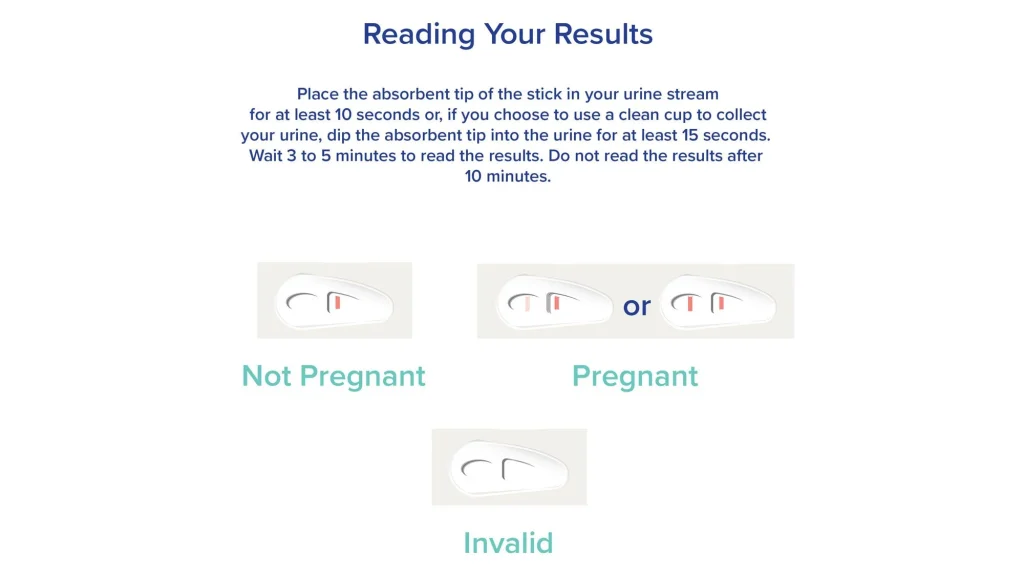
    Instructions for reading pregnancy test results with visual indicators for "Not Pregnant," "Pregnant," and "Invalid.

    The Power of Probiotics: How This Trend is Improving Digestive Health

    Another significant benefit of probiotics is their ability to decrease inflammation in the body. Chronic inflammation has been linked to various health conditions, including heart disease and autoimmune disorders. Probiotics work by reducing the production of pro-inflammatory cytokines and increasing the production of anti-inflammatory cytokines. This balance is crucial in maintaining a healthy inflammatory response in our bodies.

    So, how can you incorporate probiotics into your daily routine? As mentioned earlier, probiotics can be found in fermented foods like yogurt, kefir, and kimchi. However, not all yogurt and fermented foods contain probiotics, so it’s essential to read labels and look for products that specifically state that they contain live and active cultures. Probiotics can also be found in supplement form, such as pills, capsules, and powders. It’s important to note that not all probiotic supplements are created equal, so it’s essential to do your research and choose a reputable brand.

    When choosing a probiotic supplement, it’s crucial to consider the strain and the number of CFUs (colony-forming units). Different strains of probiotics have varying effects on the body, so it’s essential to choose a supplement that contains the strains that target your specific health concerns. As for CFUs, the higher the number, the more potent the probiotic will be. It’s recommended to choose a supplement with at least 10 billion CFUs for optimal benefits.

    In addition to consuming probiotics, it’s also essential to support their growth by incorporating prebiotic-rich foods into your diet. Prebiotics are a type of fiber that feeds the good bacteria in our gut, helping them thrive. Foods like bananas, onions, garlic, and asparagus are all excellent sources of prebiotics.

    While probiotics have many benefits for digestive health, it’s essential to note that they are not a cure-all and should not replace a healthy diet and lifestyle. It’s crucial to maintain a balanced diet, exercise regularly, and manage stress to support overall health and wellness.

    In summary, probiotics are live microorganisms that have numerous benefits for digestive health, immune function, mental health, and inflammation. They work by restoring the balance of good and bad bacteria in our gut, which is essential for proper digestion and overall health. Probiotics can be found in fermented foods and supplements and should be consumed in conjunction with prebiotic-rich foods for optimal benefits. While they are not a replacement for a healthy lifestyle, probiotics can play a significant role in improving digestive health and overall well-being.

  • Why Gut Health is the Key to Overall Wellness: The Science Behind the Trend

    Summary:

    Gut health has become a popular topic in the health and wellness industry in recent years. But what exactly is gut health and why is it so important for overall wellness? The answer lies in the intricate connection between our gut and the rest of our body.

    The gut, or gastrointestinal tract, is a complex system responsible for digesting food, absorbing nutrients, and eliminating waste. It is also home to a diverse community of microorganisms known as the gut microbiome. These microorganisms play a crucial role in our overall health and well-being.

    In this blog post, we will delve into the science behind gut health and explain why it is the key to overall wellness. We will explore the gut-brain connection, the role of the gut microbiome, and how to maintain a healthy gut to improve our overall health.

    The Gut-Brain Connection:

    The gut and the brain are closely connected through what is known as the gut-brain axis. This connection is facilitated by the vagus nerve, a long nerve that runs from the brainstem to the abdomen, and by chemical messengers known as neurotransmitters.

    Studies have shown that the gut microbiome can influence the brain and vice versa. The gut produces neurotransmitters, such as serotonin and dopamine, which are also found in the brain and play a role in regulating mood and behavior. In fact, 95% of the body’s serotonin is produced in the gut.

    On the other hand, stress and emotions can also affect the gut. The gut has its own nervous system, known as the enteric nervous system, which can be influenced by stress and emotions, leading to digestive issues such as irritable bowel syndrome (IBS).

    The Role of the Gut Microbiome:

    The gut microbiome is a complex and diverse community of microorganisms that reside in our gastrointestinal tract. These microorganisms include bacteria, viruses, fungi, and other organisms. While some of these microorganisms can be harmful, the majority of them are beneficial and play a crucial role in our health.

    Mosie Baby pregnancy test kit with two tests and packaging, featuring a mint green color scheme.

    Why Gut Health is the Key to Overall Wellness: The Science Behind the Trend

    The gut microbiome helps with digestion, absorption of nutrients, and the production of vitamins. It also plays a role in regulating the immune system, protecting us from harmful pathogens, and maintaining a healthy balance of good and bad bacteria in the gut.

    Research has also shown that the gut microbiome can influence our mental health, with imbalances in the gut microbiome linked to conditions such as depression and anxiety. This further highlights the importance of maintaining a healthy gut microbiome for overall wellness.

    Maintaining a Healthy Gut:

    So, how can we ensure that our gut is healthy and functioning optimally? Here are some tips:

    1. Eat a diverse and balanced diet: A healthy gut microbiome thrives on a variety of foods, including fruits, vegetables, whole grains, and fermented foods. These foods provide essential nutrients and promote the growth of good bacteria in the gut.

    2. Avoid processed and sugary foods: Processed and sugary foods can disrupt the balance of good and bad bacteria in the gut, leading to inflammation and other health issues. Limiting these foods can improve gut health.

    3. Take probiotics: Probiotics are live microorganisms that can be found in certain foods or taken as supplements. They can help replenish the good bacteria in the gut and improve overall gut health.

    4. Manage stress: As mentioned earlier, stress can have a negative impact on the gut. Practicing stress management techniques such as meditation, yoga, or regular exercise can help keep stress levels in check and promote a healthy gut.

    5. Get enough sleep: Lack of sleep can also affect the gut microbiome, leading to imbalances and digestive issues. Aim for 7-9 hours of quality sleep each night to promote a healthy gut.

    In conclusion, gut health is the key to overall wellness. The gut-brain connection and the role of the gut microbiome in our health highlight the importance of maintaining a healthy gut. By following a healthy diet, managing stress, and taking care of our gut microbiome, we can improve our overall health and well-being.

  • The Surprising Ways Vaginal pH Can Affect Your Digestive Health

    Vaginal pH is a crucial factor in maintaining overall health and wellness for women. It is responsible for keeping the vagina clean, healthy, and free of harmful bacteria. However, many women are unaware of the surprising ways that vaginal pH can also affect their digestive health. In this blog post, we will explore the connection between vaginal pH and digestive health and how maintaining a healthy pH balance can have a positive impact on your gut health.

    First, it’s important to understand what vaginal pH is and how it affects your body. Vaginal pH is a measure of the acidity or alkalinity of the vagina. The normal range for vaginal pH is between 3.8 and 4.5, which is slightly acidic. This acidic environment is maintained by the presence of good bacteria, known as lactobacilli, which produce lactic acid and keep the vaginal pH in balance. When this delicate balance is disrupted, it can lead to a variety of health issues.

    One of the ways that vaginal pH can affect your digestive health is through the spread of harmful bacteria. The vagina and the digestive system are connected through the same mucous membrane that lines the reproductive and digestive tracts. This means that if the vaginal pH is imbalanced, it can lead to an overgrowth of harmful bacteria in the vagina, which can then travel to the gut and disrupt the delicate balance of bacteria in your digestive system. This can result in digestive issues such as bloating, constipation, and diarrhea.

    Furthermore, an imbalanced vaginal pH can also lead to an overgrowth of yeast, specifically Candida, which is a type of fungus. When there is an excess of Candida in the vagina, it can lead to a condition called yeast infection, which can cause discomfort and itching in the vaginal area. But what many women don’t realize is that an overgrowth of Candida can also have a negative impact on the digestive system. Candida is a type of yeast that naturally occurs in the gut, but when there is an overgrowth, it can cause an imbalance in the gut bacteria and lead to digestive issues.

    Additionally, an imbalanced vaginal pH can also affect the immune system, which plays a vital role in maintaining a healthy gut. The good bacteria in the vagina not only keep the vaginal pH balanced but also help to fight off harmful bacteria and infections. When the vaginal pH is imbalanced, it can weaken the immune system and make you more susceptible to digestive issues such as food sensitivities, allergies, and inflammation.

    Home insemination kit by Mosie Baby with instructions and colorful packaging.

    The Surprising Ways Vaginal pH Can Affect Your Digestive Health

    Now that we understand the connection between vaginal pH and digestive health, let’s explore some practical ways to maintain a healthy pH balance to promote a healthy gut. The first step is to incorporate probiotics into your daily routine. Probiotics are live microorganisms that help to maintain a healthy balance of bacteria in the gut. They can be found in fermented foods like yogurt, kefir, sauerkraut, and kimchi. You can also take probiotic supplements, which contain different strains of good bacteria to support your gut health.

    Another way to maintain a healthy vaginal pH and digestive system is to avoid douching. Douching is the practice of using water or other solutions to clean the vagina. However, this can disrupt the natural balance of bacteria and increase the risk of infection. Instead, opt for gentle, fragrance-free cleansers when washing the vaginal area.

    In addition to probiotics and avoiding douching, it’s also essential to pay attention to your diet. A diet high in sugar and processed foods can lead to an overgrowth of harmful bacteria and yeast in the vagina and gut. Instead, focus on incorporating whole, unprocessed foods such as fruits, vegetables, and lean proteins into your diet. These foods are rich in nutrients and fiber, which are essential for maintaining a healthy balance of bacteria in the gut.

    Lastly, it’s crucial to maintain good hygiene habits to prevent the spread of harmful bacteria. This includes changing your underwear daily, avoiding tight-fitting clothing, and wiping front to back after using the bathroom. These simple habits can go a long way in maintaining a healthy vaginal pH and promoting overall gut health.

    In conclusion, the connection between vaginal pH and digestive health is often overlooked, but it’s essential to maintain a healthy balance for overall wellness. An imbalanced vaginal pH can lead to an overgrowth of harmful bacteria and yeast, which can affect the gut and immune system. By incorporating probiotics, avoiding douching, and maintaining a healthy diet and hygiene practices, you can support a healthy vaginal pH balance and promote a healthy gut.

    SEO metadata:

