Tag: DIY parenting

  • The Rise of DIY Parenting: How Insemination Syringe Kits are Revolutionizing Conception

    Blog Post:

    In today’s society, the traditional concept of parenting has taken on a whole new meaning. With advancements in technology and a growing emphasis on individualism, more and more couples are turning to do-it-yourself (DIY) methods for conception. One such method that is gaining popularity is the use of insemination syringe kits. These kits, designed to mimic the process of intrauterine insemination (IUI) used in fertility clinics, are allowing couples to take control of their own fertility journey from the comfort of their own homes. In this blog post, we will explore the rise of DIY parenting and how insemination syringe kits are revolutionizing the way couples conceive.

    The traditional methods of conception, such as sexual intercourse or artificial insemination, have been the norm for centuries. However, as the societal norms and values continue to evolve, so do the ways in which people choose to start a family. With the rise of same-sex couples and single parents, the demand for alternative methods of conception has increased. This has led to the development of DIY parenting, where couples can take matters into their own hands and conceive without the involvement of a medical professional.

    One of the most popular methods of DIY parenting is the use of insemination syringe kits. These kits typically include a sterile syringe, a collection cup, and instructions for use. The process involves collecting semen from the male partner, using the syringe to transfer it into the female partner’s vagina, and then holding the semen in place for a period of time to increase the chances of conception. While this method may seem simple, it has proven to be effective for many couples who are struggling with infertility or who simply want to take a more hands-on approach to starting a family.

    The rise of insemination syringe kits can be attributed to several factors. Firstly, they offer a more affordable alternative to traditional fertility treatments. Fertility clinics can be expensive, and many insurance companies do not cover the costs of treatments like IUI or in-vitro fertilization (IVF). In comparison, insemination syringe kits can be purchased for a fraction of the cost, making them a more accessible option for couples who are on a budget.

    Secondly, the use of insemination syringe kits allows couples to have more control over the timing of conception. Fertility treatments at clinics often require strict schedules and coordination with medical professionals, which can be stressful and inconvenient. With DIY parenting, couples can choose when and how often to attempt insemination, giving them more flexibility and reducing the pressure of timed intercourse.

    Mosie Baby ovulation test kit with packaging and instructions on a pink background.

    The Rise of DIY Parenting: How Insemination Syringe Kits are Revolutionizing Conception

    Additionally, insemination syringe kits offer a sense of privacy and intimacy for couples. Many people feel uncomfortable with the idea of having medical professionals involved in such an intimate and personal process. DIY parenting allows couples to keep their fertility journey within the privacy of their own home, which can be a more comfortable and less intimidating option for many.

    However, like any other DIY method, there are potential risks and drawbacks to using insemination syringe kits. The success rate of this method is not as high as traditional fertility treatments, and there is a risk of infection if the process is not done correctly. Therefore, it is crucial for couples to do thorough research, follow instructions carefully, and consult with a healthcare professional before attempting DIY insemination.

    The rise of DIY parenting and the use of insemination syringe kits has not gone unnoticed by the medical community. While some may argue that this trend is worrisome and may lead to untrained individuals attempting complex medical procedures, others see it as a positive development. Many doctors and fertility specialists have acknowledged the potential benefits of DIY parenting and have even started to provide resources and support for couples who choose to go down this route.

    In conclusion, the rise of DIY parenting and the use of insemination syringe kits is a testament to the changing landscape of modern parenthood. It offers a more affordable, flexible, and intimate option for couples who are looking to start a family. However, it is essential to approach this method with caution, and couples should seek guidance from healthcare professionals before attempting DIY insemination. As society continues to evolve and embrace individualism, it is likely that we will see further advancements and innovations in the realm of DIY parenting.

    Summary:

    The traditional concept of parenting has evolved in recent years, with more couples turning to do-it-yourself (DIY) methods for conception. One such method that is gaining popularity is the use of insemination syringe kits, which allow couples to mimic the process of intrauterine insemination (IUI) at home. This trend can be attributed to factors such as affordability, control over timing, and privacy. However, there are also potential risks and drawbacks to this method, and couples should seek guidance from healthcare professionals before attempting DIY insemination. Overall, the rise of DIY parenting and the use of insemination syringe kits is a reflection of the changing landscape of modern parenthood.

  • DIY Parenthood: Essential Tools for Making a Baby

    DIY Parenthood: Essential Tools for Making a Baby

    Becoming a parent is an exciting and life-changing experience. For many, it is a dream come true and a journey filled with love, joy, and memories. But along with the excitement, there can also be a sense of overwhelming responsibility. From preparing for the arrival of your little one to navigating the early years of parenthood, there are many important decisions and tasks to be done. And while there is no one-size-fits-all approach to parenting, there are some essential tools that can make the journey a little easier. In this blog post, we will explore the essential tools for making a baby, from conception to the first years of parenthood, and how DIY (Do-It-Yourself) parenting can help you along the way.

    Prenatal Care: Preparing Your Body and Mind

    The first essential tool for making a baby is taking care of your body and mind during pregnancy. Prenatal care is crucial for the health of both the mother and the baby. DIY parenting starts here, by taking charge of your health and well-being. Eating a balanced and nutritious diet, staying physically active, and getting enough rest are all important aspects of prenatal care. Taking a DIY approach means being proactive and educating yourself about the changes your body will go through during pregnancy. It also means being your own advocate and asking questions during doctor visits to ensure you are receiving the best care possible.

    Fertility Tracking: Maximizing Your Chances of Conception

    For couples trying to conceive, fertility tracking is an essential tool. DIY parenting involves taking control of your fertility and understanding your body’s natural cycles. There are various methods of fertility tracking, such as tracking ovulation through basal body temperature or using ovulation predictor kits. By knowing when you are most fertile, you can increase your chances of conception and save time and money on fertility treatments.

    Pregnancy Apps and Trackers: Keeping You Informed and Organized

    In today’s digital age, there are numerous pregnancy apps and trackers available that can help you stay informed and organized throughout your pregnancy. These apps not only provide information on the size of your growing baby, but they also offer tips and advice on prenatal care, nutrition, and exercise. Some apps even have features for tracking appointments, creating a birth plan, and connecting with other expectant parents. DIY parenting means utilizing these tools to stay on top of your pregnancy and ensure a healthy and informed journey.

    home insemination kit components: a syringe and a collection container against a blue background.

    DIY Parenthood: Essential Tools for Making a Baby

    Baby Gear: Preparing for Your Little One’s Arrival

    As your due date approaches, it’s time to start thinking about all the essential baby gear you will need for your little one’s arrival. From cribs and strollers to car seats and diapers, the list can seem never-ending. DIY parenting can help you navigate this overwhelming task by encouraging you to research and compare different products, read reviews, and even make some of the items yourself. DIY projects such as sewing your own baby blankets or making homemade baby food can not only save money but also add a personal touch to your parenting journey.

    Childbirth Preparation: Empowering You for Labor and Delivery

    Childbirth can be a scary and unpredictable experience, but with the right tools, you can feel more prepared and empowered. DIY parenting involves taking an active role in your childbirth preparation. This can include attending childbirth classes, practicing relaxation techniques, and creating a birth plan. By educating yourself and understanding your options, you can approach labor and delivery with confidence and be better equipped to handle any unexpected situations that may arise.

    Postpartum Care: Navigating the Early Days of Parenthood

    The first few weeks after giving birth can be challenging and overwhelming, but with the right tools, you can make the transition into parenthood a little smoother. DIY parenting means taking care of yourself and your baby during this crucial time. This can include preparing meals in advance, creating a breastfeeding station, and using postpartum care products such as sitz baths and perineal spray. DIY projects such as making your own nursing pads or creating a postpartum care kit can also be helpful and save you money in the long run.

    Baby Development: Monitoring Your Baby’s Growth and Milestones

    As your baby grows and develops, it’s important to keep track of their progress to ensure they are meeting their milestones. DIY parenting involves being an active participant in your child’s development. This can include reading books on child development, tracking their growth and development through apps or journals, and engaging in activities that promote their physical, cognitive, and emotional development. By being involved in your child’s development, you can also identify any potential issues and address them early on.

    In conclusion, becoming a parent is a journey that requires a combination of love, patience, and essential tools. By taking a DIY approach to parenthood, you can be more involved and informed every step of the way. From preparing for conception to navigating the early years of parenthood, these essential tools can help you create a strong foundation for your child’s future. Remember, every family’s parenting journey is unique, and there is no perfect way to do it. Embrace the DIY mindset and find what works best for you and your family.

  • Syringe Kits and DIY Baby-Making: The Modern Parenting Choice

    Syringe Kits and DIY Baby-Making: The Modern Parenting Choice

    In recent years, there has been a growing trend in the world of parenting – DIY baby-making. With the advancement of technology and the increasing acceptance of non-traditional families, more and more people are turning to alternative methods of conceiving a child. One such method is using syringe kits, which allow individuals or couples to inseminate at home without the need for medical intervention. This controversial topic has sparked debates and raised questions about the ethics, safety, and legality of DIY baby-making. In this blog post, we will delve deeper into this modern parenting choice, exploring the reasons behind it, the process, and the potential implications.

    The Rise of DIY Baby-making

    There are various reasons why individuals or couples may choose to pursue DIY baby-making. For some, it may be due to financial constraints, as fertility treatments can be costly. Others may have faced discrimination or barriers in accessing assisted reproductive technologies, such as same-sex couples or single individuals. For many, it is also a matter of privacy and control, as they can choose to conceive in the comfort of their own home without the need for a medical professional.

    The Process of DIY Baby-Making

    The process of DIY baby-making involves using a syringe kit to self-inseminate at home. These kits usually include a syringe, a sterile cup, and a fertility-friendly lubricant. The sperm can be collected from a known donor or purchased from a sperm bank. The sperm is then drawn into the syringe and inserted into the vagina or cervix during the window of ovulation. This method is often referred to as intracervical insemination (ICI) or intravaginal insemination (IVI).

    Safety and Legality Concerns

    One of the biggest concerns surrounding DIY baby-making is safety. Without the supervision of a medical professional, there is a risk of infection or damage to the reproductive organs. It is crucial to ensure that the syringe and other equipment used are sterile to prevent any infections. Additionally, there is also the concern of using sperm from an unknown donor, as it may carry genetic diseases or other health issues. It is essential to do thorough research and follow proper screening protocols before using donor sperm.

    The legality of DIY baby-making varies from country to country and even within states. In some places, it is considered illegal if it involves non-medical personnel, while in others, it is entirely legal as long as the donor is not compensated. It is crucial to research and understand the laws and regulations in your area before embarking on DIY baby-making.

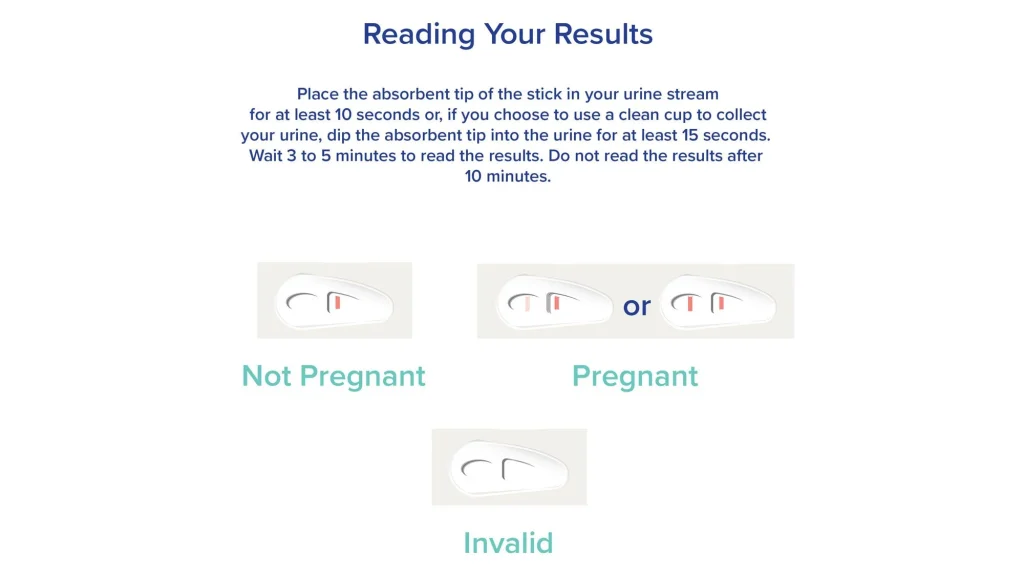
    Instructions for reading pregnancy test results with visual indicators for "Not Pregnant," "Pregnant," and "Invalid.

    Syringe Kits and DIY Baby-Making: The Modern Parenting Choice

    Implications for the Child

    Another significant consideration in DIY baby-making is the potential implications for the child. Children conceived through this method may have questions about their identity and genetic background. It is crucial for parents to be open and honest about the process and their reasons for choosing this method of conception. It may also be necessary to seek legal advice to ensure that the child’s rights and well-being are protected.

    The Role of Technology

    Advancements in technology have played a significant role in the rise of DIY baby-making. With the internet, individuals and couples can easily access information on the process, purchase donor sperm online, and even connect with other DIY parents through online forums. However, it is essential to be cautious and ensure that the information obtained is from reliable sources.

    The Future of DIY Baby-Making

    As technology continues to advance, it is likely that we will see more options and methods for DIY baby-making. Furthermore, with society becoming more accepting of non-traditional families, it is possible that DIY baby-making will become a more widely accepted and accessible option for those who wish to conceive without medical intervention.

    In conclusion, DIY baby-making using syringe kits is a modern parenting choice that has its fair share of controversies and concerns. While it may provide a more affordable and private option for some, it is crucial to consider the safety, legal, and ethical implications before embarking on this journey. As with any parenting decision, it is essential to do thorough research and seek professional advice to make an informed and responsible choice.

    Summary:

    DIY baby-making using syringe kits is a growing trend in the world of parenting, with more and more individuals and couples choosing this method to conceive a child. Factors such as financial constraints, discrimination, and privacy concerns have contributed to the rise of DIY baby-making. The process involves self-insemination at home using a syringe kit and donor sperm. However, safety, legality, and implications for the child are significant concerns that need to be carefully considered. Technology has played a significant role in making DIY baby-making more accessible, and it is likely that we will see more advancements in this area in the future.