Tag: Donor Selection

  • Navigating Parenthood: Our Experience with At-Home Insemination

    Blog Post: Navigating Parenthood: Our Experience with At-Home Insemination

    Parenthood is an exciting and rewarding journey, but for some couples, starting a family may not come easily. When my partner and I decided to start a family, we knew that we would have to navigate through various options and challenges to make our dream a reality. After considering our options, we decided to try at-home insemination. This process allowed us to take control of our fertility journey and ultimately led us to the joy of becoming parents. In this blog post, I will share our experience with at-home insemination and offer some advice for those considering this path to parenthood.

    What is At-Home Insemination?

    At-home insemination, also known as self-insemination, is a process in which sperm is inserted into the vagina or cervix at home, without the assistance of a medical professional. This method is often used by same-sex couples, single individuals, or couples facing fertility challenges. It involves obtaining donor sperm and using various techniques to deposit it into the reproductive tract.

    Choosing a Donor

    The first step in at-home insemination is choosing a sperm donor. This can be a daunting task as there are many factors to consider. Some couples choose to use a known donor, such as a friend or family member, while others opt for an anonymous donor from a sperm bank. We chose to use a sperm bank as it provided us with the necessary medical screenings and legal protection.

    When selecting a donor, it is essential to consider their health history, physical characteristics, and personality traits. We spent a lot of time researching and discussing our options before choosing a donor that we felt was the right fit for our family. It is crucial to trust your instincts and choose a donor that you feel comfortable with.

    Tracking Ovulation and Timing Insemination

    Timing is everything when it comes to insemination. To increase our chances of success, we tracked my ovulation using ovulation predictor kits and basal body temperature charting. These methods helped us determine the best time to inseminate.

    We also used various techniques to deposit the sperm, such as using a needleless syringe or a cervical cap. These methods allowed us to place the sperm as close to the cervix as possible, increasing the chances of fertilization. It is essential to follow the instructions provided by the sperm bank or a fertility specialist to ensure the correct placement of the sperm.

    The Emotional Rollercoaster

    The journey to parenthood can be an emotional rollercoaster, and at-home insemination is no exception. As we went through the process, we experienced a range of emotions, from excitement and hope to anxiety and disappointment. It is crucial to have a strong support system during this time. We leaned on each other and our close friends and family for emotional support.

    It is also essential to manage expectations and understand that at-home insemination may not work on the first try. It took us several inseminations before we were successful. It is crucial to stay positive and keep trying, knowing that each attempt brings you one step closer to achieving your dream of becoming a parent.

    mosie baby logo featuring a heart and leaves in blue, pink, and green colors.

    Navigating Parenthood: Our Experience with At-Home Insemination

    The Importance of Open Communication

    Communication is vital in any relationship, but it is especially crucial when navigating the challenging journey of parenthood. My partner and I made sure to have open and honest communication throughout the at-home insemination process. We discussed our fears, hopes, and expectations, and it brought us closer together.

    It is also essential to have open communication with the donor, whether they are a known donor or from a sperm bank. We chose to have an open donor, which means our child will have the option to contact their donor when they turn 18. It was essential for us to have this level of transparency and honesty in our family.

    The Joy of Parenthood

    After several attempts, we were ecstatic to find out that we were finally pregnant. The journey of at-home insemination was not an easy one, but it was all worth it when we held our beautiful baby in our arms. Becoming parents has been the most rewarding and fulfilling experience, and we are grateful for the journey that brought us to this point.

    Advice for Those Considering At-Home Insemination

    As we reflect on our journey with at-home insemination, we have some advice for those who are considering this method to start a family:

    1. Do your research and consult with a fertility specialist: It is essential to educate yourself about the process, success rates, and potential risks. Consulting with a fertility specialist can also provide you with valuable information and support.

    2. Have a strong support system: The journey to parenthood can be challenging, and having a strong support system can make all the difference. Lean on your partner, friends, and family for emotional support.

    3. Be patient and manage expectations: Insemination may not work on the first try, and it is crucial to manage your expectations and stay patient. Each attempt brings you closer to your dream of becoming a parent.

    4. Communicate openly and honestly: Open communication with your partner and donor is crucial for a successful at-home insemination journey. Discuss your fears, hopes, and expectations to ensure everyone is on the same page.

    Summary:

    Parenthood is a journey filled with joy and challenges, and for some couples, starting a family may not come easily. At-home insemination is a method that allows couples to take control of their fertility journey and has helped many couples achieve their dream of becoming parents. Choosing a donor, timing insemination, managing emotions, and having open communication are essential factors in navigating the process of at-home insemination. While the journey may be challenging, the end result of holding your child in your arms makes it all worth it.


  • The Importance of Communication: Navigating Pregnancy Planning with an Insemination Syringe System

    Summary:

    Communication is a crucial aspect of every stage in life, and it becomes even more important when planning for a pregnancy. Insemination syringe systems have made it easier for couples to conceive, but it requires effective communication between partners to navigate the process successfully. This blog post discusses the importance of communication in pregnancy planning with an insemination syringe system and how it can lead to a positive and successful experience for both partners.

    First and foremost, communication helps in setting realistic expectations and goals for the pregnancy journey. It is essential for both partners to openly discuss their desires, fears, and concerns about starting a family. This allows for a mutual understanding of each other’s expectations and can help in avoiding any potential conflicts in the future. Effective communication can also help in setting a realistic timeline for the pregnancy journey, as it may take multiple attempts with the insemination syringe system to achieve a successful pregnancy.

    Communication also plays a critical role in the selection of a suitable donor for the insemination process. Both partners should have open and honest discussions about their preferences and expectations for the donor. It is essential to consider factors such as physical characteristics, medical history, and personal values when choosing a donor. Effective communication in this aspect can help in avoiding any disagreements or surprises during the insemination process.

    Mosie Baby kit with two jars, a syringe, and a supportive message card inside a colorful box.

    The Importance of Communication: Navigating Pregnancy Planning with an Insemination Syringe System

    During the insemination process, communication is vital for achieving a successful outcome. Both partners should be actively involved and communicate openly during the procedure. This includes discussing the timing of the insemination, ensuring that all necessary equipment is prepared, and providing emotional support for each other throughout the process. Effective communication during this stage can help in reducing stress and anxiety, which can have a negative impact on the success of the insemination.

    Apart from the insemination process, communication is also crucial during the pregnancy itself. Both partners should have open and honest discussions about their roles and responsibilities during the pregnancy. This can include decisions about prenatal care, birthing options, and parenting styles. Effective communication can also help in addressing any potential challenges or concerns that may arise during the pregnancy, such as health complications or financial strain.

    Moreover, communication is essential for maintaining a healthy and supportive relationship between partners during the pregnancy journey. It is natural for couples to experience a range of emotions, including excitement, anxiety, and stress, during the pregnancy. Effective communication can help in addressing these emotions and providing support for each other. It also allows for open discussions about any changes in the relationship dynamics and helps in strengthening the bond between partners.

    In conclusion, communication is vital when navigating pregnancy planning with an insemination syringe system. It helps in setting realistic expectations and goals, selecting a suitable donor, achieving a successful outcome during the insemination process, and maintaining a healthy relationship between partners. It is crucial for both partners to have open and honest discussions throughout the pregnancy journey, as it can lead to a positive and successful experience for both individuals.

  • The Power of Choice: Using a Syringe Kit for Insemination

    The Power of Choice: Using a Syringe Kit for Insemination

    In today’s world, there are many different paths to starting or growing a family. One option that has become increasingly popular is using a syringe kit for insemination. This method allows individuals or couples to take control of their fertility journey and make important decisions about their future. In this blog post, we will explore the power of choice that comes with using a syringe kit for insemination, and how it can be a game-changer for those looking to start a family.

    What is a Syringe Kit for Insemination?

    A syringe kit for insemination, also known as a home insemination kit or at-home insemination kit, is a tool used to facilitate the process of intrauterine insemination (IUI) or intracervical insemination (ICI). It typically includes a syringe, a catheter, and sometimes a speculum, all of which are necessary for the insemination process. These kits can be purchased online or at a fertility clinic, and are designed to be used in the comfort and privacy of one’s own home.

    The Power of Choice

    One of the biggest advantages of using a syringe kit for insemination is the power of choice it offers. For many people, the traditional methods of conception may not be feasible or desirable. This could be due to financial constraints, LGBTQ+ couples, or single individuals who are not ready for a committed relationship. Using a syringe kit for insemination allows individuals or couples to take control of their fertility journey and make decisions that are right for them.

    Choosing the Right Donor

    One of the most important choices that come with using a syringe kit for insemination is choosing the right donor. Unlike traditional methods where the donor may be chosen by a fertility clinic, using a syringe kit allows individuals or couples to find a donor that meets their specific criteria. This could include physical characteristics, medical history, or even personal values and beliefs. Having the power to choose the donor can provide a sense of control and comfort during a vulnerable and emotional process.

    illustration of Mosie Baby home insemination kit highlighting seamless transfer and size features

    The Power of Choice: Using a Syringe Kit for Insemination

    Privacy and Convenience

    Another benefit of using a syringe kit for insemination is the privacy and convenience it offers. Many people may feel uncomfortable or self-conscious about going through the insemination process at a clinic or with a medical professional. Using a syringe kit allows for the insemination process to be done in the comfort of one’s own home, eliminating any potential feelings of discomfort or embarrassment. It also offers the convenience of being able to schedule insemination at a time that works best for the individual or couple, without having to coordinate with a clinic or doctor’s schedule.

    Cost-Effectiveness

    Using a syringe kit for insemination can also be a more cost-effective option compared to traditional methods. Fertility treatments can be expensive, and for some, it may not be a feasible option. Purchasing a syringe kit can be a one-time cost, making it a more affordable option for those on a budget.

    Tips for Using a Syringe Kit for Insemination

    While using a syringe kit for insemination may seem like a simple process, there are a few tips to keep in mind to ensure the best chances of success. First, it is important to carefully read and follow the instructions provided with the kit. This will ensure that the process is done correctly and effectively. It is also recommended to track ovulation through methods such as ovulation predictor kits or fertility tracking apps to increase the chances of conception. Additionally, it is important to use fresh sperm from a reputable sperm bank or a known donor to avoid any potential health risks.

    In conclusion, the power of choice that comes with using a syringe kit for insemination is unparalleled. It allows individuals or couples to make important decisions about their fertility journey, including choosing the right donor, having privacy and convenience, and being a more cost-effective option. With careful preparation and following instructions, using a syringe kit for insemination can be a successful and empowering experience for those looking to start or expand their family.

    Summary:

    Using a syringe kit for insemination offers individuals or couples the power of choice in their fertility journey. This method allows for the selection of a donor and the process to be done in the privacy and convenience of one’s own home. It is also a more cost-effective option compared to traditional methods. By carefully following instructions and tracking ovulation, using a syringe kit for insemination can be a successful and empowering experience.

  • The Syringe Insemination System for Single Mothers by Choice

    The Syringe Insemination System for Single Mothers by Choice: A Comprehensive Guide to Fertility

    In today’s society, more and more women are choosing to become single mothers by choice. This decision is often met with a mix of excitement and apprehension, as these women embark on a journey that may not be as traditional or straightforward as traditional motherhood. One of the biggest challenges for single mothers by choice is the process of fertility and conception. While there are many options available, one method that has gained popularity in recent years is the Syringe Insemination System.

    The Syringe Insemination System, also known as the “turkey baster” method, is a simple and cost-effective way for single women to inseminate themselves at home. It involves using a sterile syringe to collect semen from a donor and then inserting it into the vagina in order to fertilize the egg. This method has been successful for many women and has given them the opportunity to fulfill their dreams of becoming a mother.

    In this blog post, we will take a closer look at the Syringe Insemination System and provide a comprehensive guide for single mothers by choice who are considering this method to conceive. We will discuss the benefits and risks, the process and steps involved, as well as some tips and advice for a successful insemination.

    Benefits of the Syringe Insemination System

    One of the main benefits of the Syringe Insemination System is its affordability. For single mothers by choice who may not have the financial means to pursue other fertility treatments, this method is significantly cheaper. It also eliminates the need for costly doctor visits and medical procedures, as everything can be done at home.

    Another advantage of this method is the control and privacy it provides. Single mothers by choice have full control over the process and can perform the insemination in the comfort and privacy of their own home. This can be a huge relief for those who may feel uncomfortable with the idea of going through the process in a clinical setting.

    Additionally, the Syringe Insemination System allows for a greater selection of donors. Instead of being limited to a sperm bank, single mothers by choice can choose to use a known donor, such as a friend or family member, or even a donor from a reputable online sperm bank. This gives them the opportunity to find a donor who shares their values and characteristics, making the process more personal and meaningful.

    Risks of the Syringe Insemination System

    As with any fertility method, there are risks associated with the Syringe Insemination System. One of the main concerns is the possibility of contracting a sexually transmitted infection (STI). It is important for single mothers by choice to thoroughly research and screen their potential donors to ensure they are healthy and free of any STIs.

    There is also a risk of not achieving pregnancy with this method. While the success rates of the Syringe Insemination System are comparable to other fertility treatments, there is still a chance of it not working for some women. It is important to have realistic expectations and to be prepared for the possibility of multiple inseminations before achieving pregnancy.

    illustration comparing standard and Mosie syringe openings with text highlighting design benefits for home insemination

    The Syringe Insemination System for Single Mothers by Choice

    The Process of the Syringe Insemination System

    The first step in the process is to choose a donor. As mentioned earlier, this can be a known donor or one from a reputable sperm bank. It is important to thoroughly research and screen potential donors, as well as to discuss any legal implications with a lawyer.

    Once a donor has been selected, the next step is to purchase a sterile syringe and collection cup. These can be found online or at most pharmacies. It is important to ensure that the syringe is sterile and that the collection cup is labeled for laboratory use.

    On the day of ovulation, the donor should provide a fresh sample of semen into the collection cup. This can be done either at the donor’s location or at the recipient’s home. The recipient should then use the syringe to collect the semen from the cup. It is important to follow proper hygiene and sterilization procedures during this process.

    Once the semen has been collected, the recipient should insert the syringe into the vagina and slowly release the semen near the cervix. It is recommended to lie down for at least 20 minutes after the insemination to allow the semen to travel towards the cervix and increase the chances of fertilization.

    Tips for a Successful Insemination

    There are a few tips that can increase the chances of success with the Syringe Insemination System. Firstly, it is important to track ovulation and perform the insemination on the day of ovulation or the day before. This increases the likelihood of the sperm reaching the egg.

    Another helpful tip is to use an ovulation predictor kit to accurately determine the day of ovulation. This can be especially useful for women with irregular cycles.

    It is also recommended to have a support system in place. The process of insemination can be emotionally and physically taxing, so having a friend or family member to provide support and assistance can be beneficial.

    In summary, the Syringe Insemination System is a simple and cost-effective method for single mothers by choice to conceive at home. It offers many benefits, including affordability, control, and a wider selection of donors. However, it is important to be aware of the risks and to carefully follow the steps and tips for a successful insemination.

    In conclusion, the decision to become a single mother by choice is a courageous and admirable one. The Syringe Insemination System provides a viable option for these women to fulfill their dreams of motherhood. With proper research, preparation, and support, this method can be a successful way to conceive and start a family.

  • Tips for Finding the Right Donor for Insemination Syringe Collection in Pregnancy Planning

    Blog Post Title: Tips for Finding the Right Donor for Insemination Syringe Collection in Pregnancy Planning

    Pregnancy planning can be an exciting and overwhelming process, especially for couples who are opting for artificial insemination. One of the most crucial steps in this journey is finding the right donor for the insemination syringe collection. With a wide range of options available, it can be challenging to determine which donor is the best fit for you and your partner. In this blog post, we will discuss some valuable tips for finding the perfect donor for your insemination syringe collection in pregnancy planning.

    1. Understand Your Options

    Before you start looking for a donor, it is essential to understand the different options available. There are two primary types of donors – known and anonymous. Known donors are typically friends or family members who are willing to provide their sperm for insemination. On the other hand, anonymous donors are individuals who donate their sperm through sperm banks or fertility clinics. Each option has its pros and cons, so it is crucial to consider your preferences and needs before making a decision.

    2. Look for a Healthy and Fertile Donor

    When it comes to insemination, the health and fertility of the donor are crucial factors to consider. It is essential to choose a donor who is in good overall health and has a healthy reproductive system. You can ask for medical records and conduct background checks to ensure the donor is free from any genetic diseases or health issues that could affect the baby’s health. Additionally, it is advisable to select a donor who has successfully fathered a child before to ensure their fertility.

    3. Consider Physical and Personal Characteristics

    While physical appearance should not be the sole criteria for selecting a donor, it is vital to consider certain characteristics that are important to you and your partner. These may include height, weight, eye color, hair color, and ethnicity. It is also essential to consider the donor’s personal characteristics, such as their education, profession, and personality traits, to ensure they align with your values and beliefs.

    illustration of Mosie Baby home insemination kit highlighting seamless transfer and size features

    Tips for Finding the Right Donor for Insemination Syringe Collection in Pregnancy Planning

    4. Research the Donor’s Family History

    Apart from their own health, it is crucial to consider the donor’s family medical history. This includes any hereditary diseases or health conditions that may run in their family. Knowing this information can help you make an informed decision and understand any potential health risks for your child. You can ask the donor to provide a detailed family health history or seek assistance from a fertility clinic or sperm bank, which usually conducts thorough medical screenings for their donors.

    5. Seek Legal Advice

    When using a known donor, it is essential to seek legal advice to ensure that all parties involved are protected. A legal agreement can help clarify the rights and responsibilities of the donor, the receiving parents, and the child. It can also outline any financial arrangements, custody rights, and any other important aspects that need to be addressed. Consulting with a lawyer can help avoid any potential legal issues in the future and ensure a smooth process for all parties involved.

    6. Consider the Donor’s Motivations

    Understanding the donor’s motivations for donating their sperm can give you insight into their personality and values. Some donors may donate for financial reasons, while others may be motivated by a desire to help others. It is essential to have open and honest communication with the donor to understand their motivations and ensure they align with your expectations.

    7. Seek Professional Assistance

    Finally, it is highly recommended to seek professional assistance when choosing a donor. Fertility clinics and sperm banks have strict screening processes and can provide comprehensive information about their donors. They can also offer guidance and support throughout the process, making it easier for you to find the right donor for your insemination syringe collection.

    In conclusion, finding the right donor for your insemination syringe collection is a crucial step in pregnancy planning. It is essential to consider all aspects, including the donor’s health, physical and personal characteristics, family history, motivations, and seek legal and professional assistance to ensure a successful and smooth process. With these tips in mind, you can find the perfect donor that will help you achieve your dream of starting a family.

  • Choosing the Right Donor for Your Syringe Kit Insemination

    Blog Post: Choosing the Right Donor for Your Syringe Kit Insemination

    Syringe kit insemination has become a popular method for individuals and couples who are looking to start or expand their family. This procedure involves using a syringe to deposit semen into the cervix or uterus, bypassing the traditional method of intercourse. While this may seem like a simple and straightforward process, one of the most crucial decisions in syringe kit insemination is choosing the right donor. In this blog post, we will discuss the important factors to consider when selecting a donor for your syringe kit insemination.

    1. Health History
    The health of the donor is a significant consideration when choosing a syringe kit insemination donor. It is crucial to obtain a comprehensive health history of the donor, including any genetic diseases or hereditary conditions that may be present in their family. This information will help you understand the potential health risks that may be passed on to your child, and it will also give you an insight into the overall health of the donor.

    2. Fertility
    The fertility of the donor is another important factor to consider. Before selecting a donor, it is essential to ensure that they have a good sperm count and motility. This information can be obtained through a fertility test, and it will give you a better idea of the chances of the insemination being successful.

    3. Personal Qualities
    In addition to health and fertility, it is also essential to consider the personal qualities of the donor. While physical characteristics such as height, weight, and eye color may seem important, it is crucial to focus on the donor’s personality traits and values. These qualities can play a significant role in shaping your child’s character and should not be overlooked.

    logo of mosie baby featuring a heart and leaf design in blue, pink, and green colors

    Choosing the Right Donor for Your Syringe Kit Insemination

    4. Anonymity vs. Known Donor
    Another critical decision to make when choosing a donor for syringe kit insemination is whether to use an anonymous or known donor. An anonymous donor provides the benefit of privacy and the option to disclose the child’s conception method at a later stage. On the other hand, a known donor may provide more information about the donor’s personality and health history, but it may also complicate the relationship dynamic in the future.

    5. Legal Considerations
    It is essential to understand the legal implications of using a donor for syringe kit insemination. In some states, the donor may have parental rights, even if they are not the biological parent, which can complicate matters in the future. It is crucial to seek legal advice and have a legally binding agreement in place to protect all parties involved.

    6. Donor Screening
    Donor screening is a critical step in the syringe kit insemination process. It involves conducting a series of tests to ensure that the donor is free from any infectious diseases, such as HIV, hepatitis B, and C, and STDs. It is essential to work with a reputable sperm bank or fertility clinic that follows strict screening protocols to ensure the safety of the donor’s sperm.

    7. Cost
    The cost of using a donor for syringe kit insemination can vary significantly. Factors such as the donor’s health, fertility, and whether they are anonymous or known can impact the cost. It is crucial to have a budget in mind and consider all the expenses involved, such as sperm storage fees and legal fees.

    8. Communication and Consent
    Open and honest communication is essential when using a donor for syringe kit insemination. It is crucial to have a clear understanding of the donor’s expectations and boundaries, and to have a written consent agreement in place. This will help avoid any misunderstandings or conflicts in the future.

    In summary, choosing the right donor for syringe kit insemination involves considering their health history, fertility, personal qualities, anonymity, legal implications, donor screening, cost, and communication. It is a decision that should not be taken lightly, as it can have a significant impact on your child’s life. It is essential to do thorough research, seek professional advice, and make a well-informed decision.

  • The Science of Sperm: Understanding Donor Selection and Quality

    Sperm is a crucial component in the process of fertilization and reproduction. It is responsible for carrying the genetic material necessary for the creation of a new life. However, not all sperm is created equal. The quality and selection of sperm play a significant role in the success of assisted reproductive technology (ART) procedures, such as intrauterine insemination (IUI) and in vitro fertilization (IVF). In this blog post, we will delve into the science of sperm, understanding the importance of donor selection and quality.

    Donor Selection: What You Need to Know

    The use of donor sperm has become increasingly common for couples or individuals struggling with fertility issues. Donor sperm can also be used for same-sex couples or single individuals looking to start a family. When selecting a sperm donor, it is essential to understand the screening process and the criteria used to determine donor eligibility.

    The screening process involves a thorough medical history review, including any genetic conditions or diseases that may be passed on to the offspring. Donors must also undergo physical exams, blood tests, and semen analysis. These tests ensure that the donor is in good overall health and has no underlying medical conditions that could affect the quality of their sperm.

    Additionally, donors are typically screened for their personal characteristics, such as physical appearance, educational background, and hobbies. These characteristics are used to match donors with recipients who have similar preferences, creating a more personalized experience.

    Sperm Quality: What Makes Healthy Sperm?

    Sperm quality refers to the health and characteristics of sperm, which can significantly impact fertility and the success of ART procedures. The three main factors that determine sperm quality are sperm count, motility, and morphology.

    Sperm count refers to the number of sperm present in a semen sample. A healthy sperm count is typically between 15 million and 200 million per milliliter of semen. A low sperm count can indicate underlying health issues, such as hormonal imbalances or genetic conditions.

    Motility refers to the ability of sperm to move and swim towards the egg for fertilization. A healthy sperm sample should have at least 40% of sperm with good motility. Poor sperm motility can be caused by various factors, such as hormonal imbalances, genetic conditions, or lifestyle choices.

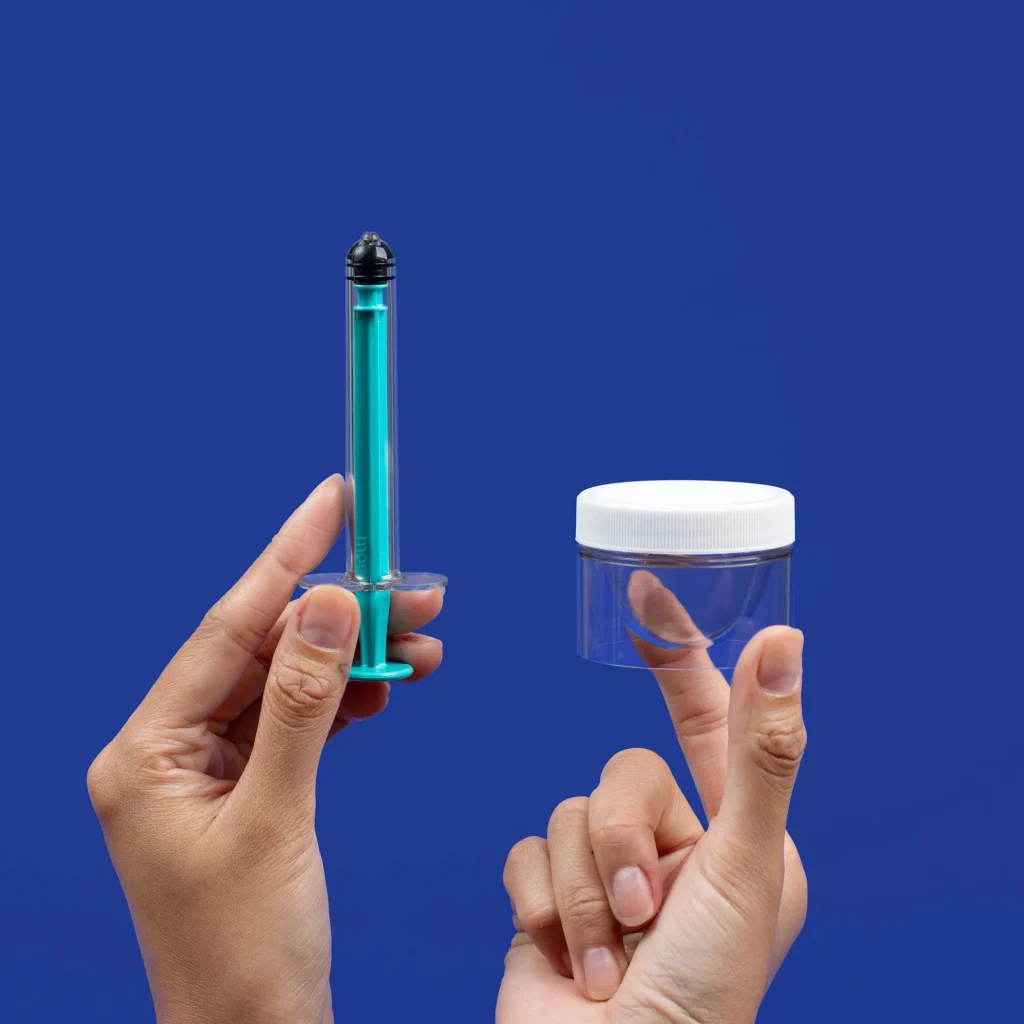
    home insemination kit components: a syringe and a collection container against a blue background.

    The Science of Sperm: Understanding Donor Selection and Quality

    Morphology refers to the size and shape of sperm. Sperm with abnormal morphology may have difficulty fertilizing an egg, leading to a lower chance of successful conception. A normal sperm sample should have at least 4% of sperm with a proper shape and size.

    Improving Sperm Quality

    While the quality of sperm is largely determined by genetics, there are steps that men can take to improve their sperm health. Lifestyle choices, such as maintaining a healthy weight, quitting smoking, and reducing alcohol consumption, can positively impact sperm quality. Additionally, a balanced diet, regular exercise, and managing stress levels can also contribute to healthy sperm.

    It is also essential to avoid exposure to certain environmental toxins, such as pesticides, radiation, and chemicals, which can harm sperm production and quality. Men who work in industries with potential exposure to these toxins should take precautions to protect their reproductive health.

    The Role of Assisted Reproductive Technology (ART)

    For couples or individuals struggling with fertility issues, ART procedures offer a chance at starting a family. In these procedures, sperm is directly introduced to the egg, increasing the chances of successful fertilization. However, the success of these procedures heavily relies on the quality of sperm used.

    Intrauterine insemination (IUI) involves placing washed and concentrated sperm directly into the uterus, bypassing the cervical mucus barrier. This procedure is often used for couples with unexplained infertility or mild male factor infertility. The success of IUI depends on the quality of the sperm used, making donor selection crucial.

    In vitro fertilization (IVF) involves fertilizing eggs with sperm in a laboratory setting, and then transferring the resulting embryo into the uterus. In IVF, sperm quality plays a significant role in the fertilization and development of the embryo, making donor selection and sperm quality vital to the success of the procedure.

    In Summary

    Sperm quality and donor selection are crucial factors in the success of assisted reproductive technology procedures. When selecting a sperm donor, it is essential to understand the screening process and the criteria used to determine donor eligibility. Improving sperm quality through lifestyle choices can also increase the chances of successful conception. With the advancements in ART, understanding the science of sperm and making informed decisions about donor selection and sperm quality can help individuals and couples achieve their dream of starting a family.

  • Insemination Demystified: A 40-Year-Old’s Guide to Starting a Family with the Starter Pack

    Summary:

    Starting a family can be an exciting and fulfilling journey, but for 40-year-olds who may be considering insemination as a way to conceive, it can also be a daunting and overwhelming process. In this blog post, we will demystify the world of insemination and provide a comprehensive guide for those who are looking to start a family with the help of a starter pack.

    We will begin by discussing what insemination is and how it differs from other fertility treatments. We will also explore the different types of insemination, including intrauterine insemination (IUI) and in vitro fertilization (IVF), and the pros and cons of each. Next, we will delve into the steps involved in the insemination process, from choosing a donor to timing the procedure.

    at-home insemination kit by Mosie Baby, featuring syringes, collection cups, and instructions on a pink background.

    Insemination Demystified: A 40-Year-Old's Guide to Starting a Family with the Starter Pack

    One of the most important aspects of insemination is selecting a donor, and we will provide tips and advice on how to choose the right one for you. We will also discuss the legal and ethical considerations that come with using a donor, including the importance of having a legally binding contract in place.

    In addition to the medical and legal aspects of insemination, we will also touch on the emotional journey that comes with starting a family through insemination. From managing expectations to dealing with potential setbacks, we will offer guidance and support for navigating the emotional rollercoaster that can come with trying to conceive.

    Finally, we will talk about the financial aspect of insemination and provide tips on how to manage the costs associated with the process. We will also offer advice on how to prepare for the arrival of your new family member and the changes that may come with parenthood.

    Insemination may seem like a daunting and complex process, but with the right information and support, it can be a rewarding and fulfilling journey towards starting a family. We hope this guide will provide a helpful starting point for 40-year-olds who are considering insemination as a way to conceive.

  • The Role of Donor Selection in Insemination on Your Own Terms

    Blog Post:

    Insemination is a method of assisted reproduction that involves transferring sperm directly into the cervix, uterus, or fallopian tubes to increase the chances of fertilization. This method is often used by couples struggling with infertility, same-sex couples, and single individuals who are looking to start a family on their own terms.

    One of the key factors in successful insemination is donor selection. Choosing the right donor is crucial in ensuring a healthy and happy pregnancy. In this blog post, we will discuss the role of donor selection in insemination and how it can impact the experience of starting a family on your own terms.

    Importance of Donor Selection

    The process of donor selection involves carefully evaluating and choosing a sperm donor based on various factors such as physical characteristics, medical history, and personal preferences. This process is essential as the donor’s genetic material will play a significant role in the child’s physical and mental traits.

    One of the primary concerns in donor selection is the risk of passing on genetic diseases or disorders to the child. This is why it is crucial to thoroughly review the donor’s medical history and genetic screening results to ensure a healthy pregnancy and a healthy baby. Additionally, it is essential to consider any hereditary conditions that may run in the donor’s family and how it could potentially impact the child’s health.

    Another significant factor in donor selection is physical characteristics. Many individuals or couples prefer to choose a donor who shares similar physical traits, such as eye or hair color, to ensure a more seamless blending of genetics. While physical characteristics do not play a crucial role in a child’s health, it can be a vital factor for some people in creating a sense of connection and belonging.

    Lastly, personal preferences and values also play a role in donor selection. Some individuals or couples may prefer a donor who shares similar beliefs or interests, while others may prioritize finding a donor with a specific educational or professional background. These preferences are entirely valid and can contribute to the overall happiness and satisfaction of the parents and the child.

    Challenges in Donor Selection

    Despite the importance of donor selection, there are some challenges that individuals or couples may face in the process. One of the main challenges is the limited availability of donors, especially for those looking for specific traits or characteristics. This can make it difficult to find a suitable donor, leading to frustration and disappointment.

    home insemination kit components: a syringe and a collection container against a blue background.

    The Role of Donor Selection in Insemination on Your Own Terms

    Moreover, the cost of insemination and donor selection can also be a challenge for some individuals or couples. Insemination can be an expensive process, and adding the cost of donor selection and screening can be a significant financial burden for many. This can limit the options and choices for individuals or couples who are on a tight budget.

    Insemination on Your Own Terms

    Despite the challenges, the good news is that there are now more options for individuals or couples looking to start a family on their own terms. With the advancement of technology, there are now various ways to access donor sperm, such as sperm banks, fertility clinics, and online donor databases.

    Online donor databases, in particular, have become a popular option for many people. These databases allow individuals or couples to browse through a vast selection of donors and view detailed profiles, including physical characteristics, medical histories, and personal preferences. This gives individuals or couples more control and flexibility in their donor selection process.

    Additionally, some online donor databases also offer at-home insemination kits, making the process more accessible and affordable. This allows individuals or couples to have greater control over the insemination process and conduct it in the comfort of their own home.

    Insemination on your own terms also means having the option to choose a known donor, such as a friend or family member. This can be a preferred option for some individuals or couples, as it allows them to have a more personal connection with the donor and potentially involve them in the child’s life.

    Conclusion

    Insemination on your own terms is an empowering option for individuals or couples who are looking to start a family. Donor selection plays a crucial role in this process, and it is essential to carefully consider all factors and options to ensure a successful and fulfilling experience.

    Despite the challenges, advancements in technology have made donor selection more accessible and customizable. With the right donor, individuals or couples can create a happy and healthy family on their own terms.

    Summary:

    Insemination is a method of assisted reproduction that involves choosing a sperm donor and transferring sperm directly into the cervix, uterus, or fallopian tubes to increase the chances of fertilization. Donor selection is crucial in ensuring a healthy and happy pregnancy and involves evaluating factors such as medical history, physical characteristics, and personal preferences. Challenges in donor selection include limited availability and high costs, but advancements in technology have made insemination on your own terms more accessible and customizable. With the right donor, individuals or couples can create a happy and healthy family on their own terms.

  • Taking Control of Your Fertility: The Home Insemination Starter Kit

    Blog Post Title: Taking Control of Your Fertility: The Home Insemination Starter Kit

    Summary:

    In recent years, there has been a greater focus on fertility and family planning, with more people taking control of their reproductive health. For those who are trying to conceive, traditional methods may not always be the best option. This is where home insemination comes in – a method that allows individuals or couples to take control of their fertility journey from the comfort of their own homes.

    Home insemination involves using a syringe or a device to place sperm into the vagina to increase the chances of conception. It is a simple and convenient option for those who are unable to conceive through traditional methods or want to take a more active role in their fertility journey. However, starting home insemination can be overwhelming, which is why we have put together a comprehensive guide on the home insemination starter kit.

    First, it’s essential to understand the basics of home insemination. This involves tracking ovulation, collecting and preparing sperm, and inserting it into the vagina. To track ovulation, there are various methods available, such as tracking basal body temperature, using ovulation predictor kits, or monitoring cervical mucus changes. Once ovulation is detected, sperm can be collected either from a donor or through self-insemination, depending on personal preferences.

    blue box with "mosie" logo, syringes, and informational pamphlet on a pink background

    Taking Control of Your Fertility: The Home Insemination Starter Kit

    The home insemination starter kit includes all the necessary tools and materials for the process, making it much more convenient and efficient. These kits typically include syringes, specimen cups, ovulation predictor kits, and instructions on how to use them. Some kits may also include a cervical cap, which can be used to keep sperm close to the cervix for a longer period, increasing the chances of conception.

    When it comes to choosing a donor, there are various options available. Some people may choose to use a known donor, such as a friend or family member, while others may opt for a sperm bank. If using a known donor, it’s essential to have clear communication and agreements in place to avoid any complications in the future. On the other hand, sperm banks offer a wider selection of donors and also screen them for any potential health issues.

    Once the sperm is collected, it needs to be prepared for insemination. This involves washing and filtering the sperm to remove any dead cells or debris, which can affect the chances of conception. The prepared sperm is then placed into a syringe or a device, such as a cervical cap, for insertion into the vagina. It’s essential to follow the instructions carefully to ensure the best results.

    One significant advantage of home insemination is the ability to take control of the process and make it more personalized. Some people may choose to add fertility supplements or use alternative insemination methods, such as the soft cup method, to increase their chances of conceiving. It’s crucial to do thorough research and consult with a healthcare professional before trying any alternative methods.

    As with any fertility journey, patience and perseverance are key. Home insemination may not always result in immediate success, and it’s essential to have realistic expectations. It may take several cycles before achieving a positive result, but it’s important to stay positive and continue trying.

    In conclusion, home insemination is a convenient and empowering option for those trying to conceive. The home insemination starter kit provides all the necessary tools and materials to make the process more accessible and efficient. With careful tracking of ovulation, choosing the right donor, and following the instructions carefully, home insemination can increase the chances of conception and give individuals and couples more control over their fertility journey.