Tag: emotional well-being

  • Daily Habits for Better Mental Health and Emotional Well-Being

    Blog Post:

    Mental health and emotional well-being are crucial aspects of our overall health. They affect how we think, feel, and behave, and they can greatly impact our daily lives. In today’s fast-paced and stressful world, it’s more important than ever to prioritize our mental health and take care of our emotional well-being. Fortunately, there are simple daily habits that we can incorporate into our routines to improve our mental health and emotional well-being. In this blog post, we will discuss some of these habits and how they can positively impact our lives.

    1. Practice Mindfulness

    Mindfulness is the practice of being present and aware of our thoughts, feelings, and surroundings without judgment. It helps us to slow down and pay attention to the present moment, rather than dwelling on the past or worrying about the future. By incorporating mindfulness into our daily routine, we can reduce stress and anxiety, improve our focus and concentration, and increase our self-awareness.

    There are many ways to practice mindfulness, such as meditation, deep breathing exercises, or simply taking a few moments to observe our surroundings and tune into our senses. It’s important to find a method that works for you and make it a daily habit to reap the full benefits of mindfulness.

    2. Get Enough Sleep

    Getting enough quality sleep is crucial for our mental health and emotional well-being. Lack of sleep can lead to irritability, mood swings, and difficulty concentrating, which can impact our overall well-being. On the other hand, getting enough sleep can improve our mood, reduce stress and anxiety, and increase our ability to handle daily challenges.

    To improve your sleep, establish a bedtime routine and stick to it. Avoid using electronic devices before bedtime, as the blue light can interfere with our sleep. Also, make sure your bedroom is dark, quiet, and comfortable for a good night’s rest.

    3. Exercise Regularly

    Regular exercise not only benefits our physical health but also has a positive impact on our mental health and emotional well-being. Exercise can help to reduce stress and anxiety, improve our mood, and boost our self-esteem. It also releases endorphins, which are chemicals that make us feel good and can reduce the symptoms of depression.

    Incorporating exercise into our daily routine doesn’t have to be complicated. It can be as simple as taking a walk or doing some stretching exercises at home. Find an activity that you enjoy and make it a regular part of your day.

    4. Connect with Others

    pregnancy test kit with instructions, test device, and packaging on a white background

    Daily Habits for Better Mental Health and Emotional Well-Being

    Social connections are essential for our mental health and emotional well-being. Humans are social beings, and we thrive when we have meaningful connections with others. Spending time with friends and family, joining a community group, or volunteering are all ways to connect with others and boost our mental health.

    In today’s digital age, it’s also important to disconnect from social media and technology and have face-to-face interactions with others. These connections can provide us with a sense of belonging and support, which are crucial for our well-being.

    5. Practice Gratitude

    Practicing gratitude involves acknowledging and appreciating the good things in our lives. It can help us to shift our focus from the negative to the positive and cultivate a more positive mindset. By regularly practicing gratitude, we can reduce stress and improve our overall well-being.

    One simple way to practice gratitude is to keep a gratitude journal and write down a few things we are thankful for each day. Another way is to express gratitude to others through words or actions, which can also strengthen our relationships and connections.

    6. Set Realistic Goals

    Setting realistic goals and working towards achieving them can provide us with a sense of purpose and accomplishment, which can have a positive impact on our mental health. However, it’s important to set goals that are achievable and not put too much pressure on ourselves. Unrealistic goals can lead to disappointment and negative self-talk, which can harm our mental well-being.

    Make a plan and break down your goals into smaller, manageable tasks. Celebrate your progress and be kind to yourself if you encounter setbacks along the way.

    7. Seek Professional Help

    If you’re struggling with your mental health and emotional well-being, don’t hesitate to seek professional help. Just like we go to a doctor when we have a physical ailment, it’s important to seek help from a therapist or counselor when we’re struggling mentally. They can provide us with the tools and support we need to improve our mental health and well-being.

    In conclusion, our daily habits play a significant role in our mental health and emotional well-being. By incorporating these simple habits into our routines, we can improve our overall well-being and live a happier, more fulfilling life.

    Summary:

    In today’s fast-paced and stressful world, it’s crucial to prioritize our mental health and emotional well-being. Simple daily habits such as practicing mindfulness, getting enough sleep, exercising regularly, connecting with others, and practicing gratitude can have a positive impact on our well-being. It’s also important to set realistic goals, seek professional help when needed, and disconnect from technology to have face-to-face interactions. By incorporating these habits into our daily routine, we can improve our overall well-being and lead happier, more fulfilling lives.


  • Habits of Emotionally Resilient Individuals

    In life, we all face challenges that can test our emotional resilience. Whether it’s a difficult relationship, a job loss, or a health issue, these experiences can be tough to handle. Emotionally resilient individuals, however, have the ability to bounce back from these challenges and emerge even stronger. They possess a set of habits and traits that allow them to navigate through tough times and maintain their emotional well-being. In this blog post, we will explore the habits of emotionally resilient individuals and how we can incorporate them into our own lives to build our own resilience.

    1. Acceptance and Self-Awareness
    Emotionally resilient individuals have a deep understanding of their own emotions. They are aware of their strengths and weaknesses and are able to accept themselves for who they are. This self-awareness allows them to recognize and acknowledge their feelings, which is the first step in being able to effectively cope with them. By accepting their emotions, they are not held back by them and can move forward in a more positive and productive manner.

    2. Positive Mindset
    Resilient individuals have a positive mindset, even in the face of adversity. Instead of dwelling on the negative, they focus on the positives in their life and look for ways to learn and grow from their experiences. They see challenges as opportunities for personal growth and are able to reframe negative situations into more positive ones. This positive mindset helps them to stay motivated and optimistic during difficult times.

    3. Effective Coping Strategies
    When faced with challenges, emotionally resilient individuals have healthy and effective coping strategies in place. This may include activities such as exercise, meditation, journaling, or talking to a trusted friend or therapist. These coping strategies help them to manage their stress and emotions in a healthy way, rather than turning to unhealthy coping mechanisms such as substance abuse or avoidance.

    4. Flexibility and Adaptability
    Resilient individuals are able to adapt to change and are flexible in their thinking. They understand that life is full of unexpected twists and turns, and they are able to adjust their plans and expectations accordingly. This flexibility allows them to bounce back quickly when faced with unexpected challenges and helps them to stay focused on their goals.

    5. Strong Support System
    Having a strong support system is crucial for building emotional resilience. Emotionally resilient individuals have a network of supportive relationships, whether it’s with family, friends, or a community group. They know they can turn to these individuals for help and support when needed. This support system provides them with a sense of belonging and reminds them that they are not alone in their struggles.

    logo featuring a pink heart above two teal leaves on a blue circular background

    Habits of Emotionally Resilient Individuals

    6. Self-Care
    Practicing self-care is essential for maintaining emotional resilience. Resilient individuals prioritize their physical, mental, and emotional well-being. This may include getting enough sleep, eating a healthy diet, and engaging in activities that bring them joy. They understand that they cannot pour from an empty cup and make self-care a priority in their daily lives.

    7. Embracing Change and Growth
    Emotionally resilient individuals see change as a natural part of life and are open to the process of personal growth. They are not afraid to step out of their comfort zones and try new things. They understand that change can be challenging, but it also brings new opportunities for learning and self-discovery. By embracing change and growth, they are able to adapt and thrive in new situations.

    8. Resilient Communication
    Effective communication is crucial for building and maintaining healthy relationships. Emotionally resilient individuals have strong communication skills and are able to express their thoughts and feelings in a constructive and assertive manner. They are also good listeners and are open to feedback and different perspectives. This helps them to build and maintain positive relationships, which in turn, strengthens their resilience.

    9. Practicing Gratitude
    Gratitude is a powerful tool for building emotional resilience. Emotionally resilient individuals are able to find gratitude in even the smallest things in life. They understand that there is always something to be thankful for, even in the midst of challenging times. Practicing gratitude helps them to maintain a positive mindset and perspective, even when things may seem bleak.

    10. Resilience is a Journey
    Finally, it’s important to remember that resilience is a journey and not a destination. Emotionally resilient individuals understand that it takes time and effort to build resilience, and that it’s an ongoing process. They are patient with themselves and understand that there will be setbacks along the way. But they also know that with each challenge they face, they are becoming stronger and more resilient.

    In conclusion, emotional resilience is a crucial skill to have in life, and it can be cultivated through the adoption of certain habits and mindsets. By practicing self-awareness, maintaining a positive mindset, utilizing effective coping strategies, and building a strong support system, we can all become more emotionally resilient individuals. It’s a journey that requires patience and effort, but the benefits of increased resilience are well worth it.

  • Apps to Improve Your Mental and Emotional Well-Being

    Blog Post:

    In today’s fast-paced world, it can be easy to neglect our mental and emotional well-being. However, taking care of our mental health is just as important as taking care of our physical health. Fortunately, with the rise of technology, there are now countless apps available that can help us improve our mental and emotional well-being. These apps offer a variety of features, such as mindfulness exercises, therapy sessions, and mood trackers, all designed to help us manage stress, anxiety, and other mental health issues. In this blog post, we will discuss some of the top apps that can help improve your mental and emotional well-being.

    1. Headspace

    Headspace is a popular meditation and mindfulness app that offers guided meditations, sleep sounds, and breathing exercises. The app aims to help users reduce stress, improve sleep, and increase focus and creativity. With its user-friendly interface and a wide range of meditation options, Headspace is a great app for beginners and experienced meditators alike.

    2. Moodfit

    Moodfit is a mood tracking and journaling app that can help you keep track of your emotions and identify patterns in your moods. The app allows you to rate your mood daily and add notes about your day. It also offers a variety of tools such as relaxation exercises, coping skills, and self-care tips to help manage stress and improve your overall well-being.

    3. Talkspace

    Talkspace is a therapy app that connects users with licensed therapists through text, voice, or video sessions. This app is a great option for those who prefer the convenience of online therapy or have a busy schedule that makes it difficult to attend in-person sessions. Talkspace offers different therapy plans to suit different needs and budgets, making it accessible to a wide range of users.

    4. Happify

    Happify is a science-based app that uses evidence-based techniques to help users build resilience, reduce stress, and increase happiness. The app offers various activities and games designed to train your brain and improve your emotional well-being. It also provides personalized daily challenges and progress tracking to help you stay motivated on your journey towards a happier life.

    5. Calm

    Calm is a meditation and relaxation app that offers guided meditations, sleep stories, and breathing exercises to help users manage stress and improve sleep. The app also provides soothing sounds and scenes to create a peaceful ambiance and help users relax. Calm has a vast library of content, with new additions every month, making it a great option for those looking for variety in their meditation practice.

    Baby wearing a blue shirt with "made with Love" text, surrounded by colorful floral and butterfly designs.

    Apps to Improve Your Mental and Emotional Well-Being

    6. SuperBetter

    SuperBetter is a unique app that turns self-improvement into a game. The app uses gamification techniques to help users build resilience and achieve their goals. Users can choose a specific challenge, such as managing anxiety or improving self-confidence, and the app will provide daily tasks and activities to help them achieve their goal. With its fun and engaging approach, SuperBetter makes self-improvement feel less daunting and more enjoyable.

    7. Youper

    Youper is an AI-powered emotional health assistant that uses chatbot technology to help users manage their emotions and improve their mental health. The app uses cognitive-behavioral therapy techniques and natural language processing to provide personalized support and guidance. Youper also offers mood tracking, meditations, and journaling features to help users gain a better understanding of their emotions and develop healthy coping skills.

    8. BetterHelp

    BetterHelp is another online therapy app that connects users with licensed therapists through text, voice, or video sessions. The app offers various therapy options, including individual, couples, and teen therapy. It also provides unlimited messaging with your therapist, making it a great option for those who require ongoing support and guidance.

    9. MoodMission

    MoodMission is a mood-boosting app that offers a variety of activities and coping strategies to help users manage stress, anxiety, and depression. The app uses cognitive-behavioral therapy techniques to provide personalized missions based on your current mood. Completing these missions can help you feel better and improve your overall well-being.

    10. Sanvello

    Sanvello (formerly known as Pacifica) is a mental health app that offers tools and resources to help users manage stress, anxiety, and depression. The app provides guided meditations, mood tracking, and cognitive-behavioral therapy exercises to help users build resilience and improve their mental health. It also has a supportive community where users can connect with others and share their experiences.

    In conclusion, taking care of our mental and emotional well-being is essential for living a happy and fulfilling life. With these apps, you can easily incorporate self-care practices into your daily routine and improve your mental health. Whether you prefer meditation, therapy, or journaling, there is an app out there that can help you on your journey towards better mental and emotional well-being.

    Summary:

    In today’s fast-paced world, it is crucial to prioritize our mental and emotional well-being. Fortunately, there are now countless apps available that can help us manage stress, anxiety, and other mental health issues. These apps offer a variety of features, including meditation, therapy, mood tracking, and journaling, all designed to improve our overall well-being. Some of the top apps for mental and emotional well-being include Headspace, Moodfit, Talkspace, Happify, Calm, SuperBetter, Youper, BetterHelp, MoodMission, and Sanvello. These apps not only provide practical tools and resources but also offer a supportive community to help users on their journey towards better mental health.

  • Self-Care Practices for Mental and Emotional Well-Being

    Self-care is a vital aspect of maintaining mental and emotional well-being. It refers to the activities and practices that individuals engage in to promote their physical, mental, and emotional health. In today’s fast-paced world, it is easy to neglect self-care and focus solely on work and responsibilities. However, neglecting self-care can lead to burnout, stress, and other mental health issues. Therefore, it is crucial to prioritize self-care and incorporate it into our daily routines. In this blog post, we will explore various self-care practices that can help individuals enhance their mental and emotional well-being.

    1. Practice Mindfulness

    Mindfulness is the practice of being present and aware of our thoughts, feelings, and surroundings without judgment. It involves focusing on the present moment and acknowledging our thoughts and emotions without trying to change or suppress them. Mindfulness has been proven to reduce stress, anxiety, and depression, making it an essential self-care practice for mental and emotional well-being. To incorporate mindfulness into your daily routine, you can try meditation, deep breathing exercises, or simply taking a few minutes to observe your surroundings and thoughts without distractions.

    2. Engage in Physical Activity

    Regular physical activity not only benefits our physical health but also has a significant impact on our mental and emotional well-being. Exercise releases endorphins, also known as “feel-good” hormones, which can improve mood, reduce stress and anxiety, and boost self-esteem. Engaging in physical activity can also help individuals cope with symptoms of depression and other mental health issues. It is essential to find an activity that you enjoy and can incorporate into your routine, whether it’s going for a walk, practicing yoga, or joining a sports team.

    3. Prioritize Sleep

    Getting enough quality sleep is crucial for our mental and emotional well-being. Lack of sleep can lead to fatigue, irritability, and difficulty concentrating, which can negatively impact our overall well-being. It is recommended to get between seven to nine hours of sleep each night. To improve sleep quality, individuals can establish a relaxing bedtime routine, limit screen time before bed, and ensure their sleep environment is comfortable and conducive to rest.

    4. Connect with Others

    Maintaining healthy relationships is essential for our mental and emotional well-being. Connecting with others can provide support, reduce feelings of loneliness and isolation, and improve our overall mood. It is crucial to nurture relationships with friends, family, or colleagues, whether it’s through regular catch-ups, phone calls, or spending quality time together. Additionally, individuals can also join support groups or seek therapy to connect with others who may be going through similar experiences.

    Home insemination kit by Mosie Baby with instructions and colorful packaging.

    Self-Care Practices for Mental and Emotional Well-Being

    5. Set Boundaries

    Many of us struggle with saying “no” and setting boundaries, which can lead to feeling overwhelmed, stressed, and burnt out. It is crucial to recognize our limitations and set boundaries to protect our mental and emotional well-being. This may involve learning to say “no” when necessary, delegating tasks, and taking breaks when needed. Setting boundaries can help individuals manage their time and energy better, leading to a more balanced and fulfilling life.

    6. Practice Gratitude

    Practicing gratitude involves consciously focusing on the positive aspects of our lives and being thankful for them. It has been linked to improved mental health, increased happiness, and decreased stress and anxiety. Individuals can incorporate gratitude into their daily routines by keeping a gratitude journal, expressing gratitude to others, or simply taking a moment to reflect on what they are grateful for each day.

    7. Engage in Hobbies and Creative Activities

    Engaging in hobbies and creative activities can be a therapeutic and enjoyable way to improve mental and emotional well-being. Hobbies can provide a sense of accomplishment, reduce stress, and promote relaxation. Whether it’s painting, gardening, or playing an instrument, finding a hobby that brings joy and fulfillment can have a positive impact on overall well-being.

    8. Seek Professional Help

    It is essential to seek professional help when needed. Mental health professionals can provide guidance and support in managing mental health issues and developing self-care practices. Seeking therapy can also provide a safe and non-judgmental space to explore and address any underlying issues that may be affecting mental and emotional well-being.

    In summary, self-care is crucial for maintaining mental and emotional well-being. It involves prioritizing activities and practices that promote physical, mental, and emotional health. Incorporating mindfulness, physical activity, sleep, connection with others, setting boundaries, practicing gratitude, engaging in hobbies and seeking professional help are all effective self-care practices that can help individuals improve their overall well-being.

  • Exploring the Changes in Cervical Mucus During Menopause

    As women age, their bodies go through a natural process known as menopause. This transition marks the end of their reproductive years and brings about various changes in their bodies. One of the most noticeable changes during menopause is the changes in cervical mucus. Cervical mucus, also known as vaginal discharge, plays a vital role in a woman’s reproductive health. It serves as a natural lubricant, protects the reproductive organs from infections, and helps sperm reach the egg for fertilization. In this blog post, we will explore the changes in cervical mucus during menopause and how it affects a woman’s overall health and well-being.

    During menopause, a woman’s body goes through a hormonal shift as her ovaries stop producing estrogen and progesterone. These hormones are responsible for regulating the menstrual cycle and maintaining the thickness and elasticity of the cervical mucus. As a result of the hormonal changes, the production of cervical mucus decreases, and its consistency and color may also change.

    One of the first noticeable changes in cervical mucus during menopause is a decrease in its production. Before menopause, the cervix produces a considerable amount of mucus to prepare for ovulation and facilitate the movement of sperm. However, as women approach menopause, the production of cervical mucus decreases significantly, making it thinner and less elastic. This change can lead to vaginal dryness, which can cause discomfort and pain during sexual intercourse.

    Another change in cervical mucus during menopause is its consistency. Before menopause, the cervical mucus is thick and sticky, resembling raw egg whites. This type of mucus is ideal for sperm survival and movement towards the egg. However, during menopause, the mucus becomes thinner and more watery, making it less conducive for sperm survival and movement. This change can make it more difficult for women to conceive naturally during this stage of their lives.

    home insemination kit components: a syringe and a collection container against a blue background.

    Exploring the Changes in Cervical Mucus During Menopause

    The color of cervical mucus also changes during menopause. Before menopause, cervical mucus is clear or slightly cloudy. However, as women enter menopause, the mucus may become yellowish or brownish in color. This change is due to the decrease in estrogen levels, which can cause the vaginal walls to thin and become more susceptible to infections. It is essential for women to monitor the color of their cervical mucus as any significant change in color, such as green or foul-smelling discharge, may indicate an infection and should be checked by a healthcare provider.

    Apart from the physical changes, menopause can also have a significant impact on a woman’s emotional and mental well-being. The decrease in estrogen levels can cause mood swings, anxiety, and depression in some women. These changes, coupled with the discomfort and pain caused by vaginal dryness, can significantly affect a woman’s sexual health and intimacy with her partner. It is crucial for women to communicate openly with their partners and healthcare providers about these changes and seek support to maintain a healthy and fulfilling sex life during menopause.

    Furthermore, the changes in cervical mucus during menopause also increase the risk of vaginal and urinary tract infections. The decrease in estrogen levels can cause the vagina to become less acidic, making it more susceptible to harmful bacteria and yeast overgrowth. This can lead to symptoms such as itching, burning, and abnormal discharge. Women should pay close attention to their vaginal health and practice good hygiene, such as avoiding scented products and wearing cotton underwear, to prevent infections.

    In conclusion, menopause brings about various changes in a woman’s body, including changes in cervical mucus. The decrease in estrogen levels leads to a decrease in mucus production, changes in consistency and color, and an increased risk of infections. These changes can have a significant impact on a woman’s reproductive health, sexual well-being, and overall quality of life. It is essential for women to understand these changes and seek support and guidance from their healthcare providers to manage any discomfort or health concerns.

    In summary, menopause is a natural process that brings about changes in a woman’s body, including changes in cervical mucus. These changes can include a decrease in production, changes in consistency and color, and an increased risk of infections. It is important for women to understand these changes and seek support to maintain their reproductive and sexual health during this stage of their lives.

  • The Surprising Impact of Cervical Mucus on Your Emotional Well-Being During Pregnancy

    Blog Post Title: The Surprising Impact of Cervical Mucus on Your Emotional Well-Being During Pregnancy

    Pregnancy is a magical and transformative time for women, but it also comes with its own set of challenges and changes. As your body prepares for the arrival of your little one, you may experience a range of physical and emotional changes. One of these changes that is often overlooked is the impact of cervical mucus on your emotional well-being during pregnancy. Yes, you read that right – cervical mucus can play a surprising role in your emotions during this special time.

    In this blog post, we will dive deeper into the connection between cervical mucus and emotional well-being during pregnancy. We will explore how changes in cervical mucus can affect your mood and what you can do to manage these changes.

    Understanding Cervical Mucus

    Before we discuss the impact of cervical mucus on your emotions, it’s important to understand what it is and its role in pregnancy. Cervical mucus is a fluid produced by the cells of the cervix, the lower part of the uterus. It acts as a protective barrier against bacteria and other harmful substances, preventing them from entering the uterus.

    Throughout your menstrual cycle, the production and consistency of cervical mucus change. These changes are influenced by hormones, particularly estrogen and progesterone. During ovulation, when an egg is released from the ovary, estrogen levels increase, causing the production of more fertile and watery cervical mucus. This type of mucus helps sperm travel through the cervix to fertilize the egg. After ovulation, progesterone levels rise, causing the mucus to become thicker and more hostile to sperm.

    Impact of Cervical Mucus on Your Emotional Well-Being

    Now that we understand the basics of cervical mucus, let’s explore how it can affect your emotions during pregnancy. The changes in cervical mucus can have both physical and emotional effects on a woman’s body. Here are some of the ways cervical mucus can impact your emotional well-being during pregnancy:

    1. Heightened Sensitivity

    During pregnancy, estrogen levels are higher than usual, causing an increase in the production of fertile mucus. This mucus can make you more sensitive to emotional triggers and cause you to feel more emotional than usual. You may find yourself crying more easily or feeling overwhelmed by small things. This heightened sensitivity is a normal response to the hormonal changes in your body.

    2. Increased Anxiety

    The changes in cervical mucus can also lead to an increase in anxiety. As estrogen levels rise, so does the amount of fertile mucus produced. This can create a sense of urgency and anxiety as you try to conceive. The pressure to get pregnant can be overwhelming, and the constant monitoring of cervical mucus can add to this stress. Additionally, the thickening of cervical mucus after ovulation can also cause anxiety, as it may make you feel like you missed your chance to conceive.

    3. Changes in Libido

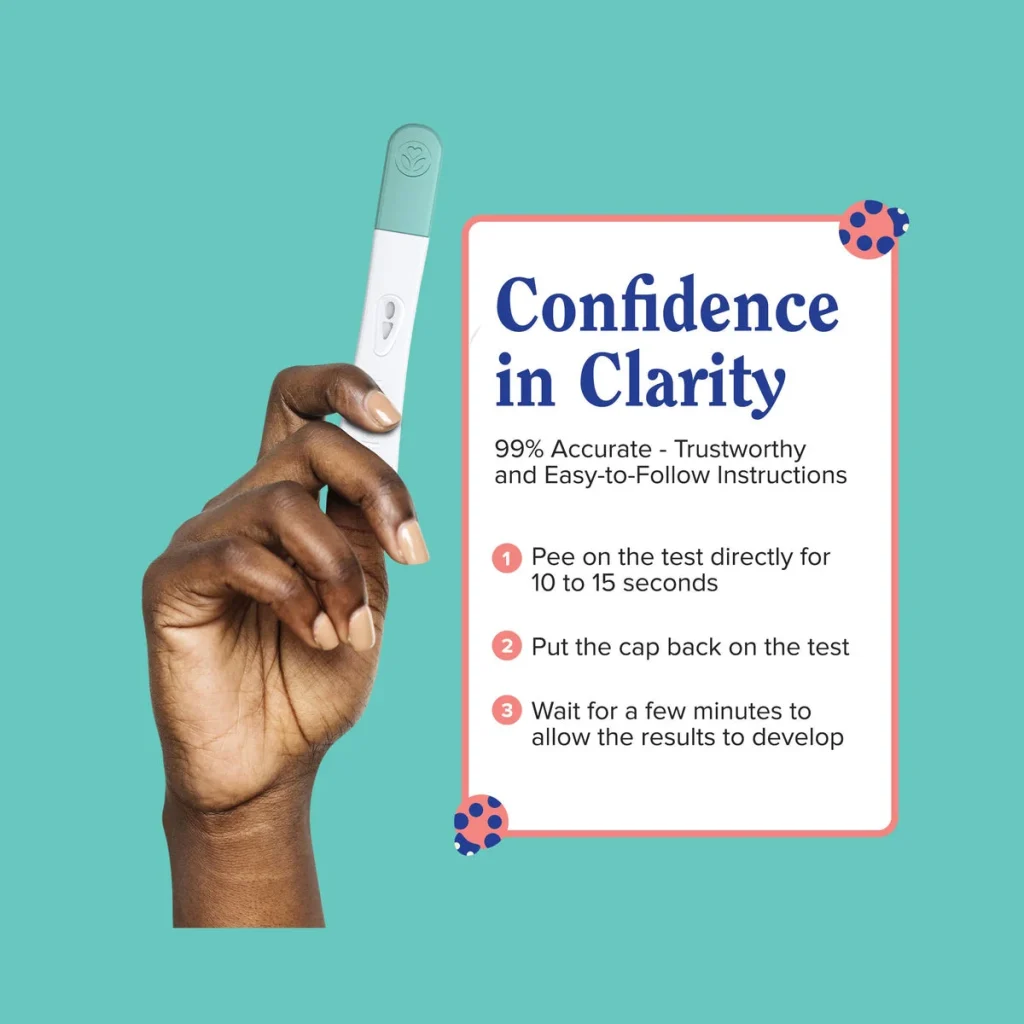
    hand holding a pregnancy test with instructions on a colorful background

    The Surprising Impact of Cervical Mucus on Your Emotional Well-Being During Pregnancy

    Cervical mucus can also have an impact on your libido during pregnancy. The fertile mucus produced during ovulation can make you feel more aroused, while the thick, hostile mucus produced after ovulation can decrease your libido. This can result in a rollercoaster of emotions and desires, which can be confusing and frustrating for both you and your partner.

    Managing Changes in Cervical Mucus and Emotions

    The changes in cervical mucus during pregnancy can be overwhelming, but there are ways to manage them and maintain your emotional well-being. Here are some tips to help you cope with the changes in cervical mucus and emotions during pregnancy:

    1. Keep Track of Your Cycle

    By keeping track of your menstrual cycle and changes in cervical mucus, you can better understand your body and its patterns. There are various apps and tools available to help you track your cycle and mucus changes, making it easier for you to identify your most fertile days and manage your emotions accordingly.

    2. Practice Self-Care

    Pregnancy can be a physically and emotionally taxing time, so it’s important to take care of yourself. Make time for activities that bring you joy and relaxation, whether it’s reading a book, taking a warm bath, or going for a walk. These activities can help reduce stress and improve your emotional well-being.

    3. Communicate with Your Partner

    It’s important to communicate with your partner about the changes you are experiencing during pregnancy. Discuss how you are feeling and how your emotions may be affected by cervical mucus changes. This will help your partner understand and support you better during this time.

    4. Seek Support

    If you find that your emotions are becoming overwhelming, don’t be afraid to seek support from loved ones or a professional. Talking about your feelings can be cathartic and help you manage any anxiety or stress you may be feeling.

    In conclusion, the impact of cervical mucus on your emotional well-being during pregnancy may come as a surprise, but it’s a normal and natural part of the process. By understanding the changes in cervical mucus and implementing self-care strategies, you can manage your emotions and embrace this special time in your life.

    Summary: Cervical mucus plays a surprising role in a woman’s emotional well-being during pregnancy. The changes in cervical mucus, influenced by hormones, can lead to heightened sensitivity, increased anxiety, and changes in libido. By tracking your cycle, practicing self-care, communicating with your partner, and seeking support, you can manage the impact of cervical mucus on your emotions and enjoy this transformative time in your life.

  • The Impact of Stress on Cervical Mucus Changes During Pregnancy

    Blog Post:

    Pregnancy is a beautiful and transformative experience for women, but it also comes with its fair share of challenges and changes. One aspect that is often overlooked is the impact of stress on cervical mucus changes during pregnancy. Cervical mucus is a vital component of fertility and plays a crucial role in conception and pregnancy. In this blog post, we will discuss the connection between stress and cervical mucus changes during pregnancy and its potential implications.

    Understanding Cervical Mucus and Its Role in Pregnancy

    Before we dive into the impact of stress on cervical mucus changes during pregnancy, it’s essential to understand what cervical mucus is and its role in pregnancy. Cervical mucus is a fluid produced by the cervix that helps sperm travel through the reproductive tract to reach the egg. It also helps to nourish and protect sperm and plays a vital role in the fertilization process.

    During pregnancy, cervical mucus also changes to create a plug that seals the opening of the cervix, protecting the developing baby from harmful bacteria and infections. It also helps to keep the uterus and cervix moist and lubricated, making it easier for the baby to move through the birth canal during delivery.

    The Impact of Stress on Cervical Mucus Changes During Pregnancy

    Pregnancy is a time of significant changes for a woman’s body, both physically and emotionally. Stress is a common part of life, but during pregnancy, it can have a more significant impact due to the hormonal changes and increased demands on the body. Stress can affect the body in various ways, and one of those ways is by altering cervical mucus production and quality.

    Stress can cause the body to produce more cortisol, a hormone that can disrupt the delicate balance of hormones responsible for cervical mucus production. Cortisol can also lead to inflammation in the cervix, which can affect the quality and quantity of cervical mucus. It can also make the mucus thicker and stickier, making it more difficult for sperm to reach the egg.

    Furthermore, stress can also affect the timing of ovulation, which can impact the quality of cervical mucus. Ovulation is the release of an egg from the ovary, which is necessary for conception. Stress can delay or even prevent ovulation, which can lead to changes in cervical mucus production and quality.

    Implications of Stress-Induced Cervical Mucus Changes During Pregnancy

    Baby wearing a blue shirt with "made with Love" text, surrounded by colorful floral and butterfly designs.

    The Impact of Stress on Cervical Mucus Changes During Pregnancy

    The changes in cervical mucus due to stress can have implications for women trying to conceive and their overall pregnancy experience. If the mucus is thicker and stickier, it can make it more challenging for sperm to reach the egg, reducing the chances of conception. Additionally, inflammation in the cervix can make it more difficult for the fertilized egg to implant in the uterus, leading to a higher risk of miscarriage.

    Moreover, stress-induced changes in cervical mucus can affect the timing of ovulation, making it difficult to track the most fertile days for conception. This can lead to frustration and disappointment for women trying to conceive. It can also have implications for the accuracy of fertility tracking methods, such as basal body temperature and ovulation predictor kits.

    How to Reduce Stress During Pregnancy

    Reducing stress during pregnancy is essential for both the mother and the developing baby. While it’s not possible to eliminate all stress, there are ways to manage and reduce it. Here are some tips for reducing stress during pregnancy:

    1. Practice relaxation techniques: Deep breathing, meditation, and yoga can help to calm the mind and body.

    2. Get enough rest: Pregnancy can be tiring, so it’s essential to get enough rest and sleep to recharge.

    3. Eat a healthy diet: A well-balanced diet can provide the necessary nutrients to support the body during pregnancy and reduce stress.

    4. Exercise: Regular physical activity can help to reduce stress and improve overall well-being.

    5. Seek support: Talking to loved ones, joining a support group, or seeking professional help can provide emotional support and guidance during pregnancy.

    In summary, stress can have a significant impact on cervical mucus changes during pregnancy. It can lead to changes in the quantity and quality of cervical mucus, affecting fertility and the overall pregnancy experience. It’s crucial for pregnant women to find ways to manage and reduce stress to support their physical and emotional well-being.

  • Coping with Low Cervical Mucus Levels: Tips for Emotional Support

    Summary:

    Cervical mucus is a crucial component of a woman’s fertility, as it helps sperm navigate through the reproductive tract and reach the egg. However, some women may experience low cervical mucus levels, which can make it difficult for them to conceive. This blog post will discuss tips for coping with low cervical mucus levels and provide emotional support for women dealing with this issue.

    Firstly, it is important for women to understand the causes of low cervical mucus levels. Some factors that may contribute to this include hormonal imbalances, certain medications, and underlying health conditions. By identifying the root cause, women can work with their healthcare provider to address the issue and potentially improve their cervical mucus levels.

    Another crucial aspect of coping with low cervical mucus levels is managing emotions and maintaining a positive mindset. Dealing with fertility issues can take a toll on a woman’s emotional well-being, and it is essential to find healthy ways to cope. Some helpful strategies may include seeking support from loved ones, joining a support group, or seeking professional therapy. It is also important to acknowledge and validate one’s feelings and not bottle them up.

    illustration comparing standard and Mosie syringe openings with text highlighting design benefits for home insemination

    Coping with Low Cervical Mucus Levels: Tips for Emotional Support

    In addition to emotional support, there are also physical methods that can help improve cervical mucus levels. These include staying hydrated, avoiding certain medications and substances that can dry up cervical mucus, and incorporating certain foods and supplements into the diet. These can include foods rich in vitamin C, zinc, and omega-3 fatty acids.

    Some women may also benefit from using fertility-friendly lubricants, which can mimic the consistency of cervical mucus and aid in sperm transportation. However, it is essential to choose a lubricant that is specifically designed for fertility purposes and does not contain any harmful ingredients that can negatively affect sperm health.

    Moreover, it is crucial for women to track their ovulation and cervical mucus patterns to identify their most fertile days. This can be done through various methods, such as using ovulation predictor kits, tracking basal body temperature, and monitoring changes in cervical mucus. By pinpointing the most fertile days, women can increase their chances of conception even with low cervical mucus levels.

    Finally, it is essential for women to practice self-care and find ways to reduce stress. Stress can negatively impact fertility and may contribute to low cervical mucus levels. Engaging in activities such as yoga, meditation, or mindfulness can help reduce stress levels and promote emotional well-being.

    In conclusion, coping with low cervical mucus levels can be challenging, both emotionally and physically. However, by understanding the causes, seeking emotional support, and implementing lifestyle changes, women can improve their cervical mucus levels and increase their chances of conceiving. It is also crucial to remember that every woman’s fertility journey is unique, and it is essential to find what works best for individual needs and circumstances.

  • The Emotional Impact of Mosiebaby: Lauren and Ben’s Journey to Parenthood

    Blog Post:

    Lauren and Ben had always dreamed of starting a family together. They were excited at the idea of having a little one to love and cherish, and they couldn’t wait to embark on the journey of parenthood. However, after several months of trying to conceive, they were faced with the harsh reality that it may not be as easy as they had hoped.

    As they continued to struggle with infertility, Lauren and Ben’s emotions were on a rollercoaster. They felt devastated, frustrated, and even angry at times. They couldn’t understand why they were having such a difficult time getting pregnant when it seemed to come so easily to others.

    After countless doctor’s appointments, fertility treatments, and failed attempts, Lauren and Ben were starting to lose hope. They were emotionally drained and their relationship was suffering. They knew they needed to find a different approach, and that’s when they discovered Mosiebaby.

    Mosiebaby is a revolutionary at-home insemination kit designed to help couples conceive naturally in the comfort of their own home. Lauren and Ben were intrigued by the idea and decided to give it a try. Little did they know, it would completely change their journey to parenthood.

    The first time they used Mosiebaby, Lauren and Ben were filled with a mix of emotions. They were hopeful, yet anxious. They wanted it to work so badly, but they were also afraid of another disappointment. As they followed the simple instructions and completed the insemination process, they held each other’s hands and prayed for a positive outcome.

    The two-week wait seemed to drag on forever, but when Lauren took a pregnancy test, it was positive. They were overjoyed and couldn’t believe it had finally happened. After months of heartache, Mosiebaby had given them the gift of pregnancy.

    illustration comparing standard and Mosie syringe openings with text highlighting design benefits for home insemination

    The Emotional Impact of Mosiebaby: Lauren and Ben's Journey to Parenthood

    As Lauren’s pregnancy progressed, she and Ben couldn’t help but reflect on their emotional journey to parenthood. They realized that Mosiebaby had not only helped them conceive, but it had also brought them closer together. The process of using Mosiebaby had allowed them to connect on a deeper level and find strength in each other during a difficult time.

    Not only did Mosiebaby have a positive impact on their relationship, but it also had a significant impact on their mental and emotional well-being. The constant disappointment and stress of trying to conceive had taken a toll on Lauren and Ben’s mental health. However, using Mosiebaby gave them a sense of control and empowerment. They were no longer relying solely on doctors and treatments, but they were taking an active role in their journey to parenthood.

    The emotional impact of Mosiebaby extended beyond just Lauren and Ben. As they shared their story with others, they found that it gave hope to those struggling with infertility. Many couples were inspired by their journey and decided to give Mosiebaby a try. Lauren and Ben were grateful to be able to help others in their own way.

    As their due date approached, Lauren and Ben couldn’t contain their excitement and joy. They couldn’t wait to meet their little miracle and hold him in their arms. And when their son was finally born, their hearts were overflowing with love and gratitude. They knew that Mosiebaby had played a crucial role in bringing him into their lives and they were forever grateful for the emotional impact it had on their journey to parenthood.

    In conclusion, Lauren and Ben’s journey to parenthood was filled with ups and downs, but Mosiebaby was the light at the end of the tunnel. Not only did it help them conceive, but it also brought them closer together and gave them a sense of control and hope during a difficult time. Their emotional rollercoaster was transformed into a journey of love and gratitude, thanks to Mosiebaby.

    Summary:

    After struggling with infertility and experiencing a rollercoaster of emotions, Lauren and Ben’s dream of starting a family was finally realized through Mosiebaby. This at-home insemination kit not only helped them conceive, but it also brought them closer together and gave them a sense of control and hope during a difficult time. Their journey to parenthood was transformed into a journey of love and gratitude, thanks to the emotional impact of Mosiebaby.

  • Navigating the Emotional Rollercoaster of At-Home Insemination with Mosiebaby

    Navigating the Emotional Rollercoaster of At-Home Insemination with Mosiebaby

    The journey to starting a family can be an emotional rollercoaster, especially for those who are trying to conceive through at-home insemination. This process can be overwhelming, and it is important to have the right tools and support to navigate through the ups and downs. One tool that has gained popularity in the at-home insemination community is Mosiebaby. In this blog post, we will explore the emotional journey of at-home insemination and how Mosiebaby can help make the process smoother.

    Understanding At-Home Insemination

    At-home insemination, also known as intrauterine insemination (IUI), is a process where sperm is inserted into the uterus using a syringe without the assistance of a medical professional. This method is often used by same-sex couples, single individuals, or couples experiencing fertility issues. At-home insemination can be a more affordable and convenient option compared to traditional medical procedures, but it also comes with its own set of challenges.

    The Emotional Rollercoaster

    For many individuals and couples, the decision to start a family is a deeply personal and emotional one. The journey to parenthood can be filled with excitement, hope, and joy, but it can also be accompanied by feelings of stress, anxiety, and disappointment. This is especially true for those undergoing at-home insemination, as the process can be physically and emotionally taxing.

    One of the biggest challenges of at-home insemination is the waiting game. After insemination, there is a two-week wait to find out if the procedure was successful. This waiting period can be filled with a mix of emotions, from hope and anticipation to fear and anxiety. It is important to acknowledge and address these feelings during this time.

    Another challenge is the lack of support and resources available for at-home insemination. It can feel isolating and overwhelming to go through this process without the guidance of a medical professional. This is where Mosiebaby comes in.

    How Mosiebaby Can Help

    Mosie Baby pregnancy test kit with two tests and packaging, featuring a mint green color scheme.

    Navigating the Emotional Rollercoaster of At-Home Insemination with Mosiebaby

    Mosiebaby is a fertility tool designed specifically for at-home insemination. It consists of a syringe and a flexible tip that makes it easier to deposit sperm into the cervix. This tool has gained popularity in the at-home insemination community for its effectiveness and ease of use.

    One of the biggest benefits of using Mosiebaby is the reassurance it provides during the insemination process. The tool is designed to reduce anxiety and stress by making the process more comfortable and less clinical. This can have a positive impact on the emotional well-being of individuals and couples using it.

    Moreover, Mosiebaby also provides a sense of community and support for those going through at-home insemination. Their website offers helpful resources, such as success stories and a blog, where individuals can find information and connect with others going through a similar journey. Mosiebaby also has a private Facebook group where members can share their experiences, ask questions, and provide support to one another.

    Tips for Navigating the Emotional Journey

    Aside from using Mosiebaby as a helpful tool, here are some tips for navigating the emotional rollercoaster of at-home insemination:

    1. Communicate openly with your partner: It is important to have open and honest communication with your partner throughout the process. Share your feelings and fears, and support each other through the highs and lows.

    2. Practice self-care: Take care of yourself physically and emotionally during this time. Eat well, get enough rest, and engage in activities that bring you joy and relaxation.

    3. Seek support: Whether it is from friends, family, or a support group, it is important to have a support system in place. You can also seek professional counseling to help you cope with the emotional challenges of at-home insemination.

    4. Stay positive: While it is normal to experience a range of emotions during this journey, it is important to stay positive and hopeful. Believe in yourself and the process, and trust that everything will work out in the end.

    In summary, at-home insemination can be a challenging and emotional journey, but it doesn’t have to be a lonely one. With the support of tools like Mosiebaby and a strong support system, individuals and couples can navigate through the ups and downs of the process. Remember to take care of yourself, communicate openly, and stay positive throughout the journey. With the right tools and mindset, the emotional rollercoaster of at-home insemination can be a little easier to navigate.