Tag: ethical concerns

  • Syringe Insemination and Sperm Donation: A Comprehensive Guide

    Syringe Insemination and Sperm Donation: A Comprehensive Guide

    In recent years, the topic of fertility and assisted reproduction has become more openly discussed and accepted. Many individuals and couples who struggle with infertility are turning to alternative methods, such as syringe insemination and sperm donation, to help them fulfill their dream of starting a family. With the advancements in medical technology, these methods have become more accessible and affordable, making it possible for more people to have a chance at parenthood. In this comprehensive guide, we will delve into the details of syringe insemination and sperm donation, including what they are, how they work, and important considerations to keep in mind.

    What is Syringe Insemination?

    Syringe insemination, also known as artificial insemination or intrauterine insemination (IUI), is a technique that involves placing sperm directly into a woman’s uterus to increase the chances of fertilization. This method is often used by couples who have been trying to conceive for a while but have not been successful, as well as by single women and same-sex couples who want to have a child without a male partner.

    The process of syringe insemination involves collecting sperm from a male donor or partner and washing it to remove any impurities. The washed sperm is then placed into a syringe, which is inserted into the vagina and guided through the cervix into the uterus. This process is usually done during a woman’s ovulation period, when the chances of fertilization are higher.

    What is Sperm Donation?

    Sperm donation is the process of obtaining sperm from a male donor and using it for assisted reproduction. Sperm donors can be either known or anonymous, and the sperm can be used for syringe insemination or in vitro fertilization (IVF).

    Known donors are usually friends or family members who agree to donate their sperm to help a couple or individual conceive. Anonymous donors, on the other hand, are usually found through sperm banks or fertility clinics. These donors undergo thorough screening and testing to ensure the quality and safety of their sperm.

    How Do Syringe Insemination and Sperm Donation Work Together?

    Syringe insemination and sperm donation often go hand in hand, as the donated sperm is used in the insemination process. The sperm is collected, washed, and prepared for insemination before being inserted into the woman’s uterus. This process increases the chances of fertilization and pregnancy, especially for couples who have been struggling with infertility.

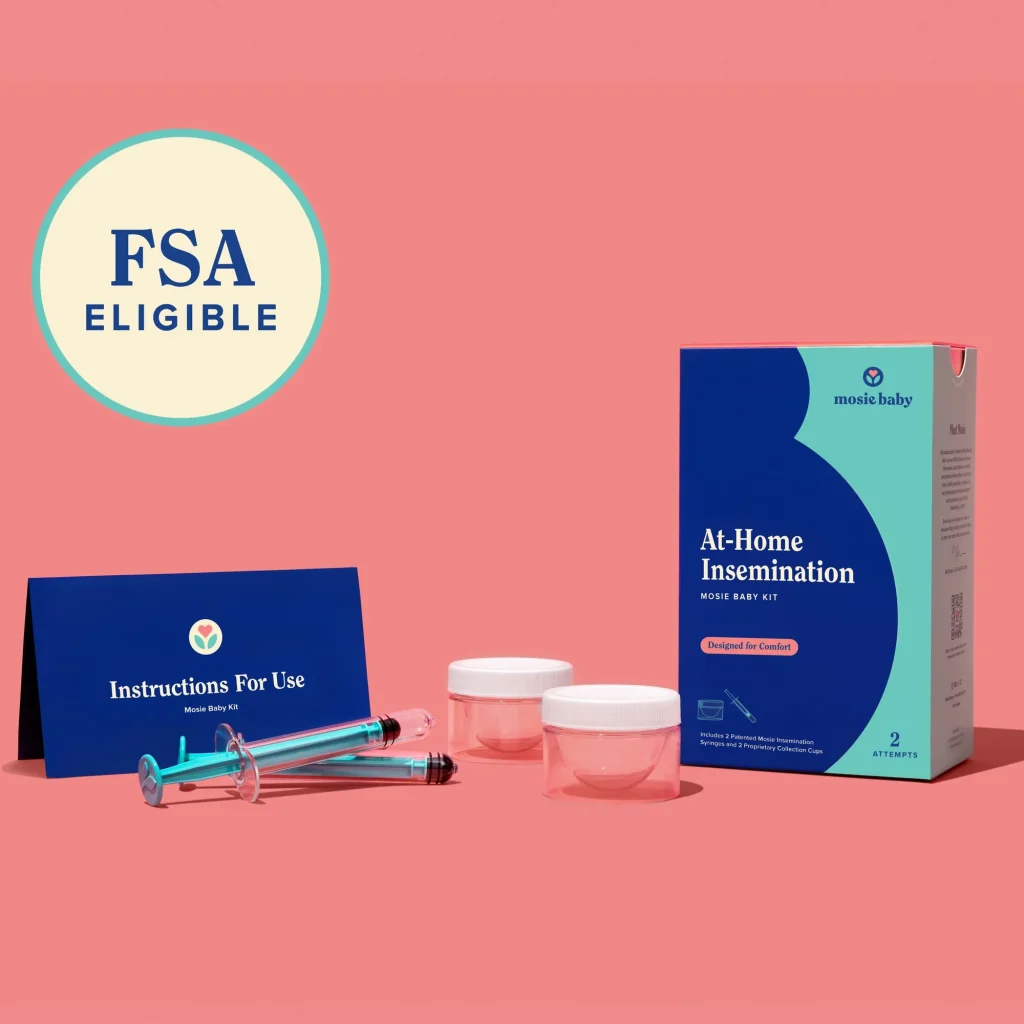
    at-home insemination kit with syringes, collection cups, and instructions on a pink background

    Syringe Insemination and Sperm Donation: A Comprehensive Guide

    Important Considerations for Syringe Insemination and Sperm Donation

    While syringe insemination and sperm donation can be a viable option for starting a family, there are some important considerations to keep in mind before pursuing these methods.

    1. Fertility Evaluation: Before undergoing syringe insemination, it is essential to have a thorough fertility evaluation to ensure that this method is the right course of action for you. This evaluation will help identify any underlying fertility issues that may need to be addressed before proceeding with insemination.

    2. Legal Considerations: If you are using a known donor, it is crucial to have a legal agreement in place to protect all parties involved. This agreement should outline the rights and responsibilities of both the donor and the recipient, as well as any expectations regarding future contact.

    3. Emotional Impact: Syringe insemination and sperm donation can be emotionally challenging for both the donor and the recipient, as they involve the creation of a child who may not have a traditional family structure. It is important to discuss and address these potential issues before proceeding with the process.

    4. Financial Considerations: While syringe insemination and sperm donation may be more affordable than other assisted reproduction methods, they still come with significant costs. It is essential to consider the financial implications and plan accordingly to avoid any unexpected expenses.

    5. Ethical Considerations: Some individuals and couples may have ethical concerns when it comes to using donor sperm and assisted reproduction. It is crucial to carefully consider and address these concerns before proceeding with syringe insemination and sperm donation.

    In conclusion, syringe insemination and sperm donation are two methods that can help individuals and couples struggling with infertility to achieve their dream of starting a family. However, it is crucial to consider all the important factors and seek professional guidance to determine if these methods are the right choice for you. With careful planning, support, and consideration, syringe insemination and sperm donation can be a successful and fulfilling path to parenthood.

    Summary:

    In this comprehensive guide, we have discussed syringe insemination and sperm donation, two methods that can help individuals and couples struggling with infertility to achieve their dream of starting a family. Syringe insemination involves placing washed sperm directly into a woman’s uterus during her ovulation period, while sperm donation is the process of obtaining sperm from a male donor for assisted reproduction. We have also highlighted important considerations, such as fertility evaluation, legal and emotional impact, financial implications, and ethical concerns, that should be carefully considered before proceeding with these methods.

  • The Impact of Home Insemination on Traditional Family Structures

    Blog Post Title: The Changing Dynamics of Family Structures: How Home Insemination is Impacting Traditional Families

    Traditional family structures have been a fundamental part of society for centuries. However, with the advancement of technology and medical procedures, the traditional concept of a family has been challenged. One of the most significant changes in recent years has been the rise of home insemination, which is the process of artificially inseminating oneself or a partner at home without the involvement of a medical professional. This practice has sparked debates and discussions about its impact on traditional family structures. In this blog post, we will explore the various ways in which home insemination is changing the dynamics of traditional families.

    The Definition of a Traditional Family

    Before delving into the impact of home insemination, it is essential to define what a traditional family means. Traditionally, a family is a unit consisting of a father, mother, and their biological or adopted children. This structure is often referred to as a nuclear family and has been the dominant family structure in most societies. However, this definition is no longer applicable to the diverse and ever-changing family dynamics of today.

    The Rise of Home Insemination

    Home insemination has been around for a long time, but it has gained popularity in recent years. With the advancement of technology, it has become easier and more accessible for individuals or couples to perform the procedure at home. The process involves purchasing a donor sperm sample and using a syringe or a specialized insemination kit to deposit the sperm into the vagina. This method allows individuals or couples to bypass the traditional route of seeking medical assistance from a fertility clinic.

    Impact on Marriage and Parenthood

    One of the most significant impacts of home insemination on traditional family structures is the changing dynamics of marriage and parenthood. In traditional families, marriage was often seen as a prerequisite for parenthood. However, with home insemination, individuals or same-sex couples can become parents without getting married. This has led to a shift in societal norms and values, challenging the traditional idea that marriage is the only way to create a family.

    Mosie Baby Kit features a syringe and container, highlighting safety and usability tests on a blue background.

    The Impact of Home Insemination on Traditional Family Structures

    Moreover, home insemination has also made it possible for single individuals to become parents. This has given rise to the concept of solo parenting, where a person chooses to become a parent without a partner. This was not conceivable in traditional families, where a child was expected to have two parents.

    Changing Views on Biological Parenthood

    Home insemination has also challenged the traditional concept of biological parenthood. In traditional families, a child is expected to have a biological connection to both parents. However, with home insemination, a donor sperm sample is used, and the child may not have a biological connection to one of the parents. This has sparked discussions about the importance of biological parenthood and how it affects the parent-child relationship.

    Furthermore, the rise of home insemination has also led to a growing acceptance of non-traditional family structures. In the past, non-traditional families, such as same-sex couples or single parents, were often stigmatized. However, with home insemination, these families are becoming more prevalent, and society is starting to recognize them as a legitimate family structure.

    Challenges Faced by Home Insemination Families

    While home insemination has brought about positive changes in traditional family structures, it also presents some challenges. One of the most significant challenges faced by home insemination families is the lack of legal recognition. In many countries, only married couples or single individuals are allowed to legally adopt a child. This means that home insemination families may not have the same legal rights and protections as traditional families.

    Moreover, home insemination also raises ethical concerns, such as the possibility of a child not knowing their biological origins or being denied the right to know their donor’s identity. This can lead to identity and psychological issues for the child in the future.

    Summary:

    Home insemination is the process of artificially inseminating oneself or a partner at home without the involvement of a medical professional. It has challenged the traditional concept of a family by changing the dynamics of marriage and parenthood. With home insemination, individuals or same-sex couples can become parents without getting married, and single individuals can choose to become parents without a partner. This has also led to a growing acceptance of non-traditional family structures. However, home insemination families face challenges such as lack of legal recognition and ethical concerns about the child’s identity.

  • The Impact of Insemination on Your Own Terms on Traditional Family Structures

    Blog Post:

    Insemination, also known as artificial insemination, is a method of pregnancy conception that has been gaining popularity in recent years. This process involves the insertion of sperm into the female reproductive tract to fertilize an egg, bypassing traditional sexual intercourse. While insemination has been used for decades to help couples struggling with fertility, it is now being used by a growing number of individuals who want to start a family on their own terms. This shift is having a significant impact on traditional family structures, challenging long-held beliefs and norms about what makes a family.

    The concept of insemination on one’s own terms has opened up a new realm of possibilities for individuals who may not have had the opportunity to start a family in the past. This includes single individuals, same-sex couples, and individuals who may have fertility issues. By removing the need for a partner or traditional sexual intercourse, insemination allows these individuals to create a family in a way that is accessible and empowering.

    One of the most significant impacts of insemination on traditional family structures is the redefinition of what constitutes a family. Traditionally, a family is seen as a married couple with children. However, with the rise of insemination, families can now be formed by single individuals or same-sex couples. This breaks away from the traditional nuclear family structure and challenges societal norms about what a family should look like.

    Insemination also allows individuals to become parents on their own terms, without having to rely on a partner or traditional heterosexual relationships. This is particularly significant for single individuals who may have always dreamed of becoming a parent but did not have a partner. With insemination, they can now fulfill their desire for parenthood without having to wait for the “right” partner to come along.

    Moreover, insemination has also made it possible for same-sex couples to have biological children, something that was not previously possible. This has allowed these couples to experience the joys of parenthood and create a family that is biologically connected to them. Insemination has also helped break down societal barriers and prejudices towards same-sex couples as it is now seen as a legitimate way to start a family.

    at-home insemination kit by Mosie Baby, featuring syringes, collection cups, and instructions on a pink background.

    The Impact of Insemination on Your Own Terms on Traditional Family Structures

    Insemination has also had an impact on traditional gender roles within families. With more individuals choosing to start a family on their own terms, traditional gender roles are being challenged and redefined. For example, single mothers who have used insemination to conceive are no longer confined to traditional gender roles of being the primary caregiver. They can now also be the breadwinner and provide for their family, breaking away from traditional notions of motherhood.

    Furthermore, insemination has also given individuals the opportunity to become parents later in life. With advancements in fertility treatments and increasing acceptance of insemination, individuals can now start a family well into their 40s and 50s. This delays the traditional timeline of starting a family and allows individuals to focus on their careers and personal goals before becoming parents. This shift has challenged the idea that there is a “right” time to start a family and has given individuals more control over their reproductive choices.

    While insemination has had a positive impact on traditional family structures, it has also raised ethical and legal concerns. One of the main concerns is the potential for exploitation of donors, particularly in cases where individuals may not be fully aware of their rights and responsibilities. There have also been cases of donors seeking financial compensation for their sperm, which raises questions about the commodification of reproductive material.

    In addition, the lack of legal regulations surrounding insemination can also create challenges for families created through this method. For example, in cases of same-sex couples, the non-biological parent may not have legal rights over the child, leading to complications in matters such as custody and inheritance. This highlights the need for clear and comprehensive legislation to protect the rights of families created through insemination.

    In conclusion, insemination on one’s own terms has had a significant impact on traditional family structures. It has challenged societal norms and redefined what it means to be a family. With more individuals choosing to start a family on their own terms, insemination has given them the opportunity to fulfill their desire for parenthood and break away from traditional gender roles. However, it is essential to address the ethical and legal concerns surrounding insemination to ensure the protection of the rights of all individuals involved.

    Summary:

    Insemination, also known as artificial insemination, is a method of pregnancy conception that involves inserting sperm into the female reproductive tract to fertilize an egg, bypassing traditional sexual intercourse. This process has been gaining popularity in recent years and has had a significant impact on traditional family structures. It has allowed individuals to start a family on their own terms, challenging societal norms and redefining what it means to be a family. Insemination has also given individuals more control over their reproductive choices and has changed traditional gender roles within families. However, it has also raised ethical and legal concerns that need to be addressed to protect the rights of all individuals involved.

  • Behind Closed Doors: The Privacy of At-Home Insemination

    Behind Closed Doors: The Privacy of At-Home Insemination

    In today’s modern world, assisted reproductive technology has opened up new possibilities for individuals and couples to start or expand their families. One of these methods is at-home insemination, which allows couples to perform the insemination process in the privacy of their own home. This method offers a more intimate and comfortable environment for couples, but it also raises questions about privacy and safety. In this blog post, we will explore the concept of at-home insemination and the importance of privacy in this process.

    At-home insemination involves the insertion of sperm into the vagina or cervix using a syringe or other device. This method is typically used by same-sex female couples, single women, or heterosexual couples facing male fertility issues. It is a popular alternative to traditional artificial insemination procedures, which are often performed in a medical setting and can be expensive and invasive.

    One of the main advantages of at-home insemination is the level of privacy it offers. Unlike traditional artificial insemination, which requires visits to a fertility clinic and involves medical professionals, at-home insemination can be done discreetly, behind closed doors. This allows couples to have more control over the process and feel more comfortable with the intimate procedure.

    Privacy is a fundamental human right, and it is especially crucial in the realm of reproductive health. Many individuals and couples prefer to keep their fertility journey private, and at-home insemination allows them to do so. For same-sex couples, this method can also help them avoid potential discrimination or judgment in a medical setting.

    Instructions for reading pregnancy test results with visual indicators for "Not Pregnant," "Pregnant," and "Invalid.

    Behind Closed Doors: The Privacy of At-Home Insemination

    However, as with any medical procedure, there are potential risks and concerns to consider when it comes to at-home insemination. One of the main concerns is the lack of medical supervision and the potential for improper handling or contamination of the sperm. It is crucial for couples to educate themselves on proper hygiene and storage techniques to reduce the risk of infection or other complications. Additionally, couples may want to consider using a sperm donor from a reputable sperm bank to ensure the highest quality and safety standards.

    Another concern is the legal implications of at-home insemination. In some states, at-home insemination is not legally recognized, and the donor may have legal parental rights. It is essential for couples to research and understand their state’s laws regarding donor insemination and consider seeking legal advice to protect their rights and the rights of their future child.

    Aside from privacy and safety concerns, at-home insemination also raises ethical questions. Some argue that this method commodifies the process of conception and undermines the importance of medical professionals in the fertility journey. Others argue that it allows individuals and couples to take control of their reproductive choices and have a more personal and empowering experience.

    Despite these concerns, at-home insemination can be a viable and fulfilling option for those looking to start a family. With proper education, understanding, and precautions, couples can have a positive and private experience with at-home insemination.

    In conclusion, at-home insemination offers an intimate and private way for individuals and couples to conceive a child. It allows them to have more control over the process and avoid potential discrimination or judgment in a medical setting. However, it is essential to consider the potential risks, legal implications, and ethical concerns before embarking on this journey. With proper education and precautions, at-home insemination can be a safe and fulfilling option for those looking to start a family.

  • The Ultimate DIY Challenge: Making a Baby with a DIY Kit

    Blog Post:

    The Ultimate DIY Challenge: Making a Baby with a DIY Kit

    When it comes to DIY projects, there are endless possibilities. From building furniture to crafting home decor, the satisfaction of creating something with your own hands is unmatched. But what about taking on the ultimate DIY challenge – making a baby with a DIY kit? Yes, you read that right. In this blog post, we’ll explore the concept of DIY baby-making and the controversies surrounding it.

    What is a DIY Baby Kit?

    A DIY baby kit is essentially a package that contains all the necessary tools and materials for creating a baby at home. This includes sperm and egg donors, instructions for insemination, and a pregnancy test. These kits are often advertised as a cheaper and more convenient alternative to traditional fertility treatments.

    How Do DIY Baby Kits Work?

    The process of making a baby with a DIY kit involves inseminating the sperm from the donor into the egg from the donor, either through artificial insemination or in-vitro fertilization (IVF). Some kits even claim to have a success rate of up to 90%, but the reality is that the success rate is much lower and varies greatly depending on various factors such as the age and fertility of the individuals involved.

    The Controversy Surrounding DIY Baby Kits

    While some may see DIY baby kits as a revolutionary and empowering option for individuals and couples struggling with infertility, others argue that it is a dangerous and unethical practice. Here are some of the main controversies surrounding DIY baby kits:

    1. Lack of Medical Supervision

    One of the main concerns with DIY baby kits is the lack of medical supervision. Traditional fertility treatments, such as IVF, are closely monitored by medical professionals to ensure the safety and well-being of the individuals involved. With DIY kits, there is no oversight, which can lead to potential health risks for both the parents and the baby.

    2. Inaccurate Information

    Many DIY baby kits claim to have high success rates, but these claims are often based on inaccurate or misleading information. As mentioned earlier, the success rate of these kits is much lower than advertised, and individuals may end up spending a large amount of money without achieving their desired outcome.

    comparison of Mosie syringe opening versus standard syringe opening with text highlighting benefits

    The Ultimate DIY Challenge: Making a Baby with a DIY Kit

    3. Legal and Ethical Concerns

    There are also legal and ethical concerns surrounding DIY baby kits. In some countries, it is illegal to purchase or use these kits, as they go against regulations and laws surrounding fertility treatments. Additionally, there are concerns about the rights and well-being of the donors and potential offspring, as well as the lack of regulation and oversight in the process.

    Should You Consider Using a DIY Baby Kit?

    Despite the controversies surrounding DIY baby kits, some individuals and couples may still consider using them. It’s important to carefully research and consider all factors before making a decision. Here are some questions to ask yourself before purchasing a DIY baby kit:

    1. Are You Physically and Emotionally Prepared?

    DIY baby kits require a lot of physical and emotional preparation. The process can be physically demanding, and the emotional toll of potential failures and complications should not be underestimated. It’s crucial to assess your physical and emotional readiness before embarking on this journey.

    2. Are You Aware of the Potential Risks?

    As mentioned earlier, there are potential health risks associated with DIY baby kits, such as infections and complications. It’s essential to educate yourself about these risks and weigh them against the potential benefits.

    3. Have You Explored Other Options?

    DIY baby kits should not be seen as the first or only option for individuals and couples struggling with infertility. It’s important to first consult with a medical professional and explore other options such as traditional fertility treatments or adoption.

    DIY baby kits may seem like a convenient and affordable option, but it’s crucial to weigh all the factors and potential risks before making a decision. It’s also essential to keep in mind the ethical and legal concerns surrounding these kits and to proceed with caution.

    In conclusion, the concept of making a baby with a DIY kit may seem intriguing, but it comes with its own set of controversies and concerns. It’s crucial to thoroughly research and consider all factors before embarking on this journey. After all, bringing a new life into this world is a serious decision that should not be taken lightly.

    Summary:

    DIY baby kits have become a controversial topic, with some seeing it as a convenient and affordable alternative to traditional fertility treatments, while others view it as unethical and dangerous. These kits provide all the necessary tools and materials for making a baby at home, but lack medical supervision and may have inaccurate success rate claims. It’s important to carefully consider all factors and potential risks before deciding to use a DIY baby kit.

