Tag: family dynamics

  • Political Issues That Divide Families and Friends

    Political issues have always been a hot topic of discussion and debate, and in recent years, they have become increasingly divisive. With the rise of social media and 24-hour news cycles, it seems like there is no escaping political discussions and disagreements. However, these debates and differences of opinion are not just limited to strangers or acquaintances, but they can also cause deep divides within families and friends.

    In this blog post, we will explore some of the most contentious political issues that have the potential to create rifts between loved ones. From polarizing policies to deeply ingrained beliefs, these issues can lead to heated arguments, strained relationships, and even permanent rifts. We will also discuss ways to navigate these conversations and maintain healthy relationships despite differing political views.

    One of the most divisive political issues in recent years is immigration. The topic of immigration has been a contentious issue in many countries, including the United States, with debates centering around border control, refugee policies, and the acceptance of immigrants. These discussions often lead to heated arguments between family members and friends, with each side holding strong beliefs and opinions.

    Another issue that has divided families and friends is gun control. The debate over gun control laws and regulations has been ongoing for decades, with pro-gun advocates arguing for their right to bear arms and anti-gun advocates calling for stricter laws to prevent gun violence. With mass shootings becoming all too common, this issue has become even more polarizing, and discussions about it can quickly turn hostile.

    Abortion is another political issue that has the potential to divide families and friends. The topic of abortion is deeply personal and often tied to religious beliefs, making it a highly emotional and contentious issue. Pro-choice and pro-life advocates have strong opinions on the matter, and discussions about abortion can quickly turn into heated arguments, causing rifts between loved ones.

    Climate change is another highly divisive political issue that can lead to disagreements and rifts within families and friends. While the scientific community overwhelmingly agrees that climate change is real and caused by human activity, there are still those who deny its existence or importance. These differences in opinion can lead to heated arguments and even strain relationships between loved ones.
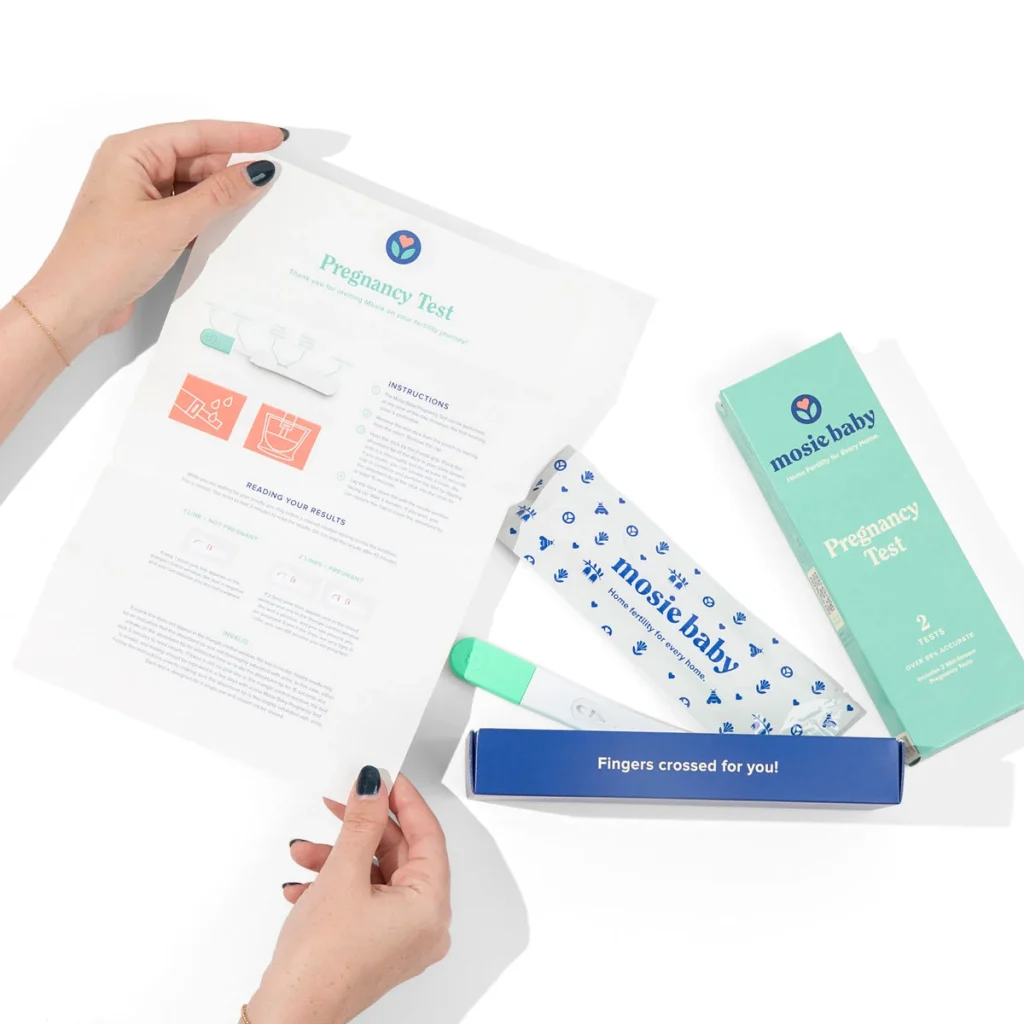
    pregnancy test kit with instructions, test device, and packaging on a white background

    Political Issues That Divide Families and Friends

    The issue of healthcare is also a highly contentious political issue that has the potential to divide families and friends. The debate over healthcare policies and systems, such as universal healthcare and the Affordable Care Act, can quickly turn into heated arguments, with each side holding strong beliefs about what is best for the country. With healthcare being a crucial and personal issue for many, discussions about it can become emotionally charged and cause rifts between loved ones.

    Religion is often seen as a personal and private matter, but in recent years, it has become intertwined with politics, leading to divisions within families and friends. The intersection of religion and politics can be especially contentious when discussing issues such as LGBTQ+ rights, women’s reproductive rights, and immigration policies. These debates can cause deep divides between individuals who hold different religious beliefs.

    So, how can we navigate these difficult and divisive political discussions with our loved ones? Firstly, it is important to remember that everyone is entitled to their own opinions and beliefs, and it is crucial to respect those differences. It is also essential to approach these discussions with an open mind and a willingness to listen to the other person’s perspective. Instead of trying to change their mind, focus on understanding where they are coming from and why they hold those beliefs.

    It is also crucial to set boundaries and know when to step away from a conversation if it becomes too heated or uncomfortable. Remember that maintaining a healthy relationship is more important than being right or winning an argument. It is okay to agree to disagree and move on to other topics.

    Additionally, it is essential to avoid attacking or belittling the other person’s beliefs and opinions. Instead, try to have productive and respectful discussions, focusing on facts and evidence rather than emotions. By approaching these conversations with empathy and understanding, we can maintain healthy relationships despite our political differences.

    In conclusion, political issues have the power to divide families and friends, causing rifts and straining relationships. It is crucial to approach these discussions with an open mind, respect for differing opinions, and a willingness to listen. By setting boundaries, avoiding personal attacks, and focusing on understanding rather than trying to change minds, we can maintain healthy relationships despite our political differences.

  • The New Face of Fatherhood: Our Experience with At-Home Insemination

    Summary:

    Fatherhood has traditionally been associated with being the breadwinner of the family, while the mother takes on the role of the primary caregiver. However, with changing societal norms, more and more fathers are taking on an active role in parenting and challenging traditional gender roles. One area where this is evident is in the growing trend of at-home insemination, where couples are using DIY methods to conceive. In this blog post, we will share our personal experience with at-home insemination as a same-sex couple and how it has changed our perception of fatherhood.

    Our Journey to Parenthood:

    As a same-sex couple, my partner and I always knew that starting a family would be a different journey for us. After exploring various options, we decided that at-home insemination was the best choice for us. We did extensive research and consulted with medical professionals to ensure we were doing it safely and effectively.

    Preparation and Process:

    The first step in the process was to prepare our bodies for conception. We both made lifestyle changes and took fertility supplements to improve our chances of success. We also carefully tracked our ovulation cycles to determine the best time for insemination. We purchased a donor sperm kit from a reputable company and followed the instructions carefully.

    The actual insemination process was relatively simple, but it required patience and precision. We used a syringe to deposit the sperm into the cervix, and then I would lie down for about 20 minutes to increase the chances of conception. We repeated this process for several cycles, and after a few months, we were ecstatic to find out that we were pregnant.

    Challenges and Triumphs:

    various medical supplies and containers organized in a clear plastic box on a wooden surface

    The New Face of Fatherhood: Our Experience with At-Home Insemination

    Like any other form of conception, at-home insemination came with its own set of challenges. The emotional rollercoaster of waiting to find out if each cycle was successful was tough. We also had to deal with societal stigma and judgment from some family members and friends who didn’t understand our decision.

    But the triumphs outweighed the challenges. We were able to create a beautiful bond with our future child even before they were born. We also felt empowered by taking control of our fertility and starting our family on our terms.

    The New Face of Fatherhood:

    Through our experience with at-home insemination, we have come to understand that fatherhood is not defined by biology or traditional roles. Fatherhood is about love, support, and being an active participant in your child’s life. Our journey to parenthood has shown us that fathers can be just as nurturing and involved as mothers and that there are no limitations to what a father’s role can be.

    Impact on Society:

    The rise of at-home insemination is not just limited to same-sex couples; it is also becoming a popular choice for single women and heterosexual couples facing fertility issues. This trend challenges the traditional notion of what it means to be a father and expands the definition of family. It also raises questions about the role of medical professionals and the accessibility and affordability of fertility treatments.

    Conclusion:

    Our experience with at-home insemination has been a transformative and empowering journey. It has not only allowed us to start our family but has also challenged societal norms and opened our minds to the diverse ways of becoming a father. We hope that by sharing our story, we can inspire and educate others about the new face of fatherhood and the beauty of unconventional paths to parenthood.

  • The Evolution of Parenthood: Insemination Syringe Kits and Changing Family Dynamics

    Blog Post:

    Parenthood has been a significant part of human history since the beginning of time. The concept of raising and nurturing children has evolved immensely over the years, with changing family dynamics and advancements in technology. In recent years, one particular tool that has revolutionized the process of conception and parenthood is the insemination syringe kit. In this blog post, we will explore the evolution of parenthood and how the use of insemination syringe kits has become a popular choice for many couples.

    Before the introduction of insemination syringe kits, the traditional method of conception was through sexual intercourse. However, with the rise of same-sex couples and individuals choosing to become single parents, there was a need for alternative methods of conception. Insemination syringe kits became a viable option for these individuals, allowing them to fulfill their desire of becoming parents.

    The concept of artificial insemination has been around for centuries, with various methods being used throughout history. However, it wasn’t until the late 19th century that the first successful artificial insemination was performed using a syringe. As technology advanced, so did the methods and tools used for artificial insemination. In the early 20th century, the use of donor sperm and insemination syringes became more prevalent, allowing couples struggling with fertility issues to conceive.

    In the 1970s, the first home insemination kits were introduced, allowing couples to perform the procedure in the comfort of their own homes. These kits were simple and easy to use, with a syringe, vial of donor sperm, and instructions included. This revolutionized the process of conception, as couples no longer had to rely on medical professionals or clinics.

    As society continued to evolve, so did the concept of family. Same-sex couples and single individuals wanting to start a family became more accepted, leading to an increase in the use of insemination syringe kits. These kits provided a private and convenient way for couples to conceive without the need for a partner or fertility clinic. It also allowed individuals to have a biological connection to their child, fulfilling their desire to become a parent.

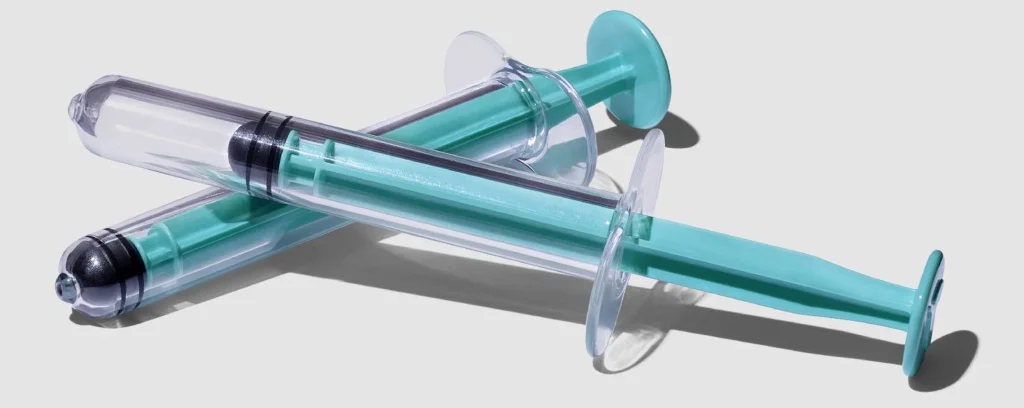
    Two transparent syringes with teal accents positioned diagonally on a light gray background.

    The Evolution of Parenthood: Insemination Syringe Kits and Changing Family Dynamics

    With the rise of technology and the internet, the availability and accessibility of insemination syringe kits have increased. Online marketplaces and websites now offer a wide range of kits, making it easier for individuals to purchase and use them. This has also led to a decrease in the cost of these kits, making them a more affordable option for couples and individuals.

    Another significant evolution in the concept of parenthood is the increasing use of at-home insemination between partners. Insemination syringe kits have made it possible for same-sex couples to conceive without the need for a sperm donor. With the help of fertility tracking apps and ovulation kits, couples can plan and time the insemination process at home. This has brought a sense of empowerment and control to couples, allowing them to take charge of their journey towards parenthood.

    The use of insemination syringe kits has also changed the traditional role of a father in the family. In the past, the father was considered the sole provider and protector of the family. However, with the introduction of same-sex couples and single parents, the role of the father has evolved to be more nurturing and involved in the child-rearing process. Insemination syringe kits have allowed fathers to be more active in the conception and pregnancy journey, creating a stronger bond with their child from the very beginning.

    Insemination syringe kits have not only impacted the process of conception but also the dynamics of modern families. With more and more couples and individuals choosing to use these kits, the traditional nuclear family structure is no longer the only norm. This has led to a more diverse and inclusive society, where love and family come in various forms.

    In conclusion, the evolution of parenthood has been greatly influenced by the use of insemination syringe kits. From its early beginnings in the 19th century to its widespread availability and usage today, these kits have changed the way we view and approach the concept of family. With changing family dynamics and advancements in technology, insemination syringe kits have provided a way for couples and individuals to fulfill their dreams of becoming parents. As society continues to evolve, it is safe to say that the use of these kits will only continue to grow and become a more widely accepted method of conception.

    Summary:

    Parenthood has evolved greatly over the years, and one significant factor that has contributed to this evolution is the use of insemination syringe kits. These kits have made it possible for same-sex couples and individuals to fulfill their desire of becoming parents. From its early beginnings in the 19th century to its widespread availability and usage today, these kits have changed the way we view and approach the concept of family. With the rise of technology and the internet, the availability and accessibility of these kits have increased, making them a more affordable and convenient option for couples and individuals. The use of insemination syringe kits has also changed the traditional role of a father in the family, creating a more diverse and inclusive society. As society continues to evolve, the use of these kits will only continue to grow and become a more widely accepted method of conception.

  • The Impact of Conceiving on Your Own Terms on Family Dynamics

    Family dynamics are constantly evolving and affected by various factors. One significant aspect that can greatly impact family dynamics is the decision to conceive on one’s own terms. In the past, traditional societal norms dictated that couples should get married and have children at a certain age. However, with changing times, more and more individuals are choosing to start their families on their own terms, without conforming to societal expectations.

    The decision to conceive on one’s own terms can have a significant impact on various aspects of family dynamics, including relationships, roles, and expectations. In this blog post, we will explore the various ways in which conceiving on one’s own terms can impact family dynamics.

    1. Redefining Relationships
    Conceiving on one’s own terms can redefine relationships within a family. In traditional families, the roles of a mother and father are well-defined, and any deviation from these roles can cause friction. However, when an individual decides to conceive on their own, it can blur the lines of traditional gender roles. For example, a single mother who decides to conceive through a sperm donor may not have a male figure in the household, leading to a different dynamic between the mother and child. This can also impact the relationship between the child and extended family members, as they may not have a traditional father figure in their life.

    2. Changing Family Structures
    The decision to conceive on one’s own terms can also lead to the formation of different family structures. In traditional families, there is usually a nuclear family consisting of a mother, father, and children. However, with individuals choosing to conceive on their own, there has been a rise in non-traditional family structures such as single-parent families, same-sex parent families, and blended families. This can have a significant impact on family dynamics, as it may require a shift in roles and expectations within the family.

    Hands holding a syringe and a small container against a blue background.

    The Impact of Conceiving on Your Own Terms on Family Dynamics

    3. Redefining Parenting Roles
    In traditional families, the roles of a mother and father are well-defined, with the mother being the primary caregiver and the father being the breadwinner. However, when an individual decides to conceive on their own, they take on both roles, blurring the lines between traditional gender roles. This can lead to a more egalitarian approach to parenting, with both parents sharing responsibilities such as childcare and financial support. It can also challenge traditional notions of what it means to be a parent, as a single parent may not have the same support and resources as a traditional two-parent household.

    4. Changing Expectations
    The decision to conceive on one’s own terms can also change the expectations within a family. In traditional families, there is usually an expectation that children will follow in their parents’ footsteps, getting married and having children at a certain age. However, when an individual decides to conceive on their own, they may not conform to these expectations, leading to a shift in family dynamics. For example, a single mother who chooses to have a child through IVF may not have the same support from her family as a married couple would, as her decision may be seen as deviating from societal norms.

    5. Impact on Extended Family Members
    Conceiving on one’s own terms can also have an impact on extended family members. In traditional families, extended family members often play a significant role in childcare and providing support to parents. However, when an individual decides to conceive on their own, there may not be the same level of involvement from extended family members, especially if there is not a traditional father or mother figure in the household. This can lead to a strain on relationships and may require a redefinition of roles and expectations within the extended family.

    In conclusion, the decision to conceive on one’s own terms can have a significant impact on family dynamics. It can redefine relationships, change family structures, challenge traditional gender roles, and shift expectations within the family. It can also have an impact on extended family members and require a redefinition of roles and expectations within the family. As society continues to evolve, it is essential to recognize and understand the impact of conceiving on one’s own terms on family dynamics and strive to create inclusive and supportive environments for all types of families.

    Summary:
    The decision to conceive on one’s own terms can have a significant impact on family dynamics. It can redefine relationships, change family structures, challenge traditional gender roles, and shift expectations within the family. This can also have an impact on extended family members and require a redefinition of roles and expectations within the family. As society continues to evolve, it is important to recognize and understand the impact of this decision on family dynamics and strive for inclusivity and support for all types of families.

  • The Impact of Non-Invasive Insemination on Traditional Family Dynamics

    Blog Post Title: The Evolution of Family Dynamics: The Impact of Non-Invasive Insemination

    Family dynamics have always been an integral part of society, shaping the way we view relationships, gender roles, and parenthood. However, with the advancements in technology and medical science, traditional family dynamics are slowly evolving. One major factor contributing to this change is non-invasive insemination, a method of conception that does not involve sexual intercourse. In this blog post, we will explore the impact of non-invasive insemination on traditional family dynamics and how it is reshaping the modern concept of family.

    First, let’s understand what non-invasive insemination is. Also known as artificial insemination, it is a fertility treatment that involves placing sperm directly into a woman’s reproductive tract in order to facilitate pregnancy. This method has been in practice for decades and was initially used to treat infertility in heterosexual couples. However, with the advancement of technology, non-invasive insemination is now being used by same-sex couples and single individuals to start their own families.

    One significant impact of non-invasive insemination on traditional family dynamics is the breakdown of the traditional nuclear family structure. The traditional nuclear family, consisting of a mother, father, and their biological children, has been the societal norm for decades. However, with non-invasive insemination, individuals and couples can now have children without the need for a partner of the opposite sex. This has led to the formation of diverse family structures, such as single-parent families, same-sex parent families, and co-parenting arrangements.

    Moreover, non-invasive insemination has also challenged the traditional gender roles within families. In traditional families, the father is seen as the breadwinner and head of the household, while the mother is responsible for childcare and household duties. However, with the use of non-invasive insemination, the role of the father is no longer limited to biological parenthood. This has given rise to the concept of “social fathers,” where a male figure plays a significant role in the child’s life, even though he may not be the biological father. This shift in gender roles has brought about a more equal distribution of responsibilities within families, breaking away from the traditional patriarchal structure.

    illustration comparing standard and Mosie syringe openings with text highlighting design benefits for home insemination

    The Impact of Non-Invasive Insemination on Traditional Family Dynamics

    Furthermore, non-invasive insemination has also impacted the concept of parenthood. In traditional families, parenthood is solely based on biological ties. However, with non-invasive insemination, parenthood can now be established through legal means, regardless of biological connections. This has given rise to the idea of “intentional parenthood,” where individuals or couples intentionally choose to become parents through non-invasive insemination, rather than it being a result of natural conception.

    In addition to changing family structures and gender roles, non-invasive insemination has also brought about a shift in the definition of family. With the ability to have children without traditional biological ties, individuals and couples are now able to create their own definition of family. This has led to a more inclusive and diverse understanding of family, challenging the traditional notion of what constitutes a family.

    However, with these changes also come challenges and controversies. Non-invasive insemination has raised ethical concerns, particularly regarding the involvement of third-party donors. In traditional families, the biological parents are responsible for the child’s upbringing and well-being. But in cases of non-invasive insemination, there may be a third-party donor involved, which can complicate the concept of parenthood and the child’s identity.

    Moreover, non-invasive insemination has also raised questions about the importance of a child’s genetic heritage. In traditional families, children are biologically related to both parents, but with non-invasive insemination, this may not always be the case. This can lead to identity issues for the child and may also affect their relationship with their non-biological parent.

    In conclusion, non-invasive insemination has undoubtedly had a significant impact on traditional family dynamics. It has challenged the traditional nuclear family structure, gender roles, and the concept of parenthood. While it may have its controversies and challenges, it has also opened up new possibilities for individuals and couples to start their own families. With the continuous advancements in technology and medical science, it is likely that the impact of non-invasive insemination on traditional family dynamics will continue to evolve in the future.

    SEO metadata:

  • Navigating Family Dynamics in Home Insemination

    Navigating Family Dynamics in Home Insemination: A Comprehensive Guide

    Home insemination, also known as at-home insemination, is a method of conceiving a child without the use of medical intervention. This alternative to traditional methods has gained popularity over the years as it allows individuals and couples to have more control over their fertility journey. However, navigating the complexities of family dynamics can be challenging in home insemination. In this blog post, we will discuss the importance of communication, setting boundaries, and involving family members in the process, as well as provide tips for successfully navigating family dynamics in home insemination.

    Communication is Key

    One of the most crucial aspects of navigating family dynamics in home insemination is communication. It is essential to communicate openly and honestly with all family members involved in the process. This includes your partner, if applicable, as well as any potential donors or surrogates. Discussing expectations, boundaries, and concerns can help avoid misunderstandings and conflicts down the line.

    It is also crucial to communicate with your family members who may not be directly involved in the home insemination process. This can include parents, siblings, and extended family members. While it may be uncomfortable, it is essential to have open and honest conversations about your decision to pursue home insemination and address any potential concerns they may have.

    Set Boundaries

    Setting boundaries is essential in any family dynamic, and it becomes even more critical in the context of home insemination. Boundaries can include deciding who will be involved in the process, how much information will be shared with family members, and what role they will play in the child’s life.

    For example, if you are using a known donor, it is crucial to establish boundaries and expectations with them before starting the insemination process. This can include discussing any potential involvement they may have in the child’s life and how you will handle any future disagreements or conflicts.

    Instructions for reading pregnancy test results with visual indicators for "Not Pregnant," "Pregnant," and "Invalid.

    Navigating Family Dynamics in Home Insemination

    Involving Family Members

    Some individuals or couples may choose to involve their family members in the home insemination process. This can include having a family member present during the insemination procedure or involving them in the decision-making process. While involving family members can provide emotional support, it is essential to consider how this may affect the dynamic and set clear boundaries and expectations.

    Tips for Navigating Family Dynamics in Home Insemination

    1. Educate your family members about home insemination: Many family members may not be familiar with the concept of home insemination and may have misconceptions or concerns. Take the time to educate them about the process, and address any questions or concerns they may have.

    2. Keep an open mind: It is essential to listen to your family members’ perspectives and be open to their opinions. They may have valid concerns or fears that you may not have considered. By keeping an open mind, you can address these concerns and work towards finding a solution that works for everyone.

    3. Consider involving a therapist: If you are struggling to navigate family dynamics in home insemination, involving a therapist can be beneficial. A therapist can provide a safe and neutral space for family members to express their thoughts and feelings and help facilitate productive communication.

    4. Be patient: Navigating family dynamics is not easy, and it may take time for your family members to come to terms with your decision. Be patient and understanding, and give them the time and space they need to process their emotions.

    5. Focus on the ultimate goal: It is essential to remember why you have chosen home insemination and focus on the ultimate goal – starting or growing your family. Remind your family members of this goal and how their support can make a positive impact on your journey.

    In summary, navigating family dynamics in home insemination requires open and honest communication, setting boundaries, and involving family members in a respectful and considerate manner. By following these tips and strategies, you can create a supportive and welcoming environment for all family members involved in the process.

  • The Impact of At-Home Insemination on Traditional Family Dynamics

    Blog Post Title: The Evolution of Family Dynamics: The Impact of At-Home Insemination

    The traditional idea of a family has evolved drastically over the years. In the past, a family was seen as a nuclear unit consisting of a heterosexual married couple and their biological children. However, with advancements in technology and shifting societal norms, the definition of a family has broadened to include various forms such as single-parent households, blended families, and same-sex couples with or without children. One significant factor that has contributed to this evolution is the option of at-home insemination. This method of conception has not only provided an alternative for individuals and couples struggling with fertility issues but has also challenged traditional family dynamics. In this blog post, we will explore the impact of at-home insemination on traditional family structures and dynamics.

    What is At-Home Insemination?

    At-home insemination, also known as artificial insemination, is the process of placing sperm into the reproductive tract of a person with the goal of achieving pregnancy. This method can be done at home using a donor’s sperm or through a medical procedure with a doctor’s assistance. In the past, at-home insemination was primarily used by heterosexual couples struggling with fertility issues. However, with the rise of non-traditional families and the increasing acceptance of LGBTQ+ individuals and couples, this method has become a popular choice for diverse family units.

    Breaking Traditional Gender Roles

    One of the most significant impacts of at-home insemination is the breaking of traditional gender roles within a family. In a heterosexual couple, the woman is typically expected to carry and birth the child, while the man is seen as the provider of sperm. However, with at-home insemination, same-sex couples and single individuals can also become parents without the need for a partner of the opposite sex. This not only challenges traditional gender roles but also provides individuals with more options and autonomy in starting a family.

    Furthermore, at-home insemination allows for a more active involvement of both partners in the conception process. In a traditional sense, the man’s role is often limited to providing sperm, while the woman carries the physical and emotional burden of pregnancy. With at-home insemination, both partners can take part in the process, making it a more equal and shared experience. This can lead to a more balanced and equal distribution of responsibilities within the family structure.

    Impact on Parent-Child Relationships

    In traditional family structures, the biological connection between parents and children is often emphasized. However, with at-home insemination, this biological link can be broken, and the role of the donor becomes a significant factor. In the case of single-parent households or same-sex couples, children may have multiple parents or parental figures, leading to non-traditional family dynamics. This can also challenge the societal expectation of a “normal” family and can potentially lead to confusion or questions from the child about their origins.

    comparison of Mosie syringe opening versus standard syringe opening with text highlighting benefits

    The Impact of At-Home Insemination on Traditional Family Dynamics

    On the other hand, at-home insemination can also strengthen the bond between parents and children. In cases where same-sex couples use a known donor, the child may have a relationship with their biological parent, in addition to their legal parents. This can provide the child with a broader sense of family and a better understanding of their identity. Additionally, at-home insemination can also create a more intentional and planned approach to parenthood, leading to a stronger commitment and bond between parents and their children.

    Redefining the Concept of Family

    At-home insemination has played a significant role in redefining the concept of family. It has challenged the traditional idea of a family based on blood connections and has shifted the focus to love, commitment, and choice. With the option of at-home insemination, individuals and couples can create families that are more reflective of their values, beliefs, and preferences. This has led to a more diverse and inclusive definition of family, where the emphasis is on the quality of relationships rather than the structure.

    Impact on Society and Acceptance

    The increasing popularity and acceptance of at-home insemination have also had a significant impact on society. It has opened up discussions about alternative family structures and has helped break down stigmas and prejudices surrounding non-traditional families. As more and more individuals and couples choose at-home insemination as a means of starting a family, society is forced to acknowledge and accept these diverse family dynamics. This has led to a more inclusive and tolerant society, where families are no longer defined by societal norms and expectations.

    Conclusion

    At-home insemination has undoubtedly had a profound impact on traditional family dynamics. It has challenged traditional gender roles, redefined the concept of family, and led to a more inclusive and accepting society. While it has its challenges and complexities, at-home insemination has also provided individuals and couples with the opportunity to start a family on their terms. As society continues to evolve, it is essential to recognize and respect the diverse forms of family that exist and to embrace the idea that love and commitment, rather than biological connections, are what truly define a family.

    Summary:

    At-home insemination, also known as artificial insemination, is the process of placing sperm into the reproductive tract of a person with the goal of achieving pregnancy. With advancements in technology and shifting societal norms, this method has become a popular choice for diverse family units, challenging traditional gender roles and redefining the concept of family. It has also led to a more inclusive and tolerant society, where families are no longer defined by societal norms and expectations. While it has its challenges and complexities, at-home insemination has provided individuals and couples with the opportunity to start a family on their terms.