Tag: Habits

  • Simple Habits for Better Mental Health

    Summary:

    Mental health is just as important as physical health, yet it often gets overlooked. In fact, one in five adults in the United States experience some form of mental illness in a given year. While there are various treatments available for mental health, there are also simple habits that can have a big impact on our overall well-being. By incorporating these habits into our daily routine, we can improve our mental health and lead a happier, more fulfilling life.

    The first habit to adopt is practicing self-care. This means taking care of our physical, emotional, and mental needs. This can include getting enough sleep, eating a healthy diet, and engaging in activities that bring us joy and relaxation. By prioritizing our own well-being, we can better manage stress and reduce the risk of developing mental health issues.

    Another important habit is practicing mindfulness. This involves being fully present in the moment and focusing on our thoughts, feelings, and surroundings without judgment. Mindfulness can help reduce anxiety and stress, improve mood, and increase self-awareness. It can also help us appreciate the little things in life and find joy in everyday moments.

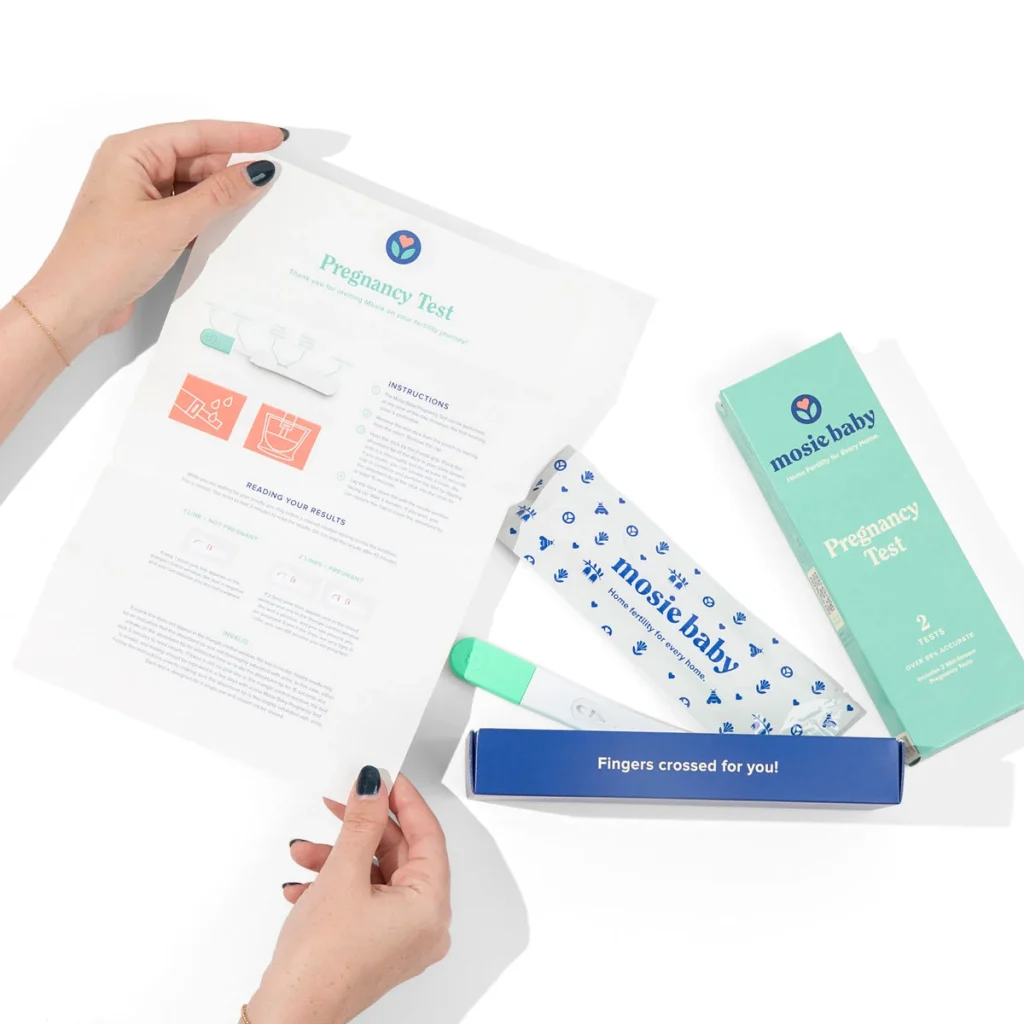
    pregnancy test kit with instructions, test device, and packaging on a white background

    Simple Habits for Better Mental Health

    In addition to self-care and mindfulness, incorporating healthy habits into our lifestyle can also have a positive impact on our mental health. This includes regular exercise, which has been shown to reduce symptoms of anxiety and depression, improve mood, and boost self-esteem. Eating a balanced diet with plenty of fruits, vegetables, and whole grains can also contribute to better mental health.

    Managing stress is another key habit for maintaining good mental health. Chronic stress can have negative effects on both our physical and mental well-being. It’s important to find healthy ways to cope with stress, such as exercise, meditation, journaling, or spending time in nature. It’s also important to set boundaries and learn to say no to things that may cause excessive stress.

    Building and maintaining healthy relationships is another important aspect of mental health. Social support is crucial for our well-being, and having a strong support system can help us through difficult times. It’s important to surround ourselves with positive and supportive people, and to also be a good friend and support system for others.

    Lastly, seeking professional help when needed is a crucial habit for better mental health. Just as we would see a doctor for a physical ailment, it’s important to seek help from a therapist or counselor for mental health issues. Therapy can provide a safe and non-judgmental space to work through our thoughts and feelings, and can be a valuable tool for managing and improving our mental health.

    In conclusion, our mental health is greatly influenced by our daily habits. By prioritizing self-care, practicing mindfulness, incorporating healthy habits, managing stress, building strong relationships, and seeking professional help when needed, we can improve our mental health and overall well-being. These simple habits may seem small, but they can have a big impact on our mental health and happiness.

  • The Power of Consistency: 48 Recommended Practices for Mental Wellness

    In today’s fast-paced and constantly changing world, maintaining good mental health and wellness has become more important than ever. With the rise of stress, anxiety, and other mental health issues, it is crucial to establish consistent practices that promote mental wellness. Consistency is the key to achieving and maintaining a healthy mind and a positive outlook on life. In this blog post, we will discuss 48 recommended practices for mental wellness, emphasizing the power of consistency in improving our overall well-being.

    1. Establish a Routine: Creating a consistent daily routine can help reduce stress and promote a sense of stability and control in our lives.

    2. Get Enough Sleep: Adequate sleep is essential for our mental and physical health. Consistently getting 7-9 hours of sleep each night can improve our mood, memory, and overall well-being.

    3. Practice Mindfulness: Mindfulness is the practice of being present in the moment and fully engaged in our surroundings. Consistently incorporating mindfulness techniques into our daily lives can help reduce stress and promote mental clarity.

    4. Exercise Regularly: Physical activity is not only beneficial for our physical health but also for our mental well-being. Consistently engaging in exercise can help reduce symptoms of anxiety and depression.

    5. Eat a Balanced Diet: Our diet plays a significant role in our mental health. Consistently nourishing our bodies with a balanced diet of fruits, vegetables, lean proteins, and whole grains can improve our mood and overall well-being.

    6. Practice Gratitude: Consistently expressing gratitude for the things we have in our lives can help shift our focus from negative to positive thoughts, promoting mental wellness.

    7. Surround Yourself with Positive People: The people we surround ourselves with can greatly impact our mental well-being. Consistently surrounding ourselves with positive, supportive individuals can improve our mood and outlook on life.

    8. Set Realistic Goals: Consistently setting achievable goals for ourselves can give us a sense of purpose and motivation, promoting mental wellness.

    9. Learn to Say No: Consistently setting boundaries and learning to say no when necessary can help reduce stress and feelings of overwhelm.

    10. Practice Self-Care: Consistently taking time for ourselves to relax and recharge can improve our mental and emotional well-being.

    11. Seek Professional Help: If you are struggling with mental health issues, consistently seeking professional help can provide you with the necessary support and guidance to improve your well-being.

    12. Engage in Activities You Enjoy: Consistently doing things we enjoy can boost our mood and overall happiness, promoting mental wellness.

    13. Spend Time Outdoors: Nature has a soothing effect on our minds and bodies. Consistently spending time outdoors can help reduce stress and improve our mental well-being.

    14. Practice Deep Breathing: Consistently taking deep breaths can help calm our minds and reduce stress and anxiety.

    15. Disconnect from Technology: Consistently disconnecting from technology, especially before bed, can improve our sleep quality and overall mental wellness.

    16. Keep a Journal: Consistently writing in a journal can help us process our thoughts and emotions, promoting mental clarity and well-being.

    17. Volunteer: Consistently giving back to our community can improve our mental well-being and provide a sense of purpose and fulfillment.

    18. Learn to Manage Stress: Consistently practicing stress management techniques, such as deep breathing, meditation, or exercise, can help reduce the negative effects of stress on our mental health.

    19. Develop Coping Strategies: Consistently developing healthy coping strategies, such as talking to a friend or engaging in a hobby, can help us manage difficult emotions and situations.

    20. Practice Forgiveness: Consistently practicing forgiveness, both for ourselves and others, can improve our mental well-being and promote healthier relationships.

    21. Embrace Change: Consistently embracing change and adapting to new situations can help us build resilience and improve our mental wellness.

    22. Learn to Let Go: Consistently holding onto grudges or negative thoughts can hinder our mental well-being. Learning to let go and move on can promote a more positive mindset.

    23. Connect with Others: Consistently connecting with friends, family, and loved ones can improve our mental health and provide a sense of belonging and support.

    24. Engage in Creative Activities: Consistently engaging in creative activities, such as painting, writing, or playing music, can promote relaxation and boost our mood.

    comparison of Mosie syringe opening versus standard syringe opening with text highlighting benefits

    The Power of Consistency: 48 Recommended Practices for Mental Wellness

    25. Practice Positive Thinking: Consistently focusing on positive thoughts and reframing negative ones can improve our overall outlook on life and promote mental wellness.

    26. Take Breaks: Consistently taking breaks throughout the day, especially when feeling overwhelmed, can improve our productivity and mental well-being.

    27. Learn Something New: Consistently challenging ourselves to learn something new can improve our self-esteem and promote mental stimulation.

    28. Surround Yourself with Beauty: Consistently surrounding ourselves with things that bring us joy and beauty can improve our mood and promote mental wellness.

    29. Find a Support System: Consistently seeking support from friends, family, or a support group can help us cope with difficult emotions and situations.

    30. Limit Alcohol and Drug Use: Consistently limiting our consumption of alcohol and drugs can promote mental wellness and reduce the risk of developing mental health issues.

    31. Engage in Positive Self-Talk: Consistently practicing positive self-talk can improve our self-esteem and promote a more positive mindset.

    32. Take Care of Your Physical Health: Consistently taking care of our physical health, such as getting regular check-ups and taking necessary medications, can promote overall well-being, including our mental health.

    33. Learn to Manage Time: Consistently managing our time effectively can reduce stress and promote a more balanced and less overwhelming lifestyle.

    34. Practice Compassion: Consistently showing compassion towards ourselves and others can promote healthier relationships and improve our mental well-being.

    35. Engage in Humor: Consistently finding humor in everyday situations can improve our mood and promote mental wellness.

    36. Learn to Prioritize: Consistently prioritizing our tasks and responsibilities can help reduce stress and promote a more organized and manageable lifestyle.

    37. Engage in Relaxation Techniques: Consistently practicing relaxation techniques, such as yoga or meditation, can promote mental clarity and reduce stress and anxiety.

    38. Take Time for Reflection: Consistently taking time to reflect on our thoughts and emotions can promote self-awareness and improve our mental well-being.

    39. Practice Compassionate Listening: Consistently practicing compassionate listening, both towards ourselves and others, can improve our relationships and overall mental wellness.

    40. Find a Hobby: Consistently engaging in hobbies we enjoy can provide a sense of joy and fulfillment, promoting mental wellness.

    41. Learn to Manage Emotions: Consistently learning to manage our emotions can improve our mental well-being and promote healthier coping mechanisms.

    42. Set Realistic Expectations: Consistently setting realistic expectations for ourselves and others can reduce stress and promote a more positive mindset.

    43. Take a Break from Social Media: Consistently taking a break from social media, especially if it triggers negative emotions, can promote mental wellness and reduce comparison and self-doubt.

    44. Get Organized: Consistently organizing our physical and mental space can improve our productivity and promote a sense of control and calmness.

    45. Practice Self-Reflection: Consistently reflecting on our thoughts, actions, and behaviors can promote self-awareness and improve our mental well-being.

    46. Learn to Manage Boundaries: Consistently setting and managing boundaries can promote healthier relationships and reduce stress and feelings of overwhelm.

    47. Take Time for Yourself: Consistently taking time for ourselves, whether it’s a bubble bath or a day off, can promote relaxation and improve our mental wellness.

    48. Be Patient with Yourself: Consistently being patient with ourselves and our progress can promote self-compassion and improve our mental well-being.

    In conclusion, the power of consistency in promoting mental wellness cannot be overstated. By incorporating these recommended practices into our daily lives, we can establish healthy habits and improve our overall well-being. Remember, small consistent steps can lead to significant long-term changes in our mental health. Let’s strive to make consistency a priority in our journey towards mental wellness.

  • Best-Selling Self-Help Books for Enhancing Productivity

    Title: Best-Selling Self-Help Books for Enhancing Productivity: A Comprehensive Guide

    In today’s fast-paced and competitive world, productivity has become a highly sought-after trait. With the constant pressure to do more in less time, people are always on the lookout for ways to boost their productivity and achieve their goals. This is where self-help books come in – they offer valuable insights, strategies, and techniques to help individuals enhance their productivity and reach their full potential. In this blog post, we will explore some of the best-selling self-help books for enhancing productivity and how they can benefit readers.

    1. “The 7 Habits of Highly Effective People” by Stephen R. Covey

    First published in 1989, “The 7 Habits of Highly Effective People” has sold over 25 million copies worldwide and is considered a timeless classic in the self-help genre. The book focuses on seven habits that are essential for success – being proactive, beginning with the end in mind, putting first things first, thinking win-win, seeking first to understand, then to be understood, synergizing, and sharpening the saw. Covey emphasizes the importance of taking responsibility for one’s actions and being proactive in achieving personal and professional goals. This book offers practical advice and tools that can be applied to all aspects of life, making it a must-read for anyone looking to enhance their productivity and lead a more fulfilling life.

    2. “Atomic Habits” by James Clear

    “Atomic Habits” has quickly become a best-seller since its release in 2018 and has been translated into more than 40 languages. In this book, Clear shares his proven framework for creating good habits and breaking bad ones. He emphasizes the power of small, incremental changes and how they can lead to significant improvements in productivity. Clear’s approach is backed by scientific research and offers practical strategies for building and maintaining new habits. Whether you want to improve your work productivity, health, relationships, or any other aspect of your life, “Atomic Habits” is a valuable resource for anyone looking to make positive changes and achieve their goals.

    Colorful promotional image for Mosie Baby, featuring home insemination kit and encouraging text.

    Best-Selling Self-Help Books for Enhancing Productivity

    3. “Deep Work” by Cal Newport

    In “Deep Work,” Cal Newport argues that the ability to concentrate without distraction is becoming increasingly rare and valuable in today’s knowledge economy. He defines deep work as the ability to focus on a cognitively demanding task without any distractions. Newport presents compelling arguments on why deep work is essential for productivity and offers practical tips on how to cultivate this skill. He also discusses the negative impact of constant distractions, such as social media and email, on our ability to do deep work. With the rise of remote work and the constant flow of information, “Deep Work” is a must-read for anyone looking to enhance their productivity and achieve more in less time.

    4. “The Power of Now” by Eckhart Tolle

    While not specifically a productivity book, “The Power of Now” has become a worldwide best-seller and has helped millions of readers find inner peace and live in the present moment. The book emphasizes the importance of letting go of the past and worrying about the future, and instead, focusing on the present. Tolle argues that our thoughts and emotions often distract us and prevent us from being fully present and productive. By learning to quiet the mind and focus on the present, readers can unlock their full potential and achieve greater productivity and happiness. This book offers a unique perspective on productivity and is a valuable read for anyone looking to improve their overall well-being.

    5. “Getting Things Done” by David Allen

    “Getting Things Done” has been a go-to productivity book since its release in 2001. In this book, David Allen shares his popular productivity system, known as GTD, which has helped countless individuals and organizations become more efficient and organized. The GTD system is based on the idea of capturing all of your tasks, ideas, and commitments in one central system and then breaking them down into actionable steps. This book offers practical advice and strategies for managing tasks and projects, staying organized, and reducing stress. Whether you are a busy professional or a student juggling multiple responsibilities, “Getting Things Done” is a valuable resource for enhancing productivity and achieving better results.

    In conclusion, self-help books can be powerful tools for enhancing productivity and achieving success in various aspects of life. The books mentioned above are just a few of the many best-sellers in this genre that offer valuable insights, strategies, and techniques for boosting productivity. Whether you are looking to improve your work efficiency, manage your time better, or achieve a better work-life balance, these books can provide you with the guidance and motivation needed to reach your goals.

  • Self-Help for Success: 36 Best-Selling Books to Read

    Blog Post Title: Self-Help for Success: 36 Best-Selling Books to Read

    Summary:

    Success is something that many people strive for, but often find elusive. Whether it’s in their personal or professional lives, achieving success requires hard work, dedication, and a willingness to learn and grow. Luckily, there are countless self-help books available that provide valuable insights and strategies for achieving success. In this blog post, we will explore 36 best-selling books that cover a wide range of topics related to self-help for success. From mindset and motivation to time management and goal setting, these books offer practical advice and inspiration to help readers reach their full potential.

    The first category of books we will look at is mindset and motivation. These books focus on the power of positive thinking and how it can impact our lives. “Think and Grow Rich” by Napoleon Hill is a classic in this genre, teaching readers how to harness the power of their thoughts to achieve success. “The Power of Now” by Eckhart Tolle explores the concept of living in the present moment and how it can lead to a more fulfilling and successful life. “The 7 Habits of Highly Effective People” by Stephen Covey is another must-read, offering timeless principles for achieving success in both personal and professional endeavors.

    Next, we have books that focus on personal growth and development. “The Four Agreements” by Don Miguel Ruiz provides a code of conduct for personal freedom and happiness. “The Miracle Morning” by Hal Elrod teaches readers how to transform their lives by starting each day with purpose and intention. “The Subtle Art of Not Giving a F*ck” by Mark Manson challenges readers to let go of unimportant things and focus on what truly matters.

    at-home insemination kit by Mosie Baby, featuring syringes and containers for comfort and convenience.

    Self-Help for Success: 36 Best-Selling Books to Read

    Another important aspect of achieving success is time management. “Eat That Frog!” by Brian Tracy teaches readers how to prioritize and tackle their most important tasks first. “The One Thing” by Gary Keller and Jay Papasan focuses on the importance of identifying and focusing on the one thing that will make the biggest impact in achieving our goals. “Deep Work” by Cal Newport explores the benefits of deep, focused work and how it can lead to success in a distracted world.

    Goal setting is also a crucial element in achieving success, and there are several best-selling books that offer guidance in this area. “The 10X Rule” by Grant Cardone challenges readers to set bigger goals and take massive action to achieve them. “The Magic of Thinking Big” by David J. Schwartz encourages readers to think beyond their current limitations and set audacious goals. “The Compound Effect” by Darren Hardy teaches readers how small, consistent actions can lead to big results over time.

    Self-help books can also provide valuable insights for success in the professional world. “How to Win Friends and Influence People” by Dale Carnegie is a classic that teaches the importance of building relationships and effective communication. “The 5 AM Club” by Robin Sharma outlines a morning routine that can lead to peak performance and success. “Grit” by Angela Duckworth explores the power of perseverance and determination in achieving success.

    In addition to these categories, there are also books that focus on specific skills and habits that can contribute to success. “Atomic Habits” by James Clear teaches readers how to build good habits and break bad ones. “The Power of Habit” by Charles Duhigg explains the science behind habits and how they can be changed. “The 21 Irrefutable Laws of Leadership” by John C. Maxwell provides practical advice for becoming a successful leader.

    Finally, there are books that offer a more holistic approach to self-help and success. “The Happiness Project” by Gretchen Rubin explores how making small changes in our daily lives can lead to a happier and more successful existence. “Big Magic” by Elizabeth Gilbert encourages readers to embrace their creativity and pursue their passions. “You Are a Badass” by Jen Sincero is a funny and inspiring guide to creating the life you want.

    In conclusion, self-help books can be powerful tools in our journey towards success. Whether we are looking to improve our mindset, develop new skills, or achieve our goals, these books offer valuable insights and strategies for personal and professional growth. By reading and implementing the advice from these 36 best-selling books, we can all take steps towards reaching our full potential and living a successful life.

  • The Importance of a Healthy Lifestyle in Conception: Habits to Adopt

    Blog Post:

    Conception is a critical stage in a person’s life, as it marks the beginning of a new life. It is the process by which a sperm fertilizes an egg, resulting in the formation of an embryo. While many factors can affect the success of conception, one often overlooked aspect is the lifestyle of the individuals involved. A healthy lifestyle plays a crucial role not only in the conception process but also in the overall health of the mother and baby. In this blog post, we will discuss the importance of a healthy lifestyle in conception and the habits that individuals should adopt to improve their chances of conceiving.

    The Impact of a Healthy Lifestyle on Conception:

    Numerous studies have shown that a healthy lifestyle can significantly impact the chances of conception. The physical and emotional well-being of both partners is crucial for successful conception. A healthy lifestyle can improve fertility, reduce the risk of pregnancy complications, and promote a healthy pregnancy. Here are some of the ways in which a healthy lifestyle can impact conception:

    1. Improves Fertility:

    Fertility refers to the ability to conceive and carry a pregnancy to term. Many factors can affect fertility, such as age, hormonal imbalances, and underlying medical conditions. However, lifestyle habits such as diet, exercise, and stress management can also play a significant role. A poor diet lacking in essential nutrients can affect hormone production and disrupt ovulation in women. In men, an unhealthy lifestyle can lead to low sperm count and poor sperm quality. By adopting a healthy lifestyle, individuals can improve their fertility and increase their chances of conceiving.

    2. Reduces the Risk of Pregnancy Complications:

    A healthy lifestyle can also reduce the risk of pregnancy complications, such as gestational diabetes, preeclampsia, and preterm labor. These complications can have a significant impact on the health of the mother and baby. By maintaining a healthy weight, eating a nutritious diet, and exercising regularly, individuals can reduce their risk of developing these complications and ensure a healthy pregnancy.

    3. Promotes a Healthy Pregnancy:

    Pregnancy is a physically and emotionally demanding time for women. A healthy lifestyle can provide the necessary support to the body and mind during this period. Regular exercise can help alleviate common pregnancy discomforts such as back pain and fatigue. A nutritious diet can provide the necessary nutrients for the development of the baby and maintain the mother’s health. Moreover, a healthy lifestyle can also improve the mental health of the mother, reducing the risk of postpartum depression.

    Habits to Adopt for a Healthy Lifestyle in Conception:

    Now that we understand the importance of a healthy lifestyle in conception let us discuss some habits that individuals can adopt to improve their chances of conceiving:

    logo featuring a pink heart above two teal leaves on a blue circular background

    The Importance of a Healthy Lifestyle in Conception: Habits to Adopt

    1. Eat a Nutritious Diet:

    A balanced and nutritious diet is the foundation of a healthy lifestyle. It is essential to consume a variety of fruits, vegetables, whole grains, lean protein, and healthy fats. A diet rich in essential nutrients such as folic acid, iron, and calcium can improve fertility and reduce the risk of birth defects. It is also crucial to limit the intake of processed foods, sugary drinks, and alcohol, as these can affect fertility and increase the risk of pregnancy complications.

    2. Maintain a Healthy Weight:

    Both overweight and underweight individuals can face fertility issues. A healthy weight is essential for hormonal balance and ovulation in women. In men, obesity can lead to low sperm count and poor sperm quality. By maintaining a healthy weight, individuals can improve their chances of conceiving and reduce the risk of pregnancy complications.

    3. Exercise Regularly:

    Regular exercise not only helps in maintaining a healthy weight but also improves overall health. It can help in reducing stress, improving blood circulation, and boosting fertility. However, it is essential to consult a healthcare professional before starting any exercise routine during pregnancy.

    4. Manage Stress:

    Stress can have a significant impact on fertility and pregnancy. High levels of stress can affect hormone production and disrupt ovulation in women. It can also lead to erectile dysfunction and low sperm count in men. Practicing relaxation techniques such as yoga, meditation, and deep breathing can help in managing stress and promoting a healthy conception.

    5. Avoid Harmful Substances:

    Smoking, alcohol, and recreational drugs can have a detrimental effect on fertility and pregnancy. They can lead to hormonal imbalances, decrease sperm quality, and increase the risk of birth defects and pregnancy complications. It is essential to avoid these harmful substances to improve the chances of conception and promote a healthy pregnancy.

    In conclusion, a healthy lifestyle is crucial for successful conception and a healthy pregnancy. By adopting healthy habits such as eating a nutritious diet, maintaining a healthy weight, exercising regularly, managing stress, and avoiding harmful substances, individuals can improve their chances of conceiving and ensure a healthy pregnancy. So, if you are planning to start a family, it is essential to make these lifestyle changes for the best possible outcome.

    Summary:

    Conception is a critical stage in a person’s life, and a healthy lifestyle plays a crucial role in its success. A healthy lifestyle can improve fertility, reduce the risk of pregnancy complications, and promote a healthy pregnancy. Eating a nutritious diet, maintaining a healthy weight, exercising regularly, managing stress, and avoiding harmful substances are some of the habits individuals should adopt for a healthy lifestyle in conception.

