Tag: healthy weight

  • The Benefits of Exercise on Cervical Mucus Production for Fertility

    Blog Post: The Benefits of Exercise on Cervical Mucus Production for Fertility

    When it comes to fertility, many factors can play a significant role in a woman’s ability to conceive. One crucial aspect is the production of cervical mucus. Cervical mucus is a fluid produced by the cervix that helps sperm travel to the egg for fertilization. It also serves as a protective barrier against bacteria and viruses. Inadequate cervical mucus production can make it challenging to conceive and can be a sign of hormonal imbalances or other underlying health issues.

    While there are various ways to improve cervical mucus production, exercise is a natural and effective method that offers many other benefits for overall health and fertility. In this blog post, we will explore the benefits of exercise on cervical mucus production and its impact on fertility.

    1. Improves Blood Circulation to the Reproductive Organs

    Exercise is known for its ability to improve blood circulation throughout the body. This increase in blood flow can also benefit the reproductive organs, including the cervix. The cervix receives oxygen and essential nutrients through the blood, which is crucial for the production of healthy cervical mucus. Improved blood circulation can also help remove toxins and waste products from the body, promoting a healthy reproductive system.

    2. Balances Hormones

    Hormonal imbalances can significantly affect cervical mucus production. Exercise helps regulate hormone levels in the body, including estrogen, progesterone, and testosterone, which all play a role in cervical mucus production. Excess estrogen, for example, can cause a thick, sticky mucus that can hinder sperm movement. Regular exercise can help balance hormone levels, leading to a healthy production of cervical mucus.

    3. Reduces Stress

    Stress can have a significant impact on fertility, and it can also affect cervical mucus production. Chronic stress can disrupt the balance of hormones in the body, leading to a decrease in cervical mucus. Exercise is a natural stress reliever, as it releases endorphins, also known as “feel-good” hormones. These hormones can help reduce stress and promote a more relaxed state, which can positively impact cervical mucus production.

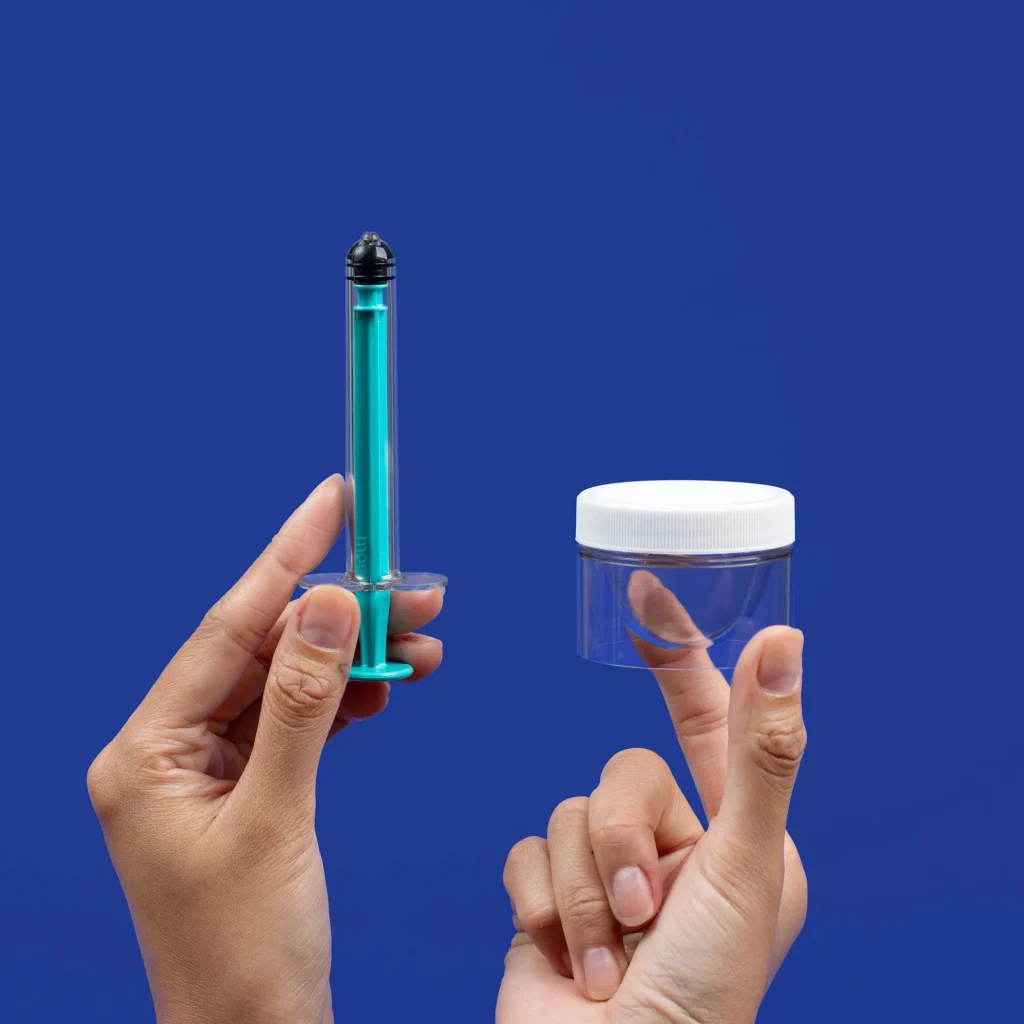
    Hands holding a syringe and a small container against a blue background.

    The Benefits of Exercise on Cervical Mucus Production for Fertility

    4. Promotes a Healthy Weight

    Maintaining a healthy weight is crucial for overall health and fertility. Being overweight or underweight can affect hormone levels and disrupt the menstrual cycle, leading to irregular or absent ovulation. Regular exercise can help maintain a healthy weight, which can improve hormone balance and promote healthy cervical mucus production.

    5. Boosts Immune Function

    A strong immune system is essential for fertility. The cervix is a vital part of the immune system, acting as a barrier against harmful bacteria and viruses. Regular exercise can boost immune function by increasing the production of white blood cells, which help fight off infections. This can reduce the risk of infections that can impact cervical mucus production.

    6. Improves Vaginal Health

    Exercise can also improve vaginal health, which can indirectly impact cervical mucus production. Regular physical activity can increase blood flow to the vaginal area, which helps maintain a healthy pH balance and encourages the growth of beneficial bacteria. This can create a more hospitable environment for sperm and promote healthy cervical mucus production.

    7. Enhances Overall Fertility

    Exercise offers a plethora of benefits for overall health and can have a significant impact on fertility. By promoting a healthy body weight, balancing hormones, reducing stress, and improving immune and reproductive function, regular exercise can enhance overall fertility and increase the chances of conceiving.

    Summary:

    Cervical mucus production is an essential factor in fertility, and exercise offers many benefits for its production. Regular physical activity can improve blood circulation to the reproductive organs, balance hormones, reduce stress, promote a healthy weight, boost immune function, and improve vaginal health. These benefits can ultimately enhance overall fertility and increase the chances of conception.


  • Lifestyle Habits That Can Help Maintain Optimal Cervical Mucus and Lower Cervical Cancer Risk

    Blog Post:

    Cervical mucus is a vital part of a woman’s reproductive health. It plays a crucial role in fertility and helps to protect the cervix from infections and other issues. However, many women may not realize that their lifestyle habits can impact the quality and quantity of their cervical mucus. In fact, certain habits can even increase the risk of cervical cancer. In this blog post, we will discuss lifestyle habits that can help maintain optimal cervical mucus and lower the risk of cervical cancer.

    1. Stay Hydrated: Drinking enough water throughout the day is essential for maintaining optimal cervical mucus. Adequate hydration helps to keep the mucus thin and slippery, making it easier for sperm to travel through the cervix. It also helps to flush out any harmful bacteria or viruses that may lead to infections or other issues.

    2. Eat a Balanced Diet: What you eat can also have a significant impact on your cervical mucus. Consuming a diet rich in fruits, vegetables, whole grains, and lean proteins can help maintain a healthy balance of hormones, which can affect cervical mucus production. Foods that are high in antioxidants, such as berries and leafy greens, can also help protect against cervical cancer.

    3. Avoid Smoking: Smoking not only harms your overall health but can also have a detrimental effect on your cervical mucus. Smoking can lead to changes in the cervix, making it harder for sperm to travel through and increasing the risk of cervical cancer. It can also decrease the amount and quality of cervical mucus, making it more difficult to conceive.

    4. Limit Alcohol Intake: Excessive alcohol consumption can also impact cervical mucus. Alcohol can dehydrate the body and reduce the production of mucus, making it thicker and less hospitable to sperm. It can also increase the risk of cervical cancer, especially in combination with other risk factors like smoking.

    At-home insemination kit with syringes and collection cups on a teal background.

    Lifestyle Habits That Can Help Maintain Optimal Cervical Mucus and Lower Cervical Cancer Risk

    5. Practice Safe Sex: Engaging in safe sex practices can help maintain optimal cervical mucus. Unprotected sex can introduce harmful bacteria or viruses into the vagina, leading to infections that can affect the quality and quantity of cervical mucus. Using a barrier method of contraception, such as condoms, can help prevent these issues.

    6. Maintain a Healthy Weight: Being either underweight or overweight can affect hormone levels and disrupt the production of cervical mucus. Women who are underweight may have less cervical mucus, while those who are overweight may have thicker mucus, making it harder for sperm to travel through. Maintaining a healthy weight through a balanced diet and regular exercise can help regulate hormone levels and improve cervical mucus.

    7. Get Regular Pap Tests: Pap tests, also known as Pap smears, are crucial for detecting abnormal cells in the cervix that may lead to cervical cancer. Getting regular Pap tests can help identify these cells early on, allowing for prompt treatment and reducing the risk of cervical cancer.

    8. Practice Good Hygiene: Good hygiene is essential for maintaining the health of the reproductive organs, including the cervix. Keeping the genital area clean and dry can help prevent infections that can affect cervical mucus. It is also essential to change tampons and pads frequently during menstruation to avoid bacterial growth.

    9. Reduce Stress: Chronic stress can have a negative impact on the hormones that regulate cervical mucus production. When the body is under stress, it produces more cortisol, a hormone that can interfere with the production of cervical mucus. Finding healthy ways to manage stress, such as exercise, meditation, or therapy, can help maintain optimal cervical mucus.

    10. Know Your Family History: Some women may have a genetic predisposition to cervical cancer. Knowing your family history can help you take preventive measures, such as getting regular Pap tests and vaccinations for HPV, to lower your risk of developing cervical cancer.

    In summary, maintaining optimal cervical mucus is crucial for women’s reproductive health and can also help lower the risk of cervical cancer. Staying hydrated, following a balanced diet, avoiding harmful habits like smoking and excessive alcohol consumption, practicing safe sex, maintaining a healthy weight, getting regular Pap tests, practicing good hygiene, managing stress, and knowing your family history are all essential lifestyle habits that can help maintain optimal cervical mucus and promote overall well-being.

  • The Role of Nutrition in Non-Invasive Insemination Success

    Blog Post Title: The Role of Nutrition in Non-Invasive Insemination Success

    Non-invasive insemination, also known as artificial insemination, is a popular fertility treatment option for couples struggling to conceive. This procedure involves placing the male partner’s or donor’s sperm into the female partner’s uterus, bypassing any potential barriers to fertilization. While the success rates for non-invasive insemination can vary, there are several factors that can impact its success, one of which is nutrition.

    Nutrition plays a crucial role in our overall health and wellbeing, and it can also affect our reproductive health. In this blog post, we will discuss the importance of nutrition in non-invasive insemination success and how you can improve your chances of a successful procedure through healthy eating habits.

    The Link Between Nutrition and Reproductive Health
    Our bodies require a balanced and nutritious diet to function properly. When it comes to reproductive health, a healthy diet is essential for both men and women. For women, proper nutrition is crucial for hormone balance, ovulation, and overall fertility. For men, a nutritious diet can improve sperm quality and quantity, which is a crucial factor in non-invasive insemination success.

    According to a study published in the Journal of Andrology, men who consumed a diet rich in fruits, vegetables, whole grains, and lean proteins had higher sperm counts and better sperm motility compared to those who had a diet high in processed foods and saturated fats. This highlights the importance of a healthy diet in male reproductive health and its impact on non-invasive insemination success.

    The Role of Antioxidants
    Antioxidants are essential nutrients that protect our cells from damage caused by free radicals. These unstable atoms can damage our cells and DNA, leading to various health issues, including infertility. Antioxidants can neutralize free radicals, reducing their harmful effects. Several studies have shown that antioxidants can improve sperm quality and increase fertility in both men and women.

    In terms of non-invasive insemination success, antioxidants can play a crucial role in protecting sperm from oxidative stress during the procedure. Oxidative stress can occur during the handling and processing of sperm, which can damage their DNA and reduce their fertilization potential. By consuming a diet rich in antioxidants, men can improve the quality of their sperm and increase their chances of a successful procedure.

    Key Nutrients for Non-Invasive Insemination Success
    While a balanced diet is crucial for overall health and fertility, there are specific nutrients that can have a significant impact on non-invasive insemination success. These include:

    Colorful promotional image for Mosie Baby, featuring home insemination kit and encouraging text.

    The Role of Nutrition in Non-Invasive Insemination Success

    1. Folic Acid: This B vitamin is essential for women’s reproductive health as it helps prevent birth defects and supports the development of a healthy embryo. It is recommended that women who are trying to conceive take folic acid supplements, along with consuming folic acid-rich foods like leafy greens, lentils, and citrus fruits.

    2. Omega-3 Fatty Acids: These healthy fats are crucial for both male and female reproductive health. Omega-3 fatty acids are responsible for regulating hormone production and can improve sperm quality and uterine lining thickness. Foods rich in omega-3s include fatty fish, flaxseeds, and walnuts.

    3. Vitamin D: This essential nutrient is known as the “sunshine vitamin” as our bodies can produce it when exposed to sunlight. Vitamin D plays a role in hormone regulation and can improve sperm quality and motility in men. Women with vitamin D deficiency may also have a higher risk of infertility. Foods rich in vitamin D include fatty fish, eggs, and fortified dairy products.

    4. Zinc: This mineral is essential for male reproductive health as it plays a crucial role in sperm production and motility. Zinc deficiency has been linked to male infertility, and studies have shown that supplementing with zinc can improve sperm quality and increase fertility. Foods rich in zinc include oysters, beef, and pumpkin seeds.

    5. Coenzyme Q10 (CoQ10): This antioxidant is essential for energy production in our cells and can improve sperm motility and overall sperm quality. As we age, our CoQ10 levels decline, which can affect fertility. Supplementing with CoQ10 can help improve sperm quality and increase the chances of a successful non-invasive insemination. Foods rich in CoQ10 include organ meats, fish, and whole grains.

    In addition to these key nutrients, it is essential to consume a diet rich in fruits, vegetables, whole grains, and lean proteins to support overall health and fertility.

    The Importance of a Healthy Weight
    Maintaining a healthy weight is crucial for both male and female reproductive health. Being overweight or underweight can affect hormone levels and ovulation in women and sperm quality in men. Studies have shown that women with a body mass index (BMI) over 25 have a higher risk of infertility, and obese men have lower sperm quality compared to men with a healthy BMI. Therefore, it is essential to maintain a healthy weight through a balanced diet and regular exercise to improve the chances of a successful non-invasive insemination.

    The Bottom Line
    Nutrition plays a vital role in non-invasive insemination success. A balanced and nutritious diet can improve overall reproductive health, increase fertility, and protect sperm from damage during the procedure. It is essential to consume a variety of fruits, vegetables, whole grains, and lean proteins while also including key nutrients like folic acid, omega-3 fatty acids, vitamin D, zinc, and CoQ10. Maintaining a healthy weight is also crucial for non-invasive insemination success. By making healthy food choices and maintaining a healthy weight, you can increase your chances of a successful non-invasive insemination and bring your dream of starting a family to life.

    In summary, nutrition is a crucial factor in non-invasive insemination success. A balanced and healthy diet, rich in key nutrients and antioxidants, can improve overall reproductive health and increase fertility. Maintaining a healthy weight is also essential for the success of the procedure. By making healthy food choices and taking care of your body, you can improve your chances of a successful non-invasive insemination and achieve your dream of starting a family.

  • The Impact of Diet and Exercise on Male Fertility: What Men Need to Know

    Blog Post:

    When it comes to fertility, most of the focus is often placed on the female partner. However, it takes two to tango and male fertility is just as crucial in the process of conception. In recent years, there has been a growing concern about declining male fertility rates. While there are various factors that can contribute to this decline, diet and exercise have a significant impact on male fertility. In this blog post, we will delve into the research and discuss the importance of diet and exercise for male fertility, and what men need to know to improve their chances of conception.

    The Impact of Diet on Male Fertility:

    Studies have shown that diet can play a major role in male fertility. A diet high in processed foods, sugar, and saturated fats can have a negative effect on sperm quality and quantity. On the other hand, a diet rich in fruits, vegetables, whole grains, and lean proteins can help improve fertility in men.

    One of the main reasons for this is the effect of diet on the body’s hormone levels. Hormones such as testosterone and estrogen are crucial for reproductive health in men. A diet high in processed foods and sugar can disrupt the balance of these hormones, leading to a decrease in sperm production and quality.

    In addition, a diet high in antioxidants has been linked to improved fertility in men. Antioxidants help protect sperm from oxidative stress, which can damage sperm DNA and decrease fertility. Foods such as berries, nuts, and green leafy vegetables are rich in antioxidants and should be incorporated into a healthy diet for optimal fertility.

    Obesity and Male Fertility:

    Obesity has been linked to a myriad of health issues, and male fertility is no exception. Studies have shown that obesity can have a negative impact on sperm quality and decrease fertility in men. This is due to the excessive fat tissue in the body, which can lead to an imbalance of hormones and disrupt sperm production.

    Furthermore, obesity can also lead to conditions such as type 2 diabetes and high blood pressure, which can further contribute to fertility issues. Maintaining a healthy weight through diet and exercise is crucial for men who are trying to conceive.

    at-home insemination kit featuring a syringe and container for fresh or donor sperm conception

    The Impact of Diet and Exercise on Male Fertility: What Men Need to Know

    The Role of Exercise in Male Fertility:

    Regular exercise has been proven to have numerous health benefits, and it also plays a vital role in male fertility. Exercise helps maintain a healthy weight, which, as mentioned earlier, is crucial for fertility. It also helps regulate hormone levels and improve sperm quality.

    However, it is essential to note that excessive exercise can also have a negative impact on male fertility. Studies have shown that intense and prolonged exercise can lead to an increase in oxidative stress, which can damage sperm DNA. Therefore, it is important to find a balance and engage in moderate exercise for optimal fertility.

    Fertility-Boosting Nutrients:

    Aside from a healthy diet and exercise, certain nutrients have been shown to have a positive impact on male fertility. These include zinc, selenium, and omega-3 fatty acids. Zinc is crucial for sperm production and can be found in foods such as oysters, beef, and pumpkin seeds. Selenium is an antioxidant that helps protect sperm from damage and can be found in foods like Brazil nuts, tuna, and eggs. Omega-3 fatty acids, found in fish, nuts, and seeds, have also been linked to improved sperm quality.

    Other Factors to Consider:

    While diet and exercise are crucial for male fertility, there are other factors that men should be aware of. These include smoking, excessive alcohol consumption, and exposure to environmental toxins. Cigarettes contain harmful chemicals that can damage sperm and decrease fertility. Excessive alcohol consumption has also been linked to a decrease in sperm quality. Exposure to environmental toxins such as pesticides and pollutants can also have a negative impact on male fertility.

    In addition, men should also pay attention to their overall health and address any underlying medical conditions. Certain health issues, such as a varicocele (enlargement of veins in the scrotum), can affect sperm production and should be addressed with a doctor.

    In summary, diet and exercise play a significant role in male fertility. A healthy diet rich in antioxidants, lean proteins, and fertility-boosting nutrients, coupled with regular exercise, can improve sperm quality and increase fertility. Maintaining a healthy weight and avoiding harmful habits such as smoking and excessive alcohol consumption can also improve chances of conception. It is essential for men to be aware of these factors and make necessary lifestyle changes to optimize their fertility.

    In conclusion, male fertility is a complex issue, and diet and exercise are just some of the factors that can affect it. By making healthy lifestyle choices and addressing any underlying medical conditions, men can improve their fertility and increase their chances of starting a family.

  • Fertility-Boosting Exercises: How Physical Activity Can Help You Conceive

    Fertility-Boosting Exercises: How Physical Activity Can Help You Conceive

    Trying to conceive can be an exciting and nerve-wracking journey for couples. While there are many factors that can affect fertility, one often overlooked aspect is the role of physical activity. Engaging in regular exercise not only benefits overall health, but it can also boost fertility and increase the chances of conceiving. In this blog post, we will explore the link between exercise and fertility and discuss the best fertility-boosting exercises to help you on your journey to parenthood.

    The Link Between Exercise and Fertility

    According to the Centers for Disease Control and Prevention (CDC), about 10% of women in the United States have difficulty getting pregnant or staying pregnant. While there are various reasons for infertility, research has shown that being physically active can improve reproductive health. Regular exercise can help regulate hormones, reduce stress, and maintain a healthy weight, all of which are essential for fertility.

    Hormone Regulation

    Hormonal imbalances can significantly impact fertility in both men and women. In women, conditions such as polycystic ovary syndrome (PCOS) and thyroid disorders can disrupt hormone levels and make it challenging to conceive. In men, low testosterone levels can affect sperm production and quality. Exercise can help regulate hormones by reducing insulin levels, increasing testosterone, and improving thyroid function.

    Stress Reduction

    Stress is a common factor that can affect fertility. When the body is under stress, it produces cortisol, also known as the “stress hormone.” High levels of cortisol can affect the production of reproductive hormones, leading to irregular ovulation or low sperm count. Engaging in physical activity can help reduce stress by releasing endorphins, which are known as the “feel-good” hormones. Exercise can also provide a healthy outlet for managing stress and improving overall mental health.

    Maintaining a Healthy Weight

    Being overweight or underweight can impact fertility in both men and women. Excess body fat can lead to hormonal imbalances, while being underweight can cause irregular ovulation or affect sperm quality. Regular exercise can help maintain a healthy weight and improve overall body composition, increasing the chances of conceiving.

    Fertility-Boosting Exercises

    Now that we understand the link between exercise and fertility, let’s explore some of the best fertility-boosting exercises.

    1. Walking

    Baby wearing a blue shirt with "made with Love" text, surrounded by colorful floral and butterfly designs.

    Fertility-Boosting Exercises: How Physical Activity Can Help You Conceive

    Walking is a low-impact and accessible form of exercise that can help improve fertility. It increases blood flow to the pelvic area, which can help regulate hormones and improve reproductive health. Walking also provides an excellent opportunity to reduce stress and enjoy some fresh air and vitamin D from the sun.

    2. Yoga

    Yoga combines physical activity with mindfulness and relaxation, making it an excellent exercise for fertility. The various poses and stretches in yoga can help improve blood flow to the reproductive organs and reduce stress. Certain yoga poses, such as the butterfly pose, can also help open up the pelvic area and increase blood flow to the uterus.

    3. Swimming

    Swimming is an excellent form of low-impact exercise that can benefit overall health and fertility. It is a full-body workout that can help strengthen muscles and improve cardiovascular health. Swimming can also help increase blood flow to the pelvic area, which can improve reproductive health.

    4. Resistance Training

    Resistance training, also known as strength training, can help improve fertility by increasing testosterone levels in men and improving insulin sensitivity in women. It involves using weights or resistance bands to strengthen and tone muscles. Engaging in resistance training can also help maintain a healthy weight and improve body composition.

    5. Cycling

    Cycling is a great form of cardiovascular exercise that can improve fertility by increasing blood flow to the pelvic area. It can also help strengthen leg muscles and improve overall endurance. However, it is essential to avoid intense cycling and opt for moderate intensity to avoid any negative impact on fertility.

    6. Pilates

    Pilates is a low-impact exercise that can help improve core strength, flexibility, and balance. It can also help reduce stress and improve overall body awareness. Certain Pilates exercises, such as the pelvic curl, can also help increase blood flow to the reproductive organs.

    Summary

    In summary, physical activity plays a significant role in boosting fertility. Engaging in regular exercise can help regulate hormones, reduce stress, and maintain a healthy weight, all of which are essential for reproductive health. Walking, yoga, swimming, resistance training, cycling, and Pilates are all excellent fertility-boosting exercises that can help increase the chances of conceiving. Remember to always consult with your doctor before starting any new exercise routine, especially if you are trying to conceive.

  • The Role of Exercise in At-Home Conception: Finding the Right Balance

    Blog Post:

    The journey towards conception can be a challenging and emotional one for many couples. Along with making lifestyle changes and seeking medical help, exercise can play a crucial role in increasing the chances of conception. However, finding the right balance between too little and too much exercise is essential for optimal results. In this blog post, we will discuss the role of exercise in at-home conception and how to find the right balance to help you on your journey towards parenthood.

    Exercise and Fertility: The Connection

    Exercise has been proven to have numerous benefits for overall health and well-being, and it also plays a vital role in fertility. Regular physical activity can help regulate hormones, reduce stress, improve circulation, and maintain a healthy weight – all of which can contribute to increasing the chances of conception.

    Hormone Regulation

    Hormonal imbalances can be a significant obstacle when trying to conceive. Exercise can help regulate hormones such as insulin, cortisol, and thyroid hormones, which are essential for fertility. For example, insulin resistance can lead to anovulation and irregular menstrual cycles, making it harder to get pregnant. By engaging in regular exercise, you can improve insulin sensitivity and regulate your menstrual cycle, making it easier to conceive.

    Stress Reduction

    Trying to conceive can be a stressful and emotional process, which can negatively impact fertility. Exercise is a natural stress reliever, and it has been shown to reduce anxiety and depression, both of which can affect fertility. When we exercise, our bodies produce endorphins, also known as “feel-good” hormones, that can help reduce stress and promote a more positive mindset.

    Improved Circulation

    Good blood flow is vital for reproductive health. Exercise increases blood flow, bringing essential nutrients and oxygen to the reproductive organs. This can improve the quality of the eggs and sperm, increasing the chances of conception. Additionally, exercise can help reduce inflammation in the body, which can negatively impact fertility.

    Maintaining a Healthy Weight

    Being either underweight or overweight can affect fertility and make it harder to conceive. Regular exercise can help maintain a healthy weight, reducing the risk of conditions such as polycystic ovary syndrome (PCOS), which can lead to irregular ovulation and infertility. However, it is important to note that excessive exercise, especially in women, can also lead to irregular menstrual cycles and affect fertility. Finding the right balance is key.

    sperm-ready insemination kit with a syringe and container, featuring a screw top lid and non-tip safety wall

    The Role of Exercise in At-Home Conception: Finding the Right Balance

    Finding the Right Balance: How Much Exercise is Too Much?

    While exercise is beneficial for fertility, it is essential to find the right balance. Too much exercise can have a negative impact on fertility, and too little may not provide the benefits needed. Here are some tips to help you find the right balance:

    Consult with Your Doctor

    Before starting any exercise routine, it is crucial to consult with your doctor, especially if you have any underlying medical conditions or are taking any medications. Your doctor can advise you on the types of exercises that are safe for you and how much you should be doing.

    Listen to Your Body

    Paying attention to your body’s signals is crucial when it comes to finding the right balance. If you experience any pain or discomfort while exercising, it is a sign that you may be pushing yourself too hard. Take breaks when you need them, and don’t be afraid to modify your workouts as needed.

    Avoid High-Intensity Workouts

    While high-intensity workouts may be popular, they may not be the best for those trying to conceive. These types of workouts can put a lot of stress on the body, leading to hormonal imbalances and affecting fertility. Instead, focus on low-impact exercises, such as walking, yoga, or swimming, that can still provide health benefits without putting too much strain on the body.

    Don’t Forget to Rest

    Rest and recovery are just as important as exercise when it comes to fertility. Over-exercising can lead to fatigue and disrupt hormone balance, making it harder to conceive. Make sure to schedule rest days in your workout routine and listen to your body’s signals when it needs a break.

    In conclusion, exercise plays a crucial role in at-home conception, but finding the right balance is essential. By regulating hormones, reducing stress, improving circulation, and maintaining a healthy weight, exercise can increase the chances of conception. However, it is important to consult with your doctor, listen to your body, avoid high-intensity workouts, and prioritize rest and recovery to find the right balance for your individual needs.

    Summary:

    Exercise can play a significant role in at-home conception by regulating hormones, reducing stress, improving circulation, and maintaining a healthy weight. However, finding the right balance is crucial, as too much exercise can have a negative impact on fertility. Consulting with a doctor, listening to your body, avoiding high-intensity workouts, and prioritizing rest and recovery are essential in finding the right balance for optimal results.

  • The Role of Nutrition in At-Home Conception: Foods to Boost Fertility

    Blog Post: The Role of Nutrition in At-Home Conception: Foods to Boost Fertility

    When it comes to trying to conceive, many couples may turn to fertility treatments or medications to increase their chances. However, what many people may not realize is that proper nutrition can also play a significant role in boosting fertility and increasing the chances of conception. In fact, maintaining a healthy and balanced diet can not only improve overall health but also enhance reproductive function and support a healthy pregnancy. In this blog post, we will explore the key role of nutrition in at-home conception and the top foods that can boost fertility.

    The Link Between Nutrition and Fertility

    The food we eat provides our bodies with essential nutrients that are necessary for maintaining optimal health and functioning. These nutrients also play a crucial role in reproductive health. For instance, vitamins and minerals such as folate, iron, and zinc are vital for healthy egg and sperm production. A deficiency in these nutrients can lead to hormonal imbalances and decrease fertility.

    Additionally, being overweight or underweight can also affect fertility. Being overweight can cause excess production of estrogen, leading to irregular ovulation, while being underweight can disrupt the menstrual cycle and decrease fertility. Therefore, maintaining a healthy weight through proper nutrition is essential for fertility.

    Top Foods to Boost Fertility

    1. Leafy Greens

    Leafy greens such as spinach, kale, and broccoli are rich in folate, a B-vitamin that is vital for healthy egg and sperm production. Folate also plays a role in preventing birth defects, making it crucial for a healthy pregnancy. Incorporating these greens into your daily diet can help boost fertility and support a healthy pregnancy.

    2. Healthy Fats

    Healthy fats, such as those found in avocados, nuts, and olive oil, are essential for reproductive health. These fats contain omega-3 fatty acids, which help regulate hormones and increase blood flow to the reproductive organs. Omega-3 fatty acids also help reduce inflammation, a known factor that can contribute to infertility.

    3. Colorful Fruits and Vegetables

    home insemination kit components: a syringe and a collection container against a blue background.

    The Role of Nutrition in At-Home Conception: Foods to Boost Fertility

    Fruits and vegetables are loaded with antioxidants, which help protect the body from free radicals that can damage cells, including reproductive cells. Berries, in particular, are rich in antioxidants and have been linked to improved sperm quality. Eating a variety of colorful fruits and vegetables can provide your body with a wide range of antioxidants, supporting reproductive health.

    4. Whole Grains

    Whole grains, such as oats, quinoa, and brown rice, are rich in complex carbohydrates and fiber, making them an excellent choice for boosting fertility. Complex carbohydrates help regulate insulin levels, which are essential for ovulation, while fiber helps maintain a healthy weight and balance hormones.

    5. Lean Protein

    Lean protein sources, such as chicken, fish, and beans, are essential for reproductive health. Protein is necessary for the production of hormones and is also important for egg and sperm quality. Additionally, lean protein sources are lower in saturated fat, making them a healthier choice for overall health and fertility.

    6. Fermented Foods

    Fermented foods, such as yogurt, kefir, and sauerkraut, are rich in probiotics, which help support a healthy gut microbiome. A healthy gut is essential for nutrient absorption and hormone regulation, both of which are crucial for fertility. Adding a serving of fermented foods to your daily diet can help improve overall health and boost fertility.

    7. Water

    Staying hydrated is crucial for reproductive health. Water helps regulate body temperature, improve blood flow, and flush out toxins from the body. Dehydration can lead to thickening of the cervical mucus, making it difficult for sperm to reach the egg. Therefore, it is important to drink plenty of water throughout the day to support fertility.

    In conclusion, while fertility treatments and medications may help increase the chances of conception, proper nutrition should not be overlooked. A healthy and balanced diet can provide the essential nutrients needed for reproductive health and support a healthy pregnancy. Incorporating these top fertility-boosting foods into your daily diet can make a significant impact on your journey to parenthood.

    In summary, proper nutrition plays a crucial role in boosting fertility and increasing the chances of conception. Key nutrients such as folate, iron, and zinc are essential for reproductive health, and maintaining a healthy weight is also crucial for fertility. Incorporating foods such as leafy greens, healthy fats, colorful fruits and vegetables, whole grains, lean protein, fermented foods, and water into your diet can support hormonal balance, egg and sperm production, and overall reproductive health.