Tag: hormone imbalances

  • Why Cervical Mucus Matters for Women with Endometriosis

    Cervical mucus may not be a topic that most women think about on a daily basis, but for those with endometriosis, it can play a crucial role in managing their condition. Endometriosis is a chronic and often painful condition where the tissue that normally lines the inside of the uterus grows outside of it. This can cause a range of symptoms, including heavy and irregular periods, pelvic pain, and infertility. While there is no cure for endometriosis, understanding and tracking cervical mucus can provide valuable insights for women with the condition.

    In this blog post, we will explore the importance of cervical mucus for women with endometriosis. We will discuss what cervical mucus is, how it changes throughout the menstrual cycle, and why it matters for those with endometriosis. We will also provide tips for tracking and interpreting cervical mucus to better manage endometriosis symptoms.

    Understanding Cervical Mucus

    Cervical mucus, also known as cervical fluid, is a natural secretion produced by the cervix, the narrow passage between the uterus and the vagina. It serves several important functions in the female reproductive system, including protecting and nourishing sperm, facilitating their movement towards the egg, and preventing bacteria and other foreign substances from entering the uterus.

    Cervical mucus is produced by the cervix in response to hormonal changes throughout the menstrual cycle. At the beginning of the cycle, just after menstruation, cervical mucus is usually minimal and thick, acting as a barrier to prevent sperm from entering the uterus. As ovulation approaches, estrogen levels rise, causing the mucus to become thinner, clearer, and more stretchy. This type of mucus, known as fertile cervical mucus, is ideal for sperm survival and can help them reach the egg for fertilization.

    Why Cervical Mucus Matters for Women with Endometriosis

    For women with endometriosis, understanding and tracking cervical mucus can be beneficial in several ways. Here are some reasons why cervical mucus matters for those with endometriosis:

    1. Fertility Tracking

    Endometriosis is a leading cause of infertility in women, with up to 50% of women with the condition experiencing difficulty getting pregnant. Cervical mucus can provide valuable information about a woman’s fertile window, which is the time when she is most likely to conceive. By tracking changes in cervical mucus, women with endometriosis can better time intercourse to increase their chances of getting pregnant.

    2. Symptom Management

    Endometriosis is known to cause heavy and irregular periods, which can be difficult to manage. By tracking cervical mucus, women with endometriosis can gain insights into their menstrual cycle and understand when their periods may be more intense. This information can help them prepare and manage their symptoms more effectively.

    3. Hormonal Imbalance

    Hormonal imbalances, particularly elevated levels of estrogen, are believed to contribute to the development and progression of endometriosis. By tracking cervical mucus, women with endometriosis can monitor their estrogen levels and understand if there are any patterns or changes in their mucus throughout their cycle. This information can be helpful in identifying potential hormone imbalances and working with a healthcare provider to address them.

    home insemination kit components: a syringe and a collection container against a blue background.

    Why Cervical Mucus Matters for Women with Endometriosis

    Tips for Tracking Cervical Mucus

    Now that we understand the importance of cervical mucus for women with endometriosis, here are some tips for tracking and interpreting it:

    1. Keep a Menstrual Cycle Calendar

    The first step in tracking cervical mucus is to keep a menstrual cycle calendar. This will help you track the length of your cycle, as well as any changes in your cervical mucus throughout the month. There are many apps and online tools available to help you track your cycles, or you can simply use a pen and paper calendar.

    2. Check Cervical Mucus Daily

    To get an accurate picture of your cervical mucus patterns, it is important to check it daily. The best time to do this is after urination and before showering or having intercourse. This will ensure that the mucus is not mixed with urine or semen and is in its most natural state.

    3. Observe and Record Changes

    As you track your cervical mucus, pay attention to its color, consistency, and texture. Record these changes in your menstrual cycle calendar, along with any other symptoms you may be experiencing. This will help you identify patterns and understand how your cervical mucus may be related to your endometriosis symptoms.

    4. Use Visual Aids

    Some women find it helpful to use visual aids, such as a color chart or pictures, to help them identify and track changes in cervical mucus. This can be especially useful for those who are new to tracking cervical mucus and may not be familiar with the different types and textures.

    5. Consult with a Healthcare Provider

    If you have endometriosis and are struggling with fertility or managing your symptoms, it is important to consult with a healthcare provider. They can provide personalized advice and help you understand the role of cervical mucus in your condition.

    In summary, cervical mucus matters for women with endometriosis because it can provide valuable insights into their menstrual cycles, fertility, and hormone levels. By tracking and understanding changes in cervical mucus, women with endometriosis can better manage their symptoms and improve their overall quality of life.

  • Stressed Out? How It May Be Affecting Your Cervical Mucus

    Stress is something that affects all of us at some point in our lives. It can come from various sources such as work, relationships, financial problems, or even our own thoughts and worries. While we may often hear about the negative effects of stress on our mental health and overall well-being, one area that is often overlooked is the impact it can have on our physical health, specifically on our cervical mucus.

    Cervical mucus is a fluid secreted by the cervix that plays a crucial role in female fertility. It helps sperm travel through the reproductive tract, protects them from the acidic environment of the vagina, and nourishes them on their journey to fertilize an egg. The quality and quantity of cervical mucus can greatly affect a woman’s ability to conceive, making it an essential factor to consider for those trying to get pregnant.

    So, how does stress come into play? When we are under stress, our bodies produce a hormone called cortisol. This hormone is responsible for the “fight or flight” response, which is our body’s way of preparing for a perceived threat. While this response can be helpful in dangerous situations, prolonged levels of cortisol in the body can have negative effects on our health, including our cervical mucus.

    One of the primary ways stress affects cervical mucus is by altering its quality and quantity. Studies have shown that stress can lead to a decrease in the production of cervical mucus, making it thicker and less hospitable to sperm. This can make it more challenging for sperm to reach and fertilize an egg, reducing the chances of conception.

    Moreover, stress can also change the texture of cervical mucus, making it less stretchy and more clumpy. This can hinder sperm’s movement and decrease their chances of survival. As a result, even if sperm successfully reach an egg, the chances of fertilization are significantly reduced due to the changes in cervical mucus caused by stress.

    In addition to affecting the quality and quantity of cervical mucus, stress can also disrupt a woman’s menstrual cycle. Stress can cause irregularities in the release of hormones that are necessary for ovulation, leading to a delay or absence of ovulation altogether. This disruption can also affect the production of cervical mucus, making it difficult for sperm to survive in the reproductive tract and fertilize an egg.

    Furthermore, stress can also contribute to hormonal imbalances, which can affect the production of cervical mucus. Hormonal imbalances can lead to changes in the pH balance of the vagina, making it more acidic and hostile to sperm. This, coupled with the changes in cervical mucus, can significantly decrease a woman’s chances of conceiving.

    It is also important to note that stress can have a cyclical effect on cervical mucus. The stress of trying to conceive or worrying about infertility can lead to more stress, which can further impact the quality and quantity of cervical mucus. This can create a vicious cycle that can be challenging to break.

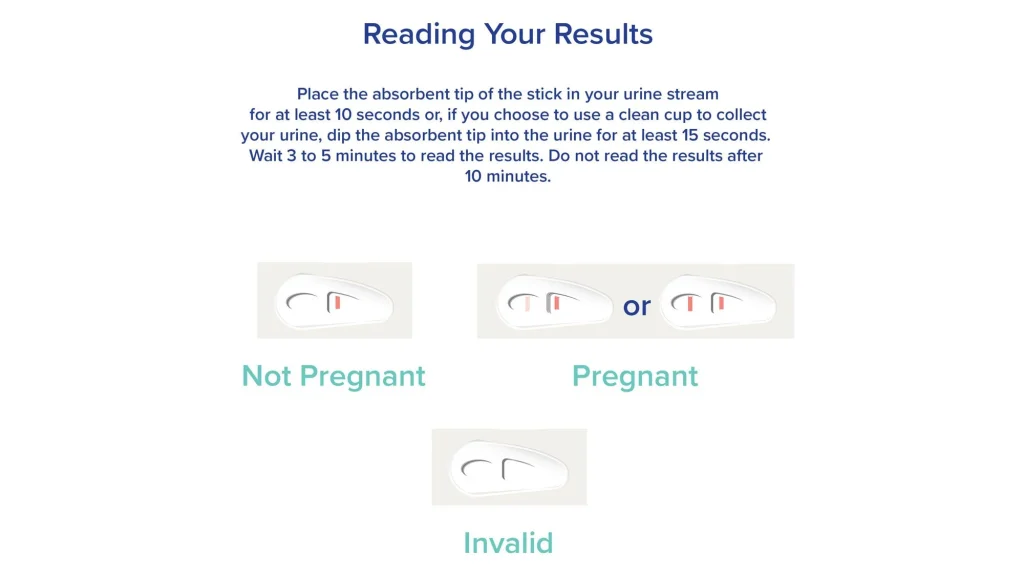
    Instructions for reading pregnancy test results with visual indicators for "Not Pregnant," "Pregnant," and "Invalid.

    Stressed Out? How It May Be Affecting Your Cervical Mucus

    Aside from its direct effects on cervical mucus, stress can also cause other issues that can indirectly affect fertility. For instance, stress can lead to changes in eating habits, sleep patterns, and overall lifestyle, all of which can have a significant impact on reproductive health.

    Moreover, stress can also affect a woman’s libido, making it more difficult to engage in sexual activity and increase the chances of conception. This can also lead to relationship strains, adding to the stress and anxiety a woman may already be experiencing.

    So, what can be done to manage stress and improve cervical mucus quality? The first step is to recognize and acknowledge the stressors in our lives. This could involve seeking external help, such as counseling or therapy, to address underlying issues and develop coping mechanisms.

    Additionally, incorporating stress-reducing activities into our daily routines can also be beneficial. This could include exercise, meditation, mindfulness techniques, or even simply taking a break from work. Finding ways to relax and unwind can help reduce cortisol levels and improve overall well-being, including cervical mucus quality.

    Furthermore, maintaining a healthy lifestyle by eating a balanced diet, getting enough sleep, and avoiding harmful substances can also contribute to reducing stress levels and improving cervical mucus production.

    In conclusion, stress can have a significant impact on cervical mucus and, therefore, fertility. It is essential to recognize and manage stress in our lives, not only for our mental health but also for our physical well-being and the ability to conceive. By taking steps to reduce stress and promote a healthy lifestyle, we can improve our chances of conception and achieve a healthier overall balance in our lives.

    Summary:

    Stress is a prevalent issue that affects our daily lives, and it can have a significant impact on our physical health, particularly on cervical mucus. Cervical mucus plays a crucial role in female fertility, and stress can affect its quality and quantity, making it more challenging to conceive. Stress can also lead to hormonal imbalances, irregular menstrual cycles, and other issues that can indirectly affect fertility. Adopting stress-reducing activities and maintaining a healthy lifestyle can help manage stress and improve cervical mucus quality, increasing the chances of conception.

  • Tips for Monitoring Cervical Mucus Consistency

    Blog Post Title: Tips for Monitoring Cervical Mucus Consistency: Understanding Your Body’s Fertility Signals

    Cervical mucus may not be a topic that is openly discussed, but it can provide valuable insights into a woman’s fertility and overall health. The consistency and appearance of cervical mucus can change throughout a woman’s menstrual cycle, and understanding these changes can help with family planning and identifying any potential health issues. In this blog post, we will discuss tips for monitoring cervical mucus consistency and what it can reveal about your body.

    What is Cervical Mucus?

    Cervical mucus, also known as cervical fluid, is a substance produced by the cervix that helps sperm travel through the reproductive tract to fertilize an egg. It is influenced by hormones and can change in consistency and amount throughout the menstrual cycle. Typically, it is sticky and thick during non-fertile days and becomes thin and stretchy during fertile days.

    Why is Monitoring Cervical Mucus Important?

    Monitoring cervical mucus can be a useful tool for understanding your body’s fertility signals and planning or preventing pregnancy. It can also provide valuable information about your overall health. Changes in the consistency, color, and amount of cervical mucus can indicate hormonal imbalances, infections, or other underlying health concerns.

    Tips for Monitoring Cervical Mucus Consistency

    1. Start tracking your cervical mucus: The first step to monitoring cervical mucus is to start tracking it. You can do this by using a fertility tracking app, keeping a journal, or using a fertility chart. Note the color, consistency, and amount of mucus every day.

    2. Check your cervical mucus daily: It is best to check your cervical mucus every day, preferably at the same time. The consistency can change quickly, so it is essential to monitor it consistently.

    3. Understand the different types of cervical mucus: Cervical mucus goes through different phases throughout the menstrual cycle. It is essential to understand the different types to determine your fertile days accurately. The different types are:

    At-home insemination kit with syringes and collection cups on a teal background.

    Tips for Monitoring Cervical Mucus Consistency

    a. Dry or sticky: This type of mucus is not fertile and is typically found during the non-fertile days.

    b. Creamy: This type of mucus is also non-fertile and may appear white or yellowish.

    c. Egg white/ stretchy: This type of mucus is fertile and appears clear, slippery, and stretchy. It resembles raw egg whites and is the best type of mucus for sperm to swim through.

    d. Watery: This type of mucus is also fertile and is clear and watery. It is a transitional type between the non-fertile and fertile phases.

    4. Pay attention to color and odor: While cervical mucus can vary in color and odor, any significant changes should be noted. Any abnormal color, such as green, gray, or brown, may indicate an infection or other health issue. If you notice a foul odor, it is best to consult a healthcare provider.

    5. Consider using ovulation predictor kits: If you are trying to conceive, using ovulation predictor kits (OPKs) can complement tracking cervical mucus. OPKs detect the surge of luteinizing hormone (LH) that occurs before ovulation. This surge indicates that you are about to ovulate, and your cervical mucus will also be in the fertile phase.

    6. Be consistent with your birth control method: If you are using a hormonal birth control method, such as the pill, patch, or ring, your cervical mucus may not accurately reflect your fertile days. This is because hormonal birth control can affect the production and consistency of cervical mucus. Therefore, it is best to follow the instructions for your chosen method and not rely on cervical mucus alone for birth control.

    7. Consult a healthcare provider if you notice significant changes: If you notice any significant changes in your cervical mucus, such as prolonged periods of dryness or a sudden increase in discharge, it is best to consult a healthcare provider. It could be a sign of an underlying health issue that needs to be addressed.

    Summary:

    Cervical mucus consistency is an essential aspect of a woman’s fertility and overall health. Monitoring it can provide valuable insights into your body’s reproductive system and help with family planning. By tracking its color, consistency, and amount, you can determine your fertile days accurately. It is also crucial to pay attention to any significant changes and consult a healthcare provider if necessary. By understanding your body’s fertility signals, you can take control of your reproductive health.

  • Conception and Your Thyroid: Understanding the Connection

    Conception and Your Thyroid: Understanding the Connection

    When it comes to the journey of trying to conceive, there are many factors that can affect a woman’s chances of getting pregnant. One often overlooked factor is the health of the thyroid gland. The thyroid gland plays a crucial role in the reproductive system and any imbalances can greatly impact a woman’s ability to conceive. In this blog post, we will dive into the connection between conception and your thyroid, and how understanding this connection can help increase your chances of getting pregnant.

    What is the Thyroid Gland?

    Before we can understand the connection between conception and the thyroid, it’s important to understand what the thyroid gland is and its function. The thyroid gland is a butterfly-shaped gland located in the front of the neck, just below the Adam’s apple. It is responsible for producing hormones that regulate the body’s metabolism, energy production, and growth and development. These hormones are known as thyroxine (T4) and triiodothyronine (T3).

    The Connection Between the Thyroid and Conception

    The thyroid and the reproductive system are closely linked, and any imbalances in the thyroid gland can have a significant impact on a woman’s ability to conceive. Let’s take a closer look at how the thyroid affects conception.

    1. Regulates Menstrual Cycle

    The menstrual cycle is regulated by hormones produced by the thyroid gland. Any imbalances in these hormones can result in irregular menstrual cycles, making it difficult to track ovulation and time intercourse correctly. This can greatly impact a woman’s chances of getting pregnant.

    2. Affects Egg Quality

    Thyroid hormones play a crucial role in the development and maturation of egg cells. An imbalance in these hormones can result in poor quality eggs, making it harder for fertilization to occur.

    3. Disrupts Hormonal Balance

    The thyroid gland also plays a role in the production of other reproductive hormones such as estrogen and progesterone. Any imbalances in these hormones can lead to irregularities in the menstrual cycle and affect ovulation.

    4. Impacts the Uterine Lining

    Thyroid hormones also have an impact on the thickness and quality of the uterine lining. A thin or poor-quality lining can make it difficult for a fertilized egg to implant and grow, leading to difficulties in conceiving.

    5. Increases Risk of Miscarriages

    Thyroid imbalances can increase the risk of miscarriages. Studies have shown that women with untreated thyroid disorders have a higher risk of miscarriage compared to those with normal thyroid function.

    home insemination kit components: a syringe and a collection container against a blue background.

    Conception and Your Thyroid: Understanding the Connection

    Signs of Thyroid Imbalances

    Now that we understand the connection between the thyroid and conception, it’s important to recognize the signs of thyroid imbalances. Some common signs of thyroid disorders include:

    – Irregular menstrual cycles
    – Difficulty getting pregnant
    – Recurrent miscarriages
    – Fatigue and weakness
    – Unexplained weight gain or loss
    – Mood swings and irritability
    – Changes in hair and skin
    – Cold intolerance
    – Muscle and joint pain

    If you are experiencing any of these symptoms, it’s important to speak to your doctor and get your thyroid levels checked.

    Managing Thyroid Disorders for Conception

    If you have been diagnosed with a thyroid disorder, it’s important to manage it properly before trying to conceive. Here are some steps you can take to manage your thyroid for conception:

    1. Consult with an Endocrinologist

    An endocrinologist is a doctor who specializes in the diagnosis and treatment of hormone-related disorders. It’s important to consult with an endocrinologist to properly manage your thyroid disorder and its impact on your fertility.

    2. Take Medication as Prescribed

    If you have been prescribed medication for your thyroid disorder, it’s important to take it as directed by your doctor. Skipping doses or not taking the medication regularly can worsen your condition and affect your chances of conceiving.

    3. Monitor Your Thyroid Levels

    Regular monitoring of your thyroid levels is crucial when trying to conceive. Your doctor may recommend blood tests every 4-6 weeks to ensure that your thyroid hormones are within the normal range.

    4. Consider Alternative Treatments

    In addition to medication, there are also alternative treatments that can help manage thyroid disorders, such as acupuncture, herbal supplements, and dietary changes. Consult with your doctor before trying any alternative treatments.

    5. Practice Self-Care

    Managing a thyroid disorder can be stressful, and stress can also affect fertility. It’s important to practice self-care and find ways to reduce stress levels, such as yoga, meditation, or talking to a therapist.

    In summary, the thyroid gland plays a crucial role in a woman’s ability to conceive. Any imbalances in the thyroid hormones can greatly impact the menstrual cycle, egg quality, and the uterine lining, making it difficult to get pregnant. If you suspect you may have a thyroid disorder, it’s important to consult with your doctor and get proper treatment before trying to conceive. With proper management, you can increase your chances of conceiving and have a healthy pregnancy.