Tag: innovations

  • The Future of Fertility: Sarah and Ryan’s Mosiebaby Revolution

    The Future of Fertility: Sarah and Ryan’s Mosiebaby Revolution

    In recent years, the conversation around fertility has become more open and inclusive. Couples and individuals who struggle with fertility issues are no longer suffering in silence, but instead, are seeking solutions and support from the community. As a result of this shift, the world of fertility has seen incredible advancements and innovations. One such innovation is the Mosiebaby Revolution, pioneered by Sarah and Ryan, a couple who wanted to make fertility treatments more accessible and affordable for everyone. In this blog post, we will explore the future of fertility and how Sarah and Ryan’s Mosiebaby Revolution is changing the game for couples and individuals trying to conceive.

    The Struggle with Fertility

    According to the World Health Organization, fertility issues affect approximately 10% of couples worldwide. This struggle can be emotionally and physically draining, and it often comes with a hefty price tag. Traditional fertility treatments such as in vitro fertilization (IVF) or intrauterine insemination (IUI) can cost tens of thousands of dollars, making it unattainable for many couples. Moreover, these treatments can also be invasive and come with potential health risks.

    The Cost of Traditional Fertility Treatments

    For Sarah and Ryan, the cost of traditional fertility treatments was a major barrier. After trying to conceive for two years without success, they realized that they could not afford the expensive treatments. This led them to explore alternative options, and after extensive research, they came across an innovative method called “at-home insemination.”

    At-Home Insemination

    At-home insemination, also known as intra-cervical insemination (ICI), is a method where sperm is inserted into the vagina using a syringe or a soft cup. This method is often used by same-sex couples and individuals who are trying to conceive without a partner. Sarah and Ryan were intrigued by this method and decided to give it a try. However, they were disappointed to find that there were no products specifically designed for at-home insemination. They had to rely on makeshift methods, such as using a turkey baster or a syringe, which were not only messy but also not very effective.

    comparison of Mosie syringe opening versus standard syringe opening with text highlighting benefits

    The Future of Fertility: Sarah and Ryan's Mosiebaby Revolution

    The Inception of Mosiebaby

    Determined to find a solution, Sarah and Ryan came up with the idea of Mosiebaby. It is a specially designed syringe that makes at-home insemination more accessible and effective. The syringe has a rounded tip and a plunger that creates gentle suction, making the insemination process more comfortable and efficient. Moreover, Mosiebaby also comes with a fertility-friendly lubricant that enhances the success rate of the insemination process.

    The Impact of Mosiebaby

    Since its inception, Mosiebaby has helped thousands of couples and individuals achieve their dream of having a baby. Not only is it more affordable than traditional fertility treatments, but it also allows couples to have more control over the process. They can do it in the comfort of their own home, without the stress and financial burden of medical procedures. Mosiebaby also offers a more inclusive approach to fertility, as it can be used by same-sex couples and individuals who do not have a partner.

    The Future of Fertility

    The success of Mosiebaby has sparked a revolution in the world of fertility. It has opened the doors for more accessible and affordable fertility treatments that can be done at home. This is especially beneficial for couples and individuals who do not have access to fertility clinics or cannot afford expensive treatments. Mosiebaby has also paved the way for more open conversations about fertility, breaking the stigma and bringing the community closer together.

    In addition to Mosiebaby, there are other emerging technologies and innovations that are changing the landscape of fertility. For instance, CRISPR gene-editing technology has the potential to help couples struggling with genetic disorders to have healthy babies. There are also advancements in artificial intelligence and machine learning that can improve the success rates of IVF treatments by predicting the viability of embryos. These advancements show great promise for the future of fertility and give hope to those struggling with fertility issues.

    In conclusion, the future of fertility looks bright, thanks to the Mosiebaby Revolution and other innovative technologies. Sarah and Ryan’s determination to find a solution for their own fertility struggles has not only helped them achieve their dream of having a baby but has also changed the game for thousands of others. The Mosiebaby Revolution has made fertility treatments more accessible, affordable, and inclusive, and it is just the beginning of a more inclusive and advanced future of fertility.


  • The Advancements and Innovations of Insemination Syringe Kits

    Blog Post Title: The Evolution of Insemination Syringe Kits: Advancements and Innovations

    Insemination, also known as artificial insemination, is a method used to fertilize eggs by introducing sperm into the reproductive tract of a female. It is commonly used in fertility treatments and animal breeding. While the concept of insemination has been around for centuries, the development of specialized tools and equipment has greatly improved its success rates and accessibility. One of the most important tools in this process is the insemination syringe kit. In this blog post, we will explore the advancements and innovations of insemination syringe kits and how they have revolutionized the field of fertility treatments and animal breeding.

    The History of Insemination Syringe Kits
    The earliest forms of insemination involved crude methods such as using a hollowed-out bone or a turkey baster to introduce sperm into the reproductive tract. These methods were not very effective and often resulted in low success rates. In the late 19th century, scientists began to develop more sophisticated tools for insemination, including the first syringe-like device specifically designed for insemination. This early syringe was made of glass and had a rubber bulb at one end to create suction and a narrow tube at the other end to deliver the sperm.

    Advancements in Materials and Design
    Over the years, there have been significant advancements in the materials and design of insemination syringe kits. The glass syringe was eventually replaced by plastic, making it more durable and easier to sterilize. The rubber bulb was also replaced with a plunger, allowing for more precise control of the amount of sperm being delivered. The narrow tube was also improved to be thinner and longer, making it easier to reach the desired location in the reproductive tract.

    One of the most significant advancements in materials was the development of disposable syringes. These syringes are made of plastic and are designed for a single use, eliminating the risk of contamination and the need for sterilization. This has greatly improved the safety and success rates of insemination procedures.

    Innovations in Design for Better Results
    Insemination syringe kits have also seen innovations in their design to improve the success rates of insemination procedures. One such innovation is the addition of a locking mechanism on the syringe plunger. This allows for the syringe to be locked at a specific volume, ensuring that the same amount of sperm is delivered each time. This is crucial for achieving consistent results in fertility treatments and animal breeding.

    blue box with "mosie" logo, syringes, and informational pamphlet on a pink background

    The Advancements and Innovations of Insemination Syringe Kits

    Another innovation is the development of syringes with a curved tip. This curved tip allows for easier insertion into the reproductive tract, reducing the risk of injury and increasing the efficiency of the procedure. It also allows for better reach, making it possible to inseminate animals with a longer reproductive tract.

    Digitalization of Insemination Syringe Kits
    As technology continues to advance, so does the field of insemination. One of the most recent innovations in insemination syringe kits is the digitalization of the process. This involves the use of a digital syringe that can be connected to a computer or smartphone. The syringe is equipped with sensors that can measure the volume and pressure of the delivered sperm. This data can then be analyzed to determine the ideal amount and pressure for successful insemination.

    The digitalization of insemination has also led to the development of apps that can guide users through the insemination process, ensuring that it is done correctly and efficiently. These apps can also track the success rates of different insemination procedures, providing valuable data for future treatments.

    The Impact of Advancements and Innovations in Insemination Syringe Kits
    The advancements and innovations in insemination syringe kits have had a significant impact on the field of fertility treatments and animal breeding. They have greatly improved the success rates of insemination procedures, making it a more viable option for those struggling with fertility issues. They have also made it easier and safer for farmers to breed their animals, resulting in better production and healthier offspring.

    Furthermore, the improvements in design and materials have made insemination syringe kits more accessible and user-friendly. This has allowed for more people to perform insemination procedures at home, reducing the cost and inconvenience of going to a fertility clinic or hiring a professional breeder.

    In conclusion, the evolution of insemination syringe kits has come a long way since its humble beginnings. The advancements and innovations in materials, design, and technology have greatly improved the success rates and accessibility of insemination procedures. With continued research and development, we can expect even more advancements in the future, further revolutionizing the field of fertility treatments and animal breeding.

    Summary:
    Insemination syringe kits have undergone significant advancements and innovations over the years, greatly improving their success rates and accessibility. From the early glass syringes to disposable plastic syringes, the materials and design have evolved. Innovations such as locking mechanisms and curved tips have also led to better results. The digitalization of insemination has brought about the use of digital syringes and apps for guidance and data analysis. These advancements have had a significant impact on fertility treatments and animal breeding, making the process more successful and accessible.

  • The Future of Parenthood: Innovations from Mosie Brand

    The Future of Parenthood: Innovations from Mosie Brand

    Parenthood has always been a journey filled with excitement, challenges, and love. However, with the advancements in technology and society, the landscape of parenthood is rapidly changing. One brand that has been at the forefront of this change is Mosie, a company that specializes in fertility innovations. With their revolutionary products and services, Mosie is paving the way for a new era of parenting. In this blog post, we will explore the future of parenthood and the innovative solutions that Mosie is offering to help couples and individuals achieve their dream of starting a family.

    The Evolution of Parenthood

    Parenthood has come a long way since the traditional nuclear family model of a married couple with children. Today, the definition of parenthood is much broader and inclusive, encompassing single parents, same-sex couples, and chosen families. This evolution has been driven by societal changes, including a greater acceptance of diverse family structures and advancements in fertility treatments.

    One of the biggest challenges faced by individuals and couples on their journey to parenthood is infertility. According to the Centers for Disease Control and Prevention, 1 in 8 couples in the United States struggle with infertility. This has led to a rise in demand for fertility treatments and innovations to help overcome this challenge. Mosie has recognized this need and has developed a range of products and services to support individuals and couples in their journey to parenthood.

    Revolutionizing Fertility with Mosie

    Mosie is a brand that is dedicated to helping individuals and couples overcome fertility challenges and achieve their dream of starting a family. Their products and services are designed to fit seamlessly into people’s lives and provide a more natural and comfortable approach to fertility treatments. Here are some of the innovative solutions that Mosie offers:

    1. At-Home Insemination Kits

    Mosie’s at-home insemination kits are a game-changer for couples and individuals trying to conceive. These kits contain everything needed for a successful and comfortable insemination at home, including Mosie syringes, sperm-friendly lubricant, and pregnancy tests. The syringes are specifically designed to be soft and flexible, making them more comfortable and less intimidating than traditional hard plastic syringes. This innovation has made the process of intrauterine insemination (IUI) more accessible and less stressful for couples and individuals.

    Mosie Baby Kit with a syringe and container, highlighting safety and usability features on a blue background.

    The Future of Parenthood: Innovations from Mosie Brand

    2. Fertility Coaching

    In addition to their products, Mosie also offers a unique fertility coaching service. This service provides one-on-one support and guidance to individuals and couples on their fertility journey. The fertility coaches at Mosie are highly trained and experienced, providing personalized support and advice to help individuals and couples navigate the often overwhelming and emotional process of trying to conceive. This service has been a lifeline for many people struggling with infertility, providing them with the support and resources they need to stay positive and motivated.

    3. Mosie Baby Shower

    Mosie has also introduced an innovative concept called the Mosie Baby Shower. This virtual event is designed to celebrate and support couples and individuals who have used Mosie to conceive. The event brings together a community of like-minded individuals who can share their experiences and offer support and encouragement to those who are still on their journey. It is a unique and heartwarming way to celebrate parenthood and the power of Mosie’s products.

    The Impact of Mosie on Parenthood

    The impact of Mosie’s innovations on parenthood has been significant. The brand has helped thousands of individuals and couples overcome fertility challenges and achieve their dream of starting a family. Mosie’s products and services have not only made the process of conceiving more accessible and comfortable, but they have also had a positive impact on the mental and emotional well-being of those struggling with infertility.

    Mosie has also played a crucial role in normalizing discussions around fertility and parenthood. By openly talking about fertility challenges and offering innovative solutions, Mosie has helped break the stigma and silence surrounding these topics. This has created a more supportive and understanding environment for individuals and couples on their journey to parenthood.

    The Future of Parenthood with Mosie

    Looking ahead, the future of parenthood with Mosie is bright and promising. The brand continues to innovate and improve their products and services, making them more accessible and effective for people from all walks of life. As technology continues to advance, we can expect to see even more groundbreaking solutions from Mosie, further revolutionizing the world of fertility and parenthood.

    In conclusion, the future of parenthood is being shaped by innovations from brands like Mosie. With their revolutionary products and services, Mosie is making the journey to parenthood more accessible, comfortable, and emotionally supportive for individuals and couples. As society continues to evolve and embrace diverse family structures, Mosie is leading the way in creating a more inclusive and supportive environment for all those on their journey to parenthood.

  • The Role of Technology in Home Insemination: Advancements and Innovations

    In recent years, technology has played a significant role in revolutionizing many aspects of our lives, including the way we approach fertility and reproductive health. One area that has seen significant advancements and innovations is home insemination. Home insemination, also known as self-insemination or at-home insemination, is a method of assisted reproduction that allows individuals or couples to attempt conception in the privacy of their own home. With the help of technology, home insemination has become more accessible, convenient, and efficient for those trying to conceive. In this blog post, we will explore the role of technology in home insemination, the advancements that have been made, and the future innovations that may further improve the process.

    The History of Home Insemination
    Home insemination has been practiced for centuries, with records dating back to ancient Egyptian times. However, it was not until the late 20th century that it became a more widely accepted method of assisted reproduction. In the past, home insemination involved using a homemade insemination kit, which typically included a syringe, a catheter, and donor sperm. This method was often messy, unhygienic, and had a low success rate. With the advancements in technology, home insemination has evolved into a more efficient and effective process.

    Advancements in Technology
    The introduction of fertility apps and home insemination kits has revolutionized the way individuals and couples approach home insemination. These apps provide users with information about their ovulation cycles, fertility window, and the best time for insemination. They also allow users to track their progress and record any symptoms or changes in their body. With the help of these apps, individuals and couples can have a better understanding of their fertility and increase their chances of conception.

    Furthermore, home insemination kits have become more advanced and user-friendly. These kits now come with pre-filled syringes, making the process less messy and more hygienic. They also come with step-by-step instructions, making it easier for individuals or couples to perform the insemination at home. Additionally, some kits include intrauterine insemination (IUI) catheters, which allow for more accurate placement of sperm into the uterus, increasing the chances of conception.

    Innovations in Home Insemination
    As technology continues to advance, so does the innovation in home insemination. One of the most significant innovations in recent years is the introduction of at-home sperm testing kits. These kits allow individuals or couples to test the quality and count of sperm before insemination. This information can help them determine the best time for insemination and increase their chances of conception.

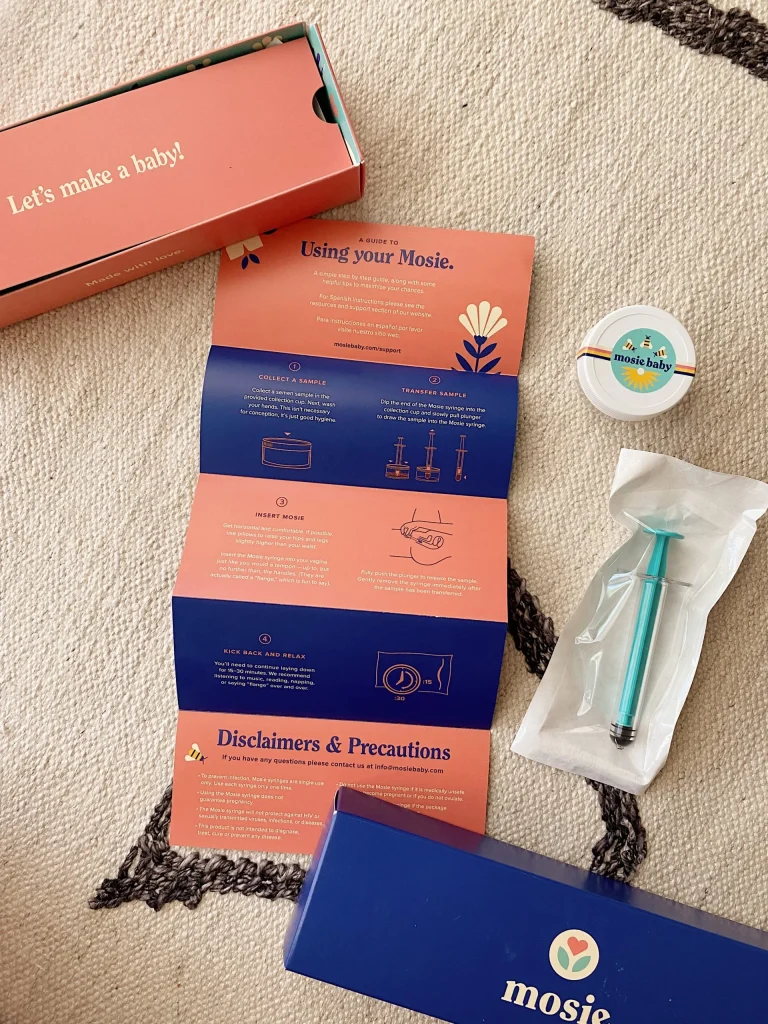
    guide and materials for using Mosie Baby fertility kit on a textured surface

    The Role of Technology in Home Insemination: Advancements and Innovations

    Another innovation is the use of frozen donor sperm. In the past, home insemination required fresh donor sperm, which had to be used immediately. However, with the advancements in freezing and thawing techniques, frozen donor sperm is now a viable option for home insemination. This allows individuals and couples to have a wider selection of donors and more flexibility in the timing of insemination.

    The Role of Telemedicine
    Telemedicine has also played a significant role in home insemination. With the help of telemedicine, individuals and couples can consult with healthcare professionals remotely, eliminating the need for in-person visits and consultations. This has made the process of home insemination more convenient and accessible, especially for those living in remote areas or with limited access to fertility clinics.

    The Future of Home Insemination Technology
    As technology continues to advance, the future of home insemination looks promising. One potential innovation is the use of artificial intelligence (AI) to predict the fertility window and improve the success rate of home insemination. AI can analyze data from fertility apps and predict the best time for insemination, taking into account factors such as age, health, and lifestyle.

    Another potential advancement is the use of CRISPR technology in home insemination. CRISPR, a gene-editing tool, has the potential to eliminate genetic disorders and increase the chances of a successful pregnancy through home insemination. This technology is still in the early stages of development, but it shows promise for the future of home insemination.

    In conclusion, technology has played a crucial role in making home insemination a more accessible and efficient method of assisted reproduction. With the advancements in fertility apps, home insemination kits, and telemedicine, individuals and couples now have more control over their fertility journey. Furthermore, innovations such as at-home sperm testing and the use of frozen donor sperm have increased the success rate of home insemination. As technology continues to advance, we can expect even more groundbreaking innovations in the field of home insemination, making the dream of starting a family a reality for many individuals and couples.

  • The Role of Technology in Non-Invasive Insemination: Advancements and Innovations

    In recent years, technology has greatly advanced the field of assisted reproductive technology, providing new options for couples struggling with fertility issues. One such advancement is non-invasive insemination, which has become an increasingly popular and effective method for achieving pregnancy. In this blog post, we will explore the role of technology in non-invasive insemination, including its advancements and innovations.

    Non-invasive insemination, also known as artificial insemination, is a procedure in which sperm is placed into a woman’s reproductive tract in order to facilitate fertilization. This can be done in a variety of ways, but the most common methods include intrauterine insemination (IUI) and intracervical insemination (ICI). In the past, these procedures were done manually, but with the help of technology, they have become less invasive and more precise.

    One of the biggest advancements in non-invasive insemination is the development of ultrasound technology. Ultrasound allows doctors to accurately locate the woman’s cervix and guide the catheter to the correct location for insemination. This reduces the risk of injury and increases the chances of success. Additionally, ultrasound can also be used to monitor the growth and development of follicles, which contain eggs, in women undergoing fertility treatments.

    Another important technology used in non-invasive insemination is sperm washing. This process involves separating healthy sperm from seminal fluid and other contaminants. This is important because it eliminates any harmful substances and increases the concentration of healthy sperm, making the procedure more effective. Sperm washing also reduces the risk of transmitting infections or diseases from the male partner to the female.

    In recent years, there have been advancements in the way sperm is prepared for insemination. In the past, sperm was prepared manually, which was time-consuming and often resulted in lower success rates. However, with the help of technology, sperm can now be prepared using automated systems, which are faster and more accurate. This has greatly improved the efficiency of non-invasive insemination procedures.

    One of the most exciting innovations in non-invasive insemination is the use of mobile apps. These apps allow couples to track their fertility and ovulation cycles, making it easier to determine the best time for insemination. Some apps even offer personalized recommendations and reminders for fertility treatments. This technology has made the process of non-invasive insemination more convenient and accessible for couples.

    sperm-ready insemination kit with a syringe and container, featuring a screw top lid and non-tip safety wall

    The Role of Technology in Non-Invasive Insemination: Advancements and Innovations

    Another innovative technology used in non-invasive insemination is the use of cryopreservation, or freezing, of sperm. This allows couples to store sperm for future use, making it easier to schedule insemination procedures and increasing the chances of success. Cryopreservation has also made it possible for single women and same-sex couples to have a biological child using donor sperm.

    In addition to these advancements and innovations, technology has also improved the success rates of non-invasive insemination. With the use of computer-assisted sperm analysis (CASA), doctors can now analyze sperm quality and motility more accurately. This helps them choose the best quality sperm for insemination, increasing the chances of pregnancy.

    Moreover, the use of genetic testing in non-invasive insemination has also become more common. This allows doctors to screen for genetic disorders and chromosomal abnormalities, reducing the risk of passing them on to the child. This technology has given couples the option to have a healthy child, even if they are carriers of genetic disorders.

    In conclusion, the role of technology in non-invasive insemination has been crucial in advancing the field of assisted reproductive technology. From ultrasound and sperm washing to mobile apps and genetic testing, technology has greatly improved the success rates and accessibility of non-invasive insemination procedures. As technology continues to evolve, we can expect further innovations in this field, giving hope to couples struggling with fertility issues.

    Summary:

    Technology has greatly advanced the field of assisted reproductive technology, particularly in the area of non-invasive insemination. Advancements such as ultrasound technology, sperm washing, and automated sperm preparation have made the procedure less invasive and more effective. Mobile apps and cryopreservation have also made it more convenient and accessible for couples. Additionally, technology has improved the success rates of non-invasive insemination through the use of CASA and genetic testing. As technology continues to evolve, we can expect further advancements and innovations in non-invasive insemination, providing hope to couples struggling with fertility issues.