Title: The Benefits of Non-Invasive Insemination for Women Over 30
Insemination, also known as artificial insemination, is a widely used fertility treatment method that involves placing sperm directly into a woman’s reproductive tract. While traditional insemination methods require invasive procedures such as laparoscopy or intrauterine insemination (IUI), advancements in medical technology have led to the development of non-invasive insemination techniques. These methods offer numerous benefits, particularly for women over the age of 30 who may face fertility challenges. In this blog post, we will explore the benefits of non-invasive insemination for women over 30.
1. Less Invasive and Less Time-Consuming
Traditional insemination methods involve invasive procedures that can be uncomfortable and time-consuming. For instance, laparoscopy requires a small incision in the abdomen to insert a tiny camera to locate the fallopian tubes and ovaries. On the other hand, IUI involves inserting a catheter through the cervix to deliver the sperm directly into the uterus. These procedures can be daunting for women, especially those over 30 who may have a lower tolerance for invasive treatments. Non-invasive insemination methods, such as intracervical insemination (ICI) or intravaginal insemination (IVI), do not require any special equipment or invasive procedures. These techniques are simple and can be done in the comfort of a doctor’s office or at home, making them less daunting and less time-consuming for women over 30.
2. Lower Risk of Infection and Complications
Invasive procedures carry a higher risk of infection and complications, particularly for women over 30, who may have a weaker immune system. In contrast, non-invasive insemination methods do not require any incisions or catheters, significantly reducing the risk of infection and complications. These procedures are also less likely to cause damage to the reproductive organs, making them a safer option for women over 30.
3. More Affordable
Invasive fertility treatments can be expensive, especially for women over 30 who may have already exhausted their savings on other fertility treatments. Non-invasive insemination methods are a more affordable option, as they do not require any special equipment or invasive procedures. These procedures can be done at a fraction of the cost, making them a more accessible option for women over 30 who want to start a family without breaking the bank.
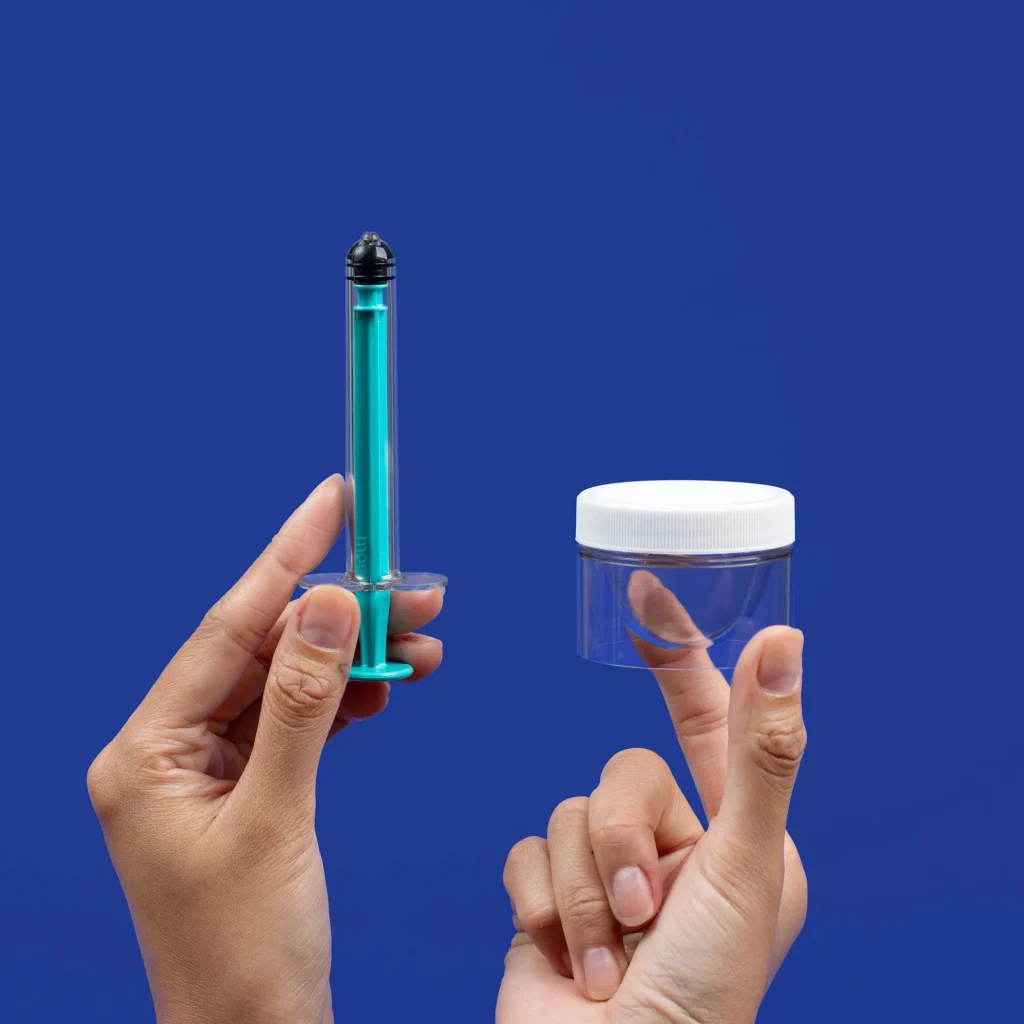
The Benefits of Non-Invasive Insemination for Women Over 30
4. Can Be Combined with Fertility Medications
Non-invasive insemination methods can be combined with fertility medications, such as Clomid, to increase the chances of pregnancy. Clomid is a commonly prescribed fertility medication that stimulates ovulation, making it easier for women over 30 to conceive. Combining this medication with non-invasive insemination can significantly increase the chances of pregnancy, making it an attractive option for women over 30 who may have lower fertility levels.
5. Can Be Done at Home
In addition to being less invasive and more affordable, non-invasive insemination methods can also be done at home. This means that women over 30 can perform the procedure in the comfort and privacy of their own home, without having to visit a doctor’s office. This can be a more comfortable option for women, particularly those who may feel self-conscious or anxious about undergoing the procedure in a medical setting.
6. Can Be Repeated Multiple Times
Unlike other fertility treatments that can only be done once or twice, non-invasive insemination methods can be repeated multiple times. This is because these procedures are less invasive and do not affect the reproductive organs, making them safe to repeat. This is especially beneficial for women over 30, who may need to try multiple times before achieving a successful pregnancy.
7. Can Be Used for Same-Sex Couples and Single Women
Non-invasive insemination methods are not limited to heterosexual couples. Same-sex couples and single women can also benefit from these procedures, as they do not require sperm from a male partner. This makes non-invasive insemination a viable option for women over 30 who may not have a male partner but still want to start a family.
In conclusion, non-invasive insemination methods offer numerous benefits for women over 30 who may face fertility challenges. These procedures are less invasive, less time-consuming, and more affordable compared to traditional insemination methods. They can also be combined with fertility medications, done at home, and repeated multiple times. Additionally, non-invasive insemination is a viable option for same-sex couples and single women. If you are a woman over 30 who is struggling with fertility, consider exploring non-invasive insemination as a possible solution.


