Tag: intimacy

  • The Surprising Ways Cervical Mucus Can Impact Your Sex Life

    The Surprising Ways Cervical Mucus Can Impact Your Sex Life

    When it comes to our reproductive health, we often focus on our periods, fertility, and birth control methods. However, there is another crucial factor that can significantly impact our sex lives – cervical mucus. Yes, that slimy, sticky substance that we often try to avoid or get rid of can actually play a significant role in our sexual experiences.

    In this blog post, we will explore the surprising ways cervical mucus can affect our sex lives and why it is essential to pay attention to it. From its role in fertility and conception to its impact on sexual pleasure, we will delve into the various aspects of cervical mucus and how it can affect our sexual health.

    Understanding Cervical Mucus

    Before we dive into the ways cervical mucus can impact our sex lives, let’s first understand what it is. Cervical mucus is a fluid produced by the cervix, the lower part of the uterus. It is a natural lubricant that helps sperm travel through the female reproductive system to fertilize an egg. It also helps to keep the vagina clean and healthy by preventing bacteria and other harmful substances from entering.

    The consistency and amount of cervical mucus change throughout the menstrual cycle, depending on the levels of estrogen and progesterone in the body. It can range from thick and sticky to thin and watery, and its color can vary from clear to white or even yellow. These changes in cervical mucus are vital for fertility and conception, but they can also impact our sexual experiences in surprising ways.

    1. Fertility and Conception

    One of the most well-known functions of cervical mucus is its role in fertility and conception. As mentioned earlier, cervical mucus helps sperm travel through the female reproductive system to fertilize an egg. During ovulation, when an egg is released from the ovary, cervical mucus becomes thin and watery, making it easier for sperm to swim through. This type of cervical mucus is also known as “fertile mucus.”

    On the other hand, during non-fertile times of the menstrual cycle, cervical mucus is thicker and more acidic, making it more difficult for sperm to survive and reach the egg. Therefore, understanding the changes in cervical mucus can help couples plan for pregnancy or avoid it, depending on their goals.

    2. Sexual Pleasure and Comfort

    Baby wearing a blue shirt with "made with Love" text, surrounded by colorful floral and butterfly designs.

    The Surprising Ways Cervical Mucus Can Impact Your Sex Life

    Cervical mucus can also have a significant impact on sexual pleasure and comfort. During sexual arousal, the body produces more cervical mucus, which can act as a natural lubricant and make intercourse more comfortable and enjoyable. On the other hand, a lack of cervical mucus can lead to dryness and discomfort, making sex less pleasurable.

    Furthermore, the consistency of cervical mucus can also affect sexual pleasure. Thick and sticky mucus can create friction and make intercourse uncomfortable, while thin and watery mucus can enhance the sensation and make sex more enjoyable.

    3. Sexual Intimacy and Communication

    The presence of cervical mucus can also impact sexual intimacy and communication between partners. For some women, the presence of cervical mucus can be a source of embarrassment or self-consciousness, leading to a lack of sexual intimacy and communication with their partners. This can also be due to a lack of knowledge about cervical mucus and its role in sexual health.

    However, by understanding and embracing cervical mucus, couples can have more open and honest communication about their sexual experiences. This can lead to a deeper sense of intimacy and understanding between partners.

    4. Sexual Health and Infections

    Cervical mucus can also be an indicator of sexual health and the presence of infections. Changes in the color, consistency, and smell of cervical mucus can be a sign of an infection, such as a yeast infection or bacterial vaginosis. It is essential to pay attention to these changes and seek medical attention if necessary, as untreated infections can lead to discomfort and potentially affect sexual experiences.

    5. Birth Control Methods

    Lastly, cervical mucus can also have an impact on the effectiveness of certain birth control methods. For instance, spermicide, a type of birth control that kills sperm, may be less effective if there is a lack of cervical mucus. On the other hand, natural family planning methods, which involve tracking changes in cervical mucus to determine fertile and non-fertile times, rely heavily on the presence and consistency of cervical mucus.

    In summary, cervical mucus plays a crucial role in our sexual health and experiences. Its impact goes beyond just fertility and conception, and understanding its changes and importance can lead to a more fulfilling sex life.

    In conclusion, cervical mucus may not be the first thing that comes to mind when we think about our sex lives, but it is undoubtedly a crucial factor to consider. From its role in fertility and conception to its impact on sexual pleasure and intimacy, cervical mucus can significantly influence our sexual experiences. So, the next time you notice changes in your cervical mucus, pay attention and embrace its surprising ways of impacting your sex life.

  • Cervical Mucus: A Clue to Unlocking Sexual Arousal

    Cervical Mucus: A Clue to Unlocking Sexual Arousal

    Sexual arousal is a complex and often mysterious experience. While many factors can contribute to it, one often overlooked aspect is cervical mucus. Yes, the same substance that can be a source of annoyance during a menstrual cycle can actually provide valuable clues about sexual arousal and fertility. In this blog post, we will explore the role of cervical mucus in unlocking sexual arousal and how understanding it can enhance our sexual experiences.

    What is Cervical Mucus?

    Cervical mucus is a fluid secreted by the cervix, the lower part of the uterus, throughout a woman’s menstrual cycle. Its main function is to facilitate sperm transport and nourishment, making it an essential component of fertility. However, cervical mucus also plays a crucial role in sexual arousal.

    Types of Cervical Mucus

    Cervical mucus changes throughout the menstrual cycle, and its appearance and texture can provide valuable information about a woman’s fertility. There are typically four types of cervical mucus: dry, sticky, creamy, and egg white.

    1. Dry: This type of mucus is opaque and sticky, making it difficult for sperm to travel through and survive. It is common during the first few days after menstruation and before ovulation.

    2. Sticky: As the name suggests, this type of mucus is sticky and has a low water content, making it difficult for sperm to move through. It is also not conducive to fertilization and is usually present before and after ovulation.

    3. Creamy: Creamy cervical mucus has a milky appearance and is thicker and more lotion-like than sticky mucus. It is present during non-fertile times and can indicate the beginning or end of the fertile window.

    4. Egg White: This is the most fertile type of cervical mucus, and it resembles raw egg whites in appearance and texture. It is clear, stretchy, and slippery, allowing sperm to swim freely through the cervix and reach the egg. This type of mucus is present during the most fertile days of a woman’s cycle.

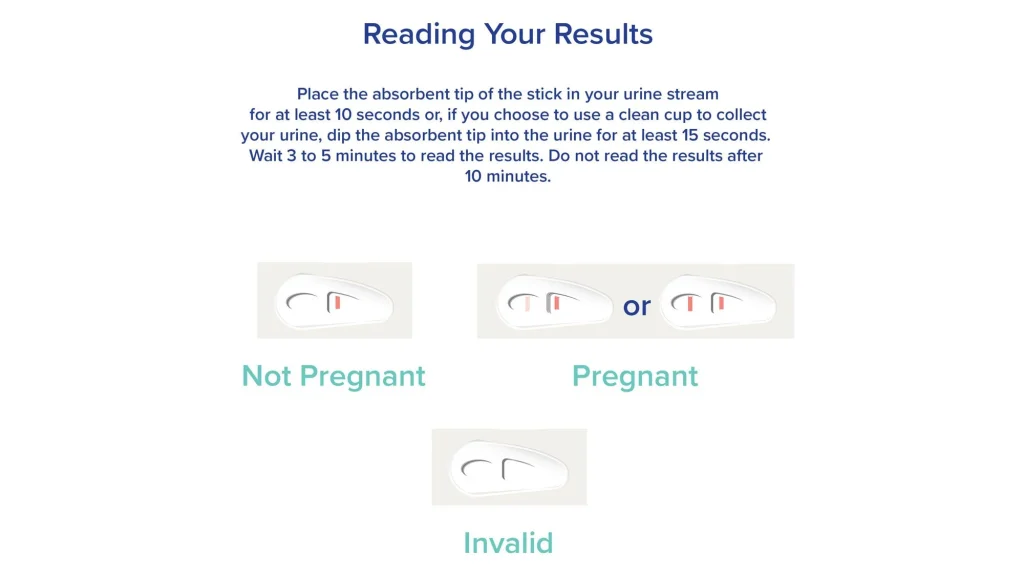
    Instructions for reading pregnancy test results with visual indicators for "Not Pregnant," "Pregnant," and "Invalid.

    Cervical Mucus: A Clue to Unlocking Sexual Arousal

    The Role of Cervical Mucus in Sexual Arousal

    Cervical mucus is not just a marker of fertility; it also plays a vital role in sexual arousal. As a woman becomes sexually aroused, her body releases a clear, slippery mucus that lubricates the vagina and facilitates intercourse. This type of mucus is similar to egg white cervical mucus and is a sign of arousal and readiness for intercourse.

    Furthermore, cervical mucus can also be an indicator of a woman’s level of sexual desire. A study published in the Journal of Sex Research found that women who reported higher levels of sexual desire also had higher levels of cervical mucus. This suggests that cervical mucus can be a useful clue to understanding a woman’s level of sexual arousal.

    Unlocking Sexual Arousal with Cervical Mucus

    Understanding cervical mucus can help individuals and couples unlock their sexual arousal and enhance their sexual experiences. By tracking changes in cervical mucus throughout the menstrual cycle, a woman can pinpoint her most fertile days and plan for intercourse during those times if she wishes to conceive. This can also be helpful for couples who are trying to avoid pregnancy by using natural family planning methods.

    Additionally, paying attention to cervical mucus can give insight into a woman’s sexual arousal and help her communicate her desires and needs to her partner. By understanding the connection between cervical mucus and sexual arousal, couples can have a more intimate and fulfilling sexual experience.

    Cervical mucus can also be an indicator of hormonal imbalances that may affect sexual function. Changes in cervical mucus, such as a decrease in egg white mucus, can be a sign of low estrogen levels, which can lead to a decrease in sexual desire. Identifying and addressing these hormonal imbalances can help improve sexual arousal and overall sexual health.

    In conclusion, cervical mucus is a crucial yet often overlooked aspect of sexual arousal. By understanding its role in fertility and sexual arousal, individuals and couples can unlock their sexual desires and enhance their sexual experiences. Tracking changes in cervical mucus can also provide valuable insights into hormonal imbalances that may affect sexual health. So, next time you notice changes in your cervical mucus, remember that it is not just a bodily fluid but a clue to unlocking your sexual arousal.

    Summary:

    Cervical mucus is a fluid secreted by the cervix throughout the menstrual cycle, and its appearance and texture can provide valuable information about fertility and sexual arousal. There are four types of cervical mucus: dry, sticky, creamy, and egg white. The latter is similar to the mucus secreted during sexual arousal and can also be an indicator of a woman’s level of sexual desire. Understanding and tracking changes in cervical mucus can help individuals and couples unlock their sexual arousal, improve communication in the bedroom, and identify hormonal imbalances that may affect sexual function.

  • Cervical Mucus: A Key Factor in Sexual Arousal and Intimacy

    Blog Post: Cervical Mucus: A Key Factor in Sexual Arousal and Intimacy

    Cervical mucus is a substance produced by the cervix in the female reproductive system. It plays a crucial role in fertility and reproductive health, but it is also an important factor in sexual arousal and intimacy. Many people are not aware of the role that cervical mucus plays in sexual experiences, but understanding its functions and changes can greatly enhance sexual pleasure and intimacy.

    In this blog post, we will delve into the world of cervical mucus and explore how it affects sexual arousal and intimacy. From its purpose in the reproductive system to its role in sexual desire, we will uncover the fascinating ways in which cervical mucus influences our sexual experiences.

    Understanding Cervical Mucus

    Cervical mucus, also known as cervical fluid, is a clear or white viscous substance produced by the cervix. It is made up of water, proteins, sugars, and electrolytes, and its consistency and appearance can vary throughout the menstrual cycle. Cervical mucus is essential for fertility as it helps sperm travel through the cervix and into the uterus, where fertilization can occur.

    The Role of Cervical Mucus in Sexual Arousal

    While cervical mucus is primarily known for its role in fertility, it also plays a significant role in sexual arousal. During sexual arousal, the cervix produces more mucus, which helps to lubricate the vaginal walls and makes sexual intercourse more comfortable and pleasurable. This increase in cervical mucus is often referred to as “vaginal wetness.”

    The presence of cervical mucus also indicates that the body is preparing for potential fertilization, which can heighten sexual desire and arousal. This is because the production of cervical mucus is influenced by estrogen, a hormone that also plays a major role in sexual desire.

    The Connection Between Cervical Mucus and Intimacy

    Intimacy is an essential part of a healthy and fulfilling relationship, and cervical mucus can play a significant role in enhancing intimacy between partners. As mentioned earlier, the production of cervical mucus is influenced by estrogen, which also plays a crucial role in maintaining a healthy libido.

    When estrogen levels are balanced, there is a higher likelihood of experiencing sexual desire and arousal, leading to more intimate and satisfying sexual experiences. Additionally, the presence of cervical mucus can also make sexual intercourse more comfortable and enjoyable, leading to deeper emotional and physical connection between partners.

    Mosie Baby ovulation test kit with packaging and instructions on a pink background.

    Cervical Mucus: A Key Factor in Sexual Arousal and Intimacy

    Changes in Cervical Mucus Throughout the Menstrual Cycle

    As mentioned earlier, cervical mucus changes throughout the menstrual cycle. These changes are influenced by hormonal fluctuations and can have a significant impact on sexual arousal and intimacy.

    During the menstrual cycle, cervical mucus is typically thick and sticky, making it difficult for sperm to travel through the cervix. This is because estrogen levels are low, and the body is not preparing for potential fertilization. As estrogen levels rise, cervical mucus becomes thinner and more slippery, making it easier for sperm to reach the egg. This is known as fertile cervical mucus and is a sign that ovulation is approaching.

    After ovulation, cervical mucus becomes thick and sticky again, making it difficult for sperm to survive. This is because estrogen levels drop, and the body is no longer preparing for fertilization. Understanding these changes in cervical mucus can help couples plan for pregnancy or avoid it, but it can also enhance sexual experiences by knowing when the body is most receptive to sexual activity.

    Tips for Enhancing Sexual Arousal and Intimacy with Cervical Mucus

    Now that we understand the role of cervical mucus in sexual arousal and intimacy, here are some tips for using it to enhance your sexual experiences:

    1. Pay attention to your cervical mucus changes throughout your menstrual cycle. This will help you understand when you are most likely to experience fertile cervical mucus, which can increase sexual desire and arousal.

    2. Use additional lubrication if needed. While cervical mucus is a natural lubricant, it may not always be enough. If you are experiencing dryness, don’t be afraid to use additional lubrication to make sexual intercourse more comfortable and enjoyable.

    3. Communicate with your partner. Open and honest communication is key to a fulfilling sexual relationship. Talk to your partner about your desires and what feels good for you, including the use of cervical mucus as a lubricant.

    4. Experiment with different sexual positions. Some sexual positions may be more comfortable or pleasurable depending on the amount of cervical mucus present. Experiment with different positions to find what works best for you and your partner.

    In conclusion, cervical mucus is a key factor in sexual arousal and intimacy. Its functions in the reproductive system and its changes throughout the menstrual cycle can greatly enhance sexual experiences and deepen intimacy between partners. By understanding and utilizing the power of cervical mucus, couples can have more fulfilling and enjoyable sexual experiences.

  • The Connection Between Cervical Mucus and Sexual Satisfaction

    Blog post: The Connection Between Cervical Mucus and Sexual Satisfaction

    When it comes to sexual satisfaction, there are many factors that can play a role. From physical and emotional connection to communication and trust, there are various elements that contribute to a fulfilling sexual experience. However, one aspect that often goes unnoticed is the role of cervical mucus in sexual satisfaction. Yes, that’s right, cervical mucus – the fluid produced by the cervix that helps sperm travel towards the egg during ovulation. While it may not be the most glamorous topic, understanding the connection between cervical mucus and sexual satisfaction can greatly improve your intimate experiences. So, let’s dive in and explore this often overlooked aspect of sexual health.

    What is Cervical Mucus?

    Before we discuss its role in sexual satisfaction, let’s first understand what cervical mucus is. Cervical mucus is a natural fluid produced by the cervix, the lower part of the uterus, throughout a woman’s menstrual cycle. Its consistency, color, and amount may vary depending on where a woman is in her cycle. During ovulation, the cervical mucus becomes thin, slippery, and elastic, making it easier for sperm to swim through and reach the egg. On the other hand, during the rest of the cycle, the mucus is thicker and acts as a barrier, preventing sperm from entering the uterus.

    The Connection Between Cervical Mucus and Sexual Satisfaction

    Now that we have a basic understanding of cervical mucus, let’s explore its connection to sexual satisfaction. The first and most obvious way cervical mucus affects sexual satisfaction is through fertility. As mentioned earlier, during ovulation, the cervical mucus becomes thin and slippery, creating a more hospitable environment for sperm to travel towards the egg. This means that couples trying to conceive can greatly benefit from being aware of their cervical mucus and tracking its changes throughout the cycle.

    Moreover, the presence of fertile cervical mucus can also enhance sexual pleasure. The slippery and elastic consistency of the mucus can increase lubrication and reduce friction during intercourse, making it more comfortable and pleasurable for both partners. Additionally, fertile cervical mucus can also increase sensitivity and arousal, leading to more intense orgasms.

    On the other hand, the absence of cervical mucus or the presence of thick and dry mucus can make intercourse uncomfortable and even painful for women. This can lead to a decrease in sexual desire and satisfaction, as well as difficulties in achieving orgasm. Therefore, paying attention to the quality and amount of cervical mucus can greatly impact the overall sexual experience.

    Furthermore, cervical mucus also plays a vital role in sperm survival and transportation. The fertile mucus not only helps sperm reach the egg but also nourishes and protects them along the way. This can increase the chances of conception and ultimately lead to a more satisfying sexual experience for couples trying to conceive.

    Mosie Baby Kit with a syringe and container, highlighting safety and usability features on a blue background.

    The Connection Between Cervical Mucus and Sexual Satisfaction

    The Role of Hormones in Cervical Mucus and Sexual Satisfaction

    The production and quality of cervical mucus are greatly influenced by hormones. Estrogen is responsible for the production of fertile cervical mucus, while progesterone is responsible for its thickening and drying up. Therefore, imbalances in these hormones can affect the quality and quantity of cervical mucus, ultimately impacting sexual satisfaction.

    For example, women who have low levels of estrogen may experience a decrease in cervical mucus production, leading to discomfort and dryness during intercourse. On the other hand, women who have high levels of progesterone may have thick and dry mucus throughout their cycle, making it difficult for sperm to reach the egg and decreasing the chances of conception.

    How to Improve Cervical Mucus and Sexual Satisfaction

    If you’re experiencing issues with your cervical mucus and sexual satisfaction, there are a few things you can do to improve the situation. Firstly, maintaining a healthy lifestyle and diet can greatly impact hormone levels and improve the quality of cervical mucus. Eating a balanced diet, staying hydrated, and getting regular exercise can all contribute to hormonal balance and overall sexual health.

    Additionally, using fertility-friendly lubricants during intercourse can also help improve cervical mucus and enhance sexual pleasure. These lubricants mimic the consistency and pH of natural cervical mucus, making it easier for sperm to swim through and nourishing the sperm along the way.

    Moreover, certain supplements and medications can also be used to regulate hormones and improve the quality of cervical mucus. It’s always best to consult with a healthcare professional before starting any new supplements or medications.

    In conclusion, while it may not be the most glamorous topic, cervical mucus plays a significant role in sexual satisfaction. Its effects on fertility, lubrication, sensitivity, and sperm survival make it an essential aspect of a fulfilling sexual experience. By understanding the connection between cervical mucus and sexual satisfaction and taking steps to improve its quality, couples can greatly enhance their intimate experiences and overall sexual health.

    Summary:

    Cervical mucus, the fluid produced by the cervix, plays a significant role in sexual satisfaction. During ovulation, the mucus becomes thin and slippery, creating a more hospitable environment for sperm to travel towards the egg. This can enhance sexual pleasure, increase sensitivity, and improve sperm survival. However, imbalances in hormones can affect the quality and quantity of cervical mucus, leading to discomfort and decreased sexual satisfaction. Maintaining a healthy lifestyle, using fertility-friendly lubricants, and consulting with a healthcare professional can all help improve cervical mucus and ultimately enhance sexual satisfaction.

  • The Influence of Cervical Mucus on Sexual Pleasure

    Cervical mucus is a normal and natural secretion produced by the cervix of the female reproductive system. While it is commonly associated with fertility and pregnancy, cervical mucus also plays a crucial role in sexual pleasure. In this blog post, we will explore the influence of cervical mucus on sexual pleasure and how understanding and embracing this bodily fluid can enhance our sexual experiences.

    Cervical mucus is a clear or white fluid that is produced by the cells lining the cervix. Its consistency, texture, and amount can vary throughout the menstrual cycle, with the most fertile cervical mucus being thin, watery, and clear. This type of mucus helps sperm reach and fertilize the egg, making it essential for fertility. However, cervical mucus also has other important functions when it comes to sexual pleasure.

    First and foremost, cervical mucus acts as a natural lubricant during sexual activity. It helps to reduce friction and discomfort, making penetration easier and more pleasurable. This is especially important for women who may experience vaginal dryness, which can be caused by hormonal changes, certain medications, or menopause. By providing natural lubrication, cervical mucus can enhance sexual pleasure and prevent discomfort or pain during intercourse.

    Moreover, cervical mucus can also contribute to the overall sensation and intensity of orgasms. As a woman becomes sexually aroused, her cervix produces more mucus, which can create a sensation of fullness and increase sensitivity in the vaginal area. This can lead to more intense and pleasurable orgasms. Additionally, the presence of cervical mucus can help to stimulate the G-spot, a highly sensitive area located inside the vagina, which can also enhance sexual pleasure.

    In addition to lubrication and orgasm intensity, cervical mucus also plays a role in sexual desire and attraction. Research has shown that women who are highly aroused and sexually attracted to their partner produce more cervical mucus compared to women who are not as aroused. This suggests that cervical mucus can serve as a physical indicator of sexual desire and can be used as a tool to enhance intimacy and arousal between partners.

    at-home insemination kit featuring a syringe and container for fresh or donor sperm conception

    The Influence of Cervical Mucus on Sexual Pleasure

    Furthermore, cervical mucus can also impact the taste and smell of vaginal secretions. As the cervix produces more mucus during sexual arousal, it can change the pH and chemical composition of vaginal secretions, which can affect their taste and smell. This is particularly relevant for oral sex, as partners may experience a different taste or odor depending on the type of cervical mucus present. Some women may even find that they have a sweeter or more pleasant taste during certain times of their menstrual cycle when their cervical mucus is at its peak.

    Understanding and embracing cervical mucus can also empower women to take control of their sexual health. By paying attention to changes in the amount, consistency, and texture of their cervical mucus, women can track their fertility and ovulation. This is known as the Billings Ovulation Method, which involves observing and recording changes in cervical mucus to determine the most fertile and infertile days of the menstrual cycle. This can be a useful tool for couples trying to conceive or those looking to avoid pregnancy naturally.

    Moreover, being in tune with their cervical mucus can also help women identify potential health issues. Changes in the color, consistency, or smell of cervical mucus can be a sign of infection or other underlying health conditions. By regularly monitoring their cervical mucus, women can detect these changes early on and seek medical attention if necessary.

    In conclusion, cervical mucus is a powerful and important factor in sexual pleasure. It acts as a natural lubricant, enhances orgasm intensity, can indicate sexual desire and attraction, and can even impact the taste and smell of vaginal secretions. By understanding and embracing this bodily fluid, women can enhance their sexual experiences, take control of their sexual health, and strengthen intimacy with their partners.

    In summary, cervical mucus is a normal and natural secretion produced by the cervix that plays a crucial role in sexual pleasure. It acts as a lubricant, enhances orgasm intensity, can indicate sexual desire and attraction, and can even impact the taste and smell of vaginal secretions. By understanding and embracing cervical mucus, women can enhance their sexual experiences, take control of their sexual health, and strengthen intimacy with their partners.

  • Savoring the Sensation: Cervical Mucus and Sexual Arousal

    Savoring the Sensation: Cervical Mucus and Sexual Arousal

    When it comes to sexual pleasure and arousal, the focus is often on the physical and psychological aspects, such as touch and desire. However, there is one important factor that is often overlooked – cervical mucus. This natural fluid produced by the cervix plays a vital role in sexual arousal and can greatly enhance the overall experience. In this blog post, we will explore the connection between cervical mucus and sexual arousal, and how understanding and savoring this sensation can lead to a more fulfilling and pleasurable sex life.

    What is Cervical Mucus?

    Cervical mucus, also known as cervical fluid, is a clear or slightly opaque fluid produced by the cervix. It is a natural lubricant that helps facilitate the movement of sperm and acts as a protective barrier for the uterus. The consistency and amount of cervical mucus can vary throughout the menstrual cycle, influenced by hormones and changes in fertility. It is typically thick and sticky during non-fertile times, but thin and stretchy during ovulation to help sperm swim to the egg.

    The Connection Between Cervical Mucus and Sexual Arousal

    Besides its important role in fertility and reproduction, cervical mucus also plays a significant role in sexual arousal. When a person is sexually aroused, the cervix produces more mucus, which helps to create a smooth and slippery surface for sexual activity. This increased lubrication can enhance pleasure and reduce discomfort during intercourse.

    Furthermore, cervical mucus contains enzymes that help break down sperm, creating a more hospitable environment for them to reach the egg. This can increase the chances of pregnancy during ovulation. Additionally, cervical mucus can also act as a natural barrier, preventing harmful bacteria from entering the uterus during intercourse.

    Savoring the Sensation of Cervical Mucus

    at-home insemination kit by Mosie Baby, featuring syringes and containers for comfort and convenience.

    Savoring the Sensation: Cervical Mucus and Sexual Arousal

    While cervical mucus may not be the first thing that comes to mind when thinking about sexual arousal, savoring this sensation can greatly enhance the overall sexual experience. The slippery and smooth texture of cervical mucus can increase sensitivity and intensify sensations during sexual activity. It can also help to reduce friction, making intercourse more comfortable and enjoyable.

    Cervical mucus can also serve as a natural indicator of fertility. As ovulation approaches, the consistency and amount of cervical mucus change, becoming thinner and stretchier. This change can be used to track fertility and plan for pregnancy or contraception. By paying attention to cervical mucus, individuals and couples can better understand their own bodies and sexual desires.

    Intimacy and Sexual Health

    Savoring the sensation of cervical mucus can also enhance intimacy between partners. The production of cervical mucus is closely tied to hormonal changes and can be influenced by emotions and feelings of arousal. By understanding and valuing this natural lubricant, couples can deepen their connection and increase sexual satisfaction.

    In addition, paying attention to cervical mucus can also promote sexual health. Changes in the amount or consistency of cervical mucus can indicate underlying health issues, such as hormonal imbalances or infections. By regularly checking and monitoring cervical mucus, individuals can detect any potential problems early on and seek appropriate medical treatment.

    Embracing Your Sexual Desire

    Savoring the sensation of cervical mucus can also help individuals embrace and celebrate their sexual desire. Society often places a stigma on women and their sexual desires, making it difficult for them to openly express their needs and wants. By acknowledging and appreciating the role of cervical mucus in sexual arousal, individuals can embrace their sexuality and confidently communicate their desires to their partner.

    In conclusion, cervical mucus is a crucial and often overlooked aspect of sexual arousal and pleasure. By understanding and savoring the sensation of this natural lubricant, individuals can enhance their sex lives, promote intimacy and sexual health, and embrace their sexual desires. So next time you engage in sexual activity, take a moment to appreciate the slippery and smooth sensation of cervical mucus – it may just lead to a more fulfilling and pleasurable experience.

  • The Impact of Cervical Mucus on Sexual Arousal and Satisfaction

    Cervical mucus is a natural fluid produced by the cervix that plays a crucial role in reproductive health. It not only helps in the transport of sperm to the egg but also has a significant impact on sexual arousal and satisfaction. In this blog post, we will explore the various ways in which cervical mucus affects sexual arousal and satisfaction and the importance of understanding and managing this fluid for a fulfilling sex life.

    Cervical mucus is produced by the glands in the cervix and changes in consistency and amount throughout a woman’s menstrual cycle. It serves as a protective barrier for the sperm and provides an optimal environment for them to survive and reach the egg. But besides its reproductive function, cervical mucus also has an impact on sexual arousal and satisfaction.

    One of the primary ways cervical mucus affects sexual arousal is through its role in lubrication. During sexual arousal, the cervical mucus glands produce more fluid, which helps in lubricating the vagina. This lubrication is essential for comfortable and pleasurable sexual intercourse. Lack of sufficient lubrication can lead to discomfort, pain, and even injuries during sex, making it less enjoyable for both partners. Therefore, a healthy amount of cervical mucus is crucial for sexual arousal and satisfaction.

    Moreover, cervical mucus also influences the sensations during sexual intercourse. The consistency of cervical mucus can vary from thick and sticky to thin and slippery, depending on the stage of the menstrual cycle. During ovulation, the cervical mucus becomes thin and stretchy, resembling raw egg whites. This type of mucus allows for easier penetration and can enhance sexual pleasure for both partners. On the other hand, during non-fertile phases of the menstrual cycle, the mucus may be thicker, making penetration more challenging and potentially causing discomfort. Understanding these changes in cervical mucus can help couples plan their sexual activities to maximize pleasure and satisfaction.

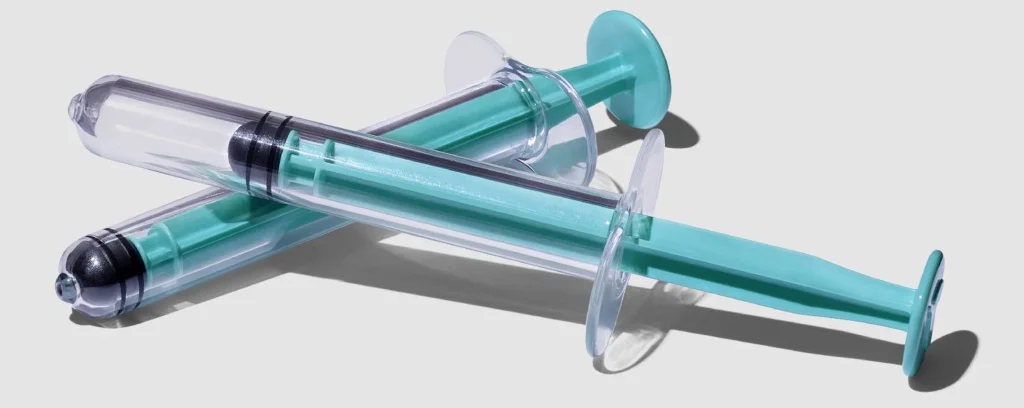
    Two transparent syringes with teal accents positioned diagonally on a light gray background.

    The Impact of Cervical Mucus on Sexual Arousal and Satisfaction

    Another way cervical mucus affects sexual arousal is through its role in fertility. As mentioned earlier, cervical mucus helps in the transport of sperm to the egg. It acts as a medium for sperm to travel through the cervix and into the uterus, where fertilization takes place. Therefore, the presence of healthy cervical mucus is essential for conception. On the other hand, the absence or poor quality of cervical mucus can make it difficult for sperm to reach the egg, leading to fertility issues. Couples struggling with infertility should pay attention to the quality and quantity of cervical mucus to increase their chances of conception.

    In addition to its impact on sexual arousal, cervical mucus also plays a crucial role in sexual satisfaction. A healthy amount of cervical mucus can improve the overall experience of sexual intercourse for both partners. It can reduce discomfort and pain, leading to a more pleasurable experience. In contrast, insufficient or poor-quality cervical mucus can cause discomfort, dryness, and even pain, making sex less satisfying. Therefore, understanding and managing cervical mucus can help couples achieve a more fulfilling sex life.

    Moreover, changes in cervical mucus can also indicate underlying health issues that may affect sexual satisfaction. For instance, a sudden increase in cervical mucus can be a sign of ovulation, while a decrease in mucus may indicate hormonal imbalances. Similarly, certain types of cervical mucus can indicate infections or conditions such as vaginosis, which can impact sexual satisfaction. It is essential to pay attention to any changes in cervical mucus and consult a healthcare provider if necessary.

    In conclusion, cervical mucus has a significant impact on sexual arousal and satisfaction. Its role in lubrication, sensations during intercourse, and fertility make it a crucial factor in a fulfilling sex life. Understanding the changes in cervical mucus throughout the menstrual cycle and managing it can help couples plan their sexual activities and enhance their sexual pleasure. Additionally, paying attention to the quality and quantity of cervical mucus can also provide insights into overall reproductive health. By understanding the importance of cervical mucus, couples can improve their sexual satisfaction and overall well-being.

    In summary, cervical mucus is a natural fluid produced by the cervix that not only helps in reproductive health but also has a significant impact on sexual arousal and satisfaction. It plays a crucial role in lubrication and can enhance sensations during intercourse. Additionally, cervical mucus also affects fertility and can be an indicator of underlying health issues. Understanding and managing cervical mucus is essential for a fulfilling sex life and overall reproductive health.

  • From Wet to Wild: Cervical Mucus and Sexual Arousal

    Blog Post Title: From Wet to Wild: Cervical Mucus and Sexual Arousal

    Cervical mucus, also known as cervical fluid, is a natural and normal part of a woman’s reproductive system. However, many people are unaware of its crucial role in sexual arousal and pleasure. In this blog post, we will explore the connection between cervical mucus and sexual arousal and how understanding this can enhance your sexual experiences.

    Cervical mucus is a fluid produced by the cervix, the lower part of the uterus that opens into the vagina. Its main function is to help sperm travel through the cervix and into the uterus for fertilization. However, the consistency and amount of cervical mucus can also change throughout a woman’s menstrual cycle, and these changes are closely linked to sexual arousal.

    During the early stages of a woman’s menstrual cycle, typically right after her period, cervical mucus is thick and sticky. This type of mucus acts as a barrier to prevent sperm from entering the uterus, as it is not yet the most fertile time of the month. As a woman approaches ovulation, her body starts producing more estrogen, causing the cervical mucus to change in consistency and amount.

    As ovulation approaches, cervical mucus becomes thinner, clearer, and more abundant. This type of mucus, also known as fertile cervical mucus, is essential for sperm to survive and travel through the cervix. But besides its role in fertility, fertile cervical mucus also plays a crucial role in sexual arousal.

    Fertile cervical mucus is not only thinner and clearer but also more slippery and stretchy. This is because it contains higher levels of water, electrolytes, and proteins, which create a more favorable environment for sperm. However, these same properties can also enhance sexual pleasure for both partners.

    Mosie Baby Kit with a syringe and container, highlighting safety and usability features on a blue background.

    From Wet to Wild: Cervical Mucus and Sexual Arousal

    When a woman is sexually aroused, blood flow to the pelvic area increases, causing the cervix to produce more cervical mucus. This additional mucus creates a wet and slippery sensation, which can increase pleasure during sexual activity. The slipperiness of fertile cervical mucus can also reduce friction and discomfort, making intercourse more comfortable and enjoyable.

    Moreover, the stretchiness of fertile cervical mucus can also increase pleasure during sexual activity. The stretching and thinning of the mucus allow for easier penetration and can enhance sensations for both partners. This type of mucus also has a higher pH level, making it less acidic and more conducive to sperm survival. This can also contribute to a more comfortable and pleasurable sexual experience.

    In addition to enhancing pleasure, cervical mucus can also serve as a natural lubricant during sexual activity. Many commercial lubricants can contain harmful chemicals that can disrupt the delicate balance of the vaginal environment. However, the natural lubrication provided by cervical mucus is safe and can even have additional benefits, such as nourishing the vaginal tissues and protecting against infections.

    It is also worth noting that cervical mucus can vary in appearance and consistency throughout a woman’s menstrual cycle. Besides the changes in fertile cervical mucus during ovulation, some women may experience an increase in cervical mucus during their premenstrual phase. This is due to the body preparing for a possible pregnancy and creating a more hospitable environment for sperm.

    Understanding the connection between cervical mucus and sexual arousal can also be helpful for those trying to conceive. Tracking changes in cervical mucus can help women identify their most fertile days and increase the chances of pregnancy. Additionally, using the information to plan sexual activity during the most fertile days can also increase pleasure and intimacy between partners.

    In conclusion, cervical mucus is not just a mundane bodily fluid but a crucial aspect of sexual arousal and pleasure. Its changes throughout the menstrual cycle can enhance sexual experiences and even aid in conception. By understanding the connection between cervical mucus and sexual arousal, individuals can improve their sexual experiences and deepen their understanding of their bodies.

    In summary, cervical mucus is a fluid produced by the cervix that plays a vital role in fertility and sexual arousal. It changes in consistency and amount throughout the menstrual cycle and can enhance pleasure during sexual activity. Understanding the connection between cervical mucus and sexual arousal can improve sexual experiences and aid in conception.

  • Elevating Pleasure: Understanding Cervical Mucus and Sexual Arousal

    Summary:

    Sexual pleasure is an important aspect of human life, and understanding the mechanisms behind it can greatly enhance our sexual experiences. One often overlooked factor in sexual arousal is cervical mucus, a natural fluid produced by the cervix that plays a crucial role in fertility and sexual pleasure. In this blog post, we will explore the connection between cervical mucus and sexual arousal, and how understanding this bodily function can elevate our sexual experiences.

    We will first delve into the basics of cervical mucus, including its composition and function in the female body. Cervical mucus is a thick, slippery fluid that is produced by the cervix, the lower part of the uterus. Its main function is to help sperm travel through the reproductive tract to fertilize an egg. However, cervical mucus also plays a vital role in sexual arousal. As a woman becomes sexually aroused, her body produces more cervical mucus, which acts as a natural lubricant and enhances pleasure during intercourse.

    Furthermore, the consistency and appearance of cervical mucus can provide valuable insights into a woman’s fertility. By tracking changes in cervical mucus throughout her menstrual cycle, a woman can identify her most fertile days and increase her chances of conceiving. This method, known as the Billings Ovulation Method, has been used by couples trying to conceive for decades and has a high success rate.

    illustration comparing standard and Mosie syringe openings with text highlighting design benefits for home insemination

    Elevating Pleasure: Understanding Cervical Mucus and Sexual Arousal

    But beyond its function in fertility, cervical mucus also has a significant impact on sexual pleasure. As mentioned earlier, it acts as a natural lubricant during sexual activity, reducing friction and discomfort. Moreover, the consistency of cervical mucus can indicate the level of arousal a woman is experiencing. As she becomes more sexually stimulated, her cervical mucus becomes thinner and more slippery, making intercourse more pleasurable.

    It is also worth noting that the presence of cervical mucus can greatly enhance intimacy between partners. This fluid is a natural part of the female body and should not be seen as something dirty or embarrassing. By embracing and understanding cervical mucus, couples can connect on a deeper level and have a more fulfilling sexual experience.

    However, some women may experience issues with their cervical mucus, such as dryness or excessive production. These issues can be caused by hormonal imbalances, certain medications, or underlying health conditions. If you are experiencing any concerns with your cervical mucus, it is essential to consult with your doctor to determine the underlying cause and find appropriate treatment.

    In addition to its role in sexual pleasure and fertility, cervical mucus can also provide valuable information about a woman’s overall reproductive health. Changes in the consistency, color, and smell of cervical mucus can indicate potential issues such as infections or hormonal imbalances. By paying attention to these changes and discussing them with a healthcare provider, women can proactively address any underlying issues and maintain good reproductive health.

    In conclusion, cervical mucus is a crucial and often overlooked aspect of sexual pleasure. Its function in fertility, lubrication, and intimacy makes it an essential component of a woman’s sexual experience. By understanding and embracing this natural bodily function, we can enhance our sexual pleasure and gain valuable insights into our reproductive health. So let’s start paying attention to cervical mucus and elevate our sexual experiences.

  • Menopause and Cervical Mucus: How to Stay Comfortable and Confident

    Menopause is a natural and inevitable phase in a woman’s life, marking the end of her reproductive years. While it is a significant milestone, it is also accompanied by various physical and emotional changes. One of the most common changes that women experience during menopause is changes in their cervical mucus.

    Cervical mucus is a fluid produced by the cervix that plays a crucial role in fertility and reproductive health. It helps sperm travel through the reproductive tract and provides nourishment for them. However, during menopause, hormonal changes can affect the quality and quantity of cervical mucus, leading to discomfort and insecurity for many women.

    In this blog post, we will delve deeper into the connection between menopause and cervical mucus and provide tips on how women can stay comfortable and confident during this phase of their lives.

    Understanding Menopause and Cervical Mucus

    Menopause is a natural process that occurs when a woman’s ovaries stop producing estrogen and progesterone, leading to the cessation of menstruation. This usually happens between the ages of 45 and 55, although it can happen earlier or later for some women.

    During menopause, the hormonal changes in a woman’s body can affect the quality and quantity of cervical mucus. Estrogen is responsible for producing clear and stretchy mucus, while progesterone produces thicker and more opaque mucus. As the levels of these hormones decrease during menopause, the production of cervical mucus also decreases, and the mucus becomes thinner and less stretchy.

    This can lead to discomfort and insecurity for some women, as they may experience dryness and irritation in their vaginal area. It can also affect their sexual health and intimacy, as the lack of lubrication can make sex painful or uncomfortable.

    Tips for Staying Comfortable and Confident

    1. Stay Hydrated

    One of the best ways to combat dryness during menopause is to stay hydrated. Drinking plenty of water and other fluids can help keep the body hydrated and improve the quality and quantity of cervical mucus. It is recommended to drink at least eight glasses of water a day to maintain good hydration levels.

    2. Use a Lubricant

    If staying hydrated is not enough, using a lubricant can help alleviate dryness and discomfort during sexual activity. There are many types of lubricants available, including water-based, silicone-based, and oil-based. It is essential to choose a lubricant that is safe and suitable for your body.

    At-home insemination kit with syringes and collection cups on a teal background.

    Menopause and Cervical Mucus: How to Stay Comfortable and Confident

    3. Take Hormone Replacement Therapy

    Hormone replacement therapy (HRT) is a treatment that involves taking estrogen and progesterone to replace the hormones that the body no longer produces during menopause. HRT can help improve the quality and quantity of cervical mucus and alleviate dryness and discomfort in the vaginal area. However, it is essential to consult with a healthcare professional before starting HRT, as it may not be suitable for everyone.

    4. Try Vaginal Moisturizers

    Vaginal moisturizers are designed to improve vaginal dryness and discomfort by providing long-lasting moisture. Unlike lubricants, which are used during sexual activity, vaginal moisturizers are used regularly to maintain vaginal health. They come in various forms, such as gels, creams, and suppositories, and can be purchased over-the-counter or prescribed by a doctor.

    5. Practice Good Self-Care

    Menopause can be a challenging time for many women, both physically and emotionally. It is crucial to prioritize self-care during this phase to stay comfortable and confident. This can include practicing relaxation techniques, getting enough sleep, eating a healthy diet, and engaging in activities that bring joy and fulfillment.

    6. Communicate with Your Partner

    Open and honest communication with your partner is essential during menopause. It is crucial to talk about the changes you are experiencing and how they may affect your sexual health and intimacy. This can help your partner understand your needs and work together to find solutions that work for both of you.

    7. Consult with Your Doctor

    If you are experiencing significant discomfort or insecurity due to changes in your cervical mucus during menopause, it is essential to consult with your doctor. They can help determine the underlying cause and provide treatment options that are safe and suitable for you.

    Summary

    Menopause is a natural process that can bring about significant changes in a woman’s body, including changes in cervical mucus. These changes can lead to discomfort and insecurity, affecting a woman’s sexual health and overall well-being. However, with the right tips and strategies, women can stay comfortable and confident during this phase of their lives. Staying hydrated, using lubricants, trying HRT, using vaginal moisturizers, practicing self-care, communicating with your partner, and consulting with your doctor are all effective ways to manage changes in cervical mucus during menopause.