Tag: journaling

  • The 28 Most Downloaded Apps for Mental Health and Self-Care

    Summary:

    In today’s fast-paced and digitally-driven world, mental health and self-care have become increasingly important. People are turning to their smartphones for support and guidance in these areas, making mental health apps some of the most downloaded apps on the market. In this blog post, we will explore the 28 most downloaded apps for mental health and self-care, covering a variety of categories such as meditation, journaling, therapy, and more. These apps offer a range of features and tools to help users manage their mental health and practice self-care, making it easier to prioritize their well-being in their daily lives.

    Introduction:
    The prevalence of mental health issues has been on the rise in recent years, with more and more people seeking support and resources to improve their well-being. With the rise of smartphone usage, many individuals are turning to mobile apps for mental health and self-care. These apps offer convenience, accessibility, and a wide range of features to help users manage their mental health and prioritize self-care in their daily lives. In this blog post, we will explore the 28 most downloaded apps for mental health and self-care, highlighting their features and benefits.

    1. Headspace:
    Headspace is one of the most popular meditation apps, with over 50 million downloads. It offers guided meditations, sleep sounds, and mindful exercises to help reduce stress and improve overall well-being.

    2. Calm:
    With over 100 million downloads, Calm is another popular meditation app that offers a variety of guided meditations, sleep stories, and soothing sounds to help users relax and improve their sleep.

    3. Insight Timer:
    Insight Timer offers a vast library of guided meditations, music, and talks from renowned teachers. With over 25 million downloads, it is a great app for those looking to deepen their meditation practice.

    4. Happify:
    Happify uses science-based activities and games to help users reduce stress, build resilience, and improve their overall well-being. It has over 5 million downloads and is a great option for those who prefer a more interactive approach to mental health.

    5. Sanvello:
    Sanvello is a comprehensive mental health app that offers tools for anxiety, depression, and stress management. It includes mood tracking, guided meditations, and cognitive-behavioral therapy (CBT) exercises. It has over 5 million downloads.

    6. Talkspace:
    Talkspace is a popular therapy app that provides users with virtual access to licensed therapists. It has over 1 million downloads and offers a convenient and affordable option for those seeking therapy.

    7. BetterHelp:
    Similar to Talkspace, BetterHelp is another therapy app that connects users with licensed therapists. It has over 1 million downloads and offers a variety of therapy options, including chat, video, and phone sessions.

    8. Moodfit:
    Moodfit is a mental health app that offers a variety of tools for managing anxiety and depression. It includes mood tracking, mindfulness exercises, and a journaling feature. It has over 50,000 downloads.

    9. Moodfit:
    Moodfit is a mental health app that offers a variety of tools for managing anxiety and depression. It includes mood tracking, mindfulness exercises, and a journaling feature. It has over 50,000 downloads.

    10. Wysa:
    Wysa is an AI-powered mental health app that offers support and guidance for managing stress, anxiety, and depression. It has over 1 million downloads and provides users with a chatbot that uses CBT techniques.

    11. Woebot:
    Woebot is another AI-based chatbot app that offers CBT techniques to help users manage their mental health. It has over 100,000 downloads and provides personalized support based on the user’s needs.

    12. Daylio:
    Daylio is a mood and habit tracker app that allows users to log their daily activities and moods. It has over 1 million downloads and is a great tool for self-reflection and tracking progress in managing mental health.

    13. Reflectly:
    Reflectly is a journaling app that uses AI to provide personalized prompts and questions to help users reflect on their thoughts and feelings. It has over 5 million downloads and is a great option for those who prefer journaling for self-care.

    hand holding a pregnancy test with instructions on a colorful background

    The 28 Most Downloaded Apps for Mental Health and Self-Care

    14. Sanvello:
    Sanvello is a comprehensive mental health app that offers tools for anxiety, depression, and stress management. It includes mood tracking, guided meditations, and cognitive-behavioral therapy (CBT) exercises. It has over 5 million downloads.

    15. Headspace for Kids:
    Headspace for Kids is a version of the popular meditation app designed specifically for children. It offers guided meditations and mindfulness exercises to help kids manage stress and improve their well-being. It has over 1 million downloads.

    16. Smiling Mind:
    Smiling Mind is a meditation app designed for children and young adults. It offers guided meditations and mindfulness activities to help improve focus, sleep, and overall well-being. It has over 1 million downloads.

    17. Youper:
    Youper is an AI-based app that uses CBT techniques to help users manage anxiety and depression. It offers personalized support and exercises to improve overall well-being. It has over 500,000 downloads.

    18. Shine:
    Shine is a self-care app that provides daily motivational messages, meditations, and guided journaling prompts to help users prioritize their well-being. It has over 1 million downloads.

    19. SuperBetter:
    SuperBetter is a gamified self-help app that uses game mechanics to help users build resilience, manage stress, and achieve their goals. It has over 500,000 downloads and is a fun and engaging way to practice self-care.

    20. Sleep Cycle:
    Sleep Cycle is a sleep tracker app that uses sensors to analyze sleep patterns and provide personalized insights and recommendations for better sleep. It has over 1 million downloads.

    21. Headspace Sleep:
    Headspace Sleep is a meditation and sleep app that offers guided meditations and soothing sounds to help users fall asleep and improve sleep quality. It has over 500,000 downloads.

    22. Pacifica:
    Pacifica is a mental health app that offers tools for stress, anxiety, and depression management. It includes mood tracking, guided meditations, and CBT exercises. It has over 1 million downloads.

    23. Day One:
    Day One is a journaling app that allows users to write and organize their thoughts and feelings. It has features like photo and location entries, reminders, and more to help users reflect and practice self-care. It has over 1 million downloads.

    24. MoodTools:
    MoodTools is a mental health app that offers a variety of tools for depression management, including mood tracking, guided meditations, and CBT exercises. It has over 500,000 downloads.

    25. Fabulous:
    Fabulous is a self-care app that helps users build healthy habits and routines to improve their overall well-being. It uses science-based techniques and has over 5 million downloads.

    26. MindShift:
    MindShift is a mental health app designed for teens and young adults. It offers tools and tips for managing anxiety, stress, and other mental health concerns. It has over 500,000 downloads.

    27. Grateful:
    Grateful is a gratitude journaling app that helps users cultivate a more positive mindset and improve overall well-being. It has over 100,000 downloads.

    28. Happier:
    Happier is a self-care app that offers daily inspirational quotes, gratitude prompts, and mindfulness exercises to help users find more joy and happiness in their lives. It has over 100,000 downloads.

    Conclusion:
    In today’s digital age, mental health and self-care apps have become essential tools for managing our well-being. The 28 apps mentioned in this blog post offer a variety of features and techniques to help users prioritize self-care and improve their mental health. With millions of downloads, these apps have proven to be effective and convenient resources for those seeking support and guidance in their mental health journey.

    SEO metadata:

  • The 22 Best Self-Care Practices to Enhance Your Self-Discovery Journey

    Summary:

    Self-discovery is an essential journey that allows us to understand ourselves better and live a more fulfilling life. However, this journey can often feel overwhelming and challenging, and that’s where self-care comes in. By taking care of ourselves, we can enhance our self-discovery journey and make it a more enjoyable and meaningful experience. In this blog post, we will discuss the 22 best self-care practices that can help you on your self-discovery journey.

    1. Practice Mindfulness:
    Being present in the moment and paying attention to our thoughts and feelings is crucial for self-discovery. Mindfulness helps us understand our emotions, thoughts, and behaviors better, leading to a deeper understanding of ourselves.

    2. Journaling:
    Writing down our thoughts and feelings can be a powerful tool for self-discovery. Writing in a journal allows us to reflect on our experiences, understand our patterns, and gain insights about ourselves.

    3. Spend Time Alone:
    Spending time alone without any distractions can be beneficial for self-discovery. It allows us to tune out external influences and focus on our inner self, leading to self-awareness and self-discovery.

    4. Engage in Creative Activities:
    Engaging in creative activities like painting, dancing, or playing an instrument can be therapeutic and help us express our emotions in a healthy way. It also allows us to tap into our creativity and explore different aspects of ourselves.

    5. Get Enough Sleep:
    Getting enough rest is crucial for our physical and mental well-being. When we are well-rested, we can think clearly and have the energy to engage in self-discovery practices.

    6. Set Boundaries:
    Setting boundaries is essential for our well-being and self-discovery. It allows us to prioritize our needs and say no to things that do not align with our values and goals.

    7. Practice Gratitude:
    Practicing gratitude can help us shift our focus from what we lack to what we have. It also allows us to appreciate ourselves and acknowledge our strengths, which are essential for self-discovery.

    8. Connect with Nature:
    Spending time in nature can be therapeutic and help us connect with ourselves. It allows us to slow down, appreciate the beauty around us, and reflect on our thoughts and feelings.

    9. Seek Therapy or Counseling:
    Therapy or counseling can be a valuable tool for self-discovery. A professional can provide a safe space for us to explore our thoughts and emotions and guide us on our journey of self-discovery.

    10. Read Self-Help Books:
    Reading self-help books can provide us with valuable insights and tools for self-discovery. It can also help us learn from others’ experiences and understand ourselves better.

    illustration of Mosie Baby home insemination kit highlighting seamless transfer and size features

    The 22 Best Self-Care Practices to Enhance Your Self-Discovery Journey

    11. Practice Self-Compassion:
    Being kind to ourselves is crucial for self-discovery. Self-compassion allows us to accept ourselves, flaws and all, and treat ourselves with kindness and understanding.

    12. Try New Things:
    Stepping out of our comfort zone and trying new things can be scary but also rewarding. It allows us to discover new passions, strengths, and perspectives about ourselves.

    13. Surround Yourself with Positive People:
    The people we surround ourselves with can have a significant impact on our self-discovery journey. Surrounding ourselves with positive and supportive people can help us stay motivated and focused.

    14. Practice Self-Care Rituals:
    Taking care of ourselves physically, emotionally, and spiritually is crucial for self-discovery. Incorporating self-care rituals into our daily routine can help us recharge and stay connected with ourselves.

    15. Reflect on Past Experiences:
    Reflecting on our past experiences can provide us with valuable insights about ourselves. It can help us identify patterns, understand our triggers, and learn from our mistakes.

    16. Learn to Say No:
    Learning to say no is an essential part of self-care and self-discovery. It allows us to prioritize our needs and set healthy boundaries, leading to a more fulfilling life.

    17. Take Breaks from Social Media:
    Social media can be overwhelming and distracting, making it challenging to connect with ourselves. Taking breaks from social media can help us disconnect and focus on our own thoughts and feelings.

    18. Travel:
    Traveling to new places and experiencing different cultures can be an enriching experience for self-discovery. It allows us to step out of our comfort zone, learn new things, and gain a new perspective on life.

    19. Practice Forgiveness:
    Holding grudges and resentment can hinder our self-discovery journey. Practicing forgiveness, both towards ourselves and others, allows us to let go of the past and move forward with a clear mind.

    20. Learn a New Skill:
    Learning a new skill can boost our self-confidence and help us discover new passions and interests. It also allows us to challenge ourselves and tap into our potential.

    21. Volunteer:
    Volunteering our time and skills to help others can be a rewarding experience. It not only allows us to give back to the community but also helps us gain a sense of purpose and fulfillment.

    22. Be Patient and Kind to Yourself:
    Self-discovery is a journey that takes time and patience. It’s essential to be kind to ourselves and not put pressure to rush the process. Embracing our imperfections and acknowledging our progress is crucial for a successful self-discovery journey.

    In conclusion, self-care is vital for enhancing our self-discovery journey. By incorporating these 22 self-care practices into our daily lives, we can gain a deeper understanding of ourselves, improve our well-being, and live a more fulfilling life.

  • Self-Care Practices to Help You Manage Stress and Anxiety

    Blog Post Title: Self-Care Practices to Help You Manage Stress and Anxiety

    Summary:

    Stress and anxiety are common experiences for many people, especially in today’s fast-paced and demanding world. These feelings can be overwhelming and impact our physical, mental, and emotional well-being. That’s why it’s crucial to take care of ourselves and prioritize self-care practices to manage stress and anxiety. In this blog post, we will discuss 10 self-care practices that can help you cope with stress and anxiety.

    1. Practice Mindfulness and Meditation

    Mindfulness and meditation are powerful tools to calm the mind and reduce stress and anxiety. By focusing on the present moment and connecting with your breath, you can find a sense of peace and calm. Set aside a few minutes each day to sit in silence, close your eyes, and focus on your breath. You can also try guided meditations or mindfulness apps to help you get started.

    2. Get Enough Sleep

    Lack of sleep can significantly impact our stress levels and make us more susceptible to anxiety. Aim for a minimum of 7-8 hours of sleep each night to ensure your body and mind have time to rest and restore. Create a relaxing bedtime routine, avoid screens before bed, and try to stick to a consistent sleep schedule.

    3. Exercise Regularly

    Exercise is a fantastic way to reduce stress and anxiety. It releases endorphins, the “feel-good” hormones, and can improve your mood and reduce tension in the body. Find an activity that you enjoy, whether it’s going for a walk, practicing yoga, or hitting the gym. Aim for at least 30 minutes of exercise each day.

    4. Eat a Balanced Diet

    The food we eat can have a significant impact on our mental health. Eating a balanced diet with plenty of fruits, vegetables, whole grains, and lean proteins can help boost our mood and energy levels. Avoid excessive caffeine, alcohol, and sugar, as they can worsen anxiety symptoms.

    5. Connect with Loved Ones

    sperm-ready insemination kit with a syringe and container, featuring a screw top lid and non-tip safety wall

    Self-Care Practices to Help You Manage Stress and Anxiety

    During times of stress and anxiety, it’s essential to reach out to loved ones for support. Talking to someone you trust can help you process your feelings and provide a sense of relief. Make an effort to connect with friends and family regularly, whether through phone calls, video chats, or in-person meetings.

    6. Set Boundaries and Learn to Say No

    One of the main causes of stress and anxiety is taking on too much and feeling overwhelmed. Learning to set boundaries and say no when necessary is crucial for our mental well-being. It’s okay to prioritize your needs and say no to things that don’t align with your values or goals.

    7. Practice Self-Care Activities

    Engaging in activities that bring you joy and relaxation is an essential part of self-care. It can be as simple as taking a hot bath, reading a book, or going for a hike. Find activities that make you feel good and make time for them regularly.

    8. Try Breathing Techniques

    When we’re stressed or anxious, our breathing can become shallow and rapid. Practicing deep breathing exercises can help us calm our nervous system and reduce anxiety. Take a few minutes each day to practice deep breathing, and you can also use these techniques during moments of stress or panic.

    9. Write in a Journal

    Journaling can be an effective way to manage stress and anxiety. Writing down your thoughts and feelings can help you process them and gain clarity. It’s also a great way to track your triggers and patterns, so you can learn to manage them better in the future.

    10. Seek Professional Help

    If you’re struggling to manage your stress and anxiety, don’t hesitate to seek professional help. A therapist or counselor can provide you with the tools and support you need to cope with these feelings and improve your overall well-being.

    In conclusion, stress and anxiety are normal experiences, but it’s essential to take care of ourselves and prioritize our mental health. By incorporating these self-care practices into our daily lives, we can better manage stress and anxiety and improve our overall well-being.

  • Self-Care Ideas to Incorporate into Your Self-Love Routine

    Blog Post:

    Self-care and self-love go hand in hand. In order to truly love and care for yourself, it is important to make time for self-care activities that nourish your mind, body, and soul. Self-care can look different for everyone, but the end goal is the same – to prioritize your well-being and show yourself some love. In this blog post, we will explore 10 self-care ideas that you can incorporate into your self-love routine for a happier and healthier you.

    1. Practice Mindfulness and Meditation

    In a world that is constantly on the go, it is important to take a step back and be present in the moment. Mindfulness and meditation are powerful tools that can help you quiet your mind, reduce stress and anxiety, and improve overall well-being. Make it a habit to spend a few minutes every day in mindfulness and meditation, whether it is through guided meditation apps, breathing exercises, or simply taking a few deep breaths and being present in the moment.

    2. Get Moving

    Exercise is not just great for physical health, but it also has numerous benefits for mental health. Regular physical activity can boost endorphins, reduce stress and anxiety, and improve overall mood. Find a form of exercise that you enjoy, whether it is going for a walk, joining a dance class, or practicing yoga. Make it a part of your self-care routine to get moving and reap the benefits of a healthier body and mind.

    3. Indulge in a Hobby

    Hobbies are a great way to relax and unwind, and they can also be a form of self-care. Whether it is painting, writing, gardening, or cooking, find something that brings you joy and make time for it. Hobbies can help you de-stress and tap into your creativity, which can be incredibly therapeutic.

    4. Treat Yourself to a Spa Day

    Pampering yourself is an important part of self-care. Treat yourself to a spa day or create your own spa experience at home with a bubble bath, face mask, and relaxing music. Take the time to care for your body and give it the love and attention it deserves.

    5. Disconnect from Technology

    In today’s digital age, it is easy to get consumed by technology and social media. Make it a point to disconnect from technology for a set period of time every day. This could mean turning off your phone before bed, taking a break from social media for a day, or going on a technology detox for the weekend. Use this time to focus on yourself, be present, and engage in activities that bring you joy.

    Mosie Baby Kit with a syringe and container, highlighting safety and usability features on a blue background.

    Self-Care Ideas to Incorporate into Your Self-Love Routine

    6. Get Enough Sleep

    Sleep is crucial for both physical and mental well-being. Make sure to prioritize getting enough quality sleep every night. Create a bedtime routine that helps you wind down and relax, such as reading a book, listening to calming music, or practicing meditation. Getting enough sleep will not only leave you feeling refreshed and energized, but it will also improve your overall mood and productivity.

    7. Write in a Journal

    Journaling is a great way to express your thoughts and emotions, and it can be a therapeutic and cathartic experience. Make it a habit to write in a journal regularly, whether it is daily or a few times a week. You can write about your day, your goals, your dreams, or anything else that comes to mind. This can also be a great way to track your progress and reflect on your personal growth.

    8. Practice Gratitude

    Gratitude is a powerful practice that can shift your mindset and bring more positivity into your life. Take a few minutes every day to write down things that you are grateful for, whether it is big or small. This can help you appreciate the present moment and find joy in the little things in life.

    9. Connect with Loved Ones

    Spending time with loved ones is an important aspect of self-care. Make it a point to connect with friends and family regularly, whether it is through a phone call, a video chat, or a coffee date. Surrounding yourself with positive and supportive people can have a positive impact on your mental and emotional well-being.

    10. Learn to Say No

    Learning to say no is a form of self-care that many people overlook. Saying yes to every request or invitation can leave you feeling overwhelmed and drained. It is important to set boundaries and prioritize your own needs. Saying no to things that do not align with your values or goals is a way of showing yourself love and taking care of your own well-being.

    Incorporating these self-care activities into your self-love routine can have a profound impact on your overall well-being. Remember, self-care is not selfish, it is necessary. By taking care of yourself, you are better able to show up for others and live a happier and more fulfilled life.

    Summary:

    Self-care is an essential part of self-love and prioritizing your well-being. In this blog post, we explored 10 self-care ideas that you can incorporate into your self-love routine. These include practicing mindfulness and meditation, exercising, indulging in hobbies, treating yourself to a spa day, disconnecting from technology, getting enough sleep, writing in a journal, practicing gratitude, connecting with loved ones, and learning to say no. By making these self-care activities a part of your daily routine, you can improve your mental, emotional, and physical well-being and live a happier and more fulfilled life.

  • Mindfulness Techniques for Balancing Hormones and Cervical Mucus

    Mindfulness is a powerful tool for managing stress, improving emotional well-being, and promoting overall balance in the body. But did you know that it can also have a significant impact on your hormone levels and cervical mucus? In this blog post, we will explore the connection between mindfulness and reproductive health and share some techniques that can help you balance your hormones and promote healthy cervical mucus.

    Understanding Hormones and Cervical Mucus

    Before we dive into mindfulness techniques, let’s first understand the role of hormones and cervical mucus in the reproductive process. Hormones are chemical messengers that regulate various functions in our body, including our reproductive cycle. They play a crucial role in regulating ovulation and preparing the uterus for pregnancy.

    Cervical mucus, on the other hand, is a fluid produced by the cervix that helps sperm travel through the reproductive tract and reach the egg. It also acts as a protective barrier, preventing harmful bacteria from entering the uterus.

    The quality and quantity of cervical mucus can be affected by various factors, including stress, hormonal imbalances, and certain medications. And when there is an imbalance in hormones or a lack of healthy cervical mucus, it can make it challenging to conceive.

    This is where mindfulness comes in. By reducing stress levels and promoting hormonal balance, mindfulness can improve the quality and quantity of cervical mucus, making it easier for sperm to reach the egg and increasing the chances of conception.

    Mindfulness Techniques for Balancing Hormones and Cervical Mucus

    1. Meditation

    Meditation is a powerful mindfulness technique that involves focusing your attention on the present moment. It can help reduce stress, promote relaxation, and improve emotional well-being. Research has also shown that meditation can have a positive impact on hormone levels, including reducing cortisol (the stress hormone) and increasing levels of oxytocin (the love hormone).

    To practice meditation, find a quiet and comfortable place to sit, close your eyes, and focus on your breath. When your mind wanders, gently bring your attention back to your breath. You can also use guided meditation apps or videos to help you get started.

    2. Yoga

    Yoga is a mind-body practice that combines physical postures, breathing techniques, and meditation. It has been shown to have a positive effect on hormonal balance and can also help reduce stress levels. Certain yoga poses, such as the seated forward bend and the child’s pose, can also improve blood flow to the reproductive organs and promote healthy cervical mucus.

    Smiling baby in a blue onesie with "made with Love" text, lying on a light blue crocheted blanket.

    Mindfulness Techniques for Balancing Hormones and Cervical Mucus

    3. Mindful Eating

    What we eat can also have a significant impact on our hormone levels. Incorporating mindful eating practices can help you make healthier food choices and improve your overall well-being. Try to eat slowly, savoring each bite, and pay attention to how your body feels before and after a meal. This can help you tune into your body’s natural hunger and fullness cues and make more nourishing food choices.

    4. Gratitude Practice

    Practicing gratitude is a simple yet powerful mindfulness technique that involves focusing on the things we are thankful for in our lives. Research has shown that gratitude can help reduce stress and promote positive emotions. By cultivating a sense of gratitude, we can also shift our focus from what we lack to what we have, promoting a more positive outlook on life.

    5. Body Scan Meditation

    A body scan meditation involves bringing your attention to different parts of your body, starting from your toes and moving upwards. It can help you become more aware of any tension or discomfort in your body, and by consciously releasing it, you can promote relaxation and reduce stress levels. This can also have a positive impact on your hormone levels and reproductive health.

    6. Journaling

    Journaling is a great way to process and release any emotions or thoughts that may be causing stress or anxiety. It can also help you become more aware of patterns in your thoughts and behaviors. By identifying these patterns, you can better understand your triggers and find healthy ways to cope with them. Regularly journaling can also help you track your emotions and identify any changes in your hormone levels.

    7. Mindful Breathing

    Deep breathing exercises can help reduce stress and promote relaxation. By focusing on your breath, you can calm your mind and body and bring your attention back to the present moment. You can try different breathing techniques, such as the 4-7-8 technique, where you inhale for four counts, hold for seven counts, and exhale for eight counts.

    Summary:

    Mindfulness techniques can have a significant impact on hormone levels and cervical mucus. By reducing stress and promoting hormonal balance, practices such as meditation, yoga, mindful eating, gratitude, journaling, and mindful breathing can improve the quality and quantity of cervical mucus, making it easier to conceive. Incorporating these techniques into your daily routine can also have a positive impact on your overall well-being and emotional health.

  • DIY Fertility: Tools for Enhancing Your Relationship with Your Partner

    Blog Post:

    Fertility is a complex and deeply personal journey for many couples. While there are many medical interventions available to help couples conceive, there are also natural and DIY methods that can enhance a couple’s relationship and increase their chances of conception. In this blog post, we will explore some helpful tools for enhancing your relationship with your partner while trying to conceive.

    1. Open Communication
    The first and most important tool for enhancing your relationship with your partner during this journey is open communication. It’s essential to be open and honest with your partner about your thoughts, feelings, and concerns. Many couples struggle to conceive, and it can be a stressful and emotional time. By communicating openly and effectively, you can support each other and navigate this journey together.

    2. Mindfulness and Meditation
    Mindfulness and meditation are powerful tools for reducing stress and anxiety, which can negatively impact fertility. By taking the time to be present and calm your mind, you can improve your overall well-being and increase your chances of conception. Consider practicing mindfulness and meditation together as a couple, or individually, to enhance your relationship and improve your fertility.

    3. Nutrition and Exercise
    A healthy lifestyle is crucial for fertility, and it’s best to embark on this journey as a team. By improving your diet and exercise habits together, you can support each other and make positive changes for your fertility. Consider meal prepping together, trying new healthy recipes, and incorporating regular exercise into your routine as a couple.

    4. Acupuncture
    Acupuncture has been used for centuries to treat various health conditions, including fertility. Studies have shown that acupuncture can help regulate hormones, improve blood flow to the reproductive organs, and reduce stress. Consider trying acupuncture as a couple to enhance your fertility and deepen your connection with your partner.

    Baby with blue eyes wearing a light blue onesie that says "made with Love" on a soft white background.

    DIY Fertility: Tools for Enhancing Your Relationship with Your Partner

    5. Yoga
    Yoga is another beneficial practice for improving fertility and enhancing your relationship with your partner. Certain poses and breathing techniques can help improve blood flow to the reproductive organs, reduce stress, and promote relaxation. Consider taking a yoga class together or practicing at home to support each other on your fertility journey.

    6. Massage
    Massage is a fantastic way to relax and reduce stress, which can help improve fertility. Consider getting a couple’s massage or learning some massage techniques to use on each other at home. This can be a great way to connect with your partner and support each other during this challenging time.

    7. Intimacy and Sex
    It’s essential to continue to nurture your physical relationship with your partner while trying to conceive. While it can be tempting to focus solely on timing and tracking ovulation, it’s crucial to maintain intimacy and connection with your partner. Try to set aside time for date nights and focus on pleasure and intimacy rather than solely on conception.

    8. Journaling
    Journaling is an excellent way to release emotions, process thoughts, and reflect on your journey. Consider journaling together as a couple, sharing your thoughts and feelings, and supporting each other through the ups and downs of trying to conceive. This can be a powerful tool for enhancing your relationship and promoting emotional well-being.

    9. Support Groups
    Trying to conceive can feel isolating and overwhelming, but you don’t have to go through it alone. Consider joining a support group for couples struggling with fertility. Connecting with others who understand your journey can provide much-needed support and comfort. You can also consider starting a support group with other couples you know who are trying to conceive.

    Summary:
    Fertility is a personal and challenging journey for many couples, but there are DIY tools that can help enhance your relationship with your partner and improve your chances of conception. Open communication, mindfulness and meditation, nutrition and exercise, acupuncture, yoga, massage, intimacy and sex, journaling, and support groups are all helpful tools for couples trying to conceive.

  • Crafting Your Fertility Journey: DIY Support Tools

    Crafting Your Fertility Journey: DIY Support Tools

    For many individuals and couples, the journey to parenthood can be a challenging and emotional one. Infertility, whether diagnosed or unexplained, can take a toll on physical, emotional, and financial well-being. While seeking medical help is often necessary, it is also helpful to explore other avenues of support, such as DIY tools, to navigate this journey. In this blog post, we will discuss some effective DIY support tools that can aid in crafting your fertility journey.

    1. Journaling

    Journaling is a powerful and therapeutic tool that can help individuals process their emotions and thoughts. When dealing with infertility, it can be helpful to have a designated space to express your feelings and reflect on your journey. Consider keeping a fertility journal where you can write about your experiences, fears, hopes, and dreams. This can also serve as a record of your journey, which you can look back on in the future.

    2. Meditation and Mindfulness

    Infertility can cause a great deal of stress and anxiety, and finding ways to manage these emotions is crucial. Meditation and mindfulness practices have been shown to reduce stress levels and improve overall well-being. Consider incorporating a short meditation or mindfulness session into your daily routine. There are also many fertility-specific guided meditations available, which can help you connect with your body and reduce stress.

    3. Support Groups

    Connecting with others who are going through similar experiences can be incredibly comforting and empowering. Consider joining a support group for individuals or couples struggling with infertility. These groups can provide a safe and non-judgmental space to share your feelings, receive support, and learn from others. You can find support groups in your local community or online through social media or forums.

    hand holding a pregnancy test with instructions on a colorful background

    Crafting Your Fertility Journey: DIY Support Tools

    4. Fertility Apps

    In today’s digital age, there are many fertility apps available that can help individuals track their menstrual cycle, ovulation, and other fertility-related information. These apps can also provide valuable insights and predictions based on your data. Some apps even have a community feature, allowing you to connect with others on a similar journey and receive support and advice.

    5. Creative Outlets

    Engaging in creative activities can be an excellent way to channel your emotions and express yourself. Whether it’s painting, writing, or photography, find an outlet that speaks to you. You can even incorporate fertility-related themes into your creative projects, making them more meaningful and therapeutic.

    6. Exercise and Nutrition

    Maintaining a healthy lifestyle is essential for overall well-being and fertility. Regular exercise and a balanced diet can help regulate hormones, improve fertility, and reduce stress levels. Consider incorporating physical activity into your daily routine, whether it’s going for a walk, practicing yoga, or joining a fitness class. Pay attention to your nutrition and try to include fertility-boosting foods in your diet, such as leafy greens, whole grains, and healthy fats.

    7. Self-Care

    When dealing with infertility, it’s crucial to prioritize self-care. This can involve anything that makes you feel good, relaxed, and rejuvenated. It could be taking a bubble bath, spending time in nature, reading a book, or getting a massage. Whatever it may be, make sure to carve out time for self-care regularly.

    In conclusion, navigating the journey of infertility can be challenging, but incorporating DIY support tools into your routine can make a significant difference. Whether it’s journaling, meditation, support groups, or exercise, find what works best for you and make it a part of your fertility journey. Remember to be kind to yourself, seek support when needed, and never give up on your dream of becoming a parent.

  • Crafting Hope: DIY Fertility Support Tools

    Crafting Hope: DIY Fertility Support Tools

    Many couples struggle with fertility issues and the process of trying to conceive can be emotionally and financially draining. While there are medical treatments and interventions available, these can often be expensive and may not always be successful. This is where DIY fertility support tools come in – simple, affordable and accessible techniques and activities that can help improve fertility and support the emotional well-being of those going through this journey. In this blog post, we will explore the concept of crafting hope through DIY fertility support tools and how they can be used to enhance the fertility journey.

    The Impact of Fertility Struggles

    Infertility affects approximately 1 in 8 couples worldwide, with the World Health Organization (WHO) recognizing it as a global public health issue. The pressure to conceive can put a strain on relationships and cause a great deal of emotional and psychological stress. This can lead to feelings of anxiety, depression, and even isolation. The process of fertility treatments can also be physically and financially taxing, adding to the overall burden on couples trying to conceive.

    The Power of Positive Thinking

    Studies have shown that stress and negative emotions can have a detrimental effect on fertility. This is where the power of positive thinking comes in. By focusing on positive thoughts and affirmations, individuals can improve their overall well-being and increase their chances of conception. DIY fertility support tools can help individuals to stay positive and hopeful throughout their fertility journey.

    Creating a Fertility Vision Board

    A vision board is a powerful tool that can help individuals manifest their goals and desires. Creating a fertility vision board involves gathering images, words, and quotes that represent one’s hopes and dreams for starting a family. The process of creating a vision board can be therapeutic and can help individuals focus on their goals and desires. Having a visual representation of their goals can also serve as a daily reminder to stay positive and motivated on their fertility journey.

    Meditation and Mindfulness

    logo of mosie baby featuring a heart and leaf design in blue, pink, and green colors

    Crafting Hope: DIY Fertility Support Tools

    Meditation and mindfulness practices have gained popularity in recent years for their numerous benefits, including reducing stress and promoting overall well-being. These practices involve focusing on the present moment and quieting the mind. For individuals struggling with fertility, meditation and mindfulness can help alleviate stress and anxiety, allowing them to be more present and in tune with their bodies. It can also help individuals let go of any negative thoughts or emotions that may be hindering their fertility journey.

    Journaling and Gratitude Practices

    Journaling is another powerful tool that can help individuals cope with the emotional rollercoaster of fertility struggles. Writing down one’s thoughts and feelings can provide a sense of release and help individuals process their emotions. Gratitude practices, such as writing down things one is grateful for, can also help shift focus from negative thoughts to positive ones. This can be particularly helpful for individuals going through a difficult fertility journey as it can help them appreciate the present moment and find joy in the little things.

    The Therapeutic Benefits of Crafting

    Crafting, whether it’s painting, knitting, or any other form of creative expression, can have therapeutic benefits. Engaging in a creative activity can help individuals relax and reduce stress levels. It can also serve as a distraction from the challenges of fertility struggles. DIY fertility support tools that involve crafting, such as making fertility bracelets or fertility affirmation cards, can provide a sense of empowerment and hope for individuals on their fertility journey.

    The Importance of Community and Support

    Going through fertility struggles can be a lonely experience. It’s essential for individuals to have a support system in place, whether it’s friends, family, or a support group. DIY fertility support tools can also be a way to connect with others going through a similar experience. Online forums and communities focused on fertility can provide a safe and supportive space for individuals to share their experiences, exchange tips and advice, and offer support to one another.

    In conclusion, DIY fertility support tools can be a valuable resource for couples struggling with fertility. They provide accessible and affordable ways to support emotional well-being and increase the chances of conception. By incorporating these tools into their fertility journey, individuals can find hope, positivity, and support during this challenging time.

    Summary:

    Infertility affects many couples worldwide and can have a significant impact on their emotional well-being and relationships. DIY fertility support tools, such as creating a fertility vision board, practicing meditation and mindfulness, journaling and gratitude practices, and engaging in crafting activities, can help individuals cope with the challenges of fertility struggles and increase their chances of conception. These tools can also serve as a way to connect with others and find support in a community going through a similar experience. By incorporating DIY fertility support tools into their journey, individuals can find hope, positivity, and support during this challenging time.

  • Creative DIY Tools to Improve Your Fertility

    Blog Post:

    Trying to conceive can be a challenging and emotional journey for many couples. While there are various medical treatments and procedures available, some couples may prefer to explore natural and creative methods to improve their fertility. DIY tools may not only be cost-effective, but they can also provide a sense of empowerment and control over the process. In this blog post, we will explore some creative DIY tools that can help improve fertility.

    1. Fertility Yoga
    Yoga has been proven to have numerous health benefits, including improving fertility. Fertility yoga focuses on specific poses and breathing techniques that can help regulate hormones and increase blood flow to the reproductive organs. While attending a yoga class is an option, there are also many online resources available for couples to practice fertility yoga at home. Some popular fertility yoga poses include butterfly pose, cobra pose, and standing forward bend.

    2. Fertility Massage
    Similar to fertility yoga, fertility massage focuses on increasing blood flow to the reproductive organs and balancing hormones. A fertility massage can be done at home using essential oils and specific massage techniques. Some essential oils that are known to promote fertility include rose, lavender, and geranium. There are also online tutorials and classes available for couples to learn how to perform a fertility massage at home.

    3. Acupuncture
    Acupuncture is a traditional Chinese medicine that involves the insertion of thin needles into specific points on the body. This practice has been used for centuries to treat various health conditions, including infertility. Acupuncture helps improve fertility by promoting relaxation, reducing stress, and balancing hormones. While it is recommended to seek the help of a licensed acupuncturist, couples can also learn how to perform acupuncture on themselves at home using online resources.

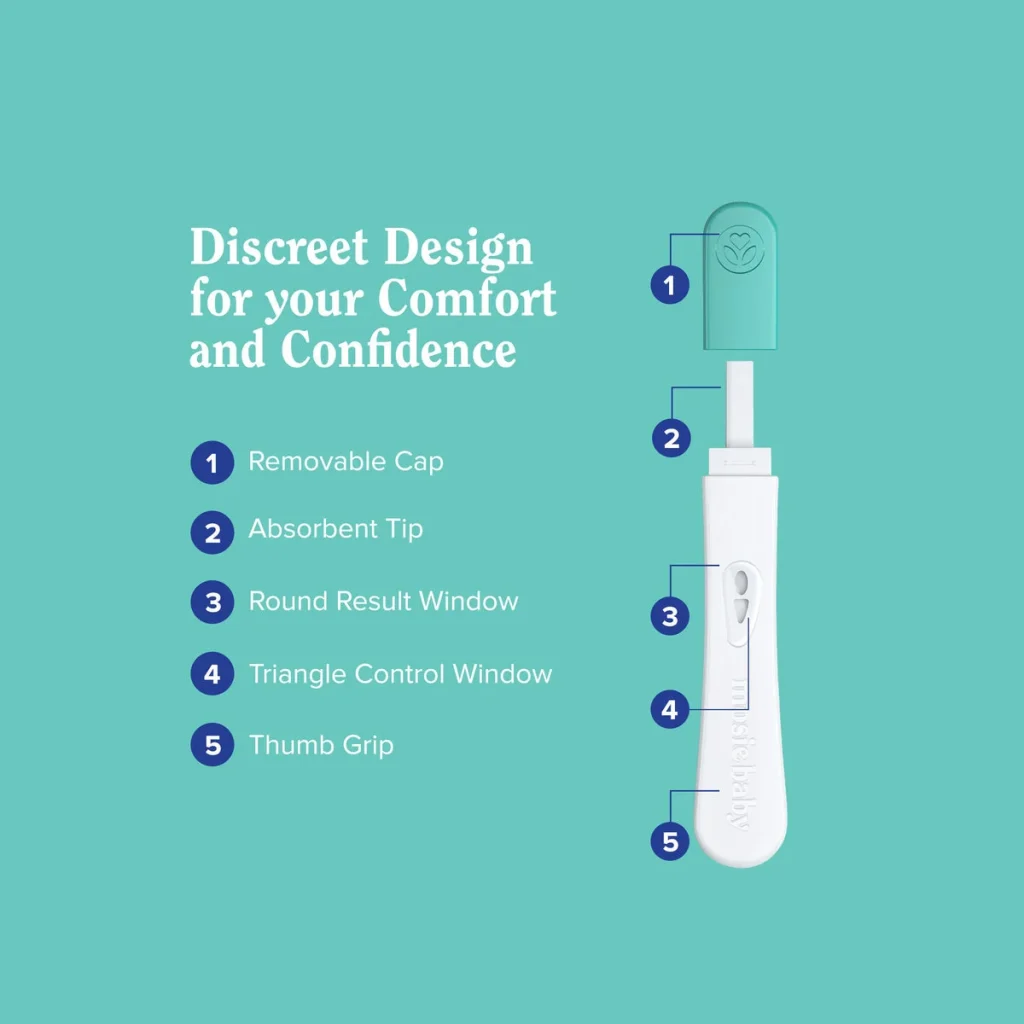
    pregnancy test kit features labeled for comfort and confidence on a teal background

    Creative DIY Tools to Improve Your Fertility

    4. Fertility Diet
    What we eat plays a significant role in our overall health, including fertility. A fertility diet focuses on consuming foods that are rich in essential nutrients and antioxidants that can help improve egg and sperm quality. Some foods that are known to promote fertility include leafy greens, whole grains, healthy fats, and lean proteins. There are also online resources available that provide meal plans and recipes for couples to follow a fertility diet at home.

    5. Fertility Journaling
    The journey to conception can be an emotional rollercoaster, and it is essential to take care of one’s mental health during this time. Fertility journaling is a creative and therapeutic tool that can help couples express their thoughts and emotions. It can also serve as a way to track fertility-related information, such as menstrual cycles, ovulation dates, and prenatal appointments. Couples can choose to use a physical journal or opt for online journaling platforms.

    6. Fertility Visualization
    Visualization is a powerful tool that can help couples manifest their desires and goals. Fertility visualization involves creating a mental image of a successful pregnancy and birth. This practice can help couples stay positive and focused on their goal of conceiving. There are also many guided fertility visualization meditations available online that couples can listen to at home.

    7. Fertility Affirmations
    Similar to fertility visualization, fertility affirmations can help couples stay positive and focused on their journey to conception. Affirmations are positive statements that are repeated daily to help reprogram the mind and promote positive thinking. Some examples of fertility affirmations include “My body is capable of creating life,” “I trust in the timing of my fertility journey,” and “Every day, my fertility is improving.”

    In summary, there are various creative DIY tools that couples can use to improve their fertility. From yoga and massage to diet and journaling, these tools can help promote physical, mental, and emotional well-being, which is essential for fertility. It is important to remember that these tools may not work for everyone, and it is always recommended to seek medical advice and support when trying to conceive.