Tag: legal agreements

  • The Legal Implications of Non-Invasive Insemination

    Blog Post: The Legal Implications of Non-Invasive Insemination

    In recent years, the use of non-invasive insemination (NII) has become a popular method for individuals and couples to conceive children. This process involves using assisted reproductive technology (ART) to fertilize eggs outside of the body and then transfer them into the uterus. While NII offers a less invasive and more affordable option for those struggling with fertility, it also raises important legal implications that must be considered. In this blog post, we will explore the legal implications of NII and how they may impact individuals and families.

    The Legality of NII

    The legality of NII varies from country to country and even within different states or provinces. In some places, NII is completely legal and regulated, while in others it may be prohibited or only allowed under certain circumstances. It is important for individuals considering NII to research the laws and regulations in their specific location to ensure they are following all necessary protocols.

    In the United States, the legal landscape surrounding NII is complex. While federal law does not explicitly regulate NII, individual states may have their own laws and regulations. Some states prohibit NII altogether, while others allow it only for married couples or with the use of a licensed physician. It is important for individuals to consult with a legal professional to understand the laws and regulations in their state before pursuing NII.

    Legal Parenthood and Parental Rights

    One of the biggest concerns surrounding NII is the issue of legal parenthood and parental rights. In traditional conception, the biological mother and father are automatically considered the legal parents of a child. However, with NII, the lines can become blurred. In some cases, the donor may have legal rights and responsibilities, while in others, the intended parents may not have legal recognition as the child’s parents.

    In cases where donor sperm or eggs are used, the donor may have legal rights and responsibilities towards the child. This can include the right to seek custody or visitation, as well as the responsibility to provide financial support. In situations where the donor is known, it is important for all parties involved to have a clear understanding of their legal rights and responsibilities before moving forward with NII.

    Mosie Baby Kit with a syringe and container, highlighting safety and usability features on a blue background.

    The Legal Implications of Non-Invasive Insemination

    On the other hand, intended parents may face challenges in establishing their legal rights as the child’s parents. In some states, the lack of a genetic connection may make it difficult for intended parents to be recognized as the child’s legal parents. This can be especially problematic for same-sex couples or single parents who may not have a genetic connection to the child. It is important for intended parents to work with a legal professional to ensure they have all necessary documentation and legal recognition as the child’s parents.

    The Issue of Consent

    Consent is a crucial aspect of NII and can have significant legal implications. In order for NII to be performed, all parties involved must provide informed consent. This includes the donor, the intended parents, and any other individuals who may have a legal interest in the child. In many cases, this means that written consent must be obtained from all parties involved before the NII process can move forward.

    However, consent can become a complex issue in cases of known donors or when using donor sperm or eggs from a sperm bank. If a known donor changes their mind about their involvement in the child’s life, it can lead to legal battles over custody and parental rights. Similarly, if a donor from a sperm bank was not properly screened or provided false information, it could also result in legal challenges for the intended parents. This is why it is important for all parties involved in NII to fully understand the implications of their consent and to have proper legal documentation in place.

    The Importance of Legal Agreements

    Given the potential legal implications of NII, it is crucial for all parties involved to have a comprehensive legal agreement in place. This agreement should outline the roles and responsibilities of each party, including the intended parents, the donor, and any other individuals involved in the process. It should also address issues such as parental rights, financial responsibilities, and any potential legal disputes that may arise.

    Working with a legal professional experienced in ART and NII can help ensure that all parties involved have a thorough understanding of their legal rights and responsibilities. This can also help prevent legal challenges and disputes down the road, providing a clear and legally-binding agreement for all involved.

    In Summary

    Non-invasive insemination offers a less invasive and more affordable option for individuals and couples struggling with fertility. However, it also raises important legal implications that must be carefully considered. The legality of NII varies from country to country and state to state, and individuals must research the laws and regulations in their location before moving forward with the process. Legal parenthood and parental rights can also be complex issues with NII, and it is crucial for all parties involved to have a clear understanding of their roles and responsibilities. Consent and legal agreements are also important aspects of NII, and working with a legal professional can help ensure that all parties have a comprehensive understanding of their legal rights and obligations.

  • Navigating Legal Considerations in Home Insemination

    Navigating Legal Considerations in Home Insemination: A Guide for Prospective Parents

    Home insemination, also known as at-home insemination or self-insemination, is a method of conceiving a child through artificial insemination at home. This can be a viable option for individuals or couples who are unable to conceive naturally or choose not to use traditional methods of conception. However, before embarking on the home insemination journey, it is important to consider the legal implications that may arise. In this blog post, we will discuss the legal considerations that prospective parents should keep in mind when considering home insemination.

    Understanding the Legal Definition of Parentage

    Before delving into the legal considerations of home insemination, it is important to understand the legal definition of parentage. Parentage, also known as legal parentage or legal paternity, refers to the legal relationship between a parent and their child. It determines who has the rights and responsibilities of a parent, such as making decisions about the child’s upbringing and providing financial support.

    In traditional methods of conception, parentage is usually established through a marriage or through a sperm donor agreement. However, in the case of home insemination, where a sperm donor may not be involved, establishing parentage can be more complex and may vary depending on the laws of each state or country.

    Consent and Legal Agreements

    One of the most important legal considerations in home insemination is obtaining consent from all parties involved. This includes the individual or couple wishing to conceive, the sperm donor (if any), and any other individuals who may be involved in the process, such as a surrogate or gestational carrier.

    It is crucial to have a written agreement in place that outlines the rights and responsibilities of each party involved in the home insemination process. This may include issues such as parental rights, financial responsibilities, and any potential custody arrangements. It is recommended to consult with a lawyer to draft a legally binding agreement that clearly outlines these details and protects the interests of all parties involved.

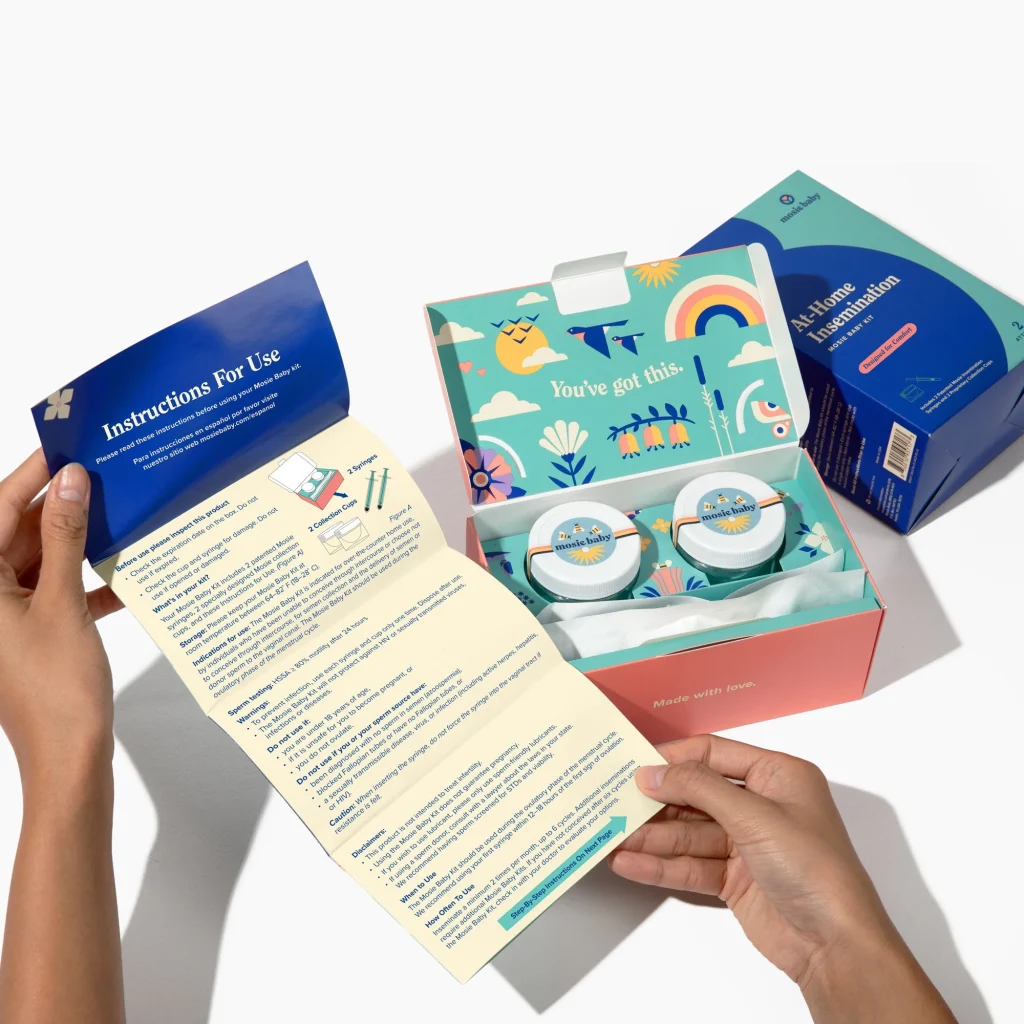
    Home insemination kit by Mosie Baby with instructions and colorful packaging.

    Navigating Legal Considerations in Home Insemination

    Legal Parentage and Birth Certificates

    Once a child is conceived through home insemination, it is important to establish legal parentage to ensure that all parties involved have the necessary rights and responsibilities. In some states, this may require obtaining a court order to establish legal parentage, while in others, it may be possible to do so through a voluntary acknowledgment of paternity.

    It is also important to consider the impact of legal parentage on the child’s birth certificate. In some states, the birth certificate may list the biological parent as the legal parent, while in others, the birth certificate may list the birth mother and her partner (if any) as the legal parents. It is important to research the laws in your state or country and consult with a lawyer to understand the legal implications of establishing parentage.

    Potential Legal Issues

    While home insemination can be a wonderful option for individuals or couples looking to start a family, there are some potential legal issues that may arise. These may include disputes over parental rights, child support, and custody arrangements. It is important to have a clear understanding of the laws in your state or country and consult with a lawyer to ensure that all parties involved are protected and their rights are upheld.

    Conclusion

    Home insemination can be a fulfilling and rewarding way to start a family, but it is important to navigate the legal considerations involved. Understanding the legal definition of parentage, obtaining consent and drafting legal agreements, establishing legal parentage and birth certificates, and being aware of potential legal issues are all crucial steps in the home insemination process. It is recommended to seek the guidance of a lawyer who specializes in family and reproductive law to ensure that all parties involved are protected and their rights are upheld.

    In summary, navigating legal considerations in home insemination involves understanding the legal definition of parentage, obtaining consent and drafting legal agreements, establishing legal parentage and birth certificates, and being aware of potential legal issues. It is important to seek the guidance of a lawyer to ensure that all parties involved are protected and their rights are upheld.

  • Navigating the Legal Aspects of Non-Invasive Insemination

    Navigating the Legal Aspects of Non-Invasive Insemination: A Comprehensive Guide

    Non-invasive insemination, also known as artificial insemination, is a method of conceiving a child without sexual intercourse. This procedure involves the insertion of sperm into a woman’s reproductive organs, usually through the use of a medical device. While non-invasive insemination can be a viable option for couples struggling with fertility, it is important to understand the legal aspects that come with this method. In this blog post, we will explore the legal considerations that individuals or couples may need to navigate when considering non-invasive insemination.

    The Legal Landscape of Non-Invasive Insemination

    The legal landscape of non-invasive insemination can vary greatly depending on the jurisdiction. In some countries, such as the United States, non-invasive insemination is regulated by the FDA and state laws. In other countries, it may be governed by specific regulations or guidelines set by medical associations. It is crucial to research and understand the laws and regulations in your specific location before proceeding with non-invasive insemination.

    Informed Consent and Legal Agreements

    One of the most important legal aspects of non-invasive insemination is informed consent. Informed consent means that all parties involved in the procedure must fully understand the potential risks and benefits and give their voluntary consent to proceed. This includes the donor, recipient, and any other parties involved in the process, such as a partner or medical professional. Informed consent is typically obtained through a legal agreement, which outlines the responsibilities and rights of each party involved.

    Donor Rights and Obligations

    The rights and obligations of the donor in non-invasive insemination can be a complex legal issue. In some jurisdictions, donors may have parental rights and obligations, while in others, they may not. It is important to research and understand the laws in your specific location to determine the legal status of the donor. In some cases, donors may be required to undergo a legal process, such as terminating parental rights, in order to prevent any future legal complications.

    at-home insemination kit with syringes, collection cups, and instructions on a pink background

    Navigating the Legal Aspects of Non-Invasive Insemination

    Legal Parentage and Custody

    Another crucial legal aspect of non-invasive insemination is determining legal parentage and custody. In traditional conception methods, the mother and father are automatically considered the legal parents of the child. However, in non-invasive insemination, the legal parentage and custody can become more complicated. Depending on the jurisdiction, the donor may or may not have parental rights, and the recipient and any partner may have to go through a legal process to establish their parental rights.

    Legal Protections for All Parties Involved

    In order to protect all parties involved, it is important to have a clear and legally binding agreement in place before proceeding with non-invasive insemination. This agreement should outline the rights and responsibilities of each party and address potential scenarios that may arise, such as custody disputes or changes in relationships. It is also important to consult with a legal professional to ensure that the agreement is legally binding and enforceable.

    Considerations for Same-Sex Couples

    Non-invasive insemination can be a popular choice for same-sex couples who want to start a family. However, there are additional legal considerations for same-sex couples to navigate. In some jurisdictions, same-sex couples may face more challenges in establishing legal parentage and custody, and may require additional legal agreements or processes. It is important for same-sex couples to research and understand the laws and regulations in their specific location before proceeding with non-invasive insemination.

    Navigating the legal aspects of non-invasive insemination can be a complex and daunting task. It is crucial to research and understand the laws and regulations in your specific location, and to consult with a legal professional to ensure that all parties involved are protected and legally covered. With proper knowledge and preparation, non-invasive insemination can be a viable option for couples or individuals looking to expand their family.

    In summary, non-invasive insemination is a method of conceiving a child without sexual intercourse, and it is important to understand the legal aspects of this procedure. These can include informed consent and legal agreements, donor rights and obligations, legal parentage and custody, and legal protections for all parties involved. It is also important to consider the specific challenges that may arise for same-sex couples. With proper research and legal guidance, non-invasive insemination can be a viable option for those looking to start a family.