Tag: legal recognition

  • The Game-Changer for Same-Sex Couples Trying to Conceive

    The process of starting a family can be a challenging and emotional journey for any couple, but for same-sex couples trying to conceive, there can be additional obstacles and hurdles to overcome. In the past, the options for same-sex couples to have biological children were limited, but with advances in technology and changes in laws and attitudes, there is now a game-changer for same-sex couples looking to start a family.

    In vitro fertilization (IVF) with the use of donor sperm or eggs has long been the primary method for same-sex couples to conceive. However, this process can be expensive, emotionally draining, and may not always result in a successful pregnancy. Additionally, for lesbian couples, there is the added challenge of finding a sperm donor and navigating legal and social complexities.

    But now, thanks to recent advancements in reproductive technology, there is a game-changing option for same-sex couples trying to conceive: reciprocal IVF. This process allows both partners to participate in the conception and pregnancy journey, and can be a more affordable and emotionally fulfilling option for many same-sex couples.

    What is Reciprocal IVF?

    Reciprocal IVF, also known as “shared motherhood,” is a form of assisted reproductive technology that allows same-sex female couples to both have a biological connection to their child. The process involves one partner undergoing IVF to retrieve her eggs, which are then fertilized with donor sperm and transferred to the other partner’s uterus for pregnancy.

    This allows the non-carrying partner to also have a biological connection to the child, as her partner’s fertilized eggs are used for the pregnancy. This process is similar to traditional IVF, except that the eggs are not fertilized with sperm from a third-party donor, but rather with the partner’s sperm.

    Why is Reciprocal IVF a Game-Changer?

    1. Equal Involvement and Biological Connection

    One of the main benefits of reciprocal IVF for same-sex couples is that it allows both partners to have equal involvement and a biological connection to their child. This can be incredibly meaningful for couples who want to share the experience of pregnancy and childbirth together.

    Additionally, for lesbian couples, reciprocal IVF can alleviate the burden of having one partner carry the entire pregnancy. It allows for a more equal distribution of the physical and emotional aspects of starting a family.

    hands using a blue syringe to extract contents from a clear container for a home insemination kit

    The Game-Changer for Same-Sex Couples Trying to Conceive

    2. Cost-effective

    Compared to traditional IVF, reciprocal IVF can be a more cost-effective option for same-sex couples. With traditional IVF, each partner would need to undergo separate IVF cycles, which can be expensive. However, with reciprocal IVF, only one partner undergoes the IVF process, making it more affordable for couples.

    3. Legal Recognition

    In many countries, same-sex couples face legal challenges when it comes to parental rights and recognition. With reciprocal IVF, both partners have a biological connection to the child, making it easier for them to establish legal parental rights. This can provide peace of mind for couples and eliminate potential legal battles in the future.

    4. Psychological Benefits

    Going through the process of trying to conceive can be emotionally taxing for any couple, and this can be amplified for same-sex couples who may face additional societal and legal challenges. Reciprocal IVF can provide psychological benefits for same-sex couples, as it allows them to have a more equal and inclusive experience in the journey of starting a family.

    5. Increased Control and Personalization

    Another advantage of reciprocal IVF is that it allows couples to have more control and personalization over the process. In traditional IVF, the donor sperm is often selected based on physical characteristics and medical history, but with reciprocal IVF, the sperm comes from one of the partners, giving them more control over the genetic makeup of their child.

    Additionally, with reciprocal IVF, couples can also choose which partner will carry the pregnancy, giving them the opportunity to consider factors such as health, age, and personal preferences.

    In conclusion, reciprocal IVF is a game-changer for same-sex couples trying to conceive. It provides equal involvement and a biological connection for both partners, is more cost-effective, and can alleviate legal and psychological challenges. With this option, same-sex couples can have more control and personalization over their journey to starting a family, making the process more fulfilling and inclusive.
  • The Impact of Home Insemination on Traditional Family Structures

    Blog Post Title: The Changing Dynamics of Family Structures: How Home Insemination is Impacting Traditional Families

    Traditional family structures have been a fundamental part of society for centuries. However, with the advancement of technology and medical procedures, the traditional concept of a family has been challenged. One of the most significant changes in recent years has been the rise of home insemination, which is the process of artificially inseminating oneself or a partner at home without the involvement of a medical professional. This practice has sparked debates and discussions about its impact on traditional family structures. In this blog post, we will explore the various ways in which home insemination is changing the dynamics of traditional families.

    The Definition of a Traditional Family

    Before delving into the impact of home insemination, it is essential to define what a traditional family means. Traditionally, a family is a unit consisting of a father, mother, and their biological or adopted children. This structure is often referred to as a nuclear family and has been the dominant family structure in most societies. However, this definition is no longer applicable to the diverse and ever-changing family dynamics of today.

    The Rise of Home Insemination

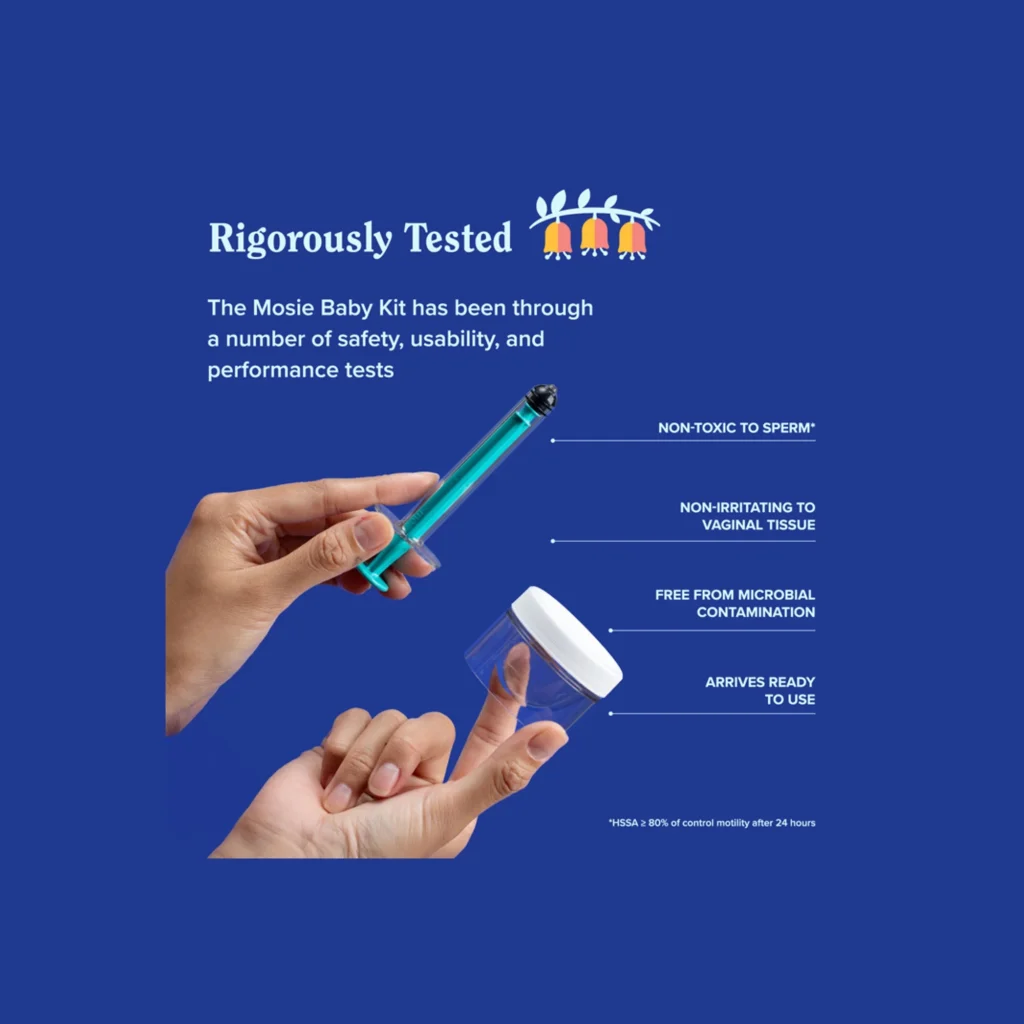
    Home insemination has been around for a long time, but it has gained popularity in recent years. With the advancement of technology, it has become easier and more accessible for individuals or couples to perform the procedure at home. The process involves purchasing a donor sperm sample and using a syringe or a specialized insemination kit to deposit the sperm into the vagina. This method allows individuals or couples to bypass the traditional route of seeking medical assistance from a fertility clinic.

    Impact on Marriage and Parenthood

    One of the most significant impacts of home insemination on traditional family structures is the changing dynamics of marriage and parenthood. In traditional families, marriage was often seen as a prerequisite for parenthood. However, with home insemination, individuals or same-sex couples can become parents without getting married. This has led to a shift in societal norms and values, challenging the traditional idea that marriage is the only way to create a family.

    Mosie Baby Kit features a syringe and container, highlighting safety and usability tests on a blue background.

    The Impact of Home Insemination on Traditional Family Structures

    Moreover, home insemination has also made it possible for single individuals to become parents. This has given rise to the concept of solo parenting, where a person chooses to become a parent without a partner. This was not conceivable in traditional families, where a child was expected to have two parents.

    Changing Views on Biological Parenthood

    Home insemination has also challenged the traditional concept of biological parenthood. In traditional families, a child is expected to have a biological connection to both parents. However, with home insemination, a donor sperm sample is used, and the child may not have a biological connection to one of the parents. This has sparked discussions about the importance of biological parenthood and how it affects the parent-child relationship.

    Furthermore, the rise of home insemination has also led to a growing acceptance of non-traditional family structures. In the past, non-traditional families, such as same-sex couples or single parents, were often stigmatized. However, with home insemination, these families are becoming more prevalent, and society is starting to recognize them as a legitimate family structure.

    Challenges Faced by Home Insemination Families

    While home insemination has brought about positive changes in traditional family structures, it also presents some challenges. One of the most significant challenges faced by home insemination families is the lack of legal recognition. In many countries, only married couples or single individuals are allowed to legally adopt a child. This means that home insemination families may not have the same legal rights and protections as traditional families.

    Moreover, home insemination also raises ethical concerns, such as the possibility of a child not knowing their biological origins or being denied the right to know their donor’s identity. This can lead to identity and psychological issues for the child in the future.

    Summary:

    Home insemination is the process of artificially inseminating oneself or a partner at home without the involvement of a medical professional. It has challenged the traditional concept of a family by changing the dynamics of marriage and parenthood. With home insemination, individuals or same-sex couples can become parents without getting married, and single individuals can choose to become parents without a partner. This has also led to a growing acceptance of non-traditional family structures. However, home insemination families face challenges such as lack of legal recognition and ethical concerns about the child’s identity.