Tag: Legalities

  • Insemination Syringe Box and Parenthood Prep: What You Need to Know Before Starting Your Journey

    Blog Post:

    In today’s society, more and more people are choosing to start their family through alternative methods such as insemination. However, before embarking on this journey, it is important to be well-informed and prepared. One essential aspect of this process is the Insemination Syringe Box. In this blog post, we will dive into what an Insemination Syringe Box is, how it works, and the importance of having one in your parenthood prep.

    What is an Insemination Syringe Box?

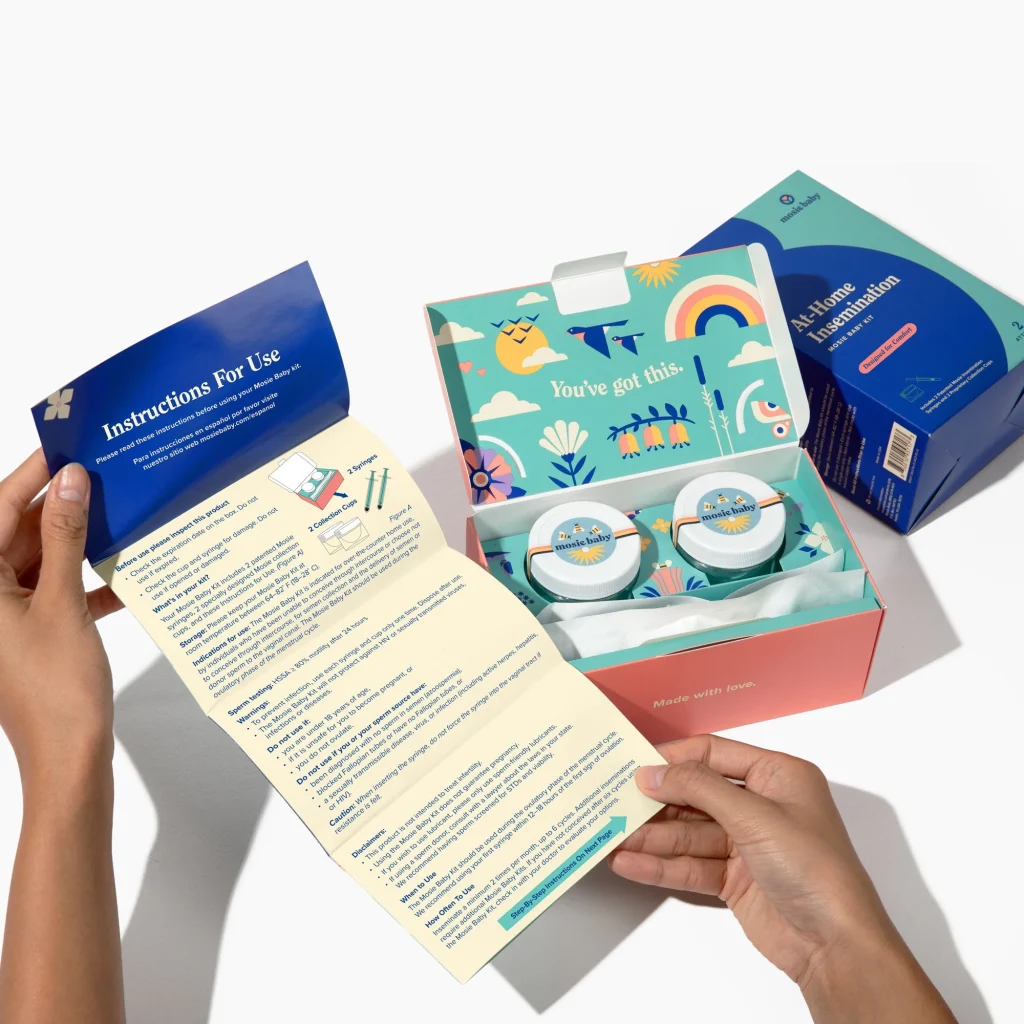
    An Insemination Syringe Box is a kit that contains all the necessary tools for at-home insemination. It typically includes a sterile syringe, collection cup, sperm-friendly lubricant, and instructions on how to use the kit. These boxes can be purchased online or at your local drugstore and come in various sizes to accommodate different needs.

    How does it work?

    Insemination Syringe Boxes are designed to make the process of at-home insemination simple and efficient. The first step is to collect the sperm sample from a donor or a sperm bank and place it in the provided collection cup. Next, the sperm-friendly lubricant is added to the syringe to make the insertion process more comfortable. The syringe is then filled with the sperm sample from the collection cup and inserted into the vagina, close to the cervix. The syringe is then emptied, and the process is repeated until the entire sample is used. It is recommended to lie down for at least 15 minutes after the procedure to increase the chances of successful insemination.

    Why is an Insemination Syringe Box important for parenthood prep?

    blue box with "mosie" logo, syringes, and informational pamphlet on a pink background

    Insemination Syringe Box and Parenthood Prep: What You Need to Know Before Starting Your Journey

    Using an Insemination Syringe Box is an affordable and convenient option for those looking to start their family through at-home insemination. It eliminates the need for expensive medical procedures and allows you to have more control over the process. Additionally, using a syringe box can also increase the chances of successful insemination by ensuring that the sperm is placed close to the cervix, where it has the best chance of reaching the egg.

    Things to consider before starting your journey:

    Before purchasing an Insemination Syringe Box and starting your journey towards parenthood, there are a few things you should consider. First and foremost, it is essential to have a conversation with your partner or someone close to you about your decision. Starting a family is a significant decision, and it is crucial to have a support system in place. It is also important to do thorough research on the process of at-home insemination and the different options available. This can help you make an informed decision and choose the best method for your needs.

    Another crucial aspect to consider is the legalities surrounding at-home insemination. It is essential to consult with a lawyer to understand the laws and regulations in your state or country. This can help protect your rights as the parent and ensure that the process is done legally. You should also consider the emotional and physical toll that this process may have on you. It is a journey that requires patience, commitment, and emotional strength, and it is essential to be prepared for any challenges that may arise.

    Insemination Syringe Box and parenthood prep go hand in hand when it comes to starting a family through at-home insemination. Having the right tools and knowledge can make the process more manageable and increase the chances of success. Additionally, it is important to have a strong support system and be prepared for the emotional and legal aspects of this journey.

    In conclusion, an Insemination Syringe Box is an essential tool for those looking to start their family through at-home insemination. It is important to have a good understanding of how it works and the legalities surrounding this process. With the right preparation and support, starting your journey towards parenthood can be a fulfilling and rewarding experience.

    Summary:

    Insemination Syringe Boxes are kits that contain all the necessary tools for at-home insemination. They are affordable, convenient, and can increase the chances of successful insemination. Before starting your journey towards parenthood through at-home insemination, it is important to do thorough research, consult with a lawyer, and have a strong support system in place. This process requires patience, commitment, and emotional strength, but with the right preparation and tools, it can be a fulfilling and rewarding experience.


  • Syringe Insemination and the Law: Navigating Legalities and Regulations

    Summary:

    Syringe insemination, also known as artificial insemination, is a common method used by couples and individuals to conceive a child. This process involves the use of a syringe to deposit sperm into the woman’s reproductive tract, bypassing natural intercourse. While this method may seem simple and straightforward, there are many legalities and regulations surrounding syringe insemination that individuals need to be aware of before proceeding with the process. In this blog post, we will explore the various legal aspects of syringe insemination, including laws and regulations, parental rights, and potential legal challenges that may arise. By understanding these legalities, individuals can navigate the process of syringe insemination more confidently and ensure that their rights are protected.

    First and foremost, it is essential to understand that syringe insemination is a highly regulated procedure. In most countries, the law requires that only licensed medical professionals can perform artificial insemination. This means that individuals cannot simply purchase a syringe and perform the procedure at home. Instead, they must seek the services of a fertility clinic or a licensed medical practitioner. This regulation is in place to ensure the safety of both the donor and the recipient, as well as the potential child that may result from the insemination.

    In addition to the regulations surrounding who can perform syringe insemination, there are also laws in place regarding who can receive this type of treatment. In many countries, there are restrictions on who can undergo syringe insemination, such as age limits and marital status. For example, some countries require that recipients be of a certain age, usually between 18-45 years old, and be in a committed relationship, whether married or in a domestic partnership. These restrictions are in place to protect the rights of the child and ensure that they have a stable and loving family environment to grow up in.

    Mosie Baby ovulation test kit with packaging and instructions on a pink background.

    Syringe Insemination and the Law: Navigating Legalities and Regulations

    Furthermore, there are laws and regulations regarding the use of donor sperm in syringe insemination. Donor sperm must be obtained from a licensed sperm bank, and the donor must go through thorough medical and genetic screening to ensure the safety of the potential child. The use of donor sperm also raises questions about parental rights. In many cases, the donor is not considered the legal parent of the child, and the parental rights belong to the recipient and their partner. However, these laws may vary depending on the country and state, and it is essential to consult with a legal professional to understand the specific laws in your area.

    Another crucial aspect to consider when it comes to syringe insemination and the law is the issue of consent. Both the donor and the recipient must provide their consent before the procedure can be performed. This consent should be given in writing and should include details such as the intended use of the donor sperm, the rights and responsibilities of all parties involved, and the potential legal implications. This written consent serves as a legal document and can protect all parties in case of any disputes that may arise in the future.

    It is also essential to note that the legalities surrounding syringe insemination can become more complicated when the procedure is performed outside of a medical facility. While some couples may choose to perform the insemination at home, it is crucial to understand the potential legal challenges that may arise. For example, if the donor is not known or a licensed medical professional, there may be questions about parental rights and financial responsibilities. Additionally, there may be legal implications surrounding the documentation and registration of the child’s birth, as well as issues regarding inheritance and custody. Therefore, it is always recommended to seek the services of a licensed medical professional when undergoing syringe insemination to ensure that all legalities are followed correctly.

    In conclusion, syringe insemination is a highly regulated procedure that involves many legalities and regulations. From who can perform the procedure to who can receive it and the use of donor sperm, there are many important factors to consider. Additionally, issues such as consent and performing the procedure at home can also have legal implications. It is crucial for individuals considering syringe insemination to research and understand the laws and regulations in their area to ensure a smooth and legally sound process. Consulting with a legal professional can also provide further clarity and guidance on navigating the legalities of syringe insemination.

    SEO metadata:

  • The Do’s and Don’ts of Home Insemination: What You Need to Know

    Blog Post:

    Home insemination, also known as self-insemination, is the process of using a donor’s sperm to achieve pregnancy at home without the assistance of a medical professional. This method has gained popularity in recent years as a more affordable and discreet option for those looking to start a family. However, before embarking on this journey, there are important do’s and don’ts that you need to know in order to maximize your chances of success and keep yourself safe. In this blog post, we will discuss the do’s and don’ts of home insemination and what you need to know before starting the process.

    Do’s:

    1. Do your research: Before starting the home insemination process, it is crucial to do thorough research on the topic. This includes understanding the legalities, risks, and success rates associated with home insemination. It is also important to research different methods and techniques to determine which one will work best for you.

    2. Do consult with a medical professional: While home insemination can be done without the assistance of a doctor, it is still recommended to seek advice from a medical professional. They can provide guidance on the best methods to use and ensure that you are physically and mentally prepared for the process.

    3. Do choose a reliable and healthy donor: Selecting a donor for home insemination can be a daunting task. It is important to choose someone who is reliable, healthy, and has undergone proper medical screenings. You can also consider using a sperm bank to ensure the safety and quality of the sperm.

    4. Do have a plan: Before starting the insemination process, it is important to have a plan in place. This includes knowing when your ovulation occurs, having all necessary supplies on hand, and having a backup plan in case the first attempt is unsuccessful.

    comparison of Mosie syringe opening versus standard syringe opening with text highlighting benefits

    The Do's and Don'ts of Home Insemination: What You Need to Know

    5. Do follow proper hygiene and safety protocols: It is crucial to maintain proper hygiene and safety protocols during the insemination process. This includes washing your hands and the donor’s hands thoroughly, using sterile equipment, and properly disposing of waste materials.

    Don’ts:

    1. Don’t use expired or poor-quality supplies: When it comes to home insemination, using expired or poor-quality supplies can greatly decrease your chances of success. It is important to always use fresh and high-quality supplies to ensure the best results.

    2. Don’t attempt home insemination without proper consent: It is important to have proper consent from all parties involved before starting the home insemination process. This includes the donor, any partners, and any legal documentation that may be required.

    3. Don’t skip the legalities: While home insemination may seem like a private and personal process, it is important to understand and follow the legalities involved. This may include obtaining donor consent, establishing parental rights, and ensuring that all parties involved are protected.

    4. Don’t ignore potential risks: As with any medical procedure, there are risks associated with home insemination. It is important to be aware of these risks and take necessary precautions to minimize them. This includes having a backup plan in case of complications and seeking medical attention if needed.

    5. Don’t give up after one attempt: Home insemination may not be successful on the first try. It is important to not get discouraged and to keep trying. It may take multiple attempts before achieving a successful pregnancy.

    In summary, home insemination can be a safe and effective option for those looking to start a family. However, it is important to do thorough research, seek medical advice, and follow proper protocols in order to increase your chances of success and ensure the safety of all parties involved.

  • Navigating the Healthcare System for Insemination on Your Own Terms

    Navigating the Healthcare System for Insemination on Your Own Terms

    Insemination, also known as artificial insemination or intrauterine insemination (IUI), is a common fertility treatment used by individuals and couples who are struggling to conceive. While many people opt to undergo insemination with the help of a fertility clinic or healthcare provider, there are also those who choose to navigate the process on their own terms. Whether it’s due to financial constraints, personal preferences, or lack of access to healthcare, taking control of your own insemination journey can be empowering and rewarding. However, it’s important to understand the healthcare system and how it relates to insemination in order to ensure a safe and successful experience.

    Here are some key points to consider when navigating the healthcare system for insemination on your own terms:

    1. Educate Yourself about Insemination
    Before embarking on any fertility treatment, it’s crucial to educate yourself about the process. This includes understanding the different types of insemination, the success rates, potential risks and side effects, and the necessary steps to take. There are many resources available online, such as medical websites, support groups, and forums, where you can gather information and connect with others who have gone through similar experiences.

    2. Consult with a Healthcare Provider
    While you may be taking control of your insemination journey, it’s still important to consult with a healthcare provider. They can provide you with personalized advice, perform necessary tests, and monitor your progress throughout the process. If you don’t have access to a fertility specialist, consider consulting with your primary care doctor or a gynecologist who is knowledgeable about fertility treatments.

    3. Consider Your Options for Sperm Donors
    One of the biggest decisions you’ll have to make when undergoing insemination is choosing a sperm donor. This can be a daunting task, but it’s important to carefully consider your options. You can choose a known donor, such as a friend or family member, or use a sperm bank to select an anonymous donor. It’s crucial to thoroughly research and understand the legal and emotional implications of each option before making a decision.

    Informative card introducing the Mosie Baby Kit and its mission for at-home insemination.

    Navigating the Healthcare System for Insemination on Your Own Terms

    4. Understand the Legalities
    Navigating the legal aspects of insemination can be complex, especially if you’re doing it on your own. It’s important to understand the laws and regulations in your country or state regarding insemination, sperm donation, and parental rights. This will ensure that you’re protected and that your child’s legal rights are also secured.

    5. Be Mindful of Your Finances
    Fertility treatments can be expensive, and it’s important to consider the financial aspect of insemination. If you’re opting to navigate the process on your own, you may have to cover all the costs, including sperm donor fees, medical expenses, and legal fees. It’s important to budget and plan accordingly to avoid any financial strain.

    6. Take Care of Your Emotional Well-being
    Undergoing insemination can be emotionally taxing, and it’s important to prioritize your mental health throughout the process. Seek support from loved ones, join support groups, and consider counseling if necessary. It’s also important to have realistic expectations and to be prepared for any potential challenges or setbacks that may arise.

    7. Stay Organized and Keep Records
    As you navigate the healthcare system for insemination, it’s important to stay organized and keep records of all your appointments, test results, and expenses. This will not only help you track your progress but also serve as valuable documentation in case any legal issues arise.

    In conclusion, navigating the healthcare system for insemination on your own terms requires careful planning, research, and support. By educating yourself, consulting with a healthcare provider, understanding the legalities, and taking care of your emotional well-being, you can have a safe and successful experience. Remember to stay organized, seek support, and trust in your journey.

    Summary:
    Insemination, also known as artificial insemination or IUI, is a common fertility treatment. Some people choose to navigate the process on their own terms due to various reasons. However, it’s important to understand the healthcare system and take certain steps to ensure a safe and successful experience. These include educating yourself, consulting with a healthcare provider, considering different options for sperm donors, understanding the legalities, being mindful of finances, taking care of your emotional well-being, and staying organized. By doing so, you can have control over your insemination journey and increase your chances of success.

  • Exploring the World of Non-Invasive Insemination: What You Need to Know

    Exploring the World of Non-Invasive Insemination: What You Need to Know

    In today’s world, the idea of starting a family has evolved beyond the traditional methods of conception. With advances in technology and medical procedures, individuals and couples now have a variety of options to help them achieve their dream of having a child. One such option that has gained popularity in recent years is non-invasive insemination, also known as “natural” or “homemade” insemination. This method allows for a more intimate and personal approach to conception, and it has become a popular choice for those who are struggling with fertility issues, same-sex couples, and single individuals looking to start a family. In this blog post, we will explore the world of non-invasive insemination and provide you with all the essential information you need to know if you are considering this method for conceiving a child.

    What is Non-Invasive Insemination?

    Non-invasive insemination is a method of conception that involves the placement of sperm into the female reproductive system without the use of medical instruments or procedures. This method is considered less invasive and more natural compared to traditional insemination methods, such as intrauterine insemination (IUI) or in vitro fertilization (IVF). Non-invasive insemination can be done at home or in a clinical setting, and it is a popular choice for those who are looking for a more personal approach to conception.

    How Does Non-Invasive Insemination Work?

    Unlike traditional insemination methods, non-invasive insemination does not require the use of a catheter or any other medical instruments. The sperm is usually collected through ejaculation into a sterile cup or condom and then inserted into the female reproductive system using a needleless syringe or a softcath. This process can be done at home by the couple or in a clinical setting with the assistance of a fertility specialist.

    There are different techniques for non-invasive insemination, including intracervical insemination (ICI) and intrauterine insemination (IUI). In ICI, the sperm is placed near the cervix, while in IUI, the sperm is inserted directly into the uterus. The technique used will depend on the individual or couple’s fertility needs and the recommendation of their fertility specialist.

    Who Can Benefit from Non-Invasive Insemination?

    Non-invasive insemination can be a viable option for anyone looking to conceive a child. It is commonly used by same-sex couples and single individuals, as well as heterosexual couples who are facing fertility issues. It is also a popular choice for those who prefer a more intimate and natural approach to conception.

    Additionally, non-invasive insemination can be a more affordable option compared to other fertility treatments, making it accessible to individuals and couples who may not be able to afford costly procedures like IVF.

    Factors to Consider Before Choosing Non-Invasive Insemination

    Before deciding to pursue non-invasive insemination, there are a few factors that individuals and couples should consider. These include:

    guide and materials for using Mosie Baby fertility kit on a textured surface

    Exploring the World of Non-Invasive Insemination: What You Need to Know

    1. Fertility Issues: Non-invasive insemination may not be suitable for everyone. If you or your partner have underlying fertility issues, it is essential to consult with a fertility specialist to determine if this method is right for you.

    2. Timing: Non-invasive insemination needs to be timed correctly with a woman’s ovulation cycle to increase the chances of conception. This can be challenging to track at home, which is why seeking the help of a fertility specialist can be beneficial.

    3. Risk of Infection: While non-invasive insemination is considered a low-risk procedure, there is still a risk of infection if proper hygiene and sterilization practices are not followed. It is crucial to ensure that all equipment and hands are clean and sterile before proceeding with the insemination.

    4. Emotional Considerations: Conceiving a child can be an emotional process, and it is essential to consider the potential emotional impact of non-invasive insemination, especially for same-sex couples and single individuals.

    The Legalities of Non-Invasive Insemination

    The laws and regulations surrounding non-invasive insemination vary from country to country. In some places, it is legal for individuals and couples to perform this method at home, while in others, it is only allowed in a clinical setting. It is crucial to research and understand the laws in your location before proceeding with non-invasive insemination.

    Risks and Success Rates of Non-Invasive Insemination

    As with any medical procedure, there are risks associated with non-invasive insemination. These include infection, discomfort, and the potential for multiple pregnancies. It is essential to discuss these risks with a fertility specialist before proceeding with the procedure.

    The success rates of non-invasive insemination vary and depend on several factors, including the age and health of the individuals involved, the timing of the insemination, and any underlying fertility issues. On average, the success rate for non-invasive insemination is around 10-15% per cycle, which is lower than traditional fertility treatments like IVF.

    In Conclusion

    Non-invasive insemination is a personal and intimate approach to conception that is gaining popularity among individuals and couples looking to start a family. While it may not be suitable for everyone, it is a viable option for those facing fertility issues, same-sex couples, and single individuals. However, it is essential to consider the risks and success rates, as well as any legalities surrounding this method, before making a decision.

    If you are considering non-invasive insemination, it is crucial to consult with a fertility specialist to determine if it is the right option for you and to ensure proper procedures are followed to increase the chances of success.

    In summary, non-invasive insemination is a less invasive and more personal approach to conception, suitable for a wide range of individuals and couples. However, it is essential to consider various factors, including fertility issues, timing, and potential risks, before proceeding with this method.

  • Navigating the Legalities of Home Insemination

    Navigating the Legalities of Home Insemination

    Home insemination, also known as self-insemination, is the process of artificially inseminating oneself or a partner with sperm in the comfort of one’s own home. This method has become increasingly popular among same-sex couples, single women, and heterosexual couples with fertility issues. However, navigating the legalities of home insemination can be a complex and confusing process. In this blog post, we will explore the legal implications of home insemination and provide guidance on how to navigate this process safely and legally.

    The Legal Landscape of Home Insemination

    The laws surrounding home insemination vary from state to state and country to country. In some places, it is completely legal and unregulated, while in others it is strictly prohibited. In the United States, for example, home insemination is not explicitly regulated by federal law, but states may have their own laws and regulations on the matter. It is important to research the laws in your specific state or country before embarking on the home insemination process.

    The Role of Sperm Donors

    One of the key legal considerations in home insemination is the role of the sperm donor. In most cases, a sperm donor is someone who provides sperm for the purpose of insemination but does not have any legal or parental rights to any resulting child. However, the laws surrounding sperm donation can be complex and vary depending on the method of insemination used.

    Insemination with fresh sperm, where the sperm is collected and immediately used for insemination, can create potential legal issues. If the sperm donor is not a known partner or spouse, they may be considered the legal father of the child and be required to pay child support. This can be avoided by using a legal sperm donor agreement, which outlines the intentions and responsibilities of both parties involved.

    On the other hand, using frozen sperm from a sperm bank typically eliminates the potential legal issues with sperm donors. The sperm donor has already signed away any legal rights to the sperm, and the recipient of the sperm is typically considered the legal parent of any resulting child.

    Legal Considerations for Same-Sex Couples

    For same-sex couples, the legal landscape of home insemination can be even more complex. In some states, only married couples are allowed to use donor sperm for insemination. This means that same-sex couples who are not married may not have legal protection if a dispute arises over parental rights. It is important for same-sex couples to research the laws in their state and consult with a legal professional before undergoing home insemination.

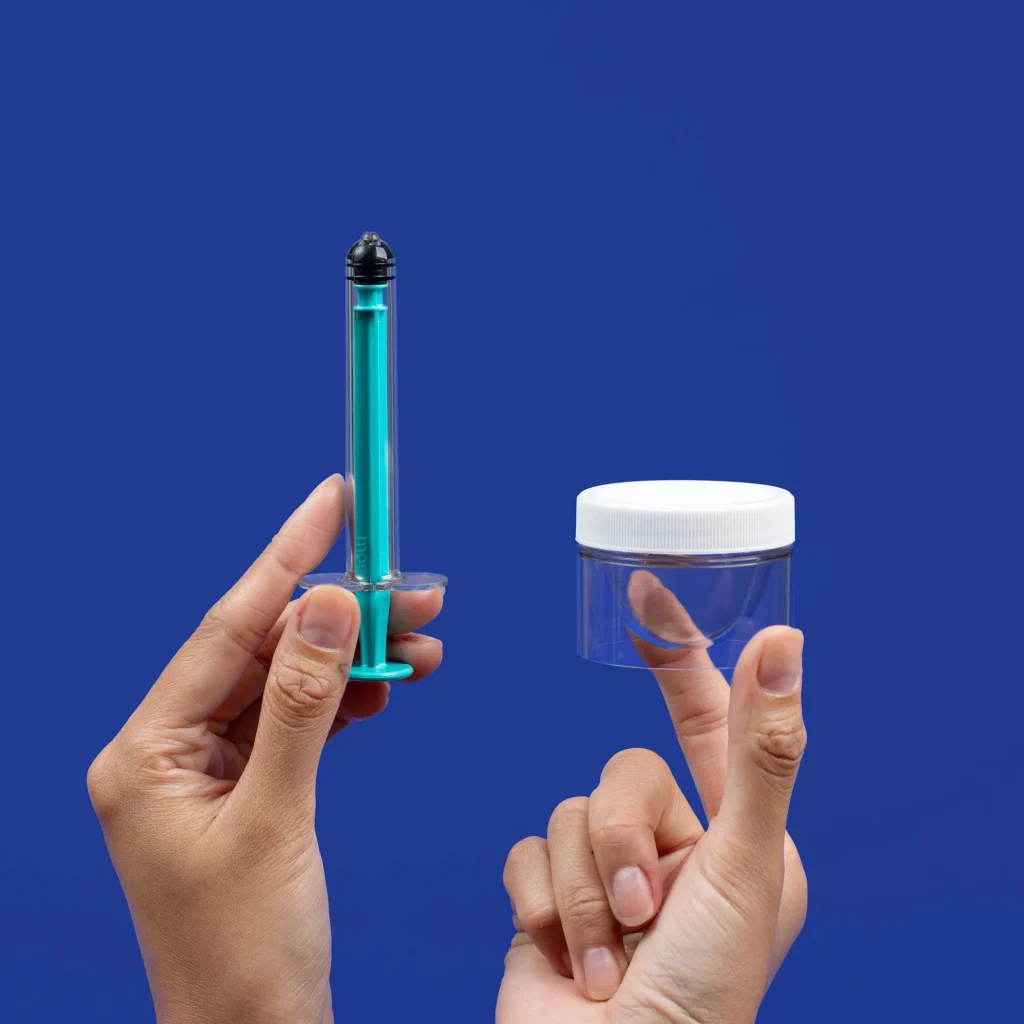
    home insemination kit components: a syringe and a collection container against a blue background.

    Navigating the Legalities of Home Insemination

    Additionally, same-sex couples may face discrimination in the legal system when it comes to parental rights and adoption. It is important to work with a lawyer who is experienced in LGBTQ+ family law to ensure that all legal bases are covered and the couple’s parental rights are protected.

    Legal Considerations for Single Women

    Single women who choose to undergo home insemination also face unique legal considerations. In some states, unmarried women are not allowed to access sperm banks or fertility clinics for insemination. This means that single women may have to rely on known sperm donors or home insemination methods. It is important for single women to research the laws in their state and work with a legal professional to ensure that they are following all regulations and protecting their parental rights.

    Navigating the Legal Process of Home Insemination

    To navigate the legalities of home insemination, it is important to take certain steps to protect yourself and any potential children. These steps include:

    1. Research the laws in your state or country: As mentioned earlier, the laws surrounding home insemination vary from place to place. Researching the laws in your specific location is crucial to understanding your rights and responsibilities.

    2. Work with a legal professional: Consulting with a lawyer who has experience in reproductive law can provide valuable guidance and ensure that all legal requirements are met.

    3. Use a legal sperm donor agreement: If using fresh sperm, it is important to have a legal sperm donor agreement in place to avoid potential legal issues.

    4. Keep accurate records: It is important to keep detailed records of the insemination process, including dates, methods used, and any agreements made with the sperm donor. These records can be used to support your case in the event of a legal dispute.

    5. Consider alternative methods: In some cases, using a fertility clinic or sperm bank may be a safer and more legally sound option for home insemination. It is important to weigh all options and consider the potential legal implications before proceeding.

    In conclusion, navigating the legalities of home insemination can be a complex process, but with proper research and guidance from legal professionals, it can be done safely and legally. It is important to understand the laws in your state or country, work with a lawyer experienced in reproductive law, and take necessary precautions to protect yourself and any potential children. By following these steps, you can navigate the legal process of home insemination with confidence and peace of mind.

  • Tips for Choosing the Right Sperm Donor for Insemination with the Insemination Made Easy Kit

    Blog Post:

    Insemination with the use of a sperm donor has become a popular option for individuals and couples who are struggling to conceive. With advancements in technology, the process has become more accessible and convenient, especially with the Insemination Made Easy Kit. This kit provides a simple and effective way for people to perform insemination in the comfort of their own home. However, one of the most crucial steps in this process is choosing the right sperm donor. In this blog post, we will discuss some tips for choosing the right sperm donor for insemination with the Insemination Made Easy Kit.

    1. Consider Your Personal Preferences

    The first step in choosing the right sperm donor is to consider your personal preferences. While physical characteristics may not be the most important factor, it is still essential to consider them. Think about the traits you would like your child to have and look for donors who possess those traits. It could be physical features such as height, hair color, or eye color, or it could be other qualities such as intelligence, athleticism, or creativity. It is also essential to consider your values and beliefs and look for donors who align with them.

    2. Understand the Different Types of Sperm Donors

    There are three main types of sperm donors – anonymous, known, and open donors. Anonymous donors are individuals who choose to remain anonymous and have no contact with the child. Known donors are usually friends or family members who are willing to donate sperm. Open donors are individuals who are willing to have future contact with the child. It is crucial to understand the implications of each type and choose the one that is most suitable for your needs.

    3. Research the Donor’s Medical History

    Before choosing a sperm donor, it is crucial to research their medical history. This includes any health conditions, allergies, genetic disorders, and any history of mental health issues. The Insemination Made Easy Kit comes with a medical questionnaire that donors are required to fill out. Make sure to thoroughly review this information and consider any potential risks that may affect the health of your future child.

    4. Understand the Legalities Involved

    Home insemination kit by Mosie Baby with instructions and colorful packaging.

    Tips for Choosing the Right Sperm Donor for Insemination with the Insemination Made Easy Kit

    It is essential to understand the legalities involved in using a sperm donor. In some cases, the sperm donor may have parental rights, and it is crucial to have a legal agreement in place to avoid any future legal disputes. It is recommended to consult a lawyer before proceeding with the insemination process. The Insemination Made Easy Kit also comes with a legal agreement that donors are required to sign, ensuring that all parties are aware of their rights and responsibilities.

    5. Consider the Donor’s Motivation

    When selecting a sperm donor, it is essential to understand their motivation for donating. Some donors may have purely altruistic reasons, while others may have financial motives. It is crucial to have a conversation with the donor and get a sense of their intentions. This will help ensure that the donor is committed to the process and that there are no ulterior motives.

    6. Use a Reputable Sperm Bank

    Using a reputable sperm bank is crucial to ensure the quality and safety of the sperm. The Insemination Made Easy Kit comes with a list of approved sperm banks, and it is recommended to choose one from this list. These banks have strict screening procedures for donors, ensuring that they are healthy and have no genetic disorders. They also provide detailed information about the donor, making it easier for you to make an informed decision.

    7. Consider the Cost

    Using a sperm donor can be a significant financial investment, and it is essential to consider the cost before choosing a donor. The Insemination Made Easy Kit comes with a list of affordable sperm banks, making it easier for you to find a donor within your budget. It is also essential to consider any additional costs, such as medical procedures, legal fees, and the cost of the Insemination Made Easy Kit itself.

    8. Don’t Rush the Decision

    Choosing the right sperm donor is a crucial decision, and it is essential not to rush the process. Take your time to research and consider all the factors involved. It is also recommended to consult with a fertility specialist or a counselor to help you make an informed decision. Rushing into the process may lead to regret and future complications.

    In summary, choosing the right sperm donor is a crucial step in the insemination process, and it is essential to consider your personal preferences, understand the different types of donors, research their medical history, understand the legalities, consider their motivation, use a reputable sperm bank, consider the cost, and take your time. With these tips, you can ensure that you choose the right sperm donor for insemination with the Insemination Made Easy Kit.

  • Navigating the Legalities of At-Home Insemination with the Syringe Method

    At-home insemination with the syringe method has become a popular option for individuals and couples looking to start or expand their family. While this method may seem straightforward, there are legal considerations that must be taken into account. In this blog post, we will discuss the legalities of at-home insemination with the syringe method and provide guidance on how to navigate them.

    First, it is important to understand the difference between at-home insemination and traditional medical insemination. At-home insemination, also known as self-insemination, involves the use of a syringe to inject sperm into the vagina, cervix, or uterus without the assistance of a medical professional. Traditional medical insemination, on the other hand, is performed by a doctor or fertility specialist and typically involves the use of a catheter to deposit sperm directly into the uterus.

    The main legal concern with at-home insemination is the issue of parental rights. In most states, the donor of sperm used in at-home insemination is not considered the legal father of any resulting child, as long as the insemination is done with the consent of the recipient and without any compensation given to the donor. This is known as the “known donor exception” and is intended to protect both the donor and recipient from any legal obligations or responsibilities.

    However, it is important to note that this exception may not apply in all states, and laws can vary greatly. For example, some states may require a written agreement between the donor and recipient outlining the terms of the donation, while others may not recognize the known donor exception at all. It is crucial to research the specific laws in your state and consult with a legal professional before proceeding with at-home insemination.

    logo of mosie baby featuring a heart and leaf design in blue, pink, and green colors

    Navigating the Legalities of At-Home Insemination with the Syringe Method

    Another legal consideration is the use of donor sperm. While using sperm from a known donor may seem like the most convenient and cost-effective option, it is important to understand the potential risks involved. Donor sperm purchased from a sperm bank is typically screened and tested for potential genetic and infectious diseases, but this is not always the case with a known donor. In addition, if the donor is not known to the recipient, there is a risk of the donor later claiming paternity rights.

    To mitigate these risks, it is recommended to work with a reputable sperm bank and obtain donor sperm that has been properly screened and tested. This will not only ensure the health and safety of the recipient and potential child but also provide legal protection in case of any future disputes.

    In addition to the legal considerations mentioned above, there are also ethical concerns that should be taken into account when considering at-home insemination. These include issues surrounding consent, confidentiality, and potential emotional and psychological implications for all parties involved. It is important to have open and honest communication with all parties and to make sure that everyone involved fully understands the process and their rights and responsibilities.

    If you are considering at-home insemination with the syringe method, it is highly recommended to seek guidance from a legal professional who is knowledgeable about reproductive laws in your state. They can help you understand your rights and responsibilities and guide you through any necessary legal processes.

    In summary, at-home insemination with the syringe method can be a viable option for individuals and couples seeking to conceive, but it is crucial to navigate the legalities carefully. Understanding the laws in your state, obtaining donor sperm from a reputable source, and seeking legal guidance can help ensure a smooth and legally sound process.