Tag: Male Partner

  • The Role of the Male Partner in Syringe Insemination

    Blog Post:

    Syringe insemination, also known as artificial insemination, is a process where sperm is inserted into the reproductive tract of a female in order to achieve pregnancy. While it is commonly associated with fertility clinics and medical professionals, many couples are opting for a more intimate and personal approach by performing syringe insemination at home. This method involves the use of a syringe to deposit the sperm directly into the vagina, bypassing the need for sexual intercourse. And in this process, the role of the male partner is vital.

    Traditionally, the male partner’s role in conception has been limited to providing sperm through sexual intercourse. However, with the rise of alternative methods of insemination, the male partner’s role has evolved and expanded. In syringe insemination, the male partner plays an active role in the process, from the selection of the donor sperm to the actual insemination itself.

    One of the main responsibilities of the male partner in syringe insemination is selecting the donor sperm. This is a crucial step as the quality of the sperm can greatly affect the success of the insemination. The male partner can either choose to use his own sperm or opt for donor sperm from a sperm bank. If using donor sperm, the male partner must carefully consider factors such as the donor’s health, physical characteristics, and medical history to ensure the best chance of success.

    Once the donor sperm has been selected, the male partner is responsible for preparing the syringe for the insemination. This involves carefully drawing the sperm into the syringe and preparing the syringe for insertion. It is important for the male partner to follow proper hygiene and sterilization techniques to ensure the safety and effectiveness of the insemination.

    During the insemination process, the male partner’s role is crucial in terms of timing and technique. Timing is important as the sperm needs to be inserted into the vagina as close to the time of ovulation as possible in order to increase the chances of conception. The male partner must also have a good understanding of the female partner’s menstrual cycle and be able to identify signs of ovulation to ensure accurate timing.
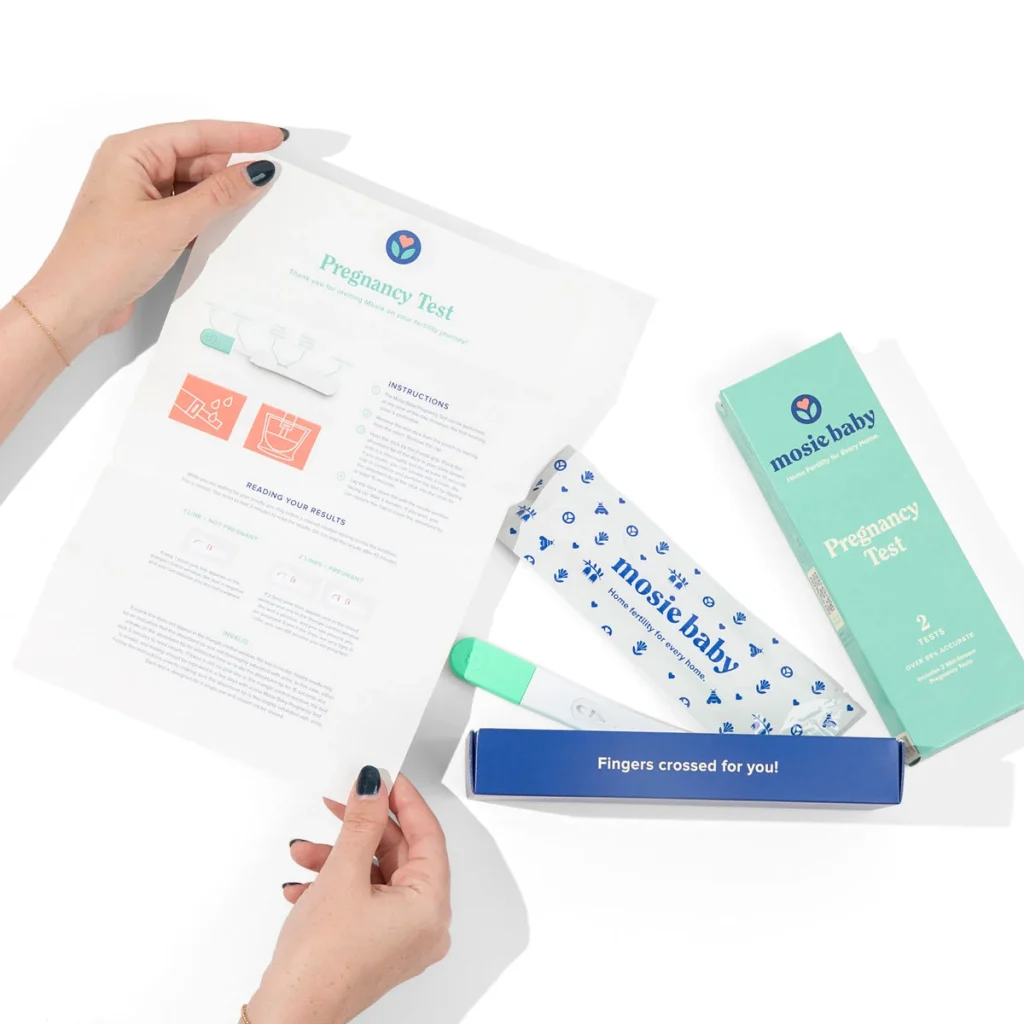
    pregnancy test kit with instructions, test device, and packaging on a white background

    The Role of the Male Partner in Syringe Insemination

    In terms of technique, the male partner must be able to insert the syringe into the vagina at the correct angle and depth to deposit the sperm near the cervix. This requires good communication and cooperation between the couple as well as patience and practice. It is recommended to have multiple insemination attempts during the fertile window in order to increase the chances of success.

    Aside from the physical aspects, the male partner also plays a crucial role in providing emotional support throughout the syringe insemination process. This method of conception can be emotionally taxing for both partners, and it is important for the male partner to be understanding and supportive. This can involve being there for the female partner during the insemination, offering words of encouragement and reassurance, and being prepared to handle any potential challenges or setbacks.

    In addition, the male partner can also provide emotional support by being involved in the planning and decision-making process. This can include researching and discussing different sperm donors, discussing options and preferences for insemination, and creating a supportive and comfortable environment for the procedure.

    In conclusion, the role of the male partner in syringe insemination is far more than just providing sperm. From selecting the donor sperm to providing emotional support, the male partner plays an integral role in the success of the insemination process. Syringe insemination allows for a more intimate and personal approach to conception, and the involvement of the male partner can make the experience even more meaningful and special for both partners.

    Summary:

    Syringe insemination, also known as artificial insemination, is a method of conception where sperm is inserted directly into the vagina using a syringe. While traditionally the male partner’s role in conception has been limited to providing sperm through sexual intercourse, in syringe insemination, the male partner plays an active and vital role. This includes selecting the donor sperm, preparing the syringe, timing and performing the insemination, and providing emotional support throughout the process. Syringe insemination allows for a more intimate and personal approach to conception, and the involvement of the male partner can make the experience even more meaningful and special for both partners.

  • The Role of Male Partners in Insemination with a Syringe Kit

    Blog Post:

    Insemination with a syringe kit, also known as intracervical insemination (ICI), is a popular method used by many couples who are struggling with fertility issues. This process involves using a syringe to insert the sperm directly into the cervix, bypassing the need for sexual intercourse. While it may seem like a simple and straightforward process, there is a significant role that male partners play in the success of insemination with a syringe kit. In this blog post, we will explore the importance of male partners in this method and how they can support and contribute to the process.

    The first and most crucial role of a male partner in insemination with a syringe kit is providing the sperm. In most cases, the sperm is collected through masturbation into a sterile container and then transferred to the syringe for insertion. This process requires open communication and cooperation between the male partner and the female partner. The male partner needs to be aware of the timing of ovulation and be ready to provide the sperm when needed. This can sometimes be challenging, especially if the male partner has a busy schedule or is not comfortable with providing the sperm in this manner. In such cases, it is essential to have an open and honest conversation about expectations and concerns to avoid any conflicts or misunderstandings.

    Another crucial role of male partners in insemination with a syringe kit is preparing the sperm for insertion. The sperm collected through masturbation may not be in an optimal state to fertilize an egg. It is crucial for the male partner to maintain good overall health, avoid smoking and alcohol, and follow a healthy diet to ensure the quality and quantity of sperm are suitable for insemination. Additionally, it is recommended for male partners to abstain from ejaculation for at least 2-3 days before the scheduled insemination to increase sperm count and motility. By taking care of their health and following these guidelines, male partners can significantly improve the chances of success with insemination.

    Once the sperm is collected and prepared, the male partner’s role shifts to that of a supportive and attentive partner during the insemination process. Insemination with a syringe kit can be an intimate and emotional experience for the female partner, and having the support of their male partner can make a significant difference. Male partners can offer emotional support and reassurance during the procedure and help create a calm and relaxed environment for the female partner. Additionally, they can also assist with the actual insertion of the syringe, which can be challenging for some women to do on their own. By being present and supportive, male partners can help their female partners feel more comfortable and confident during the insemination process.

    at-home insemination kit by Mosie Baby, featuring syringes and containers for comfort and convenience.

    The Role of Male Partners in Insemination with a Syringe Kit

    Moreover, male partners also play a crucial role in the success of insemination with a syringe kit by taking care of their female partner’s needs after the procedure. After the sperm is inserted into the cervix, it is recommended for the female partner to remain lying down for 15-20 minutes to allow the sperm to travel towards the uterus. During this time, male partners can offer physical and emotional support to their partners, making them feel comfortable and cared for. It is also essential for male partners to be understanding and patient throughout the entire process, as it may not always yield immediate results. By being a supportive and understanding partner, male partners can help their female partners navigate the emotional rollercoaster that comes with trying to conceive.

    Aside from the roles mentioned above, male partners can also contribute to the success of insemination with a syringe kit by taking an active interest in the process. This includes attending doctor appointments and consultations, understanding the timing and methods of insemination, and being aware of the potential challenges and complications that may arise. By being actively involved in the process, male partners can offer valuable insights and support to their female partners and make the journey towards conception a shared experience.

    In conclusion, male partners play a significant role in the success of insemination with a syringe kit. From providing the sperm to being a supportive and attentive partner, their involvement and contribution are crucial for the process. By maintaining good health, offering emotional support, and actively participating in the process, male partners can help their female partners navigate the challenges of fertility and increase their chances of conception. It is essential for both partners to communicate openly and work together as a team to achieve their ultimate goal of starting a family.

    Summary:

    Insemination with a syringe kit, also known as intracervical insemination (ICI), is a popular method used by couples struggling with fertility issues. While it may seem like a simple process, male partners play a significant role in its success. They provide the sperm, prepare it for insertion, and offer emotional and physical support during and after the procedure. Male partners can also contribute by actively participating in the process and being understanding and patient throughout. By working together as a team, couples can increase their chances of conception and start their journey towards parenthood.

  • Home Insemination and the Male Partner: How to Involve Them in the Process

    Blog Post:

    When it comes to the topic of home insemination, the focus is often on the female partner. However, the male partner also plays a crucial role in the process. Involving the male partner in home insemination can not only strengthen the bond between the couple but also increase the chances of a successful pregnancy. In this blog post, we will discuss the importance of involving the male partner in home insemination and offer tips on how to do so effectively.

    Why Involve the Male Partner?

    Traditionally, the male partner is seen as the provider of sperm in the process of conception. However, with advancements in technology, home insemination has become a viable option for couples who are trying to conceive. In this process, the male partner not only provides the sperm but also plays an active role in the insemination process. This involvement can have significant benefits for both partners and the overall success of the procedure.

    Firstly, involving the male partner in home insemination can strengthen the bond between the couple. The process of trying to conceive can be emotionally and physically draining for both partners. By involving the male partner, the couple can work together towards a common goal, creating a sense of unity and teamwork. This can help alleviate any stress or tension that may arise during the process.

    Secondly, the male partner’s involvement can also increase the chances of a successful pregnancy. Studies have shown that the quality and quantity of sperm can be affected by stress and anxiety. By involving the male partner in the process, the couple can work together to create a calm and supportive environment, which can improve the quality of sperm and increase the chances of conception.

    Tips for Involving the Male Partner

    Now that we have established the importance of involving the male partner in home insemination, let’s discuss some tips on how to do so effectively.

    1. Educate the Male Partner

    The first step in involving the male partner in home insemination is to educate them about the process. Many men may feel uncomfortable or unsure about their role in the process. By providing them with information about the procedure, its benefits, and their role, they will feel more confident and invested in the process.

    pregnancy test kit with instructions, test device, and packaging on a white background

    Home Insemination and the Male Partner: How to Involve Them in the Process

    2. Encourage Communication

    Communication is key in any relationship, and it is especially important during the home insemination process. Encourage the male partner to share their feelings and concerns about the process. This will not only help alleviate any anxieties they may have but also create a stronger bond between the couple.

    3. Involve Them in the Planning Process

    Involving the male partner in the planning process can help them feel more invested in the procedure. This can include choosing the right fertility kit, tracking ovulation, and creating a schedule for insemination. By involving them in these decisions, they will feel like an active participant in the process.

    4. Make it a Team Effort

    Home insemination can be a physically and emotionally demanding process for both partners. Make sure to involve the male partner in the physical aspects of the process, such as preparing the fertility kit, tracking ovulation, and performing the insemination. This will not only give them a sense of involvement but also alleviate some of the pressure on the female partner.

    5. Create a Support System

    The home insemination process can be emotionally challenging, and having a support system can make all the difference. Encourage the male partner to reach out to friends or family for support and offer to be there for them as well. This will create a sense of teamwork and support between the couple.

    In Summary

    Involving the male partner in home insemination can have significant benefits for both partners and increase the chances of a successful pregnancy. By educating them, encouraging communication, involving them in the planning process, making it a team effort, and creating a support system, the male partner can play an active and supportive role in the process.

    SEO Metadata:

  • At-Home Insemination and the Role of the Male Partner

    At-Home Insemination and the Role of the Male Partner: A Comprehensive Guide

    In recent years, there has been a rise in the number of couples turning to at-home insemination as a means of achieving pregnancy. This method involves inseminating the female partner with the male partner’s sperm at home, rather than in a medical setting. While at-home insemination may seem like a simple and straightforward process, it is essential for both partners to understand the procedure and their individual roles in order to increase their chances of success.

    What is At-Home Insemination?

    At-home insemination, also known as self-insemination, is a process where the male partner’s sperm is placed inside the female partner’s reproductive tract in order to achieve pregnancy. This can be done through various methods, such as using a syringe or a special device called a cervical cap, and can be performed in the comfort of the couple’s home.

    The Role of the Male Partner in At-Home Insemination

    Contrary to popular belief, the male partner plays a crucial role in the success of at-home insemination. While it may seem like the female partner takes on most of the responsibility, the male partner’s involvement is just as important.

    1. Providing High-Quality Sperm

    The first and most obvious role of the male partner is to provide high-quality sperm for the insemination process. This means maintaining a healthy lifestyle, avoiding substances that can harm sperm production (such as smoking and excessive alcohol consumption), and engaging in frequent sexual activity to ensure a fresh supply of sperm.

    2. Understanding the Timing of Ovulation

    Timing is crucial in at-home insemination, as the female partner must be ovulating for the procedure to be successful. The male partner should be aware of the female partner’s menstrual cycle and understand when she is most likely to ovulate. This can be determined through tracking her basal body temperature, using ovulation predictor kits, or monitoring changes in cervical mucus.

    at-home insemination kit by Mosie Baby, featuring syringes and containers for comfort and convenience.

    At-Home Insemination and the Role of the Male Partner

    3. Preparing the Sperm for Insemination

    In order to increase the chances of success, the male partner should prepare the sperm for insemination. This involves abstaining from ejaculation for at least 2-3 days prior to the insemination, as this allows for a higher concentration of sperm in the semen. Additionally, the male partner can collect the sperm in a sterile container and allow it to liquefy for 20-30 minutes before the insemination.

    4. Assisting with the Insemination Process

    The male partner’s role in the actual insemination process may vary depending on the chosen method. In some cases, the male partner may be responsible for filling the syringe or cervical cap with the collected sperm, while in other cases, he may assist in placing the sperm into the female partner’s reproductive tract. It is important for both partners to communicate and work together during this step to ensure the process is done correctly.

    5. Providing Emotional Support

    At-home insemination can be a stressful and emotional process for both partners. The male partner should be understanding and supportive of the female partner throughout the process, as she may experience a range of emotions, including anxiety, frustration, and disappointment. Being there for emotional support can help alleviate some of the pressure and make the journey towards pregnancy more manageable.

    Tips for a Successful At-Home Insemination

    Here are some additional tips for a successful at-home insemination:

    – Consider consulting with a fertility specialist before attempting at-home insemination to ensure it is the right option for you and your partner.
    – Use high-quality sperm, either from a sperm bank or from a known donor who has undergone thorough testing.
    – Follow the instructions of the chosen insemination method carefully to ensure the sperm is placed correctly.
    – Stay relaxed and comfortable during the insemination process, as tension and stress can make it more difficult for the sperm to reach the egg.
    – Be patient and don’t get discouraged if the first attempt is not successful. It may take multiple tries before achieving pregnancy.

    In conclusion, at-home insemination can be an effective and affordable option for couples trying to conceive. The male partner’s role in the process is just as important as the female partner’s, and by understanding and fulfilling their responsibilities, both partners can increase their chances of success. With proper preparation and communication, at-home insemination can be a positive and empowering experience for couples looking to start a family.