Tag: medical screening

  • Navigating the Legalities of Syringe Insemination: What You Need to Know

    Navigating the Legalities of Syringe Insemination: What You Need to Know

    Syringe insemination, also known as at-home insemination or self-insemination, is a method of conception where sperm is inserted into the vagina using a syringe. This method has gained popularity in recent years as a more affordable and private alternative to traditional fertility treatments. However, it is important to be aware of the legalities surrounding syringe insemination in order to protect yourself and your future child. In this blog post, we will discuss the legal considerations and steps to take when pursuing syringe insemination.

    Legal Considerations:

    1. Legal Parentage: In most states, the person who gives birth to a child is considered the legal mother, regardless of genetics. This means that if you are using a sperm donor for syringe insemination, the donor may not be considered the legal father of the child. It is important to consult with a lawyer and establish legal parentage to avoid any future legal disputes.

    2. Sperm Donor Agreements: It is crucial to have a written agreement with your sperm donor outlining their rights and responsibilities. This agreement should include details such as whether the donor will have any legal rights to the child, financial responsibilities, and any future involvement in the child’s life. This agreement should be signed and notarized by both parties.

    3. Medical Screening: Before proceeding with syringe insemination, it is important to ensure that the sperm donor has undergone proper medical screening. This includes testing for sexually transmitted infections and genetic diseases. A lawyer can help you draft a medical screening agreement to protect both parties.

    4. Legal Restrictions: Some states have restrictions on at-home insemination, including the requirement for a licensed physician to perform the procedure. It is important to research and understand the laws in your state before proceeding with syringe insemination.
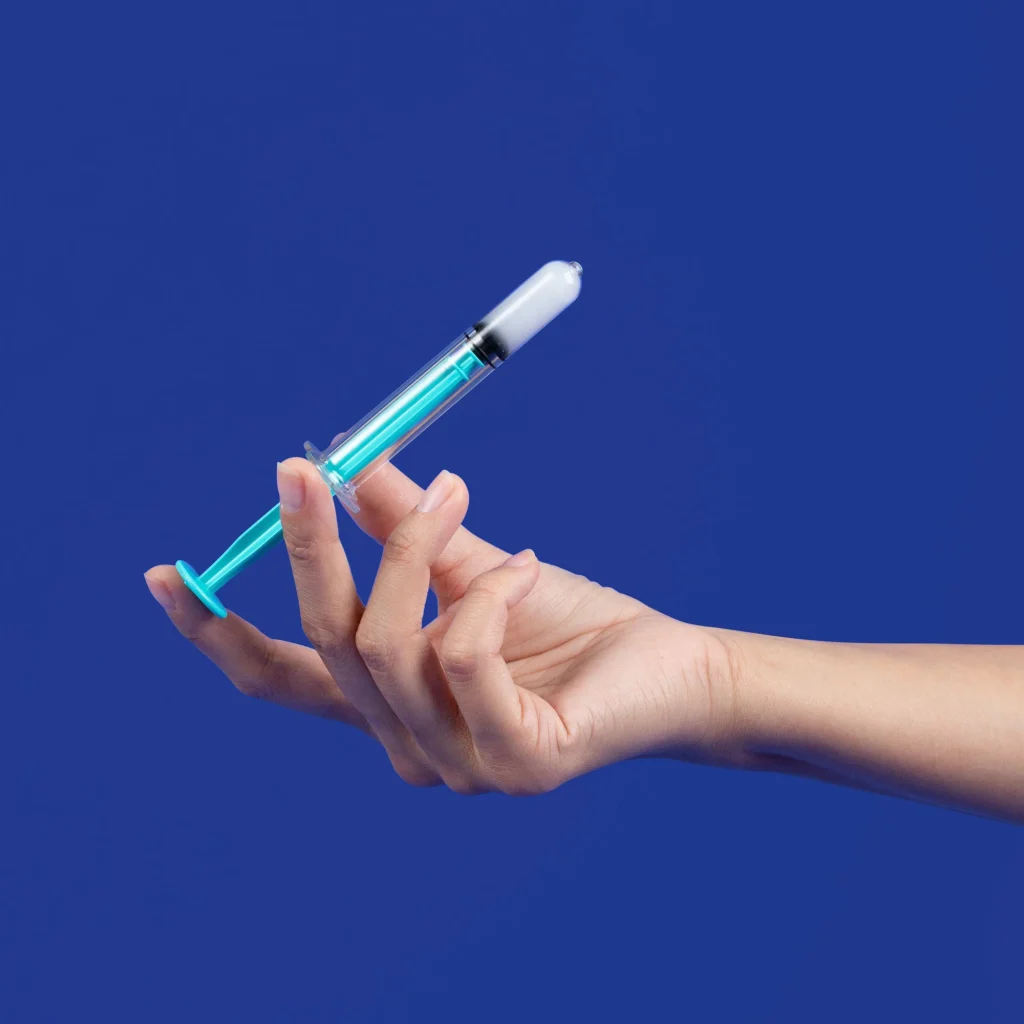
    hand holding a syringe with a blue plunger against a solid blue background

    Navigating the Legalities of Syringe Insemination: What You Need to Know

    Steps to Take:

    1. Consult with a Lawyer: Before pursuing syringe insemination, it is recommended to consult with a lawyer who specializes in reproductive law. They can help you navigate the legalities and ensure that all necessary legal steps are taken.

    2. Establish Parentage: As mentioned earlier, establishing legal parentage is crucial when using a sperm donor for syringe insemination. Your lawyer can help you draft a legal parentage agreement and file it with the court to establish your parental rights.

    3. Draft a Donor Agreement: A written agreement with your sperm donor is essential to protect both parties and avoid any future legal disputes. Your lawyer can assist you in drafting a comprehensive donor agreement that outlines all necessary details and is signed and notarized by both parties.

    4. Follow Medical Screening Protocols: It is important to follow proper medical screening protocols for your sperm donor to ensure the health and safety of both the donor and the future child. Your lawyer can help you draft a medical screening agreement that outlines the necessary tests and procedures.

    5. Understand State Laws: As mentioned earlier, it is crucial to research and understand the laws in your state regarding at-home insemination. Your lawyer can advise you on any legal restrictions or requirements that may apply to your situation.

    In summary, navigating the legalities of syringe insemination requires careful consideration and proper legal steps. Consulting with a lawyer who specializes in reproductive law is recommended to ensure that all necessary legal documents are in place and to protect the rights of all parties involved. It is also important to research and understand the laws in your state before proceeding with syringe insemination. By taking these steps, you can ensure a smooth and legally sound path to starting or expanding your family through syringe insemination.

  • The Role of Sperm Donors in Home Insemination: A Starter Pack Guide

    Blog Post:

    The concept of sperm donation has been around for decades, but it has evolved greatly over the years. Nowadays, more and more couples and individuals are turning to home insemination as a means of starting or expanding their families. This trend has opened up new opportunities for sperm donors, who can now play a vital role in helping people achieve their dream of parenthood. In this guide, we will explore the role of sperm donors in home insemination and provide a starter pack guide for those interested in becoming a donor.

    What is Home Insemination?

    Home insemination, also known as artificial insemination, is the process of using donated sperm to fertilize an egg and achieve pregnancy. This method is often used by same-sex couples, single individuals, and couples with fertility issues. It involves the insertion of sperm into the female reproductive tract, either using a syringe or a home insemination kit. This can be done at home, without the need for medical intervention, making it a convenient and cost-effective option for many.

    The Role of Sperm Donors in Home Insemination

    The role of sperm donors in home insemination is crucial, as they provide the necessary sperm for the process to be successful. Donors can either be known or anonymous, and their involvement can vary depending on the agreement between the donor and the recipient(s). In some cases, the donor may only be required to provide sperm, while in others, they may also be involved in the insemination process.

    Becoming a Sperm Donor: A Starter Pack Guide

    If you are considering becoming a sperm donor for home insemination, here are some key things you need to know:

    1. Understand the Legalities

    Before diving into the process of becoming a sperm donor, it is important to understand the legalities involved. Laws regarding sperm donation vary from country to country, and it is essential to familiarize yourself with the regulations in your area. This will ensure that you are aware of your rights and responsibilities as a donor.

    2. Choose a Method of Donation

    logo featuring a pink heart above two teal leaves on a blue circular background

    The Role of Sperm Donors in Home Insemination: A Starter Pack Guide

    There are two main methods of sperm donation: directed and non-directed. Directed donation involves donating sperm to someone you know, while non-directed donation involves donating to an anonymous recipient. Both methods have their own advantages and disadvantages, and it is important to consider which option is best for you.

    3. Undergo Medical Screening

    Before being accepted as a sperm donor, you will need to undergo medical screening. This is to ensure that you are in good health and have no underlying medical conditions that could be passed on to the recipient. The screening process typically involves a physical exam, blood and urine tests, and genetic testing.

    4. Discuss Expectations and Boundaries

    It is crucial to have open and honest communication with the recipient(s) about expectations and boundaries. This includes discussing whether you will have any involvement in the child’s life, whether you will be required to donate more than once, and any potential legal agreements.

    5. Follow Proper Collection and Storage Procedures

    When it comes to collecting and storing sperm, it is important to follow proper procedures to ensure the quality and viability of the sperm. This may include abstaining from sexual activity and ejaculation for a certain period of time before donation and storing the sperm in a specific temperature-controlled environment.

    6. Consider the Emotional Impact

    Becoming a sperm donor can have emotional implications, and it is important to consider how this may affect you. You may want to seek counseling or support to help navigate any emotions that may arise throughout the process.

    In conclusion, sperm donors play a vital role in home insemination, and their involvement can make a significant impact on the lives of those seeking to start a family. If you are considering becoming a sperm donor, it is important to understand the legalities, choose a method of donation, undergo medical screening, discuss expectations and boundaries, follow proper collection and storage procedures, and consider the emotional impact. By following this starter pack guide, you can make an informed decision and potentially help someone achieve their dream of parenthood.

    Summary:

    Home insemination has become a popular method for individuals and couples to achieve pregnancy, and the role of sperm donors in this process is crucial. Sperm donors can either be known or anonymous, and their involvement can vary. If you are considering becoming a sperm donor, it is important to understand the legalities, choose a method of donation, undergo medical screening, discuss expectations and boundaries, follow proper procedures for collection and storage, and consider the emotional impact. By following this guide, you can make an informed decision and potentially help someone achieve their dream of parenthood.