Title: The New Normal: More Couples Turn to At-Home Insemination with Mosiebaby
Summary: In recent years, there has been a growing trend of couples turning to at-home insemination as a means of starting or expanding their families. With advancements in technology and accessibility, at-home insemination has become a viable option for many couples, especially with the introduction of Mosiebaby, a syringe designed specifically for this purpose. In this blog post, we will explore the reasons behind this shift towards at-home insemination, how Mosiebaby works, and the potential benefits and drawbacks of this method.
As societal norms and attitudes towards family planning continue to evolve, more and more couples are seeking alternative methods of conception. While traditional methods of insemination, such as intrauterine insemination (IUI) and in vitro fertilization (IVF), are typically performed in a clinical setting, they can be costly and invasive. This has led many couples to seek out more affordable and discreet options, ultimately leading to the rise in popularity of at-home insemination.
One of the main reasons why couples are turning to at-home insemination is the convenience and privacy it offers. With Mosiebaby, couples can perform the insemination in the comfort of their own home, without the need for a doctor’s visit or medical procedures. This can be particularly appealing for same-sex couples or single individuals who may not have access to a sperm donor through a fertility clinic.
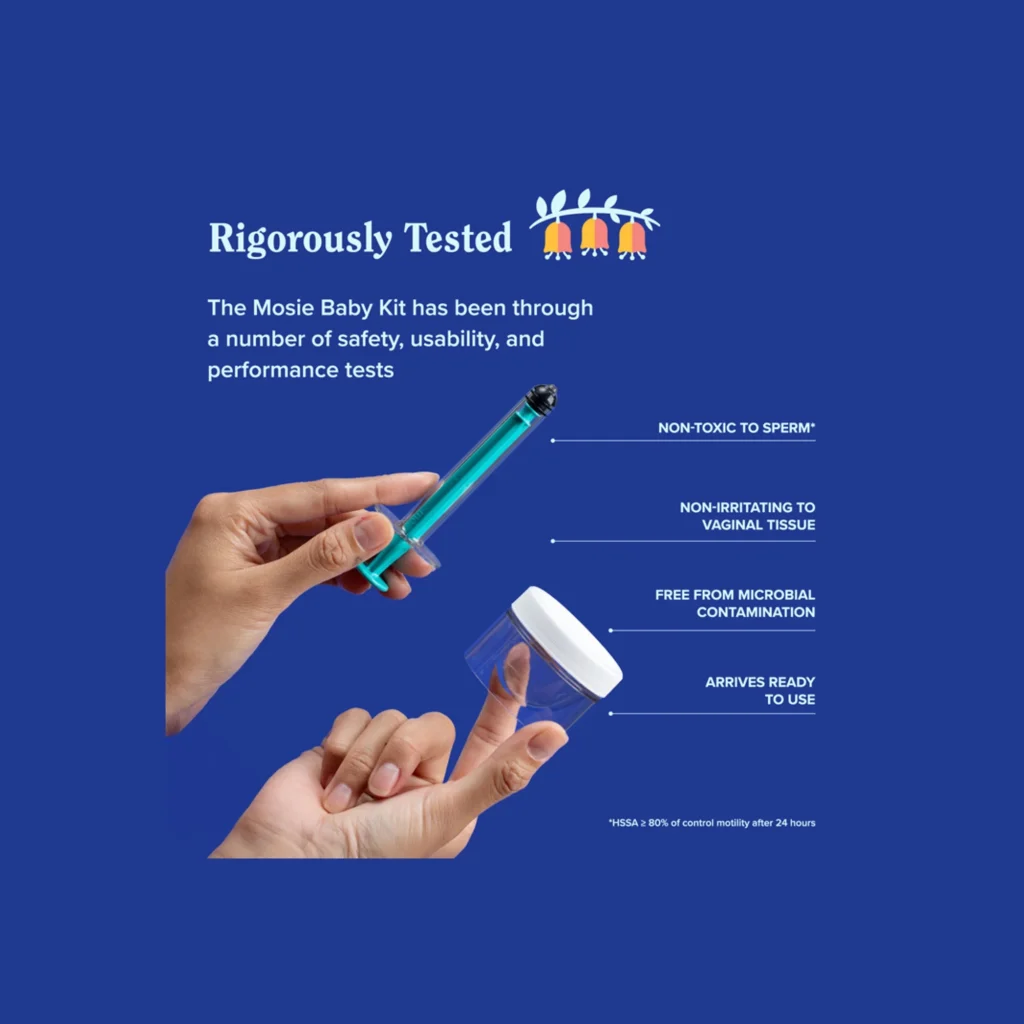
Another factor contributing to the increase in at-home insemination is the improvement in technology and accessibility. Mosiebaby, for example, is a specially designed syringe with a rounded tip that allows for easy insertion and minimal discomfort. This makes the process less intimidating and more approachable for couples who may have been hesitant to try insemination at home in the past.

The New Normal: More Couples Turn to At-Home Insemination with Mosiebaby
So how does Mosiebaby work? The process is simple and straightforward. First, the sperm donor collects their sample in a sterile cup. Then, the sperm is drawn into the Mosie syringe and inserted into the vagina, directing the sperm towards the cervix. The rounded tip of the syringe helps to bypass any potential obstacles and increases the chances of success. Mosiebaby also includes a fertility-friendly lubricant to further aid in the process.
One of the major benefits of at-home insemination with Mosiebaby is the cost savings. Traditional methods of insemination can cost thousands of dollars, while Mosiebaby is a more affordable option at just under $100. This makes it a more accessible option for couples who may not have the financial means to pursue other fertility treatments.
However, it’s important to note that at-home insemination may not be suitable for everyone. It is recommended for couples with no underlying fertility issues and with a known sperm donor. It is also important to have open and honest communication with the donor to ensure that they have been screened for any potential health concerns or genetic conditions.
Another potential drawback of at-home insemination is the lack of medical supervision. While this method is generally safe and straightforward, there is always a risk of infection or other complications. It’s essential to follow the instructions carefully and to seek medical attention if any issues arise.
In conclusion, at-home insemination with Mosiebaby is becoming an increasingly popular option for couples looking to start or expand their families. With its convenience, affordability, and accessibility, it offers a more discreet and less intimidating option for those seeking alternative methods of conception. However, it is essential to do thorough research and consult with a healthcare professional before deciding if at-home insemination is the right choice for you.