Tag: mood swings

  • The Surprising Ways Cervical Mucus Can Affect Your Mood

    Cervical mucus is a natural fluid produced by the cervix that plays a crucial role in reproductive health. It is often associated with fertility and ovulation, but it also has surprising effects on your mood. The changes in cervical mucus throughout your menstrual cycle can impact your emotions and mental health in various ways, from changes in mood swings to overall well-being.

    In this blog post, we will dive deeper into the surprising ways cervical mucus can affect your mood and how to manage these changes.

    Hormonal Changes and Mood Swings

    The menstrual cycle is controlled by hormones, and cervical mucus is no exception. Estrogen and progesterone levels fluctuate throughout the menstrual cycle, and these changes can affect your mood. During the first half of your cycle, estrogen levels rise, which can make you feel more energetic, positive, and outgoing. This is when you are most fertile, and your cervical mucus is thin and watery, making it easier for sperm to reach the egg.

    As you approach ovulation, estrogen levels peak, and you may experience a surge of energy and confidence. However, after ovulation, estrogen levels drop, and progesterone takes over. This hormone is known to cause fatigue, irritability, and mood swings. Moreover, progesterone can thicken cervical mucus, making it difficult for sperm to penetrate, which may contribute to feelings of frustration or disappointment in those trying to conceive.

    It is essential to understand that these hormonal changes are normal and can affect your mood in various ways. It is also crucial to pay attention to your moods and emotions throughout your cycle and find healthy ways to cope with any changes.

    Fertility and Mental Health

    For those trying to conceive, cervical mucus can have a significant impact on their mental health. The changes in cervical mucus can cause stress and anxiety, especially if they are not familiar with their body’s natural signs and signals. The fear of not being able to conceive or the pressure to get pregnant can also contribute to feelings of sadness, frustration, or even depression.

    Moreover, fertility struggles can lead to feelings of isolation and shame, which can further affect your mental well-being. It is essential to seek support and communicate with your partner or a healthcare professional to address any emotional challenges that come with trying to conceive.

    Smiling baby in a blue onesie with "made with Love" text, lying on a light blue crocheted blanket.

    The Surprising Ways Cervical Mucus Can Affect Your Mood

    Understanding your body and learning to track your cervical mucus can help you feel more in control and reduce anxiety. There are various methods, such as the Billings Ovulation Method or the Creighton Model, that can help you identify the changes in your cervical mucus and understand your fertility better.

    Birth Control and Mood Changes

    Hormonal birth control methods, such as the pill, patch, or hormonal IUD, use synthetic hormones to prevent pregnancy. These hormones can suppress ovulation and change the quality and quantity of cervical mucus. While this can be an effective method of birth control, it can also cause changes in mood and emotions.

    Some women may experience mood swings, anxiety, or depression when starting or switching birth control methods. These changes can be temporary and may improve after a few months as your body adjusts to the new hormones. However, if you continue to experience mood changes, it is essential to talk to your doctor and discuss other birth control options.

    Cervical Mucus and Overall Well-Being

    Aside from its role in reproductive health, cervical mucus also plays a vital role in maintaining vaginal health and preventing infections. The quality and quantity of cervical mucus can indicate if your body is healthy and balanced. For example, if you are dehydrated or have an infection, your cervical mucus may become thick, dry, or discolored.

    On the other hand, if you are well-hydrated and have a healthy balance of bacteria in your vagina, your cervical mucus will be clear, stretchy, and abundant. This can contribute to overall well-being and a sense of vitality and confidence.

    Therefore, it is crucial to pay attention to your cervical mucus and any changes in its color, texture, or smell. If you notice any abnormalities, it is essential to seek medical attention to address any underlying issues.

    In conclusion, cervical mucus may seem like an insignificant bodily fluid, but it has a more significant impact on your mood and overall well-being than you may think. The changes in cervical mucus throughout your menstrual cycle can affect your hormones, fertility, and mental health. It is essential to educate yourself about your body and track your cervical mucus to understand these changes better. Seeking support and communicating with your healthcare provider can also help you manage any emotional challenges that come with these changes.

    SEO metadata:

  • The Impact of Cervical Mucus on Endometriosis-Related Mood Swings

    Blog Post Title: The Impact of Cervical Mucus on Endometriosis-Related Mood Swings

    Endometriosis is a chronic and painful condition that affects approximately 1 in 10 women of reproductive age. It occurs when tissue similar to the lining of the uterus grows outside of the uterus, causing inflammation and scarring. One of the lesser-known symptoms of endometriosis is mood swings, which can greatly impact a woman’s quality of life. While there are various factors that contribute to mood swings in endometriosis, one that is often overlooked is the role of cervical mucus.

    Cervical mucus is a fluid produced by the cervix that plays a crucial role in a woman’s reproductive health. It helps to nourish and protect sperm, as well as providing a pathway for sperm to travel to the egg for fertilization. However, in women with endometriosis, cervical mucus can also contribute to mood swings.

    The Link Between Cervical Mucus and Hormones

    Hormonal imbalances are a common feature of endometriosis, and they can greatly impact a woman’s mood. Estrogen, in particular, plays a significant role in endometriosis. Women with endometriosis have higher levels of estrogen in their bodies, which can lead to mood swings, anxiety, and depression.

    Cervical mucus is produced in response to estrogen levels, and in women with endometriosis, this mucus can be thicker and stickier than usual. As a result, it can block the sperm’s pathway, making it difficult for women to conceive. This can lead to feelings of frustration, disappointment, and even anger, which can contribute to mood swings.

    Inflammation and Cervical Mucus

    Inflammation is a hallmark of endometriosis, and it can impact every aspect of a woman’s body, including her cervical mucus. Inflammation can cause changes in the composition of cervical mucus, making it thicker and less hospitable to sperm. This can lead to difficulties in conception, which can be emotionally taxing for women with endometriosis.

    Moreover, the inflammatory response in the body can also affect the brain and mood. Studies have shown that chronic inflammation can lead to changes in neurotransmitters, which can contribute to mood disorders such as depression and anxiety. Therefore, the inflammation caused by endometriosis can indirectly impact mood through changes in cervical mucus.

    blue box with "mosie" logo, syringes, and informational pamphlet on a pink background

    The Impact of Cervical Mucus on Endometriosis-Related Mood Swings

    Pain and Discomfort

    Endometriosis is a painful condition, and the discomfort can range from mild to severe. Pain can also impact a woman’s mood, leading to irritability, anger, and frustration. In addition, the physical discomfort can also cause fatigue, which can further contribute to mood swings.

    Cervical mucus can also play a role in pain and discomfort associated with endometriosis. As the mucus becomes thicker and stickier, it can cause blockages in the fallopian tubes, leading to pain and discomfort. This can further exacerbate mood swings and impact a woman’s emotional well-being.

    Managing Cervical Mucus for Better Mood

    While cervical mucus can contribute to mood swings in endometriosis, there are steps that women can take to manage it and improve their overall mood. One of the first steps is to track your menstrual cycle and cervical mucus. This can help you identify patterns and understand how your mucus changes throughout your cycle.

    It is also essential to maintain a healthy lifestyle to manage hormonal imbalances and inflammation. This includes eating a balanced diet, exercising regularly, and getting enough sleep. Additionally, certain supplements, such as omega-3 fatty acids and vitamin D, have been shown to help reduce inflammation and improve mood.

    Furthermore, there are medical options available to help manage cervical mucus. Fertility medications, such as clomiphene and letrozole, can help improve the quality of cervical mucus and increase the chances of conception. In cases where pain and discomfort are severe, surgery may be recommended to remove the endometrial tissue and improve overall symptoms.

    Conclusion

    Mood swings are a common but often overlooked symptom of endometriosis. While there are various factors that contribute to mood swings in this condition, cervical mucus is one that is often not considered. However, by understanding the link between cervical mucus and endometriosis-related mood swings, women can take steps to manage their mucus and improve their overall emotional well-being.

    In summary, endometriosis-related mood swings can be impacted by several factors, including hormonal imbalances, inflammation, and pain. Cervical mucus, which plays a crucial role in reproduction, can also contribute to mood swings in women with endometriosis. By tracking your cycle, maintaining a healthy lifestyle, and considering medical options, women can manage their cervical mucus and improve their mood.

  • The Surprising Ways Vaginal pH Can Affect Your Mood and Energy Levels

    Blog Post:

    When it comes to our overall health and well-being, we often focus on factors such as diet, exercise, and sleep. However, there is one aspect that is often overlooked but can have a significant impact on our mood and energy levels – vaginal pH. Yes, you read that right. The pH level of our vaginas can affect our mental and physical state in surprising ways. In this blog post, we will delve into the connection between vaginal pH and mood and energy levels and explore the ways in which we can maintain a healthy pH balance to feel our best.

    First, let’s understand what vaginal pH is. pH is a measure of how acidic or alkaline a substance is, with a scale of 0 to 14. A pH level of 7 is considered neutral, while levels below 7 are acidic, and levels above 7 are alkaline. The vagina naturally maintains a slightly acidic pH level between 3.8 and 4.5, thanks to the presence of healthy bacteria called lactobacilli. This acidic environment helps to keep harmful bacteria and infections at bay and maintain a healthy balance of microorganisms.

    Now, you may be wondering, how does this balance of pH levels in the vagina affect our mood and energy levels? Well, the answer lies in the delicate balance of hormones in our body. Hormones play a crucial role in regulating our mood and energy levels, and any disruption in their balance can lead to issues such as fatigue, anxiety, and even depression. And surprisingly, vaginal pH can have a significant impact on our hormones.

    When the vaginal pH level is too high (above 4.5), it can disrupt the balance of hormones, particularly estrogen and progesterone. This can lead to symptoms such as mood swings, irritability, and low energy levels. On the other hand, when the pH level is too low (below 3.8), it can cause an overgrowth of bad bacteria, leading to infections such as bacterial vaginosis. This overgrowth can also affect the balance of hormones, causing similar symptoms.

    One of the ways in which vaginal pH affects our hormones is by impacting the adrenal glands, which produce hormones such as cortisol and adrenaline. These hormones play a vital role in our body’s stress response, and any imbalance can lead to increased stress levels and fatigue. When the pH level in the vagina is too high, the adrenal glands have to work harder to maintain the body’s overall pH balance, leading to an increase in cortisol production. This can lead to chronic stress, anxiety, and low energy levels.

    Another surprising way vaginal pH can affect our mood and energy levels is through the gut-brain axis. The gut and the brain are closely connected, and any changes in the gut’s microbiome can affect our mental health. As we mentioned earlier, the vagina contains healthy bacteria that help maintain an acidic environment. These bacteria also play a role in maintaining a healthy gut microbiome. When the vaginal pH level is disrupted, it can lead to an imbalance of good and bad bacteria in the gut, affecting our mood and energy levels.

    But that’s not all. Vaginal pH can also affect our sleep patterns. A study published in the Journal of Sleep Research found that women with bacterial vaginosis (caused by a high pH level) experience more frequent awakenings during the night and have less deep sleep. Poor sleep can lead to fatigue, irritability, and difficulty concentrating, which can significantly impact our mood and energy levels during the day.

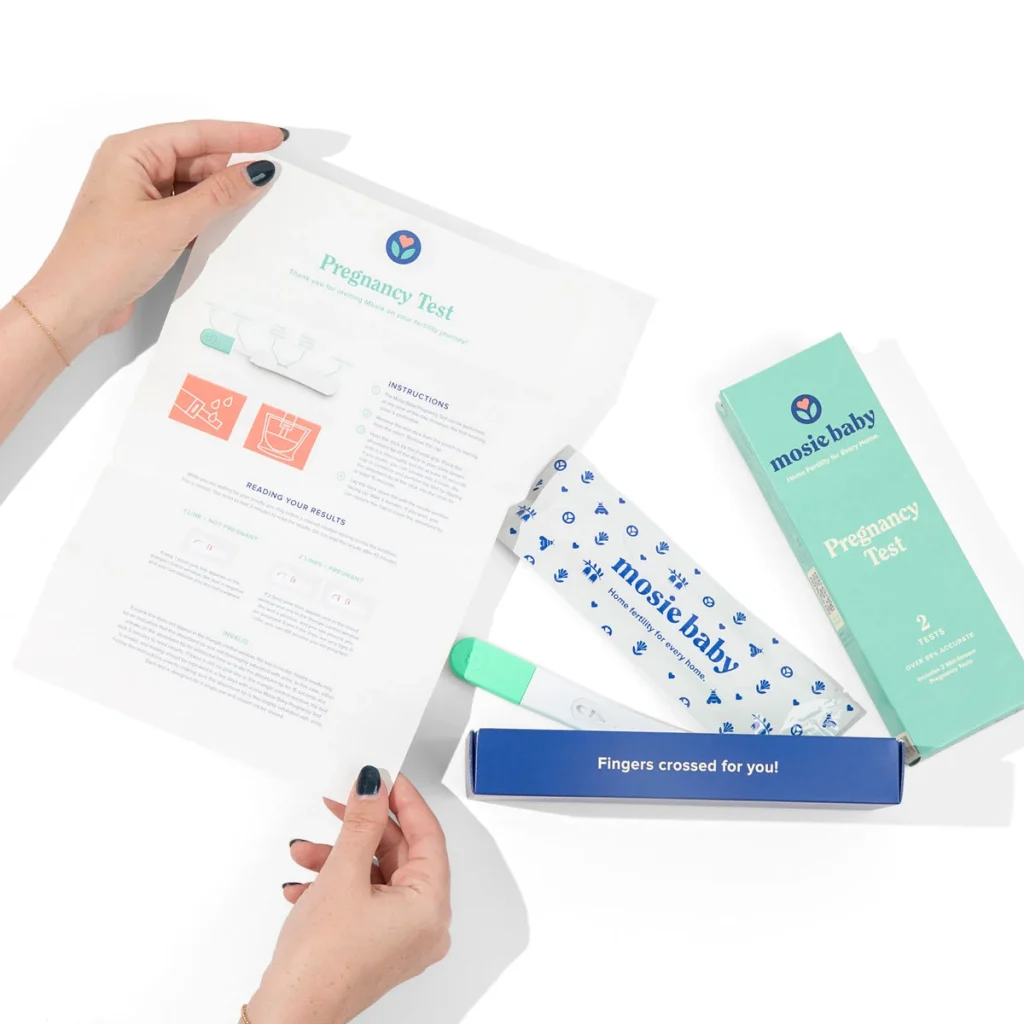
    pregnancy test kit with instructions, test device, and packaging on a white background

    The Surprising Ways Vaginal pH Can Affect Your Mood and Energy Levels

    So, what can we do to maintain a healthy vaginal pH and, in turn, improve our mood and energy levels? The good news is that there are several simple steps we can take.

    1. Practice good hygiene: Maintaining good hygiene is crucial for a healthy vaginal pH. Avoid using scented products or douching, as these can disrupt the natural balance of bacteria in the vagina. Instead, opt for mild, unscented soaps or a specialized intimate wash.

    2. Eat a healthy diet: Our diet plays a significant role in maintaining a healthy pH balance. Eating a diet rich in whole foods, fruits, and vegetables can help keep our vaginal pH level in check. On the other hand, consuming too much sugar, processed foods, and alcohol can lead to an increase in pH levels.

    3. Stay hydrated: Drinking plenty of water helps to flush out toxins from our body and maintain a healthy pH balance. Aim for at least eight glasses of water a day.

    4. Take probiotics: Probiotics are live microorganisms that promote the growth of good bacteria in our body. Taking a probiotic supplement or consuming foods rich in probiotics, such as yogurt and kefir, can help maintain a healthy balance of bacteria in the vagina.

    5. Practice safe sex: Unprotected sex can disrupt the pH balance in the vagina, leading to infections and an imbalance of hormones. Always use condoms to protect against sexually transmitted infections and maintain a healthy pH level.

    In conclusion, the connection between vaginal pH and mood and energy levels may come as a surprise to many, but it is a crucial aspect of our overall health. By taking care of our vaginal pH, we can maintain a healthy balance of hormones, improve our gut health, and get better sleep, all of which contribute to a better mood and higher energy levels. So, let’s pay attention to our vaginal health and prioritize maintaining a healthy pH balance. Our mind and body will thank us for it.

    Summary:

    Vaginal pH plays a significant role in our overall health and well-being, and its balance can affect our mood and energy levels in surprising ways. A high pH level can disrupt hormone balance, leading to symptoms such as fatigue, anxiety, and mood swings. On the other hand, a low pH level can cause an overgrowth of bad bacteria, leading to infections and similar symptoms. Vaginal pH can also impact our sleep patterns and gut health. To maintain a healthy pH balance, we can practice good hygiene, eat a healthy diet, stay hydrated, take probiotics, and practice safe sex.