Blog Post:
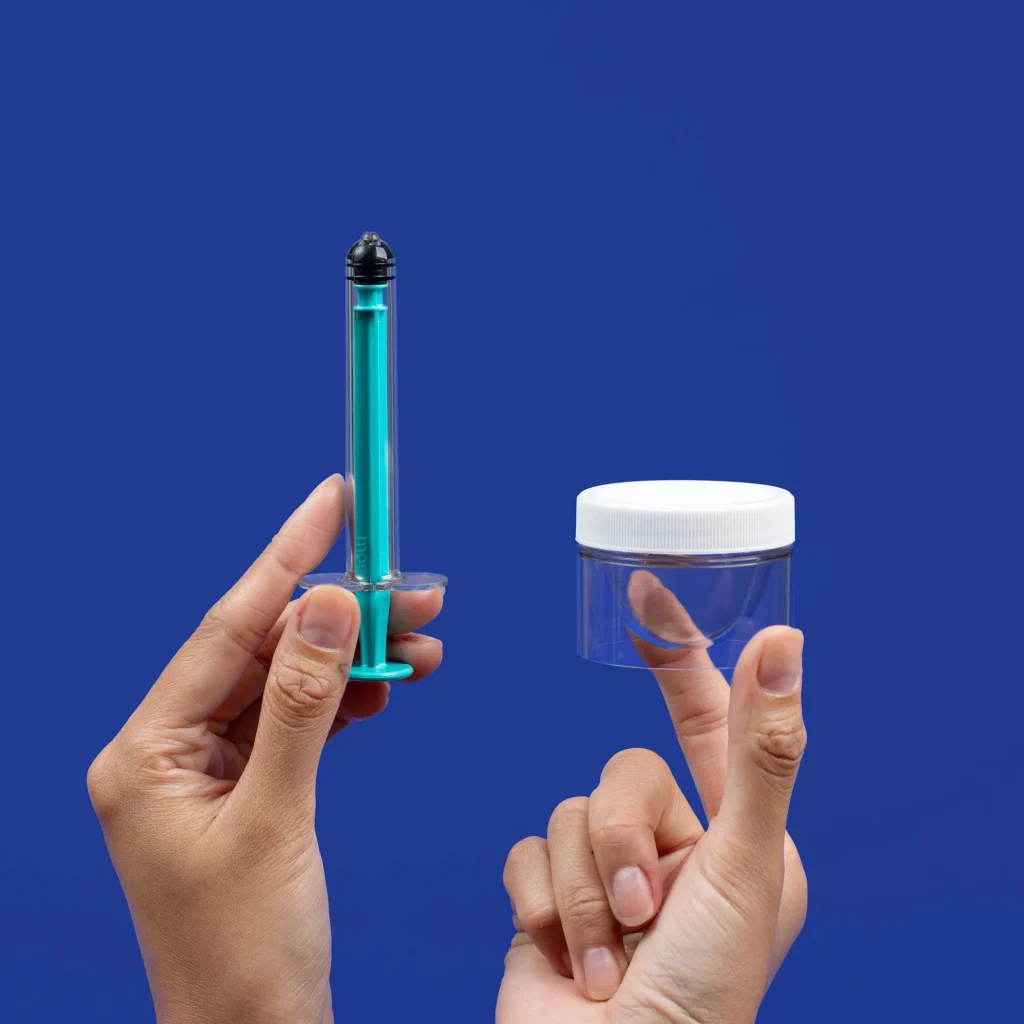
Syringe insemination is a widely used method for artificial insemination in both humans and animals. It involves the use of a syringe to deposit semen into the cervix or uterus, bypassing the vagina and increasing the chances of conception. While this method is considered safe and effective, it is important to understand the potential side effects and risks associated with its use.
Side Effects of Syringe Insemination:
1. Vaginal Irritation and Infection:
One of the most common side effects of syringe insemination is vaginal irritation and infection. The use of a syringe can cause damage to the delicate tissues in the vagina, leading to pain, itching, and discomfort. This can also increase the risk of bacterial or yeast infections, which can further complicate the process of conception.
2. Cramping and Spotting:
Many women experience cramping and spotting after undergoing syringe insemination. This is due to the manipulation of the cervix and uterus, which can cause temporary discomfort and bleeding. While this is usually a normal side effect, it is important to consult a doctor if the cramping or spotting becomes severe or lasts for an extended period of time.
3. Allergic Reactions:
Some people may have allergic reactions to the materials used in the syringe, such as latex or silicone. This can lead to symptoms like itching, swelling, and redness in the vaginal area. It is important to inform your doctor if you have any known allergies before undergoing syringe insemination.
4. Increased Risk of Ectopic Pregnancy:
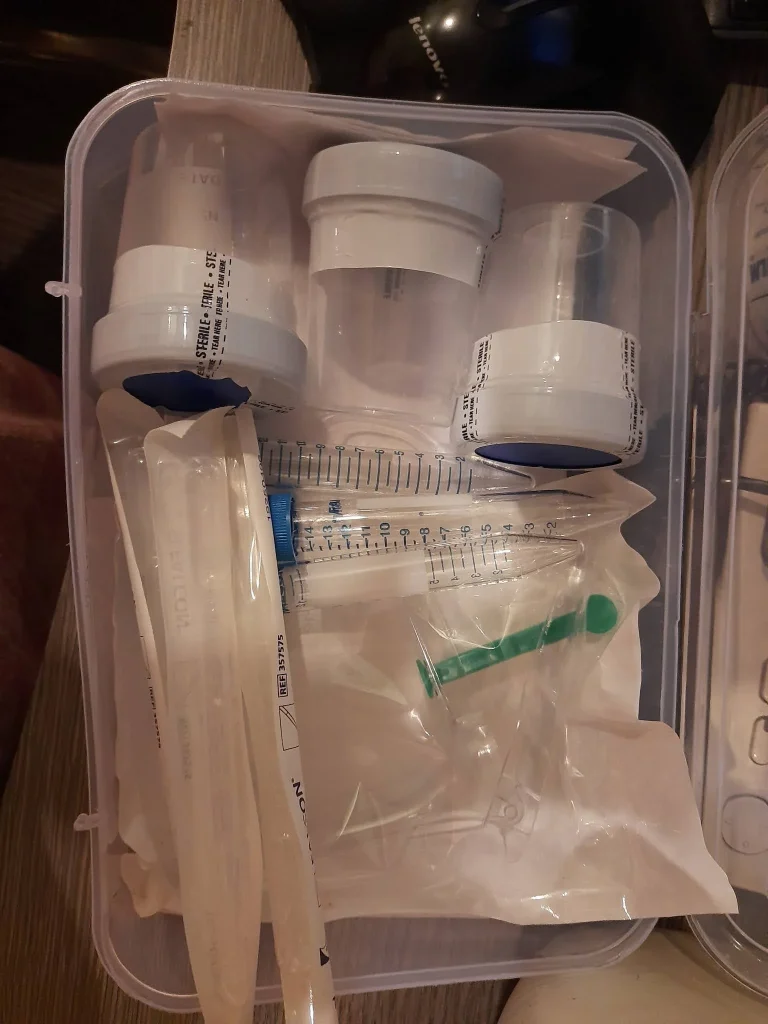
Side Effects and Risks of Using the Syringe Insemination System
Ectopic pregnancy occurs when the fertilized egg implants outside of the uterus, usually in the fallopian tube. Syringe insemination can increase the risk of ectopic pregnancy, as the sperm is directly deposited into the uterus, bypassing the natural process of fertilization. This is a serious condition that requires immediate medical attention.
Risks of Syringe Insemination:
1. Transmission of Infections:
Syringe insemination involves the handling of semen, which can carry sexually transmitted infections (STIs). If proper precautions are not taken, there is a risk of transmitting STIs from the donor to the recipient. It is important to ensure that the donor has been tested for STIs and to use sterile equipment during the insemination process.
2. Multiple Pregnancies:
Syringe insemination can lead to multiple pregnancies, as multiple eggs may be fertilized by the deposited sperm. While this may be desirable for some, it can also increase the risk of complications during pregnancy, such as preterm labor and low birth weight. It is important to discuss the potential risks and benefits of multiple pregnancies with your doctor before undergoing syringe insemination.
3. Psychological Implications:
Undergoing syringe insemination can have psychological implications, especially for those who have been struggling with infertility. The process can be emotionally taxing and may lead to feelings of disappointment, frustration, and stress. It is important to seek support from a therapist or support group if needed.
4. Cost and Availability:
Syringe insemination can be a costly procedure, especially if it requires multiple attempts. It may also not be readily available in all areas, making it difficult for some individuals and couples to access this method of artificial insemination. It is important to consider the financial and logistical implications before deciding to undergo syringe insemination.
In summary, while syringe insemination is a commonly used method of artificial insemination, it is important to be aware of the potential side effects and risks associated with its use. Vaginal irritation and infection, cramping and spotting, allergic reactions, and an increased risk of ectopic pregnancy are some of the side effects to watch out for. Risks include the transmission of infections, multiple pregnancies, psychological implications, and the cost and availability of the procedure. It is important to discuss these factors with your doctor and make an informed decision about whether syringe insemination is the right option for you.