Tag: Natural Birth

  • Cervical Mucus and Its Role in Promoting a Natural Birth

    Cervical mucus is a natural and essential part of a woman’s reproductive system. It plays a crucial role in promoting a natural birth by providing a protective environment for sperm, helping to nourish and transport sperm to the egg, and indicating when a woman is most fertile. In this blog post, we will explore the importance of cervical mucus in promoting a natural birth and how understanding its changes can help women achieve their desired birth experience.

    Cervical mucus, also known as cervical fluid, is a fluid secreted by the cervix and is present throughout a woman’s menstrual cycle. Its consistency and appearance can change throughout the cycle, and these changes are influenced by the hormones estrogen and progesterone. Understanding these changes in cervical mucus can help women track their fertility and increase their chances of conceiving.

    One of the main roles of cervical mucus is to provide a protective environment for sperm. The cervix produces a thick mucus that blocks the entrance to the uterus, acting as a barrier against bacteria and other foreign substances. However, as a woman approaches ovulation, the estrogen levels in her body increase, causing the mucus to become thinner and more stretchy. This type of mucus, known as fertile cervical mucus, creates a more hospitable environment for sperm to survive and swim through, increasing the chances of fertilization.

    Moreover, fertile cervical mucus helps to nourish and transport sperm to the egg. The consistency of cervical mucus allows sperm to move freely and reach the egg more easily. Additionally, the mucus contains nutrients that can help prolong the life of sperm, increasing the chances of fertilization. Without this nourishing environment, sperm may not survive long enough to fertilize an egg, making it more difficult for a woman to conceive.

    pregnancy test kit with instructions, test device, and packaging on a white background

    Cervical Mucus and Its Role in Promoting a Natural Birth

    Another vital role of cervical mucus is to indicate when a woman is most fertile. As mentioned before, the consistency and appearance of cervical mucus change throughout a woman’s cycle. By tracking these changes, women can determine when they are most fertile and plan to have intercourse during this time. This method, known as the cervical mucus method, is a natural way to track fertility and can be used as a form of natural birth control or to increase the chances of conception.

    In addition to promoting fertility and conception, cervical mucus also plays a critical role in promoting a natural birth. During pregnancy, the cervix produces a thick plug of mucus that seals the opening of the uterus, known as the cervical mucus plug. This plug acts as a protective barrier, preventing bacteria and other harmful substances from entering the uterus and potentially harming the developing baby. The presence of this plug also helps to keep the amniotic sac intact, which contains the amniotic fluid that protects the baby in the womb.

    As the due date approaches, the cervix starts to soften and dilate in preparation for birth. This process can be influenced by the consistency and amount of cervical mucus. As the cervix softens, the mucus plug may start to loosen and come out, which is known as the “bloody show.” This is a sign that labor may be starting soon, and the cervix is preparing for the baby to pass through.

    Furthermore, during labor, cervical mucus also helps to lubricate the birth canal, making it easier for the baby to pass through. It also acts as a barrier against bacteria and other substances that may enter the birth canal during this process. The presence of cervical mucus also helps to prevent infections, which can be harmful to both the mother and the baby.

    In summary, cervical mucus plays a crucial role in promoting a natural birth in several ways. It provides a protective environment for sperm, helps to nourish and transport sperm to the egg, indicates when a woman is most fertile, and protects the developing baby during pregnancy and birth. By understanding the changes in cervical mucus, women can track their fertility and increase their chances of conceiving. During pregnancy and birth, cervical mucus continues to play a vital role in ensuring a healthy and natural birth experience for both mother and baby.

  • Inside Rachel and Alex’s DIY Journey to Parenthood

    Blog Post:

    Rachel and Alex had always dreamed of starting a family together. However, after struggling with infertility for several years, they were faced with the reality that traditional methods of conceiving may not work for them. But instead of giving up on their dream of becoming parents, the couple decided to take matters into their own hands and embark on a DIY journey to parenthood.

    The first step in their journey was to research alternative methods of conception. After consulting with doctors and fertility specialists, Rachel and Alex decided to try intrauterine insemination (IUI), a procedure where sperm is directly inserted into the uterus to increase the chances of fertilization. This option was more affordable and less invasive than in vitro fertilization (IVF), making it the perfect choice for the couple.

    With the help of a fertility clinic, Rachel and Alex were able to successfully undergo IUI. However, the process was not without its challenges. Rachel had to undergo multiple rounds of medication and monitoring, and Alex had to provide sperm samples at the clinic for each procedure. Despite the physical and emotional toll, the couple remained hopeful and determined to make their dream of parenthood a reality.

    After several months of trying, Rachel and Alex received the news they had been waiting for – Rachel was pregnant! The couple was overjoyed and could not wait to meet their little bundle of joy. However, their journey was far from over. As first-time parents, Rachel and Alex had to navigate through the unfamiliar territory of pregnancy and childbirth. They turned to DIY methods once again, this time for preparing for their baby’s arrival.

    pregnancy test kit with instructions, test device, and packaging on a white background

    Inside Rachel and Alex's DIY Journey to Parenthood

    Rachel and Alex became avid readers of parenting books and online forums, looking for tips and advice on how to prepare for their baby’s arrival. They also started attending classes on childbirth, breastfeeding, and newborn care. The couple also decided to take on DIY projects to create a nursery for their little one. They repurposed old furniture, made their own crib, and created personalized decorations for the room. Not only did this save them money, but it also added a special touch to their baby’s space.

    As Rachel’s due date approached, the couple decided to try a natural birth at home with the help of a midwife. They wanted to have a more personalized and intimate experience, and they felt that a hospital birth may not provide that. With the support of their midwife, Rachel and Alex were able to successfully deliver their baby at home. It was a challenging but empowering experience for the couple, and they were grateful to have been able to bring their baby into the world in the comfort of their own home.

    Now, as new parents, Rachel and Alex continue to embrace a DIY approach in their parenting journey. From making their own baby food to creating handmade toys, the couple has found joy in being hands-on and involved in every aspect of their child’s life. They have also joined a local parenting group, where they have made friends with other DIY-minded parents and share tips and ideas on how to raise their children in a more natural and sustainable way.

    Through their DIY journey to parenthood, Rachel and Alex have not only fulfilled their dream of becoming parents, but they have also discovered a newfound sense of empowerment and self-reliance. They have proven that with determination, creativity, and a little bit of research, anything is possible.

    In summary, Rachel and Alex’s DIY journey to parenthood showcases their determination and creativity in overcoming the challenges of infertility and embracing a more hands-on approach to parenting. From alternative methods of conception to a natural birth at home, the couple has shown that with perseverance and a DIY mindset, they can achieve their dream of becoming parents.

  • The Art of DIY Conception: Essential Tools for Making a Baby at Home

    The Art of DIY Conception: Essential Tools for Making a Baby at Home

    In recent years, there has been a growing interest in do-it-yourself (DIY) conception, or the act of intentionally conceiving a child at home without the assistance of medical professionals. This trend is often associated with the natural birth and home birth movements, as more and more people are seeking alternative methods for bringing new life into the world. While DIY conception may not be for everyone, for those who are interested, it is important to understand the essential tools and techniques for successfully conceiving a baby at home.

    In this blog post, we will explore the art of DIY conception and provide a guide for those looking to embark on this journey. From tracking ovulation to creating a welcoming environment for conception, we will cover the essential tools and strategies for increasing the chances of a successful DIY conception.

    Understanding Ovulation

    The first and most important step in DIY conception is understanding ovulation. Ovulation is the process in which a mature egg is released from the ovary and is ready to be fertilized. This typically occurs once a month, around day 14 of a 28-day menstrual cycle. However, every woman’s body is different, and it is important to track ovulation in order to have the best chance of conceiving.

    There are several methods for tracking ovulation, including using ovulation predictor kits, tracking basal body temperature, and monitoring changes in cervical mucus. Ovulation predictor kits work by detecting the surge in luteinizing hormone (LH) that occurs right before ovulation. Basal body temperature (BBT) tracking involves taking your temperature every morning before getting out of bed and looking for a slight increase, which indicates ovulation has occurred. Changes in cervical mucus can also signal ovulation, as it becomes thinner and more slippery around the time of ovulation.

    Creating a Welcoming Environment

    Once ovulation has been tracked and identified, it is important to create a welcoming environment for conception. This includes both physical and emotional factors. Physically, it is important to create a comfortable and relaxing space for the act of conception. This may involve using candles, music, or other calming elements.

    Emotional factors are just as important, as stress and anxiety can greatly impact fertility. It is important to approach DIY conception with a positive and relaxed mindset. This may involve practicing mindfulness techniques, talking to a therapist, or engaging in stress-relieving activities such as yoga or meditation.

    Timing is Everything

    Mosie Baby pregnancy test kit with two tests and packaging, featuring a mint green color scheme.

    The Art of DIY Conception: Essential Tools for Making a Baby at Home

    Timing is crucial when it comes to DIY conception. In order to have the best chance of success, intercourse should occur during the fertile window – the days leading up to and including ovulation. This typically spans a 6-day period, with the two days before ovulation being the most fertile.

    In addition to timing intercourse, it is also important to consider the timing of conception in relation to your menstrual cycle. For example, if you have a regular 28-day cycle, conception should occur around day 14. However, if your cycle is longer or shorter, it is important to adjust the timing accordingly.

    The Role of Nutrition and Exercise

    In addition to tracking ovulation and creating a welcoming environment, nutrition and exercise play a critical role in DIY conception. Eating a well-balanced and nutritious diet can help improve fertility by providing the body with the necessary nutrients for hormone production and reproductive health. This includes foods rich in folic acid, iron, and omega-3 fatty acids.

    Regular exercise is also important for fertility, as it helps regulate hormone levels and improve overall health. However, it is important to find a balance, as excessive exercise can actually have a negative impact on fertility. It is recommended to engage in moderate exercise, such as walking, yoga, or swimming, for at least 30 minutes a day.

    The Importance of Patience and Persistence

    DIY conception may not happen on the first try, and it is important to be patient and persistent. It may take multiple cycles to successfully conceive, and it is important to not get discouraged. Keep tracking ovulation, creating a welcoming environment, and practicing good nutrition and exercise habits.

    If after several months of trying there is still no success, it may be time to consult a medical professional for additional support and guidance.

    In summary, the art of DIY conception involves understanding ovulation, creating a welcoming environment, timing intercourse, and focusing on nutrition and exercise. It requires patience and persistence, but for those who are dedicated to this journey, it can be a rewarding and empowering experience.

    SEO metadata:

  • The Benefits of Using a Midwife for Home Insemination

    Home insemination, also known as at-home insemination, is a process that involves placing sperm into the female reproductive tract in order to facilitate pregnancy. This method has gained popularity among individuals and couples who are looking to conceive without the use of medical intervention. While there are various ways to go about home insemination, one option that has been gaining attention is the use of a midwife. In this blog post, we will explore the benefits of using a midwife for home insemination.

    1. Expertise and Experience in Fertility and Pregnancy

    Midwives are trained professionals who specialize in pregnancy, childbirth, and postpartum care. They have a deep understanding of the female reproductive system and can provide valuable insight and guidance on the best methods for home insemination. With their expertise and experience, midwives can help individuals and couples navigate the process of home insemination, including determining the best time for insemination and providing guidance on fertility tracking.

    2. Personalized and Individualized Care

    One of the major benefits of using a midwife for home insemination is the personalized and individualized care that they provide. Unlike traditional medical professionals, midwives take a holistic approach to care and see pregnancy and childbirth as a natural and normal process. They take the time to get to know their clients and understand their unique needs and preferences. This allows for a more tailored and personalized approach to home insemination, which can increase the chances of success.

    3. Support and Guidance Throughout the Process

    Home insemination can be an overwhelming and emotional journey, and having the support and guidance of a midwife can make a significant difference. Midwives offer emotional and mental support throughout the entire process, from the initial consultation to the insemination and beyond. They can also provide valuable resources and information to help individuals and couples make informed decisions about their fertility and pregnancy.

    4. Alternative Birthing Methods

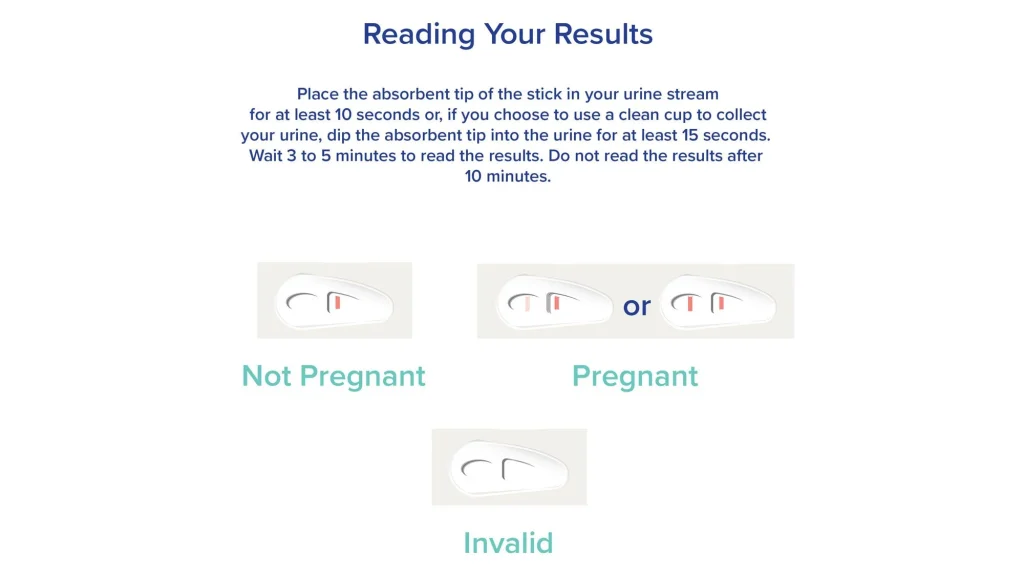
    Instructions for reading pregnancy test results with visual indicators for "Not Pregnant," "Pregnant," and "Invalid.

    The Benefits of Using a Midwife for Home Insemination

    Midwives are known for their expertise in alternative birthing methods such as natural birth and water birth. This knowledge and experience can be beneficial for individuals and couples who are interested in a more natural approach to home insemination. Midwives can provide guidance on positions and techniques that can enhance the chances of successful insemination, as well as provide support during the insemination process itself.

    5. Cost-Effective Option

    Using a midwife for home insemination can also be a cost-effective option compared to other fertility treatments. While the cost of a midwife may vary depending on location and services provided, it is often more affordable than traditional medical interventions such as intrauterine insemination (IUI) or in vitro fertilization (IVF). This can be especially beneficial for individuals and couples who may not have insurance coverage for fertility treatments.

    6. In-Home Convenience

    Another major benefit of using a midwife for home insemination is the convenience of having the procedure done in the comfort of your own home. This eliminates the need for multiple trips to a medical facility and allows for a more relaxed and comfortable environment. It also gives individuals and couples the opportunity to involve their partner or loved ones in the process, making it a more intimate and personal experience.

    7. Increased Privacy and Confidentiality

    Home insemination can be a very private and personal decision, and using a midwife for the procedure can offer increased privacy and confidentiality. There is no need to share intimate details with medical professionals or go through invasive procedures in a clinical setting. Midwives respect their clients’ privacy and offer a safe and confidential space for home insemination to take place.

    In summary, using a midwife for home insemination can offer a range of benefits, including expertise and experience in fertility and pregnancy, personalized and individualized care, support and guidance throughout the process, alternative birthing methods, cost-effectiveness, in-home convenience, and increased privacy and confidentiality. With their knowledge, skills, and nurturing approach, midwives can be a valuable asset for individuals and couples looking to conceive through home insemination.

    Search Engine Optimization (SEO) Metadata: