Tag: Natural Lubricants

  • From Stress to Fertility: How to Regulate Cervical Mucus Naturally

    From Stress to Fertility: How to Regulate Cervical Mucus Naturally

    When it comes to trying to conceive, many couples often overlook the importance of cervical mucus. However, this thick, slippery fluid produced by the cervix plays a vital role in fertility. It helps to nourish and protect sperm, as well as guide them towards the egg for fertilization. Additionally, cervical mucus can also indicate the most fertile days of a woman’s cycle, making it a crucial factor in achieving pregnancy.

    Unfortunately, many factors can affect the quality and quantity of cervical mucus, including stress, diet, and hormonal imbalances. In this blog post, we will discuss the connection between stress and cervical mucus and provide natural ways to regulate it to improve fertility.

    The Link Between Stress and Cervical Mucus

    Stress has become a prevalent issue in today’s fast-paced world, and it can have a significant impact on our overall health, including fertility. When we are stressed, our bodies release hormones such as cortisol and adrenaline, which can disrupt the delicate balance of hormones responsible for regulating the menstrual cycle and producing cervical mucus.

    One study found that women with high levels of stress had a significant decrease in cervical mucus production, making it more difficult for sperm to survive and reach the egg. Additionally, stress can also affect the quality of cervical mucus, making it less hospitable for sperm to survive and thrive.

    Natural Ways to Regulate Cervical Mucus

    1. Practice Stress Management Techniques

    The first step in regulating cervical mucus is to reduce stress levels. This may seem easier said than done, but incorporating stress management techniques into your daily routine can make a significant difference. Some effective techniques include deep breathing, meditation, yoga, and regular exercise. It’s also essential to identify and address any underlying stressors in your life, whether it be work, relationships, or other factors.

    2. Improve Diet and Hydration

    Smiling baby in a blue onesie with "made with Love" text, lying on a light blue crocheted blanket.

    From Stress to Fertility: How to Regulate Cervical Mucus Naturally

    What you eat and drink can also affect the quality and quantity of your cervical mucus. A diet rich in whole foods, healthy fats, and plenty of water can help to improve the production of cervical mucus. Avoiding processed foods and excessive caffeine and alcohol can also have a positive impact on your cervical mucus.

    3. Consider Herbal Supplements

    Certain herbs, such as evening primrose oil and red raspberry leaf, have been traditionally used to improve cervical mucus production. Evening primrose oil contains essential fatty acids that can help to increase the production of fertile cervical mucus, while red raspberry leaf is known for its ability to strengthen the uterus and support hormonal balance.

    4. Use Natural Lubricants

    Many commercially available lubricants can be harmful to sperm, hindering their ability to reach the egg. Instead, consider using natural lubricants such as coconut oil or Pre-Seed, which are sperm-friendly and can also help to improve the quality of cervical mucus.

    5. Track Your Menstrual Cycle

    Understanding your menstrual cycle and tracking your fertile window can also help to regulate cervical mucus. The most fertile days of a woman’s cycle are the days leading up to and including ovulation. By tracking your cycle and monitoring changes in your cervical mucus, you can identify your most fertile days and time intercourse accordingly.

    6. Seek Help from a Professional

    If you have been trying to conceive for over a year without success, it may be time to seek help from a fertility specialist. They can perform tests to assess the quality and quantity of your cervical mucus and provide personalized recommendations for improving fertility.

    In conclusion, cervical mucus plays a crucial role in fertility, and stress can have a significant impact on its production and quality. By incorporating stress management techniques, improving diet and hydration, and using natural remedies, you can regulate cervical mucus and increase your chances of conceiving. Remember to track your menstrual cycle and seek professional help if needed, and with patience and persistence, you can achieve your dream of starting a family.

    Summary:
    Cervical mucus is a vital factor in fertility, as it helps to nourish and guide sperm towards the egg for fertilization. However, stress can disrupt the production and quality of cervical mucus, making it more difficult to conceive. To regulate cervical mucus naturally, it is essential to manage stress, improve diet and hydration, consider herbal supplements, use natural lubricants, track menstrual cycles, and seek professional help if needed. By implementing these strategies, couples can increase their chances of achieving pregnancy and starting a family.


  • The Dos and Don’ts of Maintaining Healthy Cervical Mucus

    Cervical mucus is a vital aspect of female reproductive health. It plays a crucial role in fertility, as well as overall vaginal health. However, many women are often unaware of the importance of maintaining healthy cervical mucus and how to do so. In this blog post, we will discuss the dos and don’ts of maintaining healthy cervical mucus, so you can take control of your reproductive health and increase your chances of conception.

    The Dos:

    1. Stay Hydrated: Drinking plenty of water is essential for maintaining healthy cervical mucus. Dehydration can cause the mucus to become thick and sticky, making it difficult for sperm to travel through the cervix. Aim to drink at least eight glasses of water a day to keep your body well-hydrated.

    2. Eat a Balanced Diet: The food you eat has a significant impact on your cervical mucus. A balanced diet rich in fruits, vegetables, and healthy fats can help promote the production of healthy mucus. On the other hand, processed foods and sugary drinks can lead to imbalances in your hormonal levels, affecting the quality of your mucus.

    3. Take Fertility Supplements: Certain supplements, such as omega-3 fatty acids, vitamin C, and zinc, can help increase the quality and quantity of cervical mucus. These supplements can also help balance your hormones, which is crucial for maintaining healthy mucus.

    4. Track Your Cycle: Cervical mucus changes throughout your menstrual cycle, and tracking these changes can help you determine when you are most fertile. During ovulation, the mucus becomes thin, watery, and stretchy, resembling egg whites. This type of mucus is ideal for sperm to travel through and fertilize an egg.

    5. Use Natural Lubricants: When trying to conceive, it’s essential to avoid using lubricants that can harm sperm or disrupt the natural balance of your cervical mucus. Instead, opt for natural lubricants such as coconut oil or a fertility-friendly lubricant specifically designed to mimic the consistency of cervical mucus.

    6. Practice Safe Sex: Sexually transmitted infections (STIs) can cause changes in your cervical mucus, making it thicker and more difficult for sperm to travel through. It’s crucial to practice safe sex to prevent STIs and protect your reproductive health.

    7. Monitor Medications: Certain medications, such as antihistamines and decongestants, can dry up your cervical mucus. If you are trying to conceive, it’s essential to speak to your doctor about any medications you are taking and their potential effects on your cervical mucus.

    Mosie Baby pregnancy test kit with two tests and packaging, featuring a mint green color scheme.

    The Dos and Don'ts of Maintaining Healthy Cervical Mucus

    The Don’ts:

    1. Douche: Douching is not only unnecessary but can also disrupt the natural balance of bacteria in your vagina, leading to infections and changes in your cervical mucus. The vagina is self-cleaning, and douching can do more harm than good.

    2. Use Scented Products: Scented soaps, bubble baths, and feminine hygiene products can irritate your vagina and alter the pH balance, affecting the quality of your cervical mucus. Stick to unscented, mild products to keep your vagina healthy.

    3. Smoke: Smoking can damage your cervical mucus and decrease your fertility. It can also lead to hormonal imbalances and increase your risk of cervical cancer. If you smoke, it’s essential to quit to improve your overall reproductive health.

    4. Consume Excessive Caffeine: While a cup of coffee or tea is fine, consuming excessive amounts of caffeine can affect your cervical mucus. Caffeine can cause dehydration and reduce the production of mucus, making it difficult for sperm to travel through the cervix.

    5. Stress: Chronic stress can disrupt your hormonal balance and affect your cervical mucus. It’s crucial to find healthy ways to manage stress, such as yoga, meditation, or therapy, to maintain healthy mucus levels.

    6. Wear Tight Clothing: Tight clothing, especially underwear, can trap heat and moisture, creating an environment for bacteria to thrive. This can lead to infections and changes in your cervical mucus. Opt for loose, breathable clothing to keep your vaginal area dry and healthy.

    7. Ignore Changes: It’s normal for your cervical mucus to change throughout your cycle, but if you notice any drastic or concerning changes, it’s essential to speak to your doctor. Changes in color, consistency, or odor can indicate an underlying issue that needs to be addressed.

    In summary, maintaining healthy cervical mucus is crucial for fertility and overall vaginal health. Staying hydrated, eating a balanced diet, tracking your cycle, and using natural lubricants are some of the dos for maintaining healthy mucus. On the other hand, douching, using scented products, smoking, and wearing tight clothing are some of the don’ts. By following these dos and don’ts, you can take control of your reproductive health and increase your chances of conceiving.

  • Innovative Ways to Use the Syringe Insemination System for Conception

    Blog post:

    In recent years, there has been a rise in alternative methods for conception, with more and more individuals and couples opting for at-home insemination. One such method that has gained popularity is the syringe insemination system. Originally designed for medical purposes, the syringe has been adapted and used by many individuals and couples for conception. In this blog post, we will explore innovative ways to use the syringe insemination system for conception and how it can be a game-changer for those trying to conceive.

    The syringe insemination system involves using a syringe to deposit sperm into the vagina near the cervix, in order to increase the chances of fertilization. While it may seem like a simple and straightforward process, there are many different ways to use this method for conception. Let’s take a closer look at some of the innovative ways this system can be used:

    1. Using Frozen or Donor Sperm: The syringe insemination system is a great option for those using frozen or donor sperm. Instead of going through the process of intrauterine insemination (IUI) at a clinic, this method allows individuals or couples to do it themselves in the comfort of their own home. This can save time, money, and also provide a more intimate experience for the couple.

    2. Trying Different Positions: While the traditional method of using the syringe insemination system involves the individual lying down with their legs elevated, there are other positions that can be tried as well. Some individuals have found success in using the system while standing, sitting, or even using a fertility pillow to elevate the hips. Experimenting with different positions can help find what works best for each individual’s body and increase the chances of conception.

    3. Combining with Ovulation Tracking: For those trying to conceive, tracking ovulation is crucial. By combining the syringe insemination system with ovulation tracking methods such as basal body temperature charting or ovulation predictor kits, individuals can time their insemination to coincide with the most fertile days of their cycle. This can significantly increase the chances of conception and save time and energy from inseminating on non-fertile days.

    guide and materials for using Mosie Baby fertility kit on a textured surface

    Innovative Ways to Use the Syringe Insemination System for Conception

    4. Using Natural Lubricants: Many individuals may not be aware that traditional lubricants can actually hinder sperm motility and affect the chances of conception. This is where natural lubricants come in. Using alternatives such as coconut oil, egg whites, or Pre-Seed lubricant can not only enhance the experience, but also increase the chances of conception by providing a sperm-friendly environment.

    5. Trying Insemination During Menstruation: While it may seem counterintuitive, some individuals have found success in using the syringe insemination system during menstruation. This is because the cervix is more open during this time, making it easier for the sperm to reach the egg. This method may not work for everyone, but it is worth trying for those who have been unsuccessful in conceiving during their regular cycle.

    6. Using Acupuncture: Acupuncture has been used for centuries to promote fertility and increase the chances of conception. Combining acupuncture with the syringe insemination system can create a powerful and effective way to conceive. Acupuncture can help improve blood flow to the reproductive organs, balance hormones, and reduce stress, which can all contribute to a successful insemination.

    7. Trying Insemination Before or After Intercourse: The syringe insemination system can also be used as a supplement to traditional intercourse. Some individuals may choose to use the system before or after intercourse to increase the amount of sperm deposited near the cervix. This can help increase the chances of conception, especially for those with low sperm count or motility.

    In conclusion, the syringe insemination system is a versatile and innovative method for conception that can be adapted and customized for each individual’s needs. With its convenience, cost-effectiveness, and intimate nature, it has become a popular choice for those trying to conceive. By trying different approaches and combining it with other methods, the syringe insemination system can be a game-changer for individuals or couples on their journey to parenthood.

    Summary:

    The syringe insemination system has become a popular alternative method for conception. Originally designed for medical purposes, it has been adapted and used by many individuals and couples for at-home insemination. This blog post explores innovative ways to use the syringe insemination system, such as using frozen or donor sperm, trying different positions, combining with ovulation tracking, using natural lubricants, trying insemination during menstruation, using acupuncture, and supplementing traditional intercourse. By customizing and combining these methods, the syringe insemination system can be a game-changer for those trying to conceive.

  • Fertility at Home: DIY Tools for Boosting Your Chances

    Fertility at Home: DIY Tools for Boosting Your Chances

    Fertility is a topic that affects millions of people around the world. While some are lucky enough to conceive easily, others struggle with fertility issues that can be emotionally and financially taxing. While there are many medical interventions available, there are also natural and DIY methods that can be done at home to boost fertility. In this blog post, we will explore some of the DIY tools and techniques that can help increase your chances of conceiving.

    Understanding Fertility

    Before delving into the DIY tools for boosting fertility, it is essential to understand how fertility works. Fertility is the ability to conceive a child, and it is affected by various factors such as age, health, and lifestyle. As a woman ages, her fertility decreases, and after the age of 35, it becomes increasingly difficult to conceive. Health issues such as obesity, hormonal imbalances, and certain medical conditions can also affect fertility. Lifestyle factors like smoking, excessive alcohol consumption, and stress can also have a negative impact on fertility.

    DIY Tools for Boosting Fertility

    1. Tracking Ovulation

    Ovulation is the process of releasing an egg from the ovary, which is essential for conception. Tracking ovulation can help determine the most fertile days in a woman’s cycle, making it easier to plan intercourse for conception. There are several ways to track ovulation, such as using ovulation predictor kits, monitoring basal body temperature, and tracking changes in cervical mucus.

    2. Maintaining a Healthy Diet

    A healthy diet is crucial for overall health and can also play a significant role in boosting fertility. Foods rich in antioxidants, such as fruits and vegetables, can help improve egg quality and sperm health. Foods high in folic acid, iron, and calcium are also beneficial for fertility. On the other hand, consuming excessive amounts of caffeine, alcohol, and processed foods can have a negative impact on fertility.

    3. Herbal Remedies

    There are many herbs and supplements that are believed to boost fertility. For women, red raspberry leaf, chasteberry, and maca root are known to have fertility-enhancing properties. For men, ashwagandha, ginseng, and tribulus terrestris have been shown to improve sperm count and motility. However, it is essential to consult with a healthcare professional before trying any herbal remedies, as some may have adverse effects or interact with medications.

    4. Stress Management

    mosie baby logo featuring a heart and leaves in blue, pink, and green colors.

    Fertility at Home: DIY Tools for Boosting Your Chances

    Stress is a common factor that can negatively affect fertility. When the body is under stress, it produces cortisol, a hormone that can interfere with ovulation and sperm production. Therefore, finding ways to manage stress, such as yoga, meditation, or therapy, can help improve fertility.

    5. Acupuncture

    Acupuncture is an ancient Chinese practice that involves inserting thin needles into specific points on the body to improve overall health. It has been shown to be effective in improving fertility by regulating hormones, reducing stress, and increasing blood flow to the reproductive organs.

    6. Yoga and Exercise

    Regular exercise and yoga can improve fertility by reducing stress, regulating hormones, and improving blood flow to the reproductive organs. However, it is crucial to avoid excessive and strenuous exercises, as they can have a negative impact on fertility.

    7. Essential Oils

    Certain essential oils, such as lavender, rose, and geranium, are believed to have fertility-enhancing properties. These oils can be used in aromatherapy, massage, or added to bath water to help reduce stress and promote relaxation, which can aid in fertility.

    8. Natural Lubricants

    Some lubricants can be harmful to sperm and can hinder conception. Using natural lubricants such as coconut oil, vitamin E oil, or Pre-Seed, can be beneficial for fertility as they do not interfere with sperm movement.

    Summary

    Fertility is a complex topic that can be affected by various factors such as age, health, and lifestyle. While medical interventions are available, there are also natural and DIY methods that can be done at home to boost fertility. Tracking ovulation, maintaining a healthy diet, using herbal remedies, managing stress, acupuncture, yoga and exercise, essential oils, and natural lubricants are some of the DIY tools that can help increase your chances of conceiving.

    In conclusion, fertility at home is possible with the help of these DIY tools and techniques. However, it is essential to remember that fertility is a personal journey, and what works for one person may not work for another. It is crucial to consult with a healthcare professional and make lifestyle changes that work for your body and your situation.

  • Preparing Your Body for Pregnancy: Essential DIY Baby-Making Techniques

    Preparing Your Body for Pregnancy: Essential DIY Baby-Making Techniques

    Are you and your partner planning to start a family? Congratulations! The journey to parenthood is a beautiful and exciting one, but it also requires some preparation. One crucial aspect of preparing for pregnancy is ensuring that your body is ready for the journey ahead. This means taking care of your physical health, making lifestyle changes, and implementing essential DIY techniques that can boost your chances of conceiving. In this blog post, we will discuss some essential DIY baby-making techniques that you can incorporate into your routine to prepare your body for pregnancy.

    1. Eat a Healthy and Balanced Diet
    The food you eat plays a significant role in your overall health and fertility. It is essential to consume a well-balanced diet that includes a variety of fruits, vegetables, whole grains, lean proteins, and healthy fats. These foods provide essential nutrients that support reproductive health and increase your chances of conceiving. Additionally, maintaining a healthy weight is crucial for fertility, as being underweight or overweight can affect your hormone levels and ovulation.

    2. Exercise Regularly
    Regular exercise is not only beneficial for your physical health but also for your fertility. It helps maintain a healthy weight, reduces stress, and improves blood flow to the reproductive organs. However, it is essential to avoid excessive or intense exercise, as it can have a negative impact on ovulation. It is best to consult with a doctor or fertility specialist to determine a suitable exercise routine for your body.

    3. Quit Unhealthy Habits
    Smoking, excessive alcohol consumption, and recreational drug use can significantly affect your fertility. These habits can lower sperm count, decrease egg quality, and increase the risk of miscarriage. It is crucial to quit these habits before trying to conceive to give your body the best chance of a healthy pregnancy.

    4. Take Prenatal Vitamins
    Prenatal vitamins are specially formulated to provide essential nutrients needed for a healthy pregnancy. They contain folic acid, which is crucial in preventing birth defects in the baby’s brain and spine. It is recommended to start taking prenatal vitamins at least three months before trying to conceive.

    5. Track Your Ovulation
    Knowing when you are ovulating is crucial for pregnancy. Ovulation is the process of releasing an egg from the ovary, which is the most fertile time in a woman’s menstrual cycle. You can track your ovulation using various methods, such as tracking your basal body temperature, cervical mucus, or using ovulation predictor kits. Understanding your ovulation cycle can help you time intercourse and increase your chances of conception.

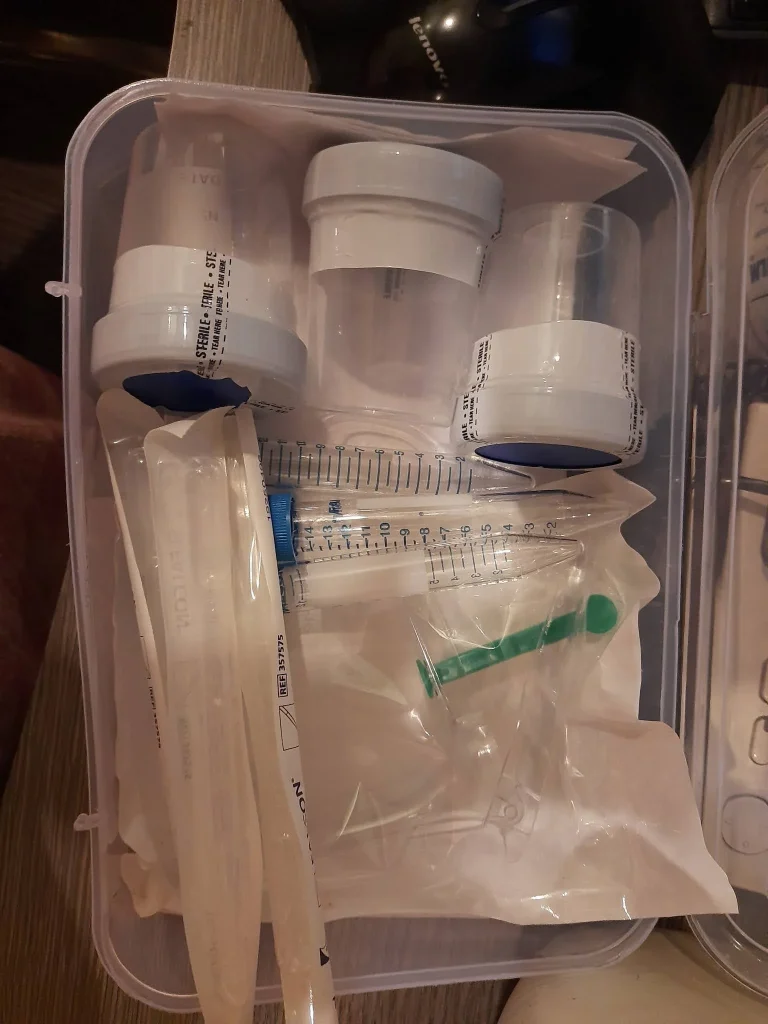
    various medical supplies and containers organized in a clear plastic box on a wooden surface

    Preparing Your Body for Pregnancy: Essential DIY Baby-Making Techniques

    6. Try Natural Fertility Supplements
    Some natural supplements can help improve fertility in both men and women. These include Coenzyme Q10, zinc, vitamin D, and omega-3 fatty acids. However, it is essential to consult with a doctor before taking any supplements to ensure they are safe for you and will not interfere with any medications you may be taking.

    7. Reduce Stress
    Stress can have a significant impact on your reproductive health. It can affect hormone levels, ovulation, and sperm production. Therefore, it is crucial to find ways to reduce stress in your life. This can include practicing relaxation techniques such as yoga or meditation, getting enough sleep, and engaging in activities you enjoy.

    8. Use Natural Lubricants
    Some lubricants can interfere with sperm motility and decrease your chances of conceiving. It is best to use natural lubricants, such as coconut oil, olive oil, or Pre-Seed, which are safe for sperm and can even aid in conception.

    9. Try Acupuncture
    Acupuncture is an ancient Chinese healing technique that involves inserting thin needles into specific points on the body. It has been found to be beneficial in improving fertility by reducing stress, balancing hormones, and increasing blood flow to the reproductive organs.

    10. Have Regular Sex
    The most crucial DIY technique for conceiving is to have regular sex. It is recommended to have intercourse every two to three days throughout your cycle to ensure sperm is present when ovulation occurs. Trying to conceive can sometimes become stressful, but it is essential to keep the spark alive and not make it feel like a chore.

    In conclusion, preparing your body for pregnancy is essential to increase your chances of conceiving and having a healthy pregnancy. Incorporating these DIY baby-making techniques into your routine can help boost your fertility and prepare your body for the journey of motherhood. Remember to consult with a doctor or fertility specialist if you have any concerns or questions about your fertility.

    Summary:
    Preparing your body for pregnancy is crucial for increasing your chances of conceiving and having a healthy pregnancy. Some essential DIY baby-making techniques include eating a healthy and balanced diet, exercising regularly, quitting unhealthy habits, taking prenatal vitamins, tracking ovulation, trying natural fertility supplements, reducing stress, using natural lubricants, trying acupuncture, and having regular sex. These techniques can help boost your fertility and prepare your body for the journey of motherhood. Consult with a doctor or fertility specialist for any concerns or questions about your fertility.

  • DIY Baby-Making Essentials for Overcoming Infertility

    Blog Post:

    Infertility is a common issue that many couples struggle with when trying to conceive. It can be a stressful and emotional journey, but there are DIY baby-making essentials that can help overcome this obstacle. With the right approach and tools, you can increase your chances of getting pregnant naturally. In this blog post, we will discuss the top DIY baby-making essentials for overcoming infertility.

    1. Fertility-Boosting Foods and Supplements

    The food we consume plays a vital role in our overall health, including our reproductive health. Including fertility-boosting foods in your diet can help regulate hormones, improve egg quality, and increase sperm count. Some examples of fertility-boosting foods are leafy greens, whole grains, healthy fats, and lean proteins. Additionally, certain supplements such as folic acid, vitamin D, and CoQ10 have been shown to improve fertility in both men and women.

    2. Ovulation Tracking

    Knowing when you are ovulating is crucial when trying to conceive. Ovulation tracking can help pinpoint your fertile window and increase your chances of conception. There are several methods for tracking ovulation, including using ovulation predictor kits, tracking basal body temperature, and monitoring changes in cervical mucus. By tracking your ovulation, you can time intercourse for when you are most likely to get pregnant.

    3. Stress Management

    Stress can have a significant impact on fertility. When our bodies are under stress, the hormone cortisol is released, which can interfere with the production of reproductive hormones. Therefore, it is essential to manage stress levels when trying to conceive. Some effective techniques for stress management include yoga, meditation, acupuncture, and deep breathing exercises.

    4. Exercise Regularly

    Maintaining a healthy weight and being physically active can improve fertility. Regular exercise can help regulate hormones, improve blood flow to the reproductive organs, and reduce stress levels. However, it is essential to find a balance as excessive exercise can have the opposite effect and negatively impact fertility. Aim for 30 minutes of moderate exercise, such as brisk walking, five days a week.

    5. Quit Smoking and Limit Alcohol Intake

    at-home insemination kit by Mosie Baby, featuring syringes and containers for comfort and convenience.

    DIY Baby-Making Essentials for Overcoming Infertility

    Smoking and excessive alcohol consumption have been linked to infertility in both men and women. Smoking can affect sperm count and quality, while alcohol can disrupt hormone levels and interfere with ovulation. If you are trying to conceive, it is best to quit smoking and limit alcohol intake to increase your chances of getting pregnant.

    6. Try Alternative Therapies

    In addition to traditional methods, there are also alternative therapies that can help boost fertility. Acupuncture, for example, has been shown to regulate hormones and improve blood flow to the reproductive organs. Chiropractic care can also help with hormone balance and overall reproductive health.

    7. Use Natural Lubricants

    When trying to conceive, it is essential to use natural lubricants as some commercial lubricants can interfere with sperm motility and survival. Natural lubricants, such as coconut oil or egg whites, can provide a sperm-friendly environment and increase the chances of fertilization.

    8. Consider Trying at-home Insemination

    At-home insemination, also known as the turkey baster method, can be an option for couples struggling with infertility. This method involves collecting semen from the male partner and inserting it into the female partner’s cervix using a syringe or baster. While it may not be as effective as assisted reproductive techniques, it can be a more affordable and less invasive option for some couples.

    9. Seek Professional Help

    If DIY methods do not work, it is essential to seek professional help. A fertility specialist can conduct tests to determine the cause of infertility and recommend the best course of action. They may suggest fertility medications, intrauterine insemination, or in vitro fertilization, depending on your specific situation.

    In conclusion, infertility can be a challenging obstacle for couples trying to conceive, but there are DIY baby-making essentials that can help increase the chances of getting pregnant naturally. From fertility-boosting foods and supplements to alternative therapies and at-home insemination, there are many options to explore. Remember to manage stress levels, exercise regularly, and seek professional help if needed. With patience and perseverance, you can overcome infertility and bring your bundle of joy into the world.

    Summary:

    Infertility can be a challenging obstacle for couples trying to conceive, but there are DIY baby-making essentials that can help increase the chances of getting pregnant naturally. These essentials include fertility-boosting foods and supplements, ovulation tracking, stress management, regular exercise, quitting smoking and limiting alcohol intake, trying alternative therapies, using natural lubricants, and considering at-home insemination. It is also important to seek professional help if these methods do not work. With patience and perseverance, overcoming infertility is possible.